Skip to content
Details

Custom Rigid Cosmetic Boxes

Premium rigid-board packaging for glass skincare, prestige makeup and beauty products that need firm walls, controlled fit and a more substantial product presentation.

Rigid Board Has to Earn Its Place

A heavier box is not automatically better cosmetic packaging.

Custom rigid cosmetic boxes make sense when the product, price position or opening experience actually benefits from firm walls and a permanently formed structure. A glass skincare jar, premium compact or high-value serum can justify that extra substance. A lightweight mascara or everyday lip product often does not.

That distinction matters because rigid packaging changes more than appearance. It occupies more storage space than a flat folding carton, uses a different construction process and usually carries a higher packaging cost. In return, it creates stronger shape retention, supports substantial inserts and gives the product a more deliberate physical presence.

The decision should therefore start with the primary container.

Within cosmetics and personal care packaging, rigid construction is one option among folding cartons, flexible packs, tubes, displays and gift packaging. It belongs where its structure solves something meaningful rather than simply signaling that the product is expensive.

A premium cosmetic box should feel substantial because the product deserves that treatment, not because rigid board was chosen before the product was measured.
Glass Changes the Packaging Job

Glass jars, droppers and bottles introduce weight and break risk that lightweight cosmetic containers do not.

Rigid board provides a firm external shell, but the box alone does not stop a glass product from moving. The container still needs controlled clearance or an insert that keeps its mass from shifting inside the cavity.

A heavy jar placed loosely in a beautiful rigid box can strike the walls every time the package is moved. The outside may look premium while the inside feels unfinished.

Jar Support

A cylindrical jar needs support around the body without becoming difficult to remove.

If the cavity is too generous, the jar can slide laterally. If it is extremely tight, the customer may have to pull on the lid or twist the product out.

A raised insert platform can reduce unnecessary box depth while positioning the label closer to the opening. Finger access beside the jar can make removal easier without widening the entire cavity.

Dropper and Pump Clearance

Droppers and pumps deserve separate attention because the highest or most delicate point may not be the main container body.

Pressure should not be concentrated on a pump head, pipette assembly or exposed collar when the lid closes. The insert can hold the bottle around a stronger area while leaving controlled clearance above vulnerable components.

The same principle applies during packing. Staff should be able to load the product without forcing a delicate top through an undersized opening.

The fit rules for beauty product packaging are especially important for rigid structures because excess internal space cannot be disguised by flexible walls.

The Insert Carries the Product Experience

For many rigid cosmetic boxes, the insert does more practical work than the outer board.

It establishes where the product sits, how much of it is visible, how easily it can be removed and whether its weight is distributed cleanly through the box.

Foam can provide controlled retention for heavy or fragile products. Paperboard can create cleaner platforms, folded supports and organized cavities where heavy cushioning is unnecessary. Other formed insert directions may suit different project requirements.

The correct packaging insert should give the actual cosmetic container the right support rather than simply look more expensive.

Hold the Body, Not the Weak Point

A serum bottle should usually be restrained around a structurally reliable area rather than around the dropper bulb or exposed neck.

A compact may need edge support without pressure on its opening mechanism. A lipstick case can sit in a fitted recess while leaving enough of the product exposed for easy lifting.

An insert should understand how the product is handled.

Control the Visible Depth

Premium cosmetics can look lost when they sit too far below the top edge.

Raising the product with a fitted platform can create a stronger first view without requiring a shallower outer box. The amount exposed should still leave enough support to prevent tipping or movement.

Presentation height is therefore structural, not just visual.

Product Removal Needs Its Own Space

A tightly controlled fit can become a usability problem.

Cosmetic containers are often smooth, round or highly finished. If an insert surrounds too much of the product, the customer may have nowhere to grip it.

The solution is not automatically more clearance around the entire cavity.

Finger notches, side relief, lifting ribbons or partial exposure can create access only where it is needed.

This matters for heavy jars in particular. The customer should be able to lift the product by the container body rather than pulling on the lid. A small bottle should not require fingernails to pry it from a foam cavity.

Removal should be evaluated with the final decorated product because coatings, labels, caps and secondary components can change the hand position.

A rigid package is successful when the product looks secure before removal and feels easy to access once the customer reaches for it.

One Premium SKU Does Not Define the Whole Line

Beauty brands rarely need the same packaging construction for every product.

A prestige serum can justify a rigid presentation box while an everyday cleanser uses a printed carton. A holiday compact might move into rigid packaging while the standard version remains in paperboard. A hero fragrance can occupy the highest packaging tier without forcing travel-size products into the same construction.

That creates a useful hierarchy.

Folding carton cosmetic boxes are more efficient for many lightweight retail SKUs because they store flat, carry detailed product information and scale cleanly across larger assortments.

Rigid cosmetic packaging should occupy the point where added structural presence matters.

For skincare lines in particular, skincare boxes can cover the full system across tubes, jars, droppers and treatment kits rather than assuming every SKU belongs in rigid board.

A consistent beauty brand does not require identical structures. Color rules, typography, finish hierarchy and graphic language can connect different packaging types while the structure changes according to product value and physical need.

The Box Style Changes the Beauty Experience

Once rigid construction is justified, the next question is how the customer should access the cosmetic product.

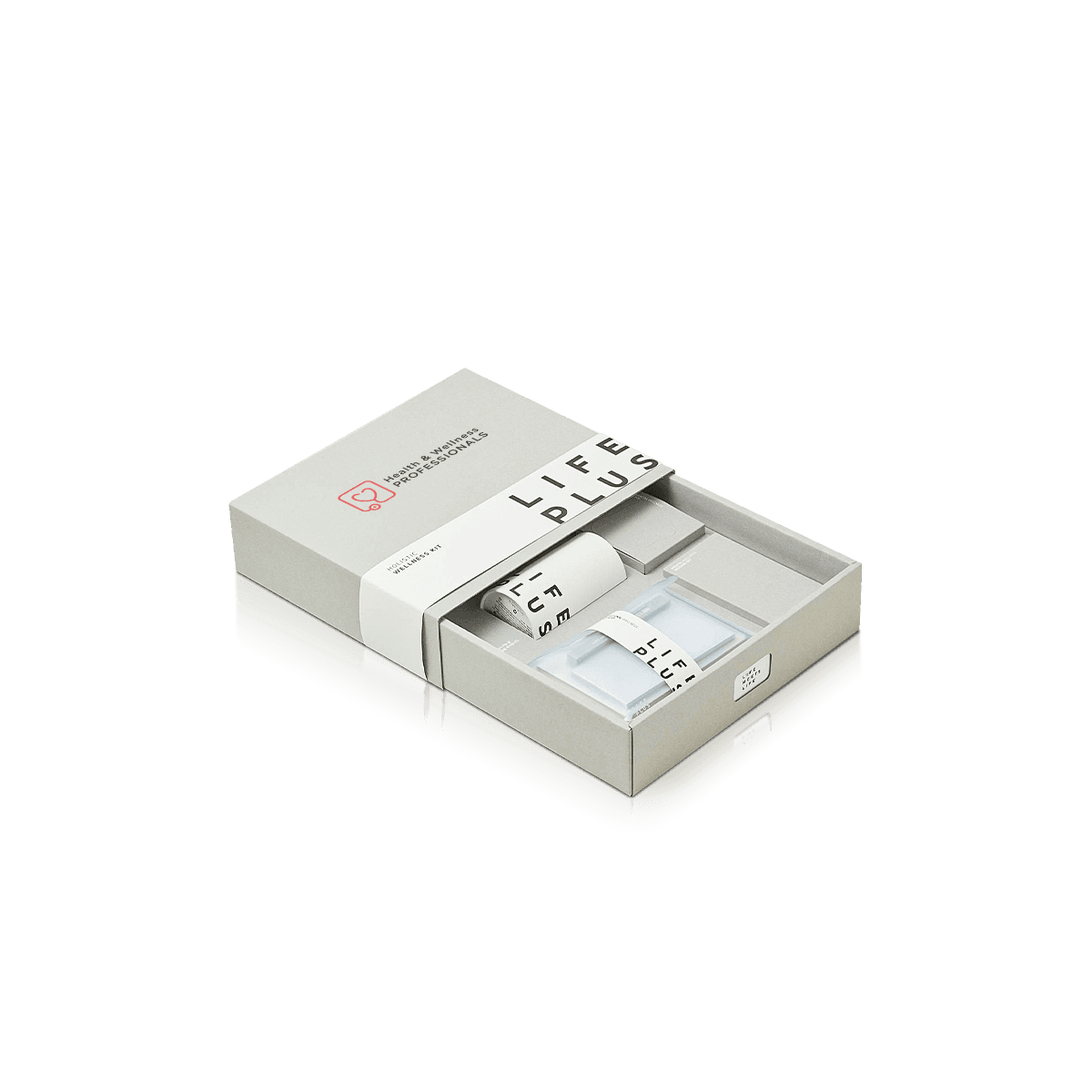
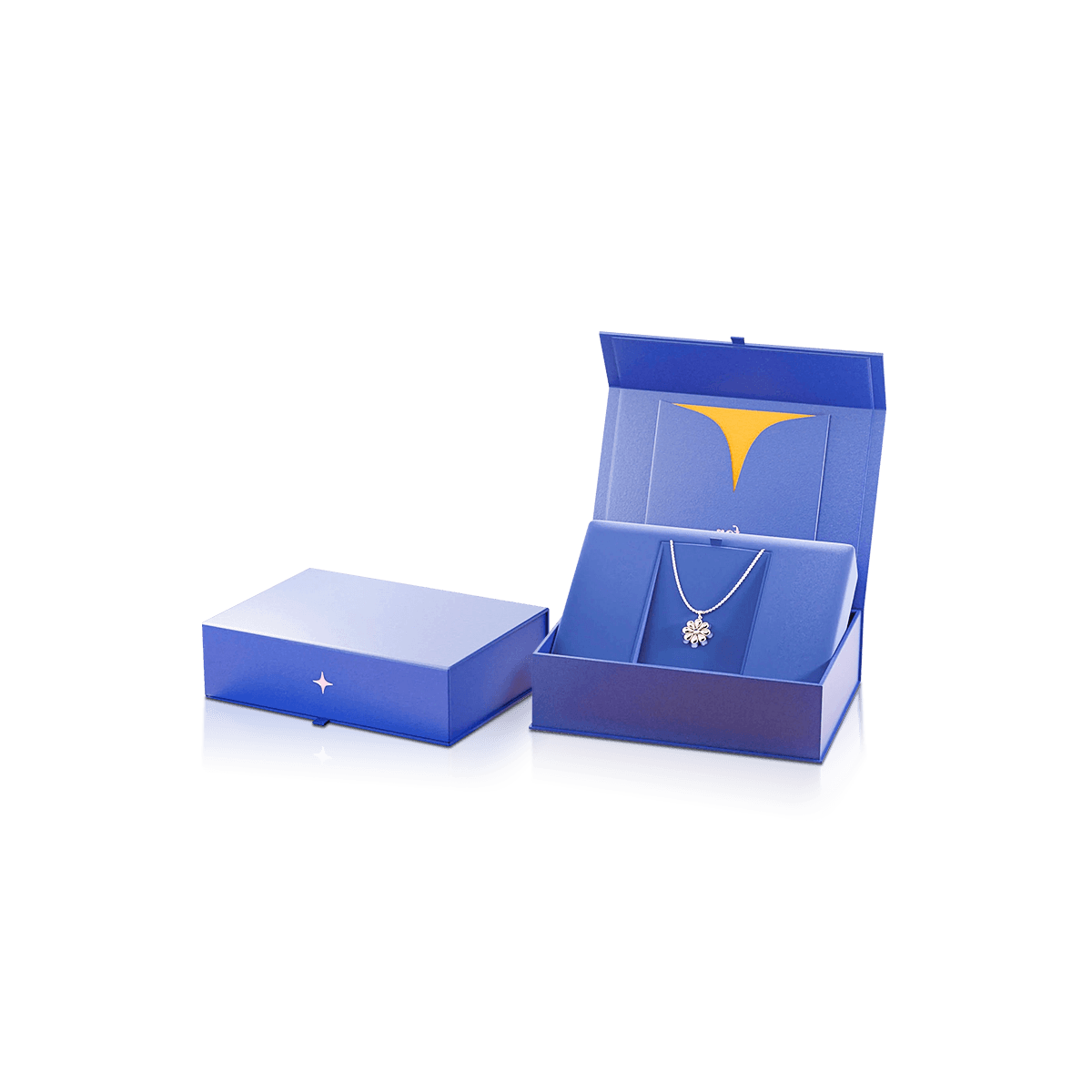
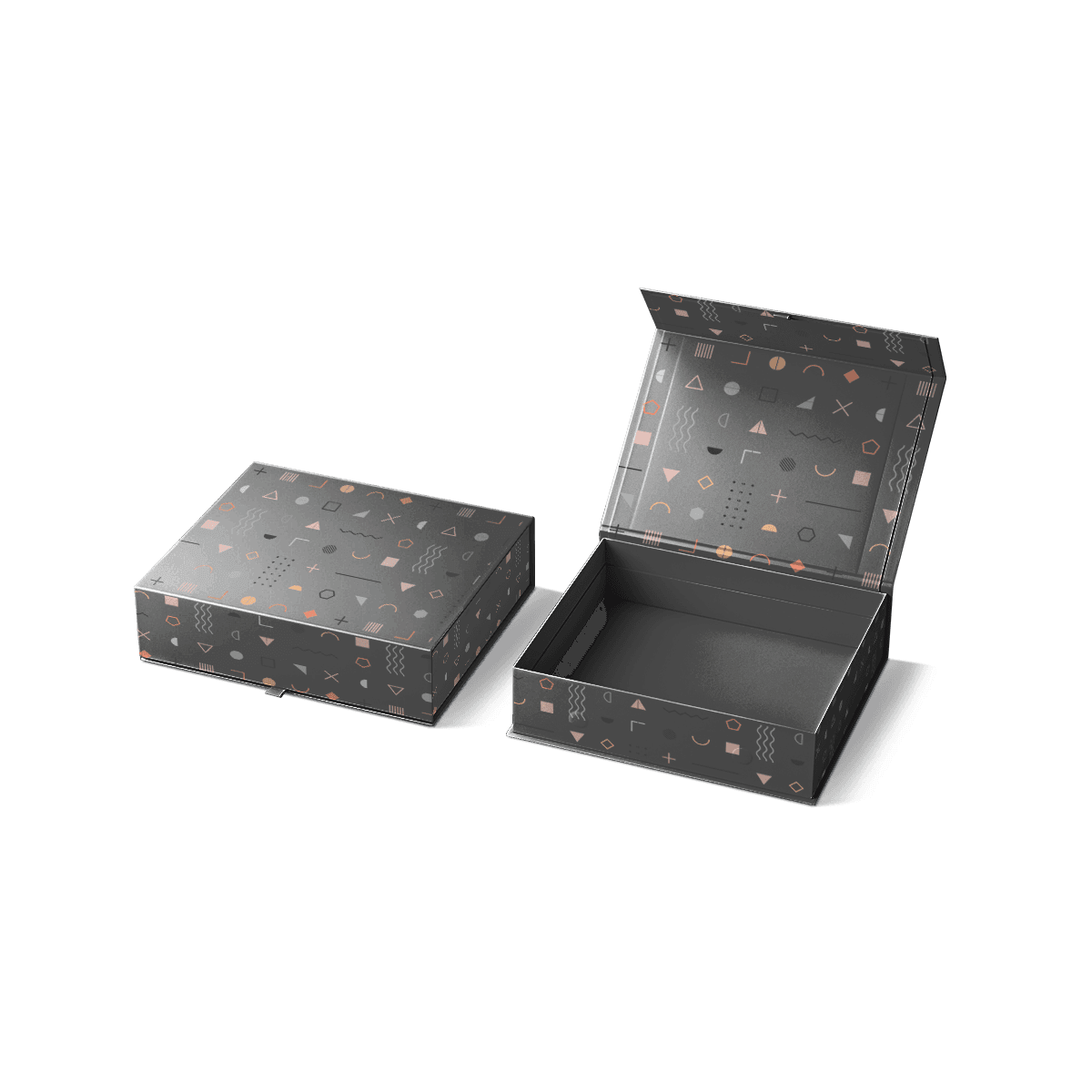
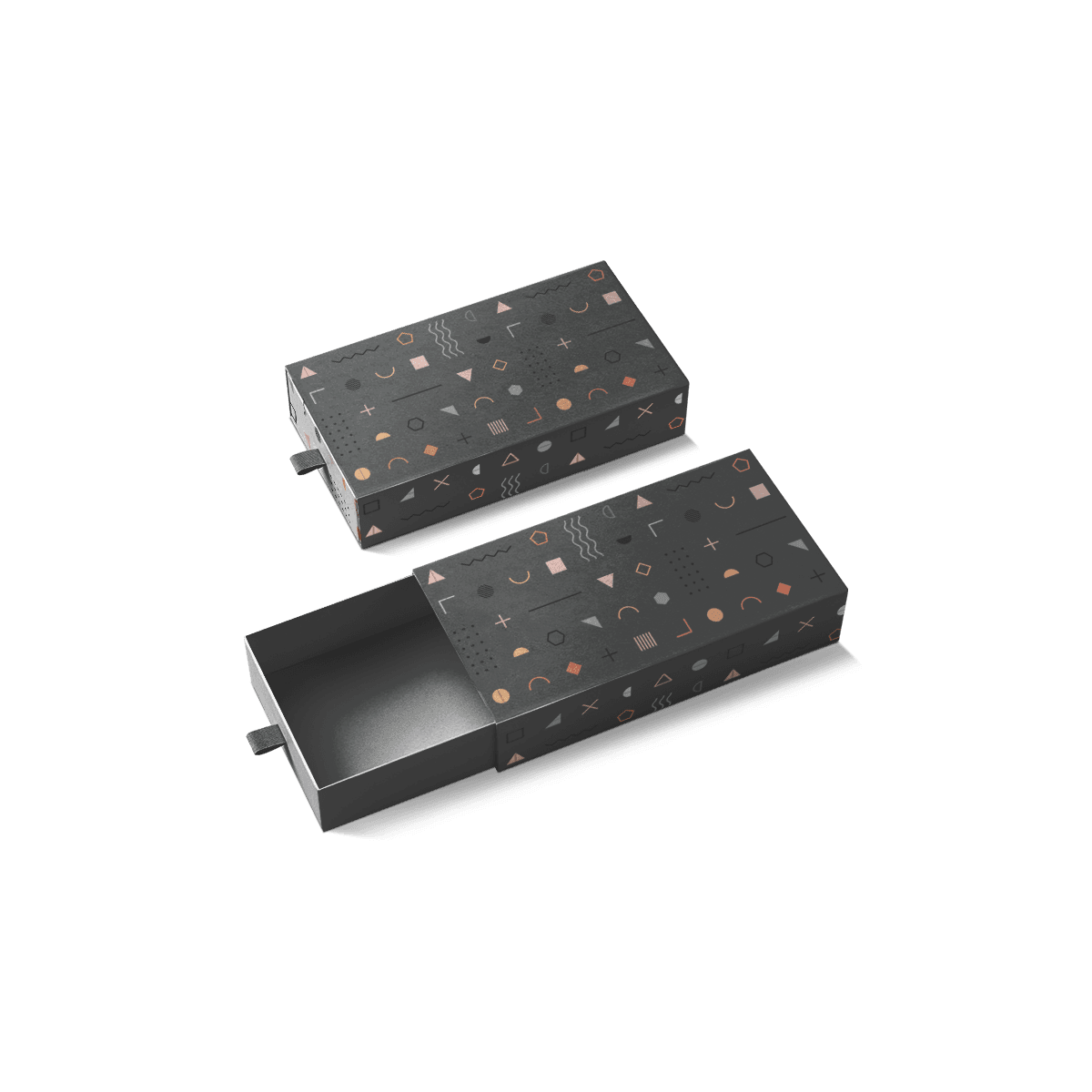
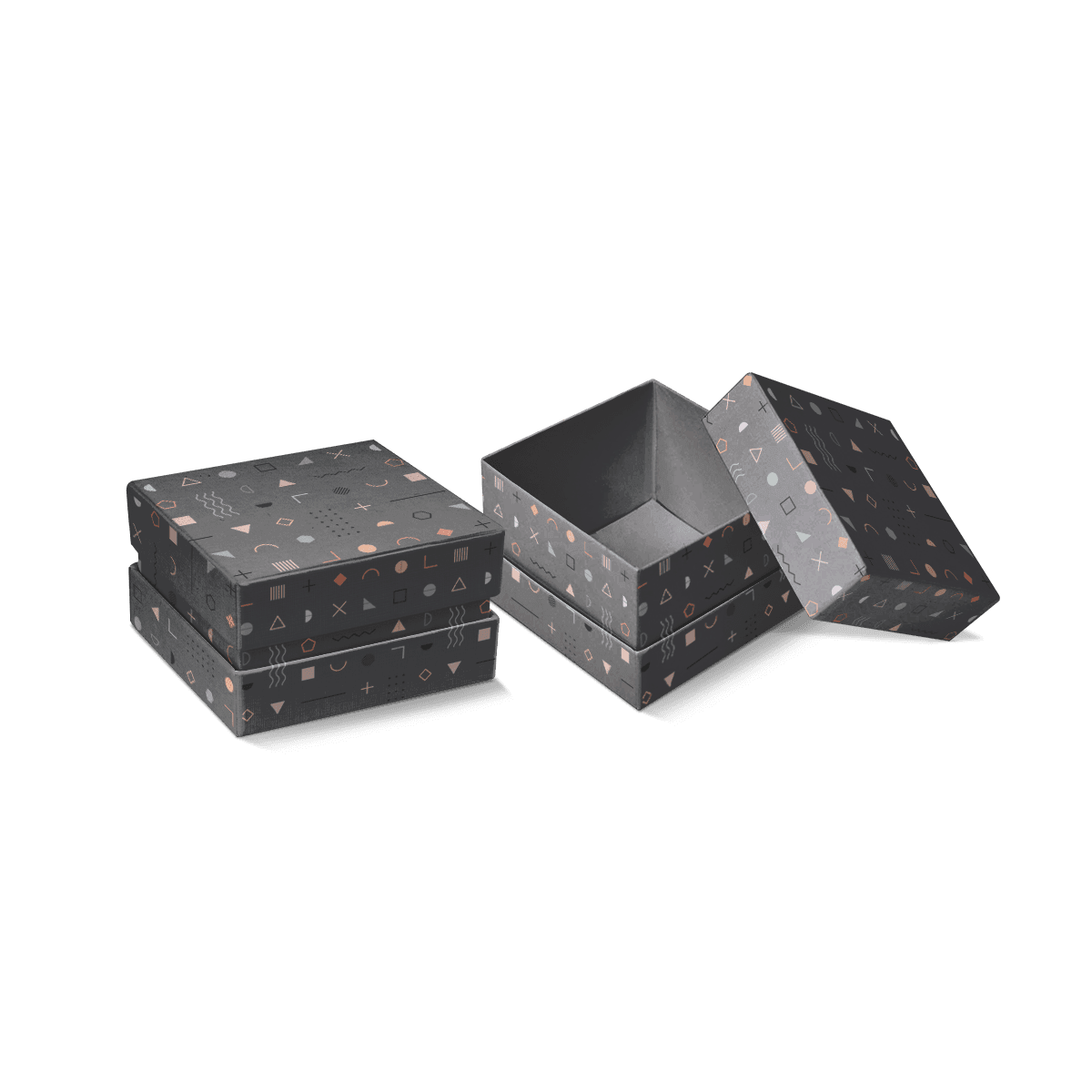
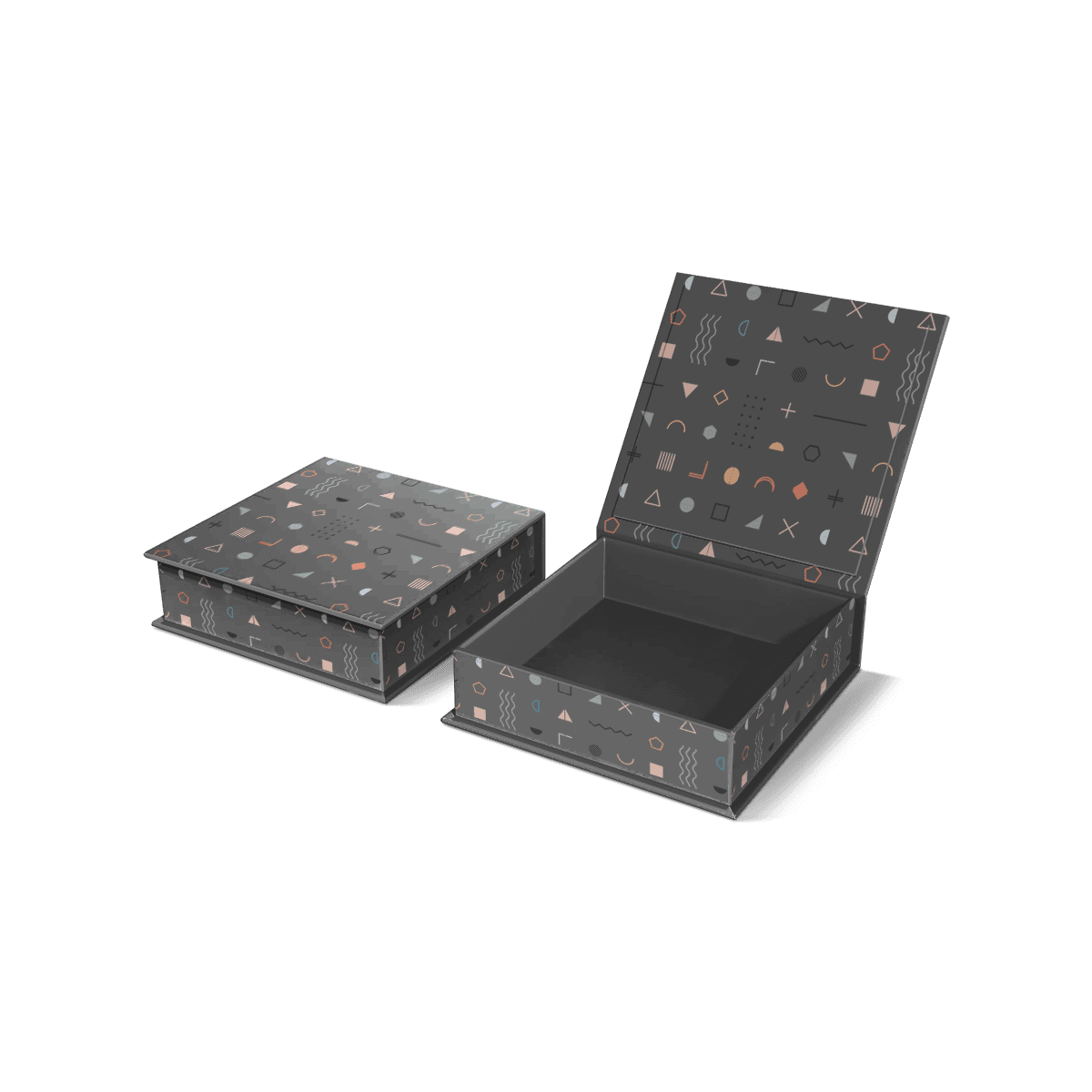
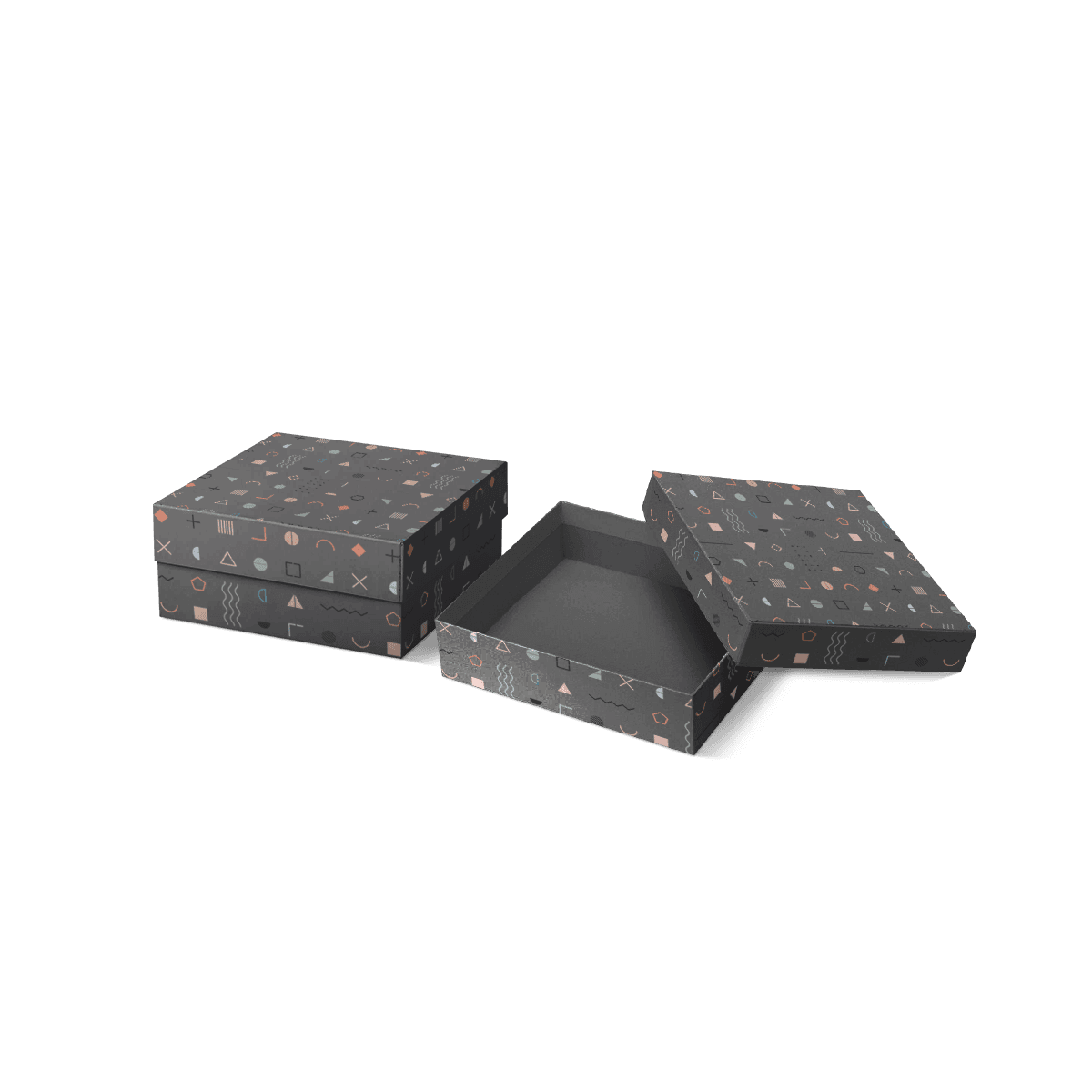
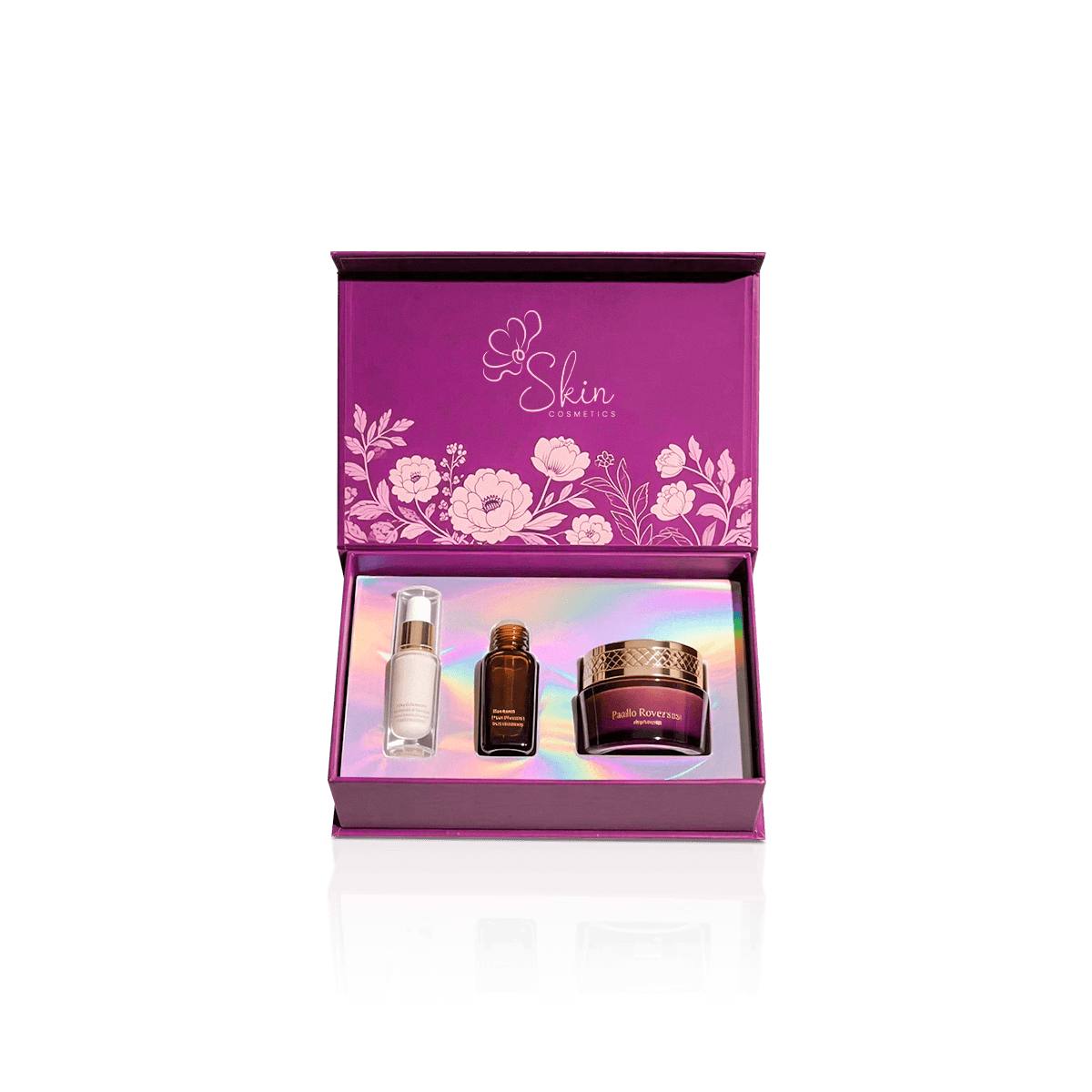
A magnetic hinged box presents the contents immediately. A drawer slows the reveal through horizontal movement. A two-piece box separates lid from base. A book-style structure leaves a connected inner cover available for artwork and messaging.

Those structures should not be selected from appearance alone.

A heavy glass jar may work well in a lift-off lid box because the product can be approached directly from above. A slim serum set can work in a drawer when the insert controls each bottle securely. A launch product may benefit from a hinged presentation where the inside lid carries campaign artwork.

The custom rigid boxes area covers these structural directions in more depth.

The cosmetic product still decides the final choice. Opening style should support product weight, insert geometry, packout and removal rather than forcing those details around a predetermined box.

Wrap and Color Need Production Discipline

Cosmetics packaging often depends on precise visual control.

Small differences in a neutral tone, deep black, skin-tone palette or signature brand color can become more noticeable when several products sit together at retail or in campaign photography.

Premium offset printing provides a strong route for detailed graphics and controlled reproduction. CMYK works well for imagery and multi-color artwork, while Pantone references can be useful where a specific spot color carries major brand importance.

Rigid boxes add another variable because printed or specialty paper is wrapped around board rather than simply printed as a flat folding carton.

Corners, turned edges and wrapped joints affect where graphics should sit.

Do not place fine text or critical graphic alignment too close to a turned edge merely because the artwork file has room. The physical wrap needs tolerance.

Custom Packly provides design and dieline support plus free 3D mockups so the visible faces, wrap edges and interior presentation can be reviewed together before production.

Finishing Should Create Contrast

Cosmetics packaging gives brands many finishing choices, but using several at once can flatten the hierarchy rather than strengthen it.

Soft-touch can establish the overall tactile character. Foil can create a focal mark. Embossing or debossing can add depth to a restrained logo. Spot UV can create contrast against a matte field.

The useful question is what the customer should notice first.

The differences among matte, gloss, spot UV, foil and embossing matter more than the number of techniques specified.

A dark matte skincare box with one controlled foil detail may communicate premium positioning more effectively than several reflective effects placed across every surface.

Interior finishing also deserves restraint. Once the box opens, the product should remain the strongest object in the composition.

Oversizing Can Make Premium Look Cheap

Rigid packaging is sometimes enlarged to make a cosmetic product appear more substantial.

That strategy has limits.

A small bottle surrounded by a large empty cavity can make the product look undersized instead of luxurious. It increases material use, insert size, warehouse volume and outer shipping dimensions at the same time.

Imagine a premium 30 ml serum placed inside a deep rigid box originally proportioned for a larger bottle.

The bottle sits low and can move slightly because the cavity is generous. The pack feels heavy, but opening it reveals more empty space than product.

The correction is not more tissue or decorative filler.

Reduce unnecessary internal volume, raise the serum to an intentional presentation height and support the bottle around its strongest area. Add finger access so it can still be removed comfortably.

The same product now occupies the package confidently without pretending to be physically larger.

Premium presentation depends more on proportion than empty space.

Beauty Gift Packaging Owns a Different Job

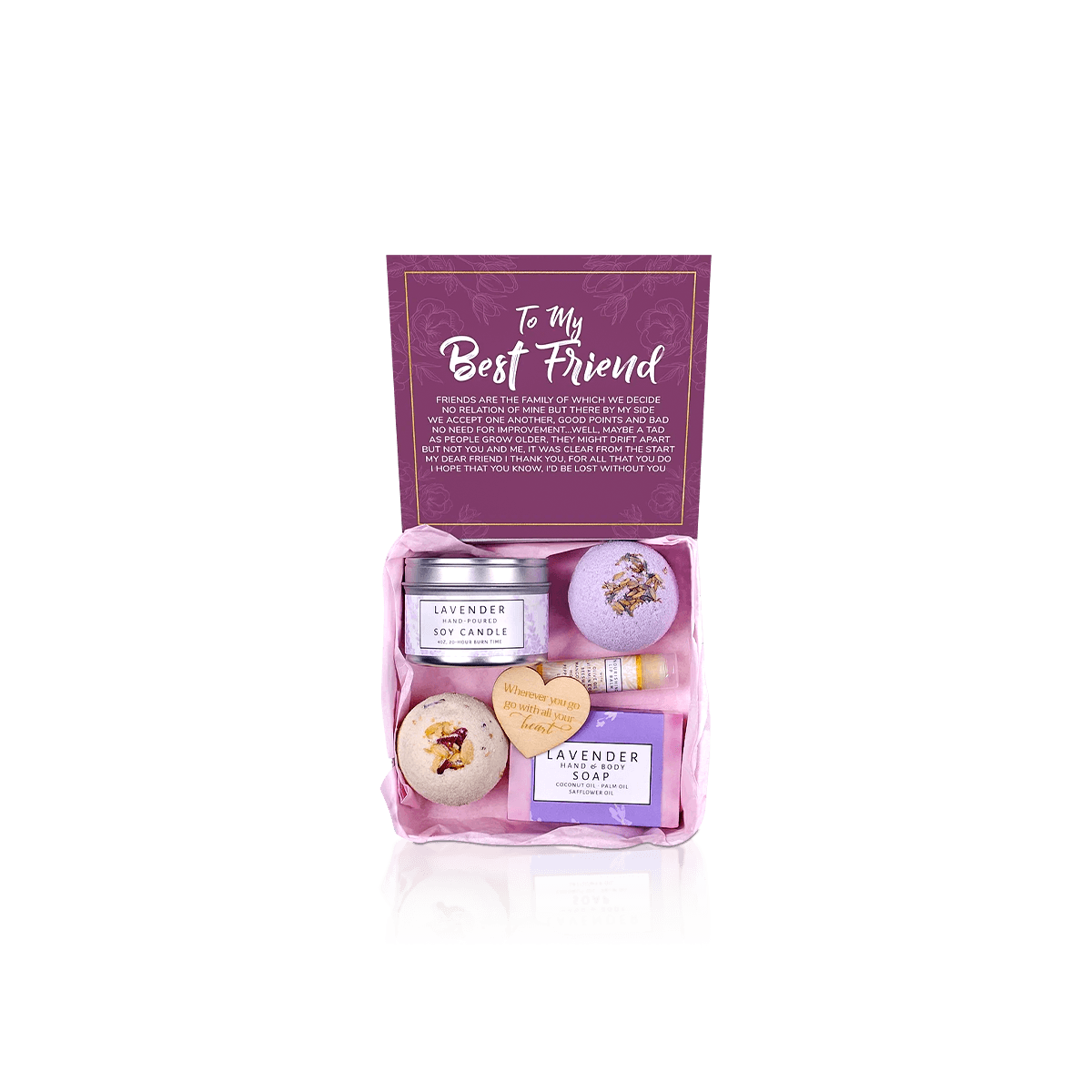
Rigid cosmetic boxes can contain more than one product, but multi-item gifting should not take over the purpose of this packaging.

The core role here is the rigid construction around premium cosmetics: firm board, controlled fit, substantial presentation and appropriate insert support.

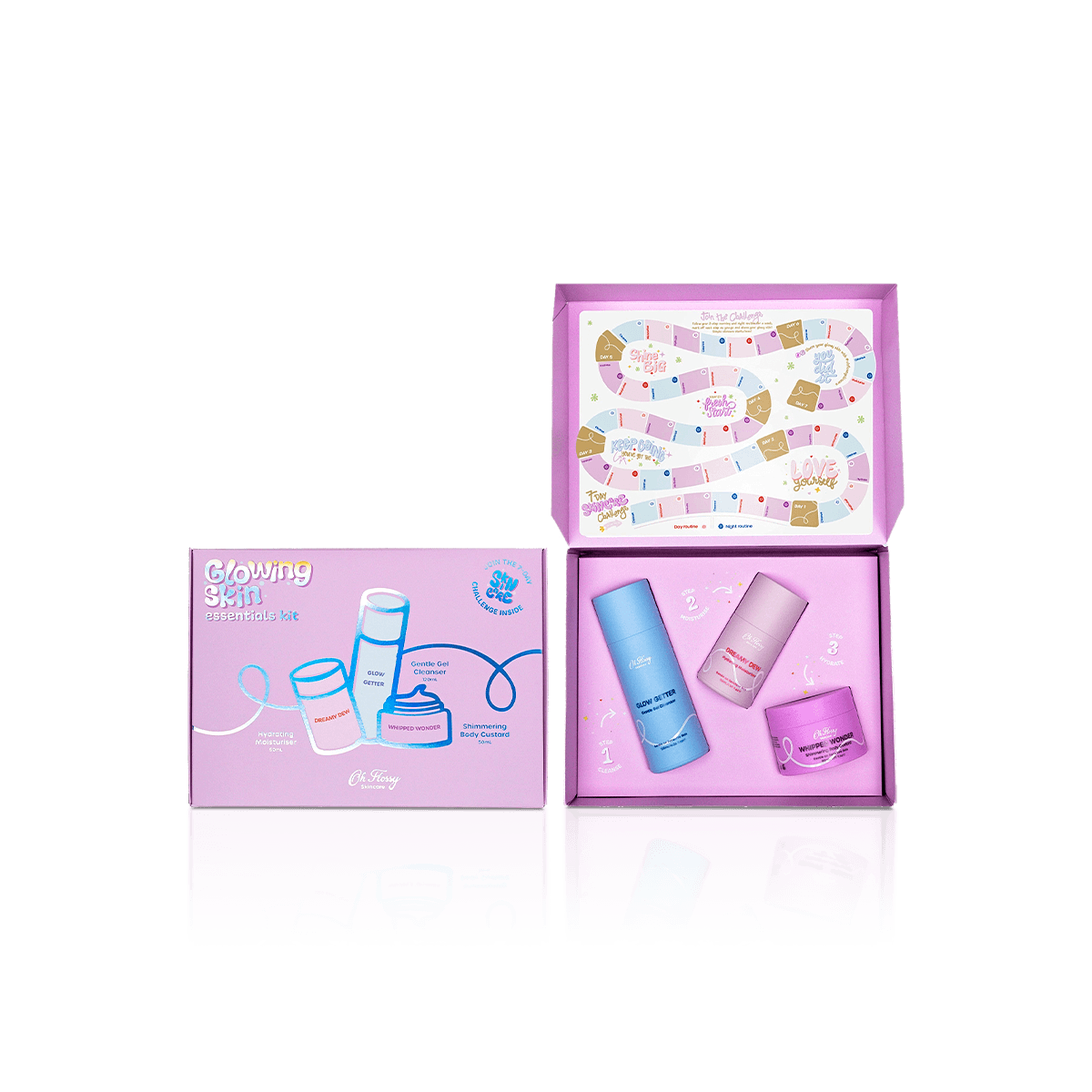
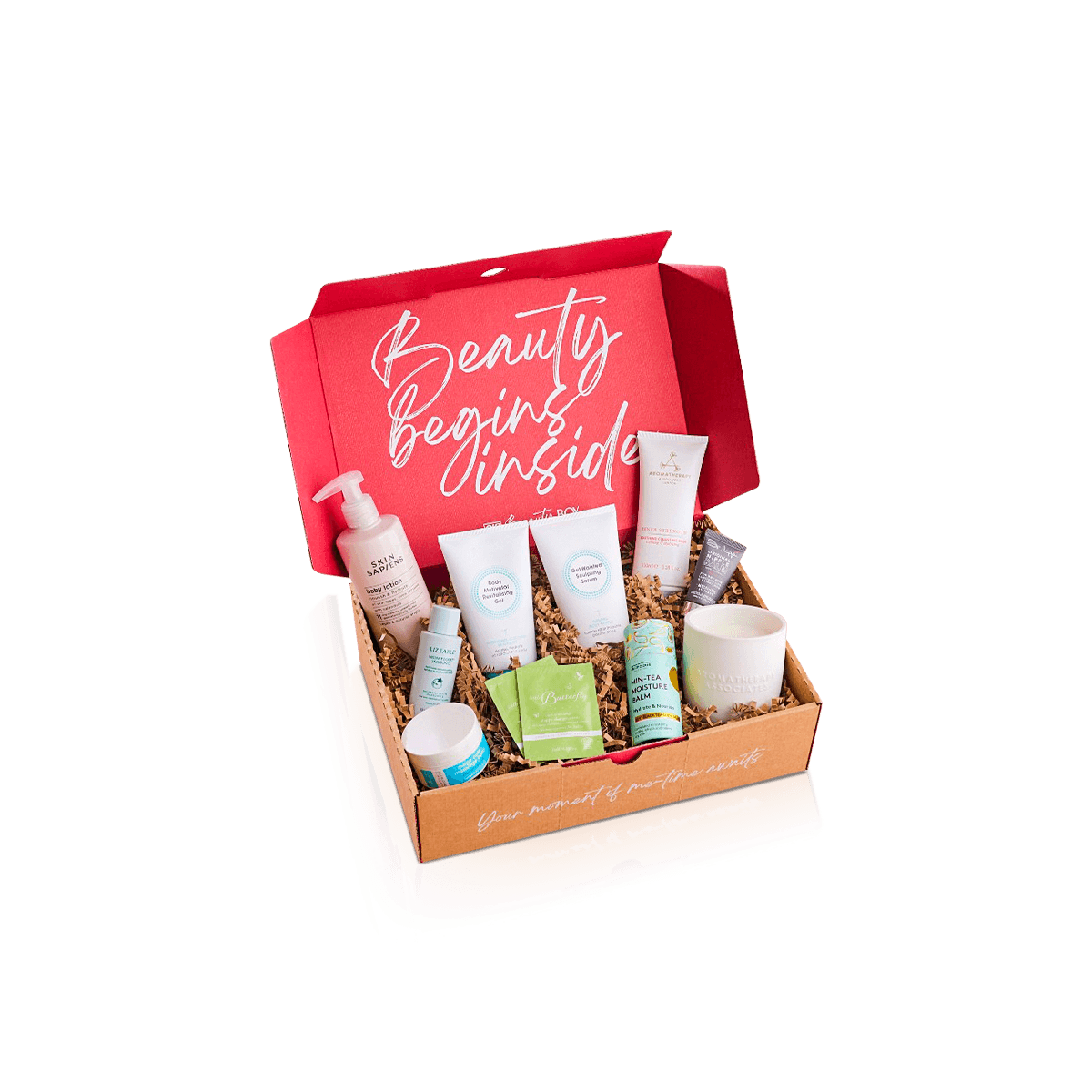
Beauty gift boxes become the stronger direction when the main challenge is arranging several jars, tubes, bottles, tools and message pieces into one gift experience.

The difference becomes useful during planning.

A prestige face cream packaged alone in a thick wrapped box belongs naturally here. A holiday collection containing cream, serum, cleanser and applicator has a different design problem even if its final outer package also happens to use rigid board.

That boundary keeps the packaging brief focused.

Retail and DTC Put Different Pressure on the Box

A rigid cosmetic box can work in both channels, but the surrounding packaging changes.

At retail, shelf dimensions, product identification and handling matter. The box may need to sit cleanly beside folding cartons from the same brand while remaining visually distinct enough to communicate a higher tier.

Custom retail packaging should account for merchandising and store handling as well as appearance.

Direct-to-consumer delivery adds another layer.

Wrapped rigid board should not automatically be treated as the courier package. Corners, specialty paper, foil and coatings can all be marked during parcel handling.

The presentation box should normally sit inside suitable protective shipping packaging when the order goes through a parcel network.

This allows each layer to do its own job: the outer package handles distribution while the rigid cosmetic box reaches the customer in presentation condition.

Cost Comes From More Than Thick Board

Rigid cosmetic packaging cost depends on structure, size, wrap, insert, print, finishing and quantity.

The insert can materially affect the price when it uses multiple levels or complex cavities. Specialty wrap papers, foil and tactile coatings add further production steps. Magnetic closures, drawer systems or shoulder details also change the construction.

The current factors behind custom rigid box pricing can help separate features that improve the product from features that simply add specification.

The strongest cost decision is often subtraction.

If a precise insert and premium offset print already create the desired result, another finish may not earn its cost. If the primary container is lightweight and uncomplicated, moving back to paperboard may be the better decision entirely.

USA MOQ starts from 100 boxes. Transparent pricing with no hidden charges keeps structure, insert and finishing decisions visible in the cost.

Pricing should be based on the actual cosmetic pack rather than a generic luxury-box assumption.

Validate Contact Points

A rigid shell can look correct while the product support is wrong.

Physical approval should focus on every place the container contacts the insert or box.

Load the final jar, compact, bottle or palette. Turn the package through normal handling positions. Open it repeatedly. Remove and replace the product.

Look for pressure around pump collars, droppers, decorative caps and fragile edges. Check whether coated or printed surfaces rub against the insert. Confirm that the product remains visually centered after handling.

Free sample examples of previous Custom Packly work can help review materials and finishing. A paid fully custom pre-production sample can be arranged when exact structure, insert fit and product interaction need physical approval.

Testing belongs here because beauty products often combine fragile surfaces with high presentation expectations. The packaging should not protect one at the expense of the other.

Reserve Rigid for the Prestige Tier

The strongest beauty packaging systems do not make every SKU equally elaborate.

They establish levels.

Core retail products can use efficient cartons. Premium glass products can receive stronger inserts or heavier stock. Hero launches, limited editions and higher-value products can move into rigid construction where the box itself becomes part of the purchase experience.

That approach gives custom rigid cosmetic boxes a clear commercial role.

They become the step-up packaging for products that genuinely benefit from weight, shape retention, fitted presentation and a more deliberate opening.

It also prevents the premium tier from losing its meaning.

If every lipstick, travel tube and basic cleanser receives the same heavy structure as the brand’s flagship serum, the rigid box stops communicating a difference.

Custom Packly can support repeat production, extensive customization, warehousing and scheduled deliveries as a beauty line develops across different packaging tiers, with 24/7 packaging expert support for structure, insert, print and production decisions.

The objective is not to put cosmetics in the heaviest box available. It is to use rigid packaging exactly where the product can justify everything that structure adds.

FAQs

Rigid Cosmetic Boxes are stronger, heavier, and better suited to premium presentation. Folding Carton Cosmetic Boxes are more efficient for lighter products and higher-volume retail programs, while rigid packaging is often chosen for gift sets, fragile components, and higher-ticket beauty lines.

Products with weight, breakable parts or higher perceived value benefit the most. That usually includes glass skincare jars, serum droppers, compacts, makeup kits, beauty tools and curated multi-item sets.

Yes, especially when multiple components need to stay aligned. Inserts improve neat product placement, reduce movement during shipping and help the box open in a way that feels organized instead of crowded.

No. Magnetic closure is popular for prestige presentation, but it is not the only good option. Two-piece, drawer-style and book-style rigid boxes can work just as well depending on budget, unboxing goals, and product arrangement.

Yes, though they are usually paired with an outer shipper for transit. The rigid box protects presentation and component fit, while the outer mailer or corrugated carton handles the demands of fulfillment and parcel movement.

Process

How it works

Your Packaging Journey, From Idea to Production and Delivery

01

Tell Us Your Specs

Custom packaging boxes

Tell Us Your Specs

Provide size, quantity, printing, and finishes.

02

Get a Fast Quote

Custom packaging boxes

Get a Fast Quote

Instant transparent pricing, no hidden fees.

03

Design and Approval

Custom packaging boxes

Design and Approval

Artwork checks, revisions, and final sign-off.

04

Produce

Custom packaging boxes

Produce

Expert manufacturing to meet deadlines.

05

Ship to Your Door

Custom packaging boxes

Ship to Your Door

Hassle-free, flexible delivery options.

Get Your Quote for Custom Rigid Cosmetic Boxes

Share your product details, size, quantity and artwork needs. We’ll help choose the right packaging style and send a clear quote.