Skip to content
Details

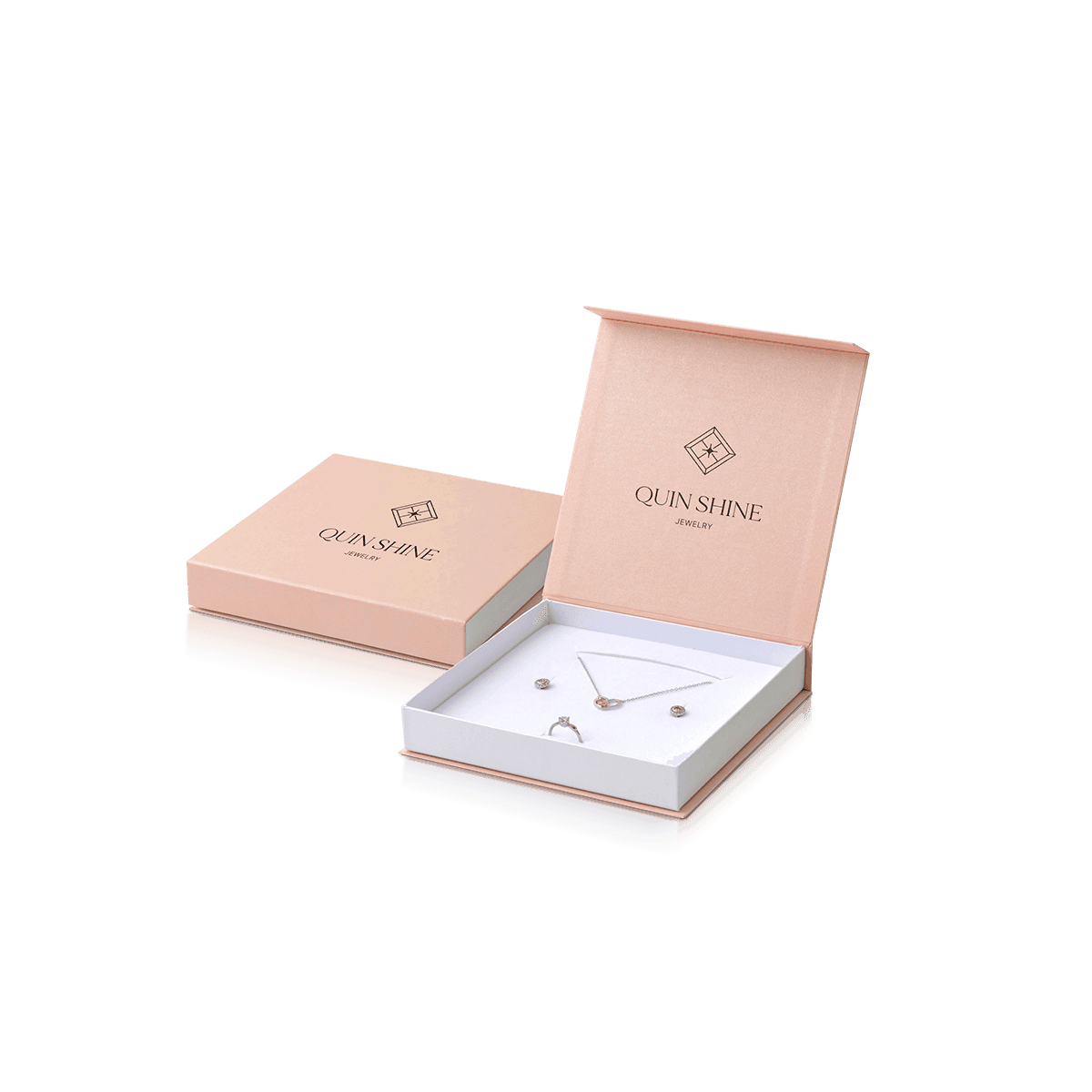
Custom Rigid Jewelry Boxes

Strong rigid-board jewelry packaging with fitted interiors, controlled contact surfaces and compact proportions for rings, necklaces, bracelets, watches and premium collections.

Hard Walls Need a Soft Interior

Rigid board protects the shape of a jewelry package. It does not automatically protect the jewelry inside it.

That distinction matters with rings, polished metals, stones, watch faces and fine chains. A loose piece moving inside a hard-walled box can still rub, rotate or strike another component. The stronger shell solves external deformation, while the interior has to solve product contact.

Custom rigid jewelry boxes work best when those two jobs are separated clearly.

The outer structure provides shape retention, a substantial hand feel and a stable base for premium presentation. The insert, lining or fitted pad controls the jewelry itself. Neither should be expected to compensate for weaknesses in the other.

This is why jewelry and accessories packaging needs product-specific interior planning rather than one universal rigid box with different artwork.

A ring, necklace and watch can all justify rigid construction, but they should not sit inside it the same way.
Contact Points Matter Most

The smallest areas of the interior can create the biggest problems.

Jewelry may touch a slot, pad, edge, ribbon, lining or another piece at only a few points. Those contact areas should hold the product without concentrating unnecessary pressure on polished or delicate surfaces.

Metal Against the Insert

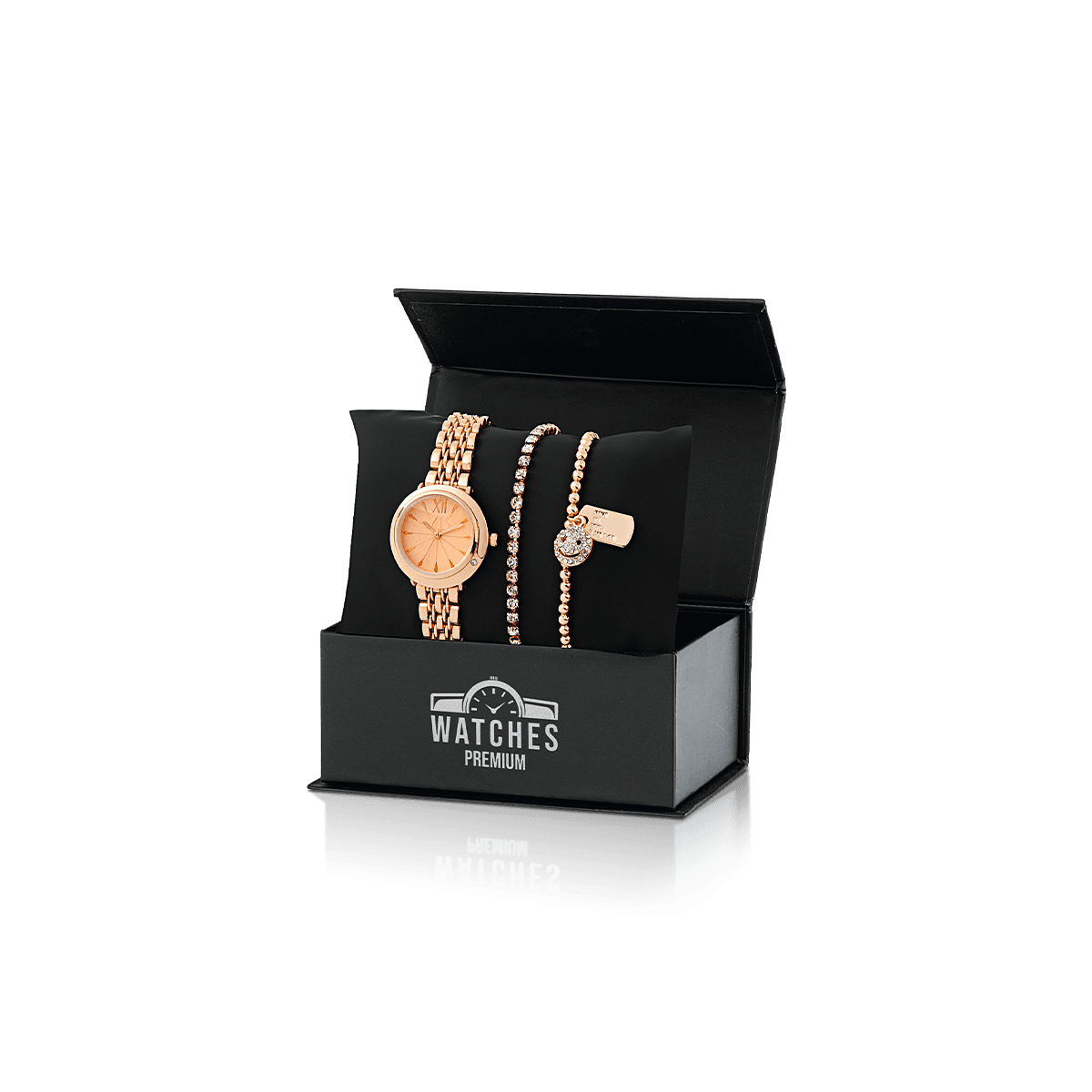
A ring band can tolerate different contact than a raised stone setting. A pendant may need support around the chain or bail while leaving its front face untouched. A watch can rest around the strap rather than placing pressure on the crystal.

The insert should contact the most stable part of the item.

That is more useful than simply cutting a cavity that traces the visible outline.

Stone and Setting Clearance

Raised settings, prongs and decorative surfaces need enough clearance that closing or handling the box does not press against them.

The product should also remain in the intended orientation if the package is carried vertically or turned during shipping.

For high-relief pieces, the depth from the insert surface to the lid interior can be as important as the footprint of the jewelry itself.

Small Products Expose Oversizing Fast

Jewelry occupies very little physical volume compared with many premium products.

That makes proportion unforgiving.

A rigid box that is slightly oversized for a cosmetic jar may still look reasonable. Put a small ring inside the same amount of empty space and the product can immediately feel diminished.

Compact sizing lets rigid board add substance without overwhelming the item.

For single pieces, the packaging footprint should normally remain close enough to the jewelry to frame it. Space can still be used deliberately around a hero piece, but it should look intentional rather than leftover.

Ring boxes can use depth and vertical presentation to create presence without unnecessary width. Longer products such as chains need a different proportion because their presentation depends more on path and suspension than mass.

The right rigid box is rarely the largest one that fits.

Chains Need More Than a Nice Pad

Necklaces and pendants create a movement problem that rigid board cannot solve alone.

A chain has almost no structural stiffness. It can slip behind an insert, cross itself or collect beneath the pendant even when the outer box remains perfectly intact.

The interior should therefore control the chain path.

Small retention cuts, concealed channels or carefully positioned holding points can keep the upper chain organized while the pendant remains centered. The excess chain can be managed behind or beneath the visible presentation surface when the structure permits it.

The customer should not have to untangle the piece before seeing how it was intended to look.

Necklace boxes need this chain-control logic more than the deeper, compact support used for rings.

The rigid shell stays the same kind of material system. The interior engineering changes with the jewelry.

Inserts Create the Real Restraint

A rigid jewelry box becomes product-specific through its interior.

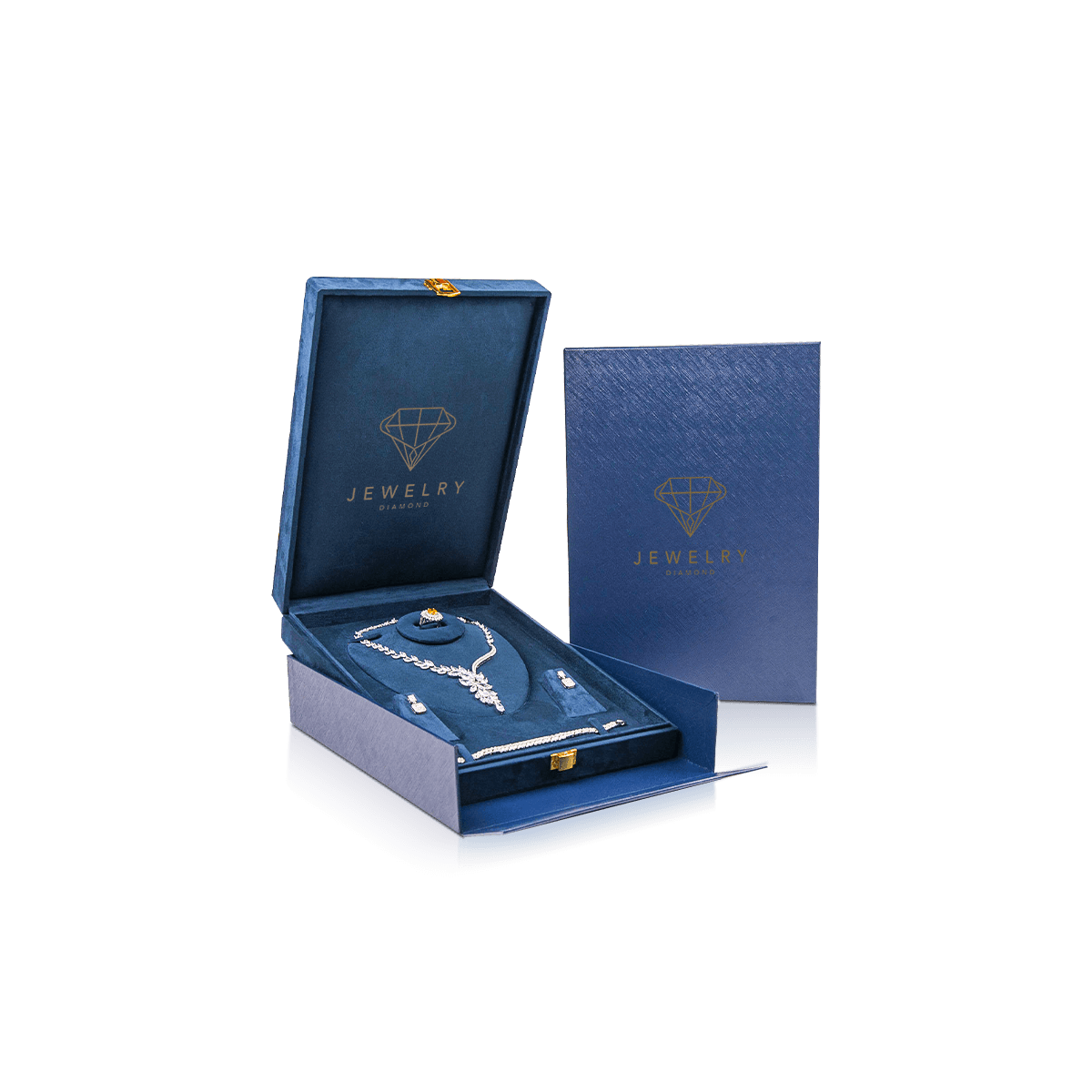
Foam can provide close retention and controlled cushioning. Paperboard can create structured platforms and cut profiles. Soft-covered pads can support pieces while keeping the visible surface appropriate for jewelry.

The differences among packaging inserts should be judged by fit, removal, product surface and presentation rather than appearance alone.

Retention Without Force

A secure fit should prevent uncontrolled movement without requiring excessive force to remove the jewelry.

If a ring slot grips too tightly, the recipient may pull on the setting. If a watch cushion is oversized, the strap can remain under constant tension. If a pendant cavity is too deep, the customer may struggle to get a finger beneath the piece.

Good retention disappears during use. The jewelry stays put until someone intentionally removes it.

Presentation Height

Small jewelry usually benefits from sitting closer to the opening.

A raised pad or platform can bring the product into view immediately while preserving enough depth for secure retention. This is particularly effective with rings, earrings and small pendants.

The product should appear supported, not embedded.

Soft Lining Does Not Fix Poor Fit

Velvet-like surfaces, soft papers and textile-style linings can improve the tactile character of a jewelry box.

They are not substitutes for accurate geometry.

A necklace can still tangle on a soft surface. Earrings can still collide if they share too much open space. A bracelet can still move around a velvet-lined cavity if nothing controls its position.

Soft contact and mechanical restraint solve different problems.

A delicate polished surface may benefit from softer material where it touches the insert. The surrounding structure should still establish where the item belongs.

This distinction also keeps the interior cleaner. Instead of adding plush material everywhere, softness can be concentrated where contact quality matters.

Structure Depends on Access

Rigid jewelry packaging can use several opening systems, and each changes how the customer reaches the product.

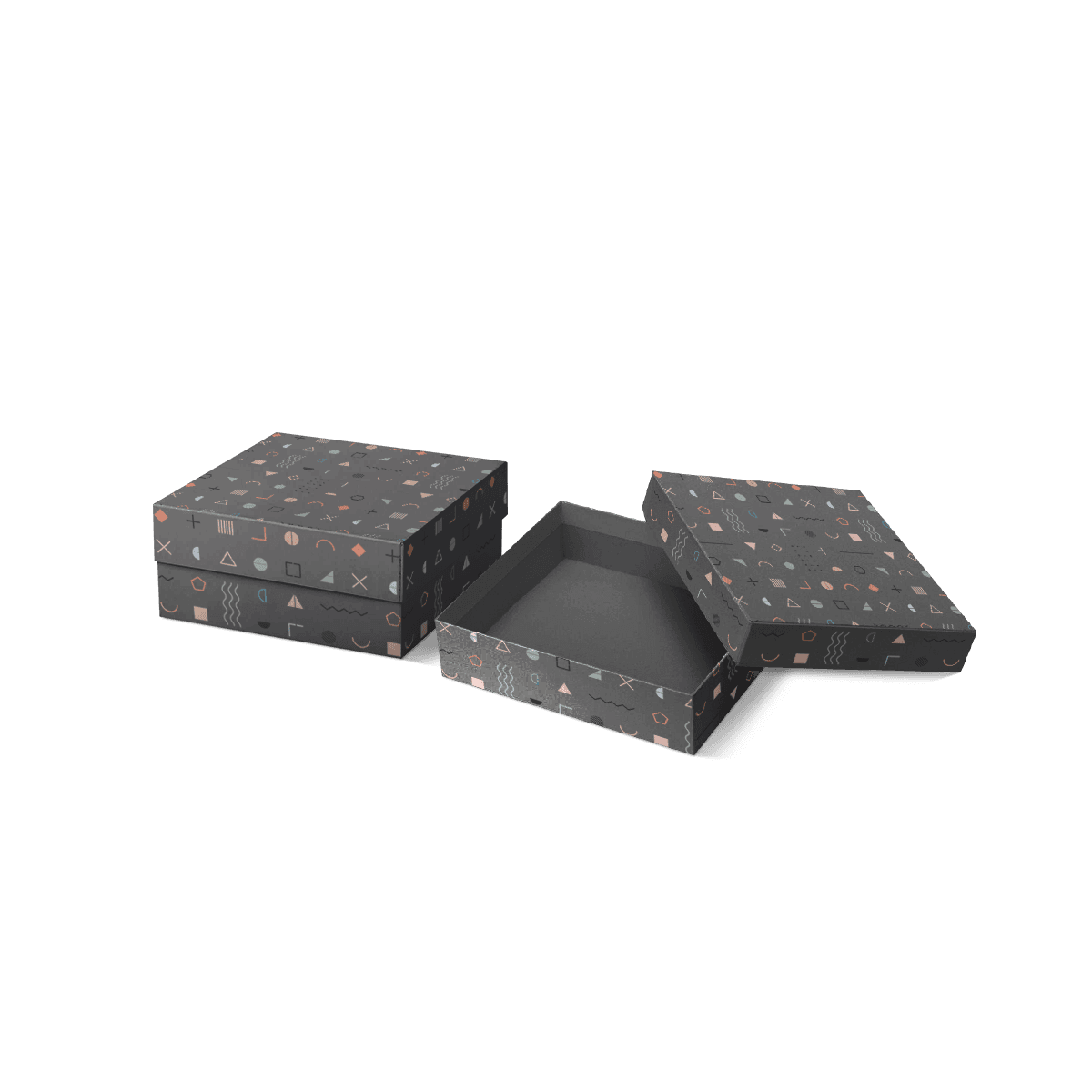
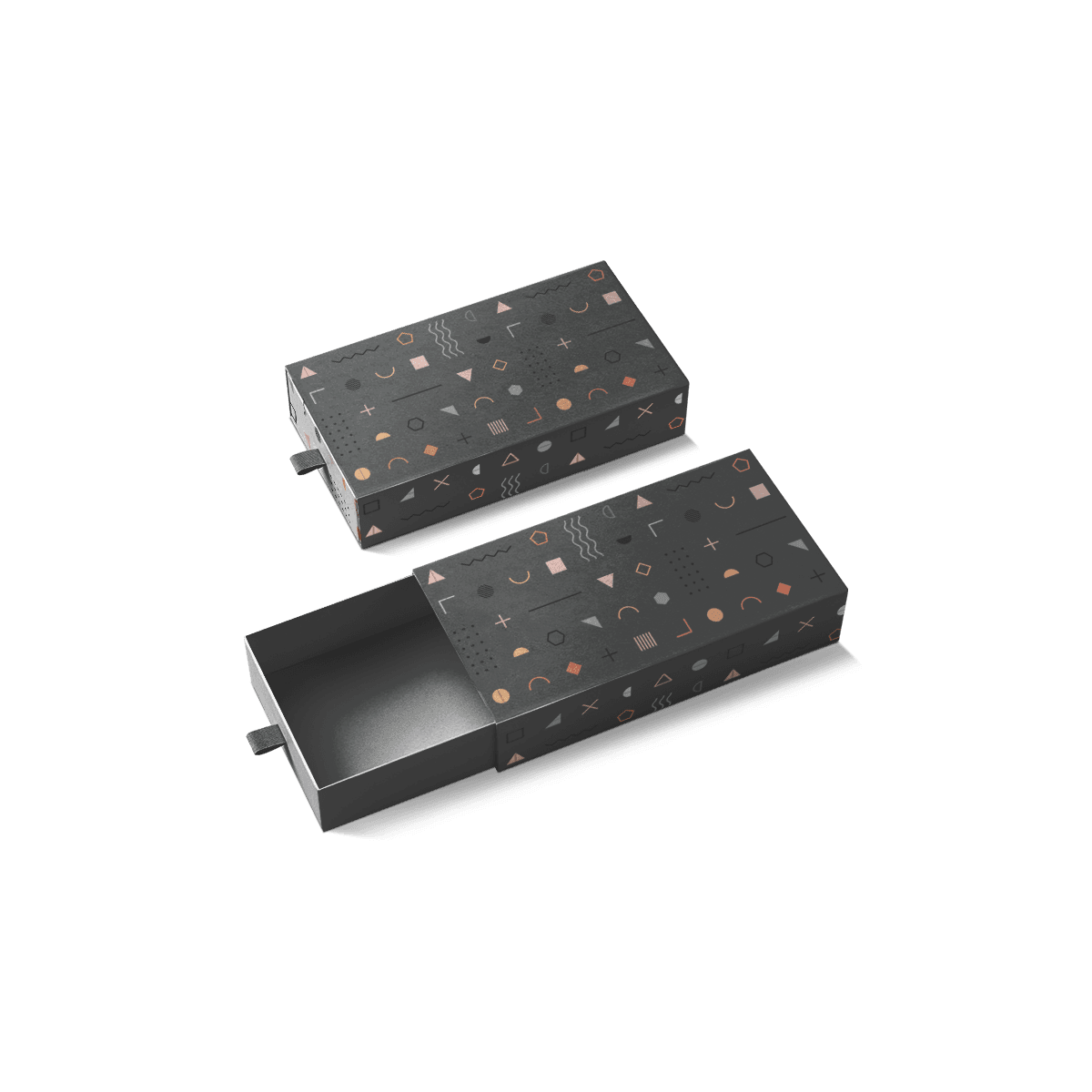
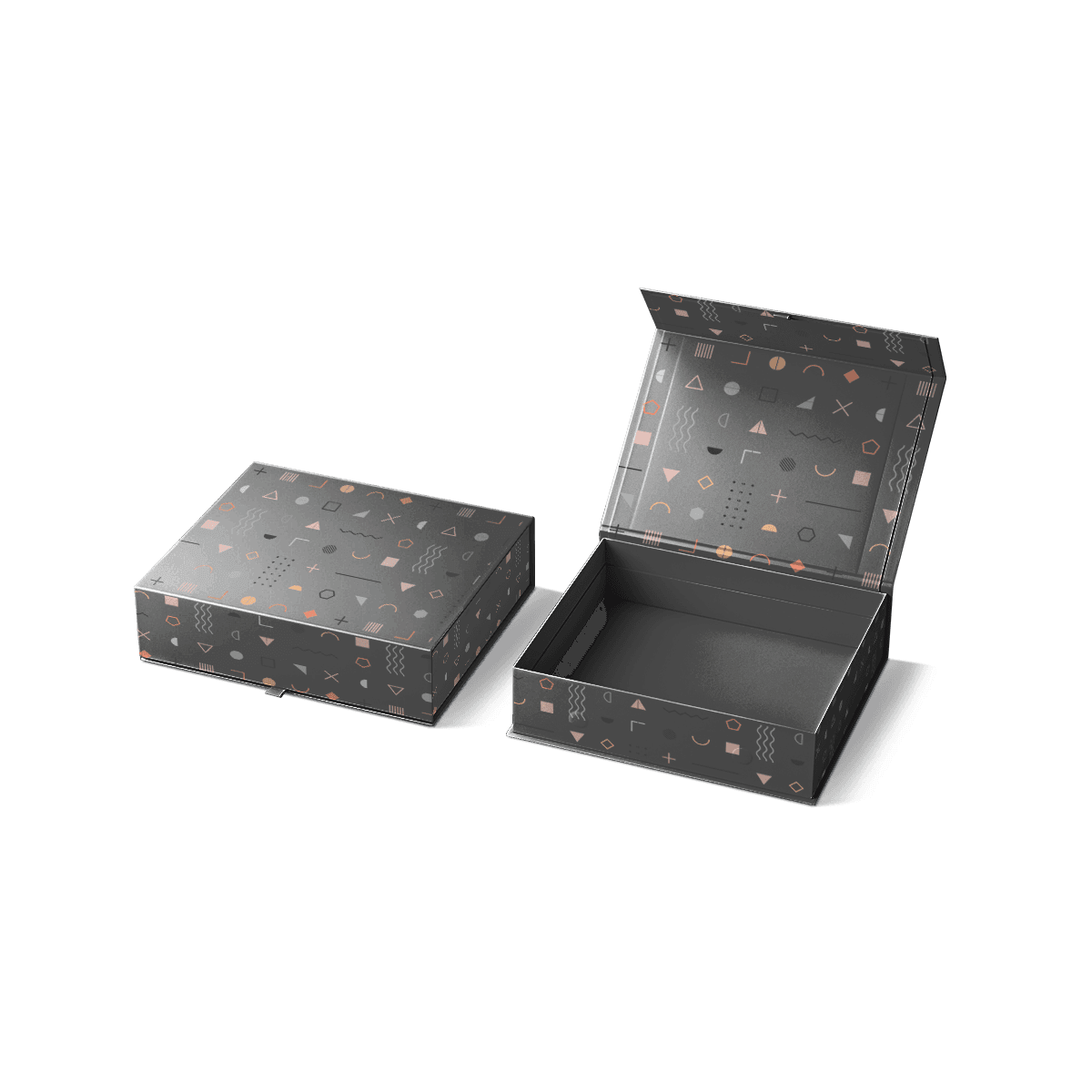
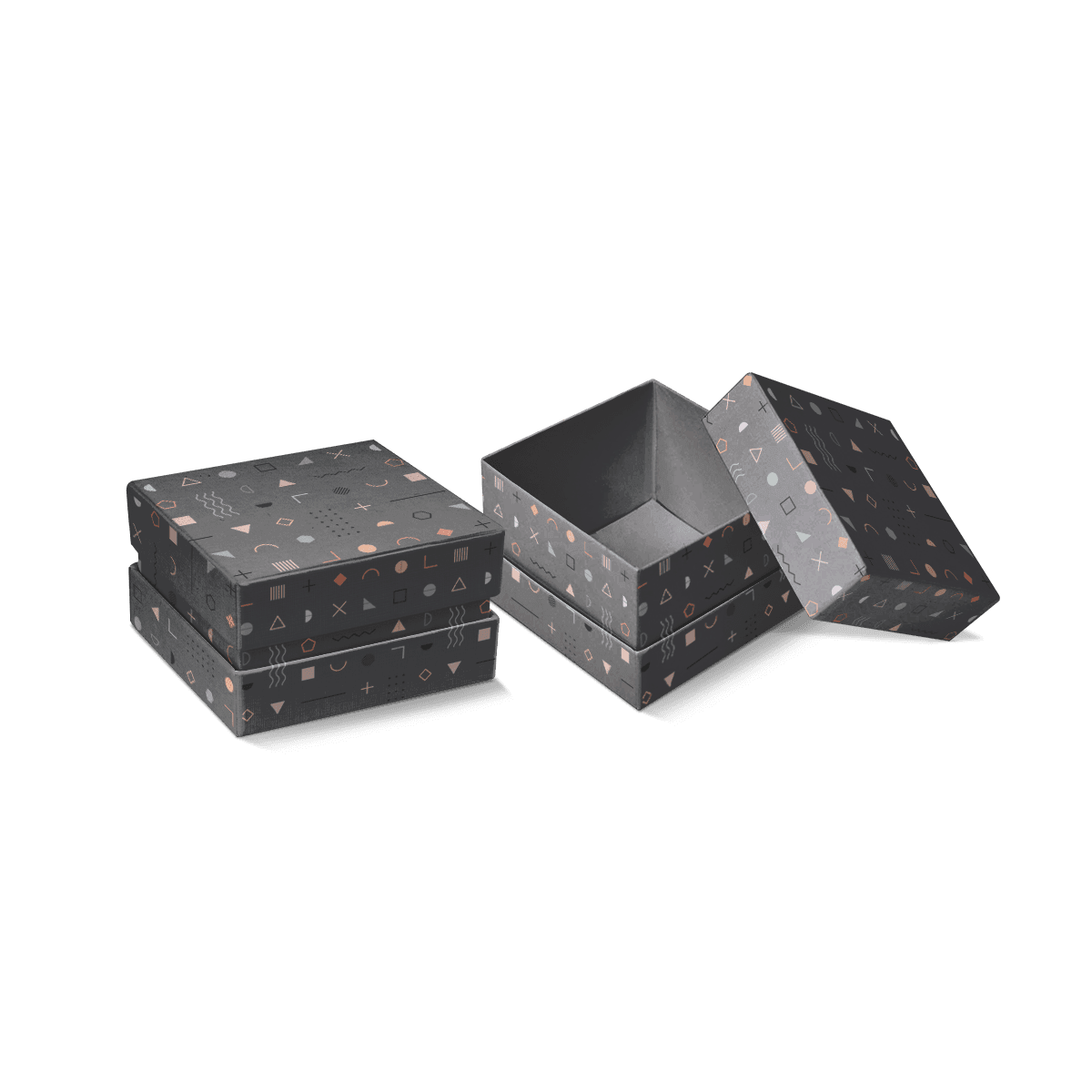
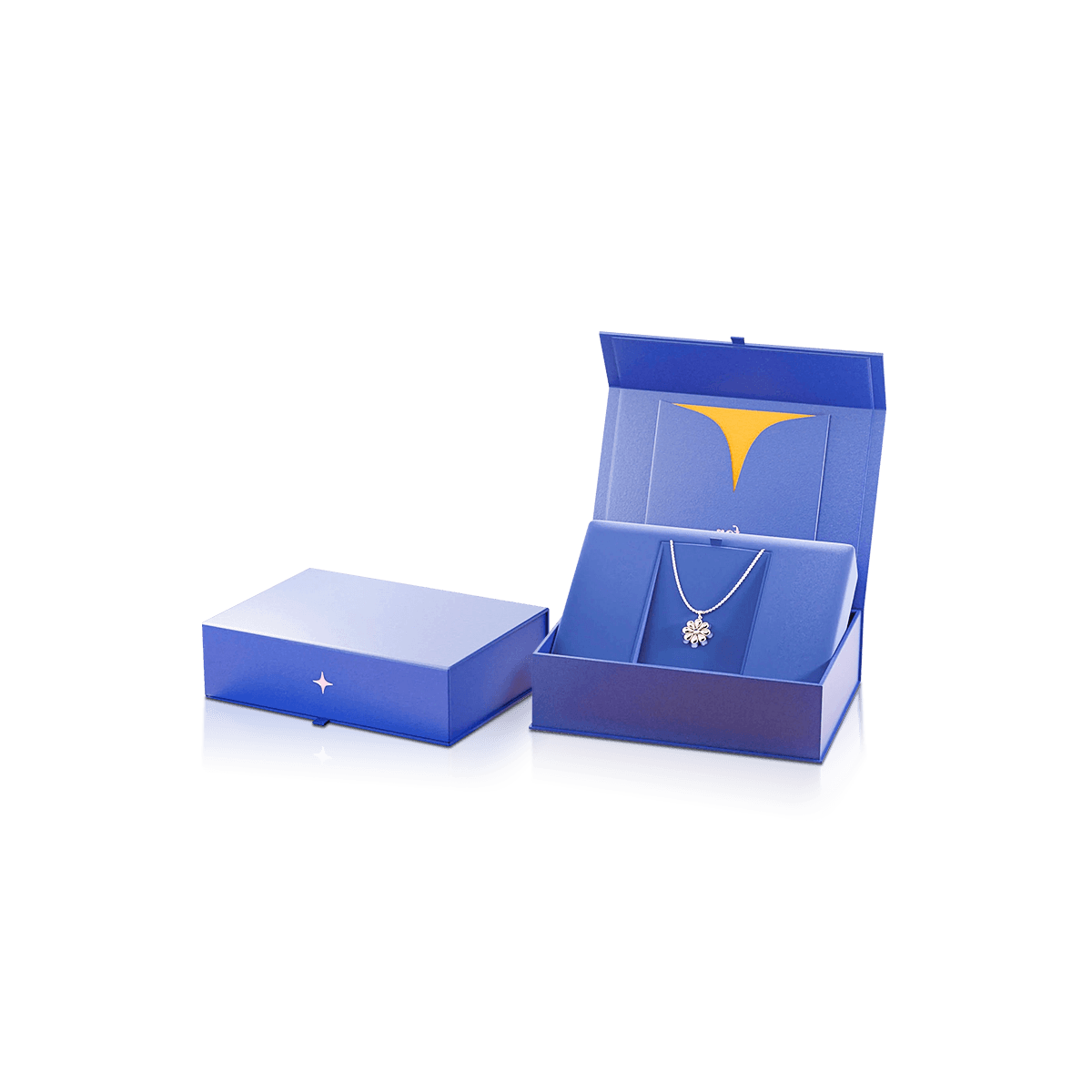
A two-piece lid gives direct overhead access. A magnetic flap keeps the lid attached. A drawer introduces horizontal travel. A shoulder-neck box creates a raised inner platform. Each can support jewelry when the interior is developed around that motion.

Custom rigid boxes can open in these different ways.

For jewelry, the opening should be judged against product removal.

A deep two-piece box may work well for a watch with a cushion. A compact hinged box can suit a ring. A drawer can present a bracelet or coordinated set if the pieces remain secure as the tray moves.

Magnetic closure jewelry boxes make sense when the closure itself needs to be clean, repeatable and attached to the package.

Rigid construction is the material and structural tier. The opening style determines how that tier behaves in the customer's hand.

Lid Pressure Can Reach the Jewelry

Compact rigid boxes leave little unused height, which is usually good for proportion.

It also makes vertical clearance important.

The lid interior should not press unintentionally on raised stones, earring posts, watch faces or decorative metalwork. A box can close correctly while still placing undesirable pressure on the product.

This is easy to miss when dimensions are taken from the main body of the jewelry.

A ring measurement that ignores the height of the setting can produce a cavity that looks correct in plan view but leaves too little room vertically.

The same problem appears with brooch pins, curved bracelets and watches with crowns or raised bezels.

Measure the complete product profile in the presentation orientation.

Rigid board holds its geometry well. That is an advantage only when the internal geometry is right.

Surface Finish Should Support the Collection

Rigid jewelry packaging provides enough surface stability for refined printing and finishing without needing oversized panels.

That makes restraint especially effective.

A foil mark can carry significant visual weight on a compact lid. Debossing can create depth without adding another color. Matte or soft-touch surfaces can contrast with polished metals inside.

Premium offset printing can carry detailed artwork across wrapped surfaces, while CMYK or Pantone-driven color can support a consistent collection identity.

The physical differences among packaging finishes matter because a jewelry box is often viewed and handled at very close range.

Small imperfections become easier to notice.

Custom Packly provides design and dieline support plus free 3D mockups so logo scale, wrap layout, interior color and product position can be reviewed before production.

One Box System Can Serve Several Pieces

A jewelry collection does not necessarily need a completely different rigid construction for every SKU.

The better approach is often a controlled size system with product-specific interiors.

For example, several ring designs may share the same outer dimensions while the slot or pad changes slightly. Studs and small earrings may use another common footprint. Pendants can share a longer box when chain retention is adjusted to suit each design.

This creates visual consistency without forcing physically different products into one cavity.

It also simplifies production, storage and replenishment.

The outer wrap, logo position and finish can remain consistent across the collection while the insert does the detailed fit work.

That is a stronger system than making every piece look alike by surrounding it with unnecessary empty space.

Protection and Luxury Are Different Decisions

Rigid construction often feels premium, but rigid and luxury are not interchangeable terms.

A plain rigid box can provide excellent shape retention and product control with restrained print. A luxury version goes further into specialty wraps, tactile details, elaborate inserts, opening mechanics or keepsake presentation.

Luxury jewelry boxes are the stronger direction when the package itself must communicate the highest visual and tactile tier.

Rigid jewelry boxes have a more structural role.

They answer whether the item benefits from a firm setup box, fitted support and stronger presentation than lightweight paperboard can provide.

That distinction prevents unnecessary specification.

A mid-to-premium jewelry line may need rigid board without needing every luxury treatment available.

Paperboard Still Has a Place

Not every jewelry SKU needs a setup box.

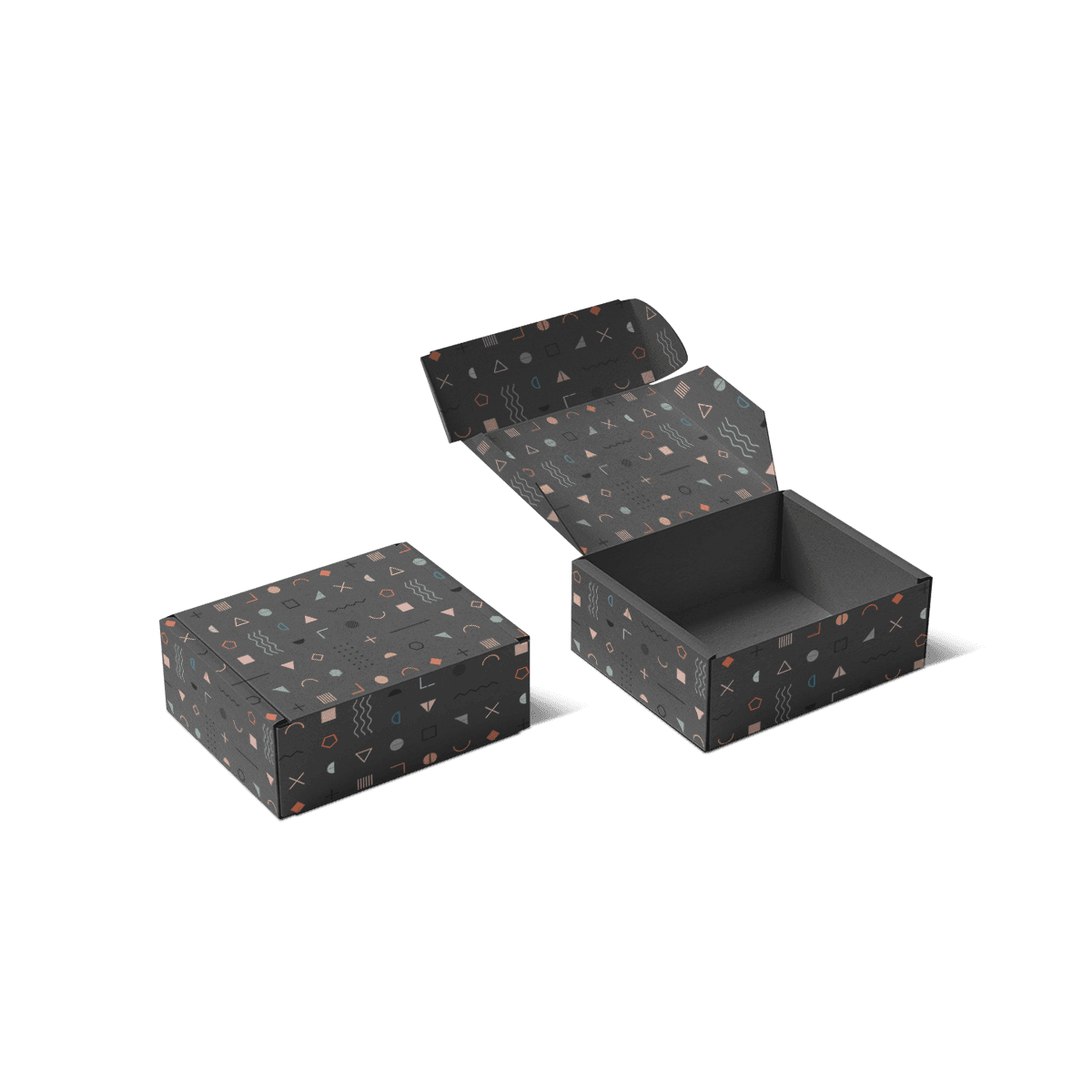
Light earrings, lower-priced accessories, event items and fast-moving retail products may be more practical in cardboard jewelry boxes.

Paperboard can store flat, reduce packaging weight and support high-quality printing while still using fitted cards or inserts.

Rigid construction becomes more defensible as presentation value, product value, keepsake use or the need for structural permanence increases.

The decision is not rigid versus cheap.

It is whether the jewelry gains enough from a permanently formed, thick-board package to justify the added production and storage requirements.

A Hard Shell Can Still Allow Damage

Consider a polished pendant packed in a rigid box with an attractive soft interior.

The box survives handling without crushing. The lid stays aligned. The exterior remains clean.

When opened, however, the pendant has shifted sideways and the chain has collected beneath it. The metal has rubbed repeatedly against one exposed edge of the insert.

The outer structure performed correctly.

The interior did not.

The correction is to define the chain path, reduce lateral movement around the pendant and soften the specific contact edge rather than adding more cushioning everywhere.

That changes the package from a strong container into product-specific protection.

This distinction matters with jewelry because damage risk often comes from tiny movements rather than major box deformation.

Retail Boxes Need Repeatable Placement

Jewelry counters depend on consistency.

When several boxes are opened for customer viewing, pieces should appear in the same orientation without staff having to reposition them each time.

The insert should make correct placement obvious during packout.

Ring settings can face the same direction. Pendant chains can follow the same retention path. Earrings can sit at a consistent height. Watches can wrap around cushions with repeatable orientation.

That improves presentation and reduces packing judgment.

For branded retail programs, custom printed jewelry boxes can coordinate color, logo position and print treatment across different product types while the rigid construction handles the premium structural tier.

The visual system stays consistent even when the internal geometry changes.

Shipping Needs a Separate Defense

Rigid jewelry boxes resist crushing better than lightweight cartons, but the presentation surface should not be treated as a shipping carton.

Wrapped corners can scuff. Foil can mark. Textured papers can rub against other surfaces. A compact box can also move aggressively inside an oversized parcel.

For ecommerce orders, place the presentation pack inside appropriately sized shipping boxes with enough internal control to prevent free movement.

The rigid jewelry box protects presentation and local product organization. The outer package handles distribution pressure and abrasion.

This matters most when the customer is expected to keep the box after delivery.

A structurally intact but visibly damaged rigid box has still lost part of its purpose.

Cost Follows Construction Depth

Rigid jewelry boxes add cost through thick board, wrapping, assembly and fitted interiors.

A simple lid-and-base box with one insert will generally require fewer production steps than a magnetic, drawer or multi-level structure with specialty wrap and several finishing processes.

Dimensions matter too. Oversizing a compact product wastes board, wrap, insert material, storage space and shipping volume at the same time.

The factors behind custom rigid box cost make more sense when considered against product value and intended presentation rather than against folding-carton pricing.

USA MOQ starts from 100 boxes. Premium offset printing can support repeat branded runs where the rigid construction genuinely earns its place.

If multiple jewelry SKUs share outer dimensions, repeat production can also be planned around standardized boxes and changing insert specifications.

Approve the Jewelry Contact

The final sample should be evaluated with the actual jewelry, not a similar object.

Small dimensional differences matter too much.

Place the item exactly as it will be packed. Close the box. Turn it through normal handling positions. Carry it. Open it again. Remove the product and inspect every surface that touched the insert.

For chains, check whether the retention path stays organized. For rings, confirm that the setting remains clear of the lid. For watches, inspect strap tension and crystal clearance. For earrings, make sure posts and decorative faces do not contact each other.

Free sample examples of previous work can help assess board, wraps and finishes. A paid fully custom pre-production sample can be arranged where the exact structure and jewelry fit need physical approval.

The sample is successful when the rigid box remains visually precise and the product has nowhere harmful to move.

Standardize the Outer Box, Tune the Interior

Repeat jewelry programs become easier to manage when the permanent parts of the packaging system are separated from the product-specific parts.

The rigid outer box can carry the stable brand specification: size family, wrap, print, finish and closure. Inserts can then adapt that platform to rings, earrings, pendants or small sets where the dimensions allow it.

This approach can reduce unnecessary packaging variants while preserving the fit that jewelry requires.

It also creates cleaner replenishment. Instead of redesigning the entire package for each new piece, the brand can identify whether the approved outer structure still works and change only the interior when necessary.

Custom Packly supports bulk and repeat orders, warehousing and scheduled deliveries for programs where packaging stock needs to be coordinated across several SKUs. Packaging expert support is available 24/7 when a new piece needs to be checked against an existing box system.

For custom rigid jewelry boxes, the thick board is only the framework. The real specification is the relationship between that permanent shell and the exact jewelry it is meant to hold.

FAQs

Because the walls stay firm, the insert sits more securely and the whole box feels more deliberate at opening. That combination helps small items look better supported and more valuable.

Rigid Jewelry Boxes are the stronger option when presentation, reuse and insert support matter more than the lowest unit cost. Cardboard Jewelry Boxes fit lighter price points, simpler giveaways or faster-turn retail runs.

Often yes. Many brands keep one outer rigid format and change only the insert layout so the collection looks consistent while the inside adapts to different SKUs.

Yes, as long as the rigid box is treated as the presentation pack and placed inside a protective outer shipper. That setup protects the reveal while improving arrival quality.

A new wrap, sleeve, foil color or insert card usually handles that well. It is an efficient way to create event-based or holiday runs without redesigning the full structure.

Process

How it works

Your Packaging Journey, From Idea to Production and Delivery

01

Tell Us Your Specs

Custom packaging boxes

Tell Us Your Specs

Provide size, quantity, printing, and finishes.

02

Get a Fast Quote

Custom packaging boxes

Get a Fast Quote

Instant transparent pricing, no hidden fees.

03

Design and Approval

Custom packaging boxes

Design and Approval

Artwork checks, revisions, and final sign-off.

04

Produce

Custom packaging boxes

Produce

Expert manufacturing to meet deadlines.

05

Ship to Your Door

Custom packaging boxes

Ship to Your Door

Hassle-free, flexible delivery options.

Get Your Quote for Custom Rigid Jewelry Boxes

Share your product details, size, quantity and artwork needs. We’ll help choose the right packaging style and send a clear quote.