Skip to content
Details

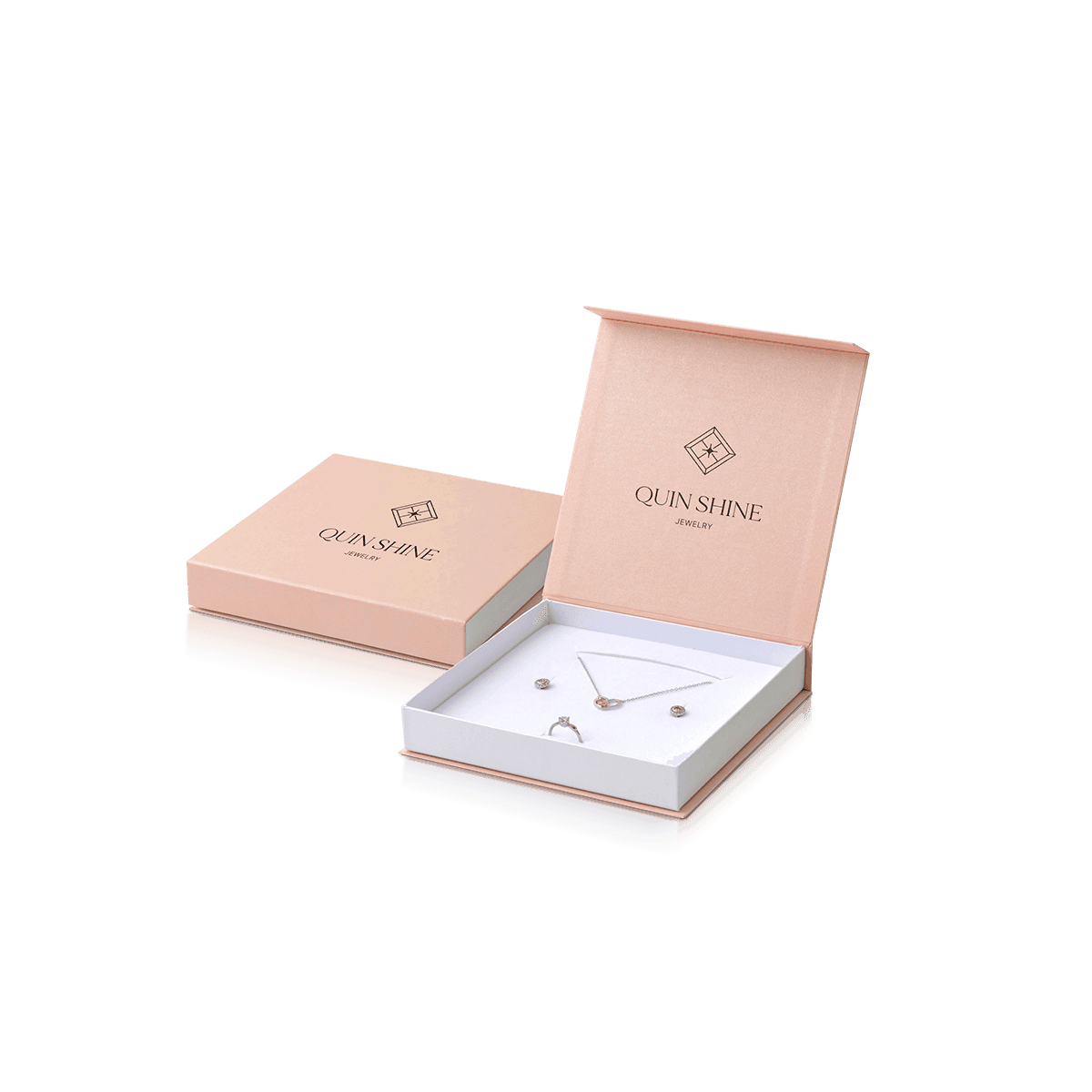
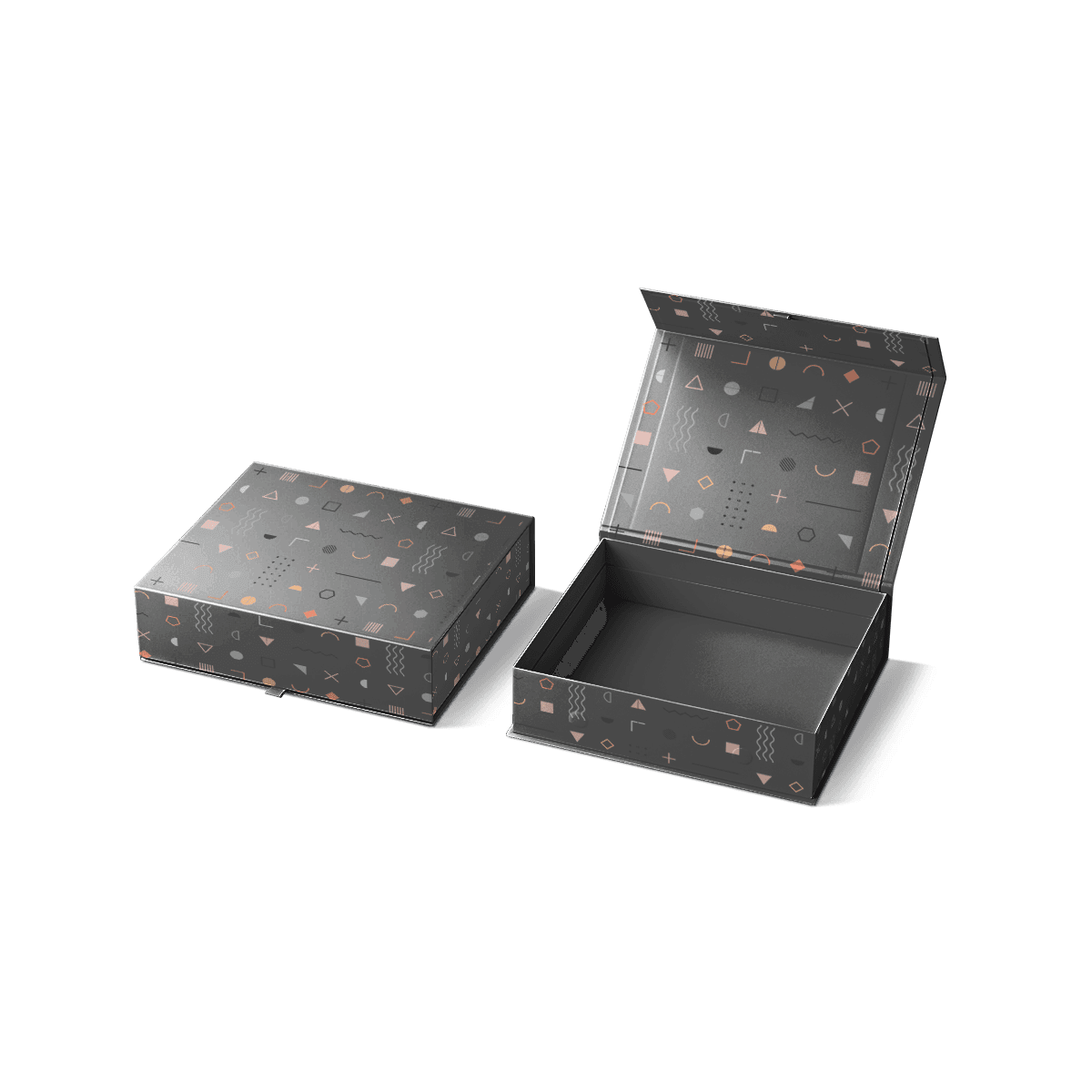
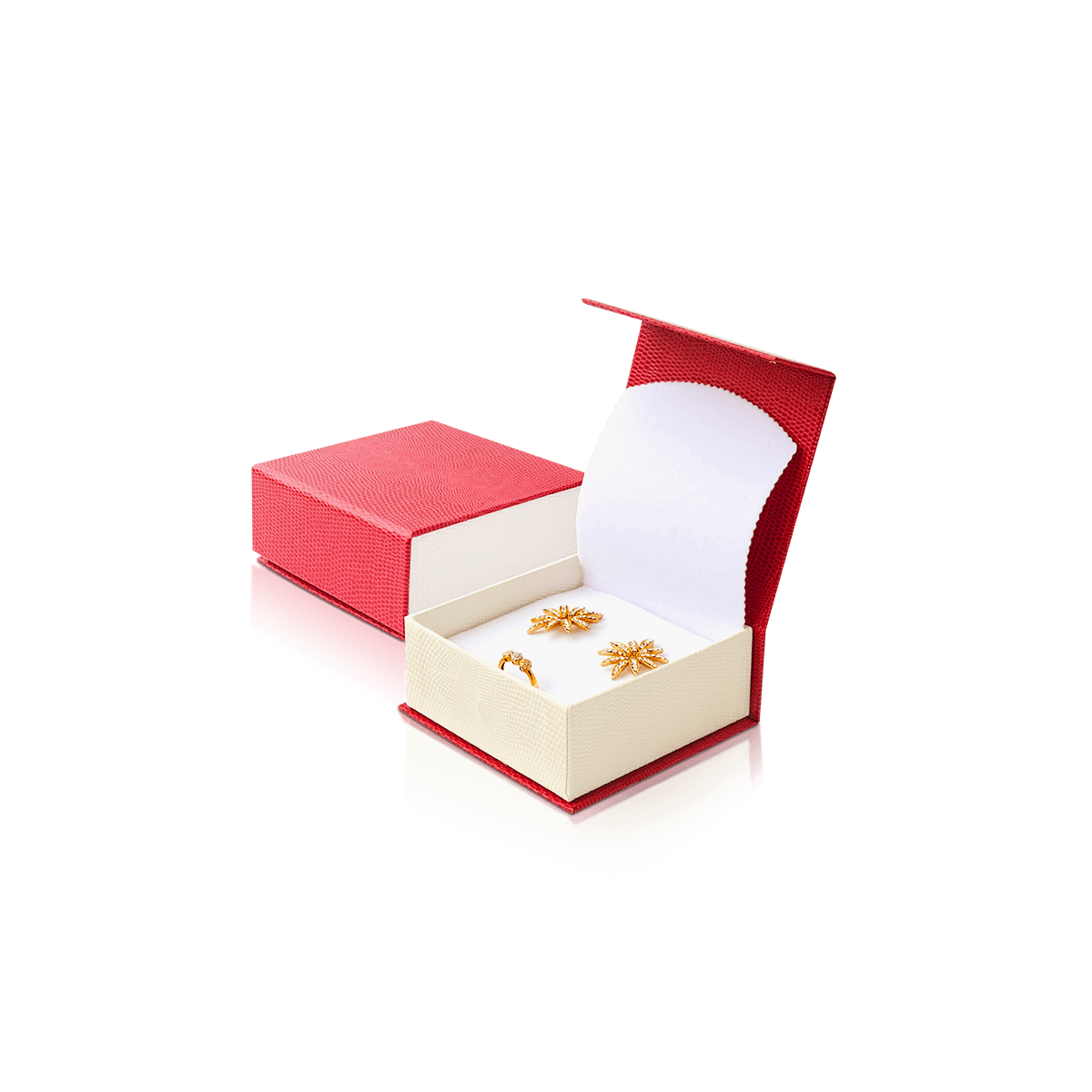
Custom Magnetic Closure Jewelry Boxes

Compact rigid jewelry packaging with concealed magnetic closure, jewelry-specific inserts and controlled lid alignment for rings, earrings, pendants, bracelets and premium collections.

Small Boxes Magnify Closure Errors

Custom Magnetic Closure Jewelry Boxes place a magnetic closing system inside a relatively compact package, so small alignment errors become easy to feel.

On a large presentation box, a slight difference across a long flap may be less obvious. On a small ring, earring or pendant box, the customer holds much of the structure in one hand. The lid edge, hinge movement and final magnetic contact are all experienced at close range.

A magnetic jewelry box therefore needs more than a magnet hidden inside rigid board.

The lid should approach the base evenly, meet the intended closing point without twisting and remain aligned with the insert and exterior edges. The finished interaction should feel controlled rather than aggressively pulled shut.

The general mechanics and product applications of Custom Magnetic Closure Rigid Boxes extend across cosmetics, electronics, gifts and other products. Here, the structure has a narrower job: make a compact jewelry package open, close and store a small valuable piece consistently.

Compact Scale Leaves Less Room to Hide

A millimeter-scale visual difference matters more when the whole box is only slightly larger than the jewelry inside.

Uneven front edges, a lid that sits slightly high or a closure that lands off-center can make a premium package feel less precise even when the jewelry remains completely protected.

That is why the closure should be evaluated together with the complete exterior geometry.

The Close Should Not Slam

More holding force does not automatically create a better result.

A compact jewelry box should close with enough attraction to bring the lid into position and keep it there during normal handling. Excessive pull can make the closing motion abrupt and place unnecessary stress on the moving structure.

The objective is a deliberate close, not the strongest possible snap.
The Insert Sets the Jewelry Height

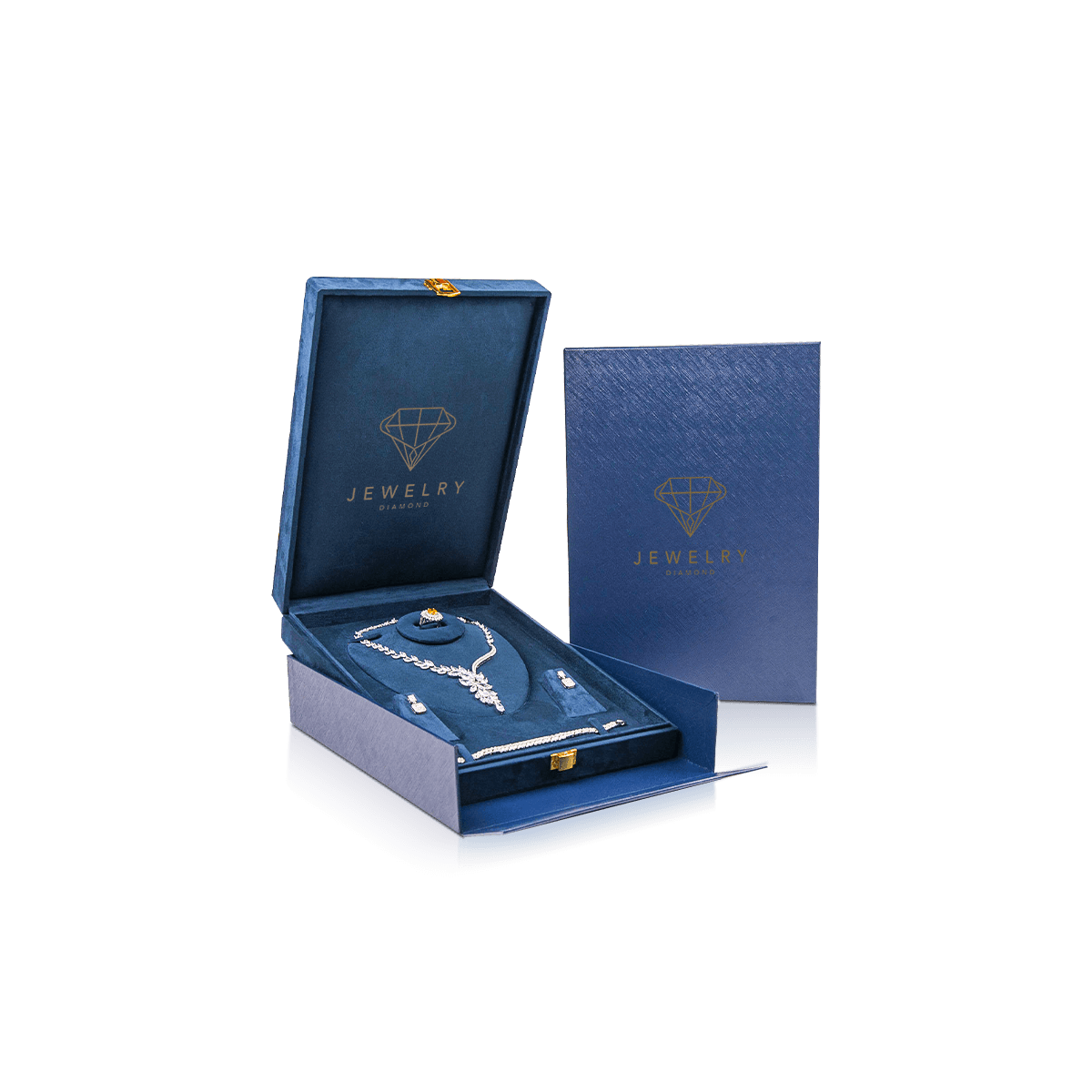
The magnet controls the box. The insert controls the jewelry.

Those two systems meet at the lid clearance.

A ring setting, raised pendant, bracelet cushion or earring arrangement can sit well above the insert surface. If the insert is too tall, the piece can approach the lid even though the outside dimensions appear correct. If it sits too low, the jewelry can disappear into an unnecessarily deep cavity.

The best presentation usually places the piece high enough to be immediately visible while maintaining comfortable clearance above the tallest loaded point.

Rings Need Space Above the Setting

A ring should normally be held through the band rather than pressure against the stone or decorative setting.

That means the visible setting can extend upward from the insert. Tall profiles need to be checked with the lid fully closed, not estimated from the ring's outside dimensions.

Where the project is specifically centered on ring geometry and band retention, Ring Boxes can address that product in greater depth.

Earrings Need Back-Side Clearance

Studs, hoops and drop earrings occupy space differently on both sides of the presentation surface.

The visible front may look perfectly positioned while posts or backs require additional space underneath. The insert depth should accommodate the complete piece rather than only what the customer sees.

When small products need different holding methods, packaging inserts can separate jewelry position from the lid-closing job.

The Lid Should Meet the Same Point Every Time

Jewelry boxes are often reused.

A customer may open a ring box during a purchase, close it for gifting, reopen it at home and later use it for storage. That repeated cycle makes closure consistency more important than a one-time opening effect.

The lid should return to the same alignment without requiring the customer to push one corner into position.

Hinge behavior, wrap tension, board construction and magnetic placement all contribute to that result.

A visually strong prototype that only closes neatly when pressed directly over the magnet is not finished.

The box should still settle correctly when the customer closes it naturally from the lid edge.

One Magnet Layout Does Not Fit Every Jewelry Box

A small pendant box and a wide bracelet box do not present the same closing geometry.

As the front edge becomes wider, the closure has more distance to control. A narrow box may reach an even shut line with a relatively concentrated contact area, while a wider structure may need the closing system arranged so both sides remain visually settled.

The decision should follow the box proportions rather than a standard hardware recipe.

Wide Fronts Reveal Corner Lift

A bracelet or jewelry-set box can appear closed at the center while one front corner sits slightly higher.

Adding greater magnetic pull only at the center may make that difference more noticeable.

The correct response can involve closure placement, lid geometry or hinge behavior rather than simply increasing attraction.

Small Boxes Need Restraint

Compact ring and earring boxes have the opposite risk.

Because the lid is light and the travel distance is short, an overly forceful close can make the interaction feel abrupt. Controlled engagement usually suits the scale of the product better.

The Jewelry Type Still Determines the Interior

A magnetic closure does not turn one interior into a universal jewelry box.

Rings need band support. Pendants need focal-piece positioning and chain control. Earrings need pair organization. Bracelets need their natural resting shape. Sets combine several retention systems inside one package.

The outer structure can remain visually consistent while the insert changes around the jewelry.

For pendant-led products, Pendant Boxes can address chain routing and focal-piece placement more specifically.

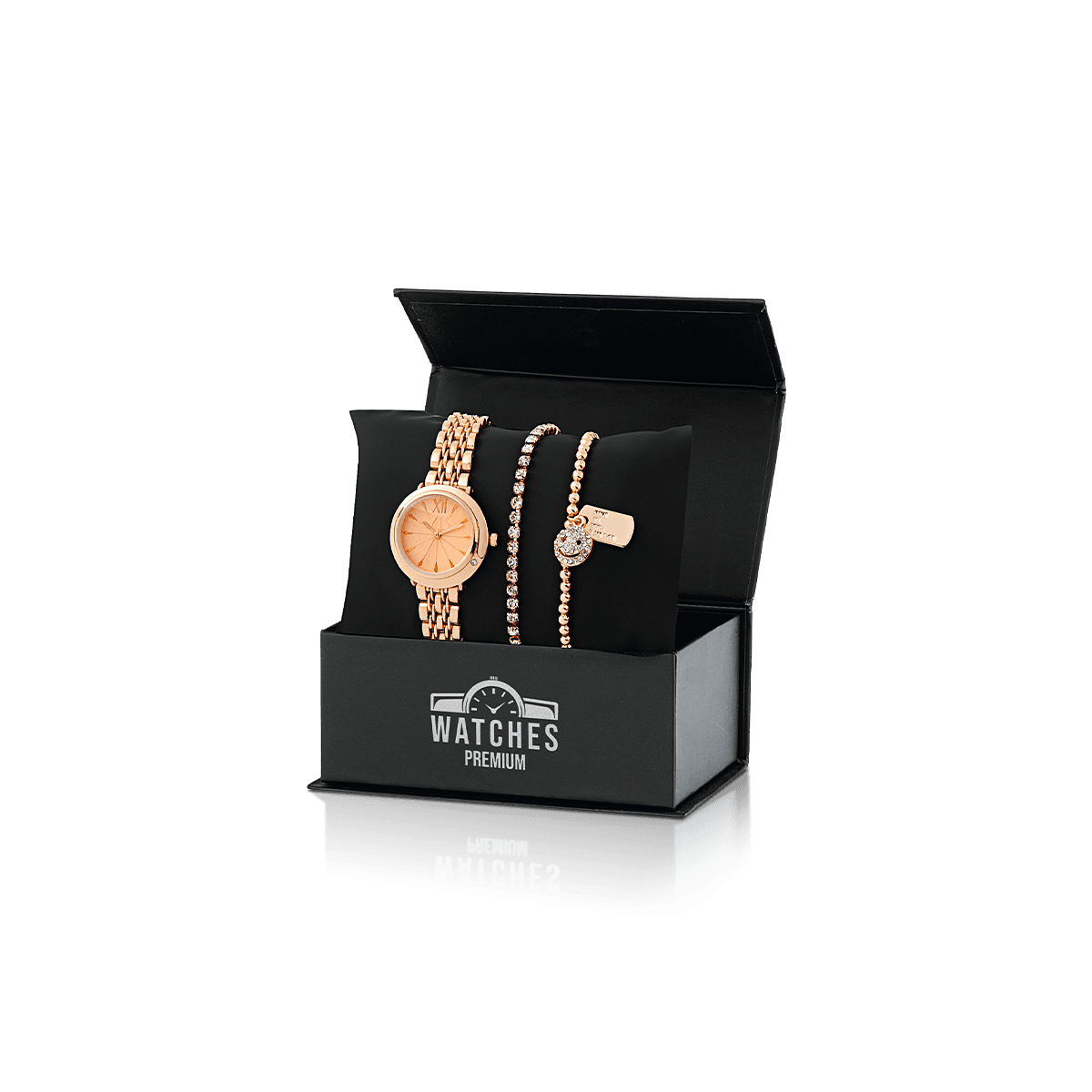
When several different jewelry types share one presentation, Set Jewelry Boxes shift the structural problem toward coordinated multi-piece retention rather than the magnetic closure itself.

This distinction prevents a closure feature from dictating an interior that does not fit the product.

Opening Resistance Changes the Reveal

The customer feels the magnetic connection before seeing the jewelry.

That short moment deserves deliberate control.

If the lid releases with almost no resistance, the closure may feel incidental. If it requires an awkward pull, the box can feel over-secured for a lightweight jewelry piece.

The opening should create enough resistance to communicate that the box is intentionally closed, then release without forcing the customer to grip the package aggressively.

Finger Position Should Feel Obvious

Compact boxes can become frustrating when the lid edge is difficult to locate.

The customer should understand naturally where to place a finger and which part of the structure moves. A small edge reveal, appropriate lid projection or clearly defined opening line can make that interaction easier without adding visible hardware.

The package should not require an instruction simply to reach the jewelry.

The Insert Should Stay Still

Opening force acts on the whole box.

If the insert is loosely fitted, the customer can lift or shift the interior while trying to open the lid. That makes the jewelry appear unstable even if the closure itself works correctly.

Insert retention and magnetic resistance therefore need to be evaluated together.

Protect the Shut Line From Decoration

Jewelry packaging often uses foil, embossing, debossing or specialty wrap papers because the exterior is viewed from very close range.

Those finishes should enhance the closure rather than obscure its precision.

A foil border that runs close to a slightly uneven lid edge will draw attention directly to the misalignment. A heavily textured wrap may alter how crisp a folded edge appears. Embossing positioned over a moving or highly handled area may behave differently from the same detail centered on a stable lid panel.

The practical effects of packaging finishes should therefore be considered with the actual box structure.

Give the Lid One Main Detail

Small jewelry boxes rarely need several competing finishing effects.

A foil mark, embossed monogram or restrained printed pattern can carry the brand more effectively than stacking multiple premium treatments onto a compact surface.

Premium offset printing can handle detailed artwork and controlled color while a single tactile or metallic feature creates emphasis.

The jewelry remains the most important visual object after opening.

Keepsake Use Changes the Material Decision

Magnetic closure jewelry boxes often make the most sense when the package is expected to stay with the product.

A customer may store a ring, earrings or pendant in the original box between uses. A boutique may use the same package during a private appointment and later hand it directly to the customer. Gift recipients may keep the box because the opening and closure remain convenient.

That continued use raises the value of firm walls, clean wrapping and a closure that can repeat without disposable tabs or torn seals.

A Rigid Jewelry Box makes sense when substantial rigid presentation and longer-term storage matter even without magnetic closure.

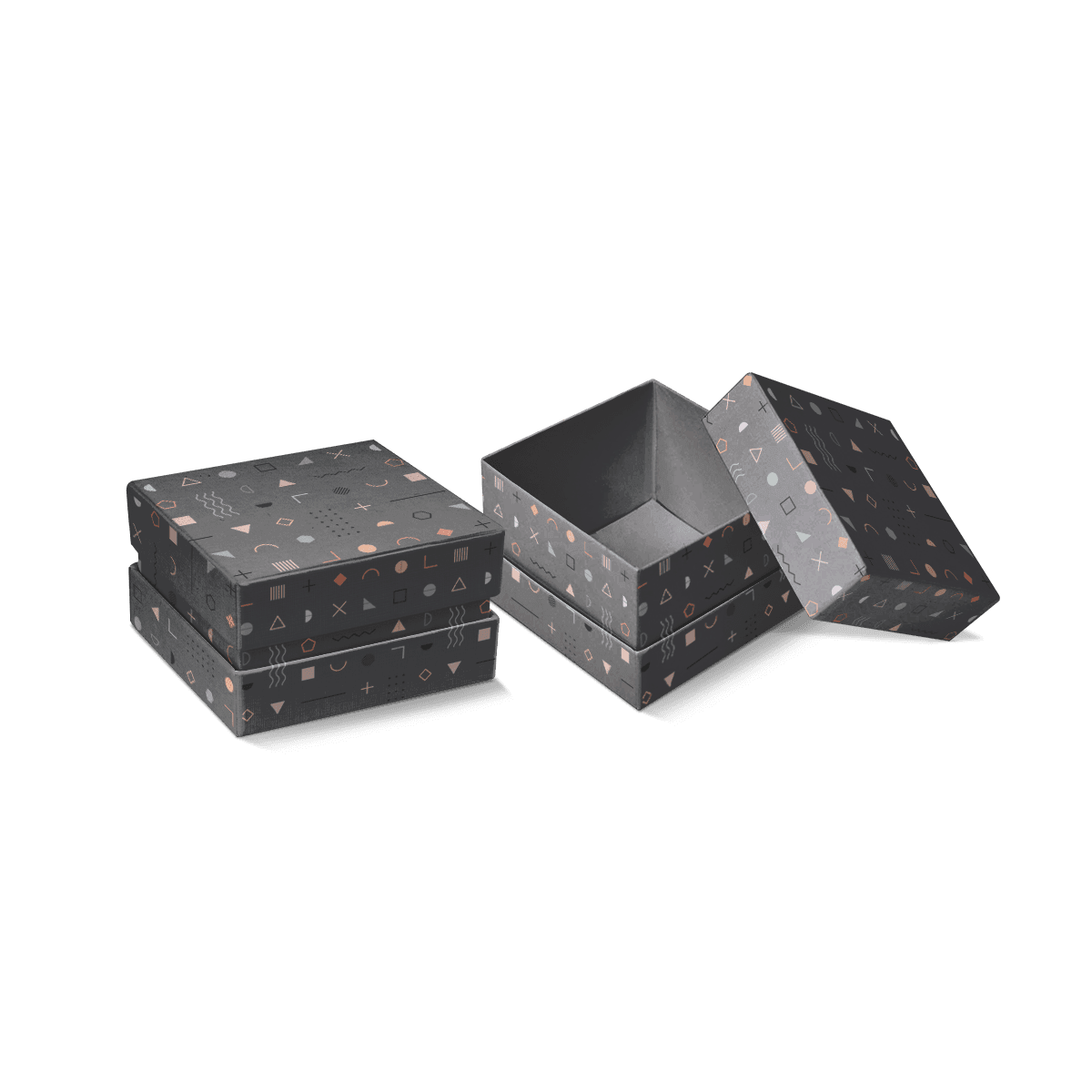
For lighter retail products where long-term storage is not important, a Cardboard Jewelry Box may be the more efficient paperboard direction.

Do not pay for a reusable closing system when the package is genuinely intended for one brief retail interaction.

A Stronger Magnet Did Not Fix the Corner

A compact bracelet presentation box can expose the problem when its hinged magnetic lid closes firmly at the center but one front corner sits slightly higher than the other.

Pressing the corner down makes the box look correct, so the immediate assumption is that the closure needs more magnetic force.

That would treat the symptom.

If the lid is approaching the base at a slight angle because of hinge tension or panel alignment, a stronger central pull may secure the middle without correcting the corner relationship.

The better response is to inspect the geometry first: confirm the lid is square, review the hinge movement and adjust the closure contact so the front edge settles evenly.

Once the structure meets correctly, the magnetic system only needs enough pull to maintain that position.

This distinction matters on jewelry packaging because the customer is likely to see and touch every edge of the box at close distance.

Sets Need More Closing Clearance

A single ring creates a concentrated high point.

A multi-piece jewelry set can create several.

Necklace routing, raised ring settings, earring posts, bracelet supports and accessory cards all compete for space beneath the same lid. That makes the final loaded height more variable than it appears in an empty prototype.

Do not approve the closure only with an empty insert.

Pack the exact jewelry configuration, close the lid naturally and inspect whether any component changes the shut line.

If a large set needs multiple retention systems and a more complex visual composition, the set architecture should be resolved before the magnetic closure is tuned.

The magnet cannot compensate for an insert that positions the contents too high.

Client Handoff Rewards a Reclosable Box

Jewelry is often presented differently from ordinary retail merchandise.

A sales associate may open the box during a private appointment, remove the piece, return it after inspection and close the package again before the customer leaves. Bridal jewelry, anniversary purchases and higher-value pieces can involve several open-close cycles before the final handoff.

A magnetic box suits that workflow because the closure can be reopened without replacing ribbons, adhesive seals or disposable locking parts.

For occasion-led packaging where cards, ribbon details and gifting extras matter more than the magnetic interaction, Jewelry Gift Boxes should remain the stronger focus.

Magnetic Closure Jewelry Boxes earn their place when repeated access and a controlled shut line are part of the selling experience.

Premium Inner Packaging Still Needs a Shipper

A magnetic jewelry box can keep its lid closed during normal retail handling without becoming a parcel shipping box.

Wrapped corners, foil details and small rigid structures should still be protected from courier abrasion and compression when the order is sold online.

An outer mailer or shipping carton should handle the parcel environment while the jewelry box handles presentation.

This separation also protects the closure. The magnetic lid should not be asked to withstand uncontrolled external pressure simply because it feels secure in the hand.

For e-commerce jewelry programs, the outer package should fit closely enough that the presentation box does not repeatedly strike its walls during movement.

The interior jewelry retention then continues to perform its own separate job.

Sample the Opening, Not Just the Appearance

A magnetic closure is tactile, so approval cannot rely entirely on a rendering.

Free 3D mockups can confirm box proportions, artwork placement, lid geometry and interior layout before production. They cannot fully communicate opening resistance, hinge movement or the feel of the final magnetic engagement.

When those details matter, test a physical production-intent sample with the real jewelry or an accurate physical equivalent.

Open it from different hand positions. Close it without pressing directly over the magnetic contact. Check the front line, side edges and corners after repeated cycles. Confirm the insert remains seated and that the highest jewelry point stays below the lid.

Custom Packly provides design and dieline support throughout the setup. Free sample examples of previous work are available where relevant, while an exact fully custom pre-production sample can be arranged as a paid sample when physical approval is required.

Use the Closure Where Customers Notice It

Magnetic construction adds material and production complexity compared with a simple paperboard carton or basic lift-off jewelry box.

It should therefore solve a real commercial problem.

For an everyday low-cost accessory, the customer may gain little from an elaborate reclosable structure. For fine jewelry, signature collections, bridal purchases, VIP gifting or products meant to remain in their original packaging, the repeated closing experience can contribute more meaningfully.

The factors behind custom rigid box cost include dimensions, structure, insert complexity, finishing and quantity. Magnetic components are one part of that structure, not a reason to oversize or overdecorate the package.

USA orders start from 100 boxes, giving brands room to establish a magnetic presentation for selected products rather than forcing the format onto every jewelry SKU.

Separate Signature and Everyday Packaging

A jewelry brand does not need the same closure system across every product tier.

Magnetic closure can be reserved for signature pieces, bridal jewelry, premium gifting and products that are likely to stay in their original box. Everyday accessories may be better served by a simpler lift-off or paperboard structure that keeps packaging effort in proportion to the product.

This tiering also makes the premium closure easier to notice. When every SKU uses the same high-specification box, the magnetic interaction stops distinguishing the pieces where it matters most.

Keep the visual identity consistent across tiers through color, typography and finish choices where practical. Let the closure and board construction change with the role of the product.

The magnetic jewelry box is strongest when repeated opening, precise lid alignment and keepsake storage are deliberate parts of the customer experience rather than automatic upgrades.

FAQs

Yes. The magnet controls the lid while the insert controls the product, so both parts matter if you want the piece to stay centered and presentation-ready.

In normal jewelry packaging use, the magnets are built into the structure and mainly serve the lid closure. The product still relies on the insert for safe positioning inside the box.

Because it gives the box a cleaner close, a smoother opening action and a more secure feel than many standard tuck or lift-off formats.

They are especially useful for higher-ticket jewelry, VIP gifting, collector sets and boutique sales where the box itself needs to feel worth keeping.

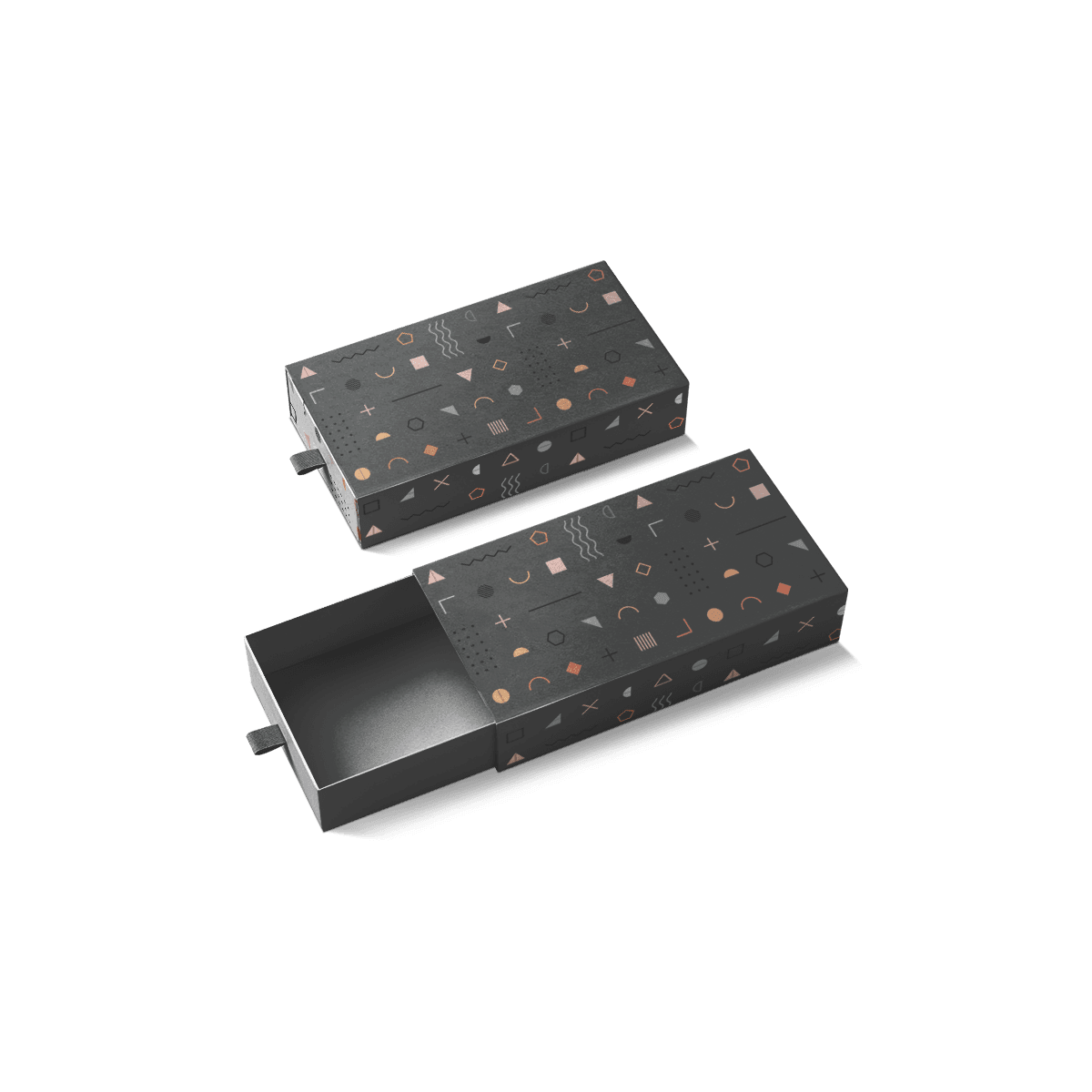
Magnetic Closure Jewelry Boxes are the better fit when the lid experience and front-facing reveal matter most. Drawer-Style Rigid Boxes work better when you want a slide-out motion and a more layered unboxing sequence.

Process

How it works

Your Packaging Journey, From Idea to Production and Delivery

01

Tell Us Your Specs

Custom packaging boxes

Tell Us Your Specs

Provide size, quantity, printing, and finishes.

02

Get a Fast Quote

Custom packaging boxes

Get a Fast Quote

Instant transparent pricing, no hidden fees.

03

Design and Approval

Custom packaging boxes

Design and Approval

Artwork checks, revisions, and final sign-off.

04

Produce

Custom packaging boxes

Produce

Expert manufacturing to meet deadlines.

05

Ship to Your Door

Custom packaging boxes

Ship to Your Door

Hassle-free, flexible delivery options.

Get Your Quote for Custom Magnetic Closure Jewelry Boxes

Share your product details, size, quantity and artwork needs. We’ll help choose the right packaging style and send a clear quote.