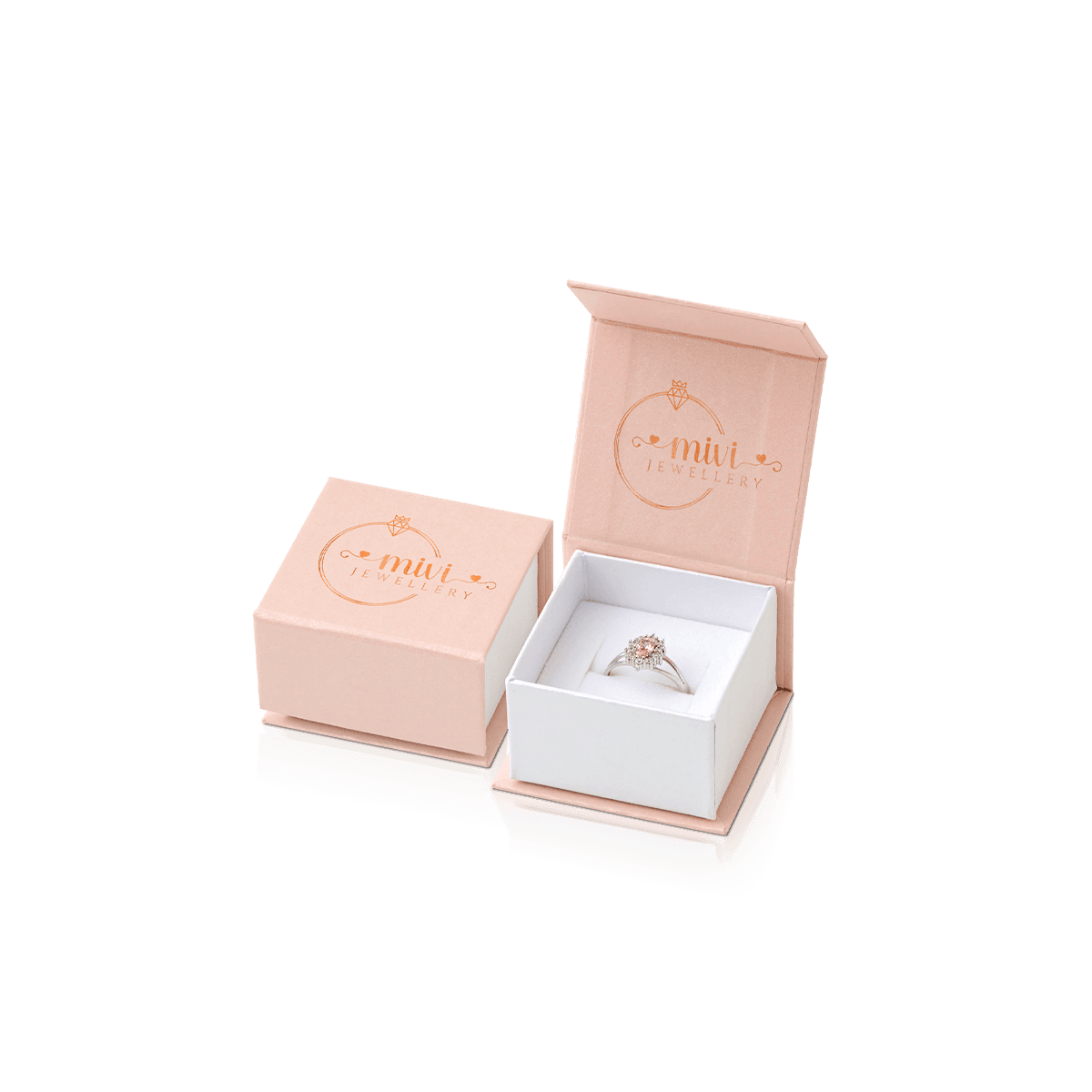
Skip to content
Details

Custom Ring Boxes

Compact ring packaging built around shank grip, setting height, stone clearance and the exact angle you want customers to see when the box opens.

The Setting Needs Its Own Clearance

A ring can fit the insert correctly and still sit too close to the lid.

The problem is usually the setting. Solitaires, halos, cathedral settings, signet faces and other raised profiles can extend far above the shank, so ring size alone tells you very little about the vertical space the package needs.

Custom ring boxes should therefore be specified from the complete jewelry profile: shank width, band thickness, setting height, crown width and the angle at which the ring will be presented.

That is what separates ring packaging from general jewelry and accessories packaging. A necklace needs chain control. Earrings need pair retention. A ring needs a stable grip around a very small part of the product while leaving its most visible feature clear.

Stone Height Changes Lid Depth

A low wedding band may need little clearance above the insert.

A tall engagement setting can need considerably more vertical space even when both rings use the same finger size.

If the lid is too shallow, the setting may touch the lining or underside of the box. If the interior is made excessively deep to avoid that problem, the ring can appear buried in a small cavity.

The aim is enough empty space around the setting without losing the compact proportions that make a ring box feel intentional.

Crown Width Matters Too

The highest part of the ring is not always the widest.

Cluster settings, halos and certain decorative profiles can project sideways beyond the shank. Check those dimensions before fixing the insert opening or interior walls.

A ring should remain centered without a stone, prong or decorative shoulder becoming a contact point.
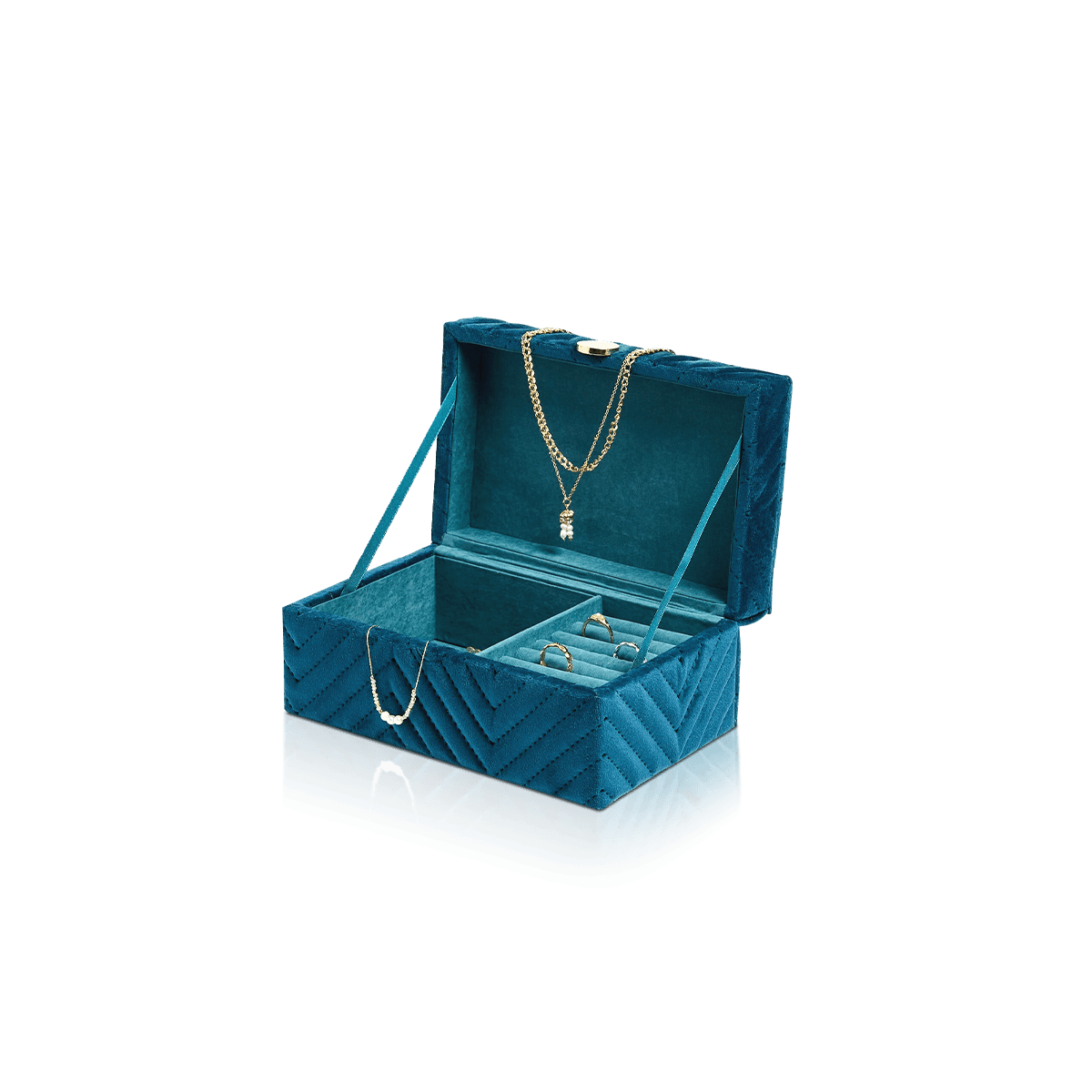
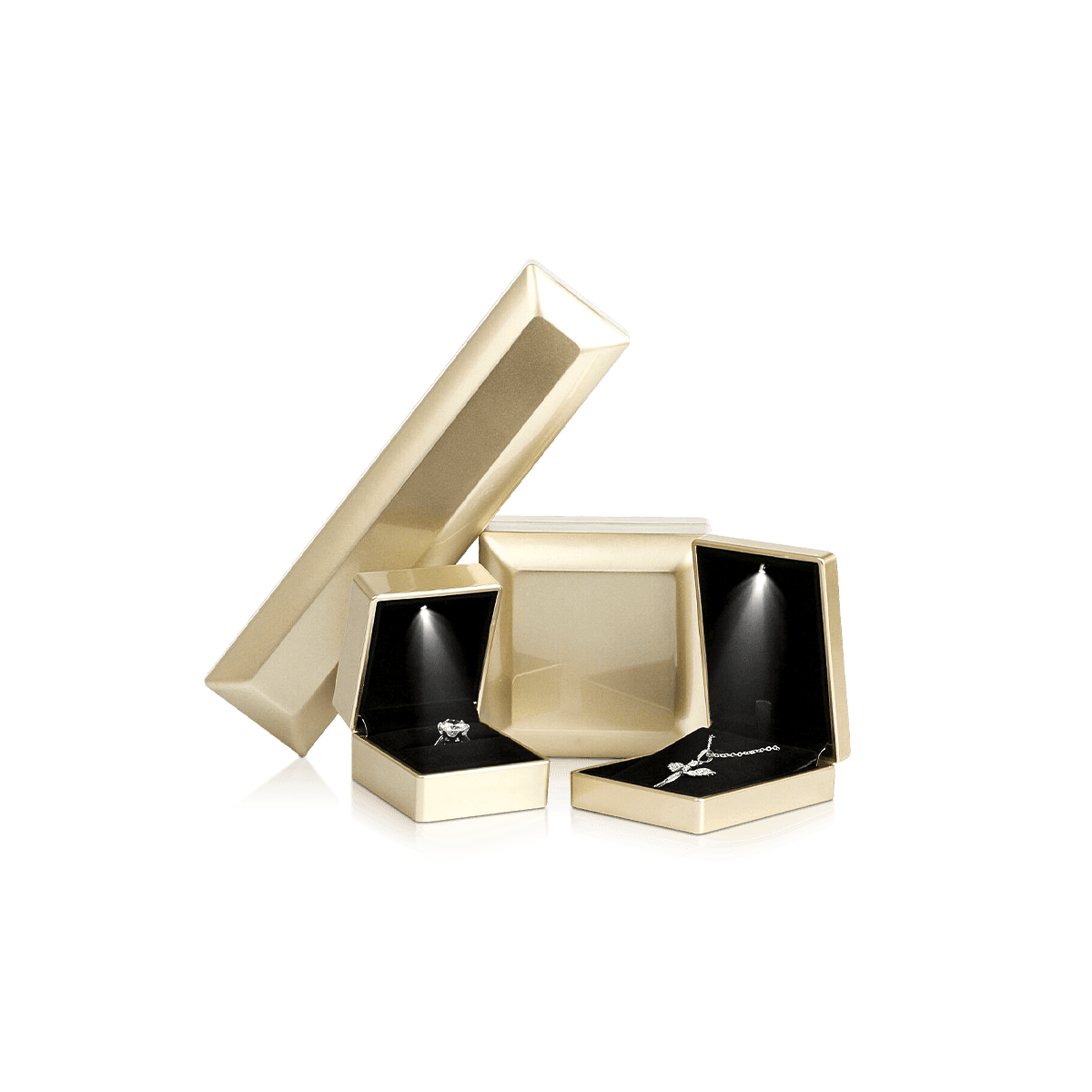
The Slot Holds the Shank

The insert should retain the ring through the band, not through the stone setting.

That sounds simple, but it changes how the interior should be designed.

A slot that is too loose allows the ring to lean or rotate. A slot that is too aggressive can make removal awkward, especially with wider bands. The material also needs enough resilience to support different ring profiles without forcing delicate jewelry into place.

Band Width Changes Slot Behavior

A narrow engagement-ring shank and a wide signet band do not occupy an insert in the same way.

The narrow shank may sit securely in a relatively fine slot while the wider band needs more opening width and depth. Thick bands can also hold themselves higher in the insert, changing how much of the setting projects toward the lid.

For a collection containing several ring constructions, test the actual range rather than approving the insert around one convenient sample.

Foam, paperboard and molded-pulp inserts behave differently around small products. The best choice depends on the ring profile, desired hand feel and how much positional control the jewelry needs.

Retention and Removal Are Separate Tests

A ring that survives handling without shifting can still be unpleasant to remove.

Customers should be able to take hold of the band without pulling on the stone, catching prongs or digging into a deep cushion.

The box therefore needs deliberate finger access around the jewelry. That may come from the insert profile, the exposed amount of band or the way the ring is angled toward the opening.

A secure ring should still release cleanly.

Display Angle Changes the First View

A ring does not have to sit vertically at 90 degrees.

Its presentation angle should be chosen around the product and the opening behavior of the box.

A slight backward angle can expose more of a solitaire face. A flatter position may work better for signet rings or broad decorative bands. Paired wedding rings may need a different arrangement again so both pieces remain visible rather than one hiding behind the other.

The insert should control that pose consistently.

This matters because the first view can change dramatically even when the outer box stays identical.

Orientation Should Survive Handling

The logo can be perfectly centered while the ring itself arrives twisted sideways.

If presentation orientation matters, the insert must resist rotation around the shank.

That is particularly important for rings with one clear front face. A solitaire, signet or gemstone ring usually looks wrong when the featured side turns away from the customer.

The goal is not simply to stop the product rattling. It is to preserve the intended pose.

A Ring Can Fit and Still Hit the Lid

Consider a compact engagement ring box approved around the correct band size. The ring pushes into the slot securely and looks centered.

When the lid closes, however, the tall setting touches the interior surface.

The insert fit is not the failure. The package was dimensioned around the band without treating stone height as a separate measurement.

Cutting the slot deeper can lower the ring, but doing that blindly may hide too much of the band or make removal awkward. Increasing the interior height may work, but an oversized box can weaken the compact presentation.

A better correction balances both: adjust the seating depth enough to lower the ring while preserving visibility, then set the lid clearance around the actual highest point of the setting.

The result is a ring that remains upright, visible and untouched by the lid.

One Insert Does Not Fit Every Ring Collection

Standardizing packaging can simplify ordering, but ring collections often vary more than their exterior dimensions suggest.

Finger size alone is not the main issue. The packaging must accommodate the construction of the ring.

A slim solitaire, heavy men’s band, wide signet ring and raised gemstone setting can each require different slot behavior even if their overall outside dimensions look similar.

That does not necessarily mean creating a different outer box for every SKU.

A brand can keep one or two established box footprints while changing the insert specification for different ring families.

Group by Physical Profile

Useful insert groups might separate:

  • slim engagement and solitaire rings
  • wider wedding bands
  • signet and broad-face rings
  • tall or unusually raised settings
  • paired rings presented together

This is usually more reliable than grouping packaging only by ring size or price tier.

The box stays visually consistent while the insert changes where the product requires it.

Compact Rigid Boxes Suit High-Value Presentation

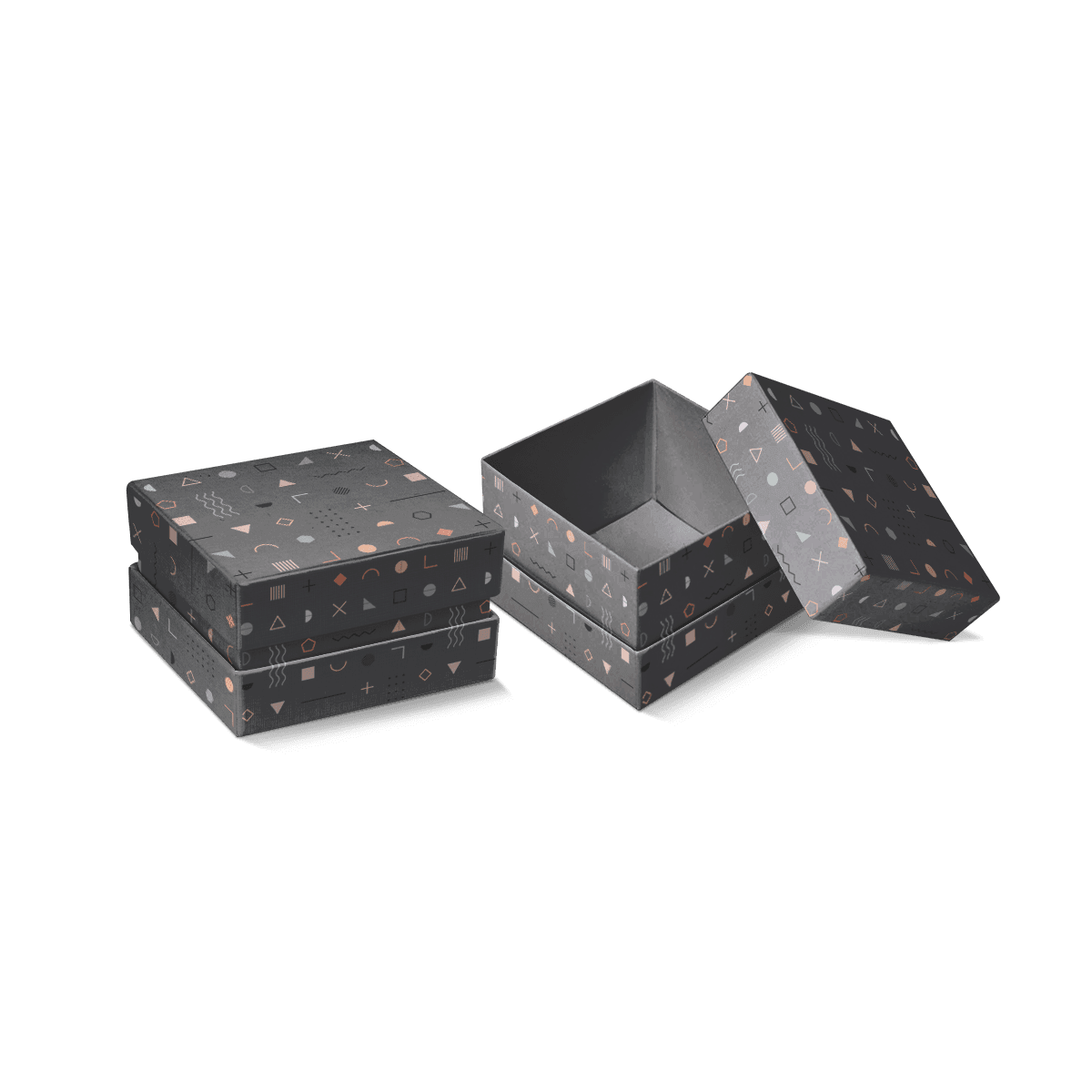
Many ring programs benefit from rigid construction because a small rigid box can hold its shape, support a fitted interior and create a controlled opening without becoming physically large.

That does not mean every ring product needs the most elaborate structure.

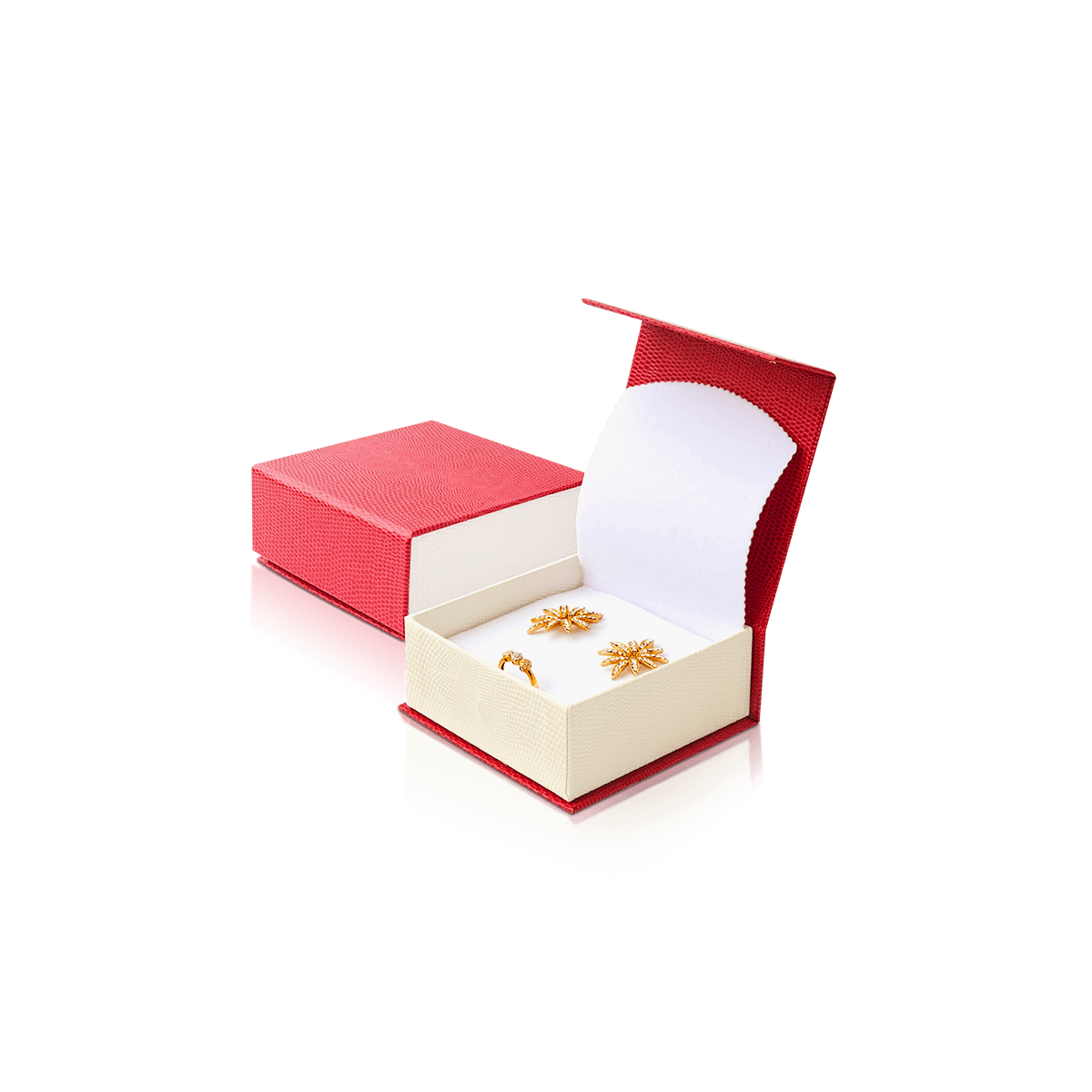
Rigid jewelry boxes make sense when structure and presentation are central to the sale. They can support lift-off lids, hinged constructions, fitted interiors and wrapped surfaces around small jewelry items.

A simpler paperboard box can be more practical for lower-weight fashion rings, promotional collections or programs where storage efficiency matters more than keepsake presentation.

The structure should match the selling environment rather than the size of the jewelry alone.

Hinged Lids Keep the Opening Compact

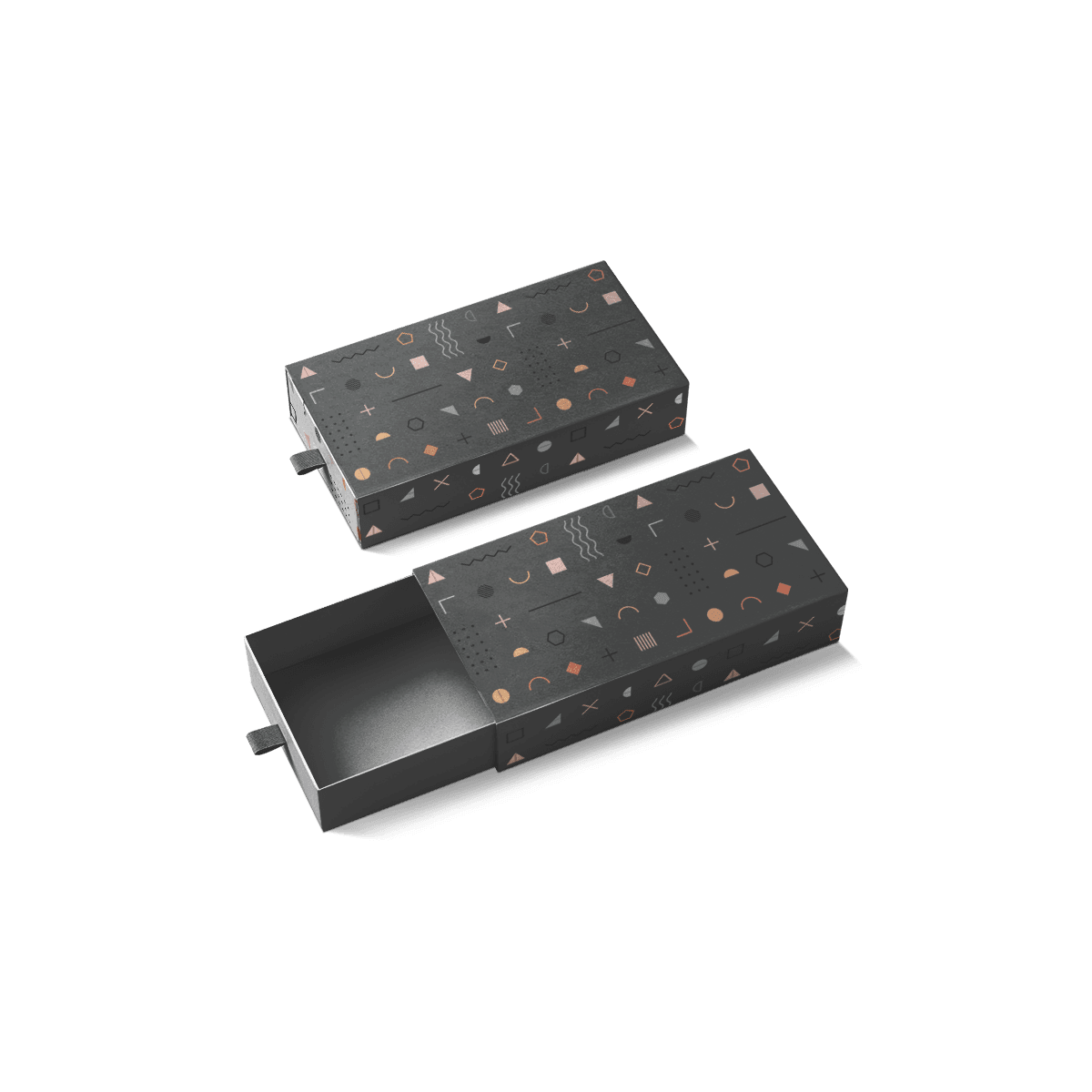
For proposals and counter presentation, an attached lid can keep the box as one object during opening.

That can be useful when the customer is handling the box one-handed or when a loose lid would interrupt the reveal.

A hinge still needs enough interior clearance for the setting throughout the closing path. The ring may clear the lid in its final closed position but interfere earlier if the geometry has not been checked.

Magnetic Closures Change the Close

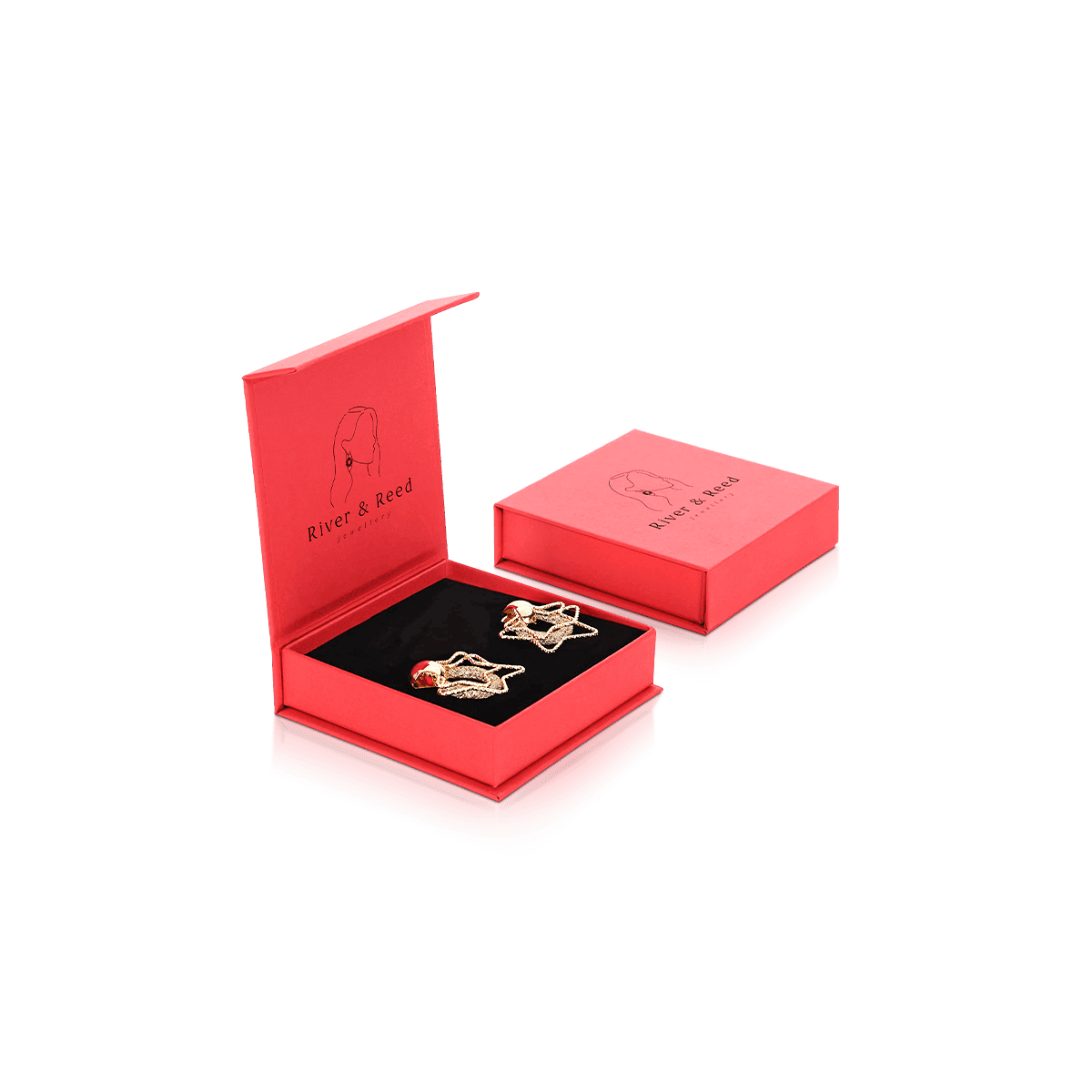
Magnetic Closure Jewelry Boxes make sense when a deliberate reclosure and aligned lid matter.

The magnetic mechanism should not be added simply because the jewelry is expensive. On very compact packaging, every additional structural component consumes space and changes the proportions.

The closure needs a functional reason.

Proposal and Retail Openings Solve Different Jobs

Proposal packaging is often handled differently from a box used primarily at a jewelry counter.

A proposal box may need to remain compact in a pocket or hand, open easily from one position and present the ring immediately without adjustment.

Retail packaging may prioritize repeat opening, efficient storage behind the counter, consistent branding across many SKUs and easy repacking after customer inspection.

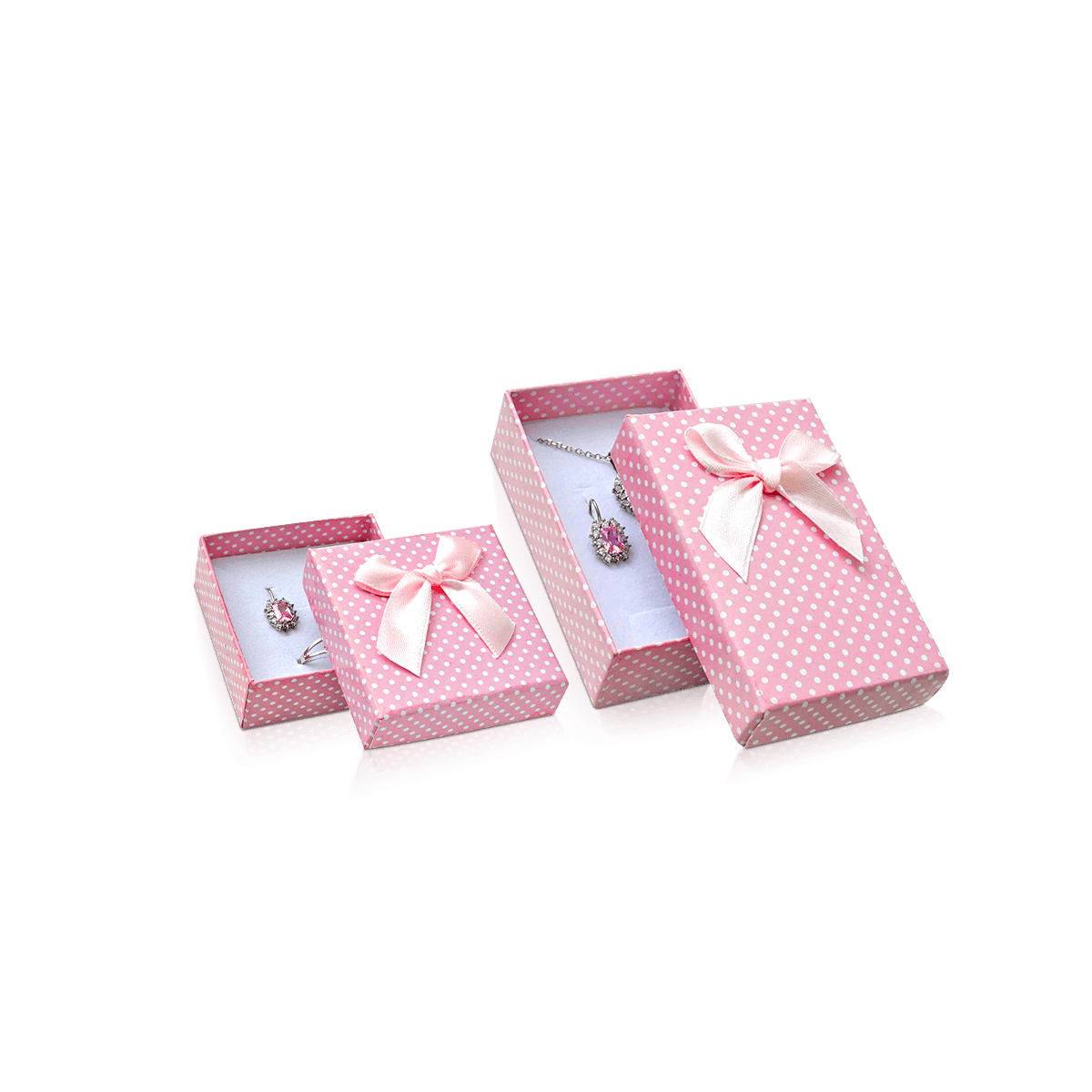
Gift packaging can introduce another set of priorities, such as message cards or a more substantial handoff. Jewelry Gift Boxes make more sense when the gifting experience extends beyond the single-ring presentation.

The same ring can therefore justify different packaging depending on how it reaches the customer.

Small Lids Leave Little Room for Weak Artwork

Ring boxes offer very little printable area compared with larger product packaging.

That makes logo scale and finish placement more important.

A mark that looks restrained on a large rigid lid can become crowded when reduced onto a compact square or rectangular ring box. Fine foil details can lose clarity if the artwork is scaled beyond what the small surface supports.

Keep the design hierarchy simple enough that the brand remains recognizable at the actual finished size.

One Finish Can Do Enough

Foil stamping, embossing, debossing, soft-touch surfaces and spot UV can all support jewelry branding, but a small ring box rarely needs several competing treatments.

A restrained lid with one strong detail often gives the jewelry more visual space.

Matte, gloss, foil, embossing and spot UV each change surface appearance and handling differently, so the finish should support the artwork rather than compensate for a weak layout.

Premium offset printing can be used where detailed artwork and controlled color are important. Custom Packly also provides design and dieline support with free 3D mockups for checking proportions before production.

Soft Interiors Still Need Structure

A soft-looking lining does not replace correct product retention.

Velvet-touch surfaces, fabric-like coverings and cushioned inserts can change the tactile presentation, but the ring still needs a mechanically stable position underneath.

If the cushion itself moves inside the rigid shell, or if the slit does not control the shank, the jewelry can lean regardless of how refined the lining looks.

The structure beneath the visible surface is therefore more important than simply adding softness.

For Luxury Jewelry Boxes, premium wraps and interior materials work best when the insert geometry has already fixed the product position.

Presentation should finish the engineering, not substitute for it.

Ring Boxes Need an Outer Shipping Layer

A compact presentation box is not automatically a parcel shipper.

During ecommerce fulfillment, the small box can move inside a larger package, pick up scuffs or take direct impacts that it was never intended to absorb.

Use the ring box as the presentation layer and give the shipment appropriate external protection.

The outer mailer or shipper should be sized closely enough to reduce movement while leaving room for the required cushioning or protective components.

Reducing shipping damage through structure and fit starts with controlling movement through the entire packaging system rather than making the presentation box excessively bulky.

This is especially important for branded rigid ring boxes where the customer expects the presentation surface to arrive clean.

Keep Ring and Earring Packaging Separate

Small jewelry boxes can look interchangeable when viewed only from the outside.

The interior requirements are not.

Earring Boxes need to retain a matched pair and may need space for posts, hoops or drop components. Ring boxes concentrate retention around one band or defined pair of bands while preserving vertical setting clearance.

Necklace Boxes need a larger presentation area and a method for controlling chain length and tangling.

Using one generic jewelry insert across all three usually creates compromises in product position.

Consistent exterior branding is useful. Interior geometry should remain jewelry-specific.

Approve the Ring Pose as the Production Standard

The most important master for repeat ring-box production is not only the outside dimension.

Record how the ring is meant to sit.

That includes the approved insert material, slot width, seating depth, presentation angle, setting clearance and amount of band exposed for removal. If several ring families use different inserts inside one box size, each insert should have its own controlled specification.

US MOQ starts from 100 boxes. Standard turnaround is 4–6 days after final artwork and specifications are approved, with US production and free shipping. Free sample examples of previous work are available, while fully custom pre-production samples can be arranged as paid samples when the exact ring pose or fit needs physical approval. Complex structures, specialty materials or advanced finishes may require additional time.

For repeat programs, Custom Packly can also support warehousing and scheduled deliveries.

The detail worth preserving is the ring’s position when the box opens. If that stays controlled across production runs, the outer packaging, insert and jewelry continue to behave as one designed presentation rather than three separate parts.

FAQs

Because the insert controls the viewing angle and keeps the ring from shifting. A good insert makes the product easier to inspect and helps protect the setting during transport and repeated handling.

Rigid board is more common for higher-value presentation because it holds shape better and feels more substantial in the hand. Folding carton options can still work for promotional programs, volume gifting or lighter retail lines.

Ring Boxes are usually the better choice for a single ring because they are smaller, more focused and easier to present in one hand. Magnetic Closure Jewelry Boxes make more sense when the pack needs a broader gift format or space for multiple items.

Usually less is better. A small foil logo, subtle embossing or inside-lid message is often enough to make the packaging feel refined while keeping attention on the ring.

Yes, as long as the box is used as the inner presentation pack and placed inside a protective outer shipper. That setup keeps the reveal polished while helping the ring arrive in better condition.

Process

How it works

Your Packaging Journey, From Idea to Production and Delivery

01

Tell Us Your Specs

Custom packaging boxes

Tell Us Your Specs

Provide size, quantity, printing, and finishes.

02

Get a Fast Quote

Custom packaging boxes

Get a Fast Quote

Instant transparent pricing, no hidden fees.

03

Design and Approval

Custom packaging boxes

Design and Approval

Artwork checks, revisions, and final sign-off.

04

Produce

Custom packaging boxes

Produce

Expert manufacturing to meet deadlines.

05

Ship to Your Door

Custom packaging boxes

Ship to Your Door

Hassle-free, flexible delivery options.

Get Your Quote for Custom Ring Boxes

Share your product details, size, quantity and artwork needs. We’ll help choose the right packaging style and send a clear quote.