Skip to content
Details

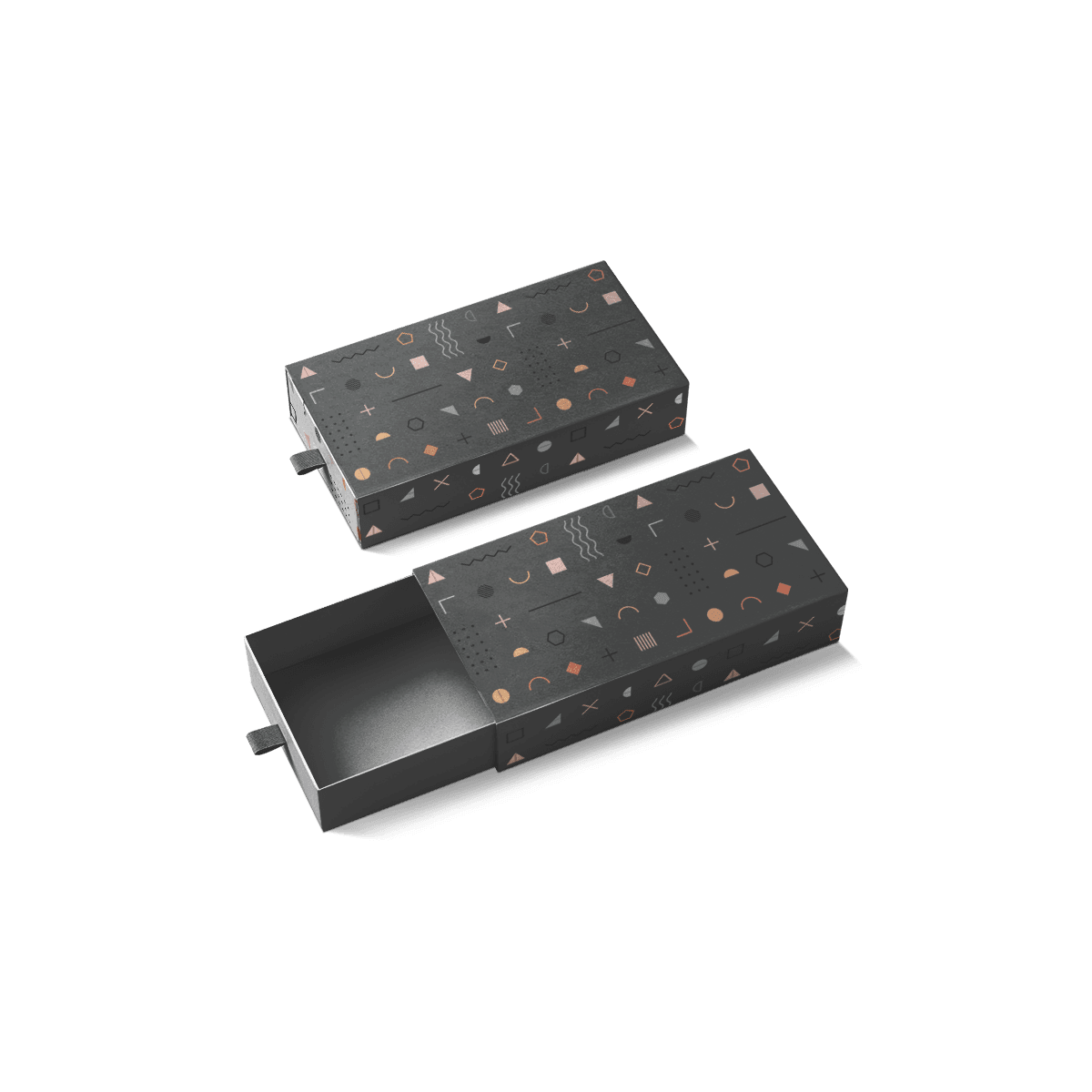
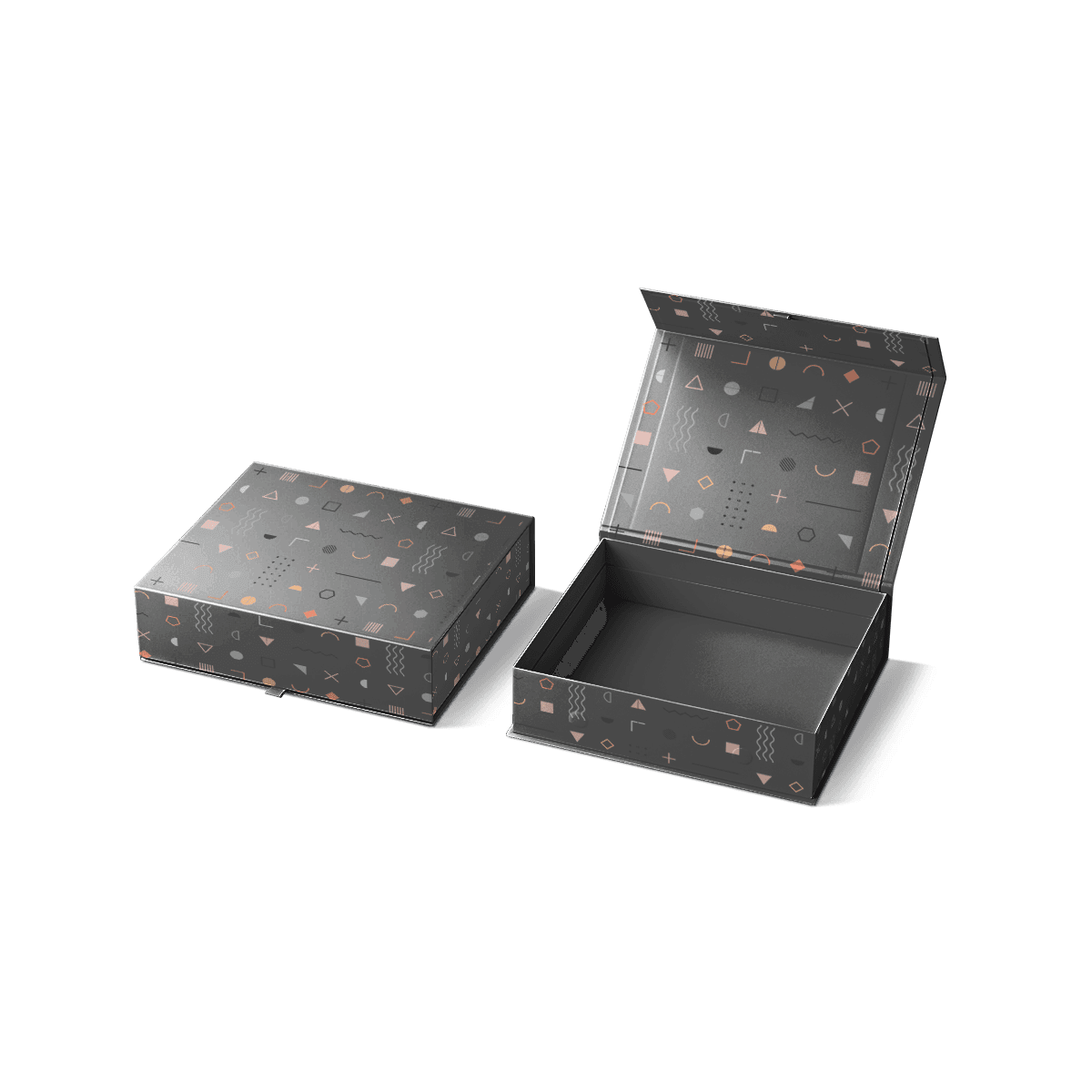
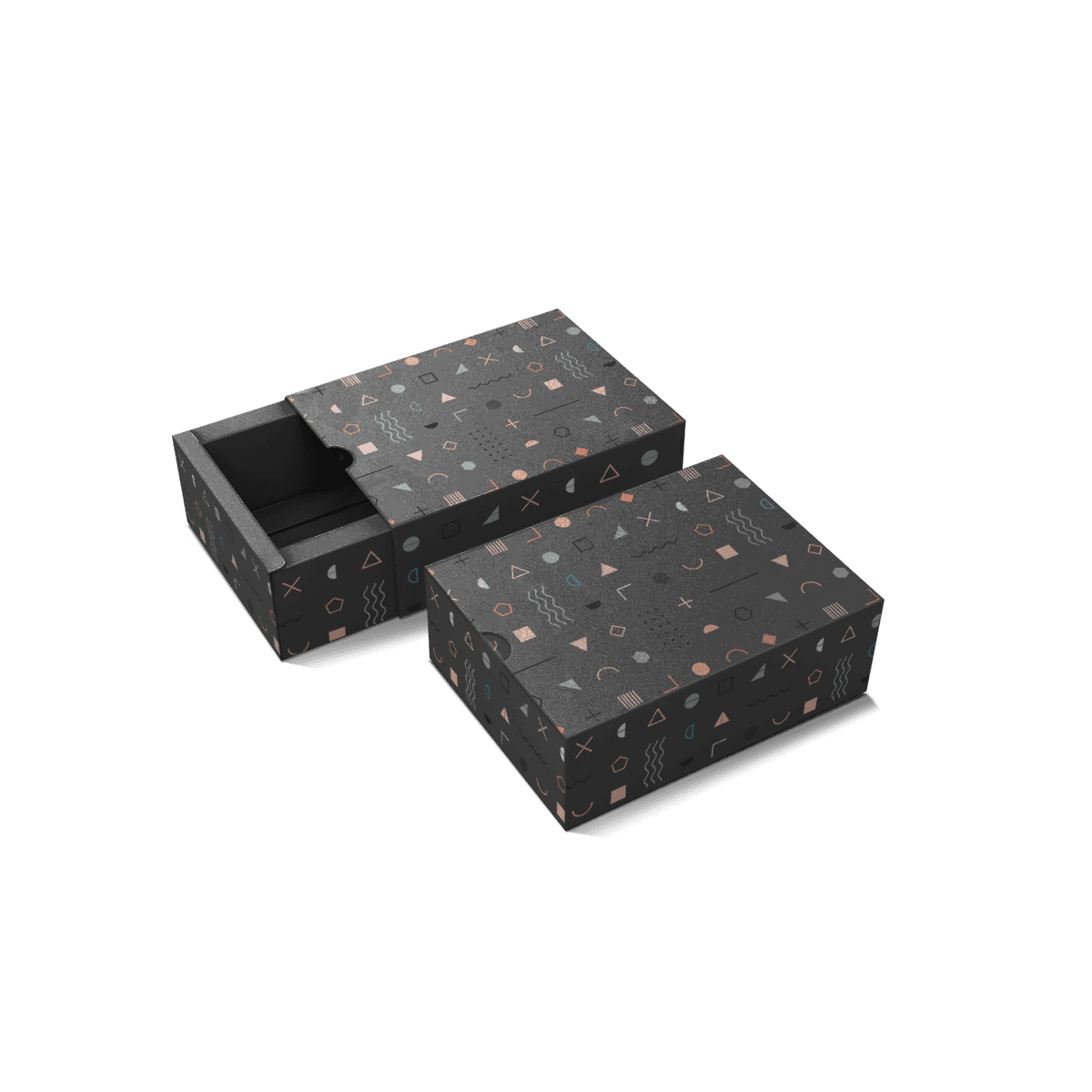
Custom Shoulder Neck Rigid Boxes

Raised inner collars that control lid seating, create a deliberate stepped reveal and give premium products a more precise lid-and-base presentation.

The Collar Sets the Lid Stop

The defining measurement in a shoulder neck rigid box is not simply the lid depth. It is where the lid stops against the raised inner collar.

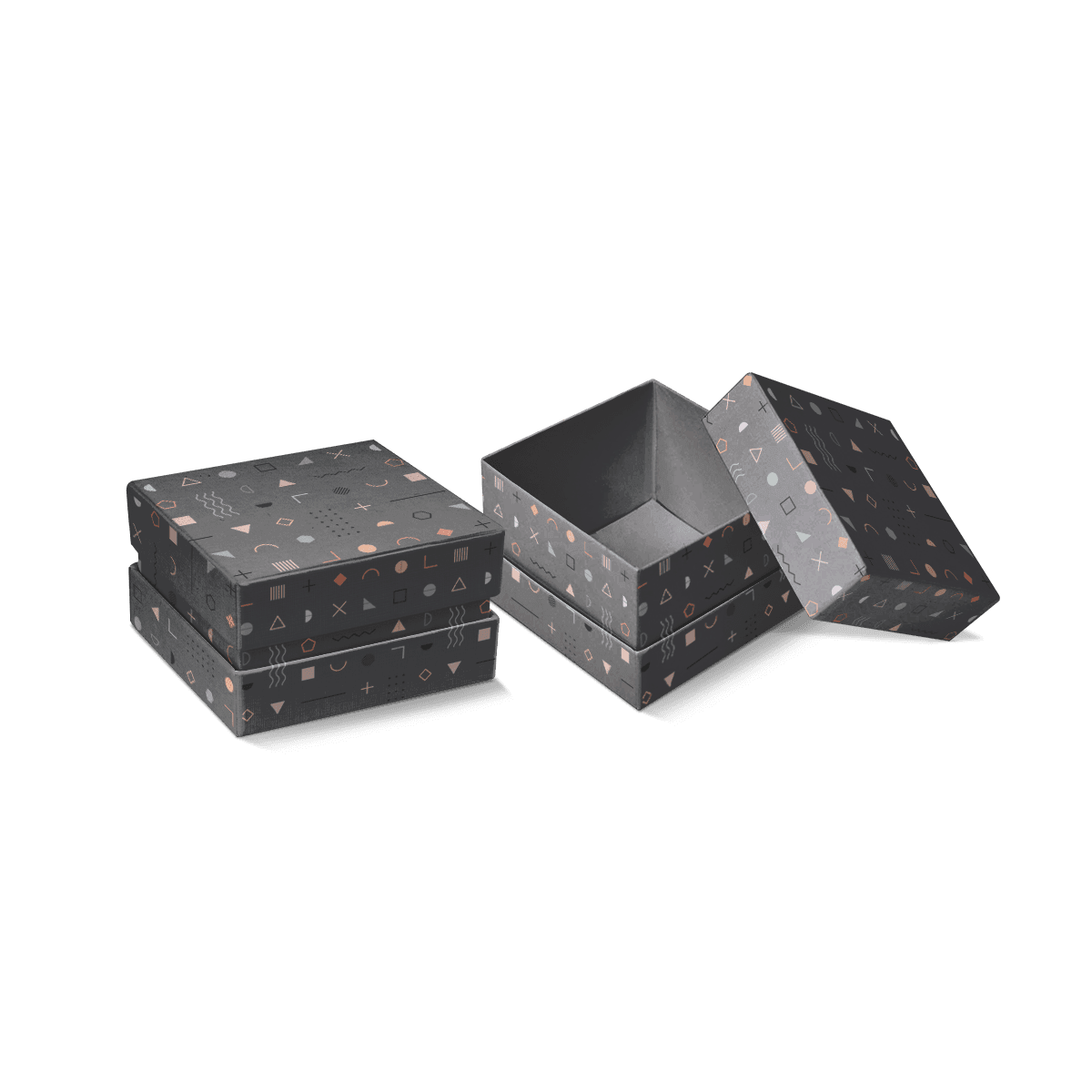
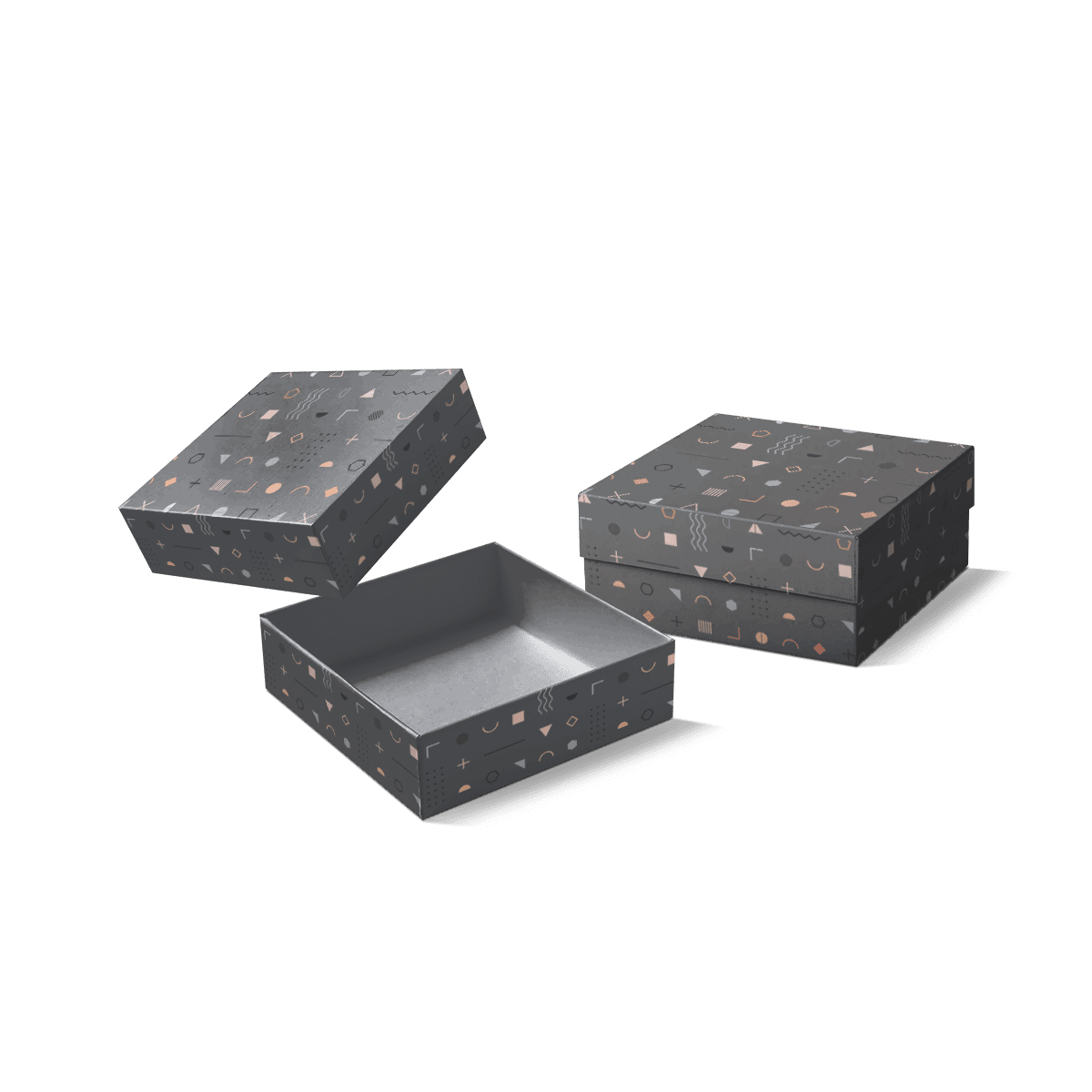
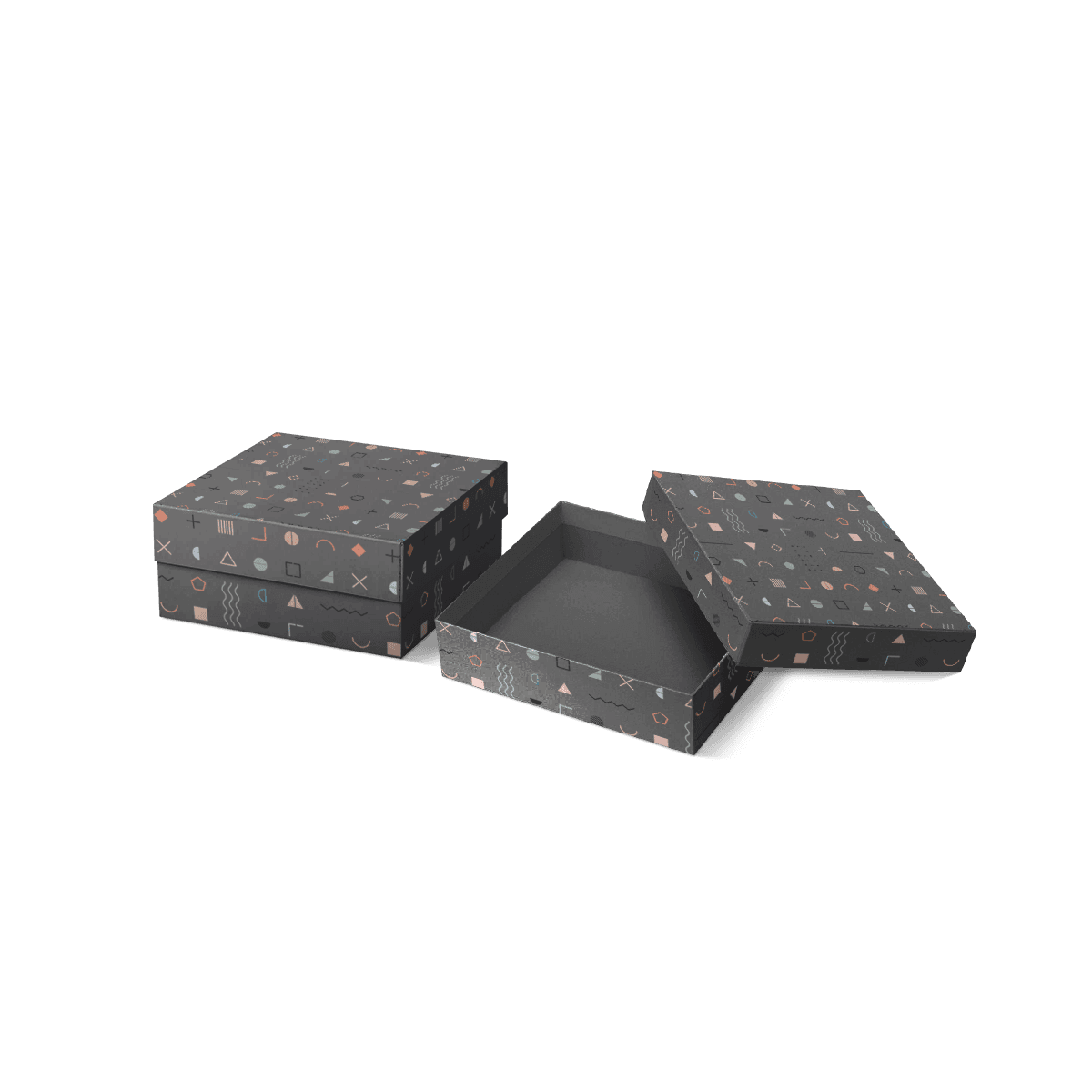
That collar sits inside the base and extends above it. When the lid comes down, the neck guides its position and creates a deliberate junction between the lid and lower box. Depending on the specification, part of that neck can remain visible when the box is closed, creating the horizontal band that gives this structure its distinctive layered appearance.

Small changes in collar height affect several things at once: how much neck is exposed, how deep the lid appears, how easily the lid aligns and how much of the product is revealed after opening.

The extra inner component distinguishes this structure from other custom rigid boxes: it controls the lid and presentation in a way a standard lid-and-base box cannot.

Collar Height Changes the Reveal

A taller collar creates more vertical separation between the base and lid. That can make a compact product feel intentionally elevated, especially when the neck uses a contrasting color or paper.

A shorter collar keeps the transition quieter. It can retain the cleaner exterior of a traditional rigid box while still guiding the lid from inside.

The right height depends on the product, box proportions and intended visual effect. Making the neck taller simply to create more drama can leave a small product surrounded by unnecessary structure. Making it too low can remove much of the visual reason for specifying the third component.

Visible and Restrained Neck Bands Feel Different

The exposed band can become a major part of the design or remain almost concealed.

A contrasting collar works well when the reveal should be obvious. A black exterior with a metallic, white or saturated inner neck creates a clear break as soon as the lid begins to lift.

Using the same or closely related wrap on the neck makes the transition subtler. That direction can suit products where shape and proportion should do most of the work.

Neither approach is automatically more premium. The important question is whether the neck band contributes to the product presentation rather than becoming decoration without purpose.
Lid Fit Happens Around the Neck

The lid should locate cleanly around the raised collar without dragging heavily against it or moving loosely from side to side.

Too little clearance can make the lid bind, scrape the neck wrap or require excessive force to close. Too much clearance can create visible wobble and weaken the precise feel that shoulder neck construction is supposed to provide.

Board thickness, wrap thickness, adhesive buildup and production tolerances all influence this relationship. A measurement that looks correct in a simple drawing still has to account for the finished wrapped surfaces.

This is where physical validation matters. Free sample examples can establish general rigid-box quality and finish direction. When exact lid resistance, collar clearance or product fit must be approved, a fully custom pre-production sample can be arranged as a paid sample.

Tight Is Not the Same as Precise

A lid that grips hard can initially feel substantial, but excessive friction creates problems with repeat use. The customer may need to shake or pull the box aggressively to open it, and high-contact areas can show wear.

A controlled fit should feel intentional without turning opening into a struggle.

The goal is repeatable alignment with enough working clearance for wrapped board, not the smallest theoretical gap between parts.

Surface Choice Affects the Fit

Textured papers, thick wraps and laminated surfaces can change the finished dimensions around the collar. A neck specified before the wrap is finalized may therefore need adjustment once the complete material stack is known.

Rigid board, wrap stocks, printing, finishes and inserts are all part of the same packaging capabilities decision and should be coordinated rather than treated as independent upgrades.

The Neck Is Not the Insert

The raised collar and the product insert perform different jobs.

The neck controls the lid relationship and creates the stepped outer structure. The insert controls the product itself. Combining those two decisions too early can lead to awkward proportions, poor product removal or an unnecessarily tall box.

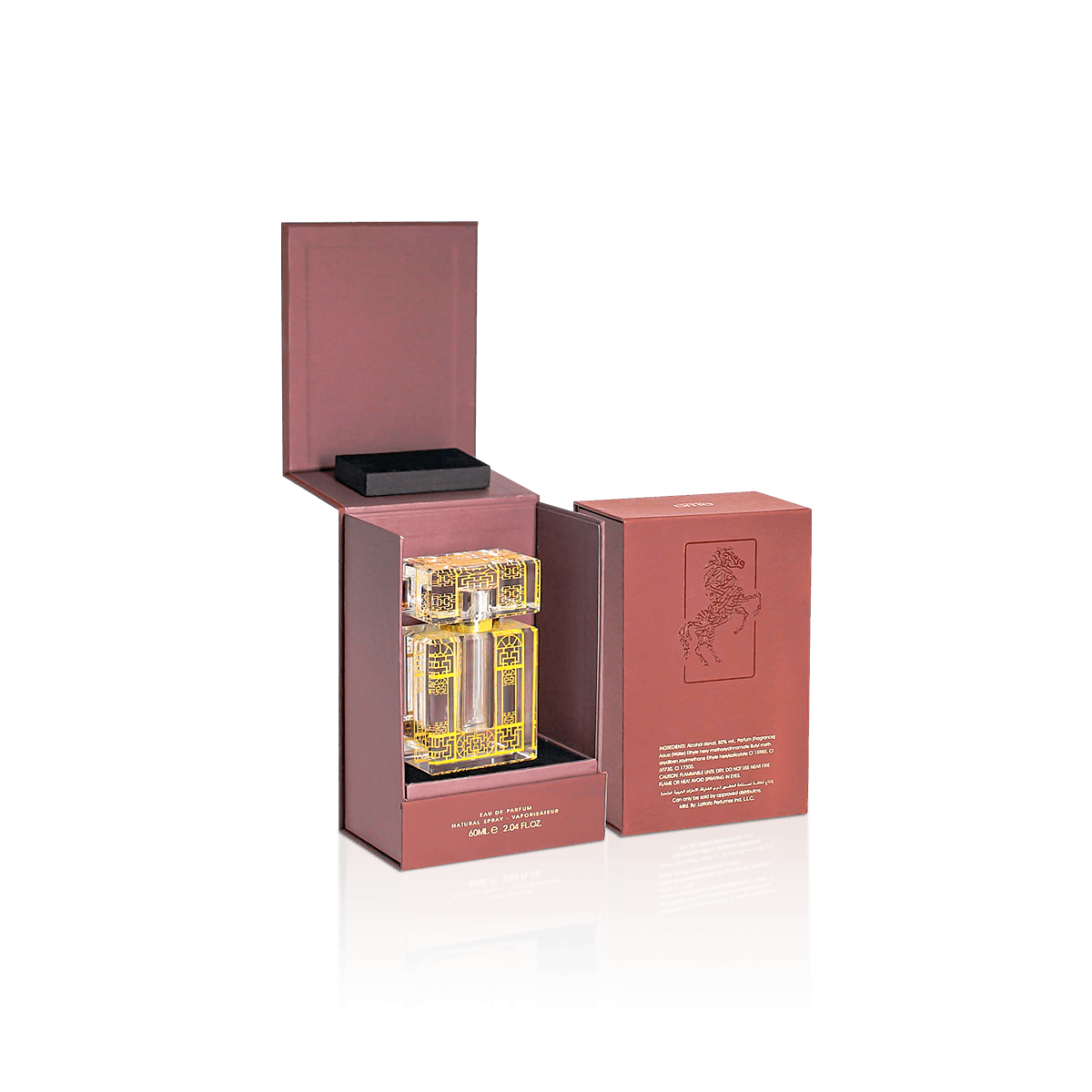
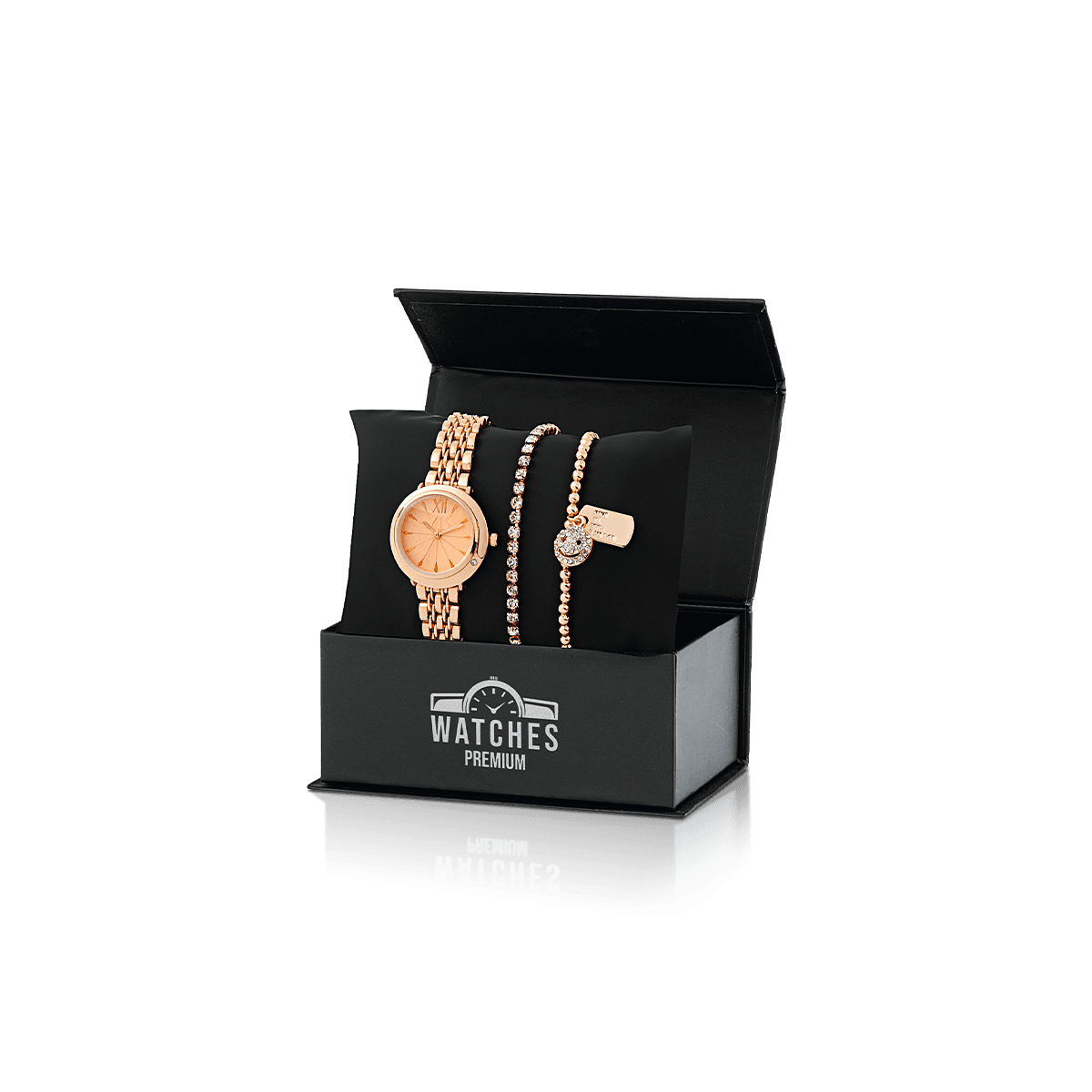
A perfume bottle may need a deep fitted cavity even though only a narrow collar should remain visible. A watch may need an elevated cushion while the surrounding neck stays comparatively low. A multi-piece cosmetics set may need several cavity depths beneath one consistent shoulder line.

Treat neck height and insert height as separate dimensions first. Bring them together only after the product position is established.

Product Height Should Not Dictate Collar Height Alone

A tall product does not automatically need a tall neck.

If the product already fills much of the internal height, raising the collar further may simply increase the exterior height without improving presentation. Conversely, a compact product can sometimes use a more visible shoulder effectively because the stepped structure gives the small item stronger visual presence.

Custom product packaging should start with the actual item dimensions, weight, fragile areas and intended position before the outside structure is finalized. That sequence matters especially when the rigid box contains bottles, watches, devices or several components at different heights.

Removal Space Still Matters

A visually precise cavity can become impractical if the customer cannot reach the item.

Finger notches, ribbon lifts, side relief or exposed gripping areas should be established before the insert is approved. The raised collar can make the interior feel deeper, so removal access needs to be assessed with the completed neck and insert together.

The choice among foam, paperboard and molded pulp inserts should follow product weight, surface sensitivity, retention needs and presentation rather than the rigid-box style alone.

A Scuffed Neck Usually Starts With Clearance

Consider a fragrance box with a dark matte lid and a bright contrasting neck band. The first assembled sample looks sharp, but repeated opening begins marking the exposed collar.

Changing the neck color would hide the symptom, not fix the structural cause.

The issue may be that the lid is running too closely against the wrapped neck. As the customer removes and replaces it, the same contact points rub repeatedly against the visible surface.

Increasing the working clearance slightly, reviewing the wrap thickness and checking how evenly the lid travels over all four sides can reduce that contact while preserving the controlled fit.

The improvement is practical as well as visual: the lid becomes easier to replace and the feature intended to attract attention is less likely to show premature wear.

Shoulder Neck Is Not Deep-Cover Telescopic

Shoulder neck and telescopic rigid boxes both use removable lids, but the visual and mechanical priorities are different.

Telescopic rigid boxes use a deeper outer lid that travels farther over the base. Choose that direction when extended side coverage, a more enclosed profile or a longer lift-off motion is the main goal.

A shoulder neck box adds an inner collar that rises from the base and gives the lid a defined seating surface. The visible transition between base, neck and lid is part of the structure.

Luxury 2-piece rigid boxes simplify the relationship further. They work when a conventional removable lid and base already create the presentation required and the extra collar would add complexity without enough benefit.

A flip-top rigid box changes the interaction completely by keeping the lid attached. That makes repeat top access and hinge behavior more important than collar seating.

These differences matter because all four can look premium in photographs. The correct choice depends on how the package should physically open and close.

Product Elevation Needs Restraint

The raised neck naturally creates an opportunity to bring the product closer to the opening. Used well, this makes the contents appear immediately after the lid clears the collar.

Used poorly, it can make the product sit uncomfortably high.

Leave enough vertical clearance for bottle caps, watch faces, jewelry cushions, electronic components and any accessory that projects above the main insert. The top of the product should not become the accidental lid stop.

For multi-product sets, the insert can use different cavity depths while maintaining a consistent visible presentation line. This is often cleaner than forcing every component onto one raised platform.

Fragrance Packaging Depends on the Cap

For perfume boxes, the bottle body is only part of the measurement problem. Caps, atomizers and decorative shoulders may create the highest or widest points.

A shoulder neck box can frame the bottle particularly well because the collar creates a second visual boundary around the presentation. The insert still needs to hold the glass securely without placing pressure on the cap or neck of the bottle.

Small Products Can Use the Collar as a Frame

In packaging for jewelry and accessories, the raised neck can reduce the sense that a small product has simply been placed inside an oversized box. A carefully proportioned collar frames the cushion, tray or insert and gives the interior clearer visual boundaries.

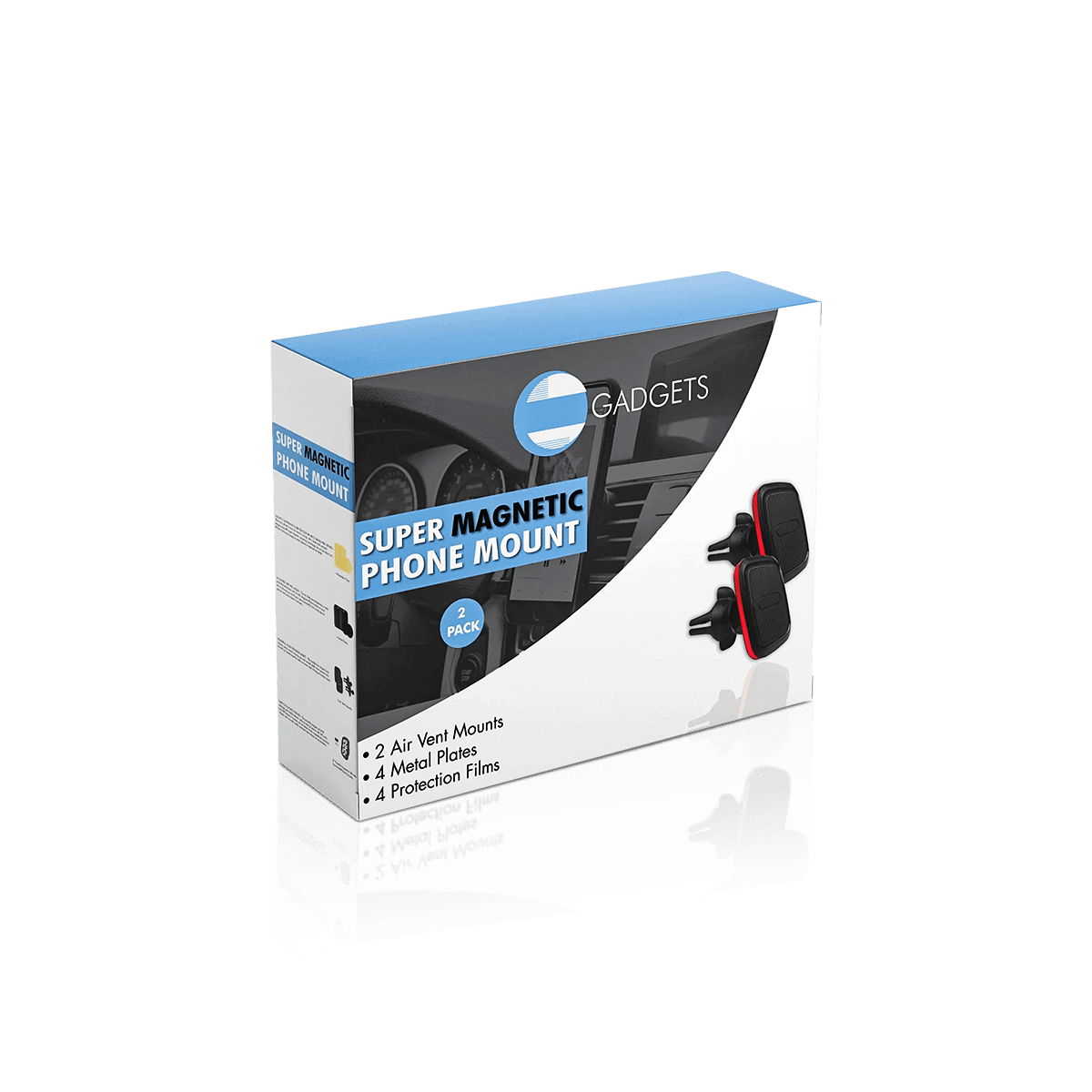
The same principle can work for compact electronics accessories or collectible products where the object benefits from a defined presentation zone.

Three Surfaces Can Carry One Design

A shoulder neck box gives the designer an exterior lid, lower base and exposed neck transition. That creates more visual layers than a simple two-piece rigid box, but it does not require three competing design treatments.

The most effective schemes usually establish a hierarchy.

The lid may carry the main logo and primary color. The base can continue the same wrap with minimal additional detail. The collar can then provide the contrast, either through color, texture or a restrained specialty paper.

Another direction is to keep the entire outside quiet and reserve the stronger color for the neck. In that case, the reveal happens physically as the lid lifts rather than through decorative effects on the closed box.

Premium offset printing helps when artwork, fine typography and color need to remain controlled across wrapped components. CMYK works well for detailed full-color artwork, while Pantone references can be useful when a particular brand color needs tighter control.

Foil, embossing, debossing and spot UV can add emphasis, but the exposed shoulder already creates a structural highlight. The box does not need every premium finishing process at once.

The Neck Adds a Real Cost Driver

Shoulder neck construction introduces an additional wrapped component and more fit-sensitive assembly than a simple two-piece rigid box.

Collar height, board choice, visible wrap, lid clearance, insert construction, box dimensions, print and finishing all influence pricing. If the shoulder is included only because the structure appears expensive, that extra production work may not be buying anything useful.

The cost of custom rigid boxes changes substantially with structure, dimensions, quantity, inserts and finishing. For a shoulder neck project, the third structural component should be treated as part of that calculation rather than as a small cosmetic addition.

US orders start from 100 boxes. That allows a lower-volume launch to use the structure without requiring a very large initial run, while bulk and repeat-order programs can be planned around an approved collar and lid specification.

US production, free shipping, free 3D mockups, design and dieline support and premium offset printing are available for custom rigid packaging. Standard turnaround is 4–6 days after final artwork and specifications are approved. Instant free quotes and transparent pricing are available once the main structural direction is clear. Complex structures, specialty materials or advanced finishes may require additional time.

Collar Color Can Organize a Product Line

The visible neck gives multi-SKU programs a branding variable that does not require redesigning the entire box.

A fragrance collection could keep the same exterior while changing the collar color by scent. A jewelry program could use different neck wraps for rings, bracelets or watches. A cosmetics line could distinguish seasonal sets through the revealed band while preserving the same main artwork.

That strategy works best when the physical construction remains consistent. Changing neck height, lid clearance and insert geometry unnecessarily between visually similar SKUs creates more variables to control during repeat production.

For programs with many premium products, custom luxury packaging can combine structural consistency with different wraps, finishes and insert arrangements according to the item.

The neck band then becomes part of the packaging system rather than an isolated decorative strip.

The Third Piece Must Earn Its Place

Shoulder neck construction is worth specifying when the raised collar does real work: it guides the lid, establishes a deliberate stop point, creates a useful stepped reveal or gives the product a stronger visual frame.

If those advantages are not needed, a simpler rigid structure may be the better commercial decision.

Use a standard two-piece box when the removable lid itself provides enough presentation. Use a telescopic lid when deeper external coverage matters more than an exposed inner shoulder. Use flip-top construction when keeping the lid attached is more important than a lift-off reveal.

Choose the shoulder neck structure when the interaction between all three pieces is the point.

That decision keeps the package disciplined. The base supports the product, the neck controls the transition and the lid completes the enclosure. When those roles are clear, the extra component feels intentional rather than ornamental.

FAQs

It matters because it changes both fit and presentation. The shoulder creates a more structured lid stop and gives the box a layered, higher-end reveal.

Yes. The added internal geometry makes it easier to pair the box with foam, paperboard, or molded inserts while keeping the presentation orderly.

Shoulder Neck Rigid Boxes are better when you want a visible stepped reveal and more engineered lid alignment. Telescopic Rigid Boxes are better when a deeper cover and classic over-the-base look are the main priority.

Products that need presentation and positioning at the same time do best here, especially watches, perfumes, candles, electronics accessories, and curated gift sets.

Yes. A customizable neck height, insert system, wrap stock, and finish plan can make the box feel brand-specific while keeping the exterior clean and disciplined.

Process

How it works

Your Packaging Journey, From Idea to Production and Delivery

01

Tell Us Your Specs

Custom packaging boxes

Tell Us Your Specs

Provide size, quantity, printing, and finishes.

02

Get a Fast Quote

Custom packaging boxes

Get a Fast Quote

Instant transparent pricing, no hidden fees.

03

Design and Approval

Custom packaging boxes

Design and Approval

Artwork checks, revisions, and final sign-off.

04

Produce

Custom packaging boxes

Produce

Expert manufacturing to meet deadlines.

05

Ship to Your Door

Custom packaging boxes

Ship to Your Door

Hassle-free, flexible delivery options.

Get Your Quote for Custom Shoulder Neck Rigid Boxes

Share your product details, size, quantity and artwork needs. We’ll help choose the right packaging style and send a clear quote.