Skip to content
Details

Custom Watch Boxes

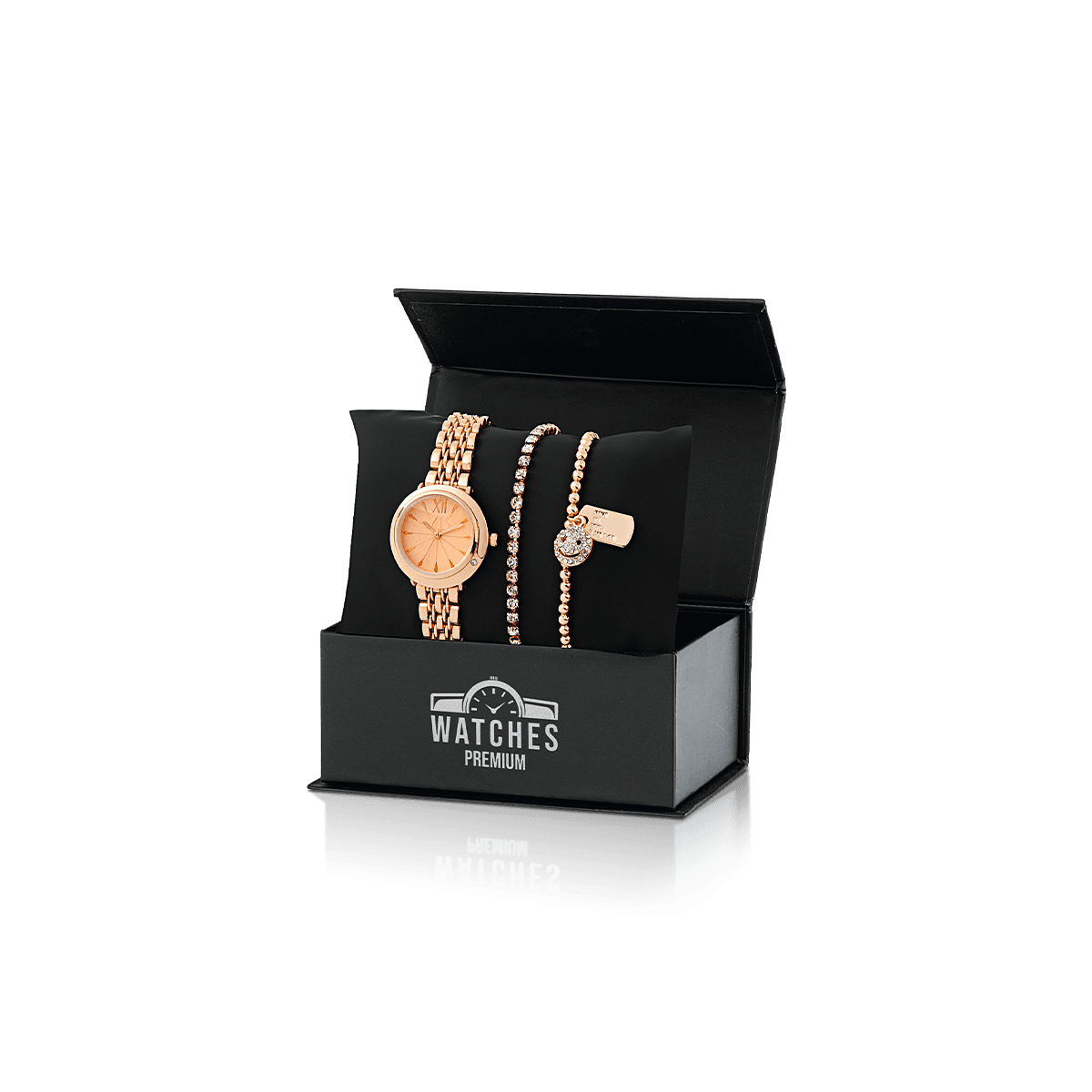
Hold the watch face upright, support the strap without overstretching it and protect the crown, clasp and case with packaging sized around the complete timepiece.

The Watch Can Rotate Even When the Cushion Fits

A watch may appear secure around a cushion and still move in the way that matters most.

The strap can remain wrapped around the support while the heavier watch case slowly rotates toward one side. That changes the opening view, places the crown closer to the box wall and can leave the dial sitting at an angle instead of facing the customer.

Custom Watch Boxes therefore need to control more than wrist circumference. They have to balance case weight, cushion size, strap tension and side clearance as one system.

The strongest presentation keeps the dial upright, leaves the crown and pushers clear of hard surfaces and supports the strap without asking it to hold the entire watch in position.

The Jewelry & Accessories packaging lineup treats watches separately from bracelets, rings and necklaces because the watch case creates a concentrated load that lighter jewelry does not.
Case Dimensions Set the Safe Zone

The watch case usually controls the most important clearances inside the box.

Diameter or width is only the beginning. Case thickness, lug-to-lug length, crown projection and any side pushers can all affect how much room the timepiece needs.

A box sized only around the dial diameter can therefore be misleading.

Leave Clearance Around the Crown

The crown projects beyond the main case and can become the closest point to the side wall.

Chronographs and other watches may add pushers on the same side, increasing the required clearance.

The insert or cushion should keep those features away from hard edges during normal handling. A watch that shifts sideways should not immediately place the crown against rigid board.

The clearance does not need to create a visibly oversized cavity. It needs to account for the actual outer profile of the watch.

Lug-to-Lug Length Affects the Cushion

The lugs determine how the strap leaves the case.

A cushion that is too broad can force the strap outward at an unnatural angle immediately below the lugs. One that is too narrow may leave the case poorly supported and allow greater movement.

Measure the complete watch rather than treating the case, strap and cushion as independent components.

Cushion Diameter Should Follow the Strap

The cushion is one of the most important parts of watch packaging because it creates the wrist-like form around which the watch is displayed.

Its circumference should suit the strap or bracelet without stretching it excessively.

Leather Straps Should Not Be Forced

A leather strap can take a set over time.

Wrapping it tightly around an oversized cushion may create unnecessary curvature or put tension through the buckle holes and attachment points.

The support should hold the watch naturally rather than simulate an unusually large wrist.

Metal Bracelets Need Clasp Room

A bracelet watch has a different requirement.

The closed bracelet, clasp thickness and adjustment range affect the cushion size. Some clasps occupy significantly more depth beneath the cushion than a thin leather strap and buckle.

If the underside of the cushion is too close to the box base, the clasp can become the pressure point.

The support needs enough underside space for the bracelet to close without being trapped between the cushion and surrounding structure.

Open Straps Need a Retention Method

Not every watch will be packed with the strap fully closed.

Some strap styles or production workflows may make an open configuration more practical. If so, the insert should prevent loose strap ends from moving across the dial or becoming trapped under the cushion.

The packaging method should reflect how the watch is actually packed, not an idealized render.

Keep the Dial in the Presentation Angle

Most single-watch packaging presents the dial facing upward.

That orientation sounds automatic until the package is carried vertically, tilted during shipping or handled repeatedly at retail.

If the case can rotate freely around the cushion, the watch may no longer face the customer when the lid opens.

There are several ways to reduce that movement.

A cushion can fit more precisely between the box walls. A shallow surrounding recess can limit lateral rotation. Side supports can stabilize the cushion rather than touching the watch itself.

The best restraint is often indirect.

Instead of gripping the case tightly, control the component supporting it.

That keeps polished watch surfaces away from unnecessary pressure while making the opening view more predictable.

Watch and Bracelet Packaging Should Not Share the Same Support

A bracelet and a watch both wrap around the wrist, but the internal load is very different.

Bracelet Boxes can focus on chain slack, cuff curvature and clasp placement because the jewelry mass is usually distributed around the piece.

A watch concentrates weight in the case.

That central mass can rotate around a soft support, pull the strap downward and place more load on one side of the insert.

Watch packaging therefore benefits from a cushion or insert that stabilizes the case itself rather than depending entirely on strap tension.

The distinction becomes even more important with larger cases, metal bracelets and heavy automatic watches.

A Heavy Case Can Defeat a Soft Cushion

Consider a substantial steel watch placed around a very soft pillow.

When the package is first assembled, the watch sits perfectly upright.

During handling, the case repeatedly pulls toward the heavier side. The pillow compresses under that load and begins to lean. The strap remains closed, so the watch technically stays attached to its support, but the dial arrives tilted toward the box wall.

Increasing strap tension would make the watch feel more secure, but it would transfer more force through the bracelet or leather.

A better correction is a cushion with enough structure to retain its shape, combined with an insert geometry that limits pillow movement inside the box.

The case can then remain upright without turning the strap into the primary restraint.

This is one reason packaging inserts should be considered according to product weight and movement rather than appearance alone.

Box Depth Comes From More Than Case Thickness

The visible watch may sit several layers above the physical base of the box.

Total depth can include:

  • insert thickness
  • cushion height
  • closed clasp underneath
  • watch case thickness
  • raised crystal or bezel
  • safe lid clearance

That stack needs to be assessed together.

A watch box that looks generously deep outside can still create contact if a thick clasp lifts the cushion higher than expected. Conversely, adding excessive depth can make a standard watch feel buried inside the package.

The ideal box frames the timepiece rather than creating an unnecessarily deep cavity around it.

If accessories such as extra straps or documentation must also be included, assign them their own space rather than simply increasing the empty depth below the watch.

The Crystal Should Never Become a Contact Surface

The dial and crystal are the visual center of the product.

They should not be used to stabilize the watch.

A lid liner, insert or accessory should not press directly onto the crystal when the box closes. Even if no immediate damage occurs, contact can leave marks or place unnecessary pressure on a raised component.

Top clearance should be checked with the real watch fitted to its cushion.

This matters particularly for watches with domed crystals, tall bezels or thick cases.

The secure feeling should come from the watch being supported around the strap, cushion and appropriate case clearances, not from the lid compressing the product into place.

Rigid Construction Suits the Weight of the Product

Watches often justify a more substantial presentation structure than lighter pieces of jewelry.

A rigid box provides stable walls, supports a fitted internal platform and gives the package enough presence for premium retail and gifting.

For watches and other high-value jewelry that need substantial presentation packaging, Rigid Jewelry Boxes can carry the same structural language across the brand.

For higher-end watch presentation, Luxury Jewelry Boxes can support more elaborate interior materials, layered reveals and prestige finishes.

Paperboard can still work for lighter fashion watches or secondary outer packaging.

The correct choice depends on product value, distribution, desired hand feel and how much structural work the internal support needs to perform.

A stronger exterior does not replace a correctly fitted cushion.

Opening Style Changes the Watch Reveal

Several rigid structures can carry a watch successfully.

The decision should follow the desired opening experience and internal layout.

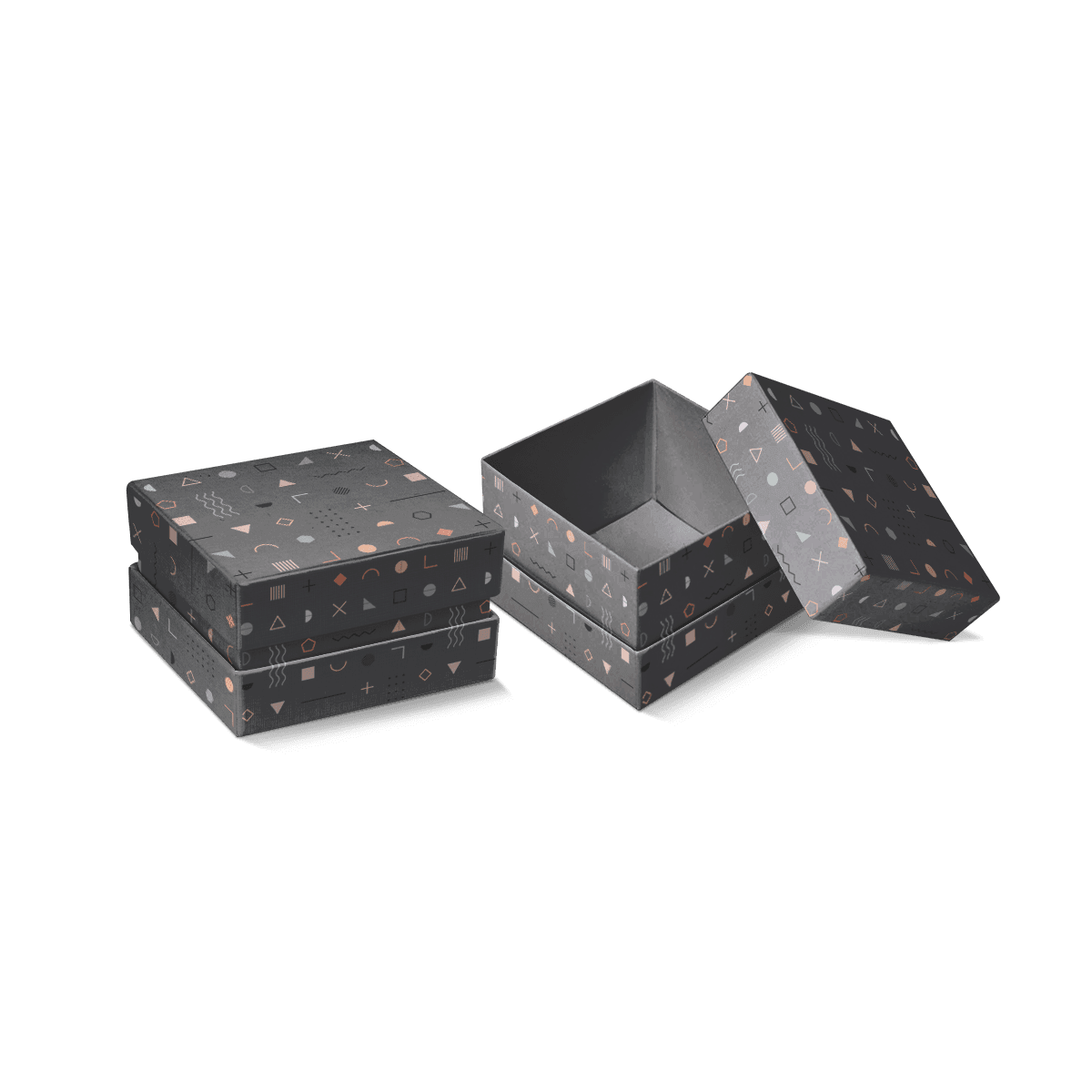
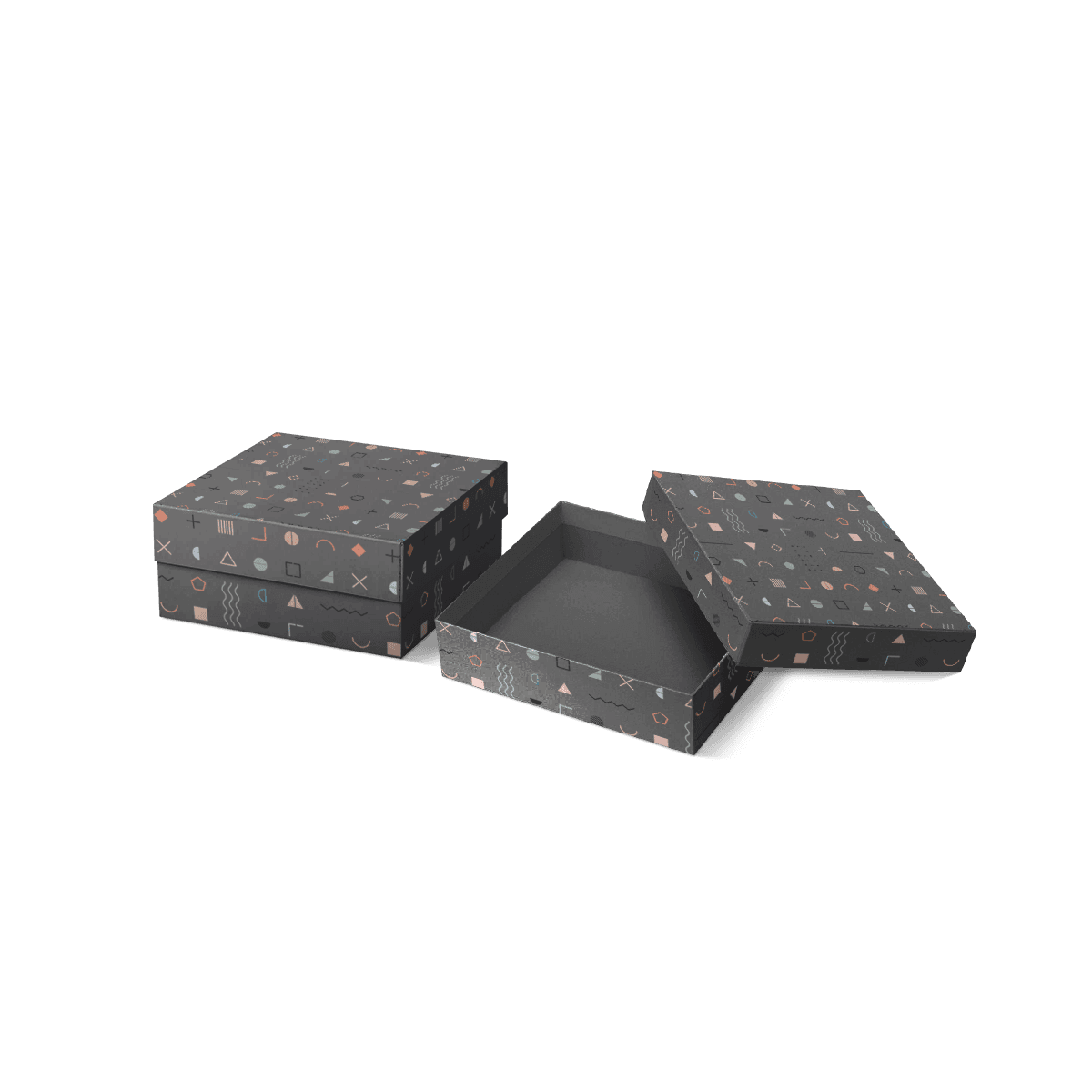
A two-piece lid-and-base box creates a familiar lift-off reveal. A hinged or magnetic format keeps the lid attached and can expose branding inside the lid. A drawer-style construction introduces a horizontal slide before the watch appears.

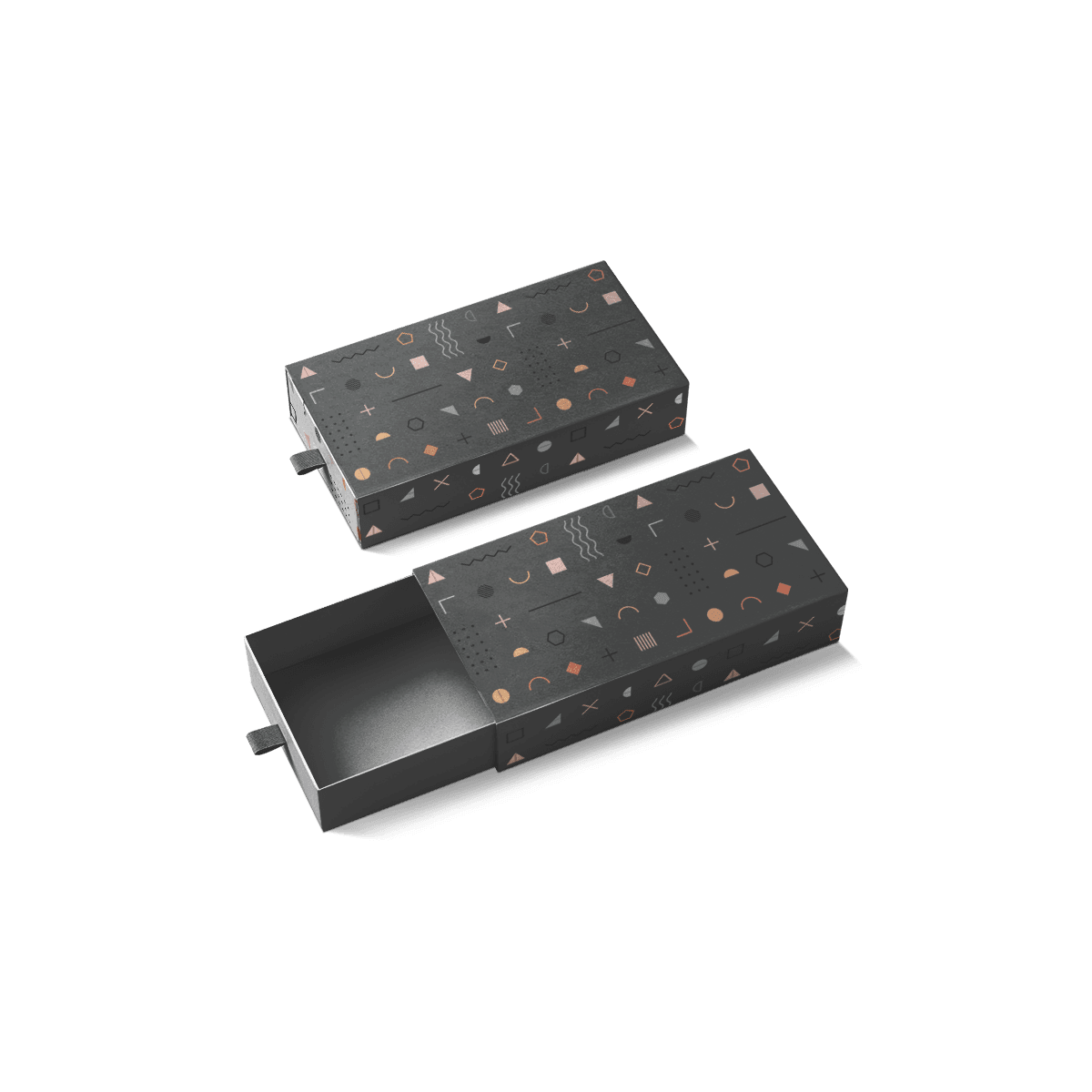
Drawer-Style Rigid Boxes can work especially well when the watch should remain stable in a tray during the opening motion.

A Luxury 2-Piece Rigid Box is more direct when a separate lid and base suit the product presentation.

The watch-retention system still needs to work independently of that choice.

A dramatic opening structure cannot compensate for a case that rotates on its cushion.

Spare Straps Need Their Own Restraint

Watch packaging sometimes includes more than the timepiece.

A second strap, strap-changing tool, warranty card, instruction booklet or other supplied component may need to travel in the same package.

Those parts should not be placed loosely beside the watch.

A metal tool can mark a case. A spare buckle can strike the crystal. A rolled strap can move across the presentation area.

Separate compartments keep accessories controlled and preserve the watch as the first focal point.

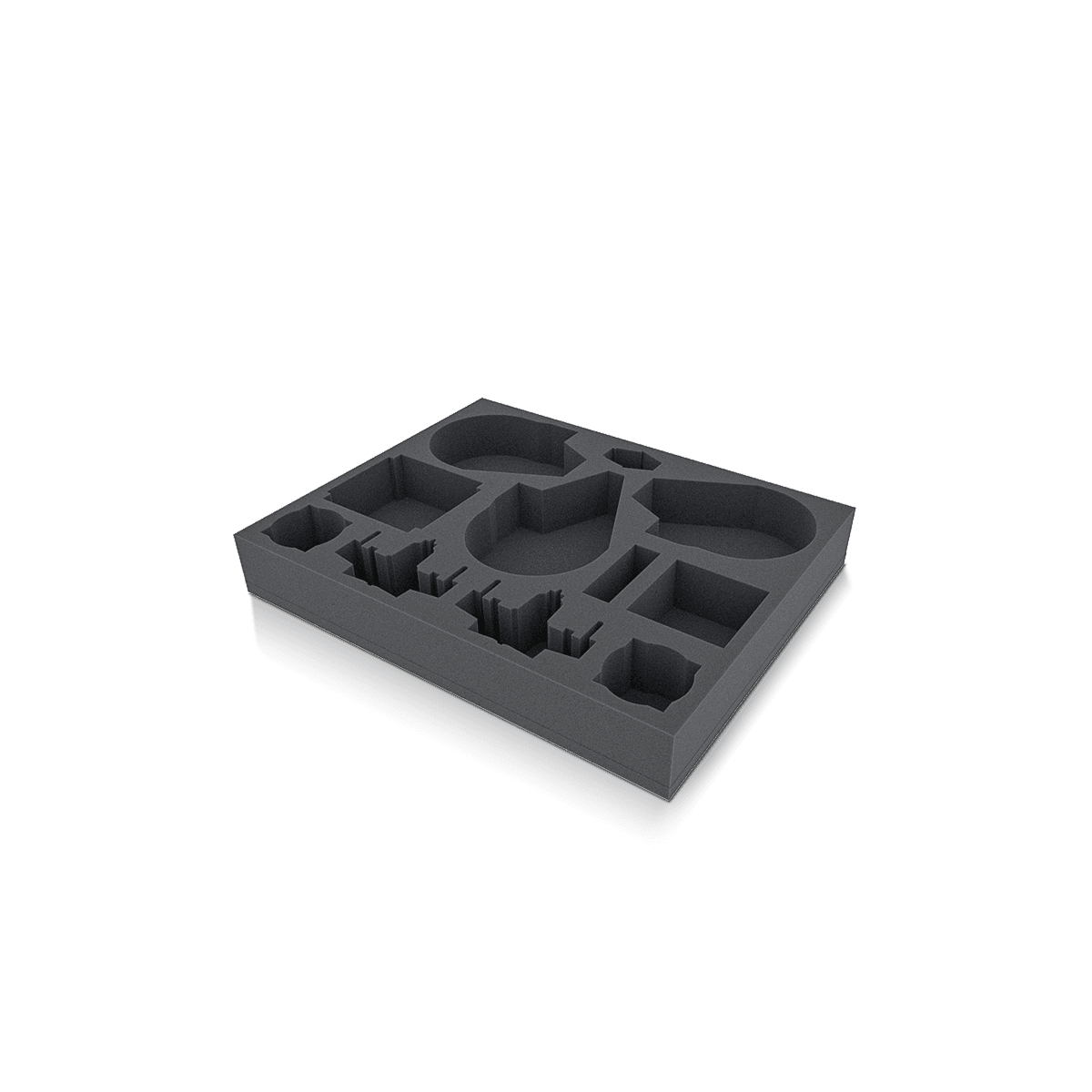
The insert can use a second recess, covered compartment or lower layer depending on the amount of material being packed.

For products with several components, custom product packaging becomes relevant because the full contents, weight and route to the customer should shape the package rather than the watch alone.

Multi-Watch Sets Need Independent Positions

Collector sets and gift assortments introduce another problem: watches should not be allowed to contact one another.

Each watch needs its own support and enough spacing around the case.

A shared open cavity may look efficient, but heavy watches can migrate toward one another if the cushions move during handling.

Individual wells or controlled cushion positions make the layout more predictable.

Spacing also affects visual rhythm.

Three watches crowded together can make an expensive set feel improvised. Excessive spacing can make the same assortment unnecessarily large.

The strongest layout gives each dial enough visual territory while keeping the overall box proportional to the collection.

Multi-watch packaging should therefore be specified as a set from the beginning rather than created by multiplying the dimensions of a single-watch box.

Interior Material Should Not Mark the Watch

Watch packaging places finished surfaces close to polished steel, coated cases, crystals and straps.

Interior materials therefore need more than visual softness.

Check the actual contact points.

A rough seam beside a polished case can become more important than the softness of the central cushion. Exposed adhesive, sharp insert edges or poorly finished slots can undermine an otherwise premium interior.

Dark velvet-like materials can create strong visual contrast around metal watches. Lighter interiors may make black or coated cases stand out more clearly.

Color should frame the product, but physical compatibility comes first.

A watch that will repeatedly return to its box also needs an interior capable of handling repeated removal rather than looking pristine only at first opening.

Exterior Branding Has More Space Than the Product Needs

Watch boxes often provide a relatively generous lid surface compared with the size of the logo required.

That space should not automatically be filled.

A centered foil mark, embossed identity or restrained printed graphic can give the box enough recognition while keeping the overall presentation calm.

Custom Printed Jewelry Boxes can help keep watch packaging visually coordinated with bracelet, ring or necklace packaging across the same brand.

Matte, gloss, foil, embossing, debossing and soft-touch effects can all be considered, but one clear finish hierarchy is usually easier to reproduce consistently than several competing treatments.

Custom Packly supports premium offset printing and extensive customization for watch packaging where box structure, wrap material, insert and branding need to be developed together.

Ecommerce Adds Another Movement Problem

A presentation box can secure a watch internally and still become damaged if it moves inside the shipping carton.

The watch package and transport package have different jobs.

The inner box controls the watch, cushion and accessories. The outer mailer or shipping box handles courier movement and protects the finished presentation surfaces.

A rigid watch box should not be expected to travel through parcel networks unprotected simply because the rigid board feels strong.

A well-fitted outer shipper can reduce corner damage, rubbing and impact to the presentation box.

At the same time, the watch itself should remain stable around the cushion if the entire parcel changes orientation.

Those two layers of protection should be assessed independently.

Check the Crown Side During Sampling

A sample should not be approved only because the watch looks centered from above.

Inspect it from the side as well.

Check the distance from the crown to the wall. Look at where the clasp sits underneath the cushion. Close the lid slowly and verify top clearance. Tilt the package and see whether the case rotates.

A useful physical review can include:

  • case diameter or width
  • lug-to-lug length
  • case thickness
  • crown and pusher clearance
  • cushion circumference
  • strap or bracelet tension
  • clasp depth
  • dial orientation
  • cushion movement
  • accessory restraint
  • lid clearance

Custom Packly provides free 3D mockups and free sample examples of previous work. A fully custom pre-production sample can be arranged as a paid option when the exact cushion, insert or watch position needs physical approval.

Record the Watch Position as Part of the Specification

Repeat production should preserve more than the box dimensions.

The approved presentation includes where the crown points, how tightly the strap wraps, where the clasp sits and how high the dial rests inside the box.

Those details can change even when the outer packaging looks identical.

A repeat specification can identify:

  • watch model
  • case dimensions
  • case orientation
  • crown side
  • cushion size
  • strap or bracelet type
  • clasp position
  • insert geometry
  • accessory compartments
  • box structure
  • interior material
  • exterior artwork
  • approved sample reference

This gives production a defined target for the complete presentation rather than only a box size.

One Watch Box Size May Need Several Cushions

A collection can contain watches with similar case dimensions but very different straps.

One model may use leather. Another may use a metal bracelet. A third may have a larger clasp or shorter wearable circumference.

Those products can sometimes share the same outer box while requiring different cushion specifications.

That can be more efficient than changing the rigid structure every time the strap changes.

The outer box, insert platform and printed wrap can remain consistent while cushion diameter or underside geometry changes to suit the watch.

This standardizes the visible package where it makes sense without forcing different straps and clasps onto one support shape.

FAQs

Yes. A pillow or cuff insert is usually the simplest way to keep the strap curved and the dial facing forward during presentation.

Watch Boxes are better for analog, fashion and traditional wristwatch lines that need pillow support and a classic reveal. Smartwatch Boxes make more sense when the pack also needs charger space, cable control or tech-oriented inserts.

Most brands place them in a lid pocket, undertray compartment or behind an insert card. That keeps paperwork close to the product without blocking the watch itself.

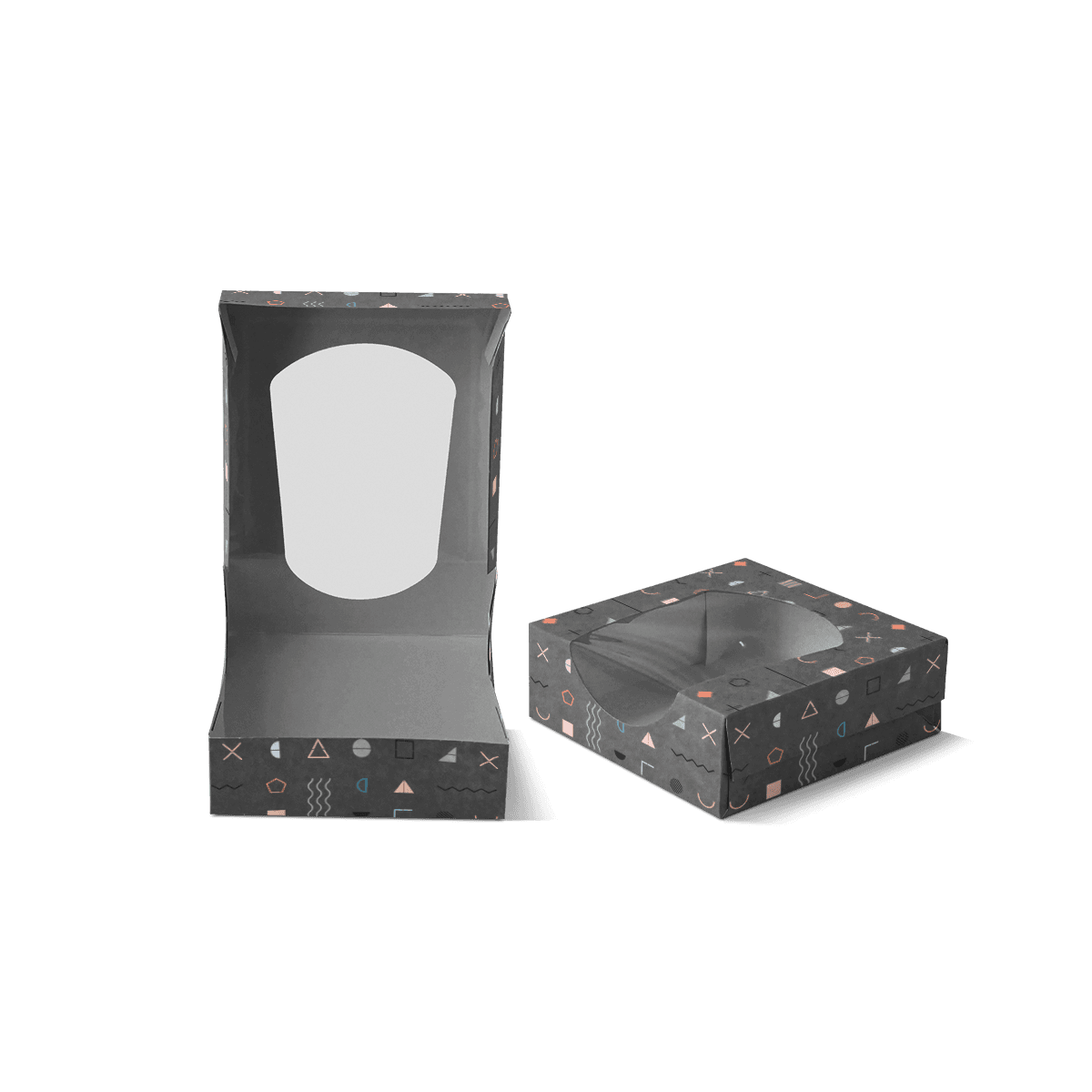
Sometimes. A window is useful when fast dial visibility matters on shelf, while closed rigid formats work better when the goal is a cleaner premium reveal.

That can work well if the Watch Box is treated as the branded inner pack and placed inside a corrugated outer. Fit testing matters because parcel handling is harder on pillows, corners and lids than in-store display.

Process

How it works

Your Packaging Journey, From Idea to Production and Delivery

01

Tell Us Your Specs

Custom packaging boxes

Tell Us Your Specs

Provide size, quantity, printing, and finishes.

02

Get a Fast Quote

Custom packaging boxes

Get a Fast Quote

Instant transparent pricing, no hidden fees.

03

Design and Approval

Custom packaging boxes

Design and Approval

Artwork checks, revisions, and final sign-off.

04

Produce

Custom packaging boxes

Produce

Expert manufacturing to meet deadlines.

05

Ship to Your Door

Custom packaging boxes

Ship to Your Door

Hassle-free, flexible delivery options.

Get Your Quote for Custom Watch Boxes

Share your product details, size, quantity and artwork needs. We’ll help choose the right packaging style and send a clear quote.