Skip to content
Details

Custom Smartwatch Boxes

Smartwatch packaging shaped around strap position, case and sensor clearance, charging components and a wearable presentation that stays compact without forcing the product into the wrong posture.

Decide How the Watch Sits First

A smartwatch can be packed flat, partly curved around a support or wrapped around a watch form. That posture should be decided before the box dimensions because the strap can occupy more space than the watch head itself.

Packing a watch flat creates a long, shallow footprint. Wrapping the band around a support can reduce the footprint but increases depth. Folding the strap tightly simply to shrink the box can put the band, clasp or attachment points into an unnatural position.

The right posture depends on the exact strap.

A flexible sport band behaves differently from a metal bracelet, fabric loop or structured leather-style strap. The packaging should follow the way that band naturally bends and closes rather than forcing every smartwatch into the same watch-pillow geometry.

Smartwatches sit inside electronics and gadget packaging, but their wearable form creates a distinct sizing problem: the product changes shape depending on how its strap is positioned.

Before developing the cavity, confirm:

  • watch case size
  • case thickness
  • strap type
  • strap length
  • clasp or fastening system
  • packed strap position
  • charging components
  • spare band pieces
  • protective films that remain during packing

Those decisions establish the actual package footprint more reliably than measuring the watch head alone.
Let the Strap Follow Its Natural Curve

The insert should locate the watch without using excessive strap tension to hold it in place.

A curved support can create a strong presentation, but its diameter needs to suit the packed strap. A support that is too large may stretch the band or prevent a clasp from closing naturally. One that is too small can create an unnecessarily tight bend.

Soft Bands Need Shape Without Stretch

Flexible sport straps can often follow a curved form comfortably, but the cavity should not depend on stretching the band around that form.

The watch needs mechanical retention from the insert rather than tension from the strap.

Check how the band behaves when the product is removed too. If it immediately springs away from the presentation shape or has been compressed against a hard edge, the support may be working against the product.

Bracelets Need Clasp Space

Metal link bracelets and other structured bands introduce different geometry.

The clasp can create a thick point beneath the watch. Folding it into the wrong position may lift the watch head, create an uneven base or make the complete assembly deeper than expected.

Measure the closed bracelet in the exact packing configuration.

A smartwatch sold with more than one band may need separate cavities rather than stacking extra straps underneath the main watch. For multi-component wearable sets, custom insert boxes can assign the watch, spare band and charging pieces their own positions.

Physical fit testing belongs beside this decision. The real band should wrap, release and return to its packed position without excessive force before the insert geometry is approved.

Clear the Crown, Buttons and Glass

A close fit around the watch case is useful only when it contacts appropriate surfaces.

Digital crowns, side buttons and raised case features should not become the points that stop movement. The front glass should remain clear of hard structures that could press against it after the lid closes.

Rear geometry deserves equal attention.

Many smartwatches have a raised sensor area on the back of the case. A flat support underneath the entire watch can turn that sensor assembly into an unintended contact point.

The insert can instead support appropriate areas around the case while leaving clearance under sensitive rear features.

Retention Is Not the Same as Compression

A cavity can retain the watch through its side profile, a shaped support or the strap arrangement without squeezing the device vertically.

If closing the lid is what finally pushes the watch into place, the interior is relying on compression rather than controlled fit.

That can be especially problematic when literature, a protective sheet or another insert layer is added above the device.

The finished pack should close naturally with the complete production contents in position.

Separate Watch Support From Sensor Clearance

The back of a smartwatch makes the interior more complicated than a traditional display cushion suggests.

The central sensor area may project beyond the surrounding case. Charging surfaces can also occupy this zone. Supporting the watch directly on that projection can create pressure where none is needed.

A shaped recess can leave the center clear while supporting the device around stronger case surfaces.

This also affects presentation height. If the recess is too deep, the watch can disappear into the insert. If it is too shallow, the device may sit proud and lose lid clearance.

A useful insert balances three jobs:

  • stable watch position
  • clear sensor zone
  • easy lift-out access

For delicate surfaces or close-fitting cavities, the differences among foam, cardboard and molded pulp inserts matter because each material handles cushioning and shaped support differently.

Foam can form a close nest around complex geometry. Folded paperboard can create a cleaner structural platform for lighter packs. The best choice follows the contact points the watch actually needs.

Give the Charging Puck a Real Recess

A smartwatch charging puck creates an unusual accessory shape: a relatively hard disc attached to a cable that naturally wants to coil.

Dropping that assembly into an open compartment can create a messy pack. The cable can rise, cross another cavity or pull the puck out of position.

The puck works better when its diameter and thickness are considered separately from the cable.

Seat the Puck

A shallow recess can stop the charger disc from moving around while leaving enough finger access for removal.

Do not make the recess so tight that the user has to pull on the cable to release the charger.

The charging face also needs to sit in a position that will not rub against another hard component.

Route the Cable

The cable can use a nearby channel, coil space or lower compartment.

The bend where the cable meets the puck deserves room. Forcing that transition sharply against the cavity wall simply to make the pack smaller can create an awkward loading process.

This is a smartwatch-specific accessory decision. Packaging whose main job is to sell the power component itself belongs under charger packaging rather than letting Smartwatch Boxes absorb that topic.

Spare Bands Change the Box Faster Than the Watch

A smartwatch brand may use the same device head across several bundles while changing band material, band size or included accessories.

That means the watch case is not always the component that forces a new interior.

Consider one smartwatch sold with a flexible sport band and another version sold with a metal bracelet.

The same outer dimensions might initially seem practical. But the bracelet clasp creates greater packed depth and a less flexible curve. Reusing the sport-band support can cause the metal version to sit higher or push the clasp into a poor position.

The correction may be a revised internal support rather than a new outer box.

That preserves a consistent exterior presentation while letting each band sit naturally.

With an MOQ starting from 100 boxes, band-specific interiors can be separated where the geometry genuinely changes rather than sizing every smartwatch package around the bulkiest configuration.

Keep Spare Straps Visible and Separate

Replacement or promotional straps should not become filler around the main watch.

A spare band can consist of multiple pieces that are easy to mix, overlap or hide underneath literature. A dedicated compartment makes the bundle easier to pack and easier for the customer to understand.

Placement can also influence the first impression.

If the watch itself is the primary product, it should remain visually dominant when the box opens. Spare straps, chargers and setup materials can occupy secondary layers without competing with the wearable.

A lower accessory compartment is one option. A side cavity can work when the box has enough footprint. Another approach is a removable accessory tray that reveals the charging components after the watch.

The choice should follow the actual bundle rather than a standard electronics hierarchy.

Structure Should Match the Wearable Tier

Smartwatch packaging can stay compact even when the product occupies a premium price position.

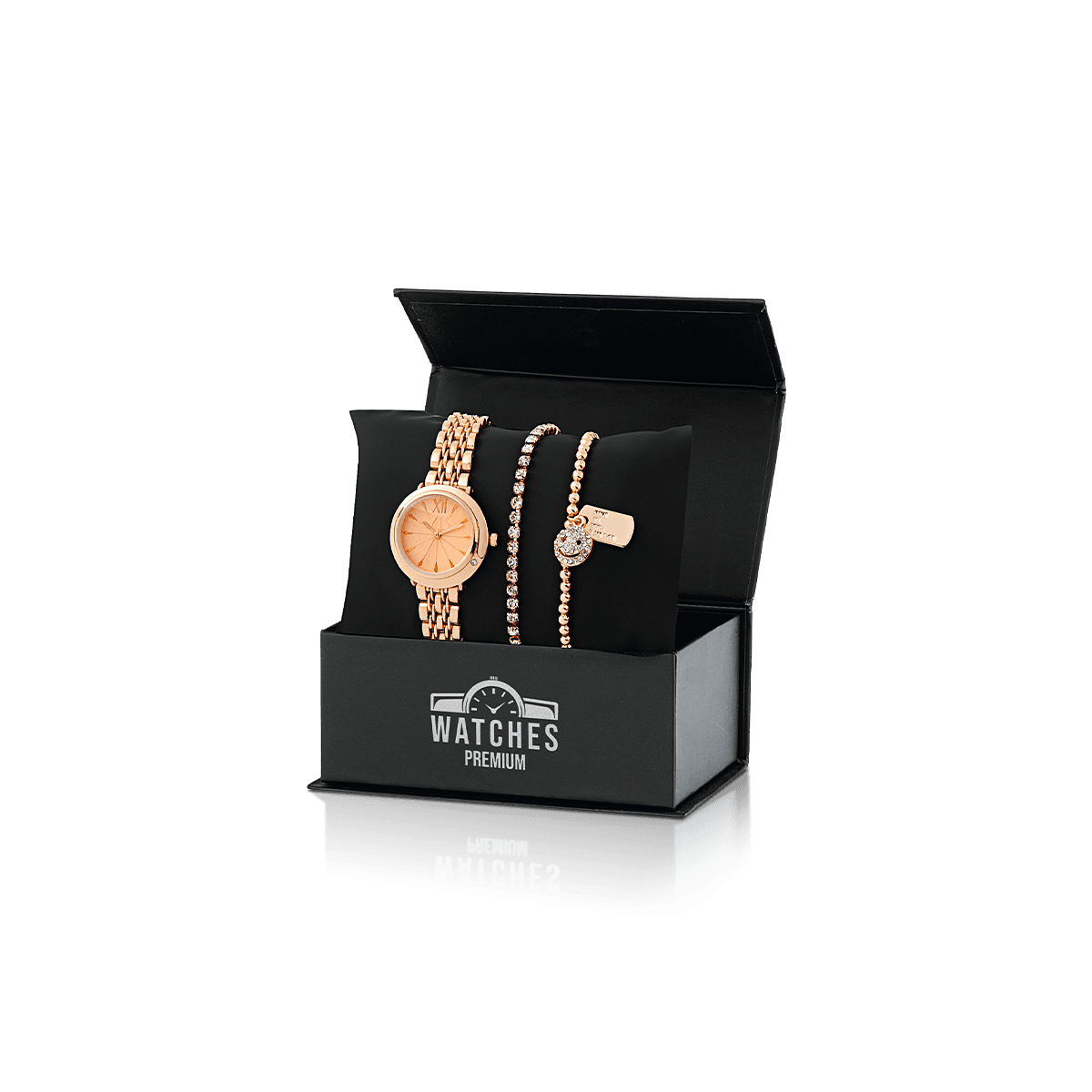
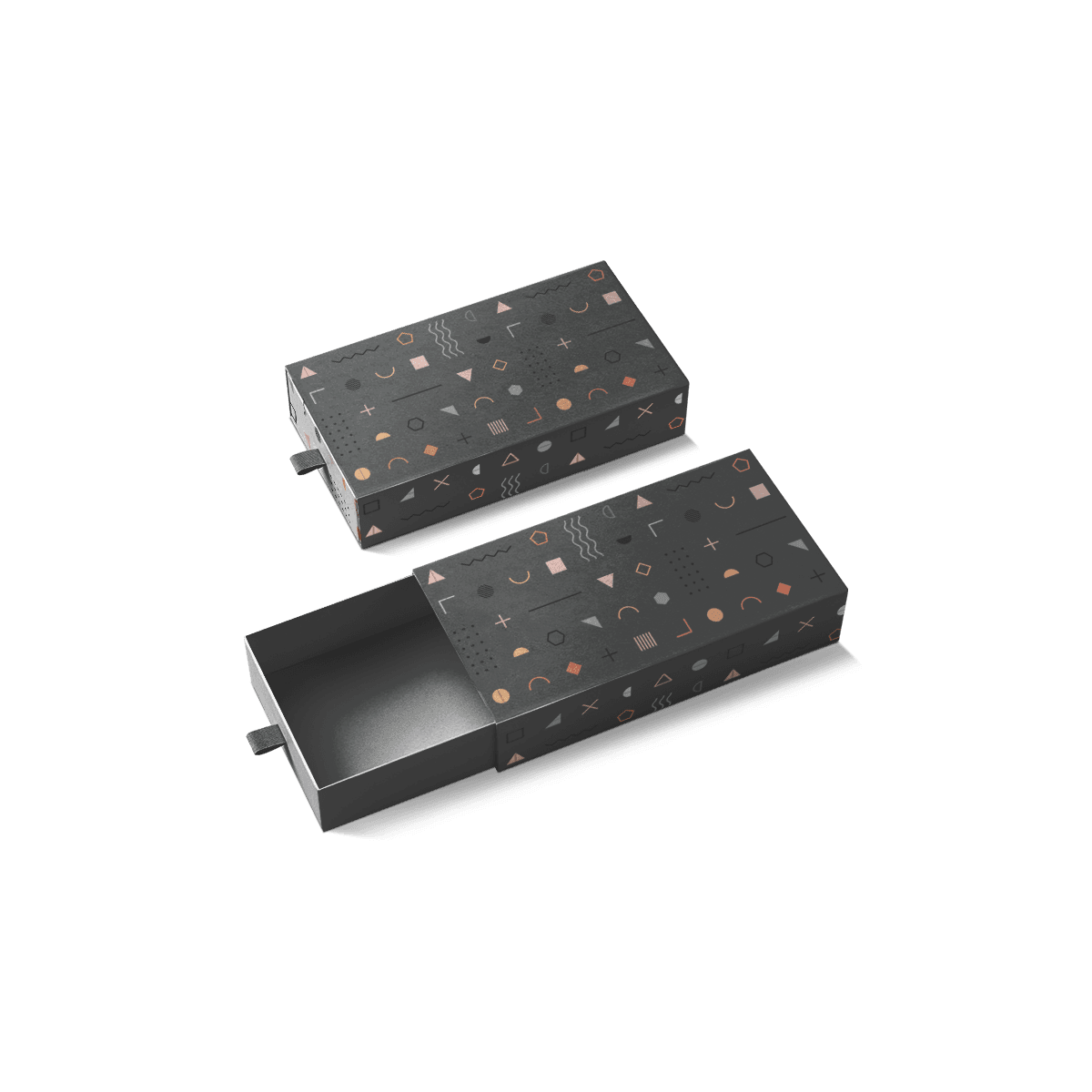
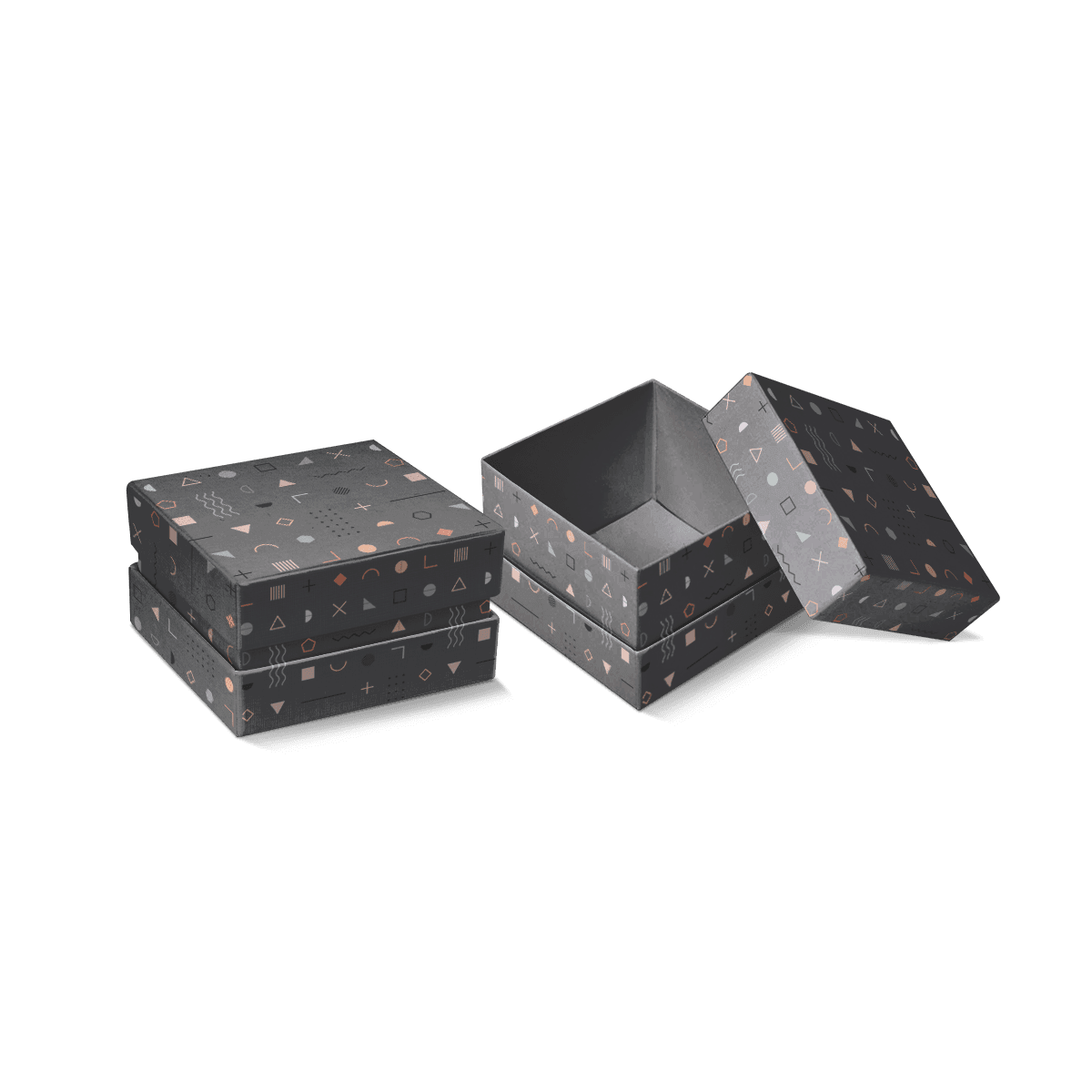
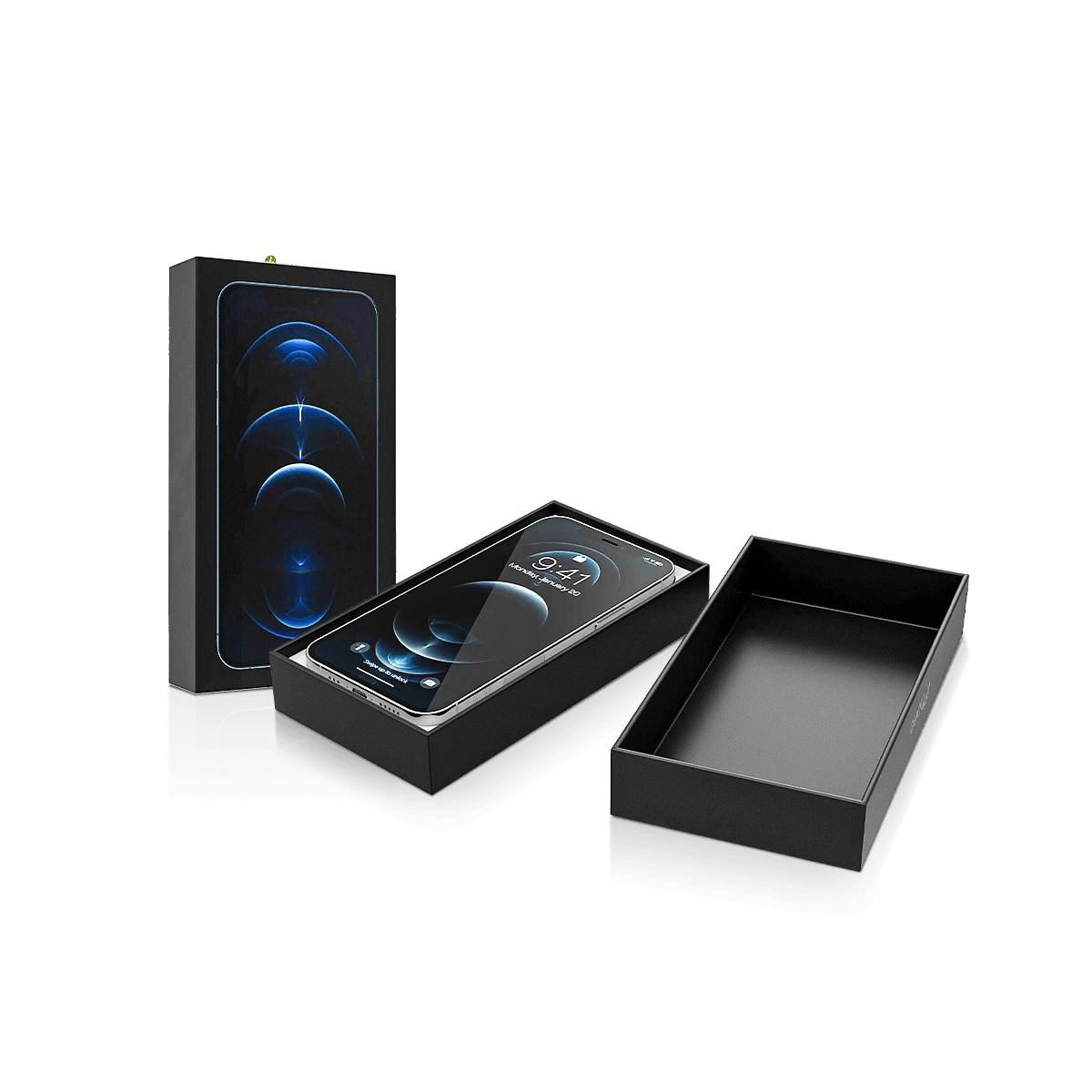
A small rigid box can create crisp walls, controlled opening and a fitted interior without adding unnecessary footprint. Rigid setup boxes suit smartwatch launches where the device presentation and retained storage value justify a substantial construction.

A lightweight retail program may not need that mass.

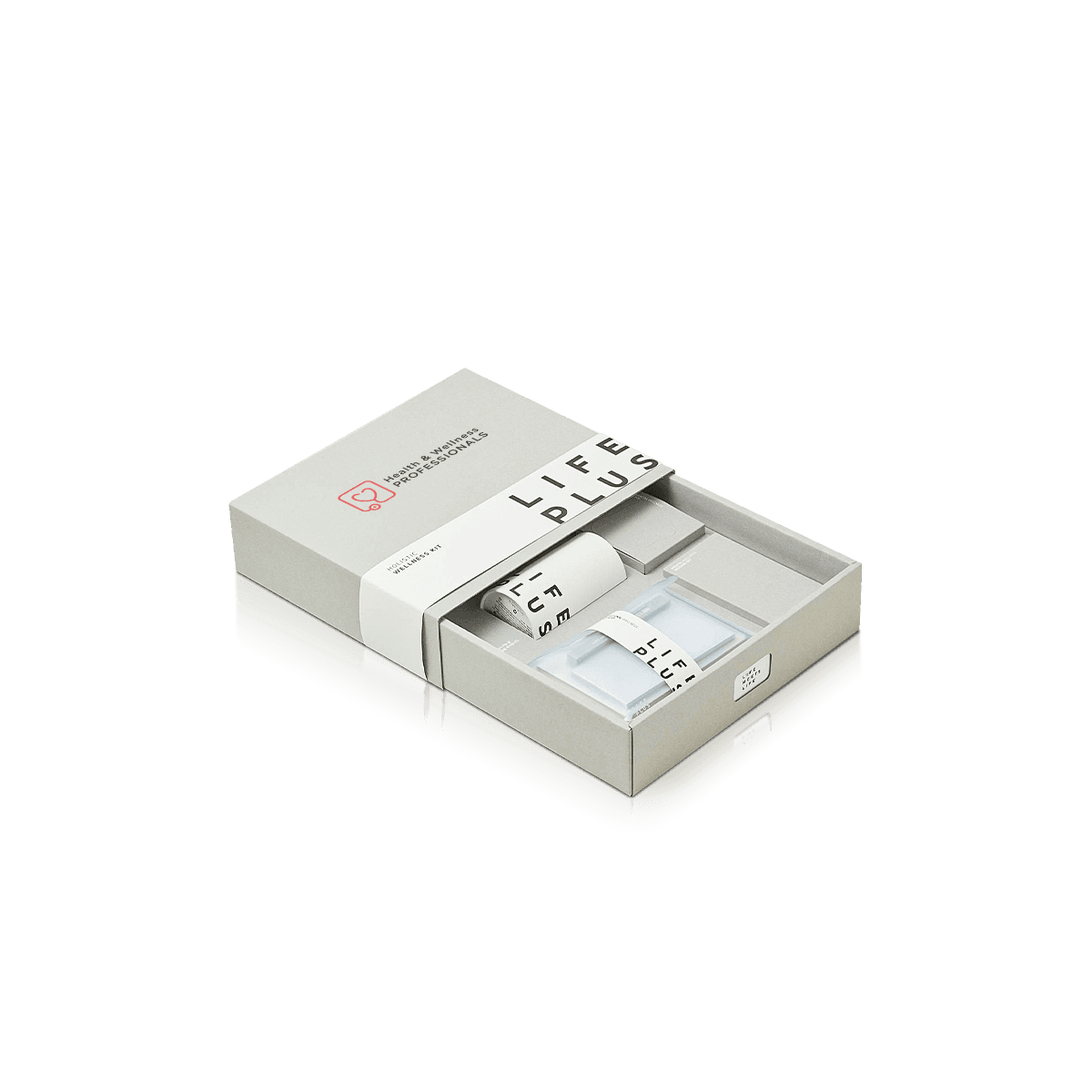
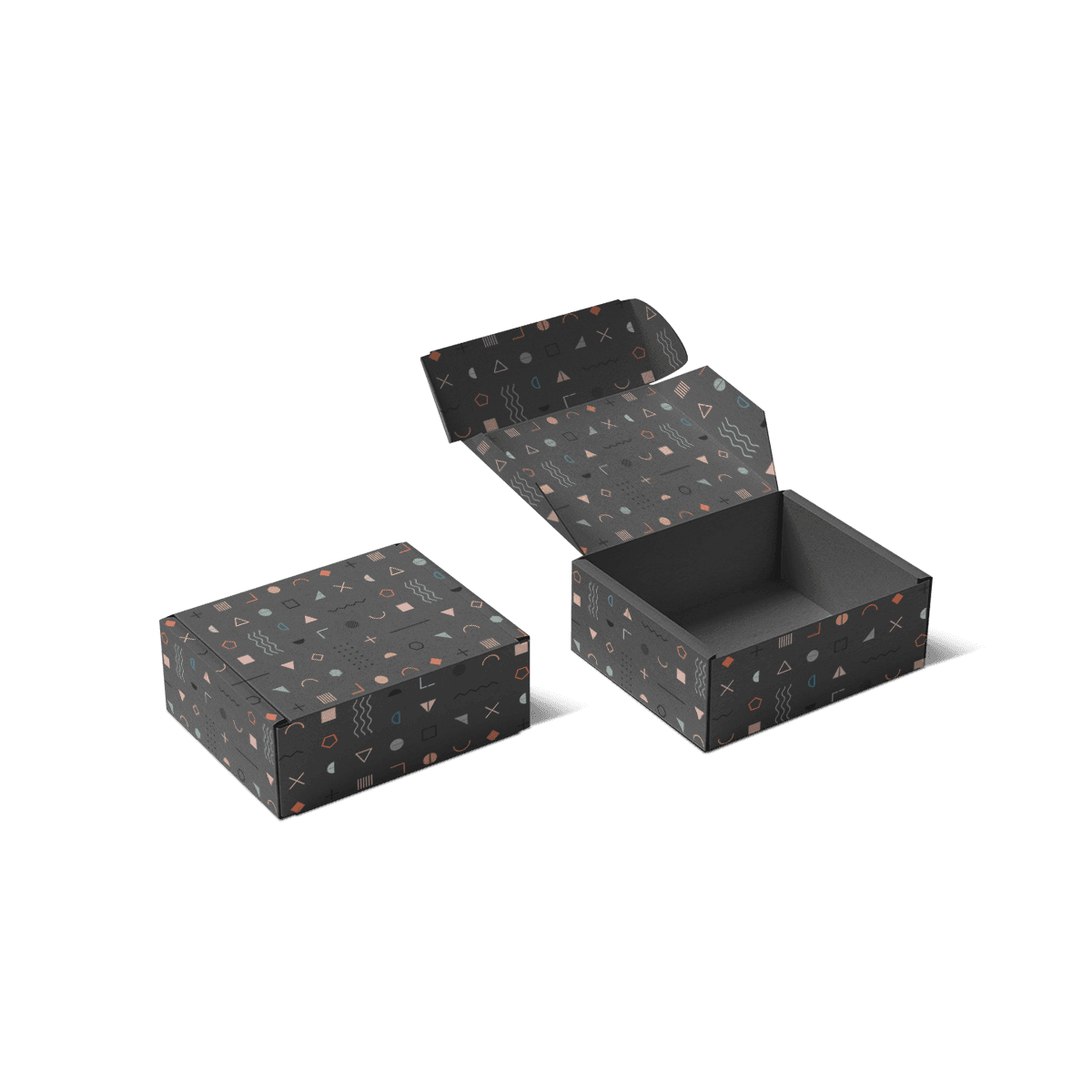
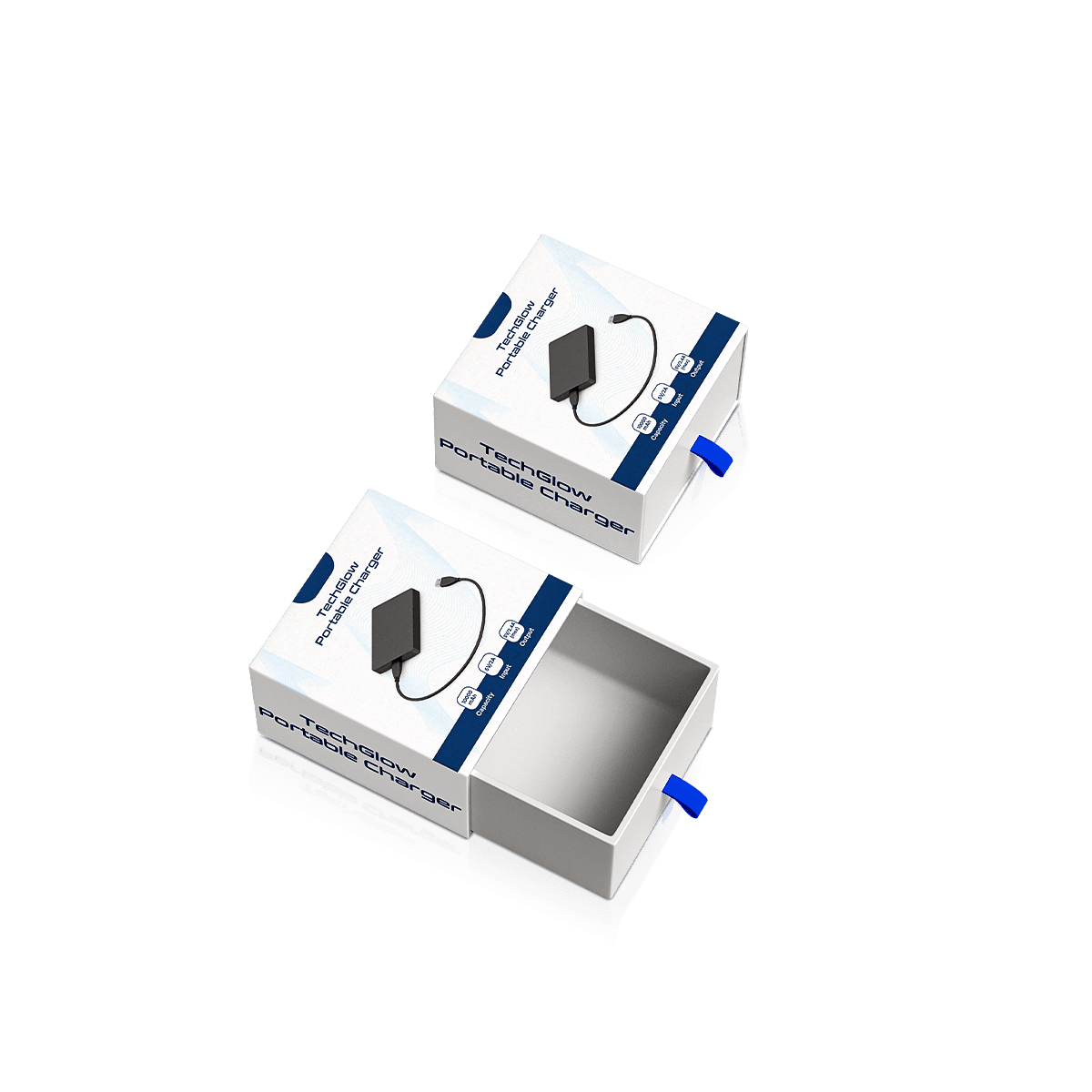
Folding cartons for electronics can suit compact wearable sets where efficient storage, printed technical panels and a slimmer pack matter more than a heavy presentation box.

The insert remains the deciding factor in either structure.

A rigid outer box cannot correct a poorly supported sensor or overly tight strap. A folding carton can still present a smartwatch cleanly when its internal platform, cavity depth and opening sequence have been worked out properly.

This is why box style should come after watch posture rather than before it.

Use Small Panels Carefully

Smartwatch boxes can have limited panel area relative to the amount of product identification a wearable brand may need.

The pack may need to distinguish:

  • case size
  • case color
  • strap color
  • strap size
  • connectivity version
  • model or generation
  • included accessories
  • barcode
  • SKU

Do not allow decorative artwork to consume every clean labeling surface before these variables have a home.

Small type can technically fit without being easy to scan or recognize. Create a hierarchy that lets the customer identify the model first while operational codes remain in predictable positions.

For brands managing several color and strap combinations, custom printed boxes can keep the core graphic system consistent while variable product identifiers change by SKU.

Premium offset printing also makes sense for smartwatch packs with fine typography, precise graphic elements or brand colors that need controlled reproduction.

Finishes Should Respect Hand Contact

Smartwatch packaging is small enough that buyers often handle most of the exterior while opening it.

That makes surface behavior particularly noticeable.

Matte or soft-touch surfaces can create a restrained tactile feel. Foil or embossing can focus attention on a small logo. Spot UV can create contrast without filling every panel with decoration.

The finish still needs to work with the opening mechanics and operational labeling.

A deep embossed area should not interfere with a variable sticker. Heavy decoration around a tight lid edge should not make the box awkward to grip. A dark wrap should be assessed for the way handling marks may appear during packing and retail use.

The practical differences among matte, gloss, spot UV, foil and embossing can help narrow treatments before artwork is finalized.

Custom Packly uses premium offset printing and can support dieline and artwork planning from the same structural specification.

First-Use Items Need a Deliberate Layer

A smartwatch often requires setup before it becomes useful.

That makes the placement of quick-start cards, pairing instructions, warranty material or a setup QR important to the opening experience. Those items should not simply cover the watch because they were the easiest pieces to add last.

The box can stage the first interaction deliberately.

A thin card beneath the lid can work when the watch should still remain visible. Another option is placing setup material beneath the main insert so the customer reaches it after lifting the device. A compact side pocket can keep paperwork separate from the charger.

The right position depends on what the customer needs first.

If pairing needs to happen before accessories matter, the setup direction should be easy to find. If the watch arrives ready for immediate use, the device can remain the dominant first view.

This is one place where inside printing can reduce loose material. Short setup cues can sit on a structural surface when the approved product content allows it.

Validate Removal With the Watch Fully Packed

A smartwatch cavity should be tested with the exact strap and accessory configuration that will be produced.

The most revealing check is often simple: remove the watch several times and repack it as a customer or fulfillment worker would.

Look for whether:

  • the watch releases without pulling on the crown
  • the band returns to its intended curve
  • the clasp falls into its recess
  • the sensor stays clear
  • the charger puck lifts without cable tension
  • spare bands remain separated
  • paperwork does not change lid clearance

These observations are more valuable than inspecting an empty insert.

Board, insert, finish and sampling choices can be coordinated through packaging capabilities once the exact wearable set is established.

US production and a standard 4–6 day turnaround after final artwork and specifications are approved become relevant after these physical relationships have been resolved, because speed cannot compensate for an interior that changes the natural shape of the product. Complex structures, specialty materials or advanced finishes may require additional time.

Stage the Watch Before the Accessories

The final smartwatch presentation should make the product hierarchy obvious without creating excess packaging.

The watch head is normally the visual anchor. The strap should look intentional rather than compressed. The charger should be easy to find without dominating the opening. Spare bands and setup pieces should appear in the order the customer is likely to need them.

That hierarchy can be achieved through depth, cavity placement and opening sequence rather than simply making the box larger.

Warehousing and scheduled deliveries can support smartwatch programs with multiple case, strap or bundle variants when production needs to arrive in stages. Repeat runs are easier to control when the approved files distinguish the outer artwork, watch support and accessory layout as separate components.

For smartwatch packaging, the best interior does not force the wearable into a box-shaped pose. It lets the watch, strap and charging system occupy positions that make sense for the product while presenting the device clearly from the first opening.

FAQs

Because the product set is small but multi-part. Insert trays keep the watch face, charging puck, straps and literature from shifting into one another and help the package open in a cleaner sequence.

Paperboard works well for everyday retail cartons and lighter packs, while rigid board is stronger for launch editions and higher-ticket presentation. When the box also needs parcel durability, an outer corrugated shipper can be added.

Smartwatch Boxes are the better fit when the pack needs space for charging components, printed setup information and precise insert layout. Watch Boxes usually suit classic timepieces that rely more on display cushion and less on accessory organization.

The best placement is usually a clean side or underside panel so staff can scan or sort variants quickly without disrupting the front-facing design.

They can be useful for controlled display settings, but many brands skip them to keep the screen area covered and reduce handling wear in busy retail environments.

Process

How it works

Your Packaging Journey, From Idea to Production and Delivery

01

Tell Us Your Specs

Custom packaging boxes

Tell Us Your Specs

Provide size, quantity, printing, and finishes.

02

Get a Fast Quote

Custom packaging boxes

Get a Fast Quote

Instant transparent pricing, no hidden fees.

03

Design and Approval

Custom packaging boxes

Design and Approval

Artwork checks, revisions, and final sign-off.

04

Produce

Custom packaging boxes

Produce

Expert manufacturing to meet deadlines.

05

Ship to Your Door

Custom packaging boxes

Ship to Your Door

Hassle-free, flexible delivery options.

Get Your Quote for Custom Smartwatch Boxes

Share your product details, size, quantity and artwork needs. We’ll help choose the right packaging style and send a clear quote.