Skip to content
Details

Custom Flip-Top Rigid Boxes

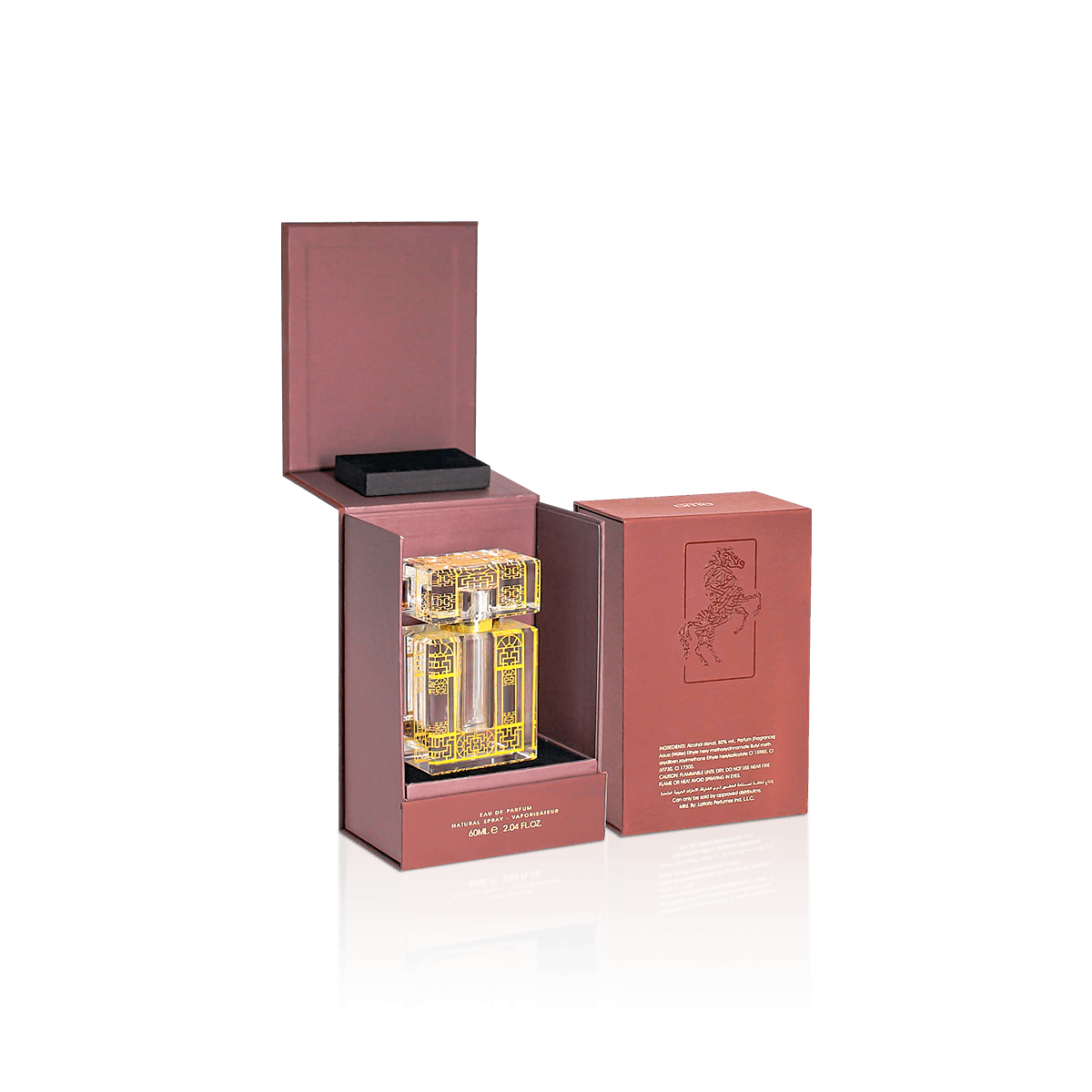
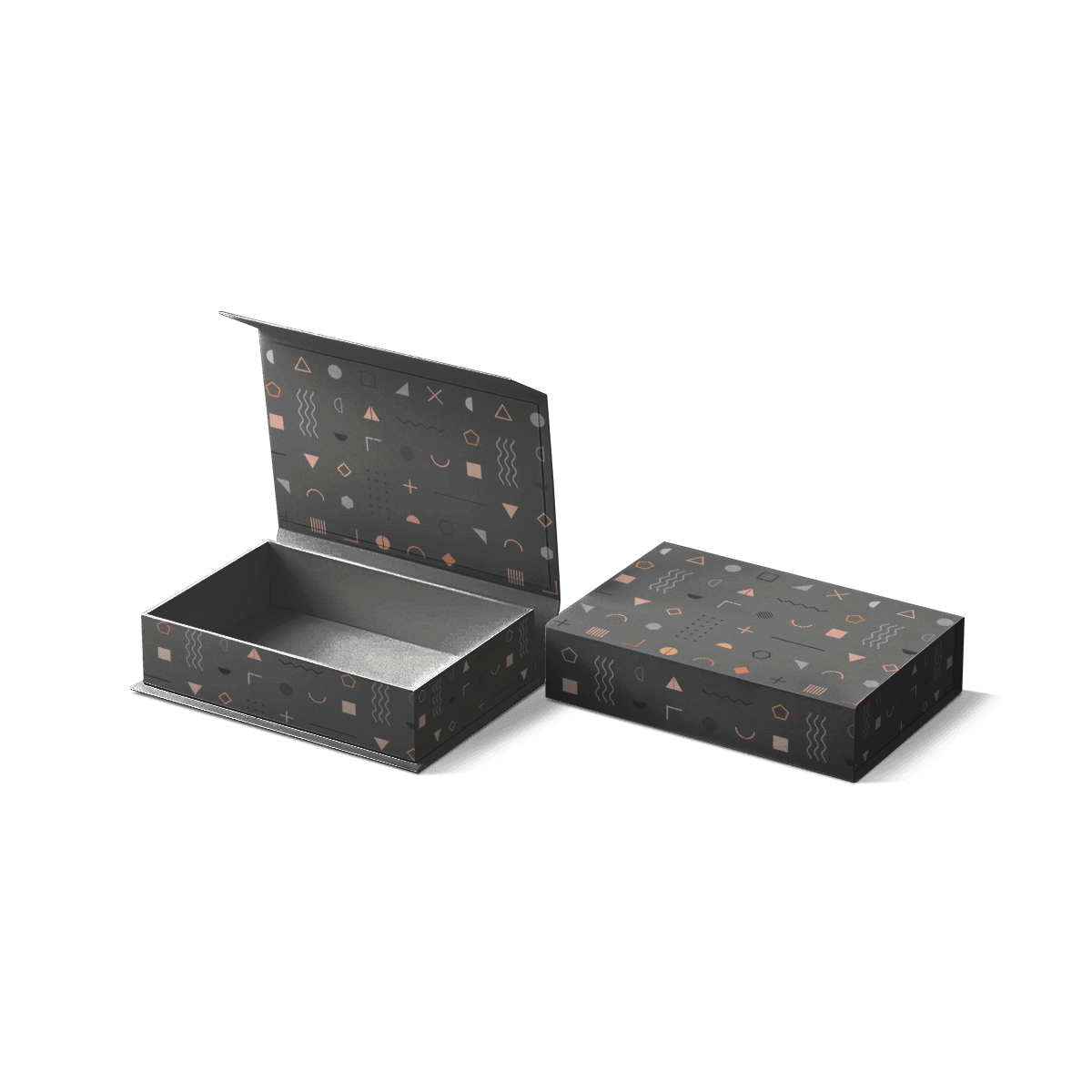
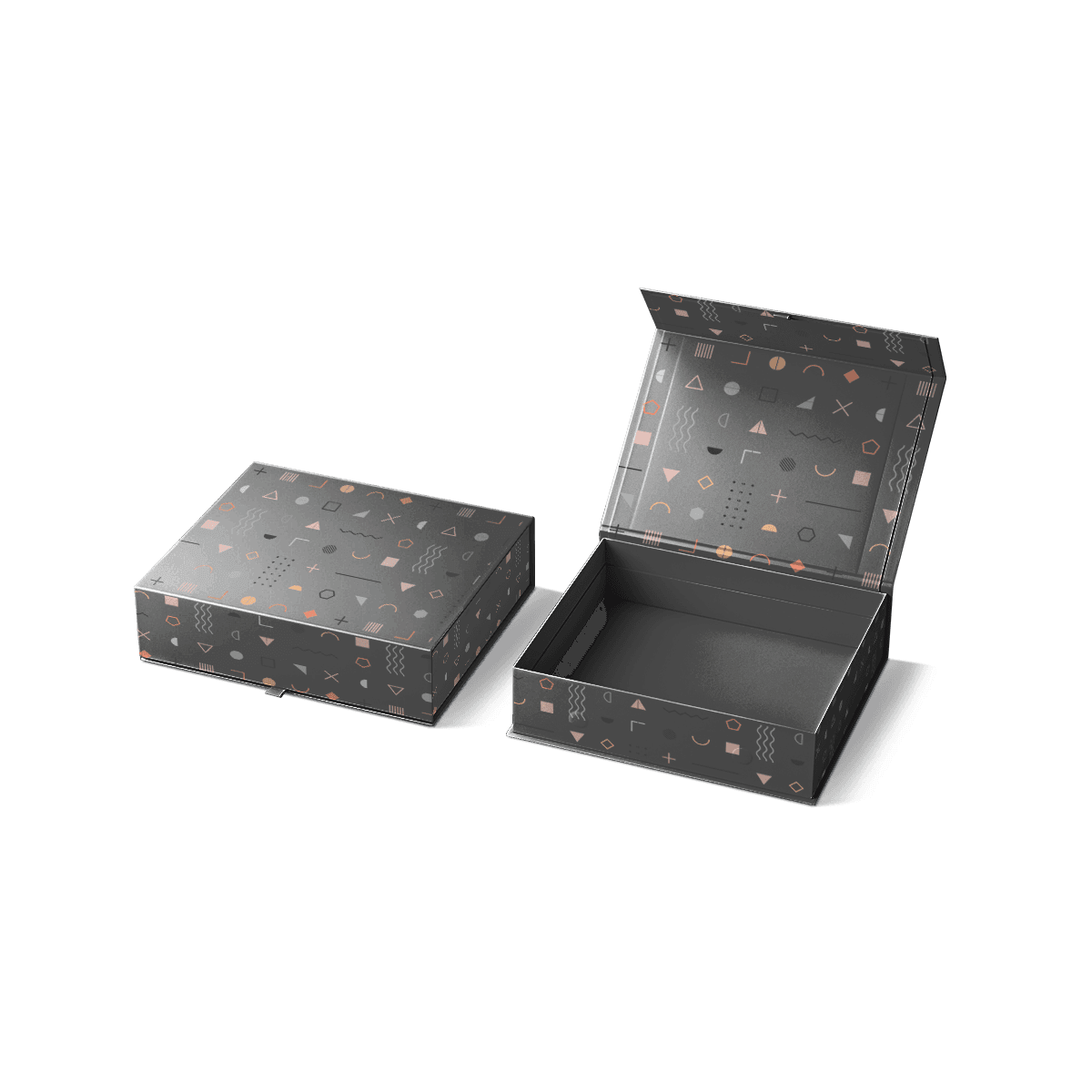
Rear-hinged rigid boxes that open from the top, keep the lid attached and support a precise insert-led reveal for premium products used more than once.

Hinge Motion Comes First

A flip-top rigid box depends on the movement of its attached lid. The box can look precise while closed and still feel awkward if the hinge, lid depth or insert position works against that movement.

The rear hinge keeps the lid connected to the base, so the customer opens one object rather than separating two pieces. That makes the structure especially practical for products that are opened repeatedly, displayed at a counter or returned to the box after use.

Among custom rigid boxes, the attached top changes the engineering priority. A lift-off box is judged mainly by lid fit and release. A flip-top box also has to open through a controlled arc without the lid colliding with the product, insert or surrounding surfaces.

The first structural question is therefore not which finish looks most premium. It is how the lid should move.

The Lid Arc Affects Access

A lid that opens too narrowly can block the customer’s hand, hide part of the product or make a deep insert difficult to reach.

A lid that opens much farther than needed may place unnecessary stress on the hinge area or make the box awkward to use on a shallow retail counter.

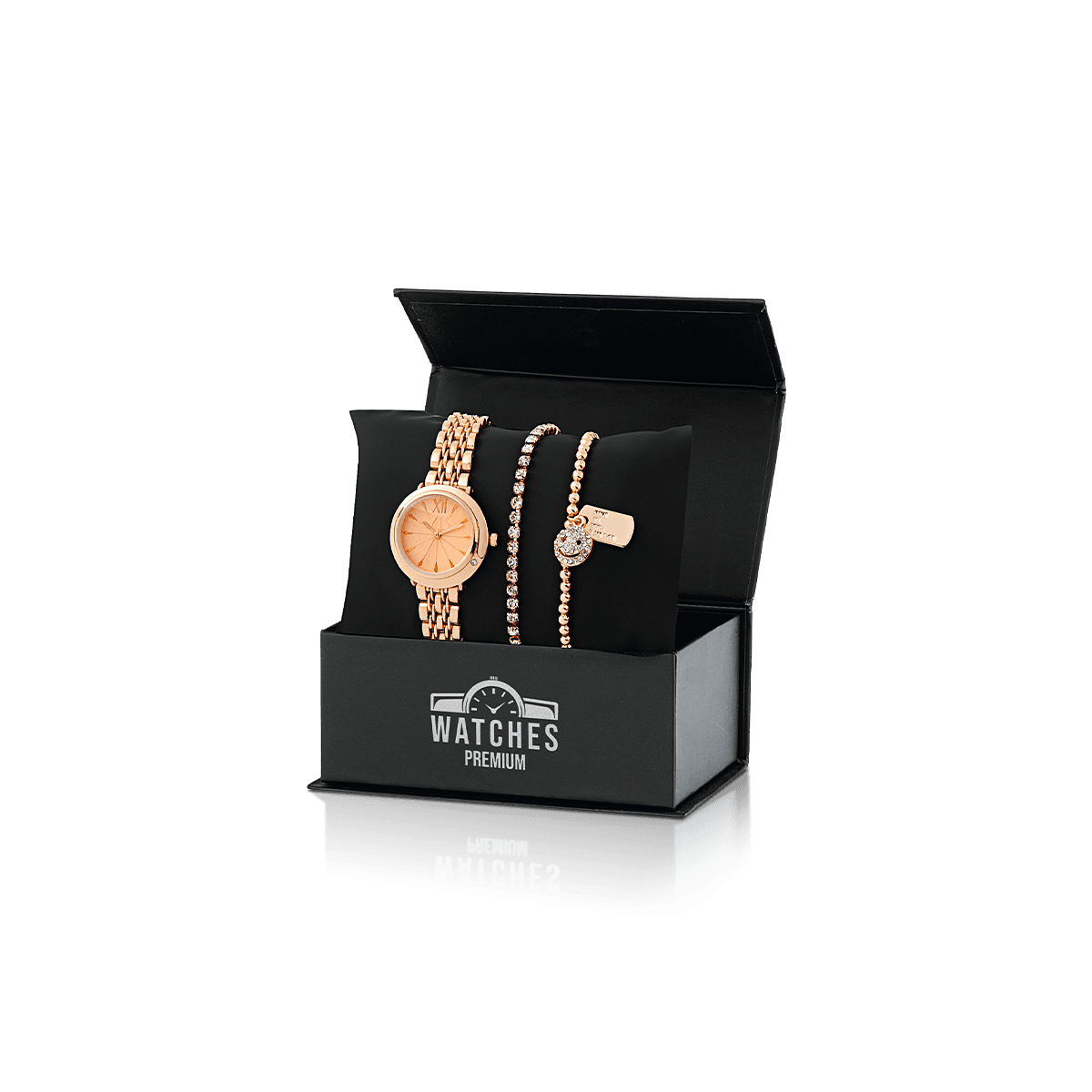
The required opening angle depends on the product and how it is removed. A compact watch or piece of jewelry may need a broad, clear top opening. A kit with several components may need enough lid travel for the customer to reach items at the rear without pushing against the cover.

The finished motion should be assessed with the product and insert in place rather than from an empty box alone.

The Hinge Line Is a Working Area

The rear fold is not a decorative seam. It flexes every time the box opens.

Artwork, wraps and finishes crossing that line need to tolerate movement. Thick surface treatments or poorly positioned design elements can make the hinge area look stressed after repeated use even when the rigid board remains sound.

Keep critical small text and fine decorative details away from the working fold when movement could distort them. The structural hinge should be resolved before artwork relies on the rear edge as a precise visual boundary.
Lid Clearance Is Part of the Box

The lid needs room to move over the highest point inside the package.

That point may not be the main product body. Pump tops, watch cushions, jewelry settings, bottle caps, accessory tabs or an insert lip can sit higher than the object that was originally measured.

A flip-top lid travels through an arc, so a component can clear the lid when fully open and still interfere during closing.

This makes vertical clearance a moving relationship rather than one static dimension.

Clearance Starts at the Highest Point

Measure the packed product exactly as it will sit in production.

Check the tallest component, the top of the insert, any folded ribbon, card or accessory and the underside of the lid.

If a product sits proud of the insert, the top surface should remain clear through the whole closing path.

A rigid presentation box should never depend on the lid pressing the product down into position.

A Practical Fit Problem

Consider a skincare set containing a low cream jar and a taller pump bottle. Both products fit neatly into the insert when the lid is open.

The pump is the problem.

As the lid closes, its inside surface passes through a lower point before reaching the final shut position. If the pump head sits too close to that path, the lid can catch it even though there appears to be enough clearance once the box is closed.

Lowering the bottle cavity slightly, increasing internal height or changing the insert arrangement can solve the interference without making the whole box oversized.

For cosmetics and personal care packaging, that kind of moving clearance is especially important around pumps, droppers and decorative caps.

Direct Top Access vs Other Openings

Flip-top construction makes sense when the product should be reached directly from above while the lid stays attached.

That interaction differs from several nearby rigid structures.

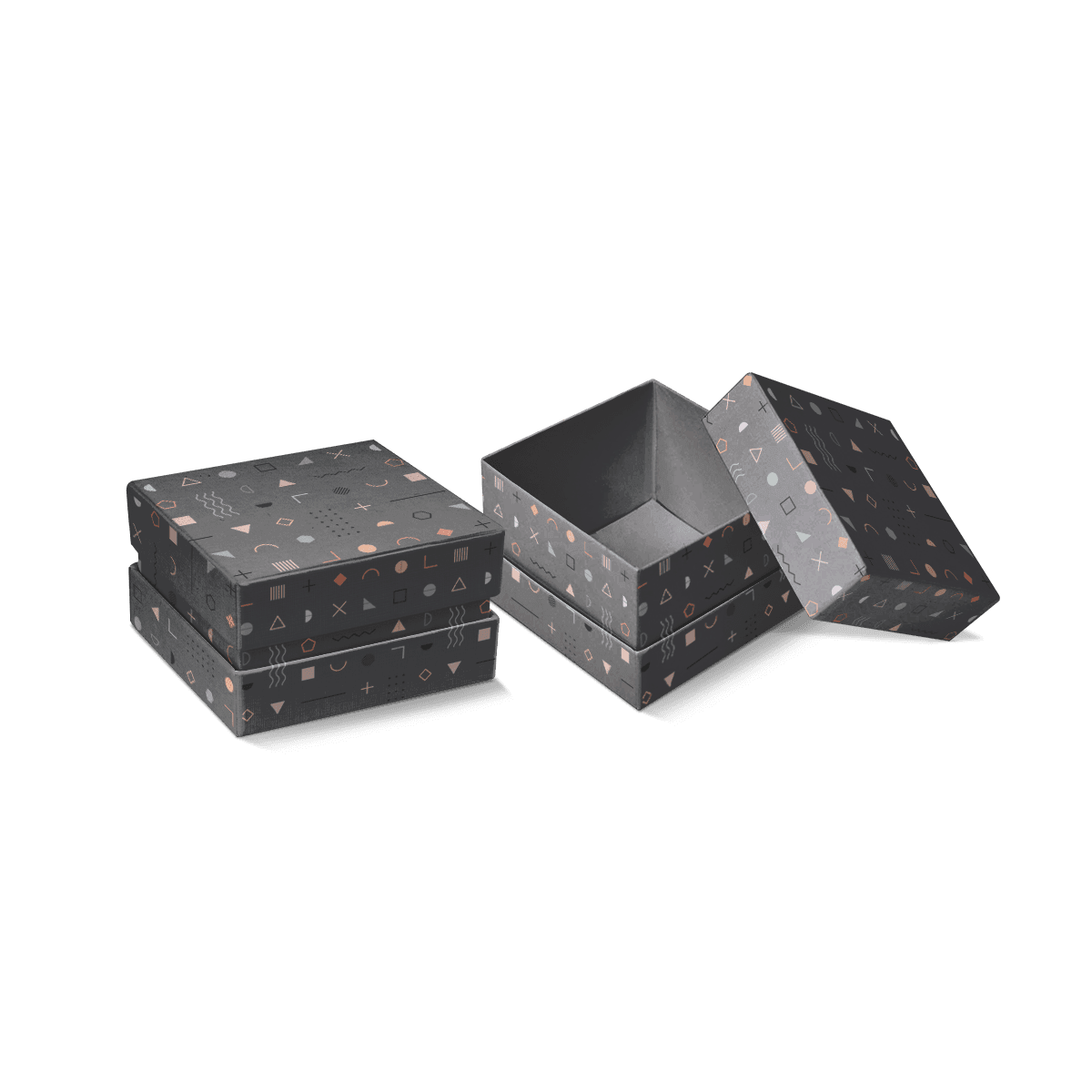
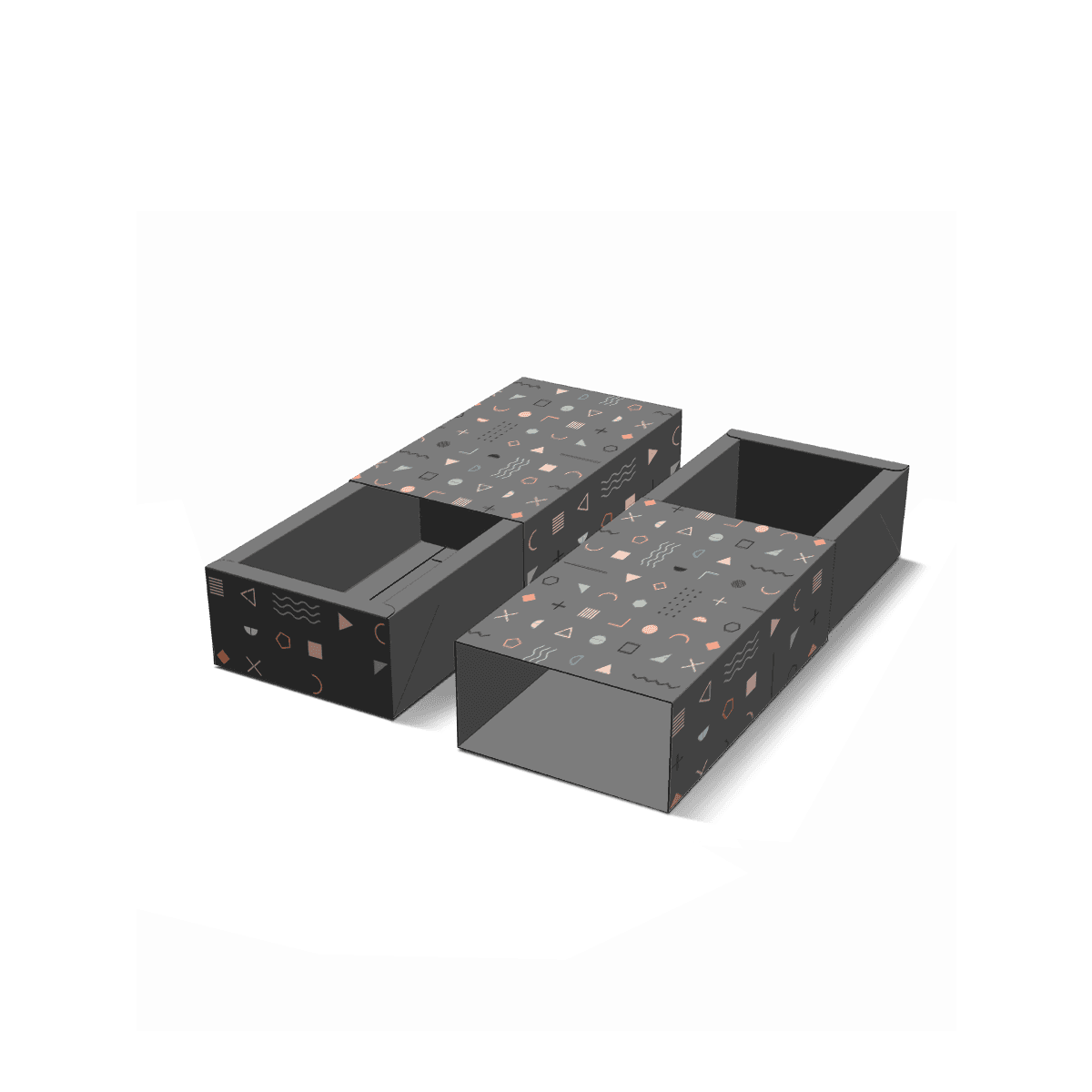
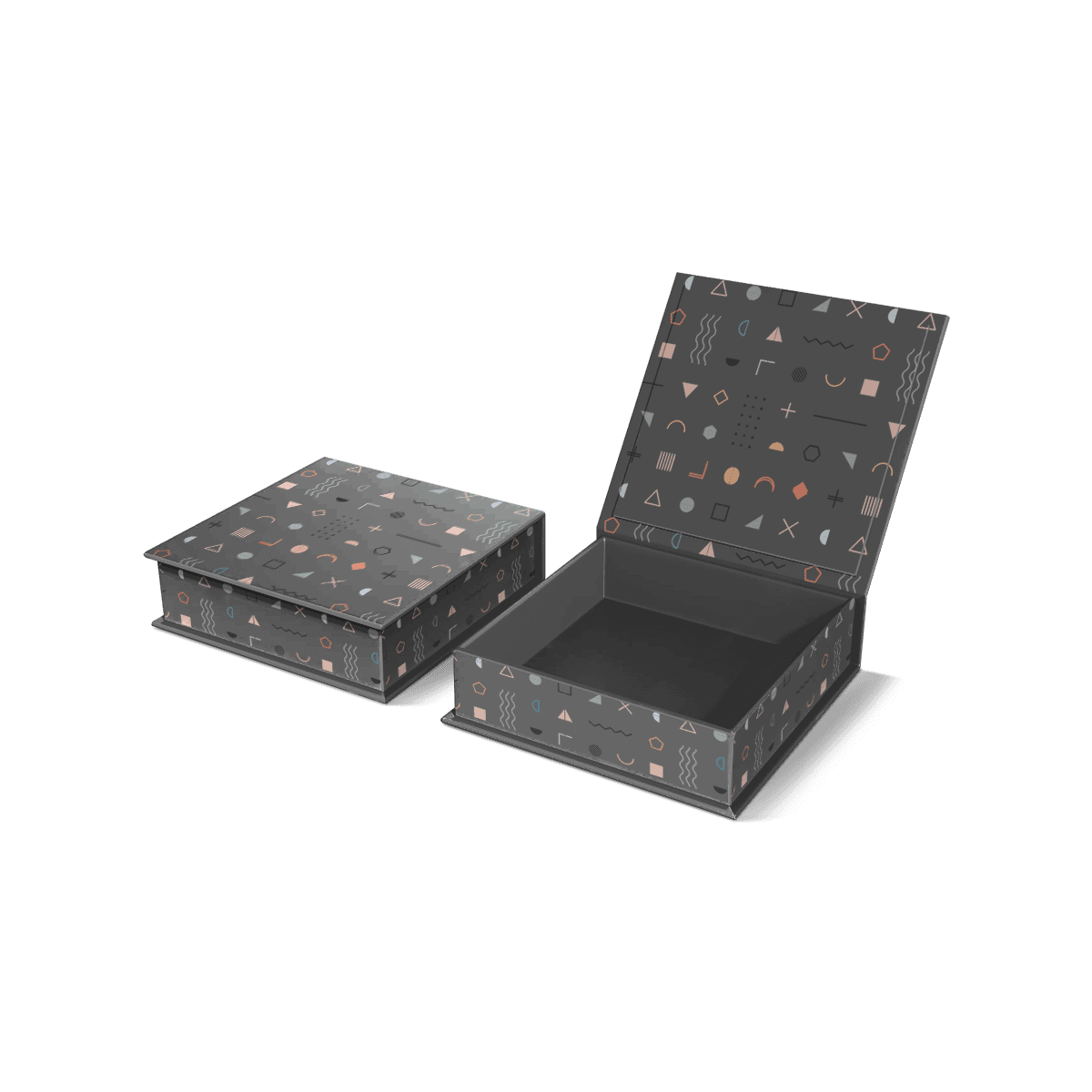
Book-style rigid boxes use a side-spine relationship that creates a cover-like reveal. Luxury 2-piece rigid boxes remove the lid completely and expose the full base at once. Drawer-style rigid boxes create a sliding tray motion instead of a top-opening arc.

Magnetic closure rigid boxes can also keep the lid attached, but the magnetic closure becomes a stronger part of the closing behavior.

The correct structure depends on what the customer should physically do.

Use flip-top construction when quick top access, an attached lid and repeat opening matter more than a removable cover, side-opening story or sliding reveal.

Insert Height Shapes the Reveal

The insert does more than hold the product still.

Its height determines how much of the product is visible when the lid opens, how easily the customer can reach it and how the contents relate to the inside lid.

A deeply recessed product can feel protected but visually lost. A product sitting too high may look prominent but become vulnerable to lid contact.

The best insert height creates enough restraint for handling while still presenting the product immediately.

Retention and Removal Need Balance

Foam, paperboard and other fitted inserts can control side movement, rotation and product spacing, but tight retention should not make removal difficult.

The customer should have a clear grip point.

Finger notches, ribbon lifts or exposed edges can help when the cavity is deep. The right method depends on the product rather than the visual style of the insert alone.

The trade-offs among foam, paperboard and molded pulp inserts matter when weight, fragility and presentation all influence the fit.

The First View Should Be Deliberate

A flip-top box presents the interior as soon as the lid rises, so product height and spacing become part of the opening sequence.

A hero product can sit slightly higher while secondary items sit lower. A jewelry piece can be angled toward the customer. An electronics accessory can sit beside a main device without crowding it.

Custom product packaging works best when the insert is planned around the product dimensions, vulnerable points and intended first view rather than filled with empty decorative space.

Board Stiffness, Flexible Hinge

The walls of the box need rigidity while the hinge needs controlled movement.

Those two requirements exist in the same structure.

Rigid board gives the base and lid their shape, supports wrapped surfaces and creates the substantial hand feel associated with premium presentation packaging. The hinge connection has to flex repeatedly without making the lid feel loose or stressing the wrap prematurely.

Board thickness should therefore be selected alongside box size, packed weight and hinge behavior.

A larger lid creates more leverage at the rear. A small compact box may need less board mass but still needs enough stiffness to keep the top aligned.

High-Touch Surfaces Need More Thought

Flip-top boxes are often opened repeatedly, so lid edges, hinge areas and the front gripping point receive more handling than static display panels.

Matte, soft-touch, foil, embossing and other treatments can all work, but their placement should reflect how customers will touch the box.

The differences among matte, gloss, spot UV, foil and embossing become more important when the surface will be handled again and again.

A finish should support the opening experience rather than make high-contact areas difficult to maintain.

The Inside Lid Earns Its Space

An attached lid creates a large interior surface that remains visible while the product is being viewed.

That space can carry a short message, restrained artwork, instructions, a brand story or a simple visual continuation of the exterior design.

It should not be filled simply because the panel exists.

The inside lid works best when the content adds something to the opening moment without competing with the product below.

For a gift set, that might be a concise message. For electronics, it could be a simple setup cue. For a premium skincare set, it might reinforce the product sequence or brand tone.

Custom printed boxes can coordinate exterior and interior artwork so the open and closed states feel like parts of the same design.

Resolve the hinge direction before inside-lid artwork is finalized. The artwork needs to read correctly when the lid is actually open, not only when viewed flat in the production file.

Products That Benefit From Repeat Access

Flip-top rigid boxes are strongest when the package is opened more than once.

Jewelry, watches, premium cosmetics, small electronics, presentation kits and collectible products can all benefit from keeping the lid attached between uses.

For jewelry and accessories packaging, an attached lid can keep the presentation compact at a retail counter and reduce the chance of a loose lid being misplaced.

For electronics and gadgets packaging, the same structure can keep a device, cable and accessory set organized when the box is reused for storage.

The structure is less compelling when the package is expected to be opened once and discarded immediately.

Repeat access is not a requirement, but it is one of the clearest reasons to choose the format over a simpler removable lid.

Retail Presentation Is Not Shipping Protection

A flip-top rigid box protects presentation, product position and the customer-facing surfaces inside the package.

It is not automatically a parcel shipper.

Rigid wrapped corners can scuff, dent or crush under carrier handling even when the product itself is held securely. Attached lids can also be pulled or stressed if the presentation box moves freely inside an oversized outer carton.

For direct-to-consumer orders, use the rigid box as the presentation layer and place it inside a correctly sized mailer or shipping carton.

The distinction between retail packaging and ecommerce packaging matters when the same premium product is sold both in-store and online.

The outer shipping package should handle transit. The flip-top box should arrive clean enough to deliver the intended opening experience.

Hinge Details Change Cost

Flip-top rigid boxes use more than rigid board and print.

The hinge construction, lid depth, insert, wrap choice, box dimensions and finishing requirements all affect production work and pricing.

An attached lid can also require closer control over alignment than a loose lid because the two halves must continue to meet correctly after repeated opening.

Premium offset printing, inside print, foil, embossing, debossing and specialty wraps can be added where they support the design, but they should follow the approved structure.

Custom Packly’s US MOQ starts from 100 boxes. US production, free shipping, free 3D mockups and design and dieline support are available, with a standard 4–6 day turnaround after final artwork and specifications are approved. Complex structures, specialty materials or advanced finishes may require additional time.

Free sample examples of previous work can help establish general material and finish direction. When exact hinge motion, insert fit or opening angle needs physical approval, a fully custom pre-production sample can be arranged as a paid sample.

An instant custom packaging quote becomes most meaningful once the finished dimensions, quantity, insert direction and print requirements are known.

One Opening Standard Across SKUs

A product line can use one recognizable flip-top packaging system without forcing every SKU into identical dimensions.

The repeatable part should be the opening behavior.

Decide the lid angle, hinge feel, front grip, insert presentation height and general artwork hierarchy that define the experience. Then allow box dimensions and insert geometry to change where different products require them.

A skincare jar and serum bottle can share the same exterior design language while using different internal heights. A jewelry line can keep the same lid treatment while changing inserts for rings, watches or accessories. An electronics program can retain one opening motion across device sizes.

Record the approved structural details for repeat production: box dimensions, lid depth, hinge position, insert height, wrap, artwork version and finish placement.

That production master matters more than copying one box size across unrelated products.

Flip-top packaging works best when the customer recognizes the opening experience from one SKU to the next while each product still receives the fit and clearance it needs.

FAQs

They work better when you want a faster, tidier opening experience. Because the lid stays attached, the box feels more controlled at retail counters, in gifting, and during repeat handling.

Yes. Flip-top construction pairs well with foam, paperboard, or corrugated inserts, which makes it useful for multi-part products, presentation sets, and items that should stay fixed in place.

Choose Flip-Top Rigid Boxes when you want a hinged reveal and faster access from the top. Choose Drawer-Style Rigid Boxes when the brand experience depends more on a sliding unboxing motion and a tray-with-sleeve presentation.

Matte lamination, soft-touch coating, foil stamping, embossing, debossing, and inside printing are all common. The right finish usually depends on whether the goal is gift appeal, retail visibility, or a cleaner corporate presentation.

Yes, for many premium products they are, but they usually perform best when paired with the right outer shipping solution. A rigid box protects presentation, while the shipper handles transit resistance and logistics.

Process

How it works

Your Packaging Journey, From Idea to Production and Delivery

01

Tell Us Your Specs

Custom packaging boxes

Tell Us Your Specs

Provide size, quantity, printing, and finishes.

02

Get a Fast Quote

Custom packaging boxes

Get a Fast Quote

Instant transparent pricing, no hidden fees.

03

Design and Approval

Custom packaging boxes

Design and Approval

Artwork checks, revisions, and final sign-off.

04

Produce

Custom packaging boxes

Produce

Expert manufacturing to meet deadlines.

05

Ship to Your Door

Custom packaging boxes

Ship to Your Door

Hassle-free, flexible delivery options.

Get Your Quote for Custom Flip-Top Rigid Boxes

Share your product details, size, quantity and artwork needs. We’ll help choose the right packaging style and send a clear quote.