Skip to content
Details

Custom Luxury Jewelry Boxes

Premium jewelry presentation built around tactile quality, precise material transitions, controlled reveal and a consistent packaging standard across high-value collections.

Luxury Shows Up at the Transitions

A jewelry box can use expensive paper, foil and rigid board and still feel ordinary if the transitions are poorly resolved.

The lid can sit slightly off-center. Wrapped corners can look bulky. An insert can stop short of the walls and expose an uneven gap. A foil logo can be beautifully stamped while the interior lining meets the edge inconsistently.

Those small joins matter because luxury jewelry packaging is handled at close range.

Custom Luxury Jewelry Boxes should therefore be judged less by the number of premium finishes and more by how precisely the exterior, opening structure, insert and interior surfaces work together.

A customer may not describe a clean shoulder line or a flush insert edge in technical terms, but those details shape how considered the package feels.

That is the defining job of this packaging tier.
Give the Reveal a Sequence

Premium presentation becomes stronger when the customer does not see every element at once.

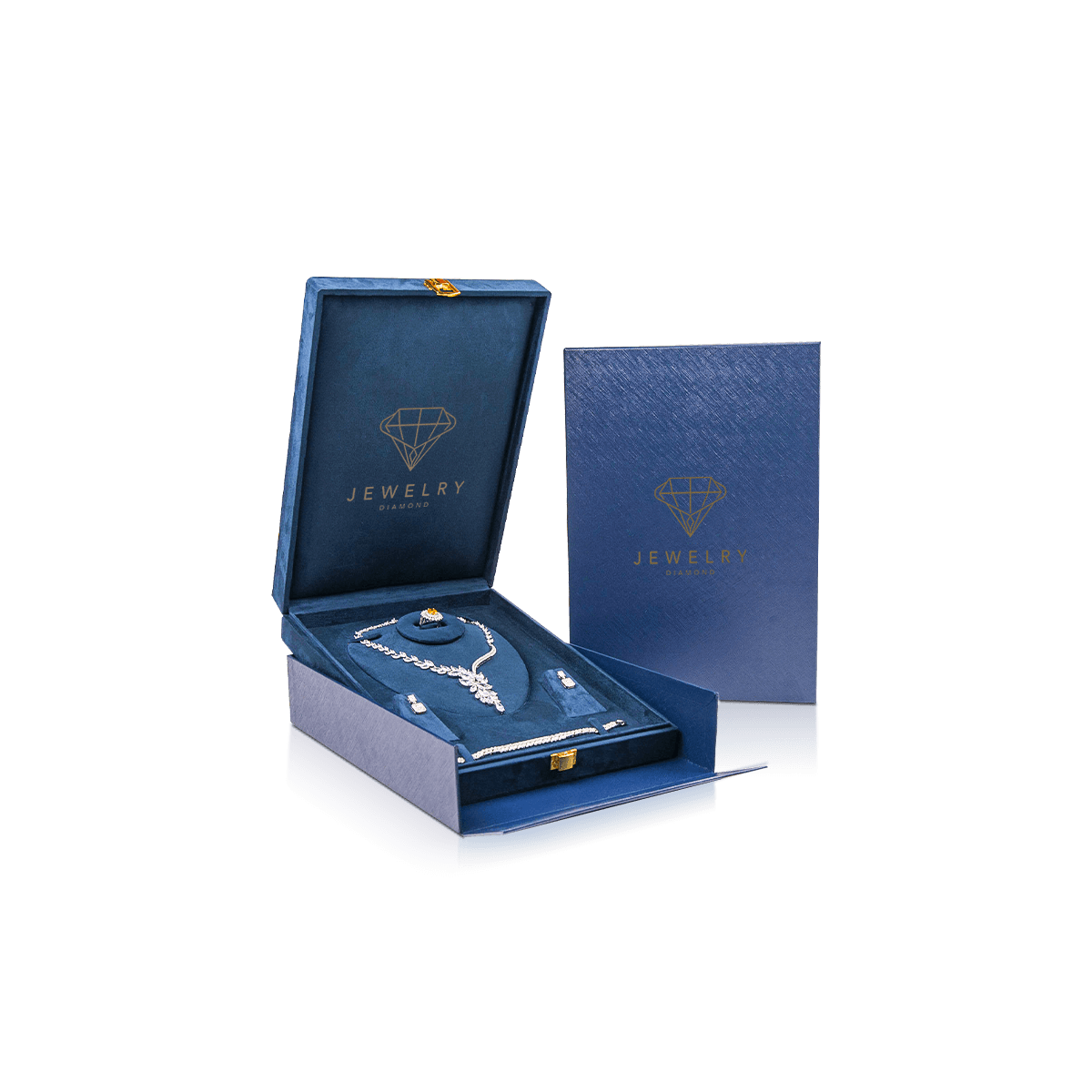
The exterior establishes the first expectation. Opening the box reveals the interior surface. The jewelry then becomes the focal point, with cards or accessories placed so they support rather than compete with it.

The sequence can be immediate or gradual depending on the structure.

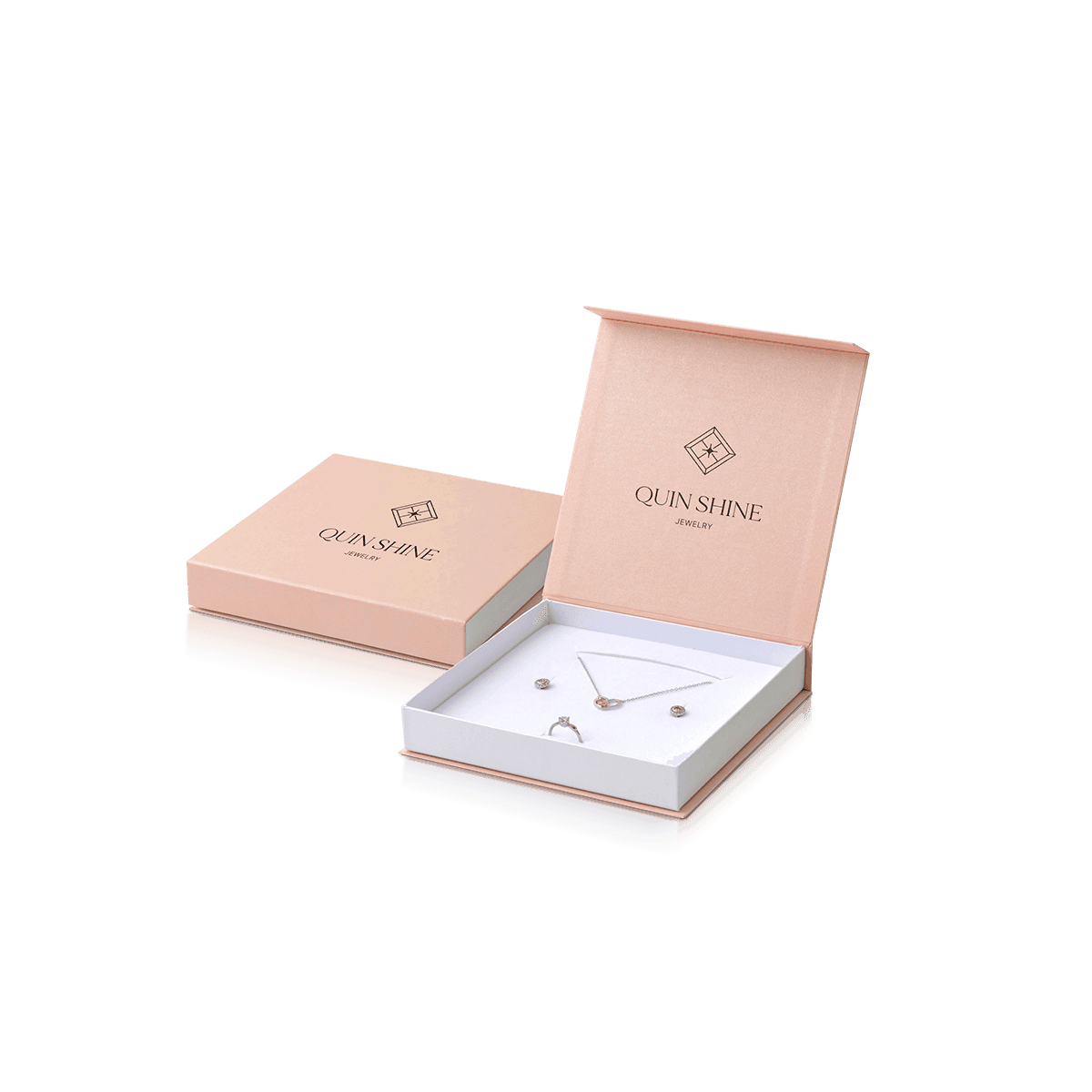
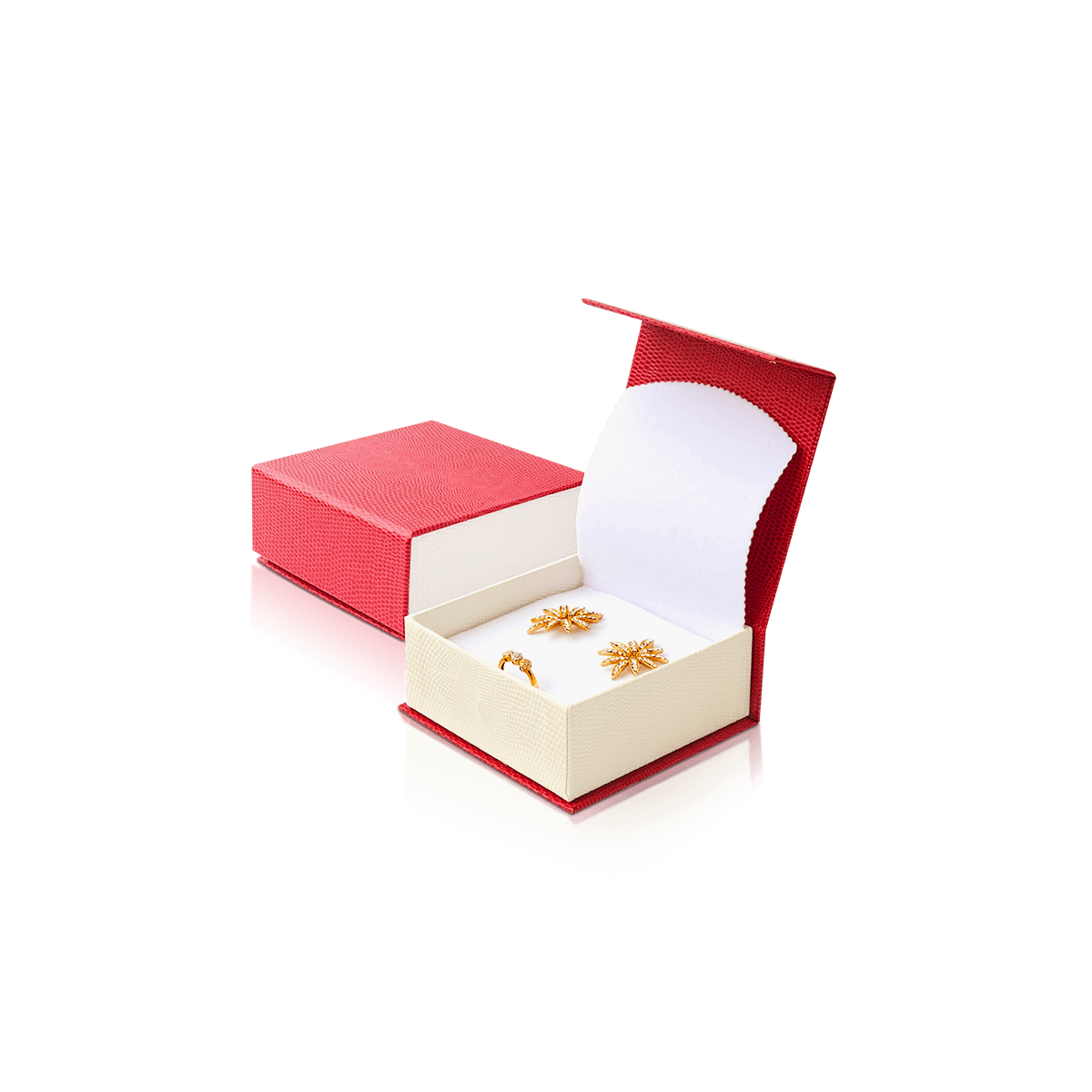
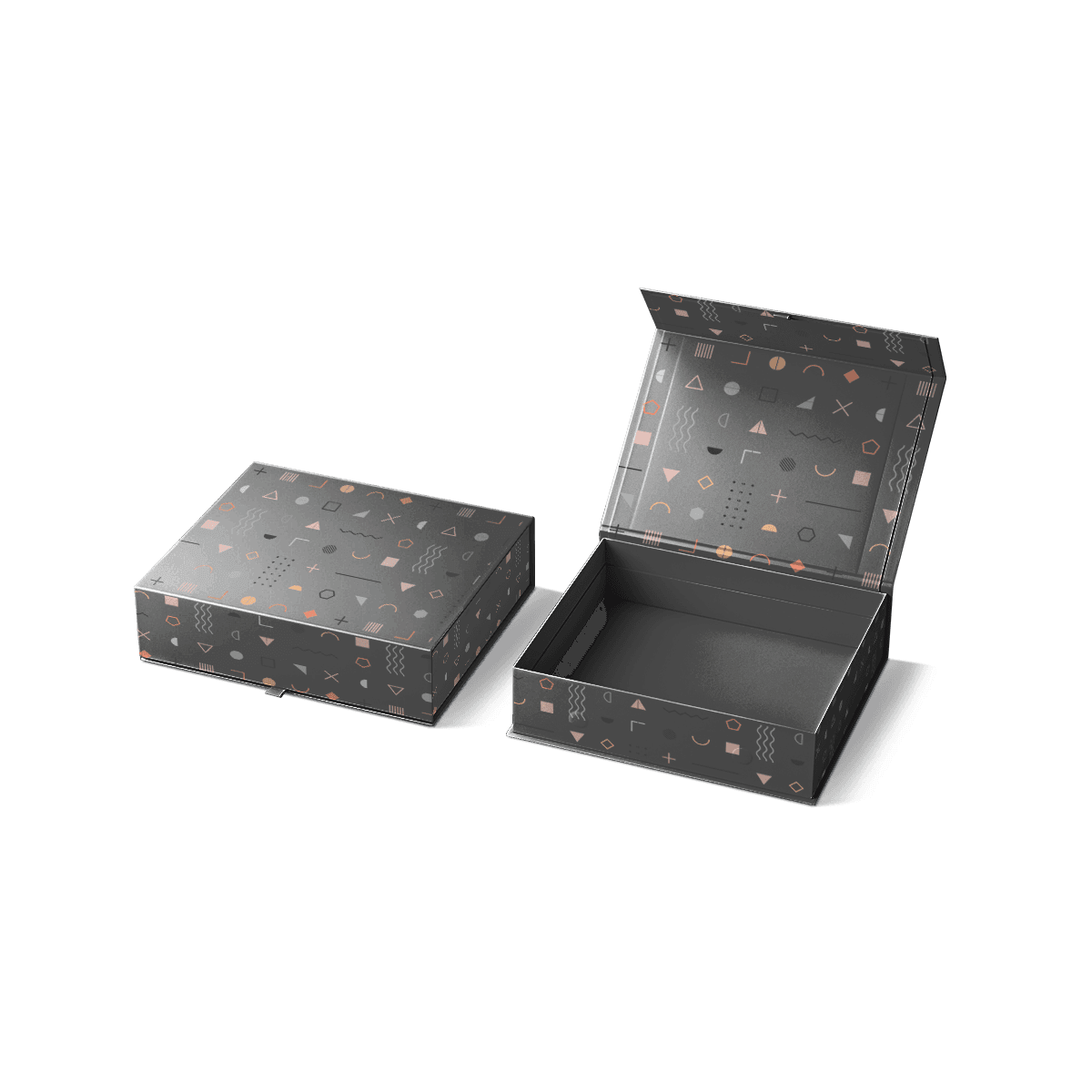
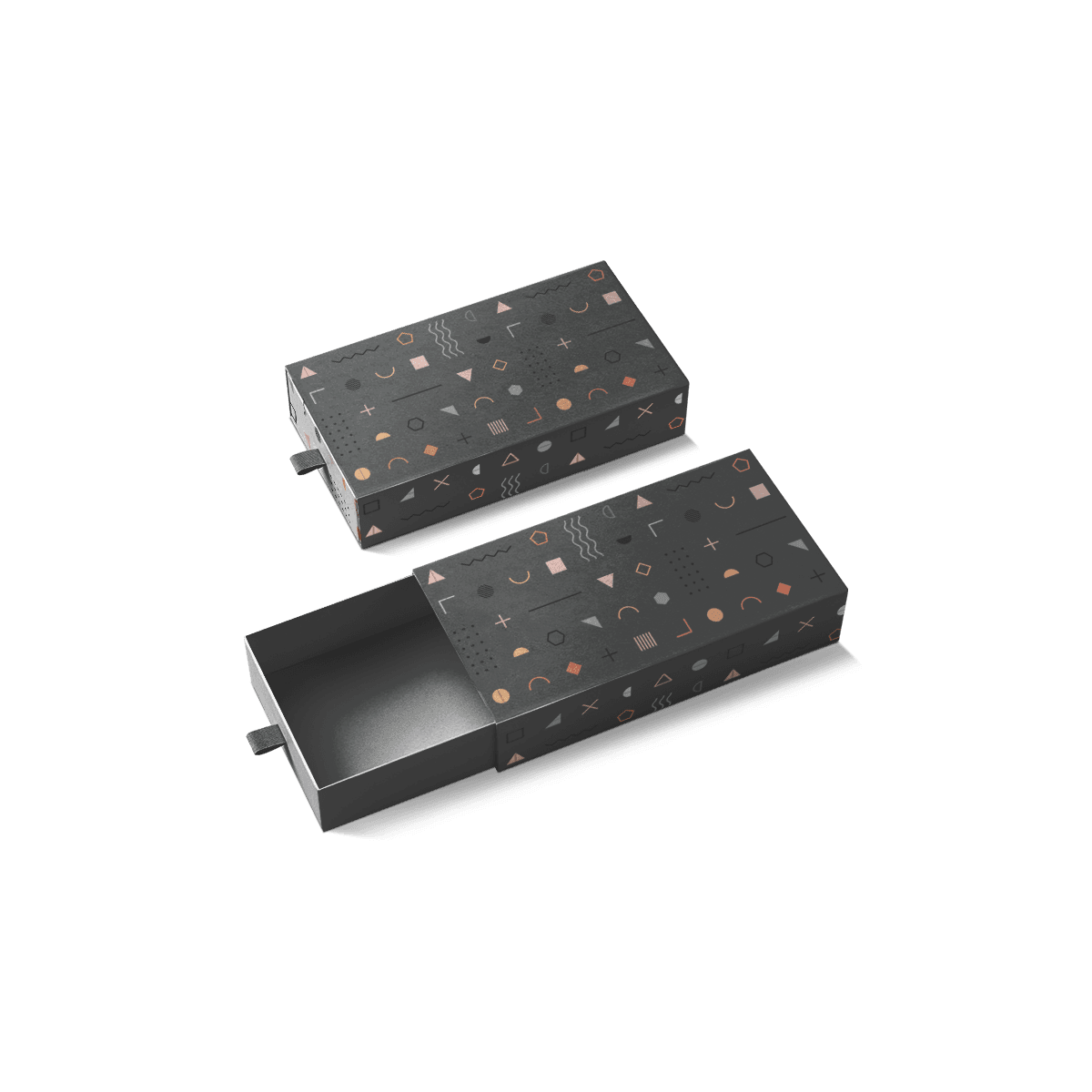
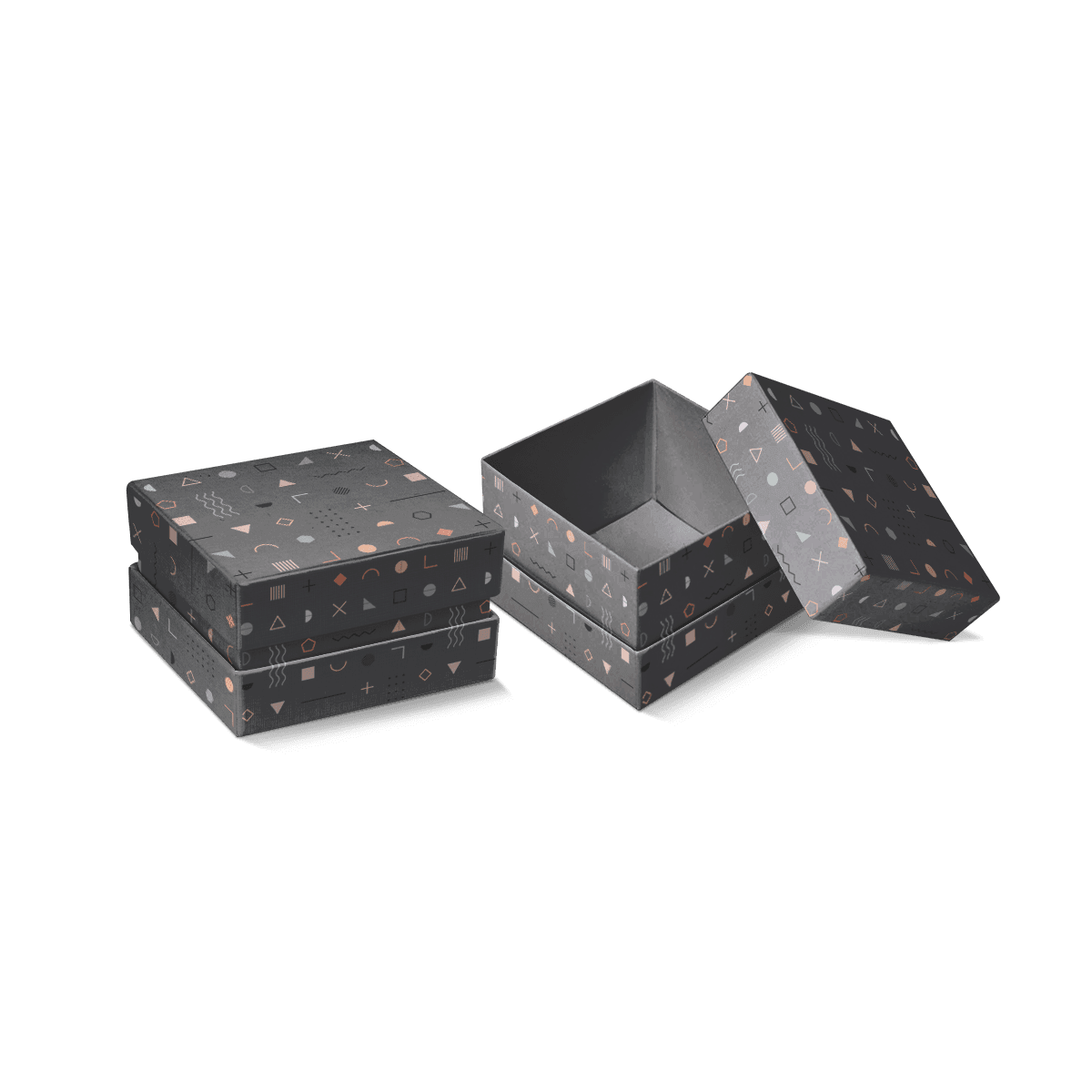
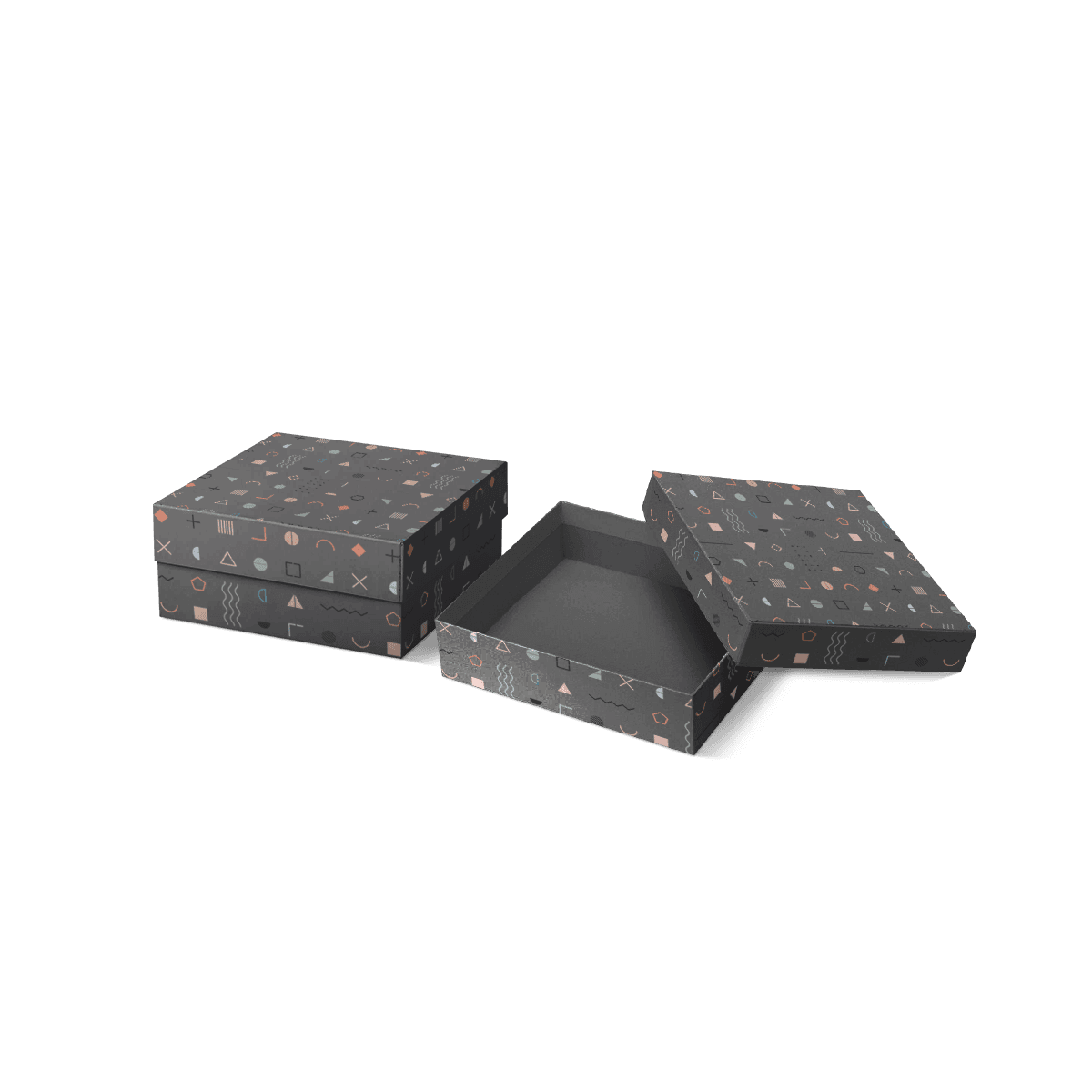
A lift-off lid creates a direct reveal. A drawer delays it. A hinged or magnetic format introduces a deliberate opening motion. A shoulder-neck construction can expose a contrasting inner band before the jewelry is fully visible.

The structure should be chosen for the desired presentation rhythm, not simply because a particular mechanism is associated with luxury.

Magnetic Closure Jewelry Boxes make sense when the closing motion itself is important. A different luxury box may need no magnet at all.

Decide the First Visible Surface

The first interior surface should have a purpose.

A dark insert can frame bright metal and stones. A pale interior can create a softer bridal or fine-jewelry presentation. A contrasting inner wall can separate the exterior identity from the product reveal.

Inside printing can also work, but it should not steal attention from the piece.

Luxury presentation benefits from hierarchy. The jewelry should remain the visual center.

Material Contrast Can Do More Than Decoration

Premium boxes do not need every surface to use the same texture.

A smooth wrapped exterior can transition into a soft interior. An uncoated paper can sit beside a metallic foil mark. A restrained exterior can open to a stronger color inside.

These contrasts create depth without adding unnecessary components.

The important question is how the materials meet.

A soft lining that curls at the edge weakens the effect. A textured wrap that breaks badly around a corner can look less refined than a simpler paper executed cleanly.

When comparing packaging materials for rigid and paperboard boxes, the decision should account for both visual character and how the material behaves around the finished structure.

Do Not Confuse Thickness With Quality

A thicker box is not automatically more luxurious.

Excessive wall thickness can make a small ring or pendant box feel oversized. Deep walls can bury a delicate piece rather than frame it. Heavy construction also adds storage and shipping volume.

The box should feel substantial relative to the jewelry, not merely heavy.

Compact precision often communicates more value than unnecessary bulk.

Interior Height Controls the Jewelry's Status

The vertical position of the piece changes how it is perceived.

Jewelry sitting too deep can feel lost inside the package. An item raised too high may contact the lid or look insecure.

Luxury interiors usually work best when the product appears intentionally elevated but still protected.

That position comes from the insert, cushion or platform rather than from exterior box depth alone.

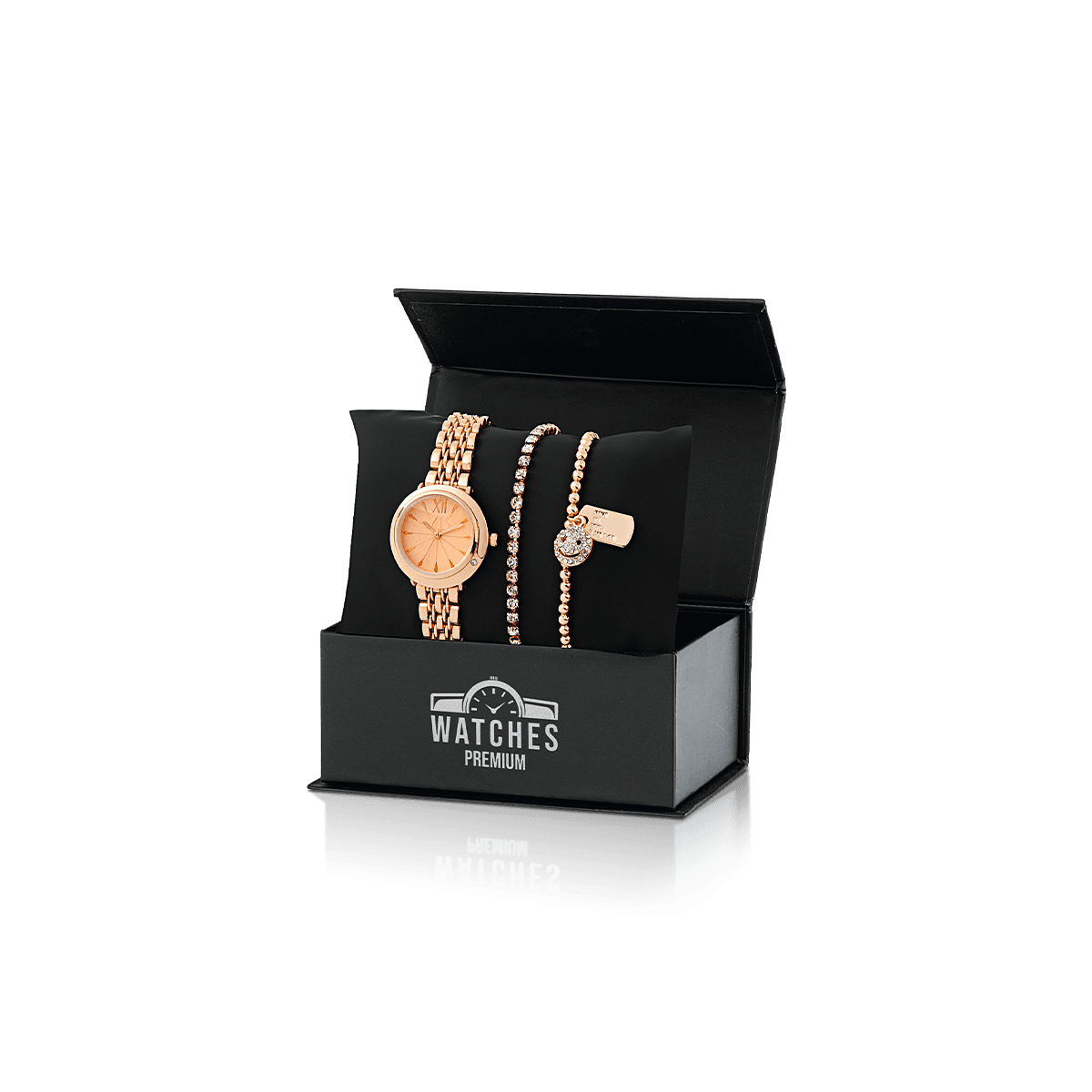
A ring may need the setting visibly above the pad. A pendant may need the focal piece raised while the chain disappears cleanly behind the support. A watch may need enough lift to display the dial without creating lid-contact risk.

Those exact retention problems belong to the corresponding jewelry formats. The luxury decision is the shared presentation level: how far the product sits from the walls, how much negative space surrounds it and whether the composition feels balanced.

Jewelry and Accessories packaging can span many structures, but premium presentation needs this additional control over proportion and visual spacing.

Empty Space Has to Look Intentional

Luxury packaging often benefits from breathing room, but excess space and deliberate negative space are not the same thing.

A small pendant centered in a slightly generous box can feel important when the insert frames it precisely. The same pendant loose in a broad cavity simply looks underpacked.

The difference is control.

Frame the Piece

A useful approach is to start with the visible footprint of the jewelry, then determine the amount of border that supports the desired presentation.

High-value pieces often need enough space to be seen clearly without making the package difficult to store or ship.

The insert should define that border.

This is particularly important when the piece itself is irregular. Jewelry dimensions alone may not describe the correct visual footprint because chains, clasps, settings and cushions can change the occupied area.

Avoid the Oversized Luxury Trap

Consider a small diamond pendant placed in a large square rigid box to make the presentation feel more premium.

The opposite can happen.

The pendant appears visually weak, the chain needs more space to control and the customer handles a large package for a very small item.

Reducing the box footprint while raising the pendant slightly can make the jewelry appear more deliberate, improve chain management and reduce unused volume at the same time.

Luxury can come from proportion rather than size.

Finishes Need a Hierarchy

Foil stamping, embossing, debossing, soft-touch surfaces, spot UV and specialty papers can all work on jewelry packaging.

Using all of them together is rarely necessary.

A stronger premium system usually gives each finish one job.

Foil may carry the brand mark. A tactile paper can create the main hand feel. Blind debossing can add detail without another color. Inside printing can introduce the collection story only after the box opens.

The differences among matte, gloss, spot UV, foil and embossing matter because jewelry boxes are often small enough for minor finishing choices to dominate the whole surface.

Give Foil Room

Fine foil lines can lose impact when crowded by surrounding artwork.

A simple mark with enough clear space usually reads more deliberately than a lid filled with metallic graphics.

The same principle applies to embossing and debossing. Depth is most noticeable when it has visual room around it.

Premium decoration should sharpen the box, not prove how many techniques can fit on one lid.

Color Consistency Matters Across a Collection

Luxury jewelry lines often use several box sizes under one visual identity.

A ring box, bracelet box and necklace box may differ structurally but still need to feel like parts of the same packaging system.

That puts more pressure on color consistency.

A slightly different black, cream or brand color can become obvious when several box sizes are displayed together.

CMYK and Pantone printing can be planned according to the artwork, substrate and repeatability required across multiple box sizes.

The material underneath the print also matters. A textured or colored paper will not behave like a smooth white printed wrap.

Do not approve color in isolation from the intended stock.

Treat Interior Color as Part of the System

The inside does not need to match the exterior.

It does need to belong with it.

A collection can use one consistent interior across every jewelry type or assign interior colors to different lines. Either approach works when it is systematic.

Random variation between box sizes makes the collection look assembled rather than designed.

Soft Contact Should Stay Where It Matters

Jewelry often benefits from softer surfaces, but lining every interior wall with fabric is not automatically better.

The contact zones matter most.

An insert may need a soft-facing layer where metal, stones or polished surfaces touch the packaging. The surrounding walls can use another material if they do not contact the jewelry.

This approach keeps the interior controlled without turning every luxury box into the same velvet-covered design.

A future Velvet Lined Boxes specification has a different job: velvet itself becomes the defining interior feature.

Luxury Jewelry Boxes can use velvet, foam, paperboard, fabric-covered pads or other fitted interiors according to the piece and desired presentation.

The material is secondary to the quality of the fit and finishing.

The Packaging Suite Should Survive a Size Change

Premium jewelry brands rarely stay with one product forever.

The packaging system may eventually need to accommodate rings, pendants, earrings, bracelets, watches and multi-piece releases.

A luxury specification should therefore contain repeatable rules, not merely one attractive box.

Those rules may define:

  • exterior wrap or color
  • logo position
  • foil or embossing treatment
  • interior color
  • edge reveal
  • insert-facing material
  • opening direction
  • card placement
  • acceptable logo scale across box sizes

That creates a recognizable collection even when the structure changes.

Custom printed boxes can carry common brand elements across several physical specifications while allowing each jewelry item to retain the insert and dimensions it actually needs.

Do Not Standardize the Interior Blindly

A shared exterior system does not require one universal insert.

Ring retention, chain routing, watch cushions and earring spacing are different technical problems.

The visual system can stay consistent while the interior engineering changes.

That balance is more useful than forcing every piece into one box merely for procurement simplicity.

Retail Handling Tests the Finish

A luxury box may look pristine during approval and still show wear quickly in a boutique environment.

Staff handle boxes repeatedly. Lids may be opened for customers, restocked and returned to drawers. Rings and watches may be shown several times before sale.

Dark matte surfaces can reveal fingerprints or rubbing differently from textured papers. Metallic areas may show marks if positioned where fingers naturally grip the lid.

This is where finish placement becomes practical.

A high-contact edge does not always need the most delicate surface treatment.

For boxes that will be handled frequently before sale, the exterior should be judged after repeated opening, closing and light rubbing, not only immediately after production.

A 3D mockup can confirm visual proportion, but high-contact surfaces should be approved on a finished physical sample after repeated opening and handling.

Private Client Presentation Has Different Priorities

Fine jewelry is not always picked from a shelf.

Some boxes are opened during private appointments, bridal consultations or higher-value handoffs where the packaging remains on a table as part of the presentation.

In that environment, the box needs to look composed from more than one angle.

The exterior bottom, inside lid, exposed insert edge and closure line can all remain visible during the interaction.

This is one reason inside surfaces deserve deliberate treatment in a luxury program.

Jewelry Gift Boxes focus on the gifting moment and extras that support it. Luxury Jewelry Boxes have a different emphasis: sustaining a premium standard whenever the packaging itself remains part of the sales experience.

Shipping Should Leave No Evidence on the Box

The presentation box should arrive looking untouched.

That does not mean the luxury box should be made progressively heavier until it can serve as its own parcel shipper.

Corners, wraps, foil and soft-touch surfaces are part of the final presentation. They should be protected from courier labels, abrasion and concentrated shipping loads.

An outer mailer or shipping carton handles transit. The luxury box handles the jewelry and reveal.

The packing system should also prevent the presentation box from sliding inside the outer pack.

For high-value ecommerce orders, Custom Product Packaging can connect product fit, inner presentation and the route to the customer without asking one box to perform every job.

The best shipping outcome is visually uneventful: the customer should not be able to tell how much handling the parcel experienced before arrival.

Price the Standard, Not the Decoration Count

Luxury packaging cost is affected by box construction, dimensions, wrap stock, insert complexity, print, finishes and production quantity.

The most useful commercial brief defines the standard the packaging needs to maintain.

Include:

  • jewelry type and dimensions
  • presentation orientation
  • box dimensions or target footprint
  • preferred opening style
  • exterior wrap
  • interior material and color
  • insert construction
  • logo treatment
  • foil, embossing or other finish zones
  • quantity by box size
  • number of artwork versions
  • retail, appointment, gifting or ecommerce use
  • repeat-order expectations

Custom Packly's USA MOQ starts from 100 boxes. US production, premium offset printing, free shipping, free 3D mockups, design and dieline support and extensive customization can be applied according to the project.

Standard turnaround is 4–6 days after final artwork and specifications are approved. Complex structures, specialty materials or advanced finishes may require additional time.

When the physical standard and quantities are settled, an instant custom packaging quote can price the actual packaging system rather than a generic luxury finish bundle.

Write the Luxury Standard Down

A premium packaging program should be reproducible.

Do not rely on a reference box and the instruction to “make the next one look the same.”

Record the approved exterior material, color target, logo position, foil tone, surface treatment, interior color, insert-facing material and any important reveal dimensions.

For multiple box sizes, record which elements stay fixed and which scale.

That specification becomes particularly valuable when new jewelry types enter the collection. The box can change shape without losing the character of the packaging system.

Luxury consistency comes from controlled decisions repeated well.

The strongest Custom Luxury Jewelry Boxes do not need to announce their quality through excessive decoration. The materials meet cleanly, the product sits at the right visual height, the reveal has a clear sequence and every box in the collection feels as though it belongs to the same brand.

FAQs

Because rigid structures feel more substantial in hand, hold their shape better and support cleaner opening styles that match higher-value products.

Foil stamping, debossing, soft-touch lamination, textured wraps and neat inside printing usually create the strongest premium result when they are used with restraint.

Luxury Jewelry Boxes are the better choice when the goal is a full presentation upgrade through materials, finishes and reveal quality. Rigid Jewelry Boxes cover the structure well, but luxury versions push the visual and tactile experience further.

Yes. Rings, bangles, pendants and sets all sit differently, so a custom insert layout keeps the item centered and prevents the interior from looking generic.

They work best as the inner presentation pack placed inside a protective shipping box so the outer packaging absorbs transit pressure and the luxury box stays clean for the unboxing moment.

Process

How it works

Your Packaging Journey, From Idea to Production and Delivery

01

Tell Us Your Specs

Custom packaging boxes

Tell Us Your Specs

Provide size, quantity, printing, and finishes.

02

Get a Fast Quote

Custom packaging boxes

Get a Fast Quote

Instant transparent pricing, no hidden fees.

03

Design and Approval

Custom packaging boxes

Design and Approval

Artwork checks, revisions, and final sign-off.

04

Produce

Custom packaging boxes

Produce

Expert manufacturing to meet deadlines.

05

Ship to Your Door

Custom packaging boxes

Ship to Your Door

Hassle-free, flexible delivery options.

Get Your Quote for Custom Luxury Jewelry Boxes

Share your product details, size, quantity and artwork needs. We’ll help choose the right packaging style and send a clear quote.