Skip to content
Details

Custom Luxury Apparel Boxes

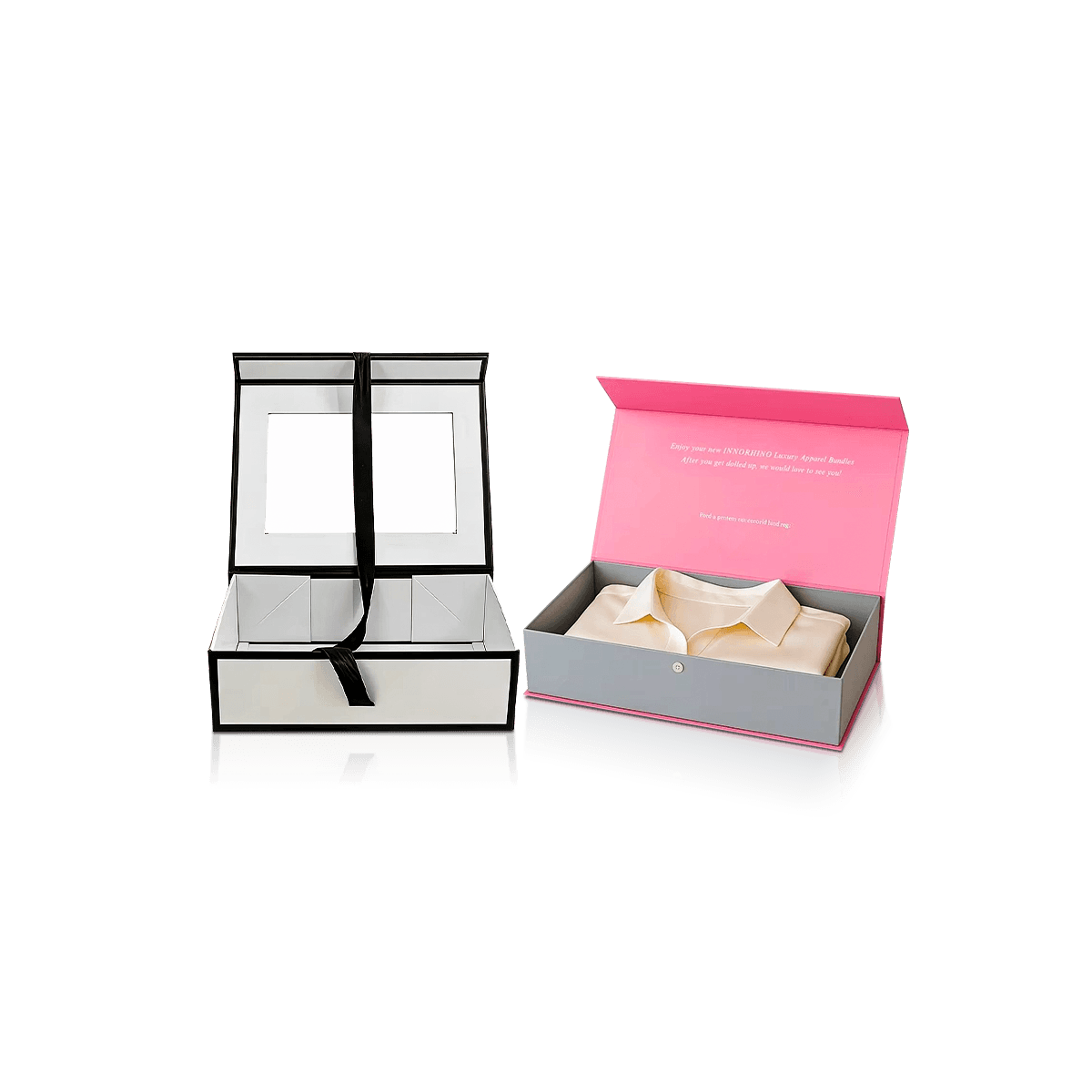
Premium clothing packaging built around the garment itself, with controlled fold depth, tissue layering, rigid presentation and refined finishing for fashion launches, gifting and high-value retail.

Fabric Shows Every Packing Shortcut

A luxury garment can arrive inside an impressive box and still look poorly presented.

The lid may be substantial. The logo may be foiled perfectly. The outside may feel expensive. But if the shirt has shifted, the knitwear is compressed or the tissue has collapsed into uneven folds, the product loses the advantage the packaging was meant to create.

Custom luxury apparel boxes have to control a soft product that changes shape under pressure.

That makes apparel different from jars, electronics or other products that retain fixed dimensions. Clothing bends, compresses, springs back and changes thickness depending on how it is folded.

The package therefore needs to be developed around the packed garment rather than the garment laid flat.

Within Retail & Apparel, luxury packaging belongs where the clothing itself is sold as a higher-value presentation and where the first opening should reinforce that position.

The box is only part of the result. The fold inside it determines what the customer actually sees.
Fold Footprint Comes Before Box Size

Garment dimensions do not equal packaging dimensions.

A shirt measuring several feet when laid flat may become a compact rectangle after folding. A sweater with similar outside dimensions can create much more depth because the material carries greater loft. A jacket may require an entirely different fold to prevent bulky seams from stacking in one area.

The useful measurement is the final folded footprint.

That means length, width and compressed depth after the product has been prepared exactly as it will be packed.

Fold Lines

Where the garment folds affects both appearance and thickness.

A premium shirt usually needs a controlled front view when the lid opens. A graphic T-shirt may need the printed area facing upward without a fold crossing the main artwork. Knitwear needs enough room that folded layers do not create hard pressure lines.

The box should follow that presentation.

Garment Depth

Depth should be checked under realistic packing pressure.

Measure a sweater without compression and the box can become unnecessarily deep. Compress it too heavily and the product may emerge with flattened texture or hard fold marks.

The target is enough depth to close cleanly while letting the garment retain its intended character.

Air Is Part of Soft-Goods Fit

Apparel fit cannot be judged the same way as a rigid product fitting inside an insert.

Fabric contains air.

A folded knit, fleece garment or layered set can compress noticeably when the lid closes. That makes apparent empty space deceptive.

A box that looks slightly generous before closing may be correctly sized once tissue, garment loft, hangtags and care materials are inside. Another box that looks perfectly filled may place continuous pressure across the clothing after closure.

That pressure matters with textured fabrics, embellishments and garments that should retain volume.

The fit should therefore be assessed closed as well as open.

For brands using Apparel Boxes across several product tiers, the packaging depth can change according to fabric behavior even when the folded length and width remain similar.

The package should contain the garment, not flatten it into the box specification.

Tissue Has a Structural Job

Tissue is often treated as decoration.

In premium apparel packaging, it can do more.

A well-planned tissue wrap helps keep the folded garment together as one unit, reduces direct rubbing against interior surfaces and gives staff a repeatable way to place the product into the box.

It can also separate stacked garments within a coordinated set.

Too much tissue creates bulk and inconsistency. Too little can allow loose sleeves, straps or lightweight fabric edges to migrate around the box.

The fold should determine the tissue dimensions.

A sheet that is too narrow cannot wrap cleanly. An oversized sheet creates thick overlapping areas that may lift one part of the garment higher than another.

Tissue should support the garment presentation rather than hide an inaccurate box fit.

The Lid Should Never Iron the Garment

Rigid apparel boxes can create a strong, flat presentation surface, but the lid should not become a press.

This is particularly important with knitwear, embellished garments, structured collars and products packed with raised accessories.

Closing force should be checked across the entire surface.

A rigid lid that touches only one high point can concentrate pressure there. A sweater may compress around a folded seam. A shirt collar can lose shape. Decorative elements can leave impressions on adjacent fabric.

The internal depth should accommodate the real packed profile.

For products that specifically need stronger walls and a substantial setup structure, Rigid Apparel Boxes focus on that construction tier across premium garments and coordinated sets.

Luxury apparel packaging takes the decision further by considering how that structure, garment preparation and finishing work together as one presentation.

Collars and Lapels Need Their Own Space

Not all apparel can be treated as a soft rectangle.

Shirts, suits and structured garments contain areas that should not be compressed like the rest of the fabric.

A shirt collar can require support to stay upright. A suit jacket may need enough depth around lapels and shoulders to prevent an overly tight fold. Decorative buttons and hardware should not press sharply into the layer beneath them.

Suit Boxes have a more specific job when structured tailoring and multi-piece formalwear drive the packaging decision.

Luxury apparel boxes can handle premium clothing more generally, but structured garments still need these pressure points identified before dimensions are finalized.

Sometimes the correct result is a slightly deeper package.

Sometimes it is a different folding method.

Making the box larger in every direction is rarely the most efficient correction.

Accessories Should Not Float Over the Garment

Premium apparel purchases often include more than clothing.

A belt, scarf, card, garment-care item, spare hardware or branded accessory may be packed alongside the main piece.

Placing these objects loosely on top of the garment can damage the presentation.

A belt buckle can create pressure against fabric. A heavy accessory can move across a folded shirt during transport. Cards can disappear beneath tissue. Small components can collect against one side of the box.

Accessories need assigned positions.

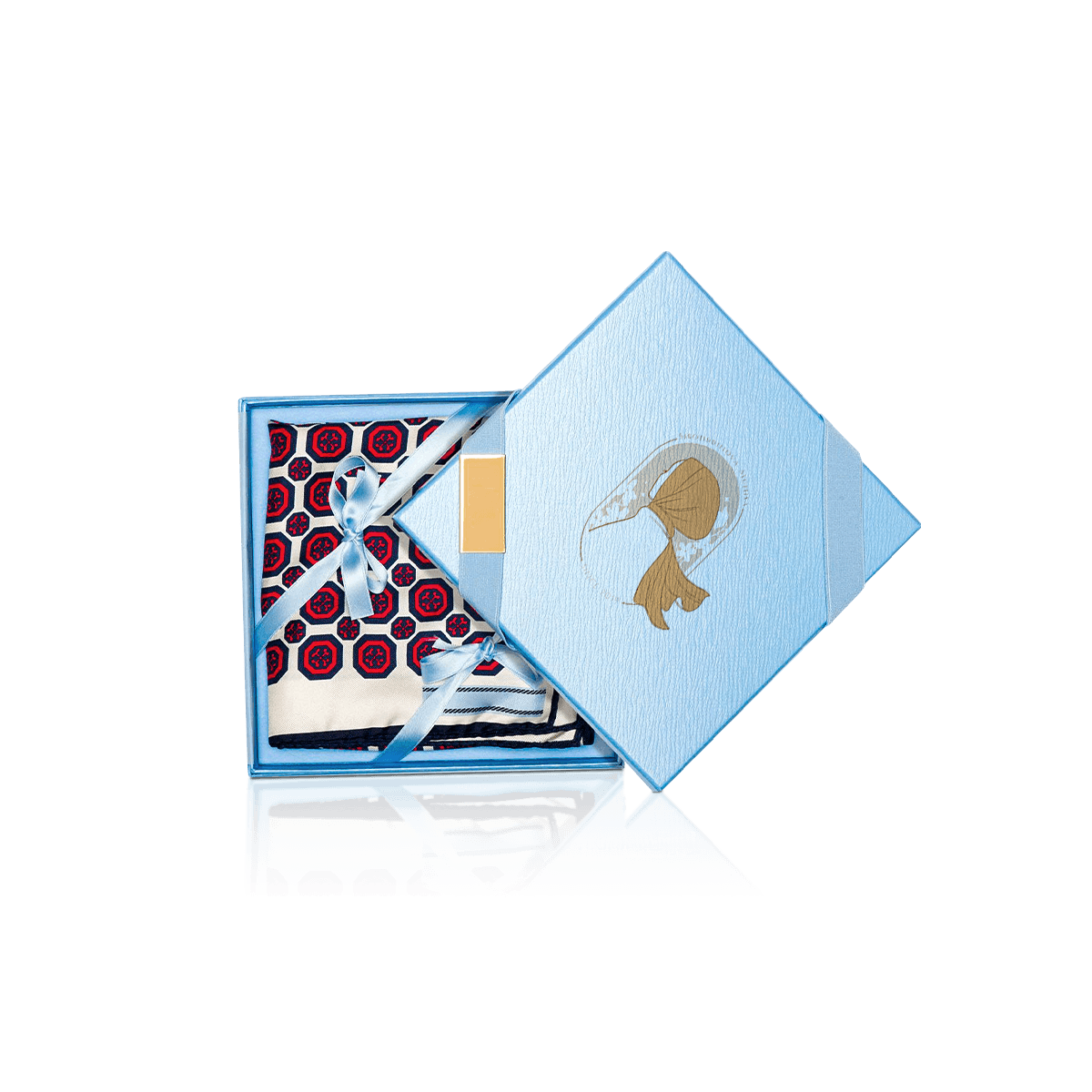
A shallow tray, paperboard compartment, belly band or secondary cavity can keep the garment visually dominant while controlling smaller pieces.

The principles behind packaging inserts still apply, but apparel rarely needs the dense product retention used for glass or electronics.

The aim is organization with minimal unnecessary structure.

Apparel Inserts Should Stay Lightweight

A heavy insert can work against the softness of the product.

Garment boards, folded paperboard platforms and simple dividers often provide enough control for clothing without filling the box with dense foam or elaborate fitments.

The insert can establish the fold footprint, support a collar or separate an accessory.

It can also lift a thin garment closer to the lid when the outer box needs more depth for structural reasons.

Garment Boards

A board behind a shirt or folded item creates a stable packing footprint and helps prevent the garment from collapsing inward.

It can also make staff handling more repeatable.

Shallow Platforms

A thin garment inside a deep luxury box can look visually weak.

A lightweight platform can raise the product without forcing the garment itself to occupy unnecessary volume.

Accessory Dividers

Small dividers are useful when a clothing set includes belts, socks, ties or other components that should remain separate from the primary garment.

The insert should simplify presentation, not turn apparel into a mechanically locked product.

The Box Style Changes the Fold

Opening construction affects how clothing should be positioned.

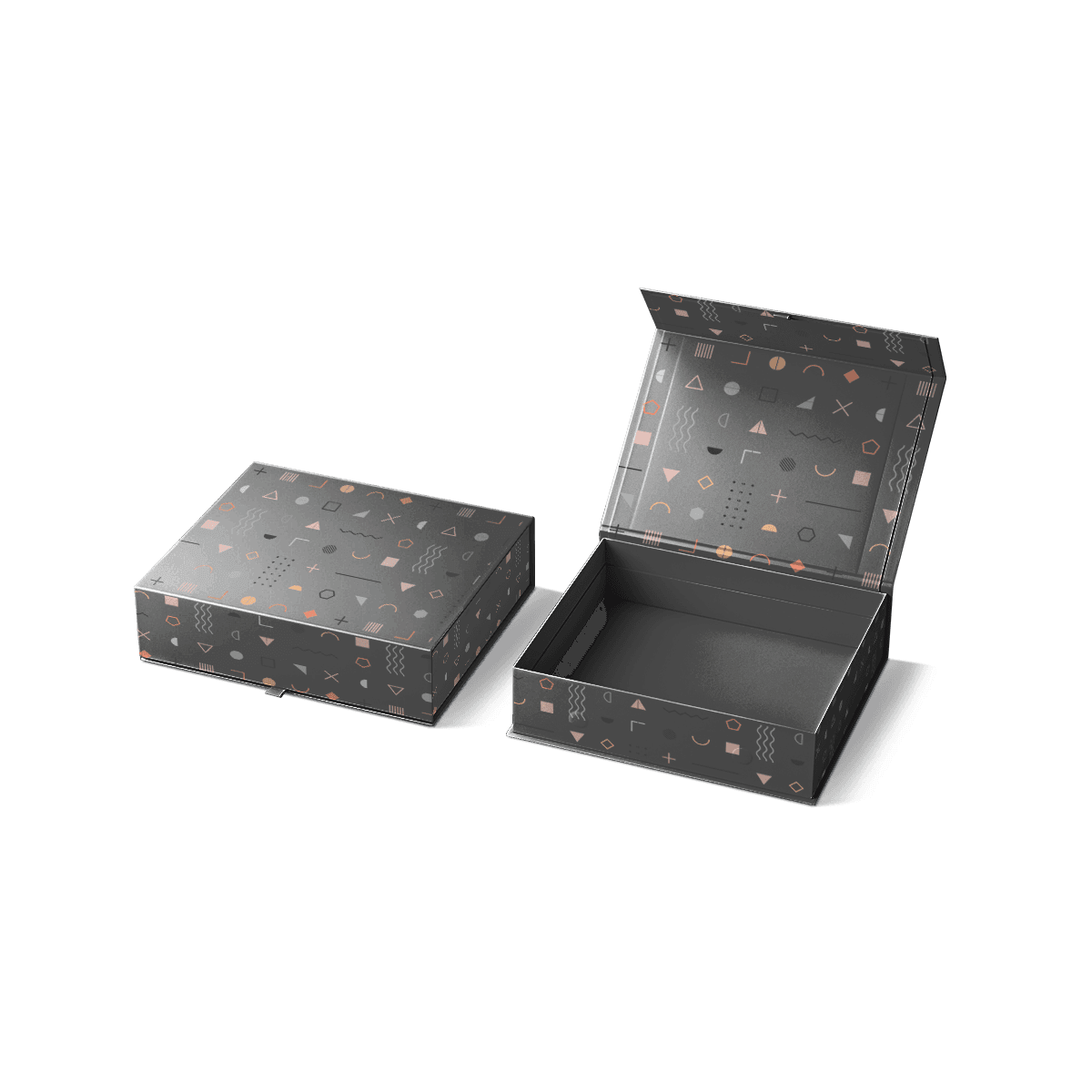
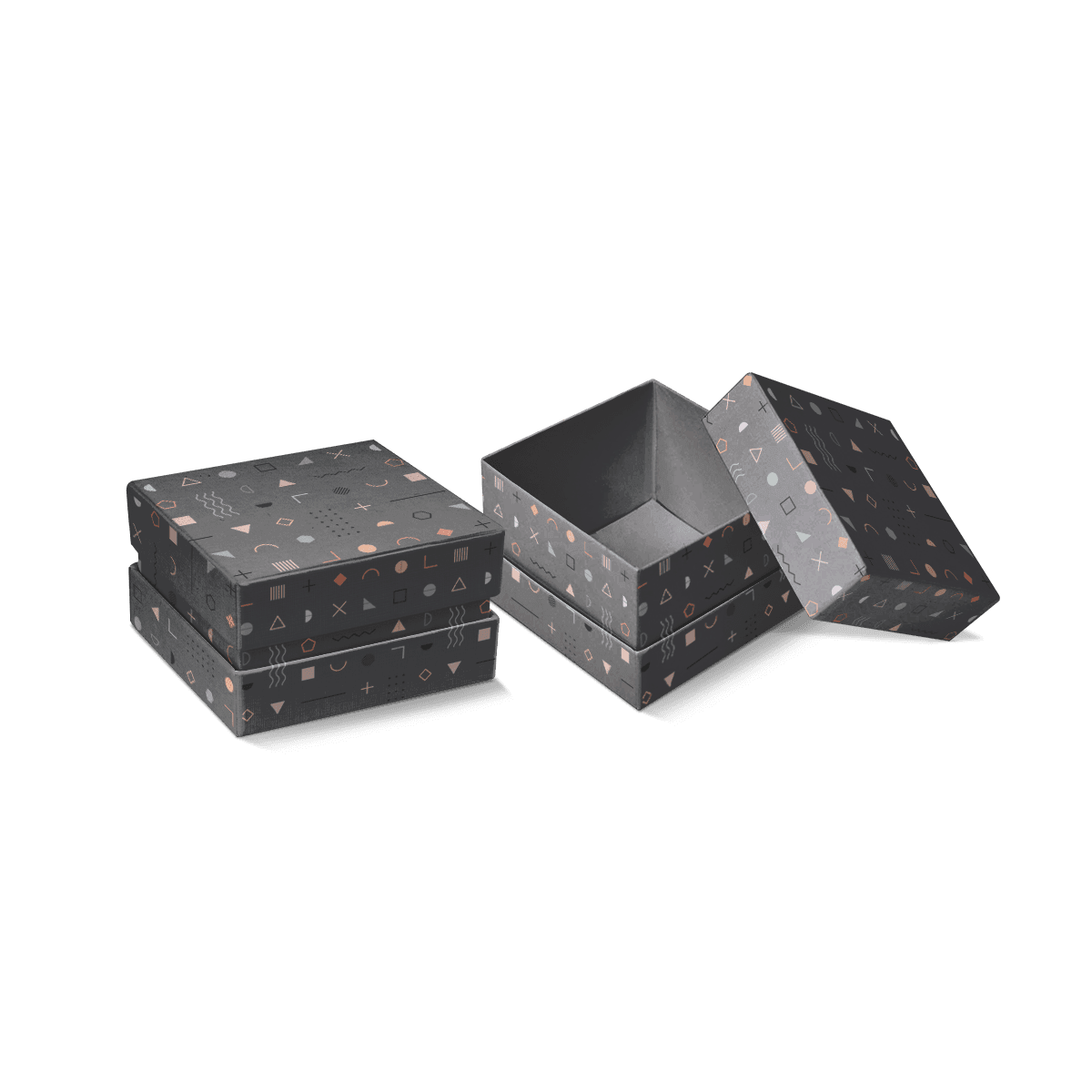
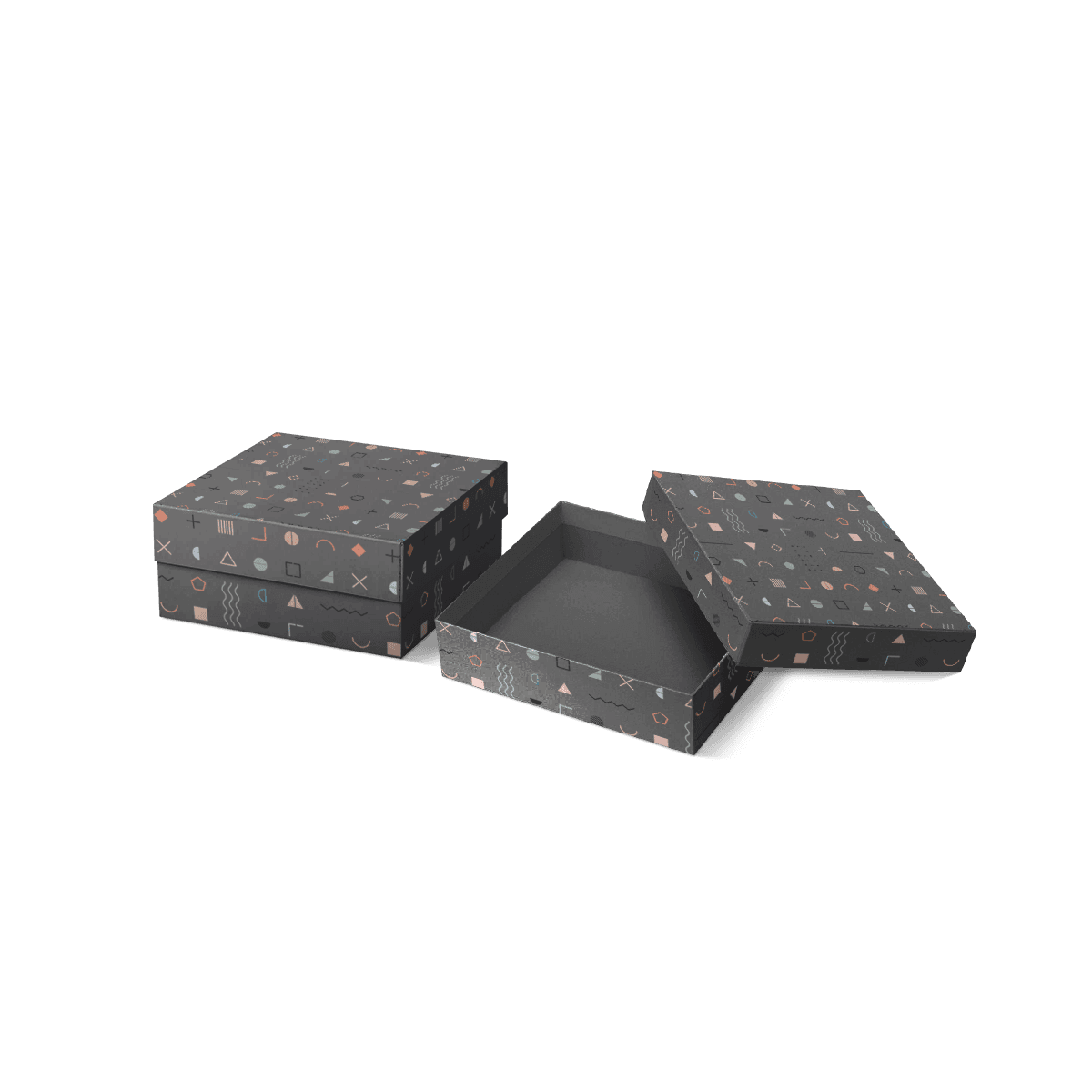
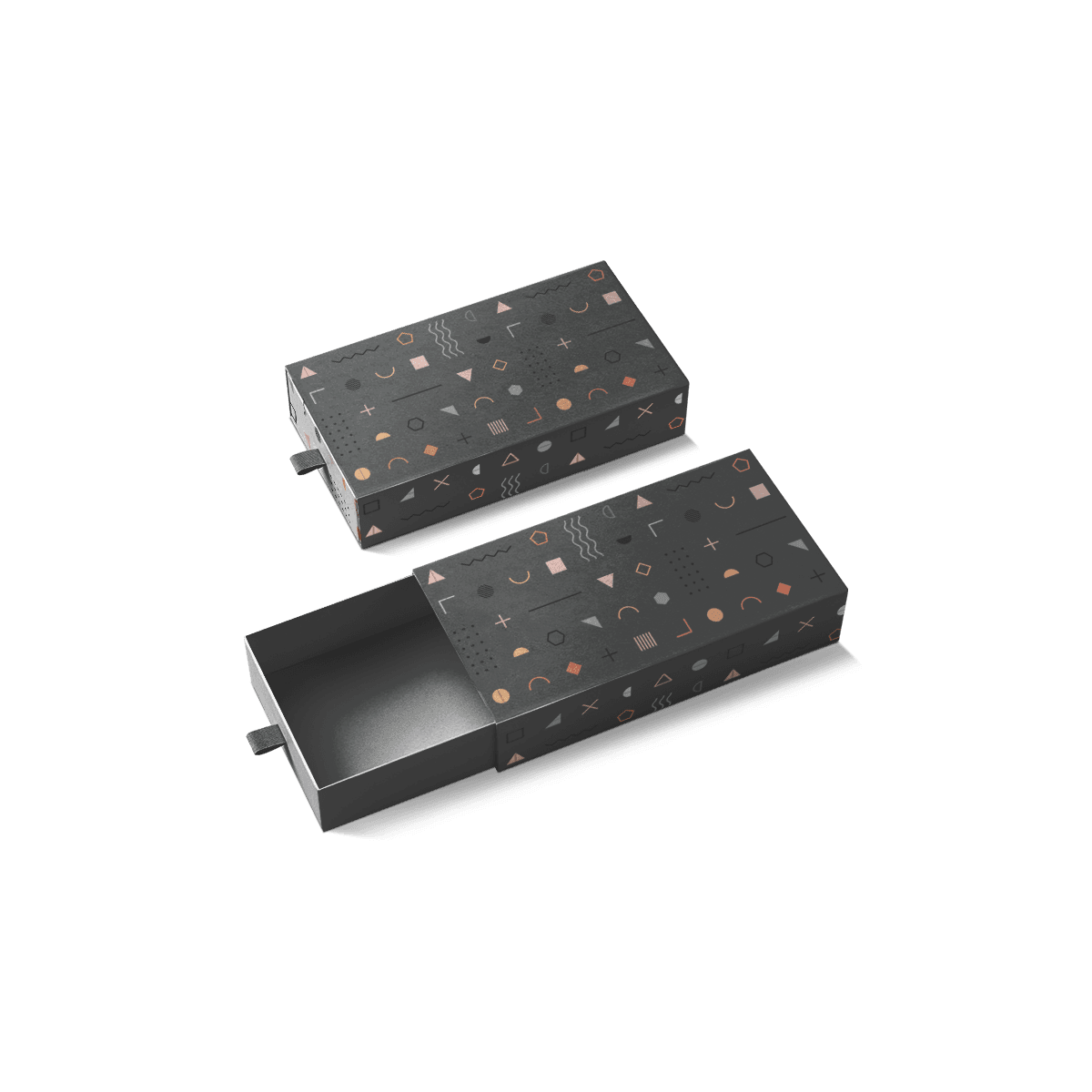
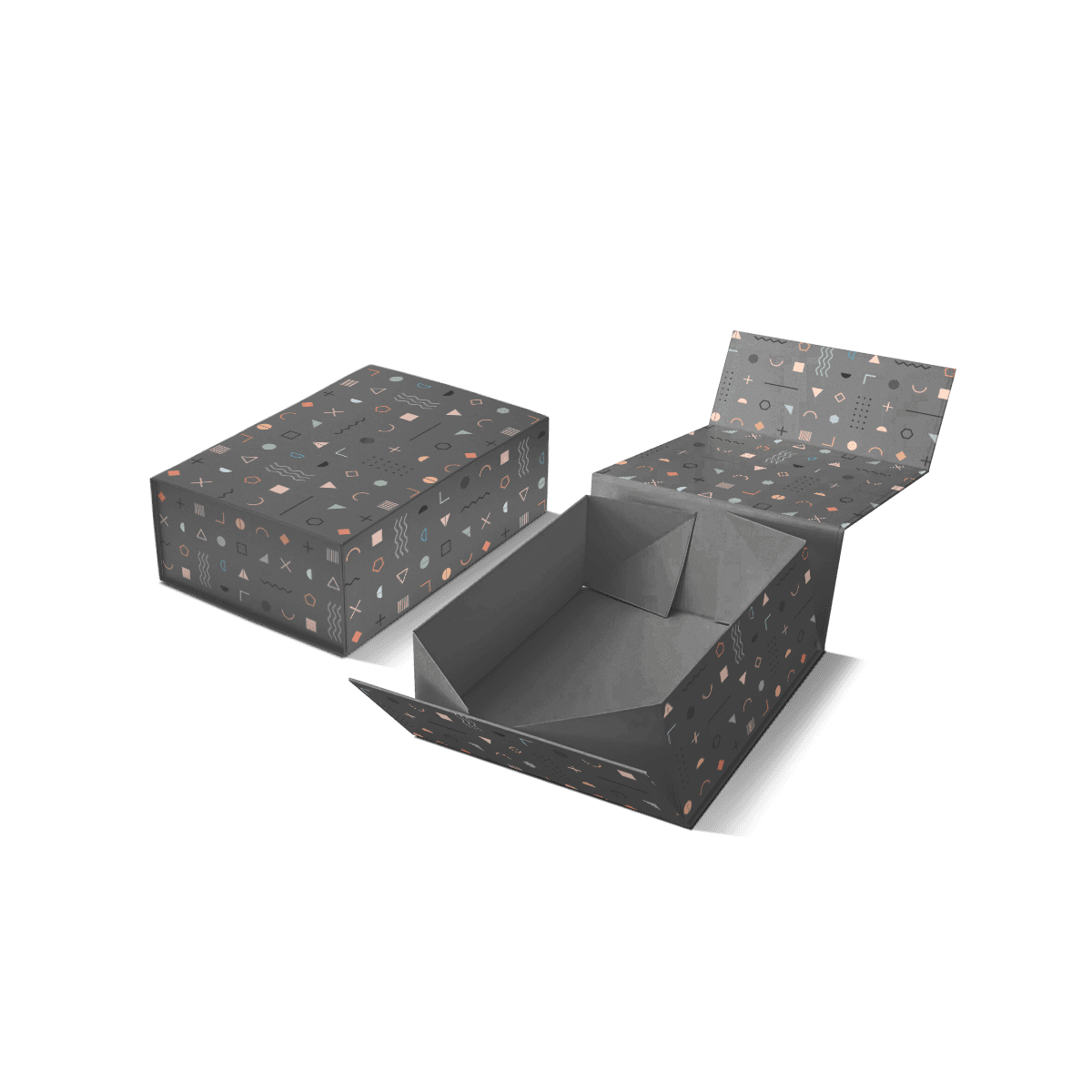
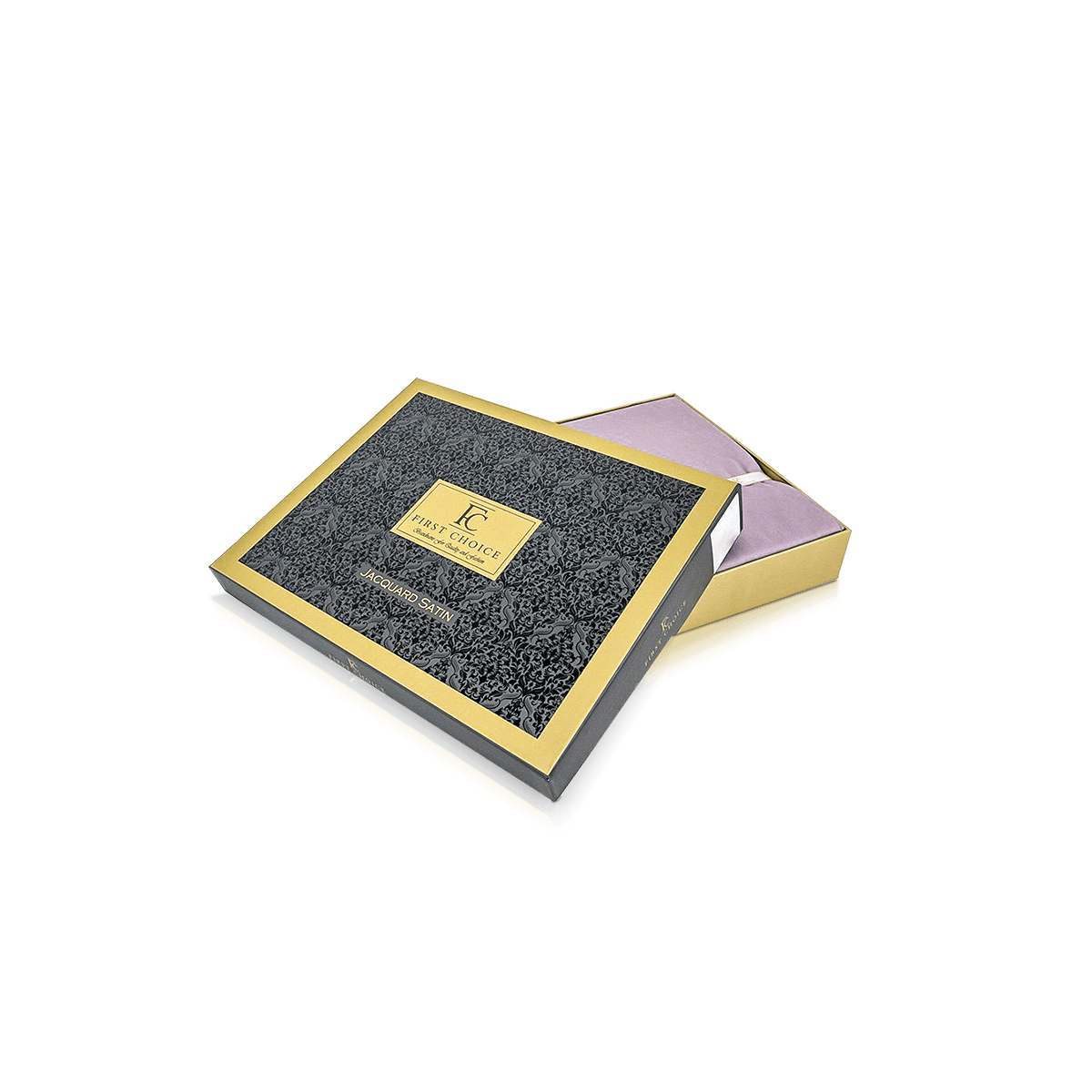
A lift-off lid exposes the entire folded garment from above. A hinged magnetic box keeps the lid connected and can carry inside messaging. A drawer requires the garment to travel horizontally as the tray opens.

Each motion changes what can shift.

A drawer-style apparel box may need slightly more restraint around the folded product because the entire garment moves with the tray. A lift-off box can rely more heavily on close sizing and tissue. A hinged design may need extra clearance near the rear edge.

Brands comparing premium structures can use custom rigid boxes to match closure behavior with the way the clothing will be packed and removed.

The structure should respect the fold already established.

Do not redesign the garment presentation simply to accommodate a visually interesting box.

Flat Storage Can Protect Launch Space

Luxury apparel programs often involve wide boxes.

Wide rigid boxes also consume significant storage space before they contain anything.

That matters for seasonal fashion launches, event merchandise, influencer programs and holiday gifting where a large quantity of packaging may be staged for a relatively short packing period.

Collapsible rigid boxes can reduce the space occupied by empty packaging before assembly.

The trade-off is setup labor.

Staff must erect each box cleanly before adding tissue and clothing. If hundreds of garments need rapid packing in one shift, fixed rigid boxes may save enough time to justify their storage footprint.

Luxury presentation should not be separated from warehouse reality.

A package that creates unnecessary congestion before launch can be premium for the customer and inefficient everywhere else.

Print Should Follow the Collection

Fashion packaging frequently has to work across more than one season or collection.

That creates a decision between permanent brand identity and campaign-specific artwork.

A stable logo, color and exterior treatment can make the packaging reusable across several releases. Inside print, belly bands, cards or tissue can carry more temporary campaign language.

This can be more efficient than rebuilding the entire box every time the collection changes.

Custom Printed Apparel Boxes become especially relevant when color control, collection graphics and repeat brand presentation are the primary requirement.

For the luxury tier, print should work with the surface rather than cover it completely.

Premium offset printing can reproduce detailed graphics, while Pantone references can support important brand colors. Inside printing can create contrast after opening without crowding the exterior.

Custom Packly provides design and dieline support plus free 3D mockups so garment position, panel artwork and the opening sequence can be reviewed together.

Finish Needs to Survive Handling

Fashion boxes are touched repeatedly before the customer receives them.

They may move through production, storage, packing tables, boutiques, fulfillment areas and final delivery.

Dark matte wraps and soft-touch surfaces can look excellent, but they also need to remain presentable through that handling.

Foil, embossing, debossing and spot UV should be placed where they add hierarchy without creating fragile detail around high-contact edges.

The distinctions among packaging finishes matter because apparel packaging often uses large flat panels where surface inconsistencies become easy to see.

One controlled treatment can be more effective than several.

Fashion already provides color, texture and visual interest through the product itself.

The package does not need to compete with the garment.

A Sweater Can Expose the Wrong Depth

Consider a premium knitwear box developed from the folded garment's length and width.

The first sample looks refined when empty. Once the sweater is wrapped in tissue and placed inside, the lid closes only with light downward pressure.

The box still closes.

That does not make the fit correct.

After sitting packed for several days, the knit has become noticeably compressed around the thickest fold, while the tissue has taken hard crease lines.

Increasing the entire box size would solve the pressure but introduce unnecessary width and length.

The better correction is to adjust depth around the actual packed loft and review whether the fold can distribute thickness more evenly.

The exterior footprint remains controlled. The sweater closes without pressure. The package still feels full when opened.

For soft products, a few millimeters of vertical allowance can matter more than a much larger outside box.

Luxury and Kraft Tell Different Stories

Premium does not always require a coated or heavily finished rigid package.

Some fashion brands deliberately use natural papers, restrained printing and lighter structures to support a more material-led identity.

Kraft Apparel Boxes fit that direction when the visual goal is natural paper character and lower material weight.

Luxury apparel packaging is the stronger choice when substantial structure, tactile finishing, gift presentation or keepsake use carries more importance.

Neither approach should be treated as automatically superior.

The product positioning decides.

A premium organic knitwear brand can look more convincing in restrained natural packaging than in glossy black rigid board. A designer accessory collection may need exactly the opposite.

Luxury has to match the fashion identity.

The Presentation Box Should Not Be the Parcel

A rigid apparel box can protect folds and create a strong handoff.

It should not automatically be exposed to parcel distribution.

Wide panels can scuff. Corners can mark. Soft-touch and foil surfaces may show abrasion. The lid can also receive stacking pressure that was never part of the presentation specification.

For ecommerce orders, the luxury box should normally sit inside suitable transit packaging.

Mailer Apparel Boxes are a stronger direction when one branded structure needs to move directly from the packing table into the parcel network.

For higher-value apparel, a presentation box plus outer shipper can preserve the luxury layer until the customer opens the delivery package.

The shipping decision should be made before the rigid box dimensions are locked so the two packages do not create unnecessary empty volume.

Size Families Can Reduce Packaging Sprawl

Fashion assortments can create packaging SKUs quickly.

One shirt size should not automatically require a different box from every other shirt size. The folded footprint may remain close enough across several garment sizes to share a packaging specification.

Fabric type often creates a bigger difference.

A lightweight cotton shirt and heavy knit sweater may need different depths even if their folded length and width are similar. A multi-piece set introduces another requirement.

The practical approach is to establish box families around packed garment behavior.

Several shirt sizes can share one format. Knitwear can use a deeper version. Accessory sets can use another.

This keeps presentation consistent while reducing the number of cartons, inserts and artwork versions that staff have to manage.

For repeat fashion programs, bulk custom boxes can support quantity planning, stable specifications, warehousing and staged releases across those size families.

Price the Garment Experience

Luxury apparel packaging cost is influenced by more than outside dimensions.

Rigid board, wrapped construction, closure style, tissue, inserts, inside printing and specialty finishing all add material or production steps.

Wide apparel boxes can also consume significantly more board and wrap than compact premium packages.

The useful cost question is which features change the garment presentation.

A better fold fit can matter more than an additional foil area. A garment board can add more value than an elaborate insert. A stable rigid structure may justify its cost for a collector release while a lighter seasonal product belongs in paperboard.

USA MOQ starts from 100 boxes. A standard 4–6 day turnaround after final artwork and specifications are approved can support launch planning once the packed-garment specification and artwork are approved. Complex structures, specialty materials or advanced finishes may require additional time.

When the packed garment dimensions, quantity and construction are settled enough for pricing, an instant custom packaging quote can reflect the actual clothing program instead of an empty-box dimension alone.

Approve the Box After the Garment Has Rested

A freshly packed sample does not reveal every fit problem.

Soft products can settle.

Tissue compresses. Knitwear relaxes into the available space. Folded edges can move. Accessories may migrate if the package is handled repeatedly.

Pack the actual garment exactly as production staff will pack it and leave it closed long enough to evaluate the result realistically.

Then reopen it.

Check whether the folds still look clean. Look for pressure marks, crushed texture or hardware impressions. Confirm that tissue remains where intended. Make sure hangtags, cards and accessories have not shifted into the main presentation area.

Free sample examples of previous Custom Packly work can help review structure and finishes. A paid fully custom pre-production sample can be arranged when exact garment fit and completed presentation need physical approval.

The approval standard is the garment after packaging, not the empty box before it.

Preserve the Fold Across Repeat Runs

Luxury apparel presentation becomes much easier to reproduce when the approved packing method is treated as part of the packaging specification.

The same box can look completely different if one team folds a sweater at 10 inches wide and another folds it at 12. Tissue can behave differently if sheet dimensions change. A garment board placed inconsistently can move the entire presentation off center.

Record the approved fold footprint, tissue sequence, accessory position and box depth alongside the artwork and structural specification.

That information matters for seasonal staff, fulfillment partners and repeat production.

Custom Packly can support repeat orders, warehousing and scheduled deliveries when packaging stock needs to align with collection launches or replenishment cycles, with 24/7 packaging expert support when new garments need to be checked against an existing specification.

For custom luxury apparel boxes, consistency starts before the garment enters the box. Preserve the fold and the presentation has a stable reference every time the collection ships.

FAQs

It makes the most sense when the product has a premium price point, is giftable or needs a stronger unboxing impression than folding cartons usually provide.

Not always. Magnetic closures feel polished and convenient, but shoulder-neck boxes, two-piece rigid boxes and drawer styles can deliver the same premium signal depending on the brand direction.

Luxury Apparel Boxes are the better choice when weight finish quality and long-lasting presentation matter most. Kraft Apparel Boxes fit brands that want a more natural material story and a lighter visual tone.

They help most with folded shirts scarves belts coordinated sets and launch kits where loose pieces need separation and a cleaner layout inside the box.

Minimal but precise finishes tend to perform best, such as matte wraps soft-touch lamination blind embossing foil accents and inside printing used with restraint.

Process

How it works

Your Packaging Journey, From Idea to Production and Delivery

01

Tell Us Your Specs

Custom packaging boxes

Tell Us Your Specs

Provide size, quantity, printing, and finishes.

02

Get a Fast Quote

Custom packaging boxes

Get a Fast Quote

Instant transparent pricing, no hidden fees.

03

Design and Approval

Custom packaging boxes

Design and Approval

Artwork checks, revisions, and final sign-off.

04

Produce

Custom packaging boxes

Produce

Expert manufacturing to meet deadlines.

05

Ship to Your Door

Custom packaging boxes

Ship to Your Door

Hassle-free, flexible delivery options.

Get Your Quote for Custom Luxury Apparel Boxes

Share your product details, size, quantity and artwork needs. We’ll help choose the right packaging style and send a clear quote.