Skip to content
Details

Custom Suit Boxes

Protect tailored shape, lapel structure and trouser creases with box dimensions and internal packing planned around the finished suit.

Box It After the Final Press

A suit changes shape when it moves from a hanger to a box.

Shoulders that sit naturally on a hanger become the widest structured points in the fold. Lapels create raised layers across the chest. Trouser waistbands add thickness in one area while the legs remain comparatively flat. A waistcoat adds another button line and another fabric layer.

Custom Suit Boxes should therefore be specified around the suit as it is actually prepared for boxed handoff, not around jacket measurements taken while the garment is hanging.

The packing team needs one agreed folding method before the box dimensions are fixed. That does not mean compressing every jacket into the smallest possible rectangle. It means deciding how much folding the garment can take while preserving the tailored areas that give it shape.

This is where Suit Boxes separate from Clothing Boxes. General clothing packs can manage softer folded garments and coordinated sets. A tailored suit has firmer shoulders, lapels, buttons, waistbands and pressed trouser lines that tolerate compression less comfortably.

A dress creates another problem. Skirt volume, bodice construction and decorative trim make Dress Boxes a different packaging decision from a jacket-and-trouser set.
Preserve the Jacket's Built Shape

A suit jacket may feel soft in the hand, but it is not structurally uniform.

Shoulder construction, canvas, lapels, chest pieces, buttons and pockets create areas that react differently to pressure. The box should accommodate those areas rather than treating the jacket like a flat T-shirt.

Shoulders Need Lateral Room

The shoulder line usually creates one of the most important limits on the folded footprint.

If the box forces the jacket into a narrower fold than the packing method naturally produces, pressure can concentrate around the shoulder area. Increasing box depth does not correct a footprint that is too narrow.

A slightly larger base can be more useful than extra headspace.

That trade-off matters because large apparel boxes become expensive and bulky quickly. The aim is not maximum area. It is enough area to keep the chosen jacket fold comfortable and repeatable.

Lapels Need Low Pressure

Lapels sit above several fabric layers and can become one of the highest points in the packed jacket.

Avoid placing another hard component directly over them. A belt box, tie case, cufflink pack or thick printed booklet can create localized pressure even when the overall box depth seems generous.

Tissue can separate fabric surfaces and keep the presentation orderly, but it should not be used to force a tight lid upward.

If the lid only closes cleanly when the garment is pressed down by hand, the interior depth or fold needs another look.

Buttons Create High Spots

Button positions are easy to overlook because they add little total thickness.

The problem is concentrated pressure. A jacket button sitting below another garment layer, a rigid accessory or the lid can become a small contact point.

Turn the actual packed suit through several orientations during development and look for those high spots. The goal is even support rather than one area carrying most of the pressure.

Trousers Need Their Own Fold Logic

The jacket and trousers belong to the same suit, but they should not be treated as one soft stack.

Trousers create long, relatively flat layers interrupted by the waistband, closures, pockets and seams. Their fold position affects where thickness accumulates inside the box.

A common mistake is simply placing the trousers wherever they make the final stack look level.

Instead, decide how the waistband and folded legs interact with the jacket above or below them.

Keep the Waistband Away From the Lapel

The waistband is usually one of the thicker parts of the trousers.

If it sits directly beneath a raised lapel or jacket button line, those two high points combine. Moving the trousers slightly, rotating their orientation or using a thin separating layer can spread the packed height more evenly.

This can solve a lid-pressure problem without increasing the whole box depth.

Three-Piece Suits Change the Stack

Adding a waistcoat seems like a small change because the garment is thin.

Once buttons, front panels and another folded layer enter the box, however, the pressure pattern changes. The correct specification for a two-piece suit should not automatically be assumed to fit a three-piece set equally well.

The same applies when formalwear packaging includes a shirt or another substantial garment. At that point, the interior is becoming a multi-item pack rather than a straightforward suit box.

Lay the complete selling unit together before dimensions are approved.

A Larger Footprint Can Reduce Folding

Suit-box sizing involves a useful trade-off: footprint versus fold count.

A compact box uses less board and occupies less storage space, but the jacket may need another fold. A larger shallow box can allow the garment to lie more naturally, though its broad panels need enough stiffness to remain flat.

That makes Suit Boxes different from lighter shirt and tee cartons where reducing footprint can be relatively straightforward.

Broad Panels Need Stiffness

Increasing length and width changes how a lid or base behaves.

A paperboard specification that feels firm on a small carton may flex more across a broad formalwear box. This becomes visible when boxes are stacked or lifted from one edge.

Premium formalwear programs that need stronger walls can move toward Rigid Apparel Boxes.

Lighter boutique programs can use Folding Apparel Boxes when flat storage and lower packaging weight matter more than substantial walls.

The garment determines the footprint first. The selected board then has to behave properly at that footprint.

Depth Should Follow the Finished Stack

Do not calculate depth by adding nominal fabric thicknesses.

Pack the jacket, trousers, tissue and anything that will remain inside the customer's box. Let the layers settle normally, then judge closure pressure.

A box that is slightly too deep can still create a poor presentation because the suit moves vertically. A box that is too shallow can put constant pressure on tailored areas.

The useful depth is the one that allows clean closure without making the garment feel loose or compressed.

A Box Is Not a Garment Bag

Some suits should remain hanging.

That is not a failure of box design. It is a different handling requirement.

Garment bags make more sense when preserving hanging orientation is the main priority, such as extended wardrobe storage, frequent transport between fittings or situations where the jacket should avoid folding altogether.

Suit Boxes make stronger sense for retail presentation, premium handoff, gifting, formalwear sets and carefully packed orders where compact boxed presentation is part of the sale.

This distinction prevents the box from being asked to solve a problem it cannot solve elegantly.

A tailor preparing a finished suit for local pickup may use a garment bag because immediate hanging matters most. A premium menswear brand selling a gift-ready set may prefer a rigid box because opening presentation carries more commercial value.

The Retail & Apparel program can accommodate both presentation-led and fulfillment-led packaging decisions across the fashion line.

Give Accessories a Separate Plane

Ties, pocket squares, cufflinks, collar accessories and cards can turn a simple suit presentation into a formalwear set.

They should not be scattered over the jacket.

A lightweight tie can sit in a designated paper wrap or shallow compartment. A pocket square can be positioned without creating a hard point. Cufflinks need stronger separation because metal pieces can press into or rub against fabric.

The simplest interior usually works best.

A thin paperboard divider can create an accessory zone without surrounding the whole garment with a heavy insert. A small folded carton can isolate cufflinks. A paper envelope can hold care cards or tailoring documents without placing loose corners against the jacket.

For multi-item formalwear packs, custom product packaging can account for the garment and accessory arrangement as one packed unit.

The insert should never become harder than the problem it is solving. Foam is rarely justified merely to hold a soft suit in place. Paperboard components are often enough when the real requirement is separation rather than impact cushioning.

A shallow paperboard tray or other packaging insert can hold cufflinks and small accessories in a fixed position away from the jacket.

Opening Style Changes How the Suit Is Lifted

A suit should come out of the box without the customer dragging tailored fabric against a narrow opening.

That makes access geometry important.

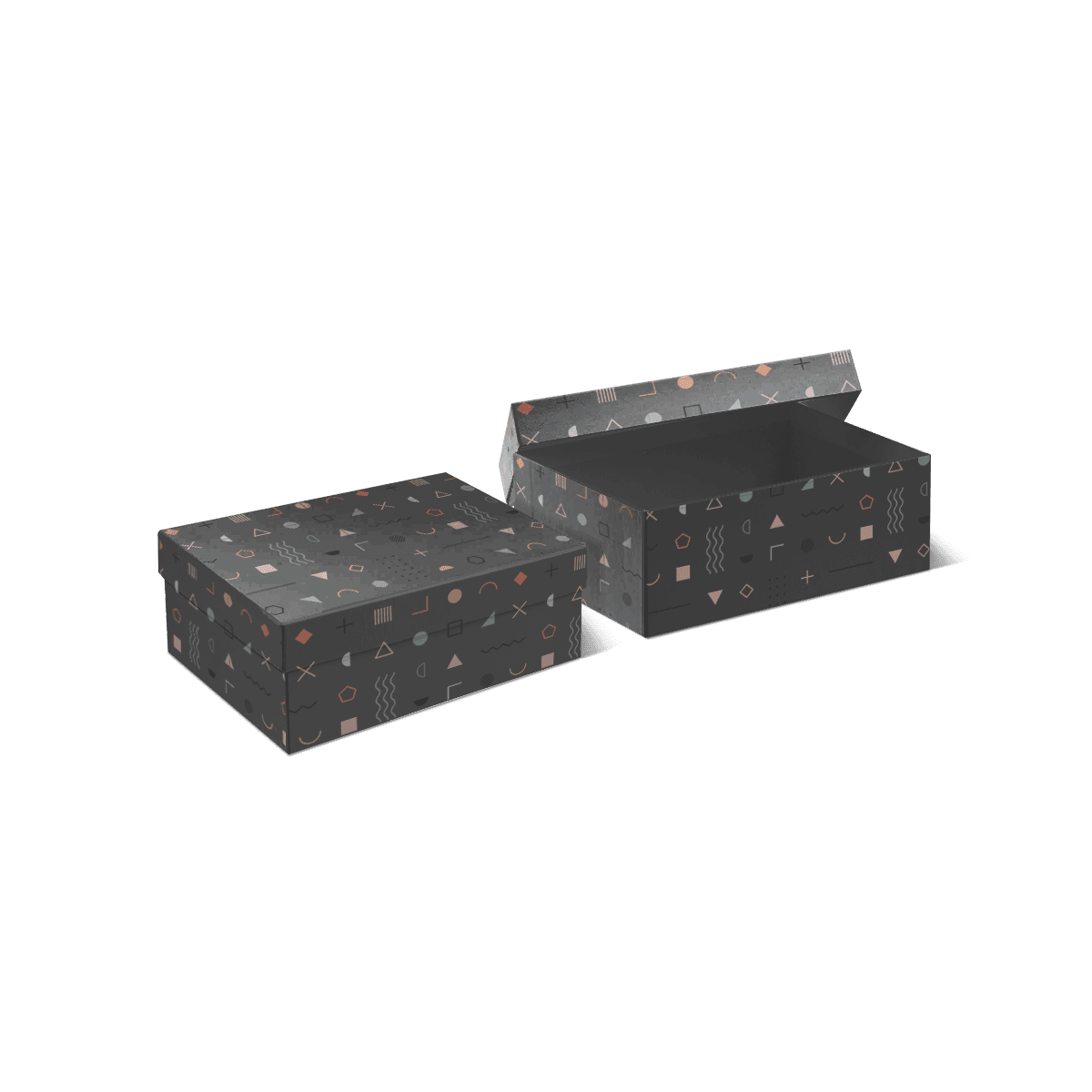
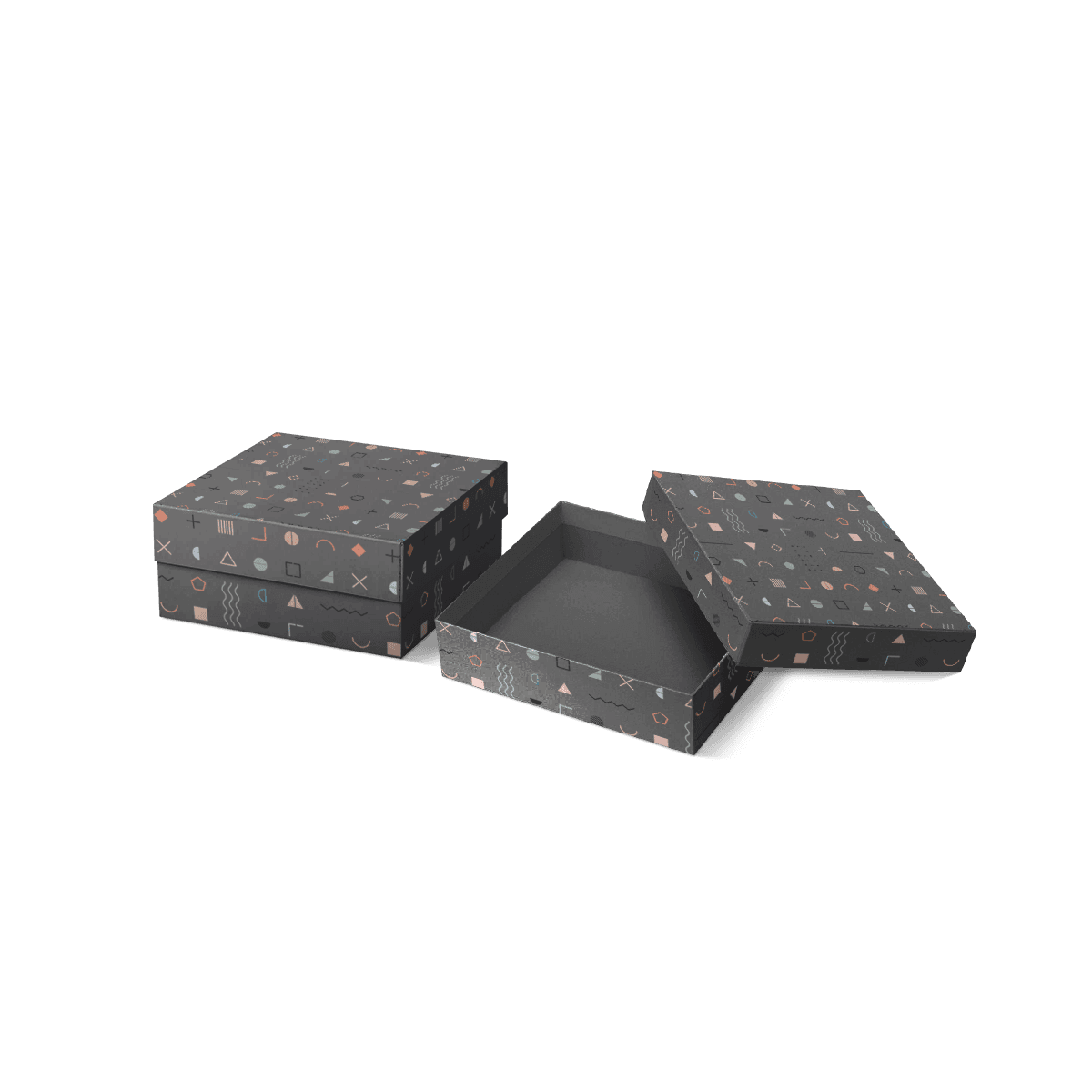
A lid-and-base structure exposes the entire garment at once. The customer can lift the suit upward without pulling it through flaps. This works naturally for premium formalwear and gift presentation.

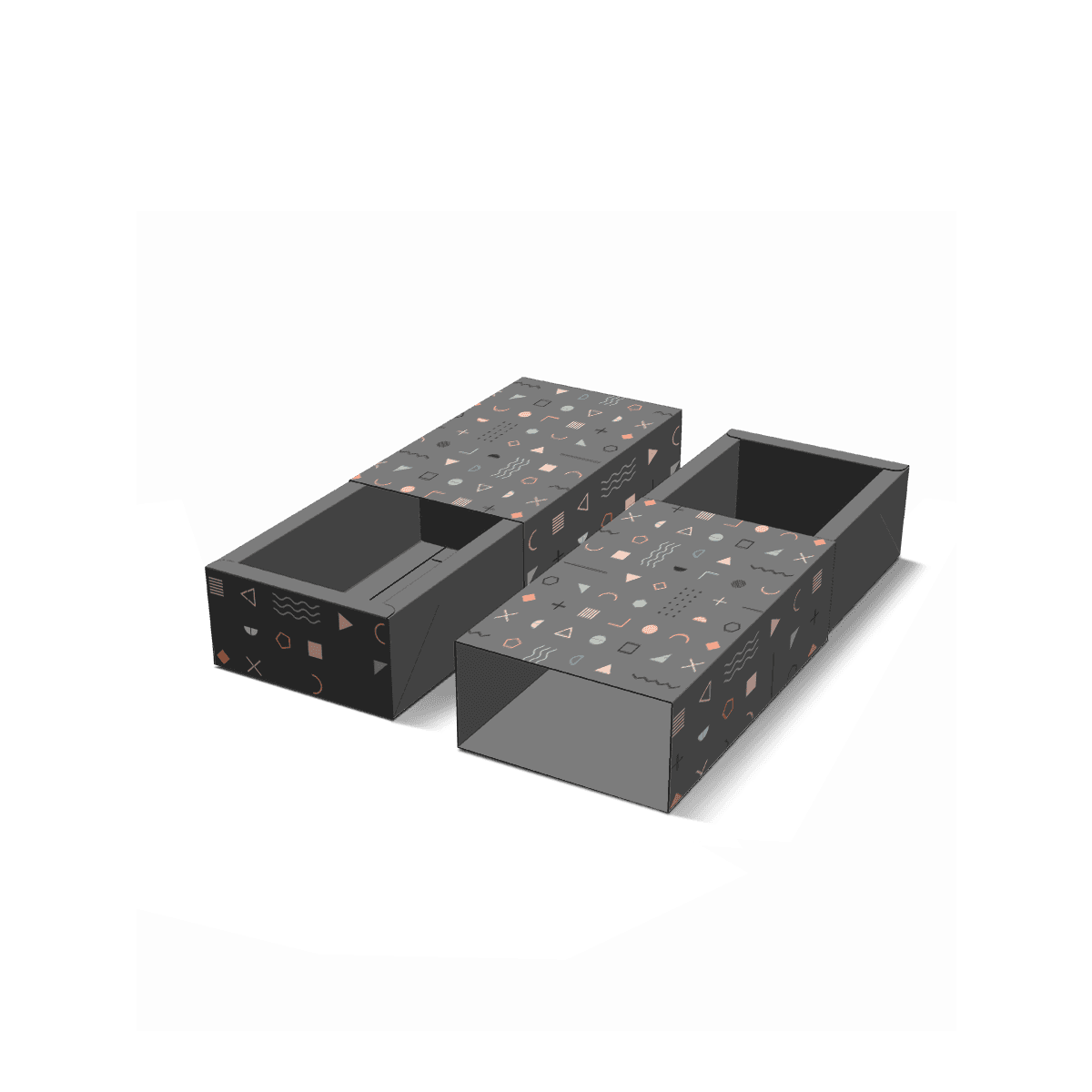
A folding carton uses less storage space before packing and can suit lighter retail programs, but the opening needs enough clearance for staff to insert and remove the suit cleanly.

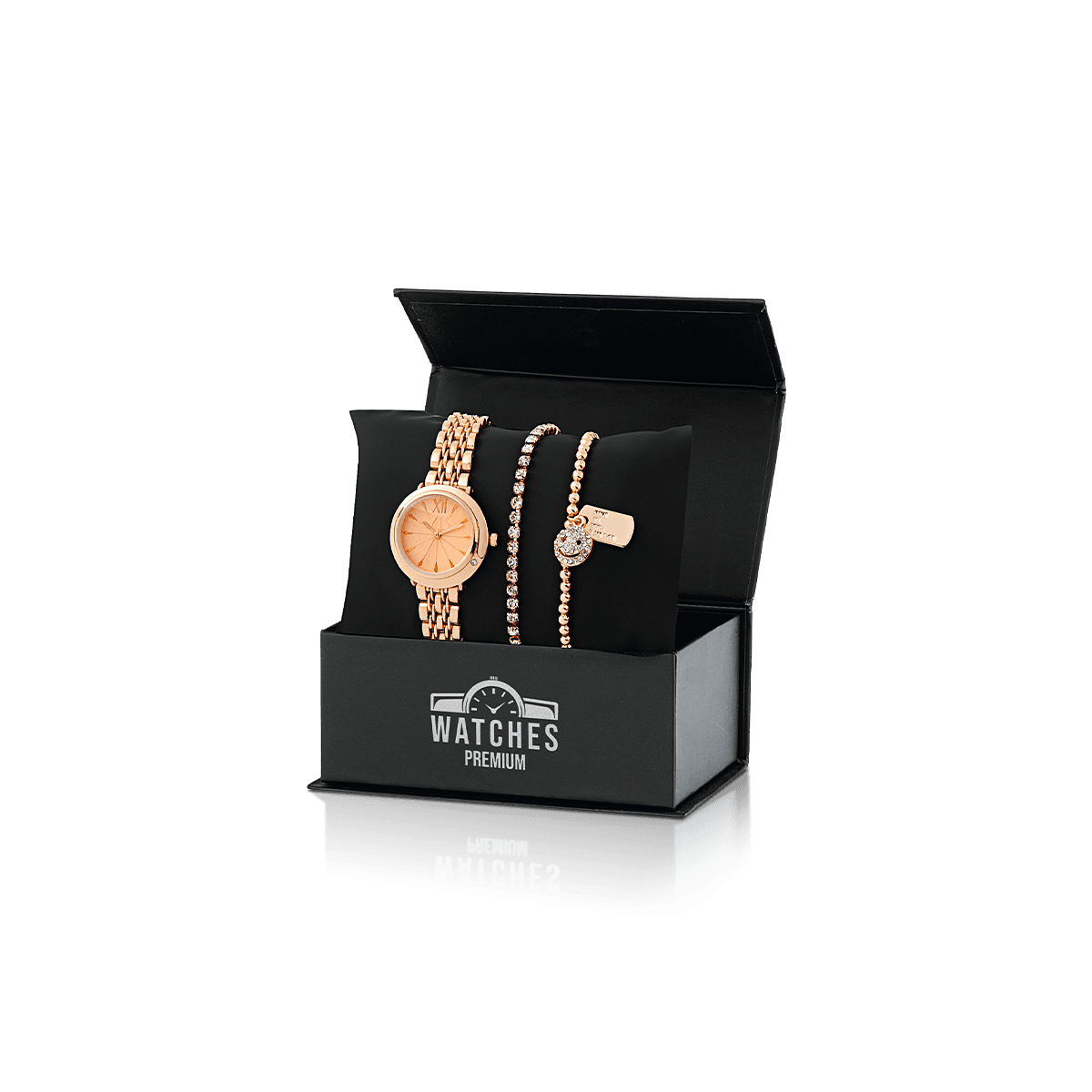
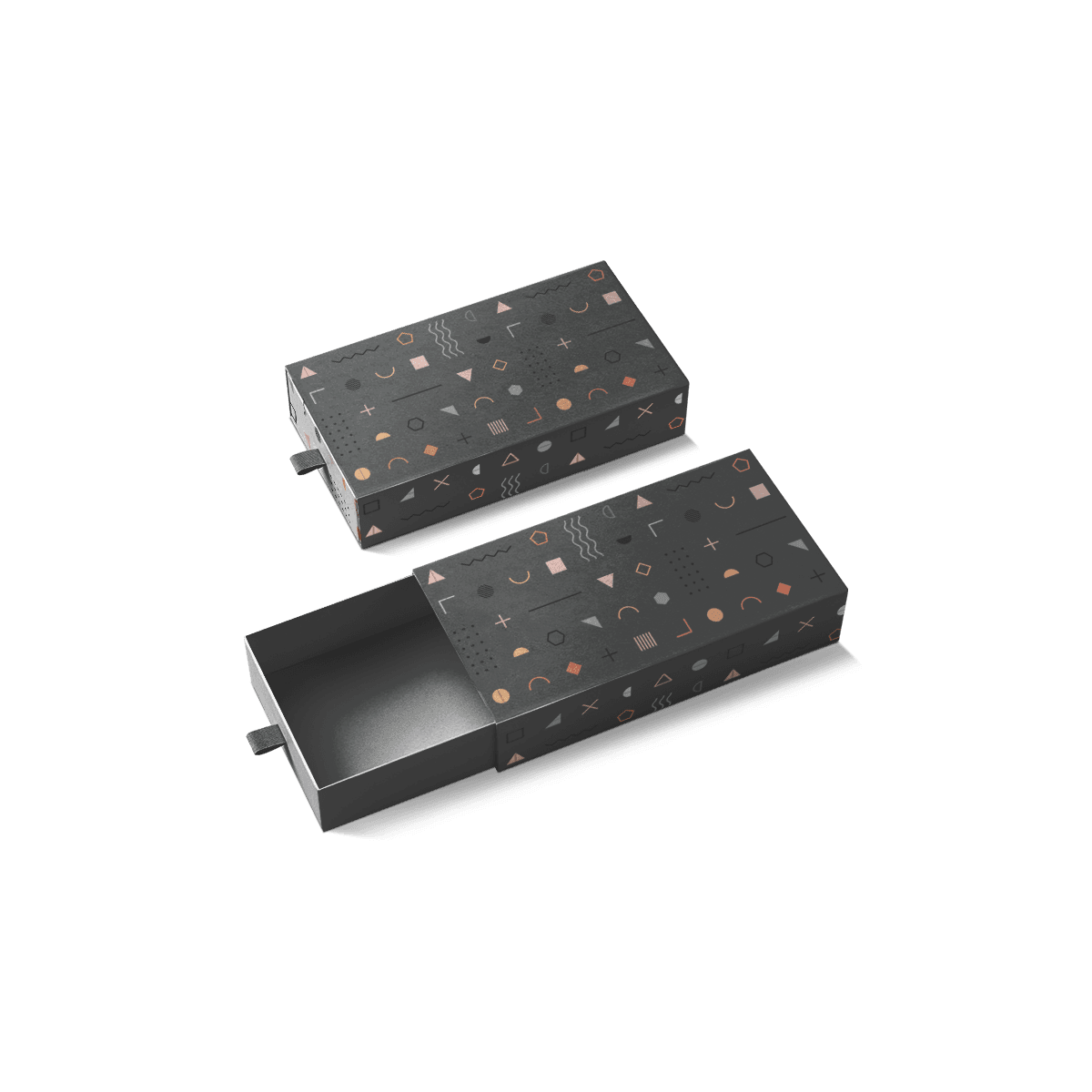
Rigid book-style or magnetic structures can add a more staged opening, though the added hinges, magnets and wrapped board should earn their cost through the product positioning.

Custom Rigid Boxes make sense when the formalwear box itself is expected to feel substantial at handoff.

For luxury tailoring, the stronger structure can support larger lids, cleaner corners and restrained finishing without requiring the garment to carry the visual presentation alone.

Custom Packly can prepare free 3D mockups so lid proportions, graphics and opening direction can be reviewed before production. When exact suit fit and closure pressure need physical confirmation, a fully custom pre-production sample can be arranged as a paid sample.

Keep Formalwear Branding Restrained

A suit already carries strong visual cues through fabric, cut and tailoring. Packaging does not need to overpower them.

Large uninterrupted panels suit precise typography, controlled logo placement and selective finishing. A single foil mark, blind emboss or carefully placed interior print can carry more weight than multiple competing effects.

Premium offset printing is useful when sharp typography, solid brand colors and repeat consistency matter across larger formalwear runs.

Rigid board thickness, wrap stock and finishing should be settled after the suit-box structure and opening are fixed.

A formalwear brand using the same black, navy or neutral identity across bags, garment packaging and boxes may also need tighter color control. CMYK handles photographic and multi-color artwork well, while Pantone can be the better fit for a specific spot color.

The important point is sequence. Structural decisions come first because changing the footprint or opening later changes the artwork panels with it.

Free design and dieline support can help position exterior artwork, interior printing and operational labels around the final structure rather than forcing an existing graphic onto the wrong panel proportions.

Parcel Shipping Needs a Sacrificial Outer Layer

A premium suit box and a shipping carton should not automatically be the same object.

A wrapped rigid lid can look excellent at boutique handoff but pick up corner wear, abrasion and marks in a parcel network. Protecting the formalwear while allowing the presentation box itself to arrive clean usually calls for two different jobs.

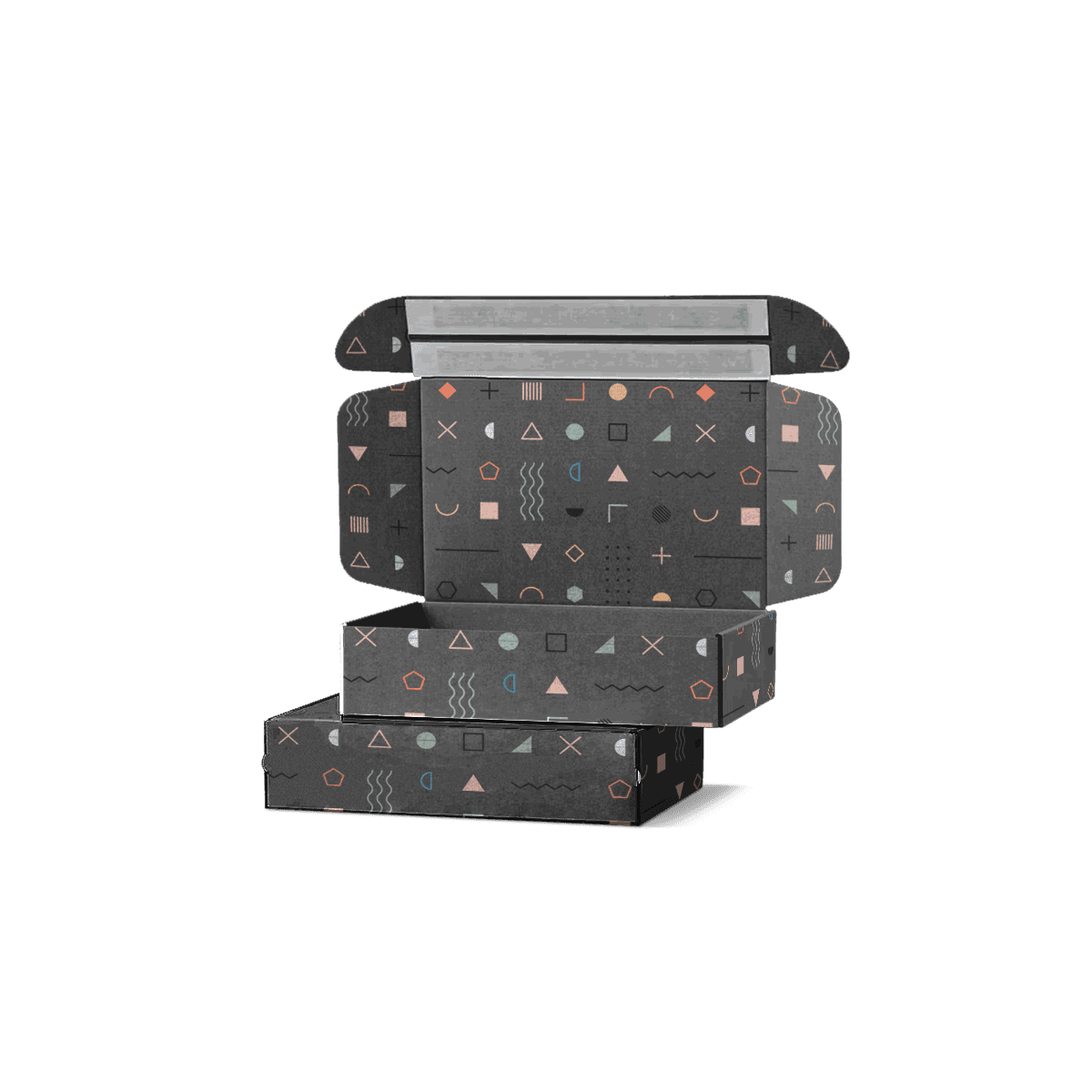
Place the presentation pack inside a right-sized Shipping Box when courier handling is part of the order path.

The outer corrugated carton handles stacking and transit wear. The Suit Box controls garment presentation.

Avoid an excessively large shipper around the inner box. Movement can allow the presentation box to strike the outer walls repeatedly, while unnecessary dimensional volume increases the size of the shipment.

A close outer fit with appropriate protective space is normally cleaner than turning the inner formalwear box into a much heavier structure solely to survive shipping labels and carrier handling.

Large Rigid Boxes Change the Cost Equation

Suit Boxes can become physically large even when they are shallow.

That matters with rigid construction because a larger box uses more board and wrap material and occupies more cubic space after production. Standard setup boxes also arrive assembled, so storage becomes part of the economic decision.

The economics behind rigid box cost become especially relevant when formalwear dimensions create a large finished footprint.

For a boutique launch, the premium presentation may justify that storage demand. At higher volume, the brand should consider how many assembled units can realistically sit near the packing operation.

Custom Packly's USA MOQ starts from 100 boxes, which allows a new formalwear specification to begin at a smaller commercial quantity.

For established programs, warehousing and scheduled deliveries can keep large packaging runs from arriving at once.

A formalwear packaging quote should use the final folded set, box structure and print specification rather than garment size alone.

Make the Packing Standard Part of Tailoring

Suit packaging is most consistent when the final packing method becomes part of the garment handoff process.

The tailoring or fulfillment team should know which fold is expected, where the trousers sit, where the waistcoat goes on three-piece sets, which tissue layer separates the garments and where any accessories belong.

That standard matters because tiny packing changes affect a structured garment more than they affect a tee.

One employee may place the waistband under the jacket chest. Another may turn it toward the lower body. One may put cufflinks on top of the lapel. Another may isolate them. The same box can therefore produce very different pressure points depending on who packed it.

Keep the method simple enough to repeat without interpretation.

Custom Suit Boxes work best when they preserve the suit's tailoring through deliberate placement, low-pressure closure and an opening that lets the garment leave the box cleanly. The box should respect what the tailor has already created rather than flattening every suit into the same generic apparel pack.

FAQs

They work by controlling movement inside the pack. A closer fit with tissue support and internal boards helps jackets trousers and accessories stay arranged more neatly.

End panels and lid labels are usually the most practical because staff can identify fit color and style quickly while boxes remain stacked in storage or on display.

Suit Boxes are the better option when the pack needs to manage multiple folded garments and accessory pieces as one set. Dress Boxes make more sense for single garments with a simpler fold and less component separation.

No. Rigid builds suit premium boutiques and gift-led presentation, while paperboard and corrugated formats are often enough for everyday tailoring retail or delivery use.

Yes. Tie cards pocket square slots belts note cards and garment-care inserts can be added when the interior is planned around the full set from the start.

Process

How it works

Your Packaging Journey, From Idea to Production and Delivery

01

Tell Us Your Specs

Custom packaging boxes

Tell Us Your Specs

Provide size, quantity, printing, and finishes.

02

Get a Fast Quote

Custom packaging boxes

Get a Fast Quote

Instant transparent pricing, no hidden fees.

03

Design and Approval

Custom packaging boxes

Design and Approval

Artwork checks, revisions, and final sign-off.

04

Produce

Custom packaging boxes

Produce

Expert manufacturing to meet deadlines.

05

Ship to Your Door

Custom packaging boxes

Ship to Your Door

Hassle-free, flexible delivery options.

Get Your Quote for Custom Suit Boxes

Share your product details, size, quantity and artwork needs. We’ll help choose the right packaging style and send a clear quote.