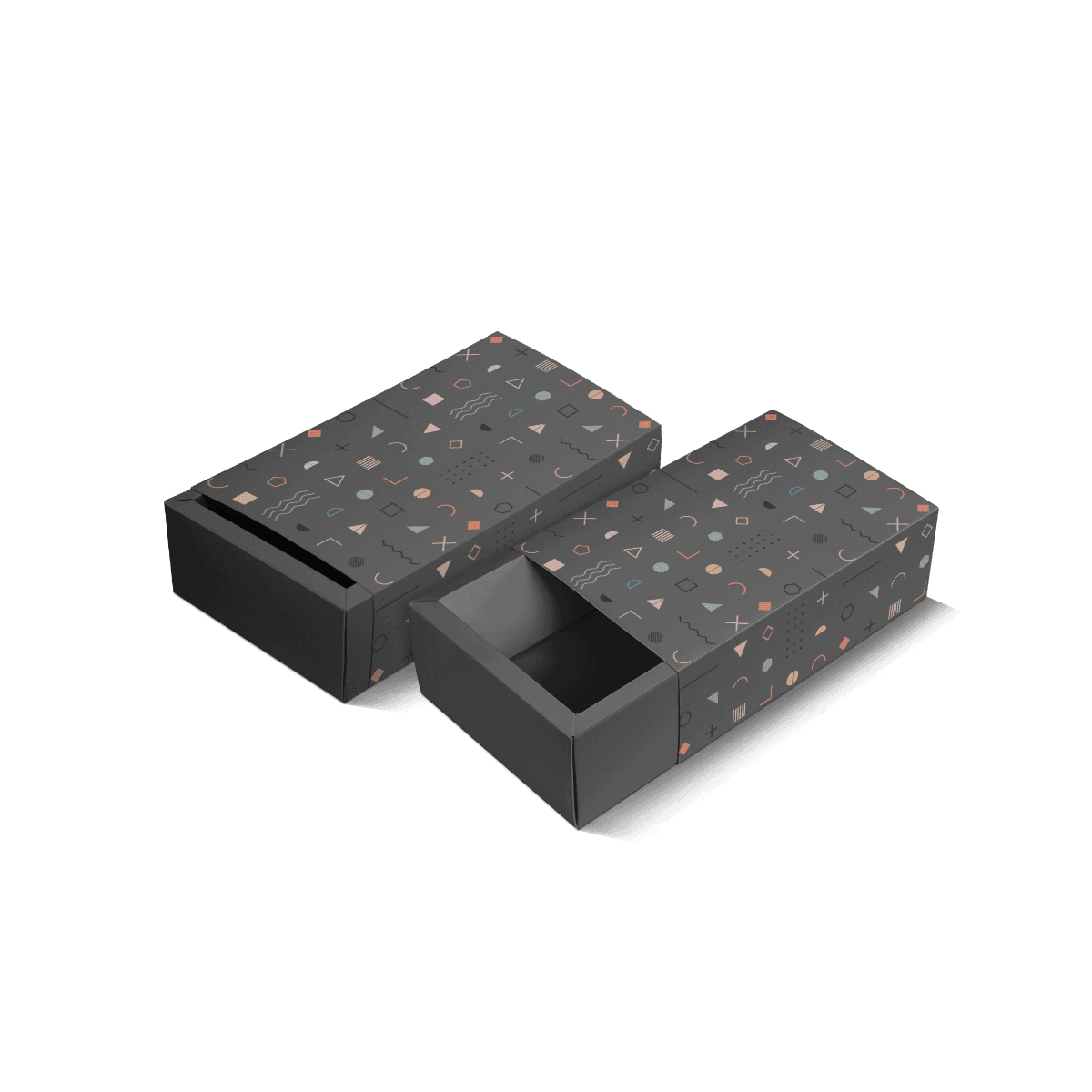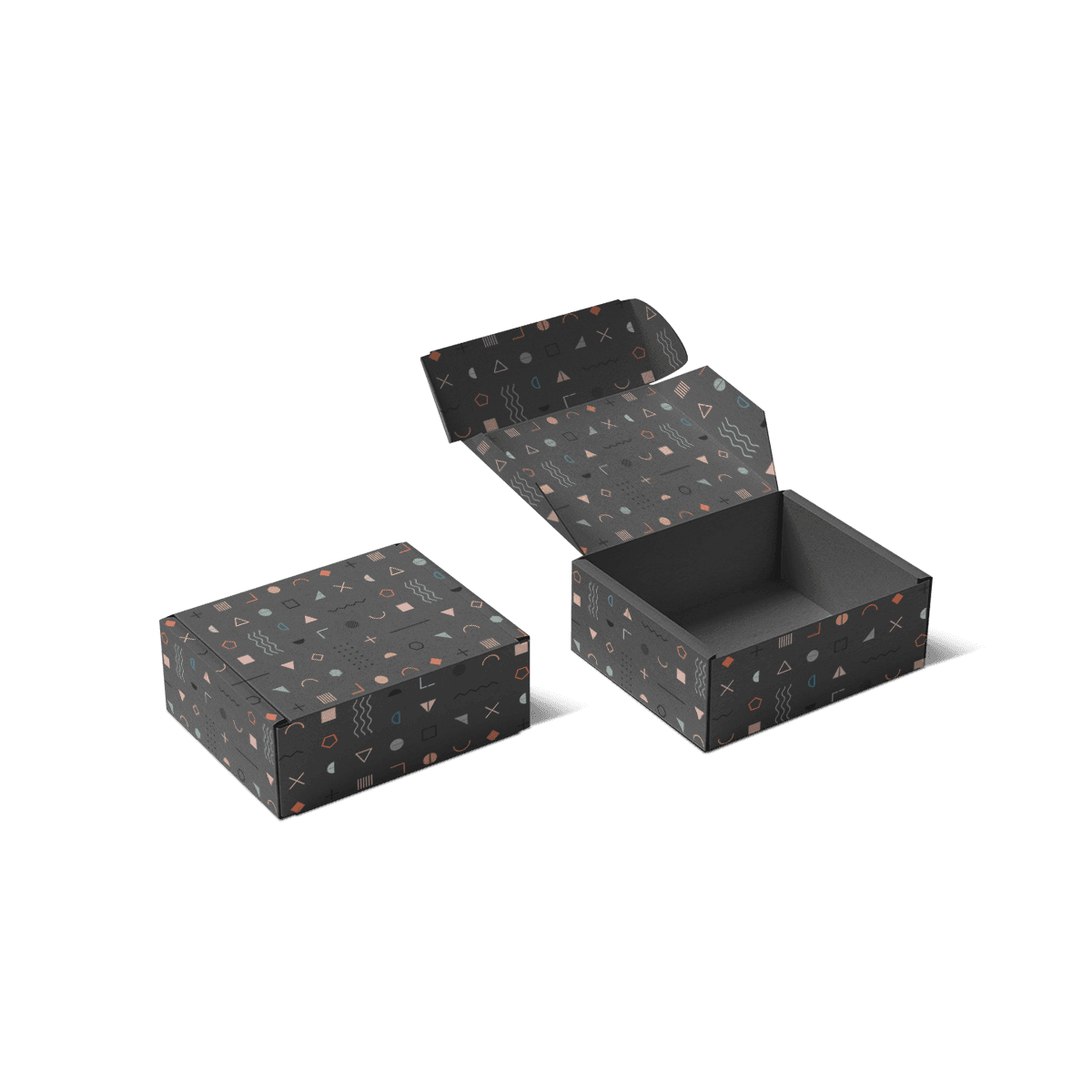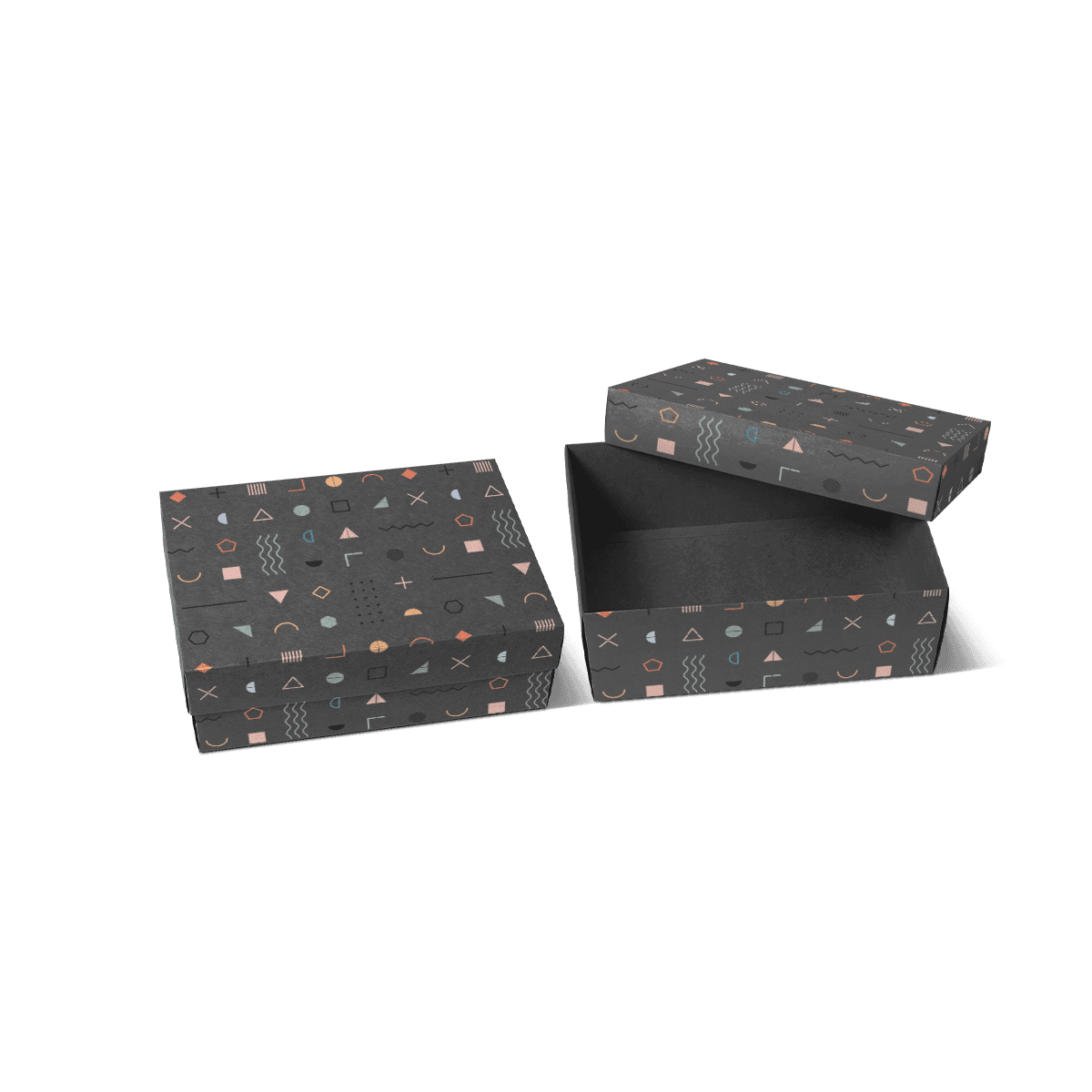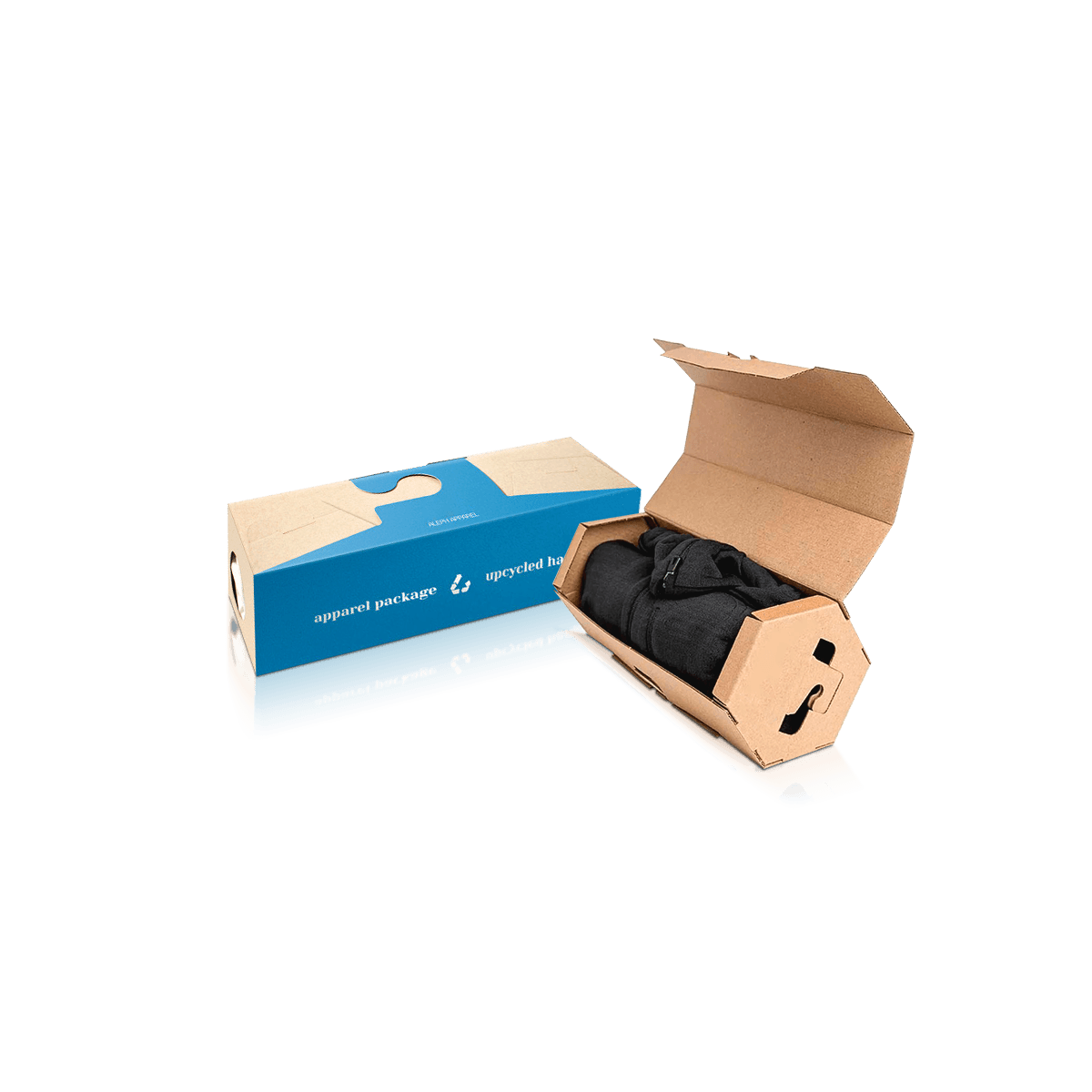
Flat Until the Packing Table
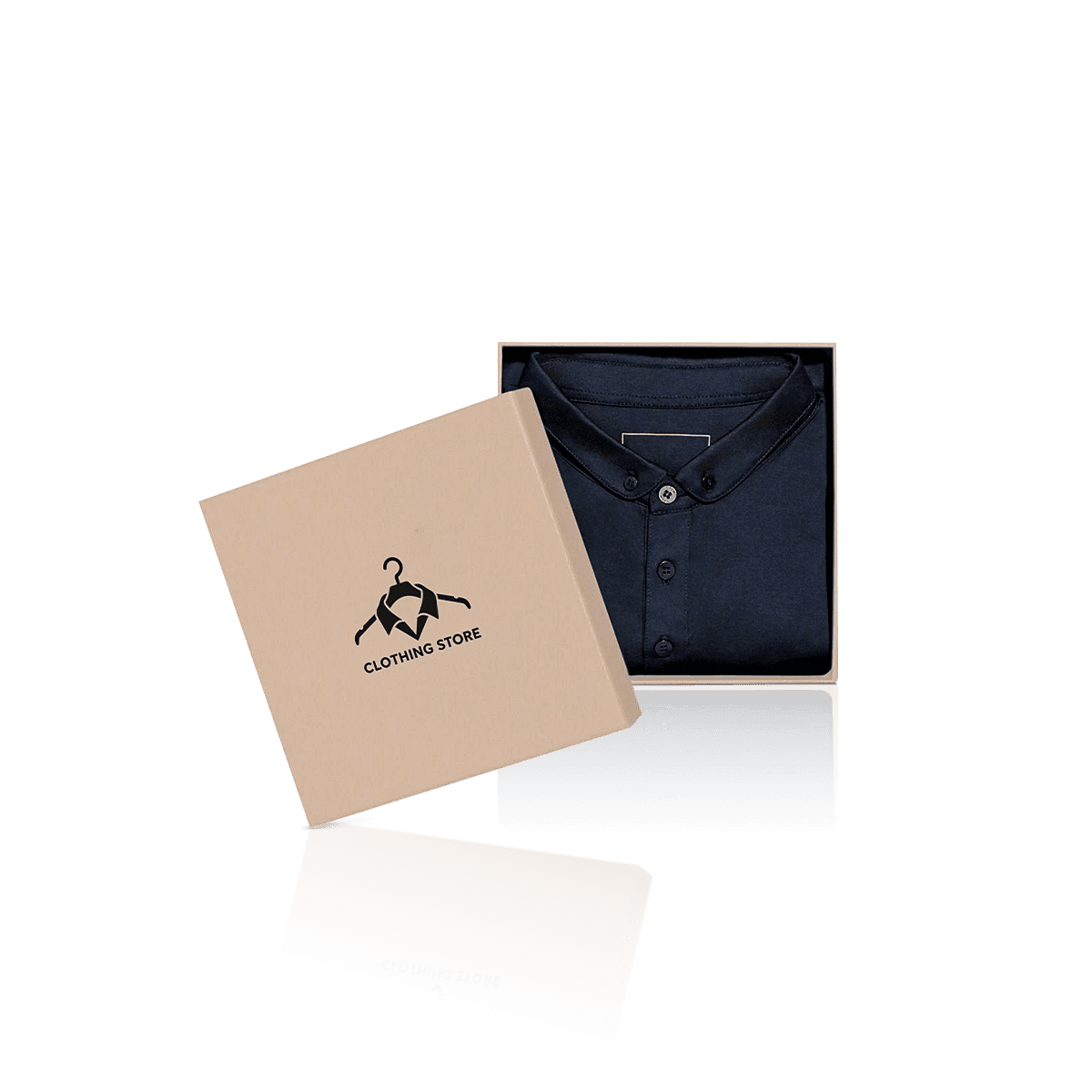
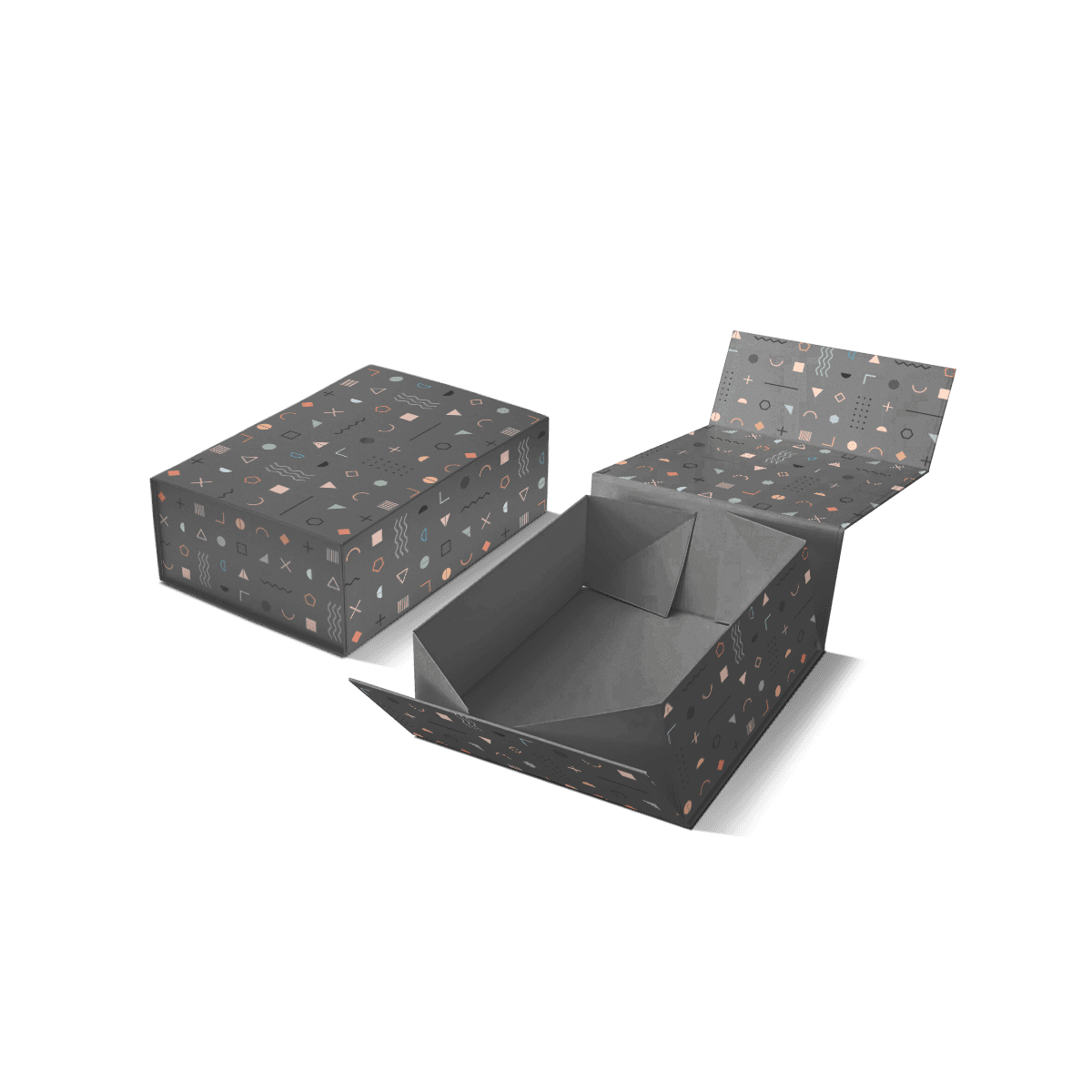
A Folding Apparel Box solves a problem before a garment ever goes inside it: the empty packaging does not need to occupy its full finished volume in storage.
That matters when shirts, knitwear, uniforms, lingerie or other folded garments move through hundreds or thousands of retail packs. A fully assembled box consumes almost the same warehouse space empty as it does after packing. A folding structure can arrive and remain flat until staff need it.
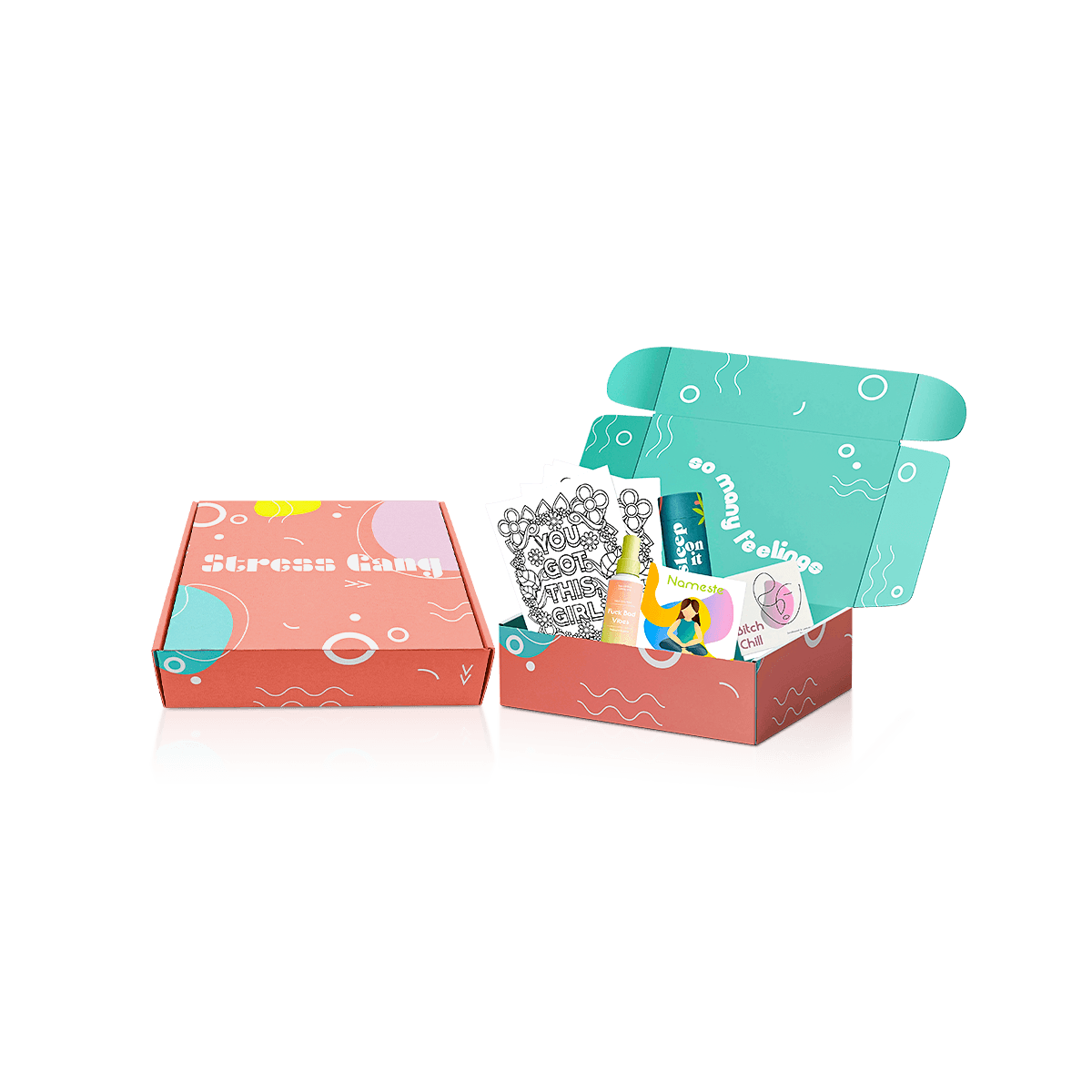
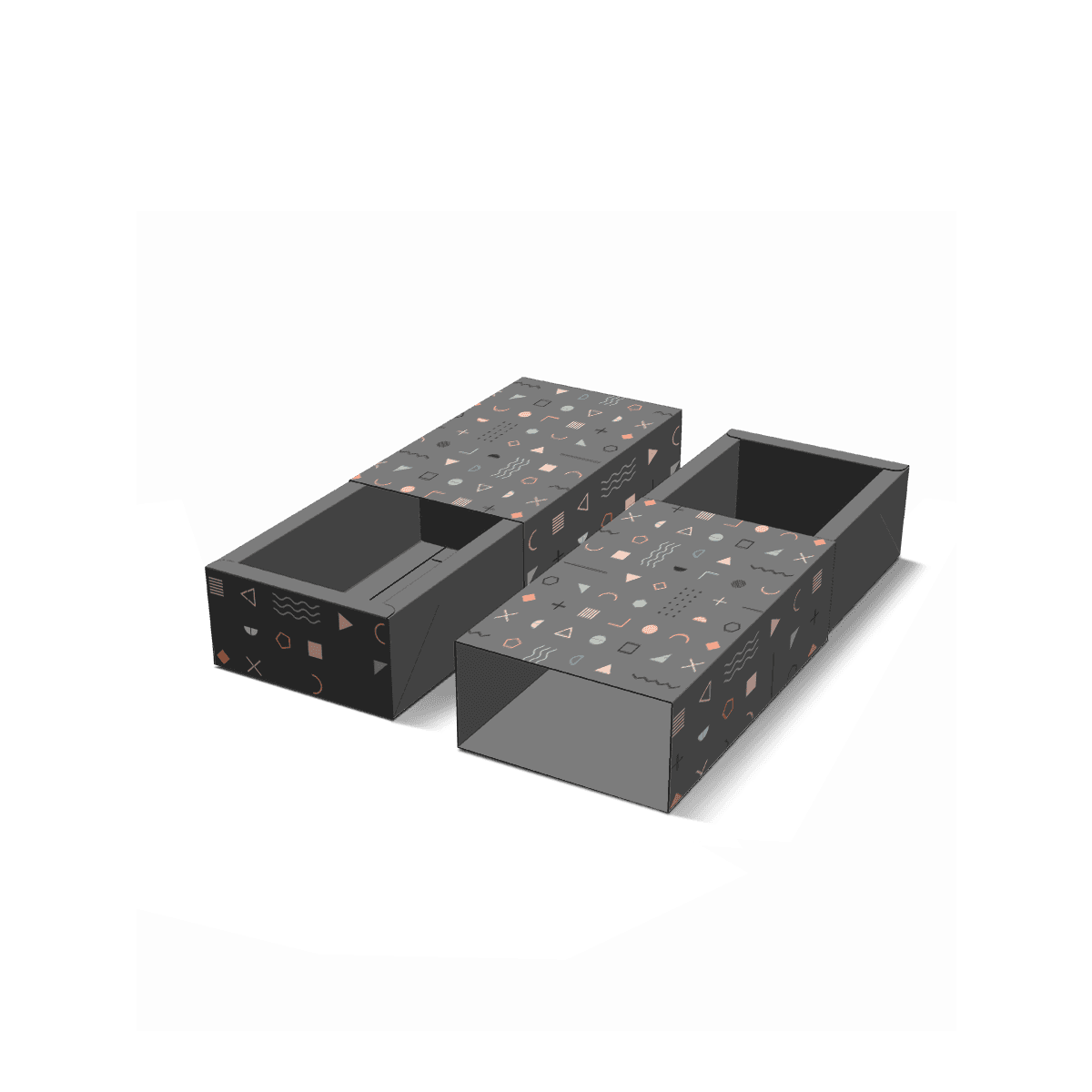
Custom Folding Apparel Boxes should therefore be planned around two states: how efficiently the blank stores and how reliably it becomes a finished box.
That gives this pack a different role from Apparel Boxes, where the larger decision is how several garment types and sales channels share a packaging system.
For lightweight garment programs, folding cartons keep the structural logic in paperboard rather than thick setup board.
The benefit disappears, however, if assembly becomes slow, the walls refuse to stay square or the garment requires so much internal support that the simple flat-packed structure becomes complicated.