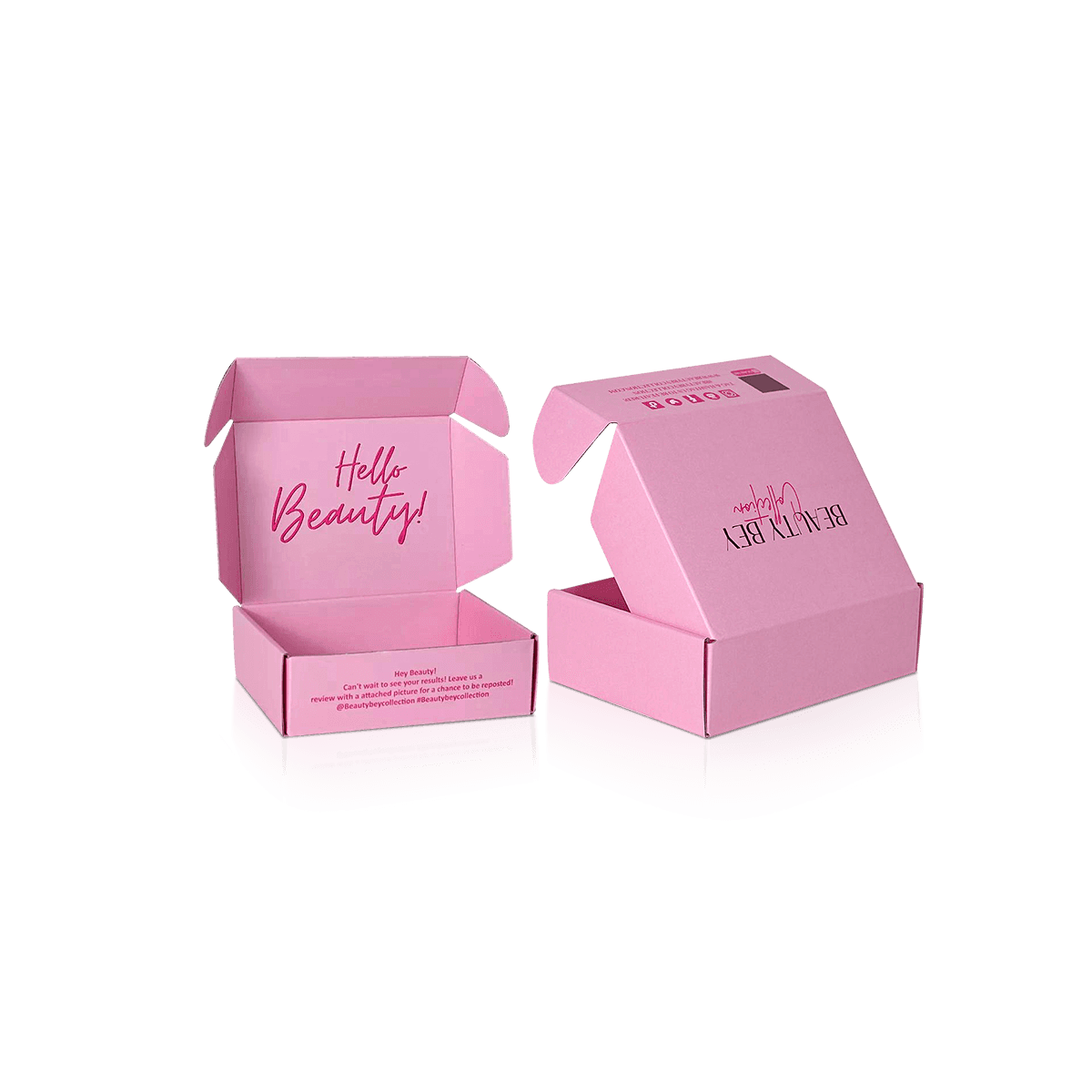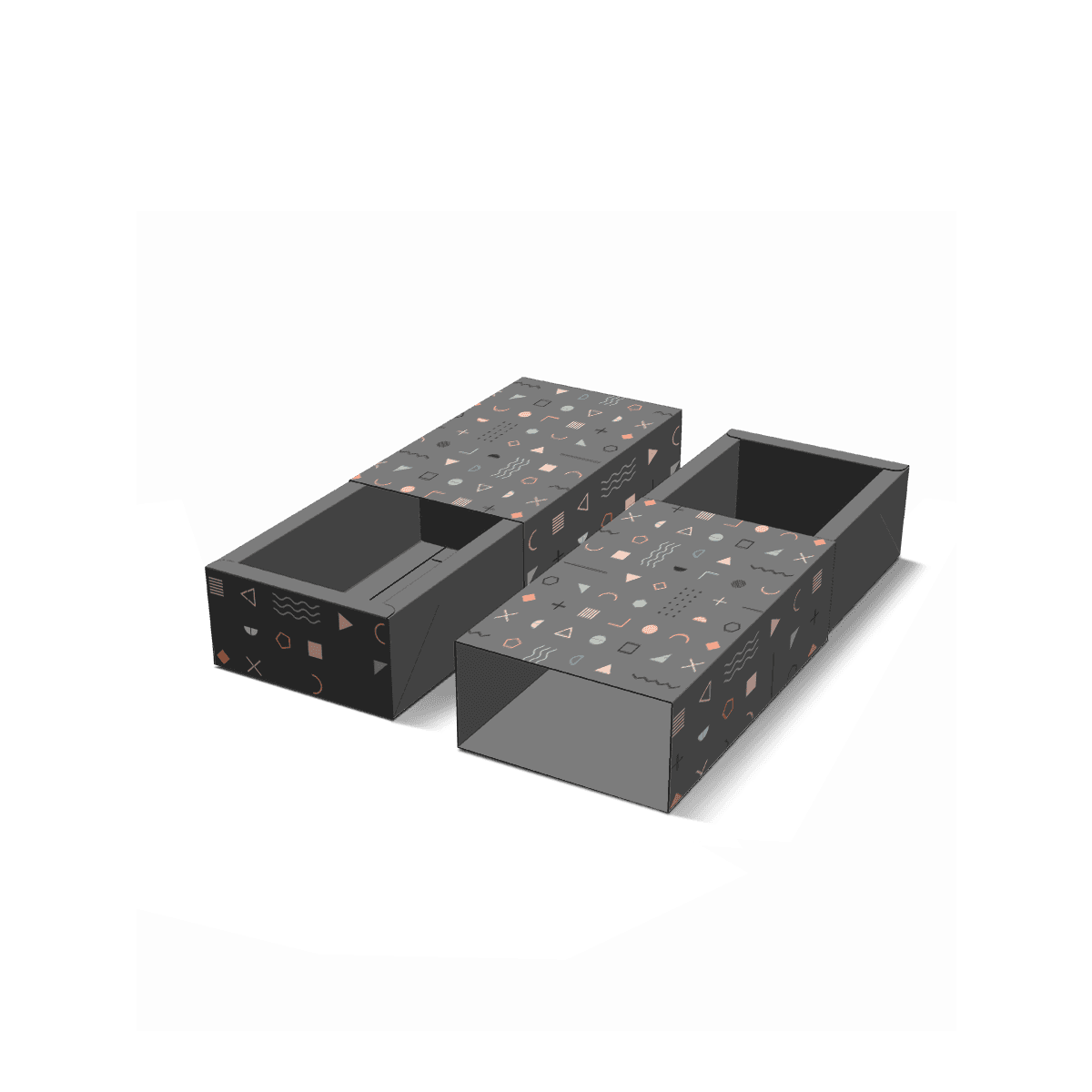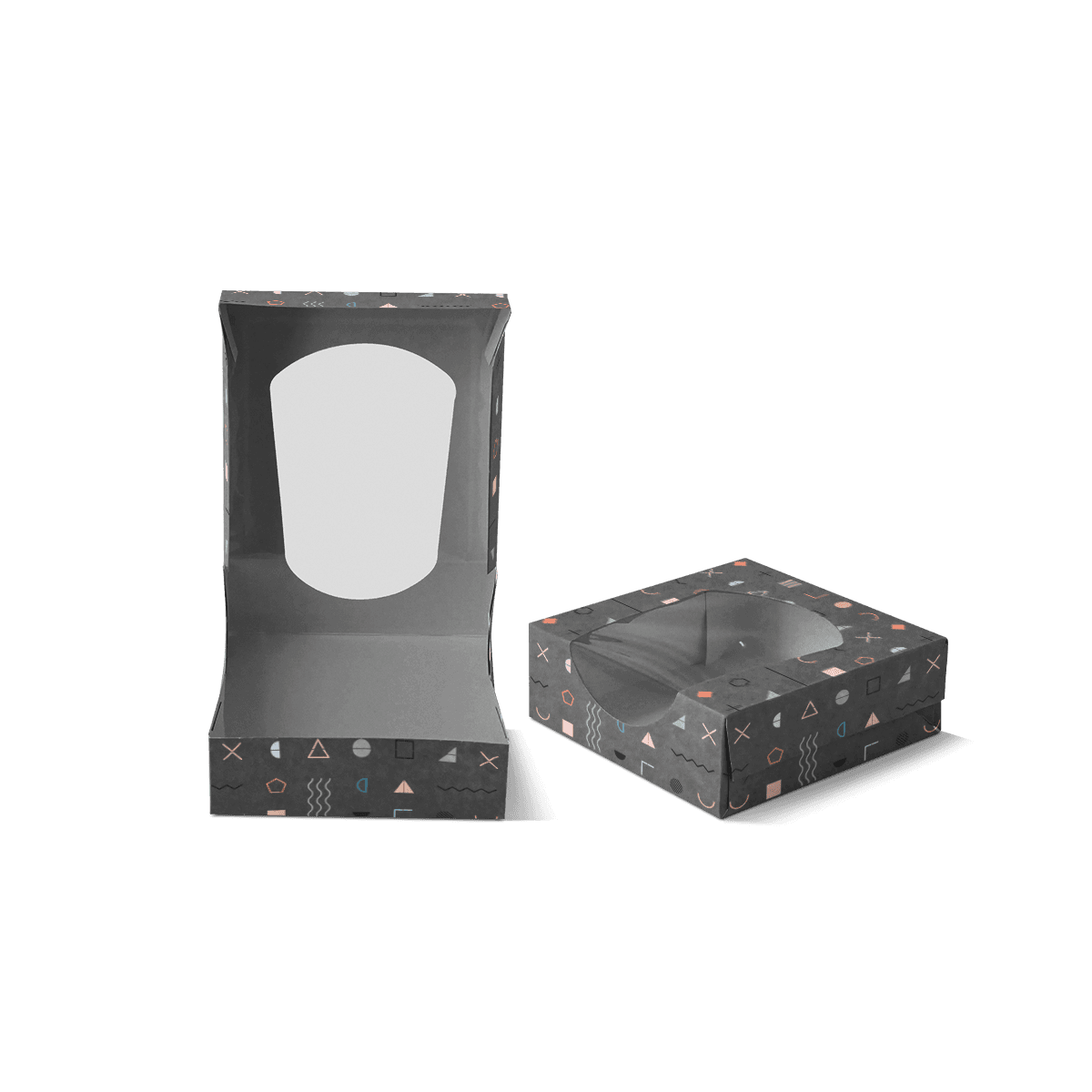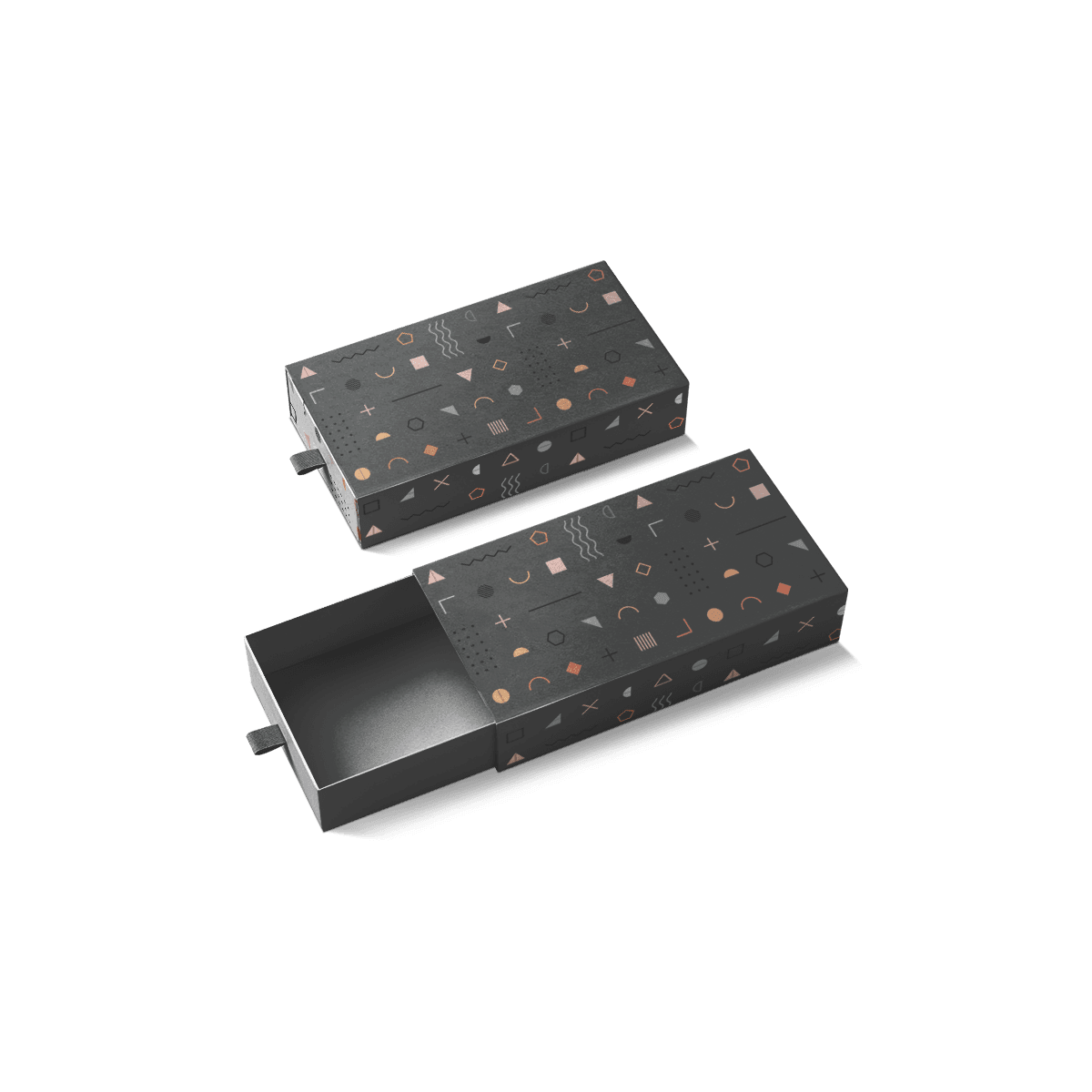
The Fold Is Part of the Artwork
A scarf can change visually before the customer even touches it.
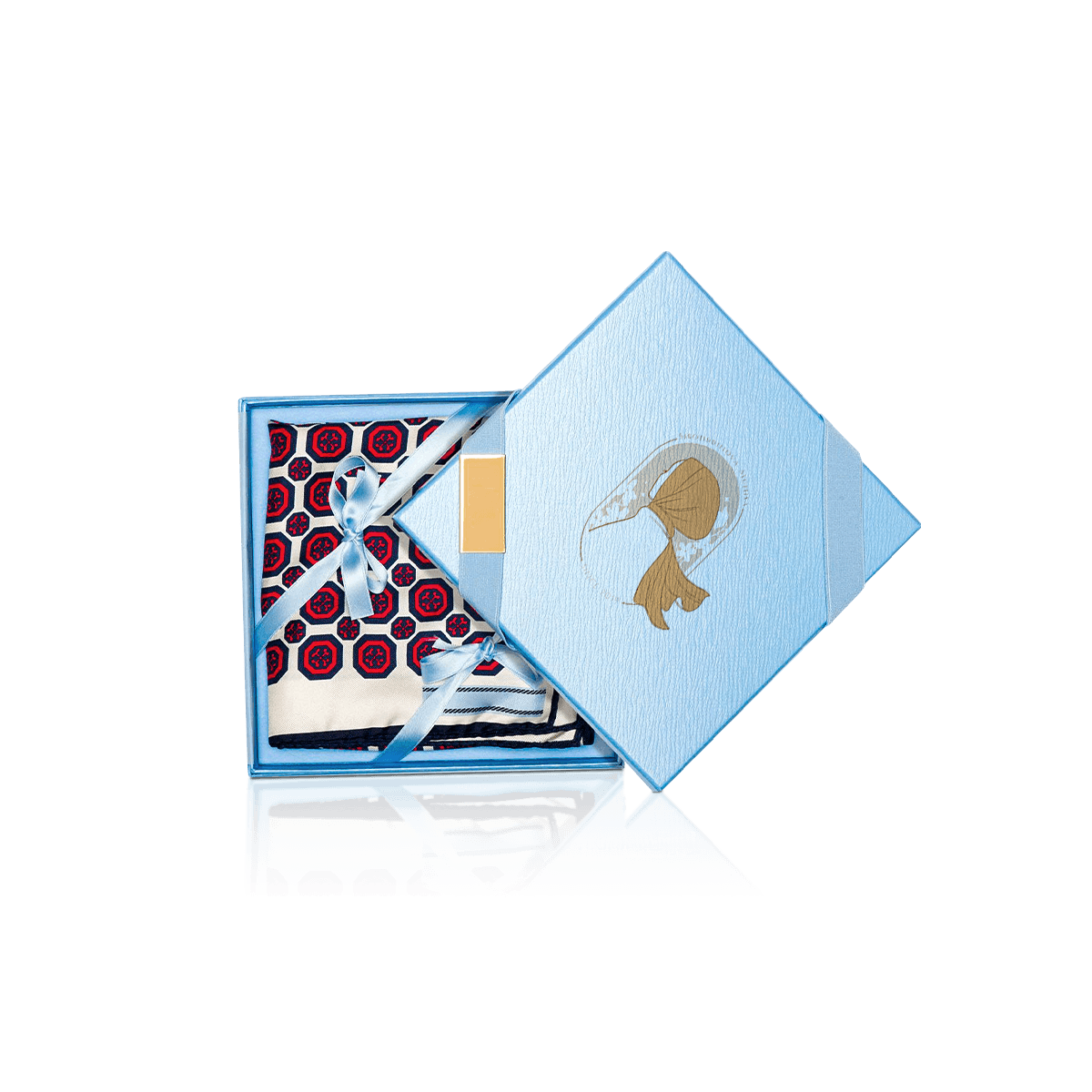
Fold a printed silk square one way and the border frames the top surface. Turn the same scarf ninety degrees and the central motif may disappear. A logo woven near one corner can end up prominently displayed or completely hidden. Solid cashmere and knit scarves have less graphic dependence, but their texture and drape still change according to how they are folded.
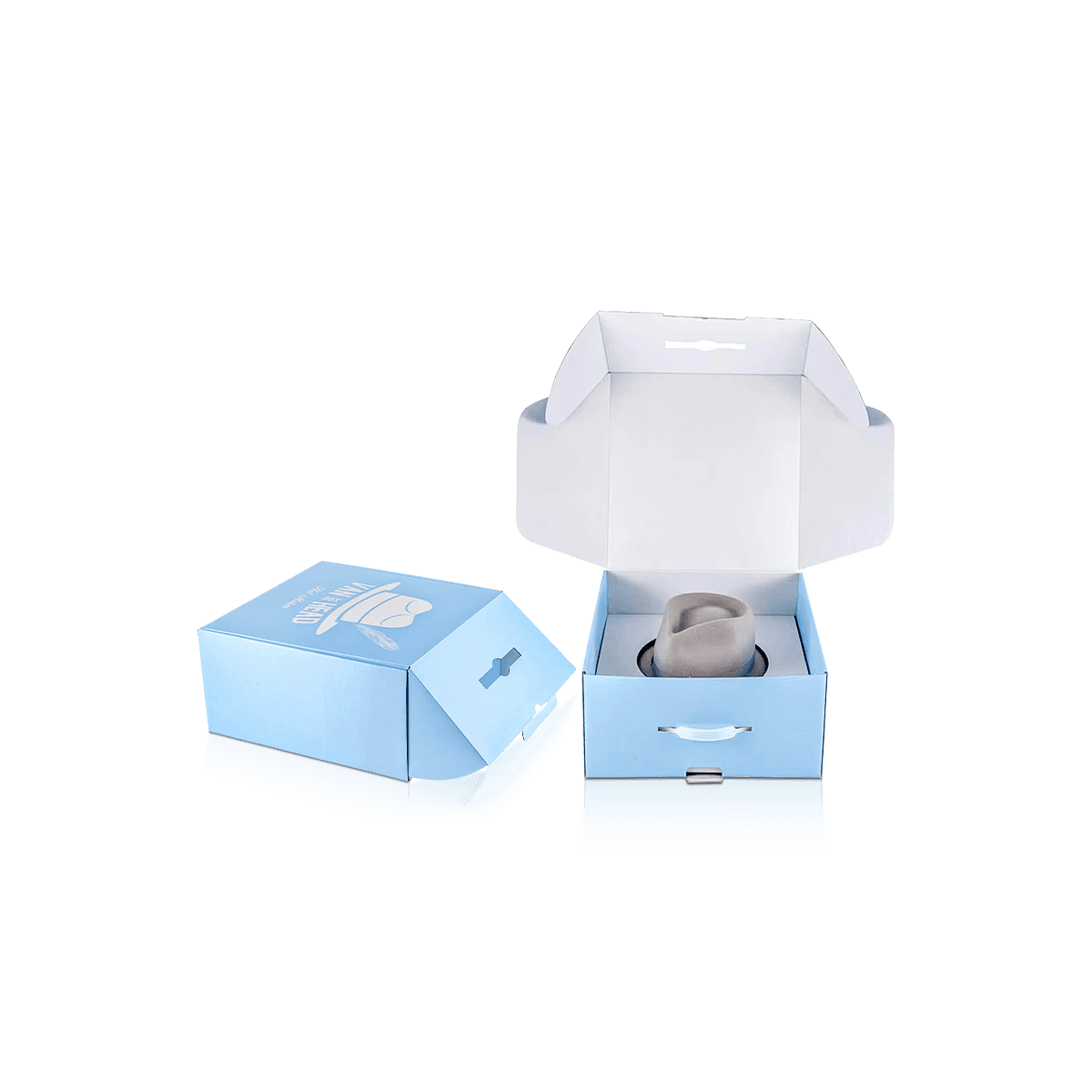
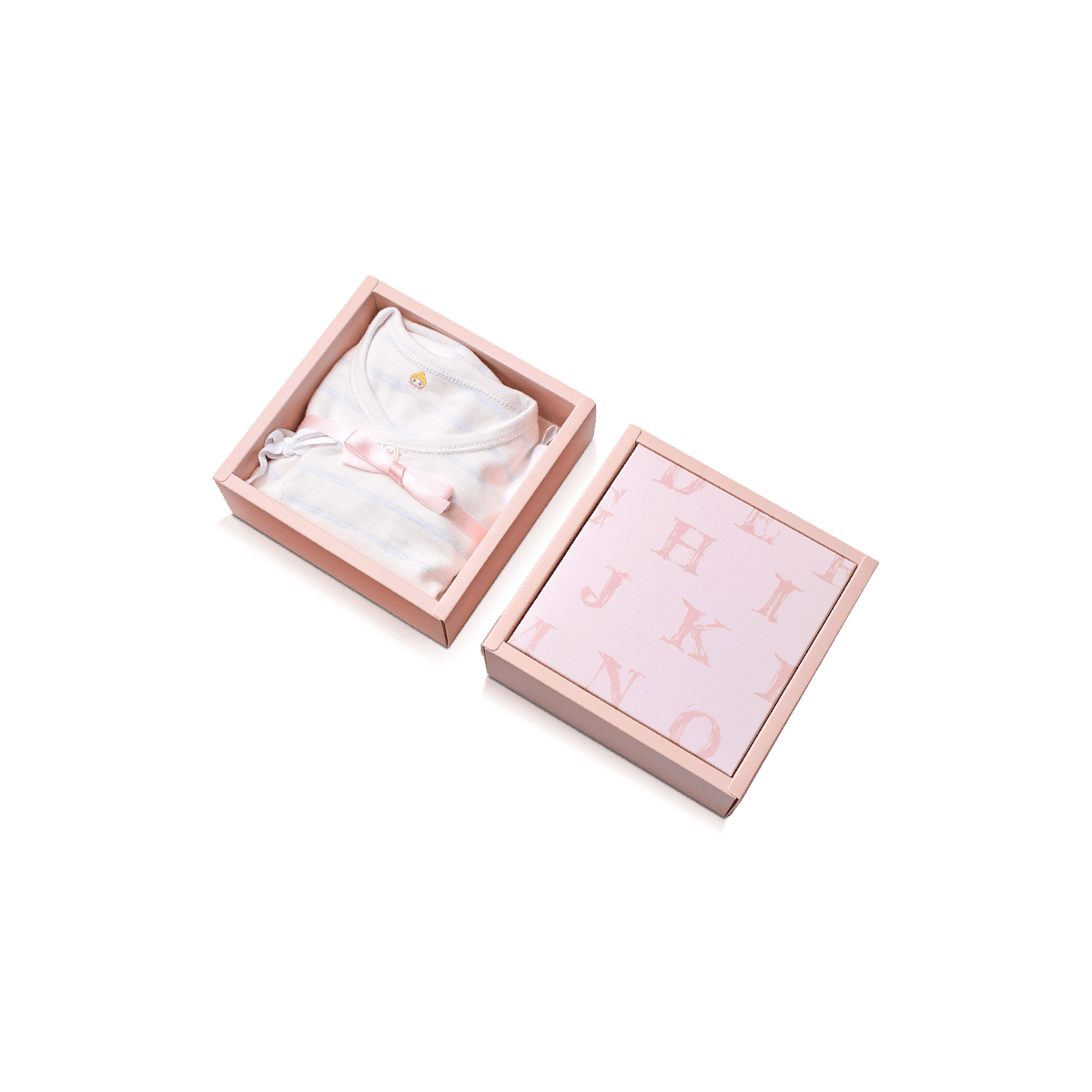
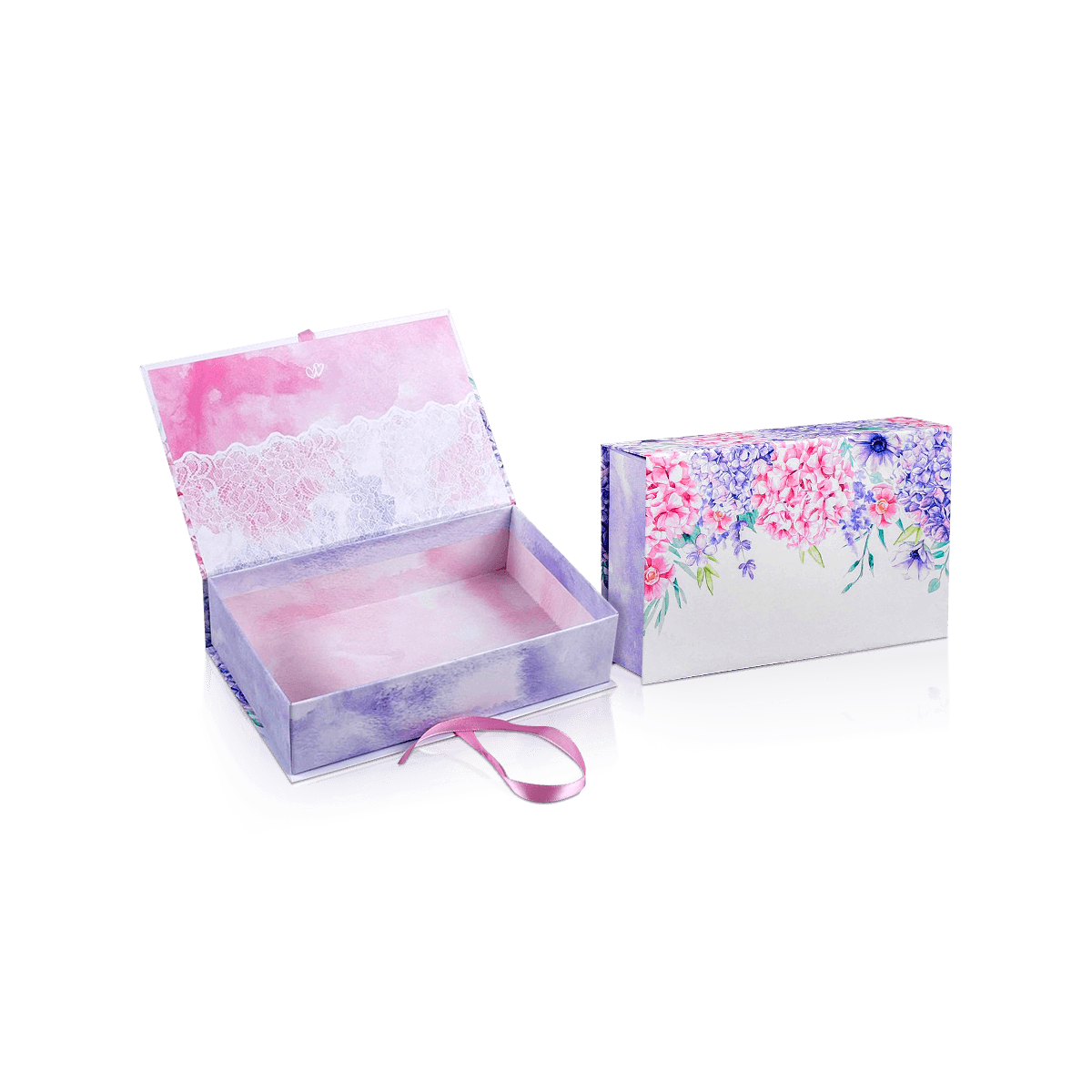
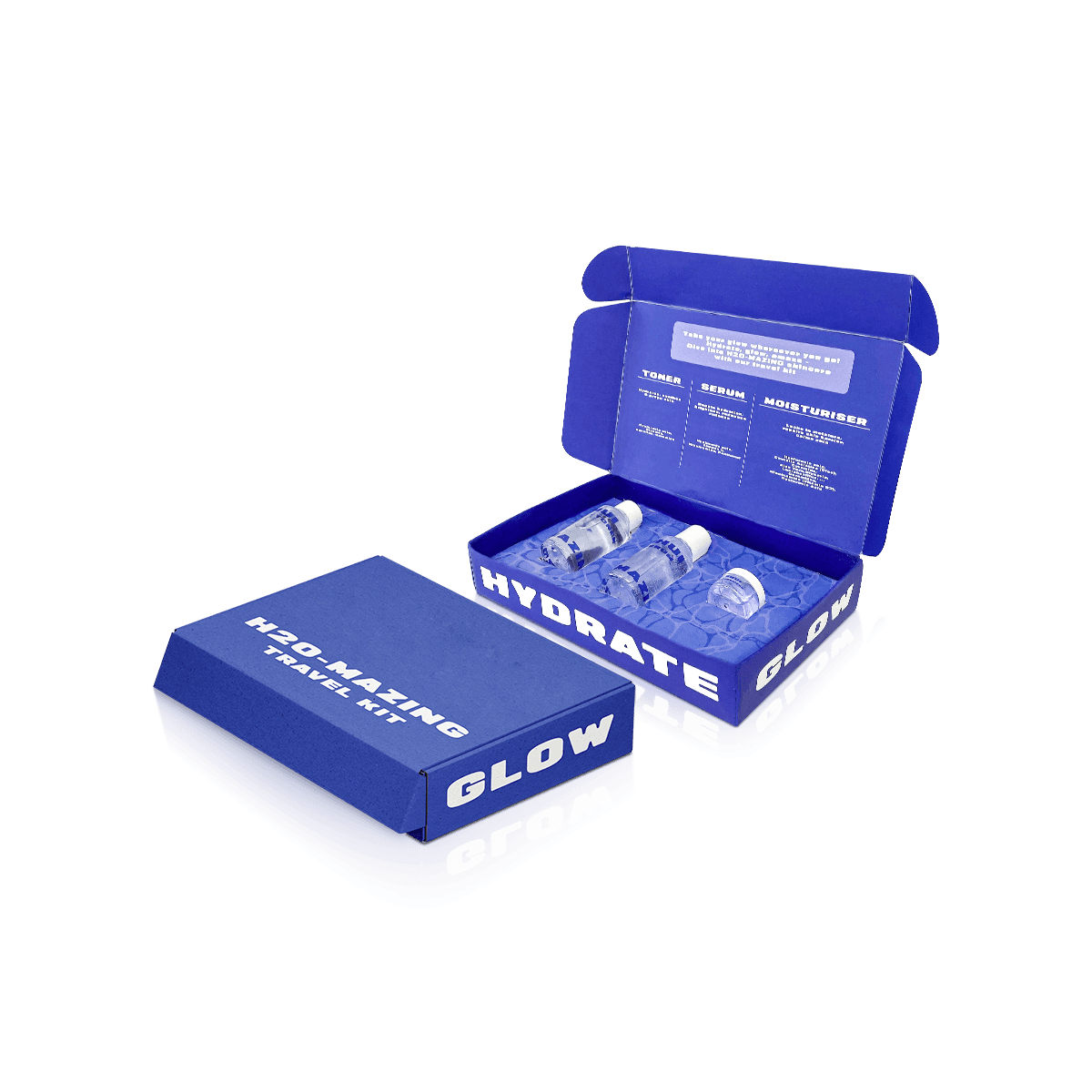
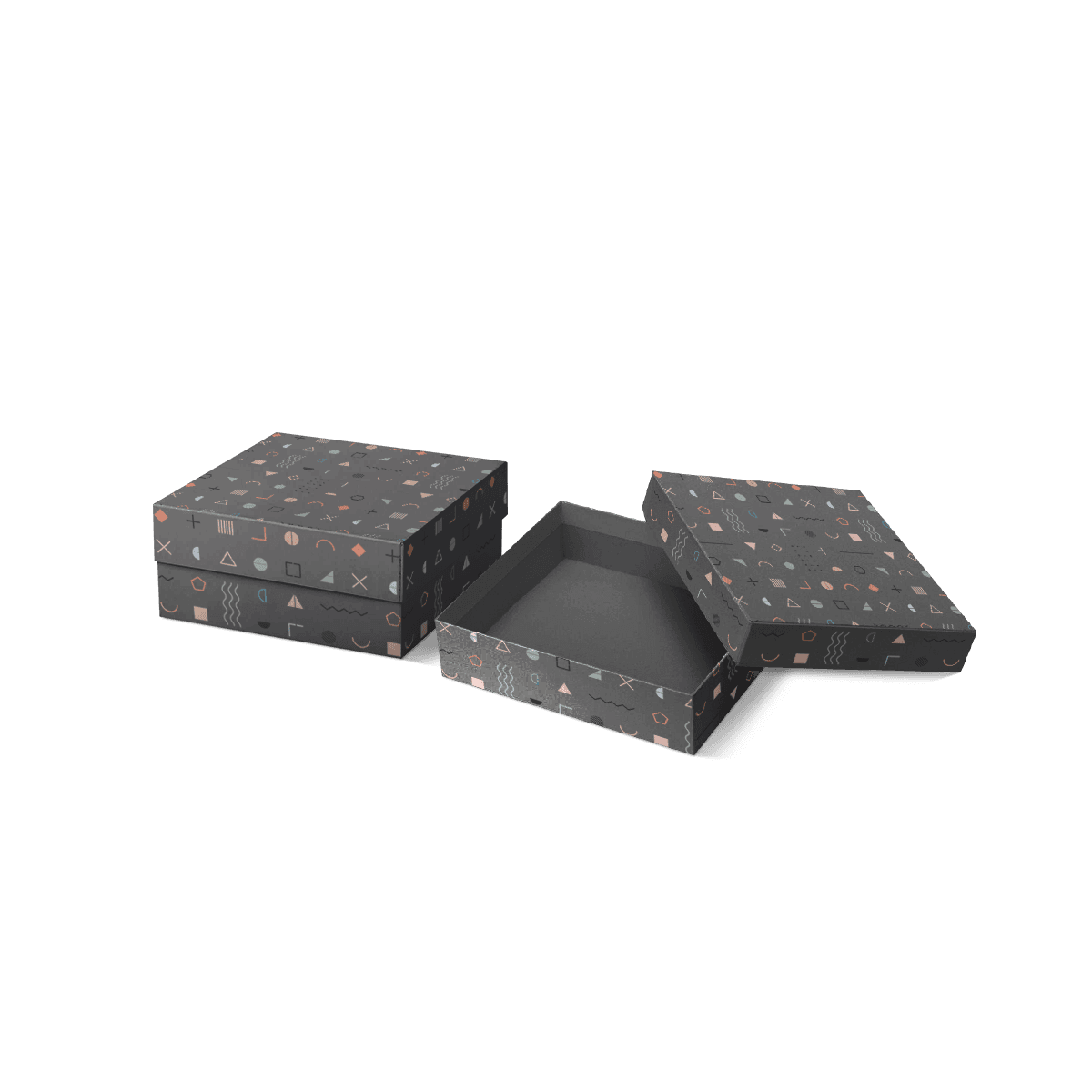
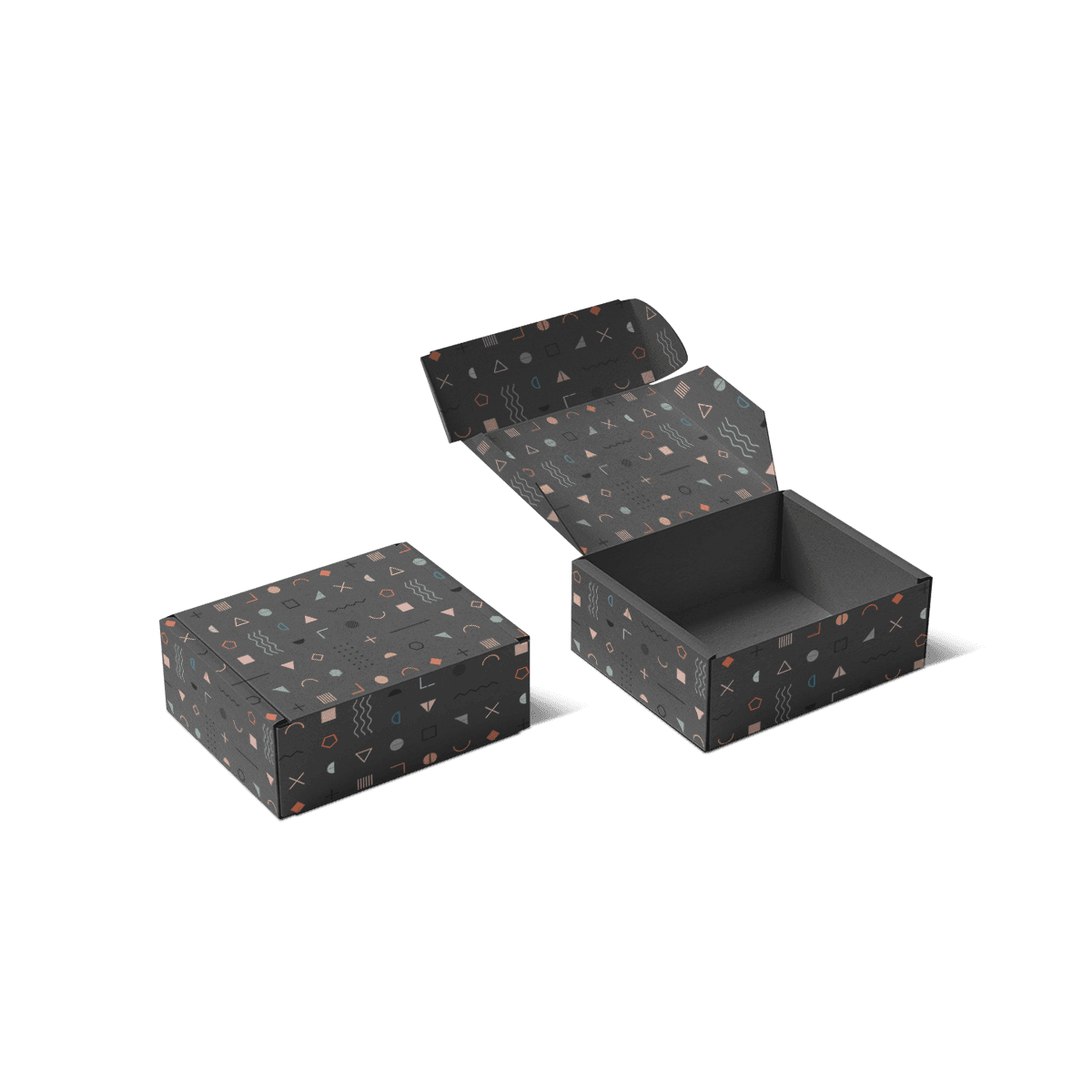
Custom Scarf Boxes should therefore start with the presentation fold rather than the scarf's full open dimensions.
This is narrower than Clothing Boxes: clothing packaging manages folded garments and coordinated sets, while scarf packaging needs closer control over drape, fold lines and exposed fabric.
Decide Which Area Faces Up
Photograph or lay out the scarf exactly as the customer should first see it.
For a printed square, decide whether the hero area is the center illustration, border, monogram or repeating pattern. For a branded wool scarf, the visible detail may be a woven label, embroidery or distinctive edge treatment.
Only then establish the folded footprint.
This prevents artwork from being treated as an afterthought after the box dimensions have already forced the scarf into a particular orientation.
Gentler Folds Need More Area
The smallest possible box is not automatically the best fit.
More folds can reduce the footprint, but each additional fold creates another fabric layer and another crease location. A larger shallow box can sometimes present a delicate scarf more naturally than a small deep carton.
That trade-off is product-specific. A compact knit scarf may tolerate tighter folding comfortably. A fine silk square may benefit from fewer folds and more panel area.
When several garment types need one packaging system, Apparel Boxes handles that assortment-level decision instead.