The Fold Creates the Box
Gift apparel packaging should be sized from the garment after it has been folded for presentation.
A sweater laid flat can occupy a large area. Folded into a retail presentation, its footprint becomes smaller but its thickness increases. Add tissue, a garment band, care card or second clothing item and the actual pack height changes again.
That finished fold is the measurement that matters.
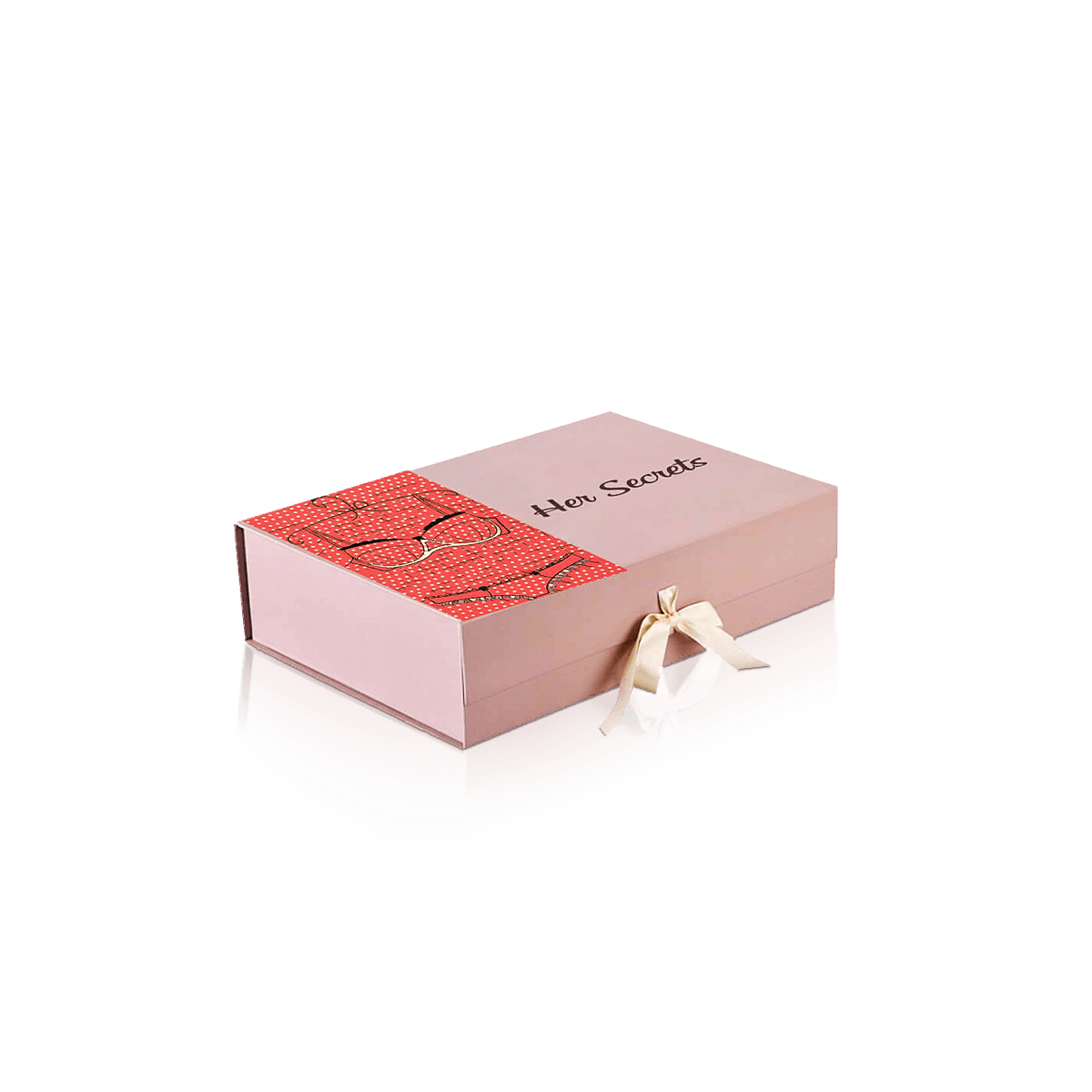
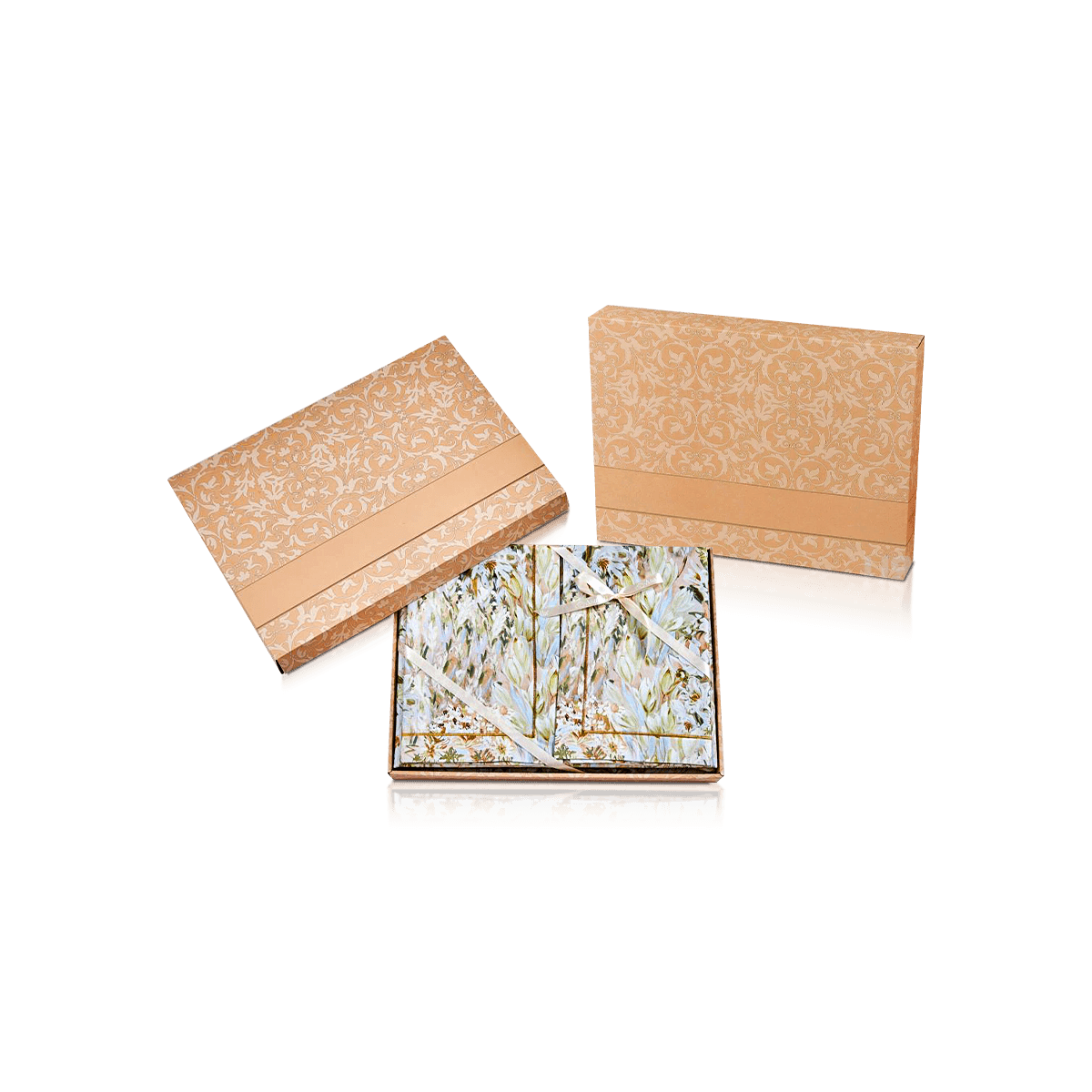
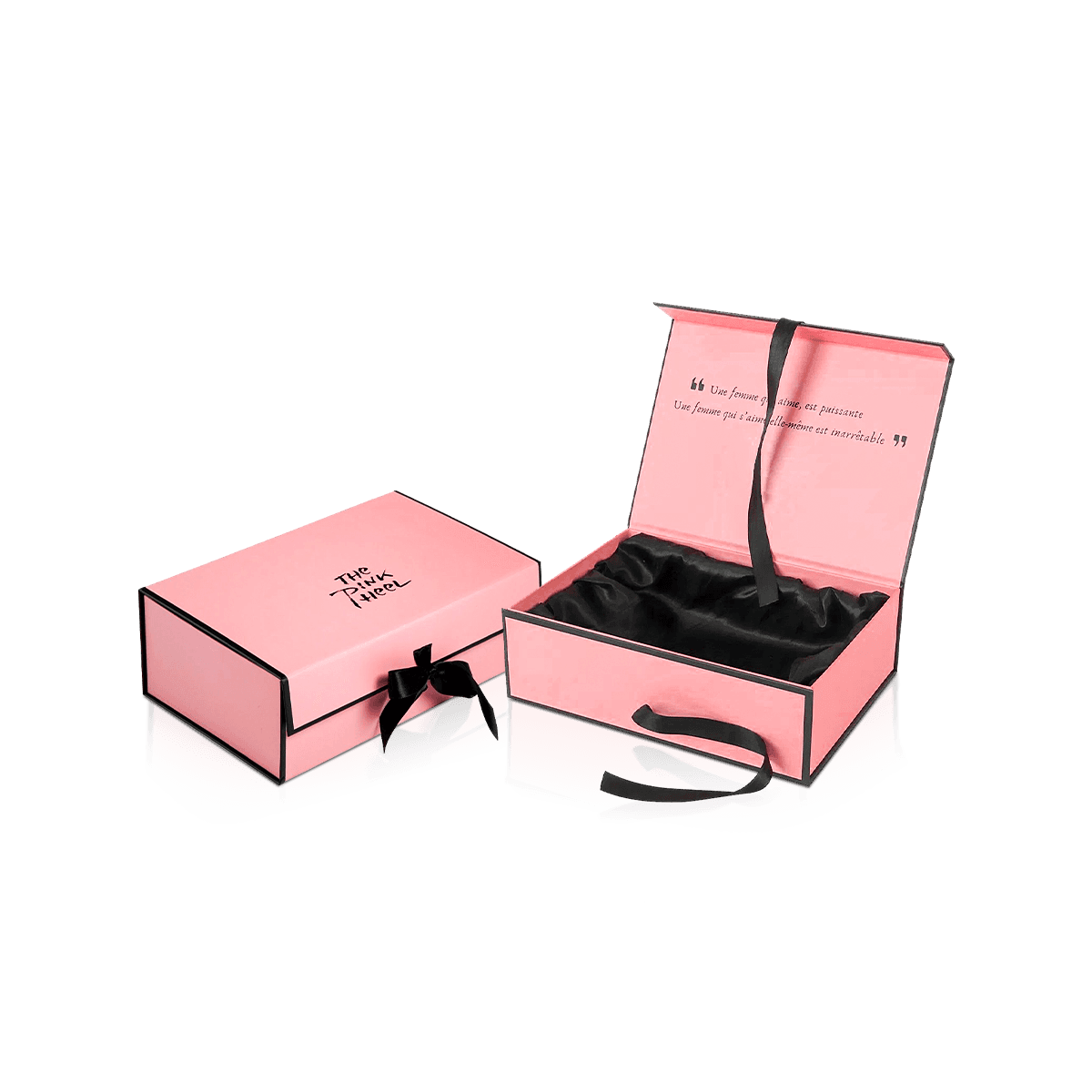
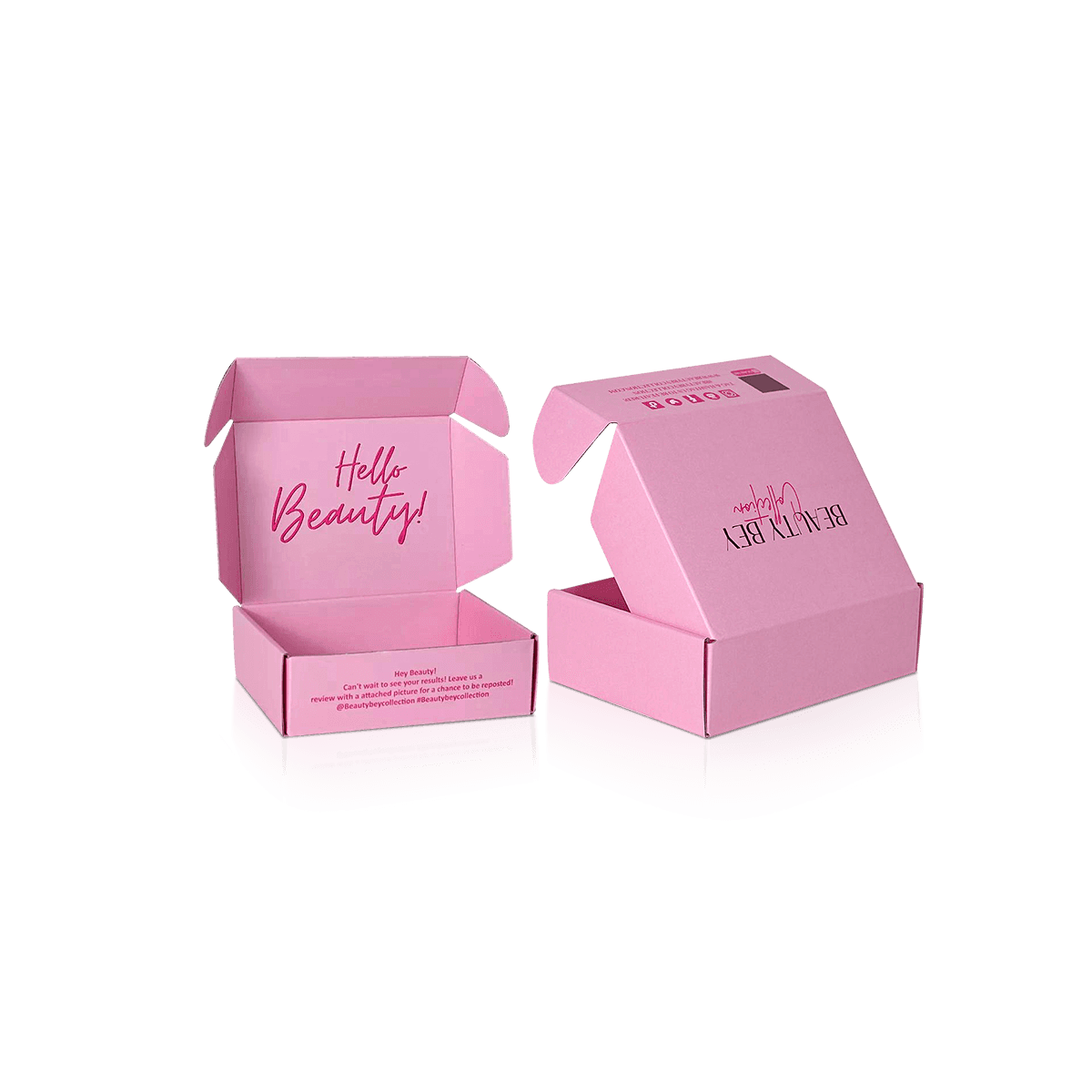
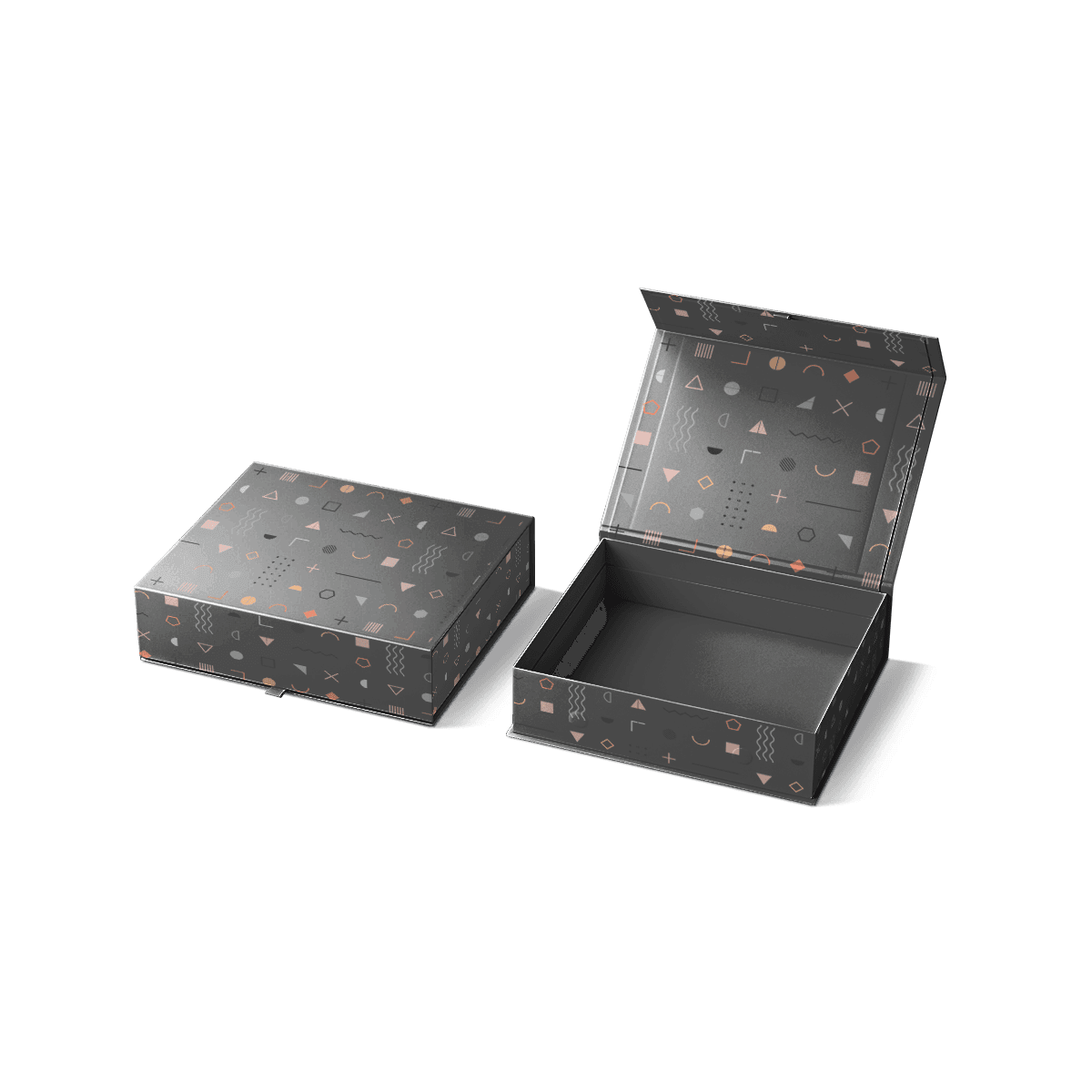
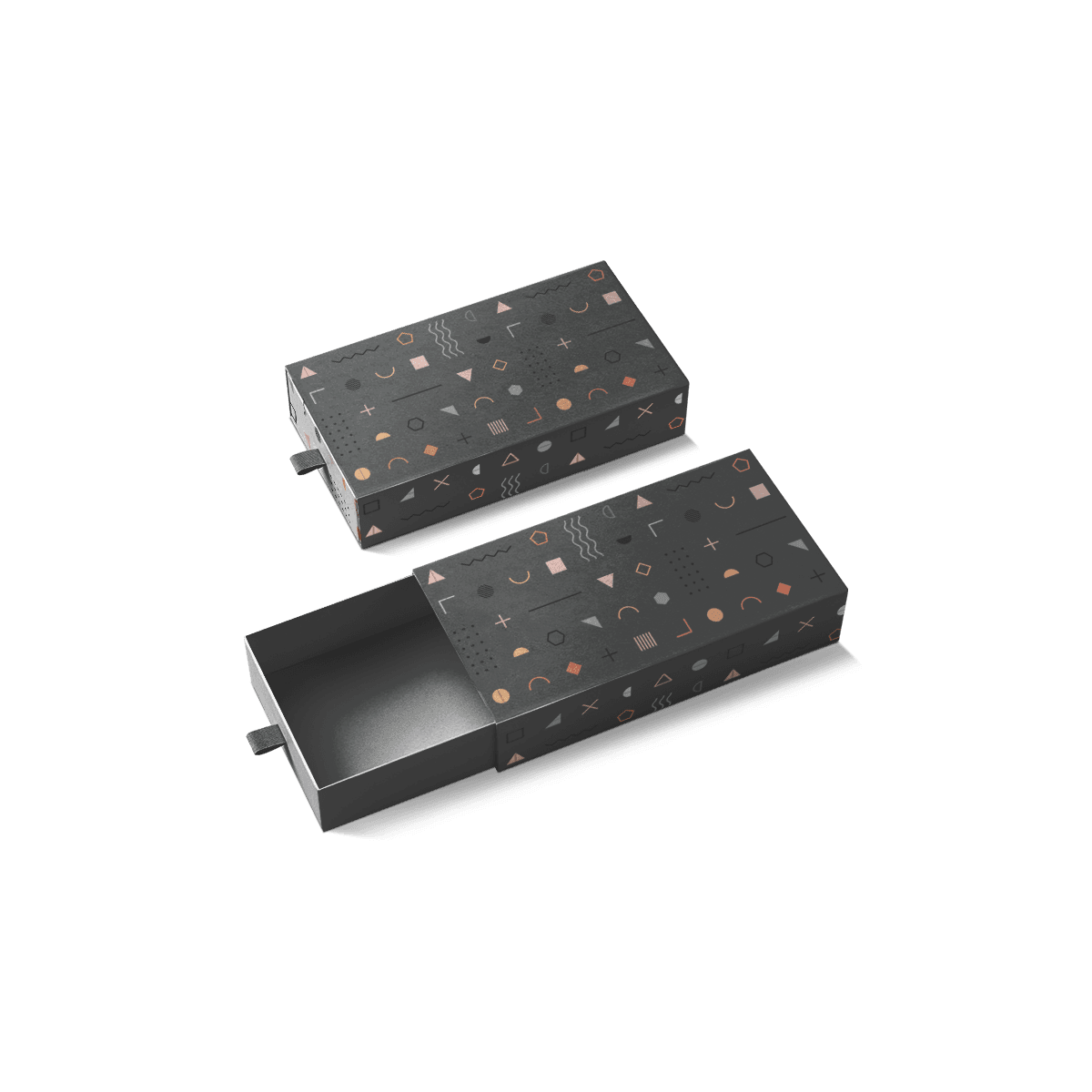
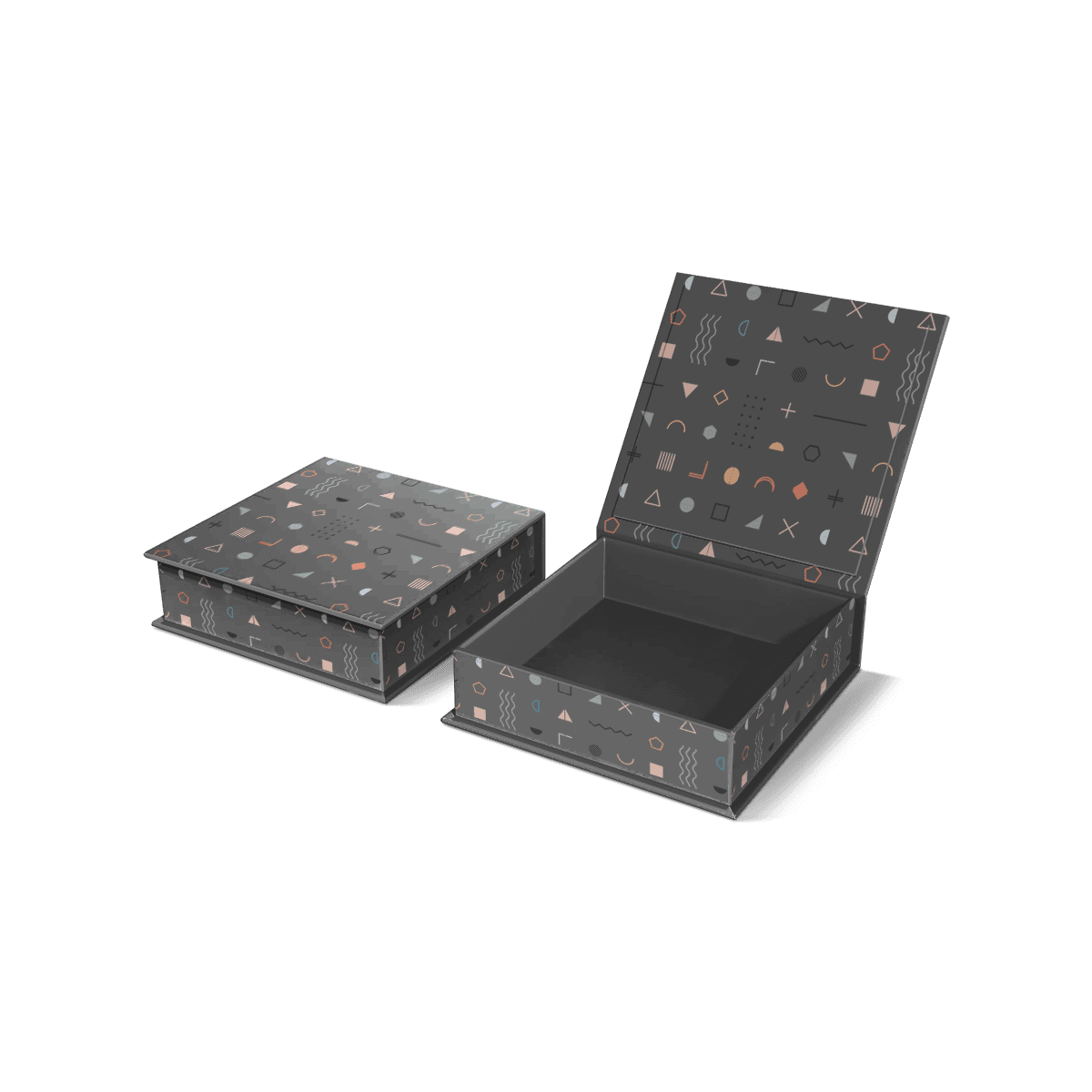
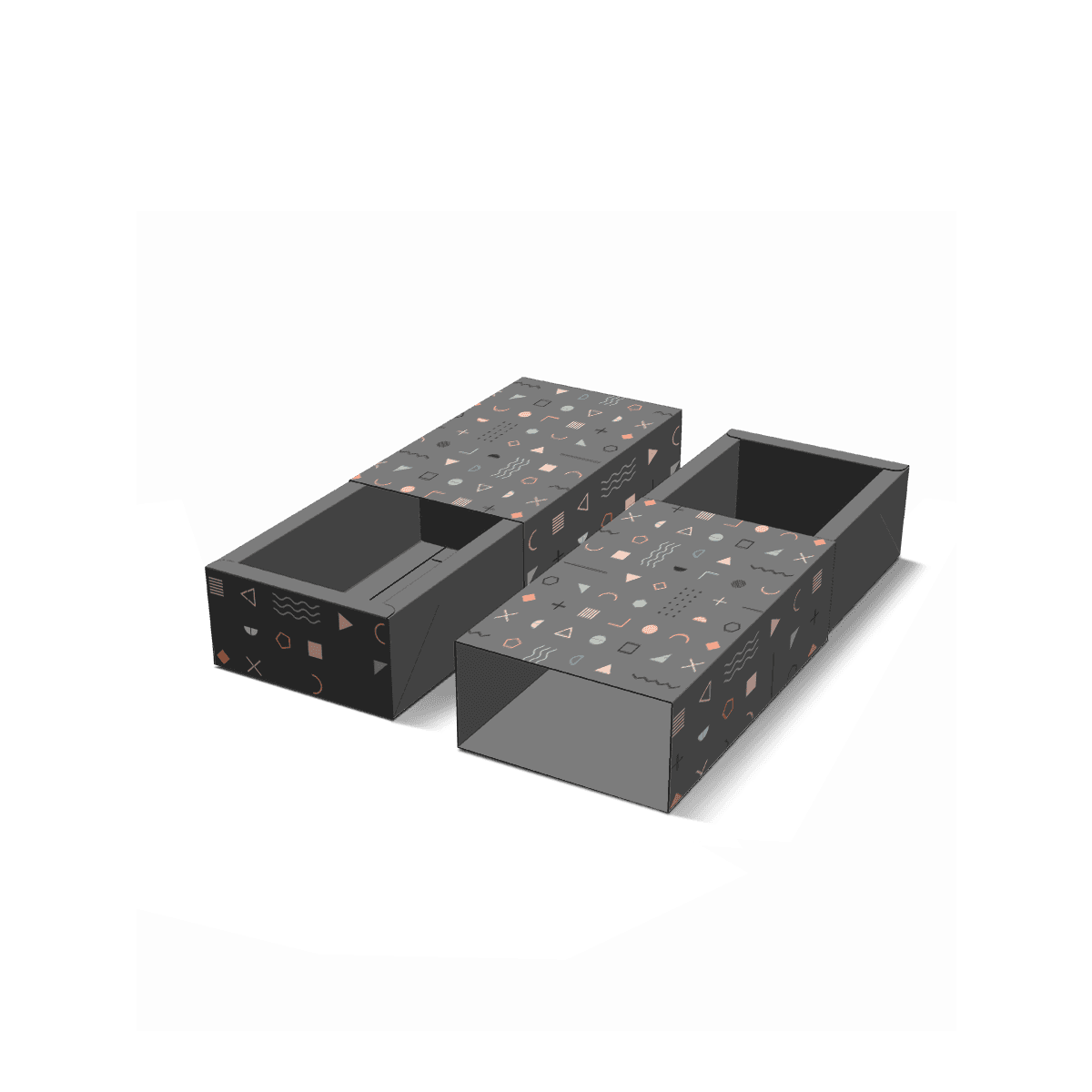
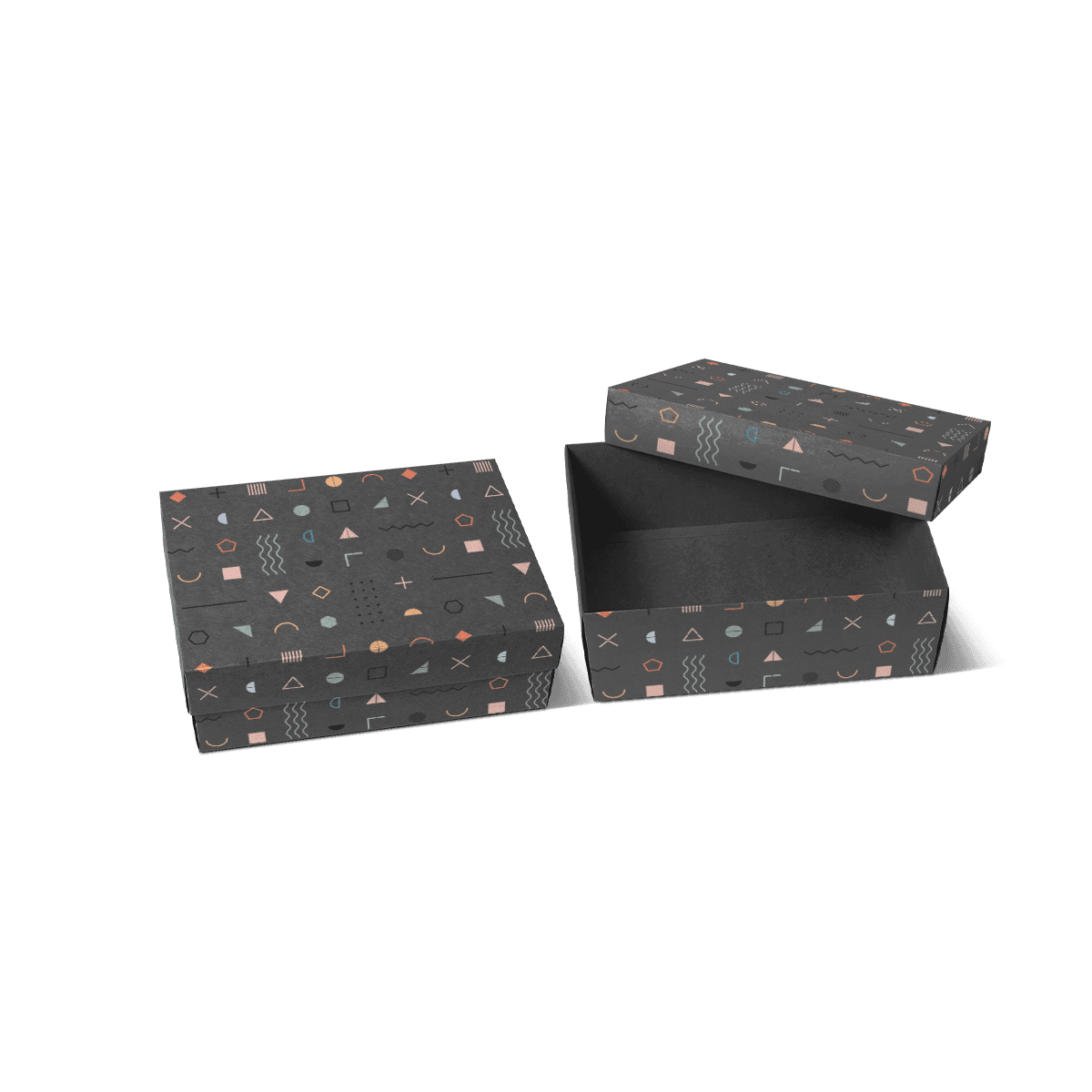
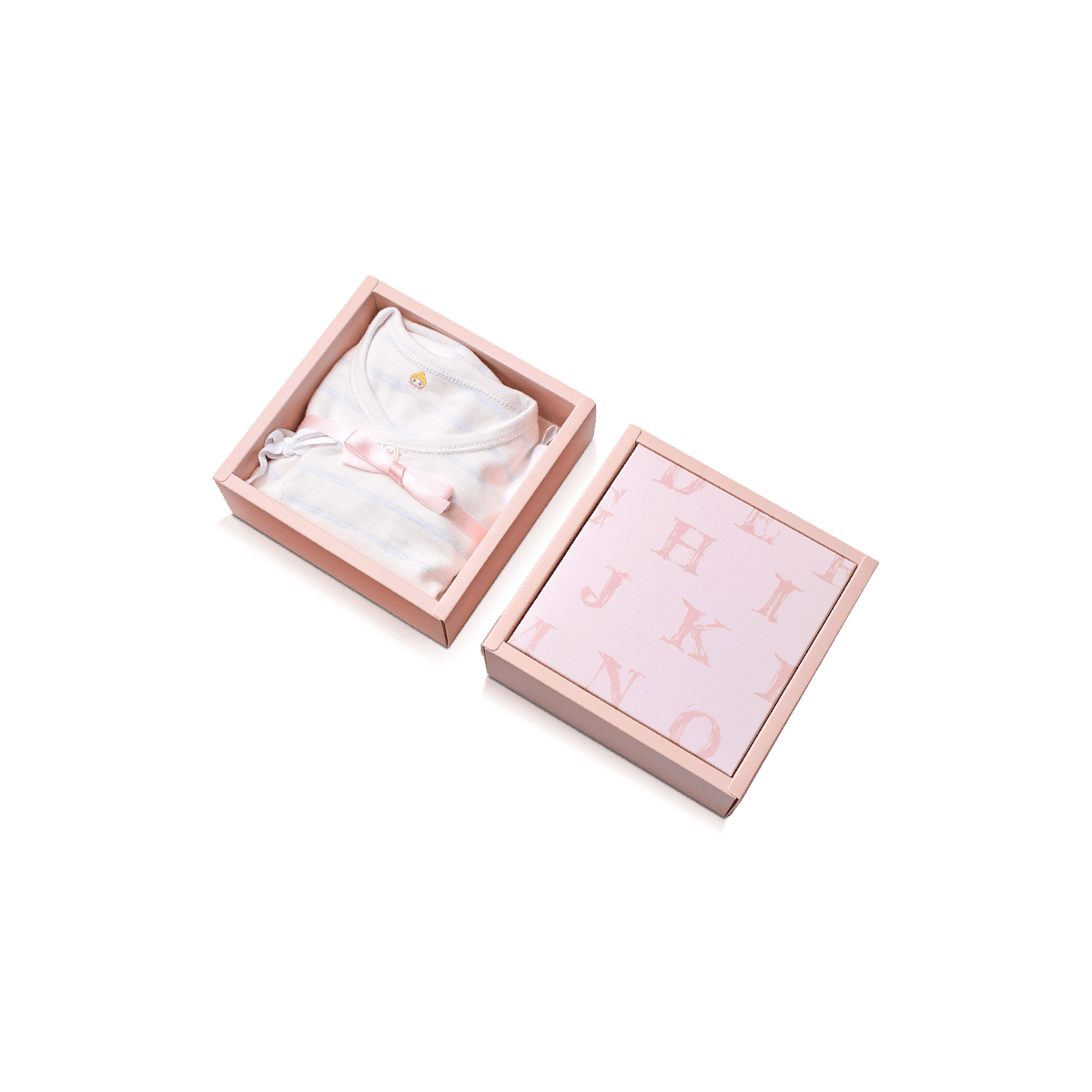
Custom Gift Apparel Boxes work best when the box follows the packed garment closely enough to preserve the fold without pressing the fabric or leaving a large open cavity around it.
This gives the product a different role from general Apparel Boxes. The packaging is not simply holding clothing for retail handling. It needs to arrive already prepared for a gift handoff.
Measure the Packed Fold
Measure length, width and depth after the garment is folded the way it will actually enter the box.
Do not size from the clothing label, body dimensions or an unfolded sample.
A medium sweatshirt and medium dress shirt may carry the same nominal apparel size but create completely different package depths. Fabric weight, garment cut and folding sequence matter more.
If tissue will wrap around the garment, include it during the fit check.
Fabric Rebound Adds Height
Soft garments do not behave like rigid products.
Knitwear, fleece and layered fabrics can rebound after folding. A stack compressed firmly on the packing table may rise once pressure is released.
Leaving no allowance for that rebound can make the lid sit under constant upward pressure.
The answer is not a large empty box. It is enough controlled depth for the garment to settle naturally after packing.