Skip to content
Details

Custom Lingerie Boxes

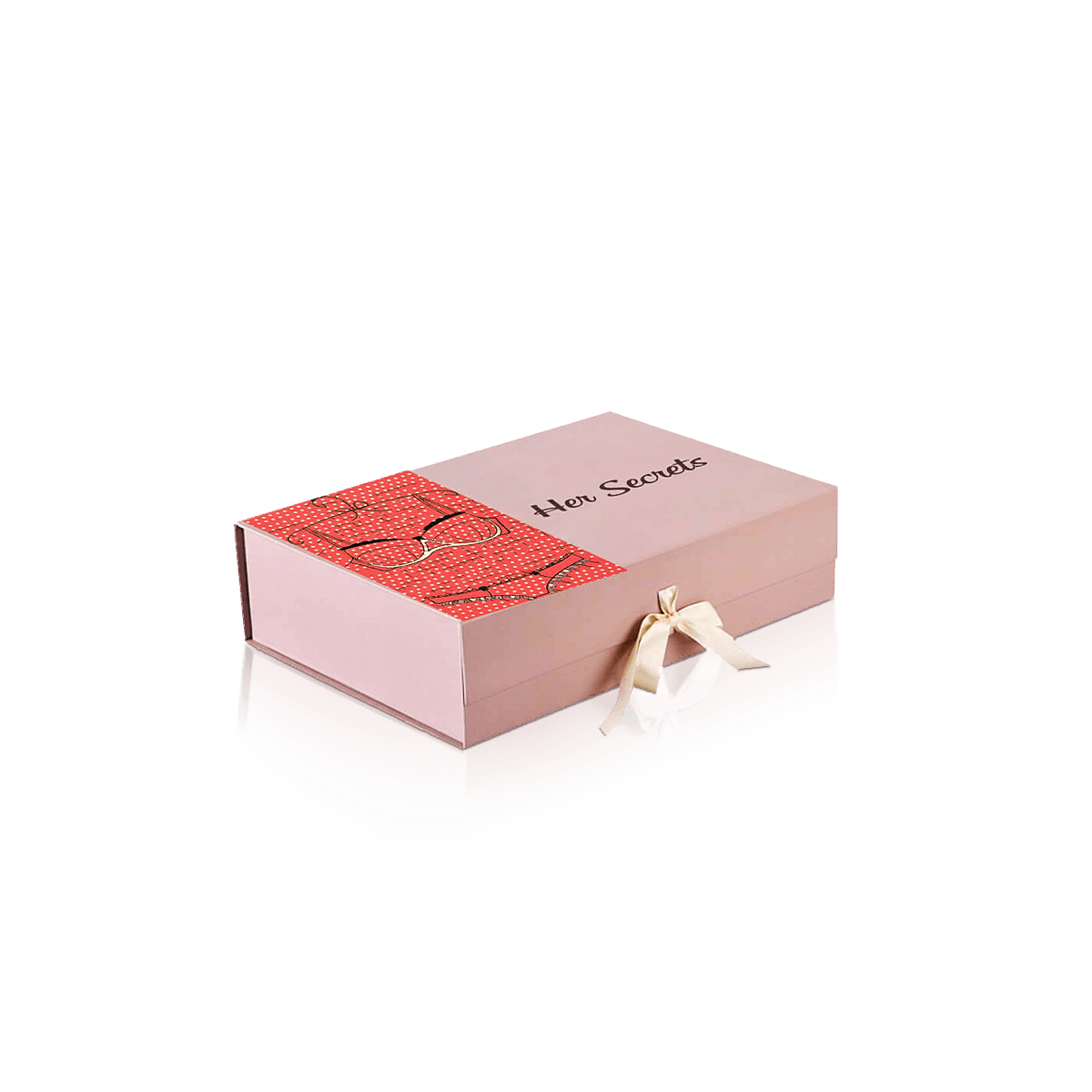
Discreet lingerie packaging planned around molded cups, delicate fabrics, hardware separation, coordinated sets and the level of privacy each sales channel needs.

Privacy Starts on the Outside

Lingerie packaging has an unusual responsibility. It needs to present an intimate product attractively without making the contents more public than the customer expects.

That can change the entire visual direction of the box.

A boutique purchase may support a recognizable fashion identity on the exterior. A premium gift can use a more expressive surface. An ecommerce order may need a restrained outer delivery layer even when the lingerie box inside carries stronger branding.

The privacy level should therefore be decided before artwork begins.

Lingerie sits inside retail and apparel packaging, but intimate apparel introduces its own balance between presentation, garment care and discretion.

Discreet Does Not Mean Unbranded

A restrained package can still feel unmistakably connected to the brand.

A small wordmark, controlled color, subtle pattern or understated finish can establish identity without printing explicit product imagery or descriptive copy across the exterior.

The amount of visible branding should match how the customer receives the product.

A box handed over inside a boutique bag does not face the same privacy concern as a package left at a front door.

Separate the Product Box From the Delivery Layer

The box holding the lingerie does not always need to hide what the brand sells.

For online orders, privacy can instead come from the outer shipping package.

That lets the inner presentation remain expressive while the parcel exterior stays restrained.

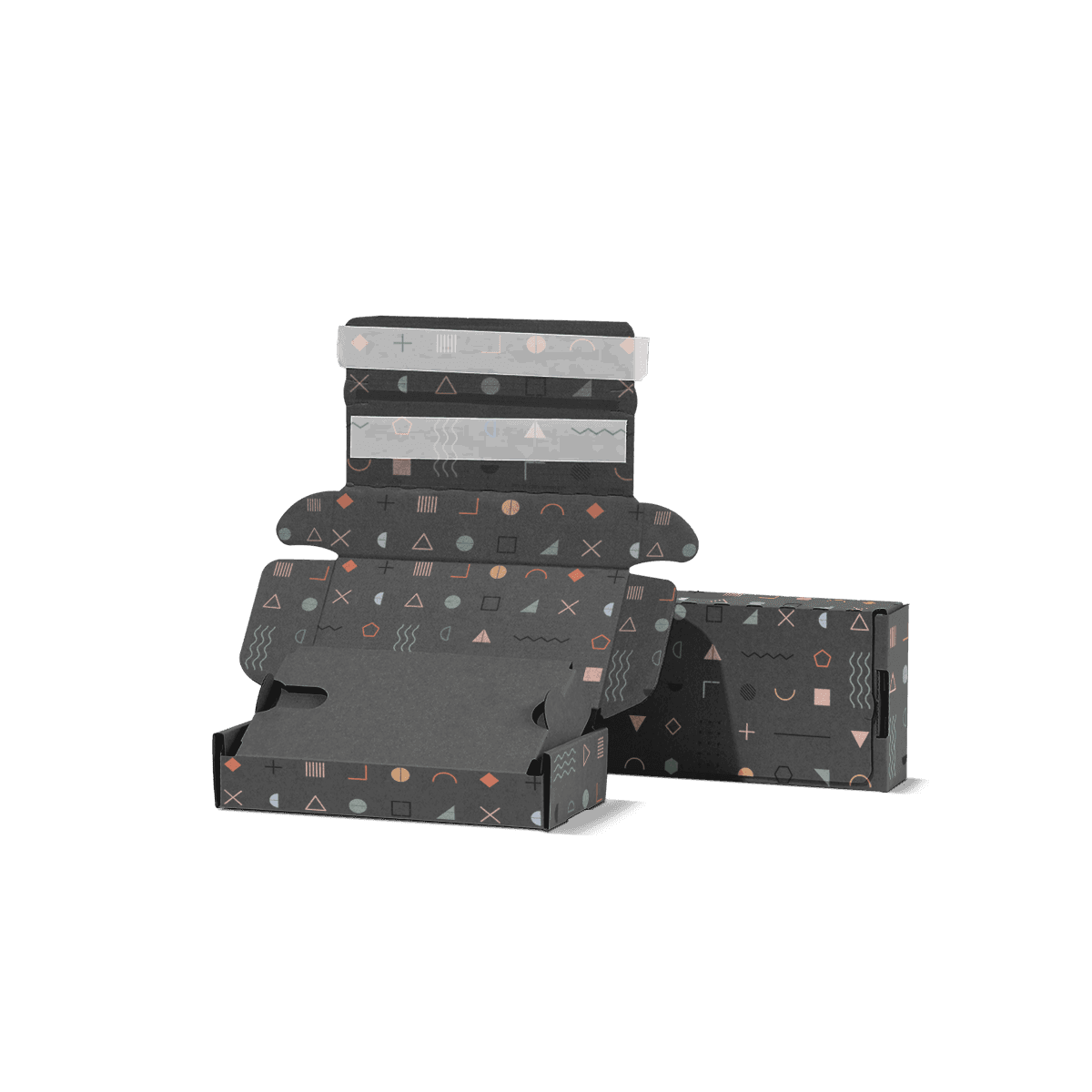
A mailer apparel box can take the transit role when the order needs corrugated protection and a delivery-ready structure.
Bras Need Space Where Fabric Cannot Collapse

A bra is not simply a flat garment.

Molded cups create three-dimensional volume even when the straps and band fold compactly around them. Underwires establish a fixed curve. Padding, lace overlays and decorative details change how much compression the product tolerates.

Sizing the box only from garment width and length can therefore produce the wrong depth.

The critical dimension is the packed profile after the bra is arranged the way staff will actually place it inside the box.

Molded Cups Set the Minimum Depth

A lightly lined bralette can tolerate a much shallower pack than a structured molded bra.

If molded cups are pressed down simply to fit a smaller carton, the package may look efficient while the garment loses the shape the customer expects to see after opening.

Use the normal packed cup profile as the depth reference.

That does not mean surrounding the garment with excessive empty space. The box should give the cups enough clearance without allowing the entire product to move loosely from side to side.

Underwires Need Their Natural Curve

A wired bra should sit without forcing the wire into an unnatural bend.

This matters when two cups are nested or when the garment is folded at the center gore. A packing method that saves a small amount of space but repeatedly loads the wire can create a poor presentation and an awkward first unfold.

The carton depth and fold method need to work together.

Hooks Should Never Land on Lace

Small hardware creates some of the biggest lingerie-packaging problems.

Hooks, adjusters, rings and metal trim can press into delicate fabric while the box is closed or while products move during handling. A matching set can make that risk worse because several garments share the same small space.

The answer is usually better positioning rather than heavier packaging.

Fasten loose closures where practical. Turn hardware away from lace panels. Use a fold, card or lightweight separator to stop hard components from sitting directly against delicate surfaces.

Straps Need a Defined Place

Loose straps can migrate across the presentation during packing and handling.

They may cover the main garment, catch on another item or create an untidy first view.

A garment band, controlled fold or discreet card can hold straps close to the body without pulling them tight.

The goal is not to immobilize every textile component. It is to stop narrow pieces from becoming the first thing the customer has to untangle.

Embellishments Need Clearance

Bows, lace appliqués, decorative rings and raised trims can create localized thickness.

Do not compress the entire garment simply because one embellishment sits higher than the surrounding fabric.

Give that feature enough local clearance and let softer areas remain naturally folded.

Matching Sets Need a Reveal Order

A bra-and-brief set can fit in one box and still feel disorganized if both pieces compete for the same opening view.

Decide which garment the customer should see first.

The bra may become the presentation piece while the matching brief sits beneath it. Another collection may place both products side by side. A three-piece set may use a shallow divider or folded card to keep smaller items from disappearing under the main garment.

The decision should support the way the set is sold.

Clothing boxes handle general folded garments and coordinated apparel, while lingerie packaging needs more attention to cups, straps, hardware and intimate-product privacy.

Separate Pieces Without Making the Box Bulky

A set does not automatically need a heavy insert.

A paperboard divider, folded presentation card or garment band may provide enough control for lightweight pieces.

Use deeper fitted components only when the contents genuinely need them.

Excess structure can make soft apparel feel overengineered and increase the outside dimensions without improving the product experience.

Shapewear Behaves Differently From Lace

Not every lingerie product needs the same treatment.

Shapewear is often denser, more elastic and more resistant to light compression than molded bras or delicate lace sets. It may pack efficiently into a folding carton that would be unsuitable for structured cup products.

That difference makes product segmentation useful.

A lingerie brand can use one construction for soft briefs and shapewear, another depth for molded bras and a more substantial presentation box for premium sets.

Trying to standardize all intimate apparel around one oversized box may simplify purchasing on paper but waste space on smaller products.

Compression Should Be Intentional

Stretch fabric can usually tolerate some controlled folding. That does not mean it should be forced into the smallest possible carton.

A highly compressed garment can spring upward when the box opens, disturb cards and create an untidy first impression.

The packed depth should account for normal rebound after the garment has been folded.

Size and Color Should Be Easy to Verify

Lingerie assortments often carry several sizes and colors in visually similar packaging.

Packing teams and retail staff need a dependable way to distinguish them without opening every box.

A side label, base identifier or controlled printed zone can carry the size, color, style code or barcode while the primary exterior stays visually quiet.

That system matters even more when several products share one packaging structure.

Keep Operational Marks Off the Hero Face

The lid or principal front face can remain focused on brand presentation.

Size, SKU and barcode data can sit on a side or base panel where staff can still find it quickly.

The position should remain consistent across the assortment.

If one style places size data on the left panel and another places it underneath the box, handling becomes slower and mistakes become easier.

Artwork Variants Need a Clear Rule

Colorways do not necessarily need fully different box artwork.

A neutral core design can use labels, small color cues or controlled printed identifiers for the product variant.

When the packaging itself carries more of the seasonal identity, custom printed apparel boxes can support stronger print systems across seasonal apparel releases.

Tissue Should Control Presentation, Not Create Volume

Tissue can soften the opening experience and separate fabric surfaces, but it should not be used to fill a box that is fundamentally too large.

A small amount placed deliberately around the lingerie can help hold folds, cover the product before reveal or separate hardware from delicate fabric.

Too much tissue adds bulk and makes packout inconsistent.

Two employees can fill the same oversized box with very different amounts, which changes both appearance and closure pressure.

A better box uses dimensions that suit the packed garment first. Tissue then becomes a presentation layer instead of structural compensation.

Fold Direction Changes the First View

The last fold completed by the packing team often becomes the first surface the customer sees.

That can be planned.

Lace panels, labels, embroidery or a central brand detail can face upward, while closures and strap hardware remain underneath or to the side.

The inside reveal should look deliberate before any card or decorative layer is added.

Lightweight Carton or Rigid Presentation?

The product tier and garment structure should determine how substantial the box needs to be.

A folding paperboard carton can work well for briefs, shapewear, lightweight bras and everyday intimate apparel. It stores efficiently and keeps package weight controlled.

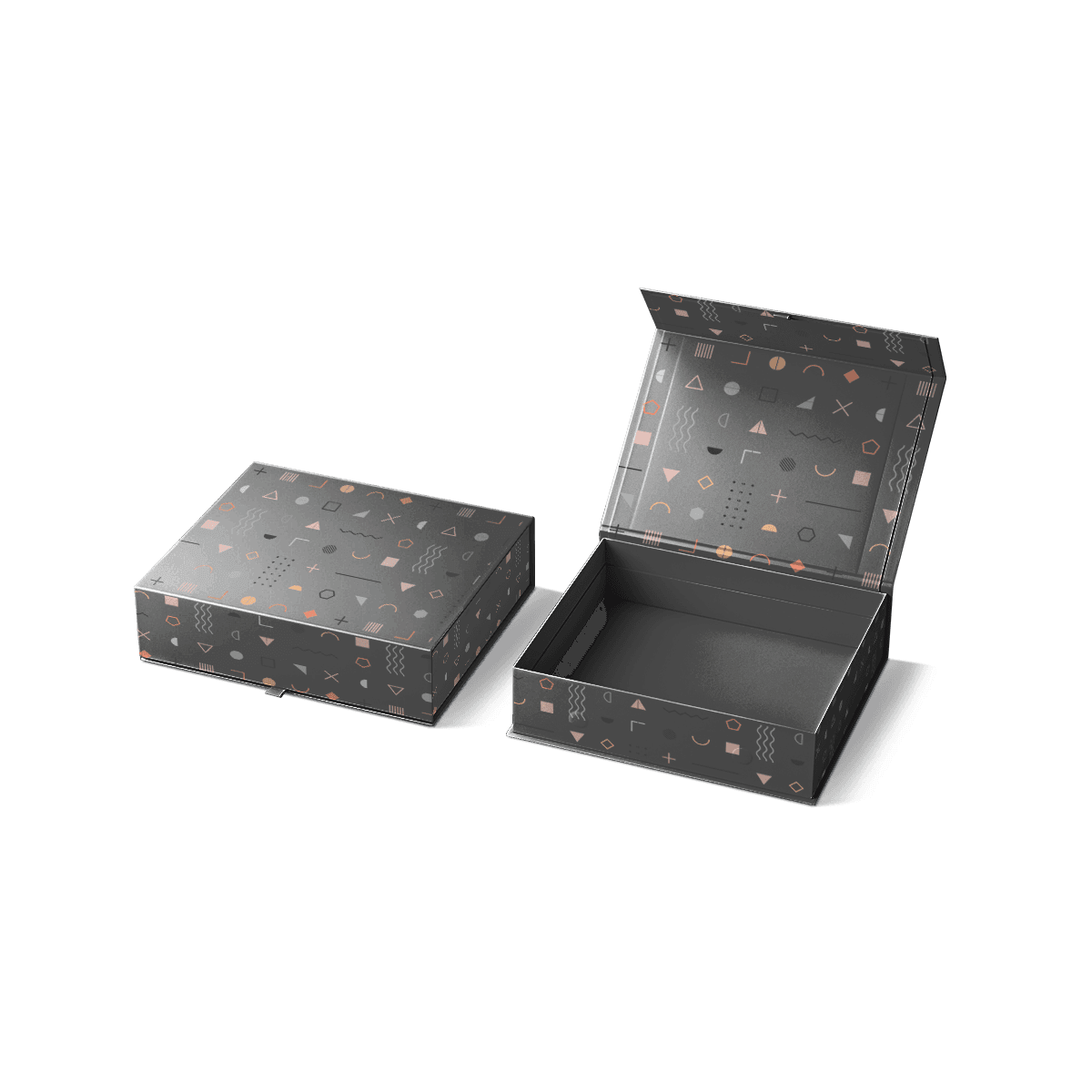
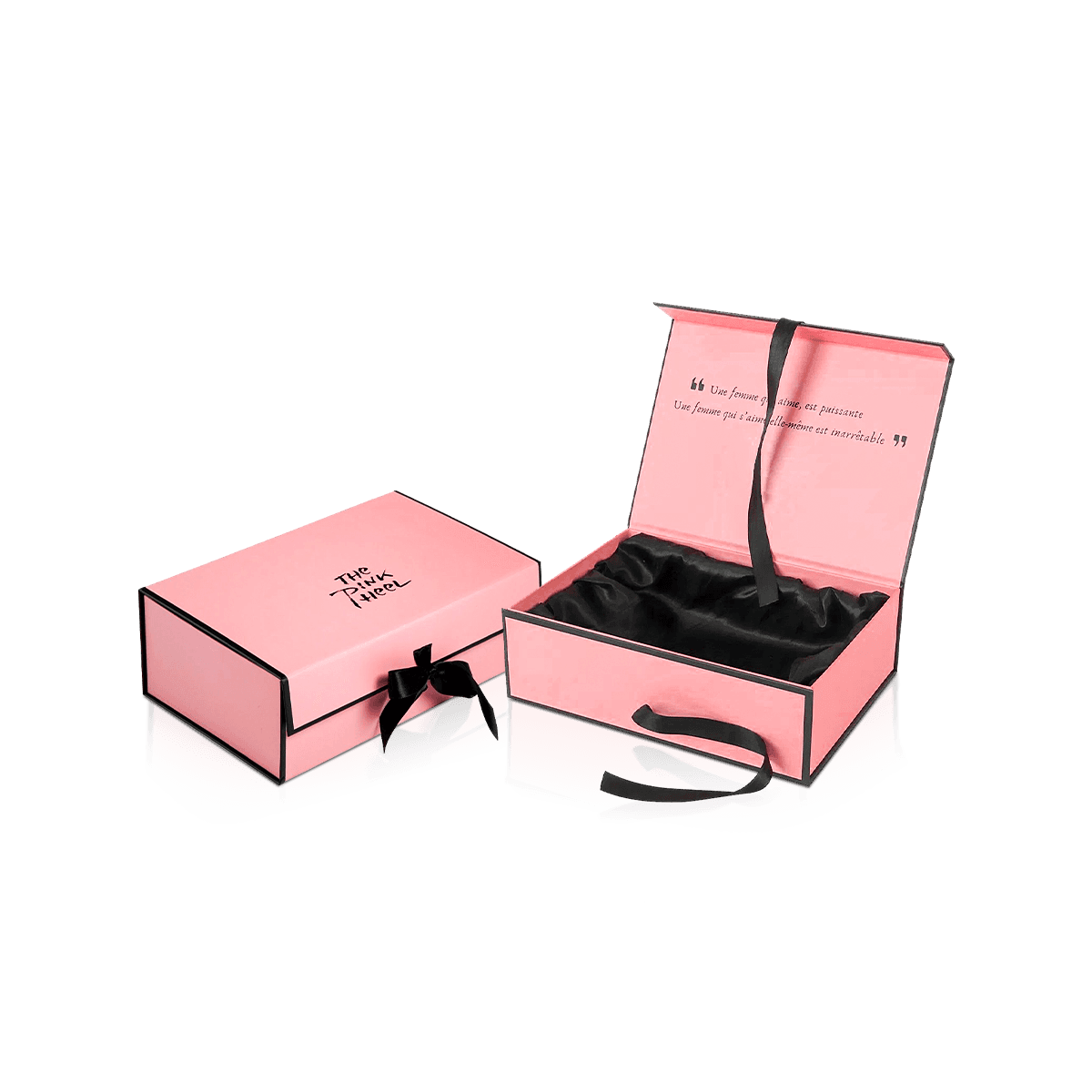
A rigid apparel box makes more sense when stronger walls, a deeper interior and a more substantial opening experience are part of the product position.

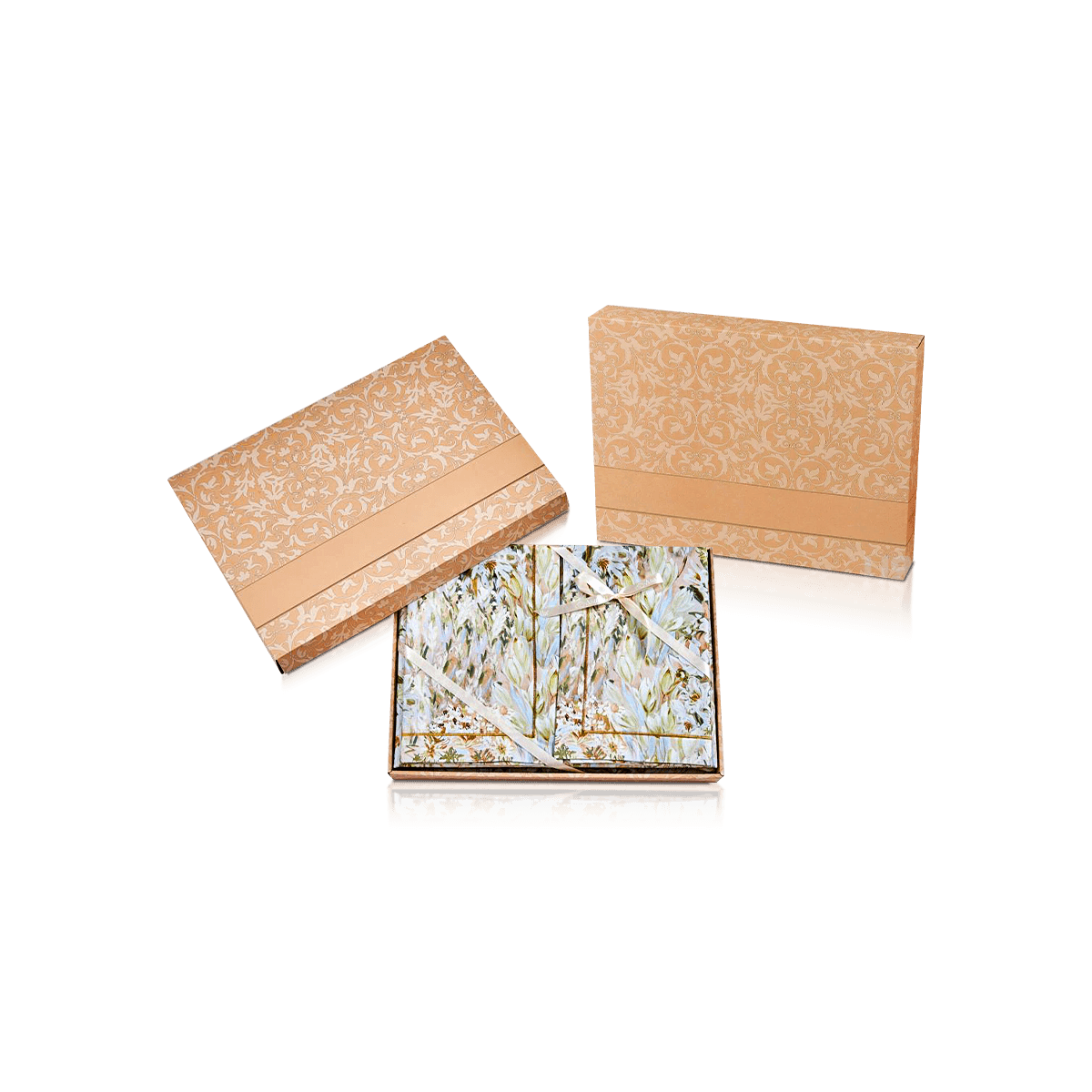
For premium lingerie programs where the box itself is expected to feel giftable or reusable, luxury apparel boxes move further toward wrapped rigid construction and a keepsake-style presentation.

The product price alone does not decide the structure.

A premium lace bralette may still work beautifully in a disciplined folding carton. A multi-piece bridal set may justify a deeper rigid box because the presentation and long-term storage role are different.

A Bra Set Can Fail Before Shipping Begins

Consider a set containing a molded bra, matching brief and suspender piece.

All three items technically fit inside one shallow box. The bra is placed first, the brief goes into one cup and the suspender straps are folded across the top. The lid closes, but only after the molded cups are pressed downward.

When the customer opens it, one cup has flattened slightly, a metal adjuster has left an impression in the lace and the straps obscure the main presentation.

A larger box is not necessarily the only correction.

The better arrangement can preserve the cup profile, move the brief into a controlled lower or side position and keep hard adjusters away from lace. The suspender piece can sit on a separate card or beneath a shallow divider.

The outside dimensions may increase slightly, but the important change is the relationship between the pieces.

That is the distinction between a box that merely contains a lingerie set and one designed around how the set behaves.

Ecommerce Needs Two Privacy Decisions

Online lingerie orders introduce privacy at both the presentation level and the doorstep.

The inner product packaging decides what the customer sees after opening. The outer package decides what neighbors, building staff and delivery handlers see before that moment.

Those jobs do not have to use the same graphic treatment.

The retail and ecommerce packaging decision becomes especially relevant when a lingerie brand sells both in boutiques and direct to customers.

A retail-led box can retain stronger visual branding while online orders receive a restrained shipper. A DTC-led operation may instead use a single corrugated mailer with discreet exterior print and stronger graphics inside.

Returns Need Practical Packing

Lingerie ecommerce can also involve returns or exchanges, particularly where fit is involved.

The package should open without unnecessarily destroying the inner presentation if the business expects the customer to reuse part of the packaging for a return.

That consideration belongs mainly to the delivery layer. It should not force the lingerie presentation box itself to become a heavy shipper.

Surface Finish Should Match Handling

Lingerie branding often leans toward soft visual and tactile cues, but finish selection still needs to work with actual handling.

Matte or soft-touch surfaces can create a quieter presentation. Gloss can sharpen color and increase reflectivity. Foil or embossing can emphasize a wordmark without requiring dense printed graphics.

The finish should support the brand position rather than compensate for a weak structure.

A compact lingerie box with careful proportions and one controlled finish can feel more refined than a larger package crowded with decorative effects.

Premium offset printing supports fine typography, patterns and controlled brand colors across repeat production.

A free 3D mockup can help review artwork placement, opening orientation and inside presentation before production.

Plan Quantities Around Product Groups

Lingerie lines can create packaging complexity quickly because style, size and color already produce many product SKUs.

The packaging system should avoid multiplying that complexity unnecessarily.

Several sizes may fit the same box when their packed profiles are close enough. Molded and non-molded styles may need different depths. Gift sets may deserve another structure entirely.

The practical unit for packaging planning is therefore the product group, not every individual garment SKU.

MOQ starts from 100 boxes, which can support separate packaging specifications where the physical differences justify them.

Custom Packly uses US production with free shipping, free design and dieline support, premium offset printing and 24/7 packaging expert support. Standard turnaround is 4–6 days after final artwork and specifications are approved once the order is production-ready. Complex structures, specialty materials or advanced finishes may require additional time.

Warehousing and scheduled deliveries can support larger lingerie programs when packaging stock should arrive in stages.

Once product groups, box sizes, print versions and quantities are settled, an instant custom packaging quote can reflect the actual lingerie program.

The First Unfold Should Look Intentional

The final check should recreate the customer’s first opening: lift the tissue, remove the garment and let it unfold without straps tangled, cups flattened or hardware pressed into lace.

A molded bra should open with its cup profile intact. A matching set should separate cleanly instead of arriving as one compressed bundle. Hooks, rings and adjusters should stay away from delicate surfaces during that first movement.

The strongest lingerie packaging is neither the smallest carton nor the most elaborate gift box. It is the one that respects the privacy of the purchase, preserves the shape of the garment and makes the first view feel controlled rather than compressed, tangled or overpacked.

FAQs

They matter because small pieces move easily inside the box. A custom insert layout can separate bras briefs accessories and cards so the set opens neatly.

That depends on the selling environment. Boutique displays often benefit from refined branding while direct-to-consumer orders usually perform better with a quieter outer panel and stronger inside presentation.

Lingerie Boxes are the better choice when coordinated sets need more interior order and a more controlled reveal. Folding Apparel Boxes suit simpler high-volume apparel programs where speed and lighter material weight matter more.

Start with the folded dimensions of the product and any tissue or cards going inside. Too much space lets items slide while a shallow pack can flatten cups trims or decorative elements.

Yes. Paperboard formats can still carry embossing foil stamping matte coatings and inside printing while rigid structures add more stability for gift-led or higher-ticket assortments.

Process

How it works

Your Packaging Journey, From Idea to Production and Delivery

01

Tell Us Your Specs

Custom packaging boxes

Tell Us Your Specs

Provide size, quantity, printing, and finishes.

02

Get a Fast Quote

Custom packaging boxes

Get a Fast Quote

Instant transparent pricing, no hidden fees.

03

Design and Approval

Custom packaging boxes

Design and Approval

Artwork checks, revisions, and final sign-off.

04

Produce

Custom packaging boxes

Produce

Expert manufacturing to meet deadlines.

05

Ship to Your Door

Custom packaging boxes

Ship to Your Door

Hassle-free, flexible delivery options.

Get Your Quote for Custom Lingerie Boxes

Share your product details, size, quantity and artwork needs. We’ll help choose the right packaging style and send a clear quote.