Skip to content
Details

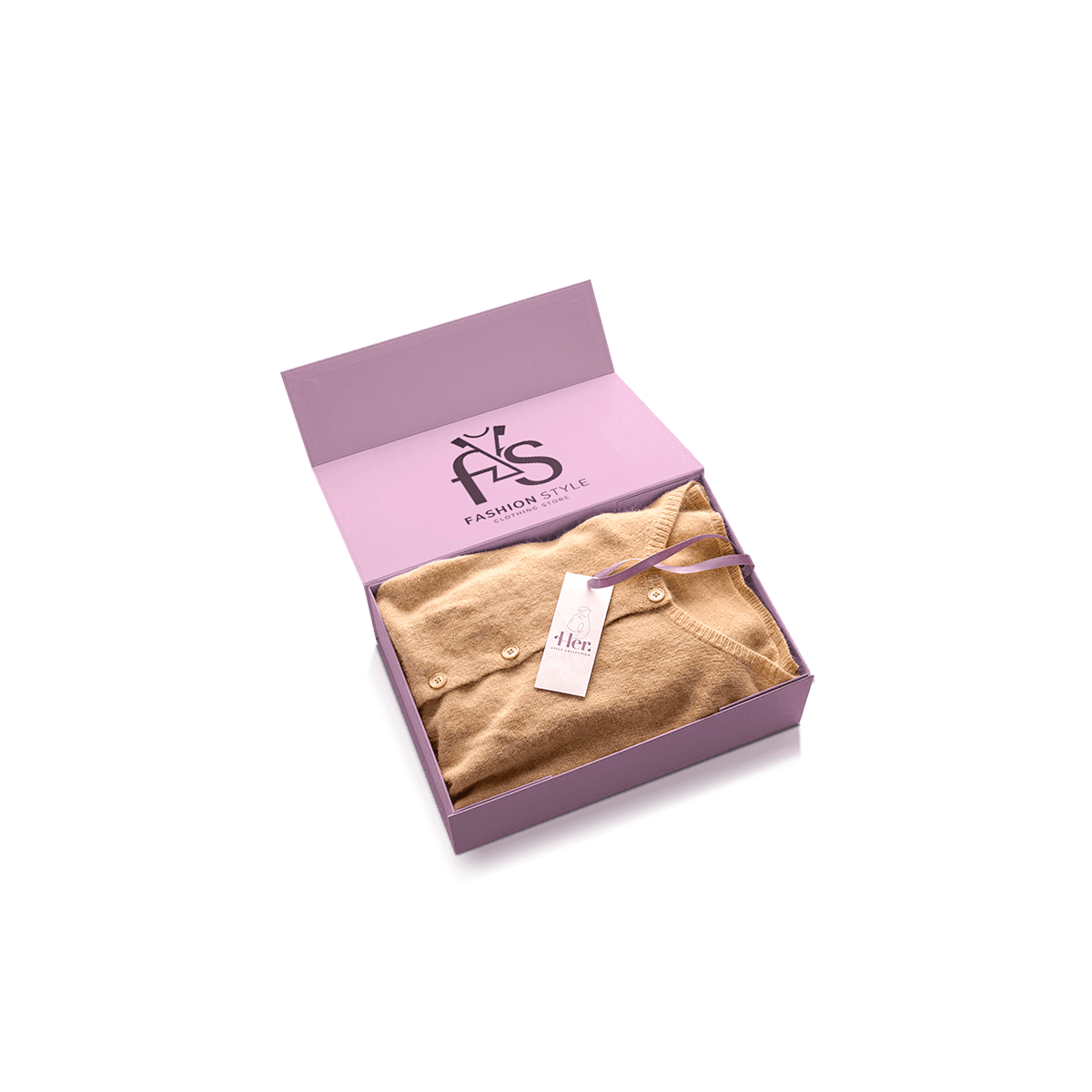
Custom Rigid Apparel Boxes

Structured clothing packaging for folded shirts, knitwear, coordinated sets and premium apparel that needs a stable shape from packing table to customer handoff.

Fold Height Defines the Box

Rigid apparel packaging should begin with the garment after it has been folded for sale, not with the dimensions of the garment when worn.

A medium shirt, heavyweight sweater and coordinated lounge set can occupy very different volumes even when their retail size labels appear similar. Fabric thickness, fold count, collars, trims and included accessories all change the packed height.

That makes internal depth one of the most important decisions for Custom Rigid Apparel Boxes.

Across retail and apparel packaging, rigid construction makes sense when folded garments need stronger shape retention and a more stable interior than a lightweight carton can maintain.

Measure the Real Retail Fold

Do not estimate box depth from clothing dimensions on a specification sheet.

Fold the actual garment the way staff will pack it. Add tissue, a garment board, care card or accessory only if those components will be present in production.

Then measure the finished stack.

A box specified before that packing sequence is settled can end up compressing the garment or leaving excessive vertical space.

Fabric Loft Changes the Result

A fine dress shirt compresses differently from knitwear.

A sweatshirt or heavy sweater may rebound after being pressed into a shallow box. That pressure can make the lid sit high, distort tissue or create an inconsistent closed profile across units.

Rigid walls hold their shape, so the garment cannot simply push the package outward as it might with a softer pack.

Depth needs to absorb normal variation in the folded apparel without becoming unnecessarily tall.
Headspace Changes How Clothing Arrives

Too much internal height allows folded garments to lift, slide and lose alignment.

Too little height can flatten collars, compress decorative trims or make the lid press directly onto raised garment areas.

The goal is controlled clearance.

Tissue Does Not Fix an Oversized Box

Tissue can improve presentation and reduce light rubbing, but it should not become filler for several inches of unused space.

If staff need large amounts of tissue to stop a shirt moving inside the box, the structure is probably too large for the packout.

A closer fit usually creates a cleaner result with fewer packing steps.

Garment Boards Stabilize Soft Products

A folded shirt or knit item has little structural stiffness of its own.

A thin garment board can keep the fold flatter, provide a cleaner lifting surface and reduce the tendency for soft fabric to collapse toward one side of the box.

The board should follow the garment footprint rather than creating a second oversized platform around it.

Rigid Walls Keep the Pack Square

The defining advantage of rigid apparel boxes is not simply that they feel substantial.

Their walls remain formed.

That gives folded clothing a stable perimeter during stockroom handling, boutique presentation, showroom meetings and premium order packing.

A rigid box can also support internal platforms, dividers and wrapped surfaces that would be harder to maintain inside lighter packaging.

Corners Matter in Stacked Storage

Apparel boxes are often stored in stacks before customer handoff.

Weak corners can make the lower boxes look tired before the garments ever reach a customer.

Rigid board helps maintain clean edges under normal storage and handling, particularly for premium collections that remain boxed for longer periods.

The Box Should Not Replace the Shipper

Rigid board protects presentation better than a light folding carton, but it is still a retail or presentation structure.

Direct-to-customer orders normally benefit from an outer shipping pack so courier labels, abrasion and transit impacts do not reach the wrapped rigid surface.

That separation keeps the rigid box focused on the garment experience.

Clothing Sets Need Layer Control

A single folded shirt is relatively simple.

A shirt with a belt, scarf, tie, socks, badge or another accessory creates a more complex interior.

The smaller item should not disappear beneath the main garment or create a hard pressure point against the fabric.

Accessories Need Their Own Level

A shallow tray, divider or separate compartment can prevent small rigid items from moving across folded clothing.

For example, a metal belt buckle placed loose above a shirt can mark tissue or press into the fabric during transport.

Giving the accessory a defined position avoids relying on decorative filler.

Stacking Garments Can Hide the Second Piece

Coordinated clothing sets sometimes use one folded garment directly on top of another.

That saves footprint but can make the lower piece feel secondary.

A divider sheet, ribbon lift or layered opening can separate the two garments so the customer understands the set rather than discovering the second item accidentally.

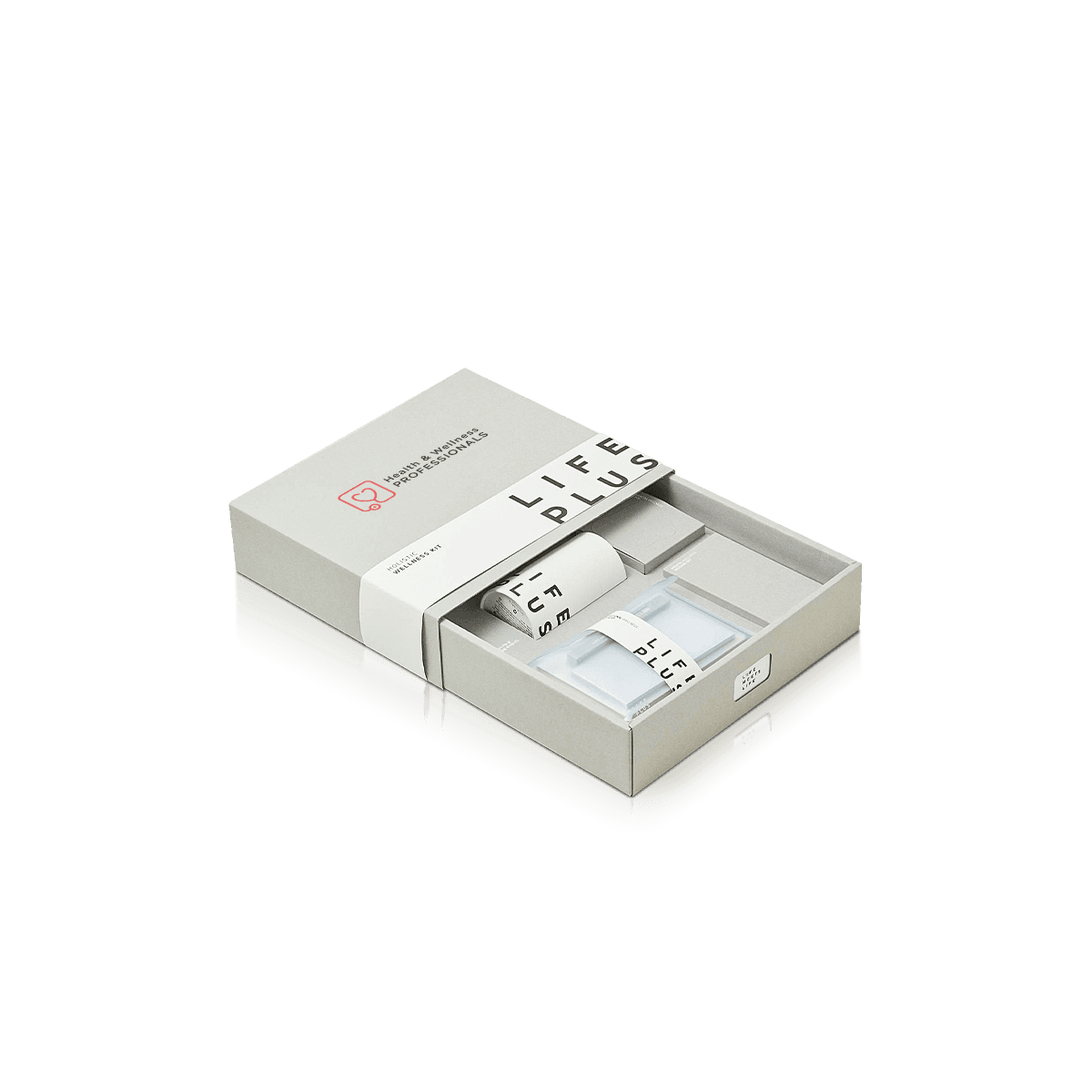
Packaging inserts can help organize multi-piece packs when simple tissue layering is not enough.

Opening Style Should Match the Packing Table

Rigid apparel boxes can use several structures, but the opening method should also be practical for the team packing the garments.

A beautiful structure that takes too long to load can become difficult at collection-launch volume.

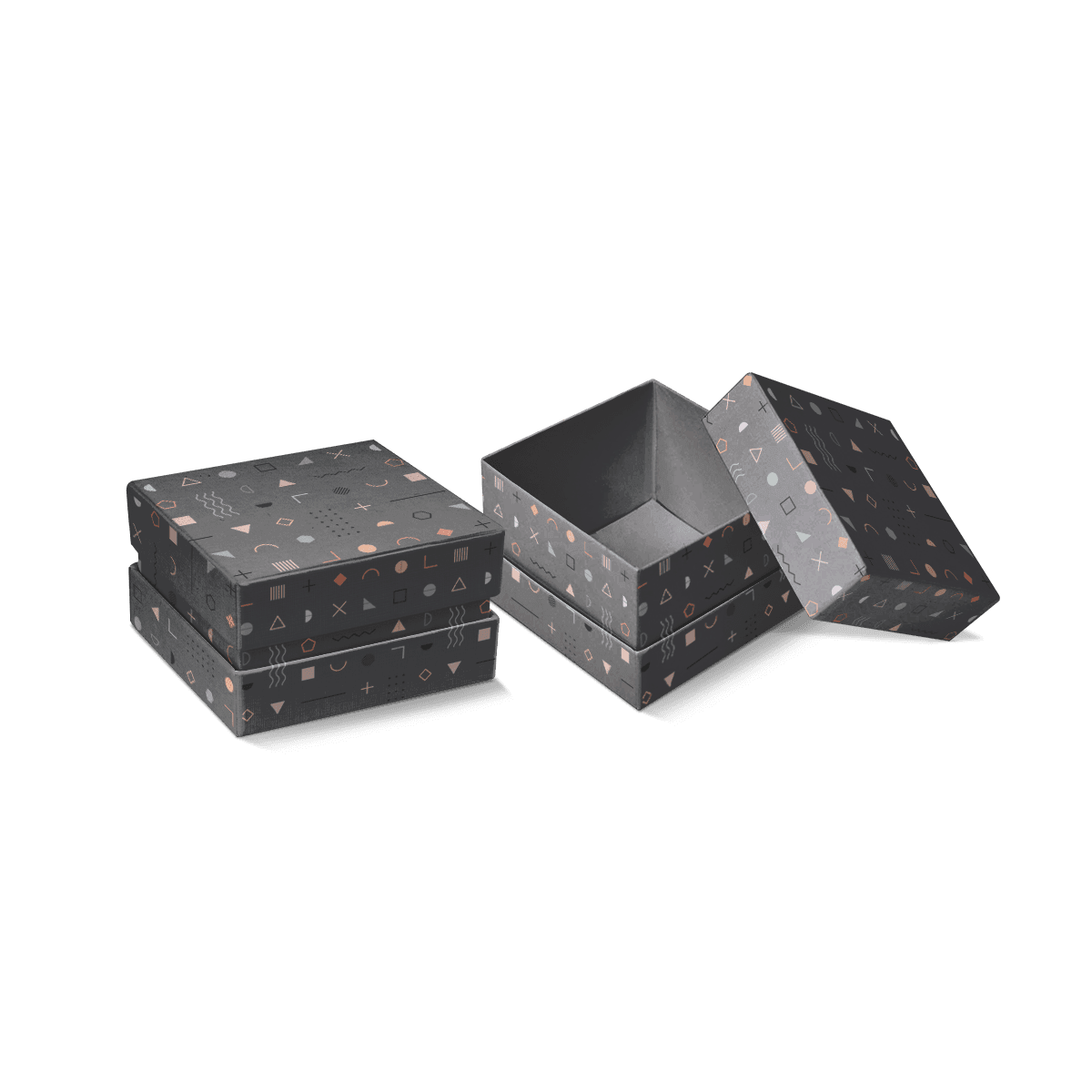
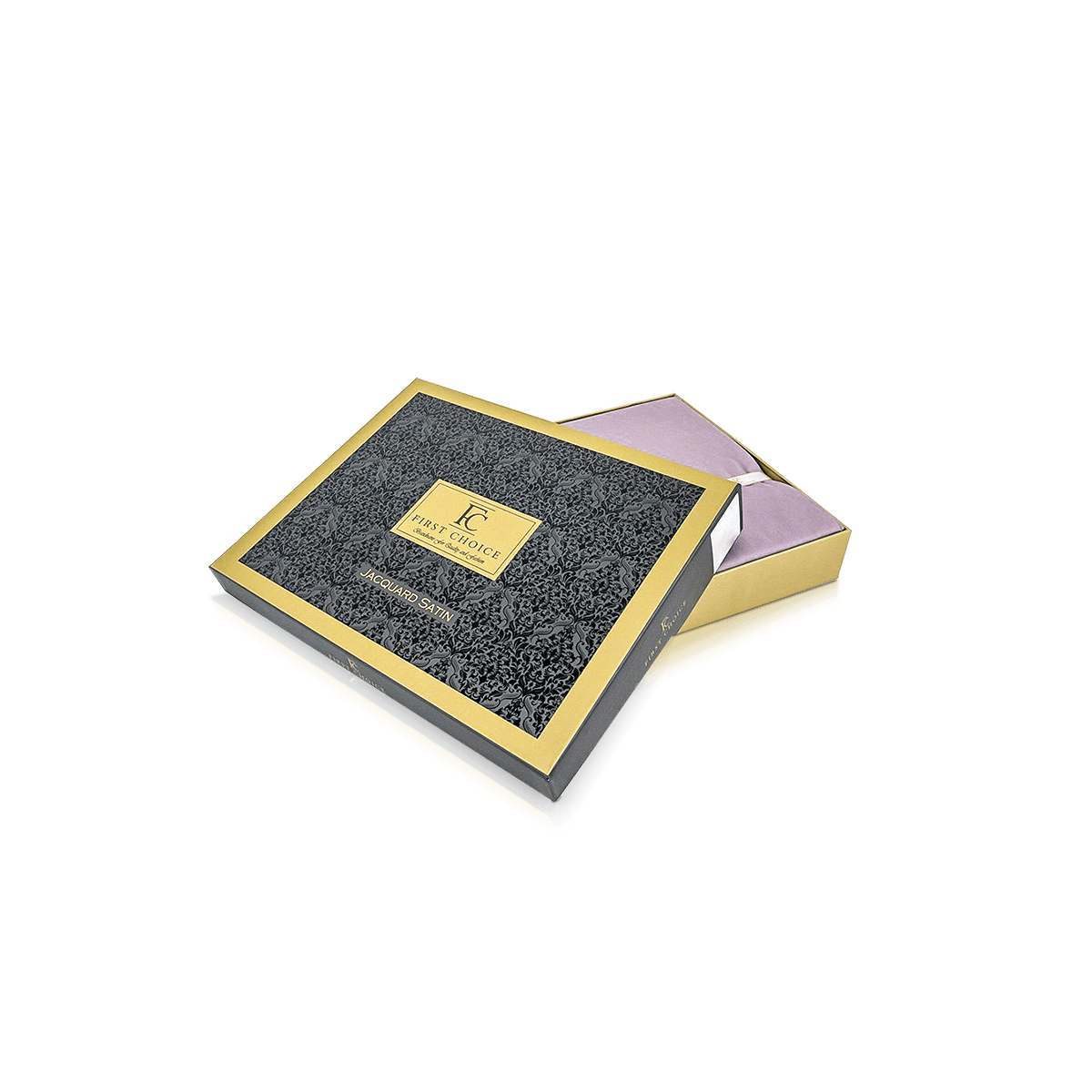
Two-Piece Boxes Keep Packing Direct

A lift-off lid gives staff full access to the base.

That works well for shirts, knitwear and clothing sets that need to be placed carefully into tissue before the lid is added.

The open base also makes it easy to adjust garment alignment at the last moment.

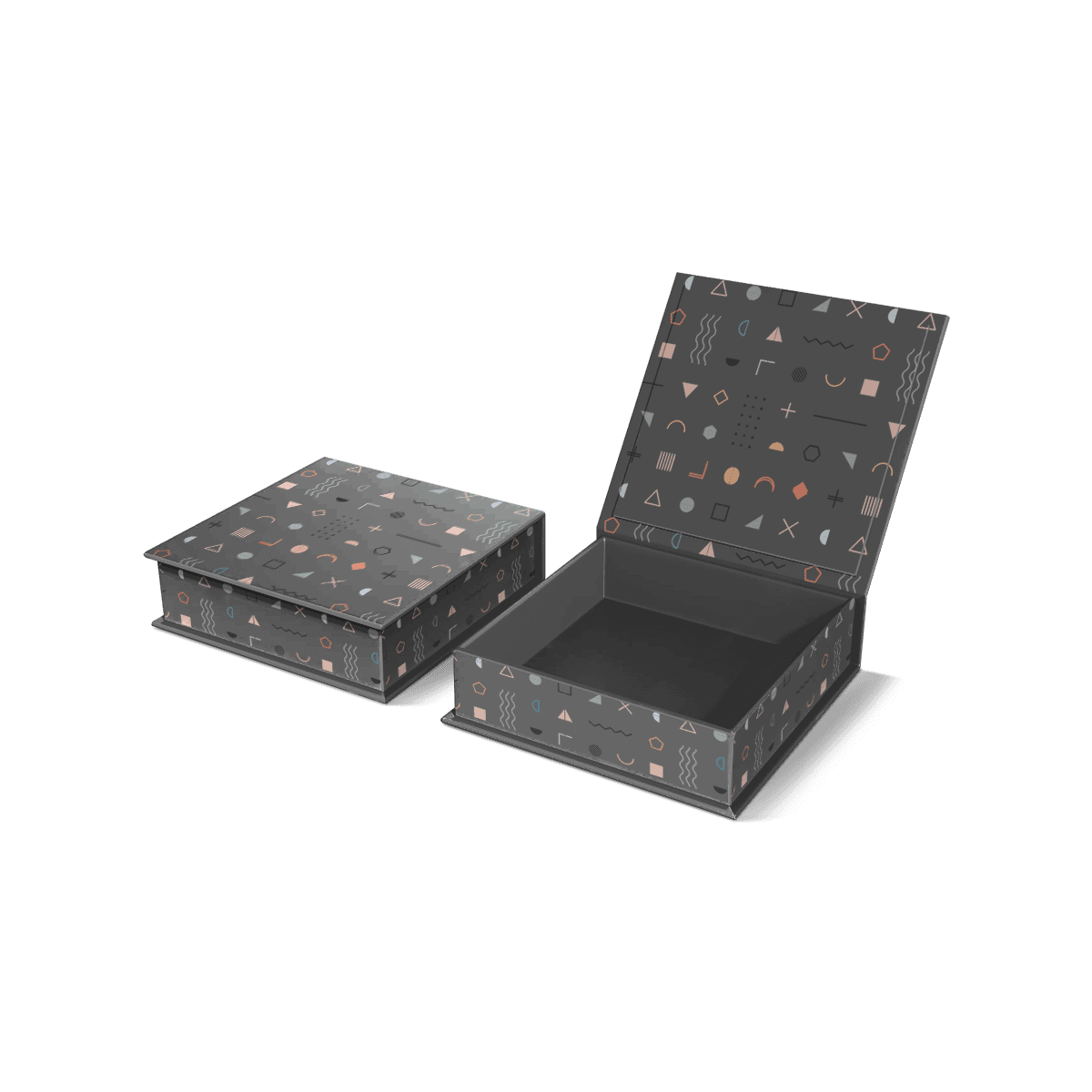
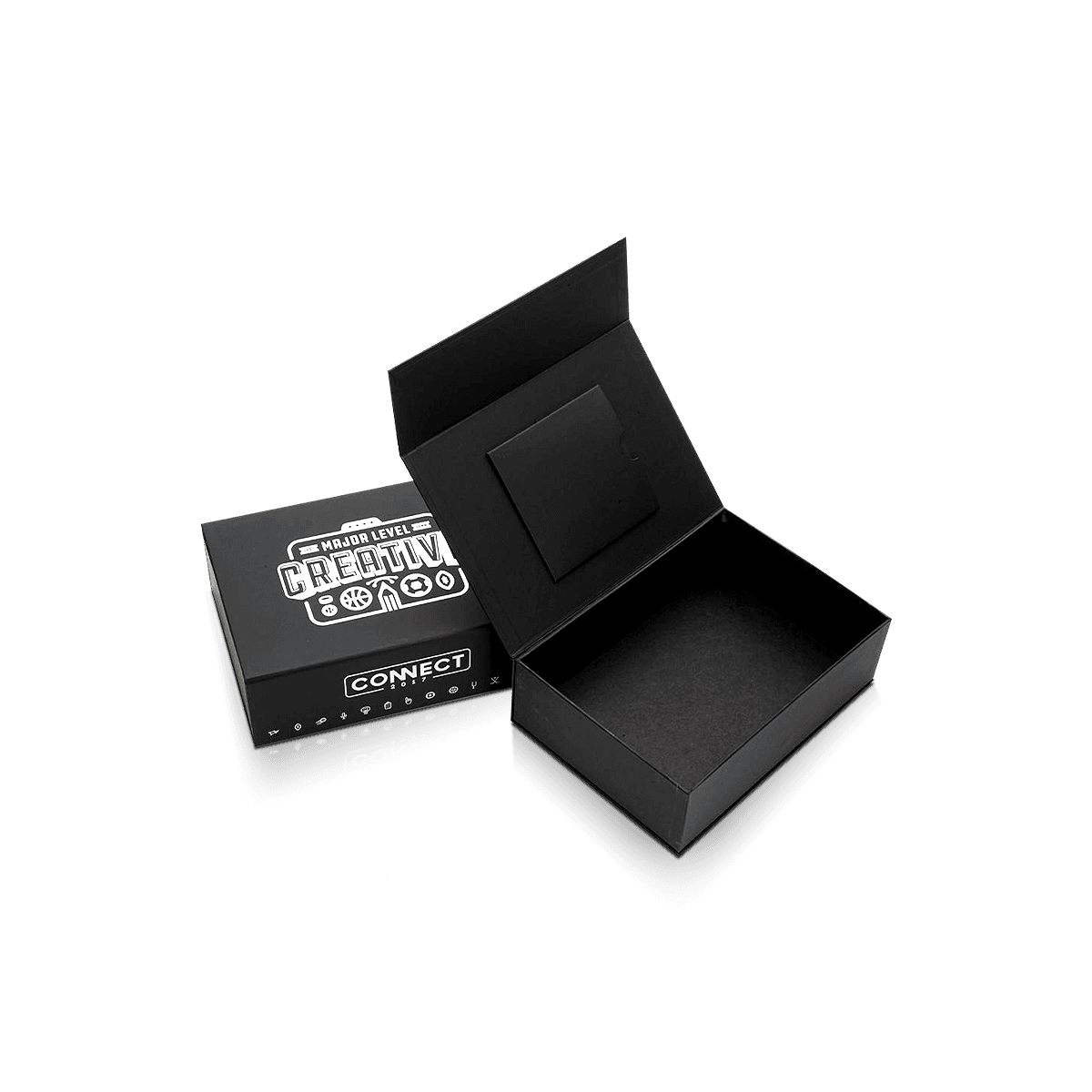
Magnetic Boxes Add a Connected Lid

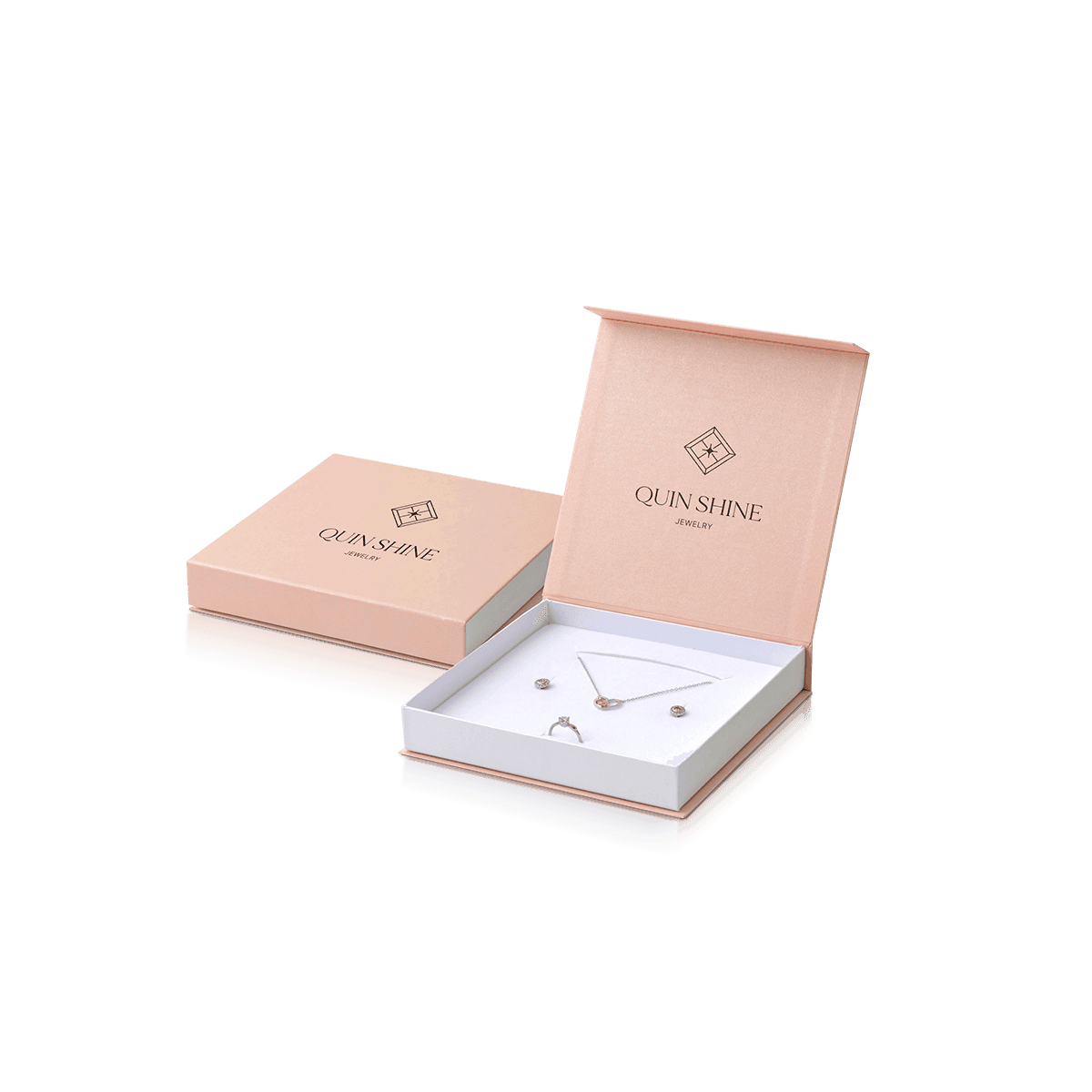
Magnetic closure rigid boxes keep the lid attached and can create a strong inside-lid branding area.

They suit premium apparel programs where the box is opened repeatedly or kept after purchase.

The closure should still accommodate the finished garment stack without being forced shut by excessive fabric height.

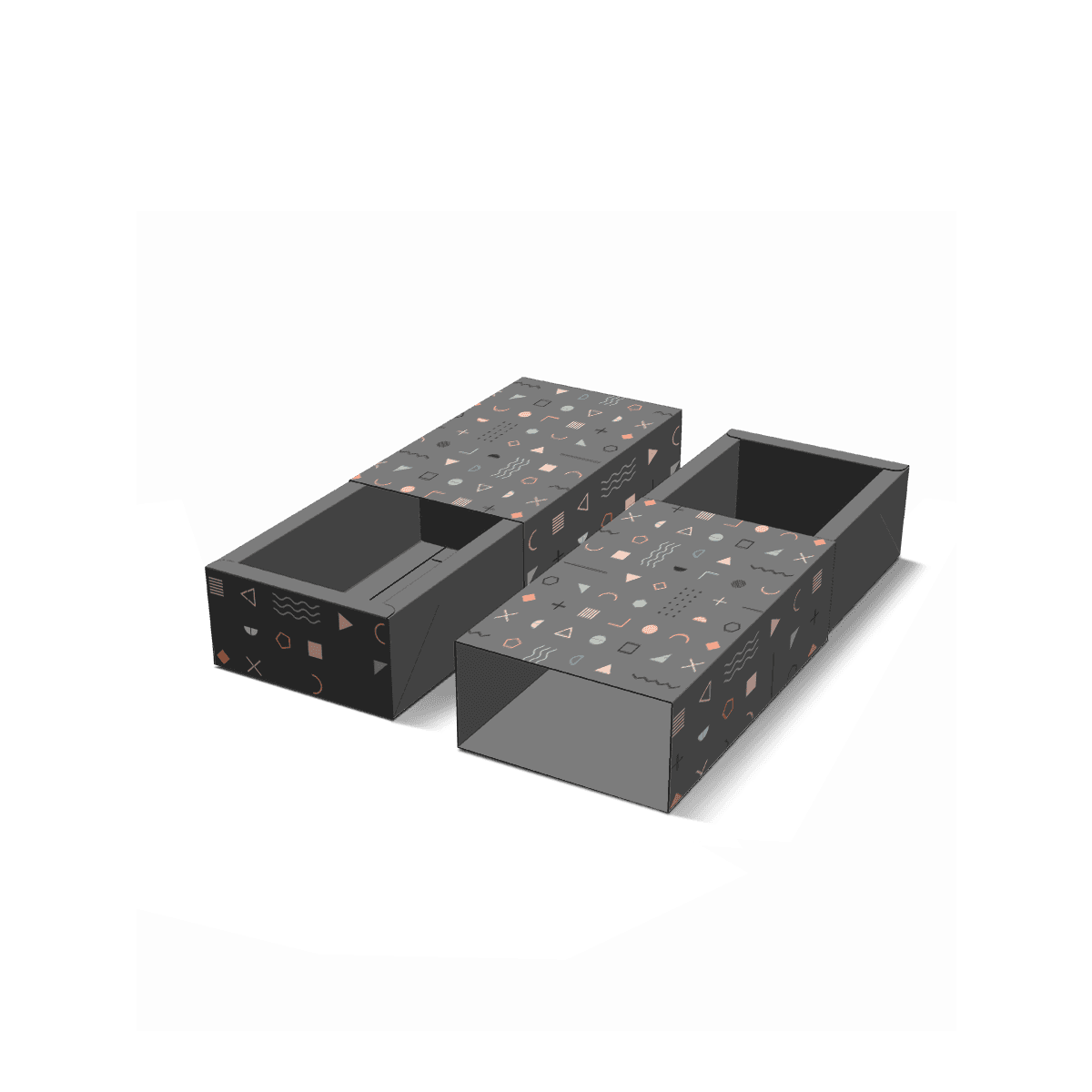
Collapsible Rigid Boxes Reduce Empty Storage

Conventional rigid boxes retain their full volume before packing.

For apparel programs using hundreds or thousands of boxes, that can require significant storage space.

Collapsible rigid boxes can retain a premium rigid-board feel after assembly while arriving flatter before use.

The trade-off is an additional erection step at packout.

Rigid Does Not Automatically Mean Luxury

Rigid Apparel Boxes and luxury apparel packaging overlap, but they do not need to own the same decision.

This structure earns its place through garment control, stronger walls and an organized interior.

For apparel where tactile theatre, premium finishes and keepsake value dominate the brief, Luxury Apparel Boxes put more emphasis on the sensory and gifting experience.

A rigid apparel box can remain comparatively restrained.

It may use a clean paper wrap, precise logo placement and simple tissue while still outperforming a lightweight carton structurally.

Higher Structure Can Serve Practical Clothing

Showroom samples, corporate apparel kits and coordinated uniforms can benefit from rigid construction even when the visual direction is not overtly luxurious.

The box gives staff a stable format for pieces that need to arrive neatly grouped and presentable.

That keeps the product definition broader than luxury gifting alone.

Size Labels Belong Outside the Reveal

Fashion operations often manage several garment sizes in almost identical boxes.

That creates a picking problem.

The premium front face may remain visually minimal, but warehouse and retail teams still need a fast way to distinguish Small, Medium, Large or different colorways without opening each package.

Use a Consistent Operational Panel

A side or base panel can carry a size label, barcode, SKU identifier or removable stock sticker.

Keeping those marks in one predictable location makes shelving and order picking easier.

The system should work even when the exterior artwork is shared across multiple garment sizes.

Artwork Versions Need a Reason

Do not create a completely different printed box for every size unless the design genuinely requires it.

Shared packaging with controlled labels may be easier to manage than five nearly identical printed versions.

By contrast, separate collection artwork may make sense when the box itself identifies a seasonal drop or collaboration.

Custom Printed Apparel Boxes put print control and artwork consistency at the center when visual differentiation carries more weight than structural format.

Showroom Packs Need Repeatable Presentation

Wholesale buyers, stylists and retail partners may see the same sample several times.

A rigid box can help return the garment to a defined presentation between meetings.

This makes the packaging useful beyond the first opening.

The Garment Needs a Reset Position

If the shirt or knitwear only looks correct when one particular employee packs it, the system is too dependent on individual technique.

A garment board, tissue fold or shallow interior boundary can establish a repeatable position.

The objective is not to immobilize fabric completely. It is to make the intended fold obvious.

Cards Should Not Wander

Collection notes, line sheets, care cards or branded messages can move around a wide clothing box.

A shallow card pocket, lid position or controlled top layer keeps printed pieces from folding into the garment during repeated handling.

One Centimeter Can Change the Whole Pack

Consider a premium knitwear brand packing folded sweaters in a rigid two-piece box.

The first prototype is deliberately roomy because the team wants the sweater to feel substantial.

The base is slightly wider than the folded garment and roughly an inch deeper than the sweater stack requires.

At first packing, the extra space looks harmless.

After the box is carried vertically, the sweater slides toward one edge. The tissue wrinkles into the empty side and the garment no longer sits centered when the lid is removed.

Adding more tissue makes packing slower without addressing the cause.

Reducing the footprint closer to the actual fold and bringing the depth nearer to the packed sweater height produces a cleaner result. A light garment board can then help maintain the fold without creating a complicated insert.

The improvement comes from controlling the soft product with geometry rather than filling empty space.

Free sample examples of previous work can help assess general manufacturing quality. A paid fully custom pre-production sample can be arranged when exact depth, closure behavior or garment packout needs physical validation.

Finishes Work Better on Stable Surfaces

Rigid board gives apparel brands a firm wrapped surface for printing and finishing.

That can support precise logo placement, foil, embossing, debossing, matte surfaces, soft-touch treatments and inside printing.

The finish still needs to fit the clothing brand.

Large Boxes Magnify Small Design Choices

Apparel boxes often have broad uninterrupted lids.

A small centered mark can feel deliberate because the surrounding space is substantial. Large graphics can work too, but they become a major part of the garment presentation.

Before adding more decoration, decide how the closed box should relate to the clothing itself.

Inside Printing Can Separate Collection and Brand

The exterior can stay consistent across a fashion line while interior artwork changes for a seasonal collection, collaboration or campaign.

That can extend the identity without requiring a completely new structural package.

Packaging finishes can help distinguish surface treatments by their visual and tactile effect.

Custom Packly also supports premium offset printing, free design assistance and free 3D mockups for artwork and layout review before production.

Quote the Garment in Its Packed State

Rigid apparel pricing becomes more accurate after the retail fold, finished dimensions and box structure are established.

A shallow shirt box with a lift-off lid is a different job from a magnetic knitwear set with a partition for accessories.

MOQ starts from 100 boxes for US orders.

For pricing, provide the folded garment dimensions, expected stack height, quantity, box style, print direction, finishes and any garment board or compartment requirements.

An instant custom packaging quote can then reflect the finished pack instead of an estimated clothing size.

Custom Packly supports transparent pricing with no hidden charges and US production. standard turnaround is 4–6 days after final artwork and specifications are approved. Complex structures, specialty materials or advanced finishes may require additional time.

Ecommerce Requires a Second Fit Decision

A rigid apparel box may be correctly sized around the garment but incorrectly sized inside its shipping carton.

Too much space between the presentation box and outer shipper allows the inner pack to move during transit.

Too little clearance can make packing difficult or transfer impact directly into the rigid corners.

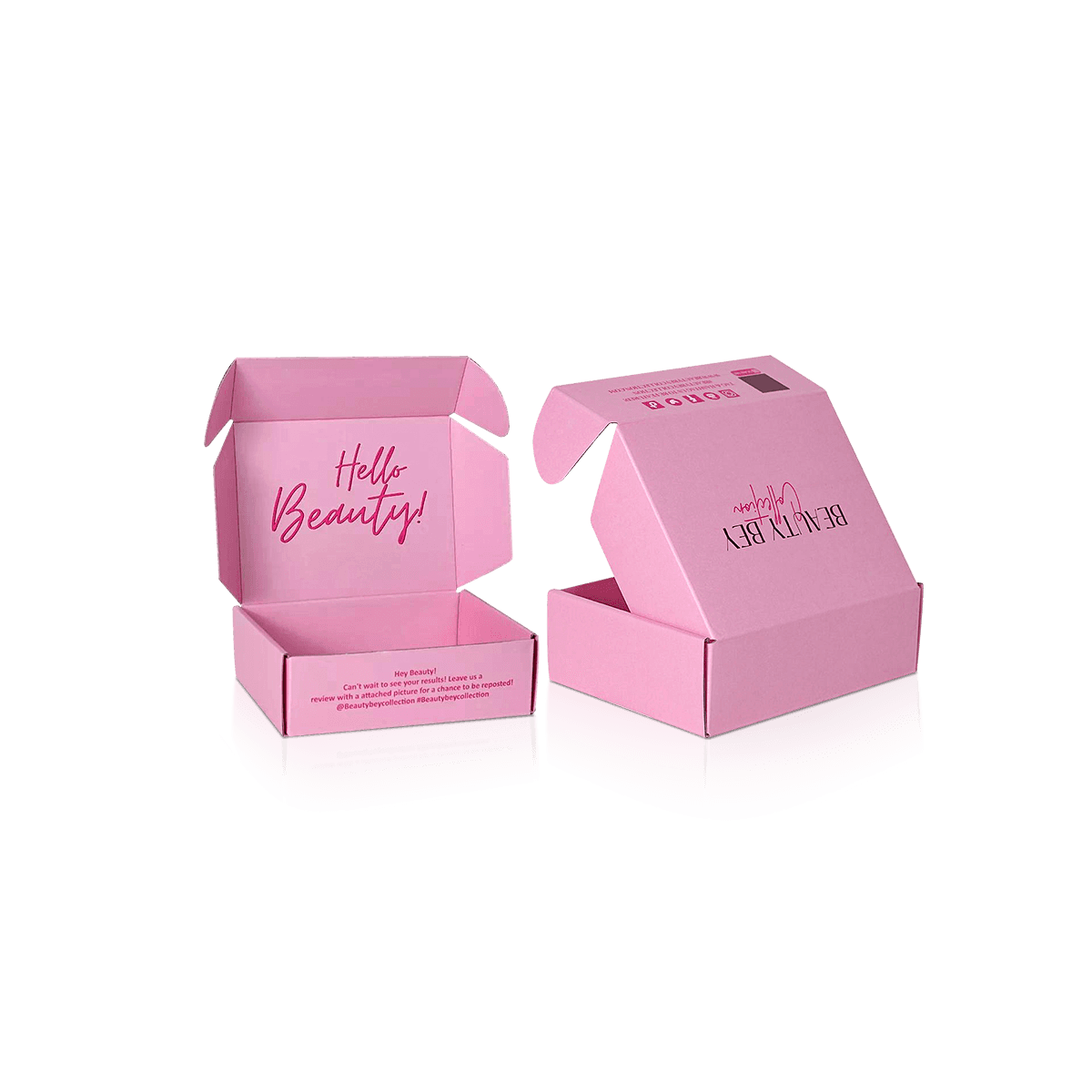
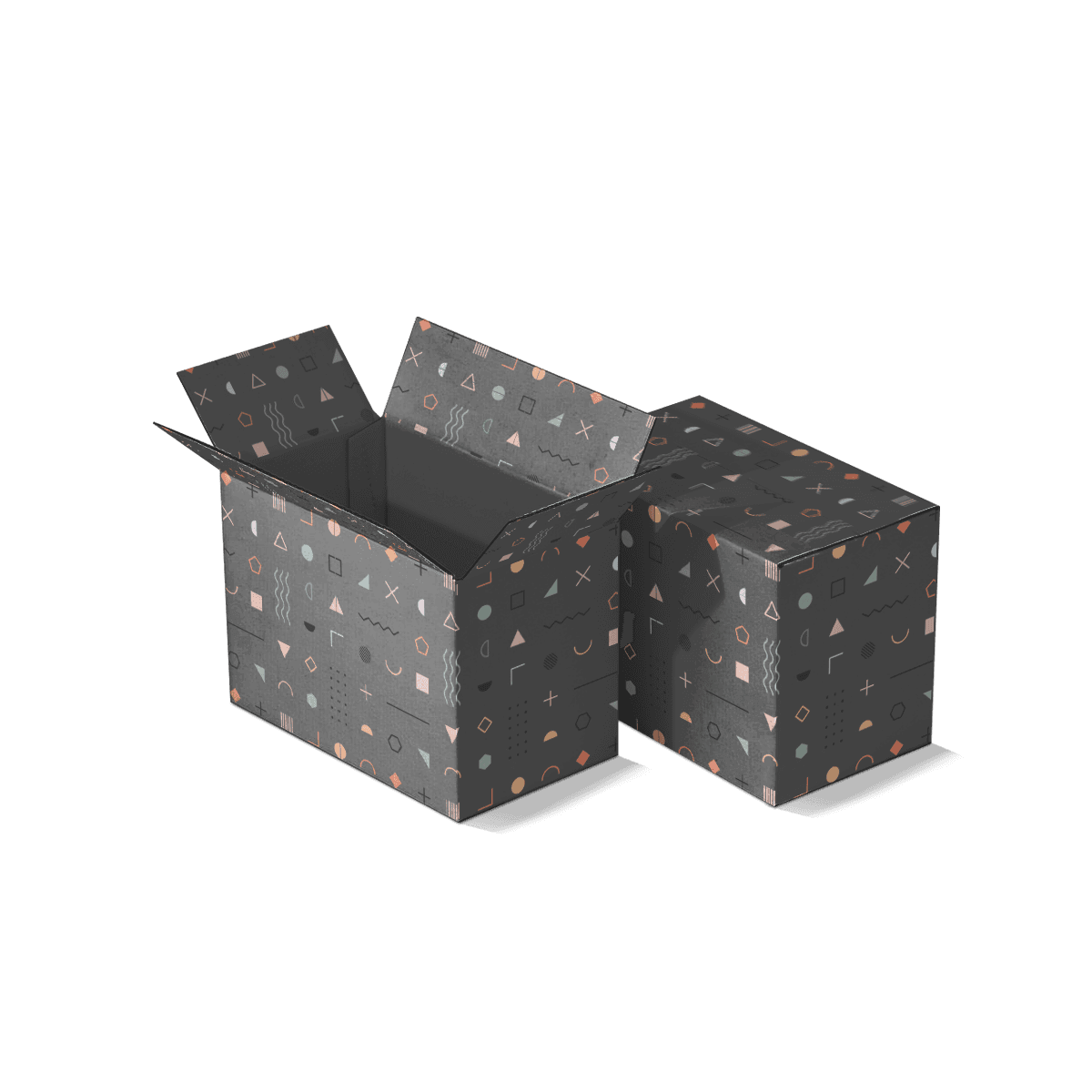
Orders that need one branded structure to handle courier transit may fit Mailer Apparel Boxes better than a rigid presentation box plus outer shipper.

For US packaging orders, Custom Packly includes free shipping.

Presentation and Transit Should Stay Separate

For premium DTC clothing, the rigid box can protect the fold and carry the brand experience.

The outer shipper can handle labels, stacking and courier abrasion.

That arrangement lets the presentation box reach the customer without looking like a parcel.

Storage Becomes Part of the Cost

Conventional rigid boxes occupy their finished volume before the garment is packed.

For a seasonal clothing launch, that can mean a large amount of warehouse space filled with empty packaging.

The cost decision should therefore include storage and packout, not just unit price.

Large Apparel Footprints Add Up Quickly

A shirt box may not seem especially large on its own.

Multiply that footprint by several thousand assembled rigid boxes and storage requirements change significantly.

Brands with limited fulfillment space may prefer collapsible rigid construction or staggered packaging deliveries even when conventional setup boxes are otherwise suitable.

Custom Packly supports warehousing and scheduled deliveries for larger production programs that do not need every finished box released at once.

Standardize the Fold Before the Box

The most useful final specification is not simply a box dimension.

It is a repeatable packing standard.

Record how the garment is folded, whether tissue sits inside or outside the final dimensions, where tags are positioned, whether a garment board is used and how accessories enter the pack.

That prevents the same box from producing different results across shifts, fulfillment locations or repeat production.

A rigid structure can keep its shape perfectly and still look inconsistent if the clothing inside changes position every time it is packed.

Custom Packly is an experienced US custom packaging company with extensive customization and 24/7 packaging expert support. Rigid Apparel Boxes perform best when the physical structure begins with the actual garment fold and supports the way clothing is packed, identified, stored and handed to the customer.

FAQs

They usually switch when the garment price point rises, the presentation needs to feel more stable or the box must hold inserts and accessories without looking crowded.

The best depth follows the garment fold closely. Too much headspace makes the product slide while too little depth can compress fabric trim or added cards.

Rigid Apparel Boxes are better when structure, presentation weight and organized interiors matter most. Folding Apparel Boxes are the more efficient choice for lighter retail programs and higher-volume runs.

Yes, but they usually perform best when placed inside an outer shipper. That keeps the presentation box clean while the shipping pack absorbs transit wear.

Subtle treatments tend to work best, such as uncoated wraps, matte lamination, blind embossing, restrained foil use and clean inside printing.

Process

How it works

Your Packaging Journey, From Idea to Production and Delivery

01

Tell Us Your Specs

Custom packaging boxes

Tell Us Your Specs

Provide size, quantity, printing, and finishes.

02

Get a Fast Quote

Custom packaging boxes

Get a Fast Quote

Instant transparent pricing, no hidden fees.

03

Design and Approval

Custom packaging boxes

Design and Approval

Artwork checks, revisions, and final sign-off.

04

Produce

Custom packaging boxes

Produce

Expert manufacturing to meet deadlines.

05

Ship to Your Door

Custom packaging boxes

Ship to Your Door

Hassle-free, flexible delivery options.

Get Your Quote for Custom Rigid Apparel Boxes

Share your product details, size, quantity and artwork needs. We’ll help choose the right packaging style and send a clear quote.