Skip to content
Details

Custom Book-Style Rigid Boxes

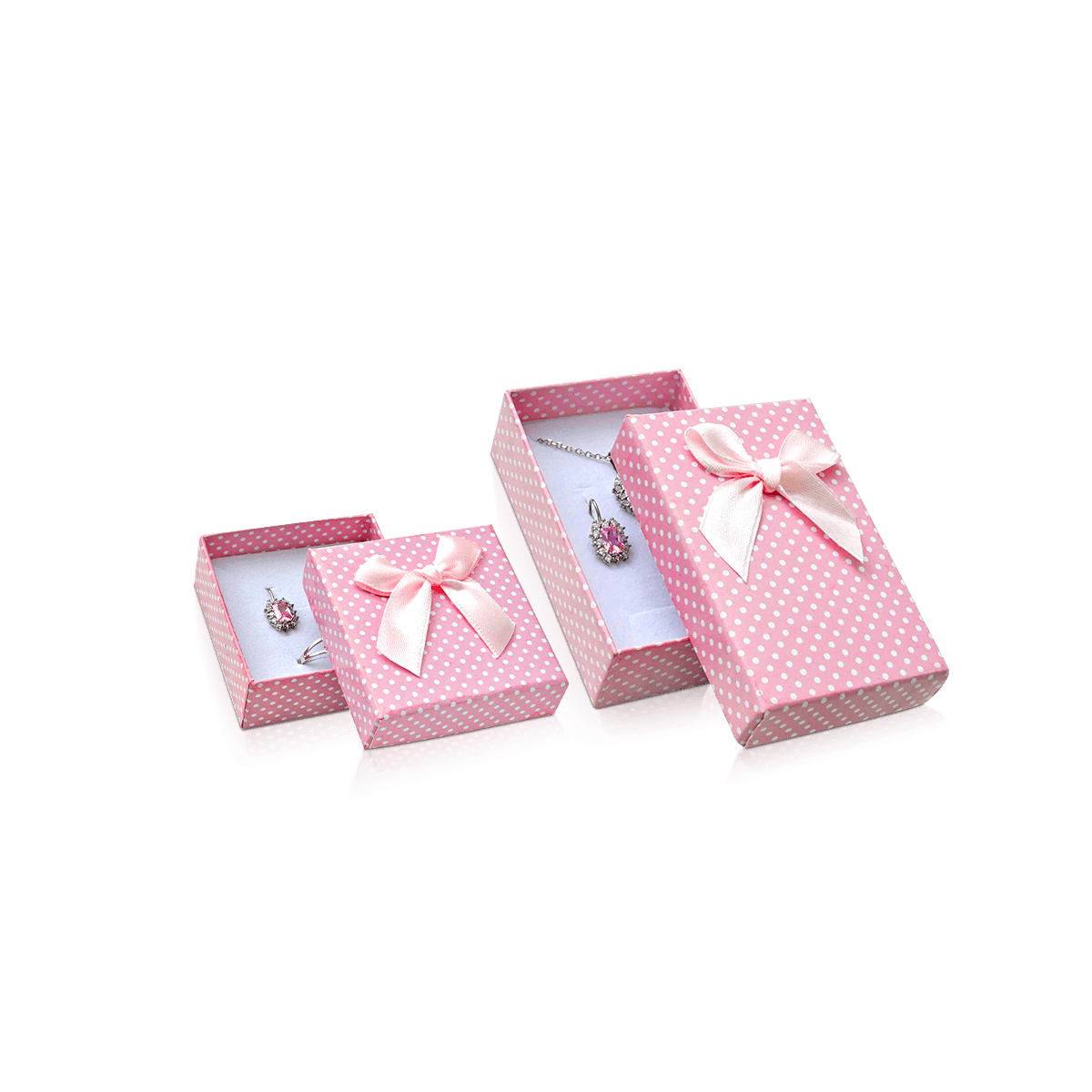
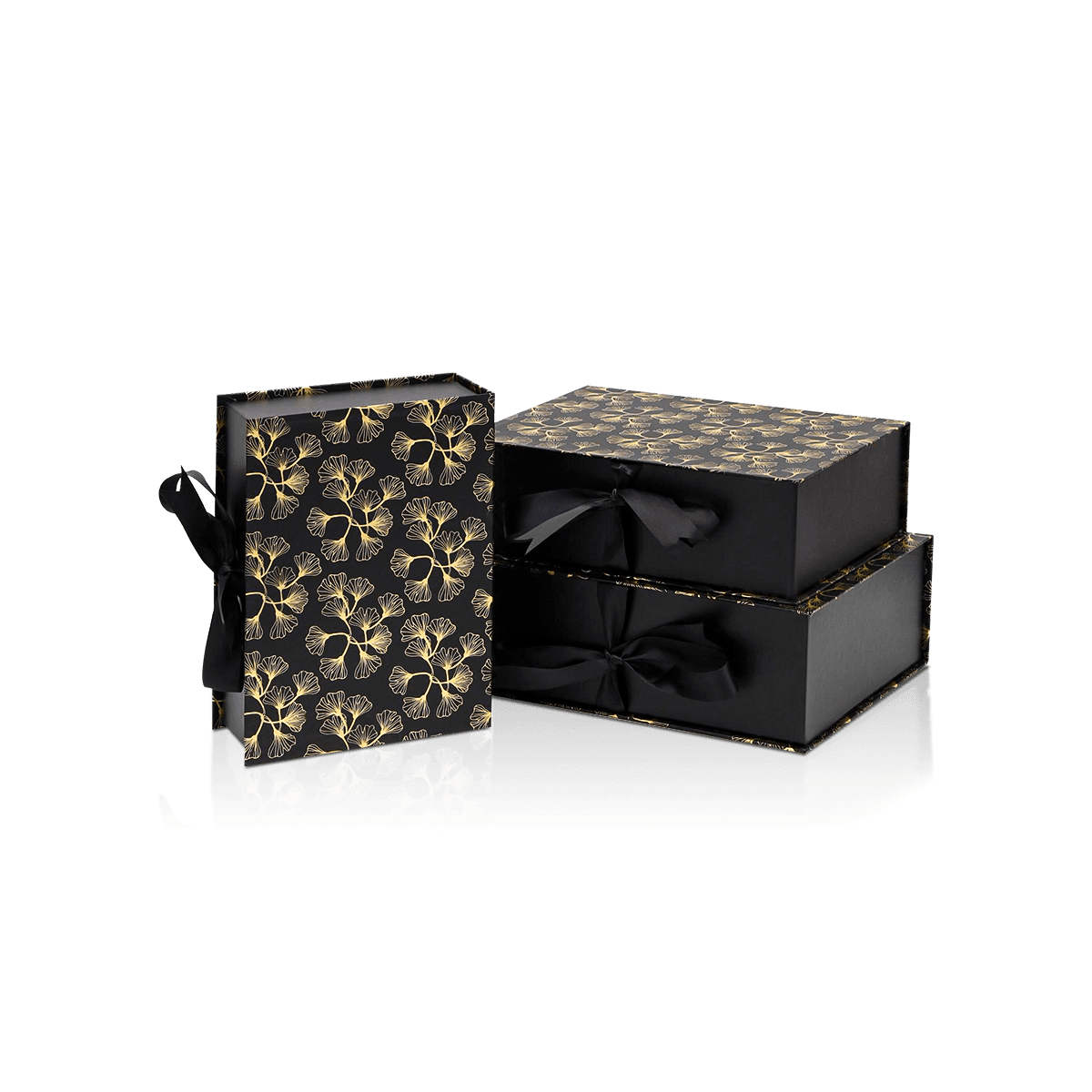
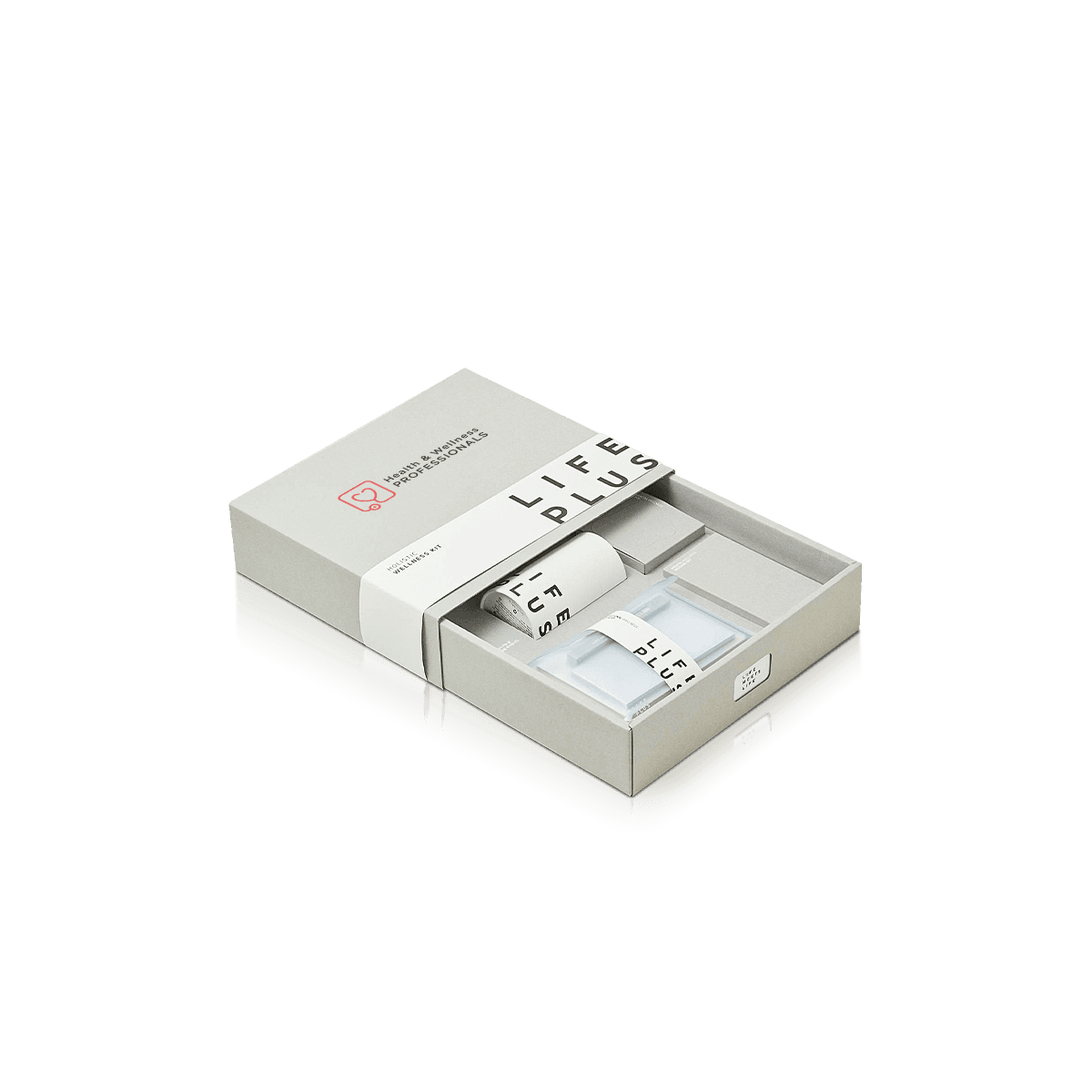
A connected rigid cover, spine and fitted interior create a staged opening for premium gift sets, launches, jewelry, beauty products and electronics.

The Open Position Is Part of the Design

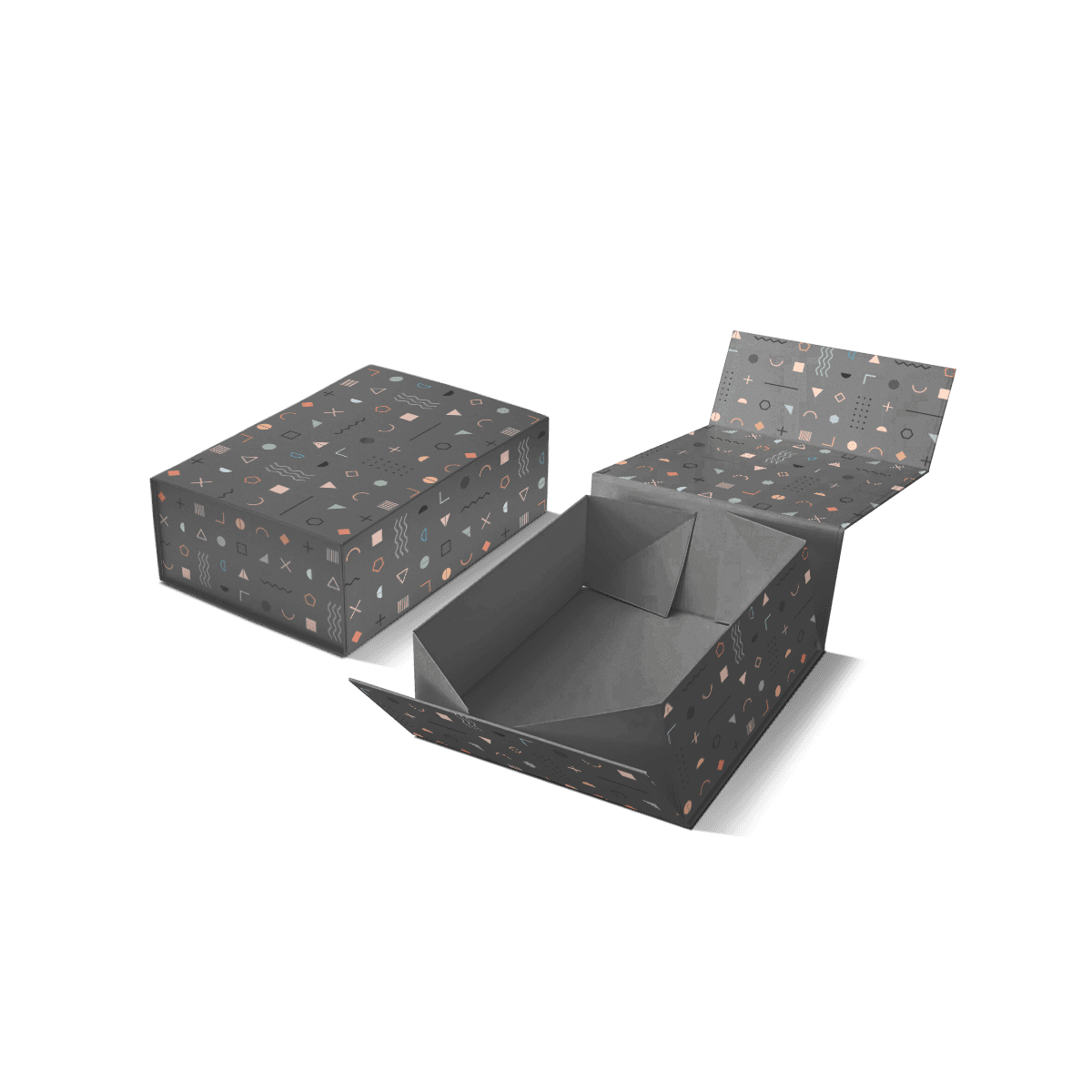
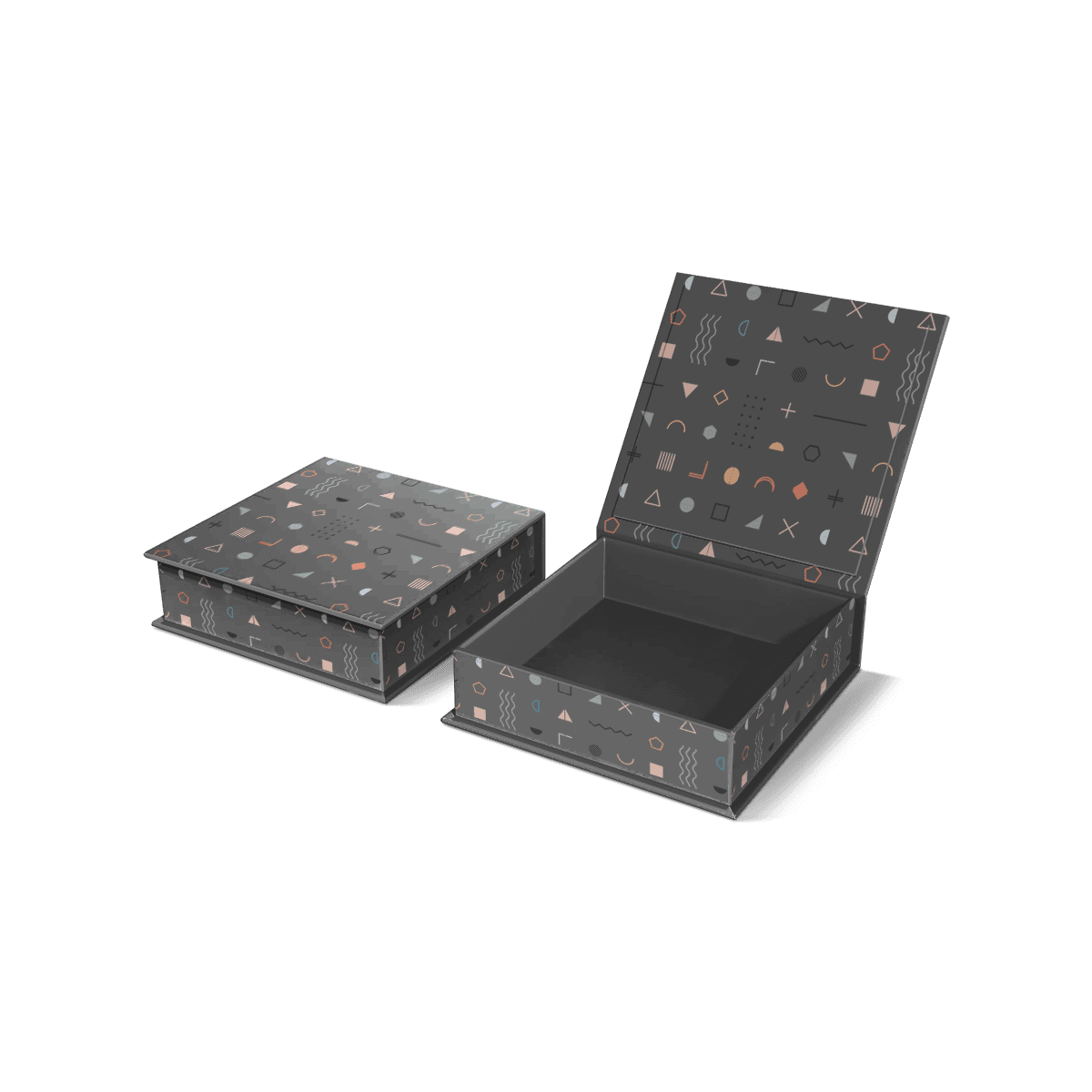
Closed, the package presents as one compact rigid case. Open, the attached cover becomes part of the presentation.

That second state is what separates custom book-style rigid boxes from a box with a removable lid. The customer never sets the top aside. The cover remains connected along the spine, so its angle, inside surface and movement all affect how the product is seen.

That makes the opened box something to design deliberately.

A lid that rises too little can block the product from view. A cover that falls backward too freely can feel uncontrolled or demand more counter space than expected. A well-developed hinge lets the cover move naturally while leaving the insert and product unobstructed.

The open position matters even more for launch kits, gift sets and products photographed inside their packaging. In those situations, the box needs to look composed before anyone removes the product.

Brands that need a different opening behavior can compare other custom rigid box structures, but the book-style structure earns its place when an attached cover should remain visually involved after opening.
The Spine Controls the Cover

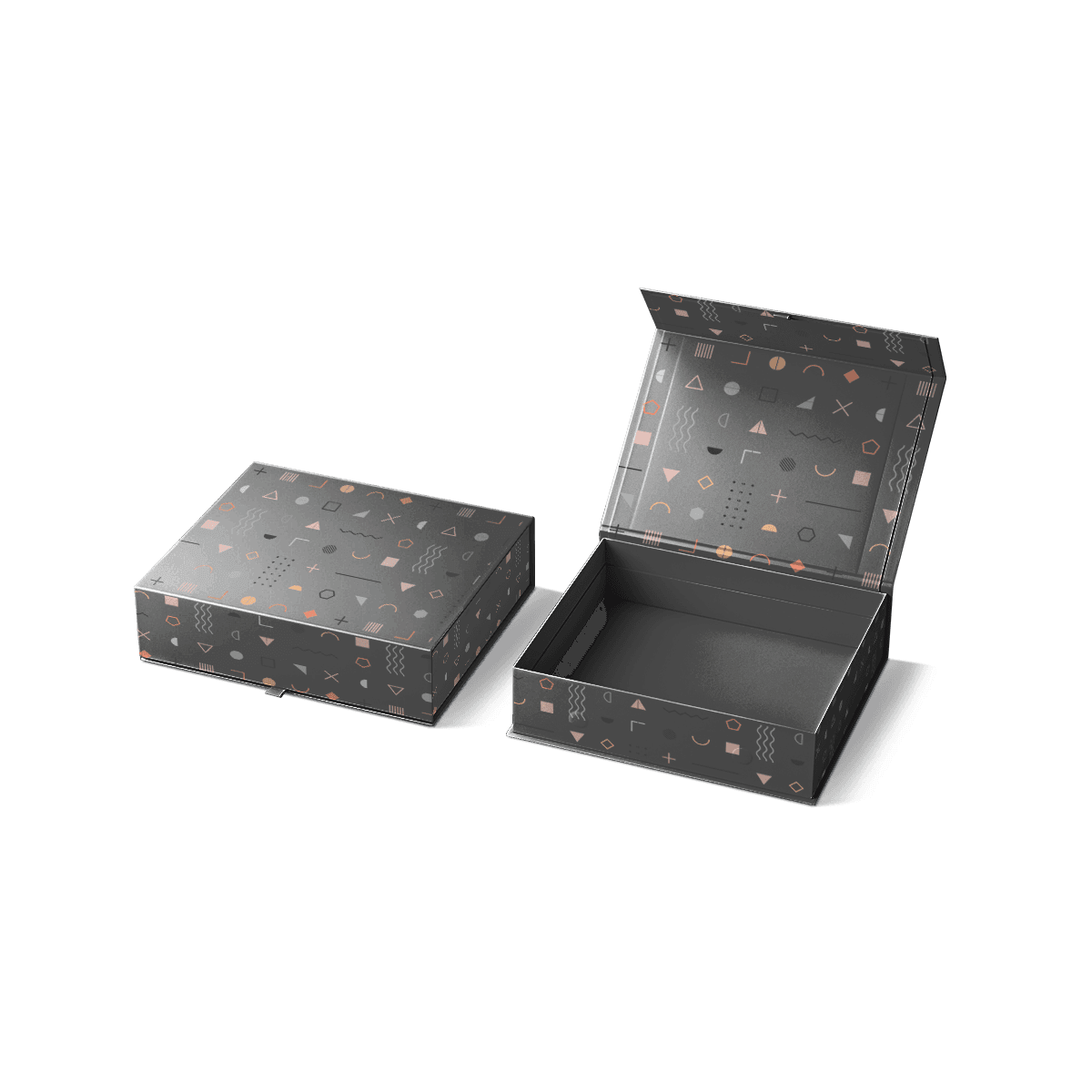
The spine is not decorative trim. It is the mechanical transition between the base and the moving cover.

Rigid board provides the firm panels, while the wrapped construction creates the flexible area that allows the cover to swing. Those components have to work together without forcing the wrap to crease badly, pull at the edges or resist the intended movement.

Hinge Space

The cover needs enough room to rotate without colliding with the base.

Too little hinge allowance can make the lid pull against the rear wall or lift the box as it opens. Excess space can make the construction look loose and weaken the clean book-like profile.

Board thickness, wrap construction and the desired opening position should therefore be considered together.

A hinge should feel intentional through the full movement, not only when the box is fully closed.

Spine Width

The spine also affects how the closed box reads from the side.

A narrow product and a deep product do not create the same book proportions. As depth increases, the spine becomes more visible and begins to carry more of the visual identity.

For packaging that will stand upright on a shelf, sit in a presentation library or appear in press photography, the spine can carry a product name, collection identifier or restrained brand treatment.

That surface should still respect the movement around it. Artwork that depends on exact registration across an active hinge needs more care than artwork placed on a stable panel.

The Inside Cover Becomes a Second Surface

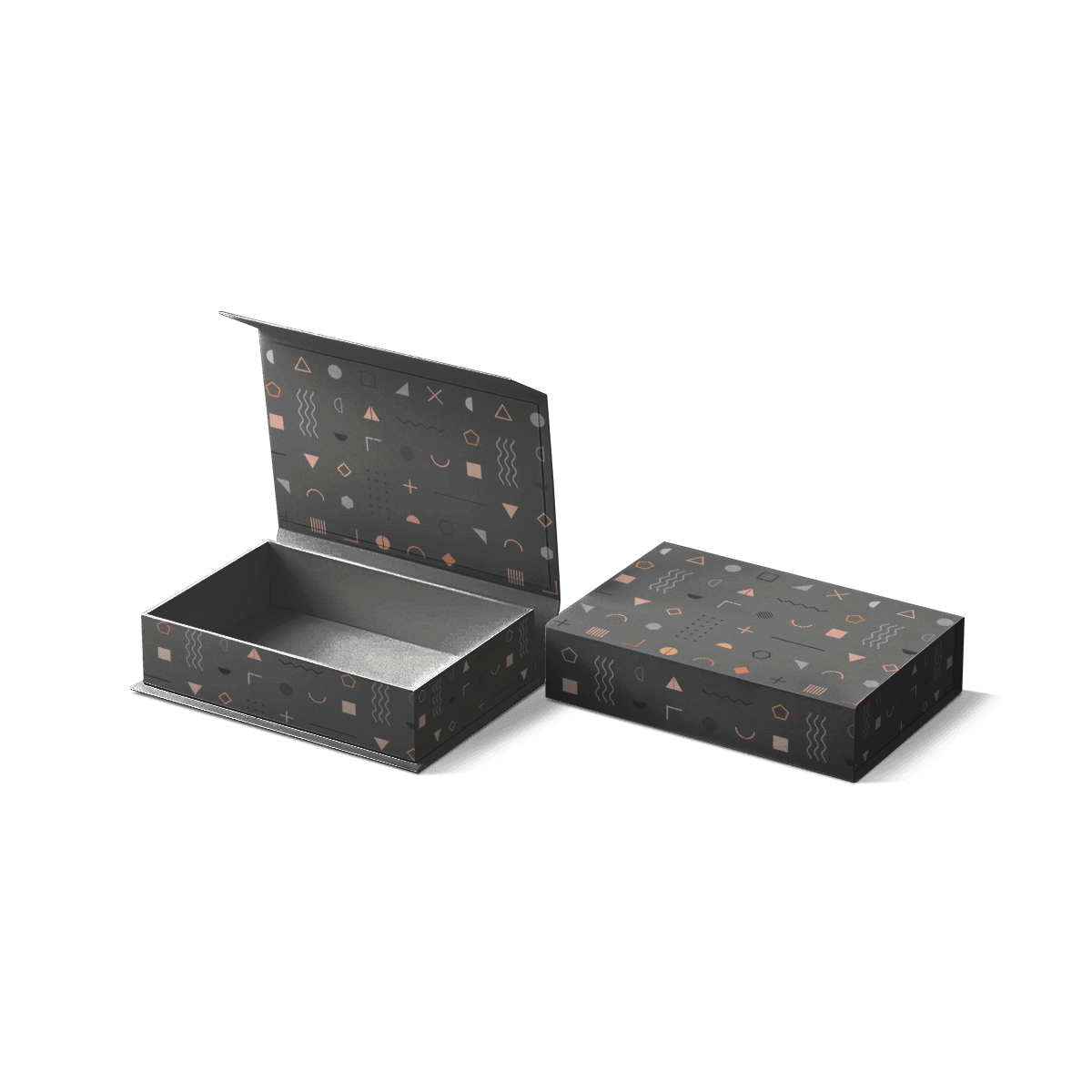
Book-style construction creates something many rigid structures do not use in the same way: a large attached interior panel facing the customer immediately after opening.

That panel can carry branding, product information, launch messaging or a restrained visual continuation of the exterior.

The mistake is treating it as leftover space.

For custom printed boxes, inside and outside artwork can be planned as separate stages. On a book-style rigid box, that separation becomes especially useful because the exterior can stay restrained while the inside cover carries more narrative or color.

A beauty launch might use the inner cover for the collection name and product sequence. A corporate kit might place a welcome message there. A jewelry set may need nothing more than a small foil mark because the products already provide the visual focus.

The strongest interior cover is not necessarily the busiest one.

It should support what the customer sees in the base rather than compete with it.

Insert Height Has to Respect the Lid

A fitted insert can organize the product beautifully and still create a structural problem if it sits too high.

The lid does not simply disappear when the box closes. It swings through an arc toward the base. Product height, insert height and anything mounted inside the cover must remain clear of that movement.

This becomes important with tall bottles, jars, device components and layered gift sets.

Tall Products Near the Spine

A tall product positioned too close to the hinged edge can interfere with the cover before the lid reaches its closed position.

Moving the product forward, lowering the insert platform or increasing internal depth can solve the problem without enlarging the entire package unnecessarily.

The correct adjustment depends on the product layout.

Raised Presentation Platforms

Jewelry, cosmetics and smaller accessories often look better when raised closer to the opening rather than buried at the bottom of a deep base.

The platform still needs enough clearance for the cover and any interior lining.

Different packaging inserts can control positioning, cushioning and removal, but the insert should be developed with the moving cover rather than added after the rigid shell is finalized.

Weight Changes the Opening Feel

A large attached lid creates leverage.

If the cover is heavy relative to the base, opening the box can pull upward on the rear edge or make a lightly loaded package shift on the table. If the product itself is concentrated near one side, the box may behave differently depending on how it is held.

This is why the finished packed weight matters.

A small jewelry box with a light cover behaves very differently from a large PR kit with thick board, interior print and a substantial magnetic flap.

For jewelry and accessories packaging, the product may be light enough that the packaging itself represents much of the total weight. A fitted insert can help stabilize the base while keeping the item visually centered.

Electronics kits present the opposite problem. A device, adapter and accessories can add meaningful weight inside the base. Electronics and gadgets packaging often needs the heavier components positioned so the box stays stable when the cover is opened with one hand.

The test is physical. Open the packed box on a table, from the lap and from the hand position a customer is likely to use.

The box should not need a special technique to feel controlled.

Closure Comes After Hinge Behavior

A book-style rigid box does not have to use magnets.

Concealed magnets can give the front edge a clean, repeatable close, but they should support the hinged structure rather than define it. Ribbon ties, mechanical arrangements or a deliberately simple close may suit other projects.

If magnetic contact is used, lid travel should be resolved before magnet strength and position are finalized.

A cover that reaches the front edge under tension may technically close yet still feel wrong. The magnets then have to fight the hinge instead of simply holding the cover in position.

Custom magnetic closure rigid boxes place much more emphasis on concealed-magnet alignment and closing action. Book-style construction should remain centered on the connected cover and presentation sequence even when magnets are part of the specification.

The cleanest close usually comes from getting the cover geometry right first.

Artwork Crosses Different Types of Surface

A book-style box contains stable panels and active movement zones in the same construction.

That affects where artwork and finishing should go.

Large front and back cover panels can support premium offset printing, CMYK artwork, Pantone-driven brand color and specialty treatments. The spine and hinge demand more restraint because those areas flex during opening.

Foil, embossing, debossing and spot UV can produce strong results when their placement respects how the box moves. The practical differences among packaging finishes become more important when a printed wrap crosses from a rigid face into a working hinge.

A fine decorative element that looks perfect on a flat artwork file may sit directly over a flex point once the box is assembled.

That is why panel mapping should happen before final artwork approval.

Custom Packly provides design and dieline support plus free 3D mockups, allowing the exterior cover, spine, inside lid and product area to be reviewed as one visual sequence before production.

The Reveal Can Fail Without a Fit Problem

Consider a book-style PR kit containing three skincare products and a printed card.

Every item fits its cavity correctly. Nothing moves. The exterior looks finished. Yet when the sample is opened, the tallest bottle blocks part of the inside-lid message and the lid settles farther back than the presentation team expected.

The problem is not product fit.

The presentation was only evaluated in the closed state.

The correction is to review the package from the customer’s viewing position. Moving the bottle slightly forward can clear more of the interior artwork. Adjusting the lid behavior can keep the cover in a stronger visual position. The message can also be moved higher so it remains readable while the products occupy the foreground.

Nothing about the product dimensions had to change.

The improvement came from designing the open state as carefully as the closed box.

This is one reason book-style rigid packaging benefits from prototype review with actual products rather than approving appearance from flat artwork alone.

Multi-Item Sets Need Visual Order

The wide opening makes book-style boxes particularly effective for several products that should be seen together.

The insert should create a clear hierarchy.

A hero product can occupy the primary position while smaller pieces support it. Equal-sized components can use a balanced arrangement. Printed cards, accessories or instructions can sit in secondary locations without obscuring the main item.

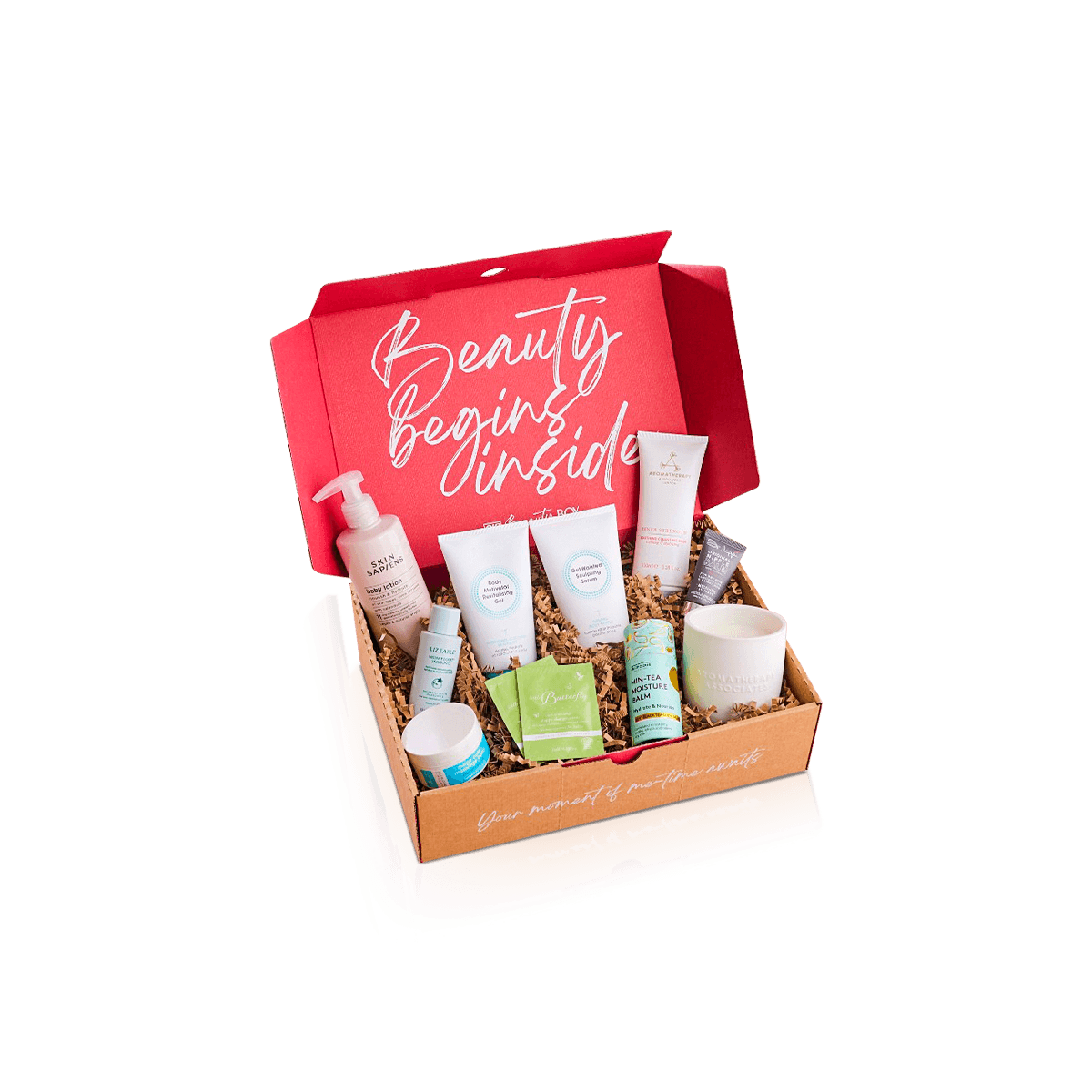
For cosmetics and personal care packaging, that may mean arranging jars, bottles and application tools so labels remain visible when the lid first opens.

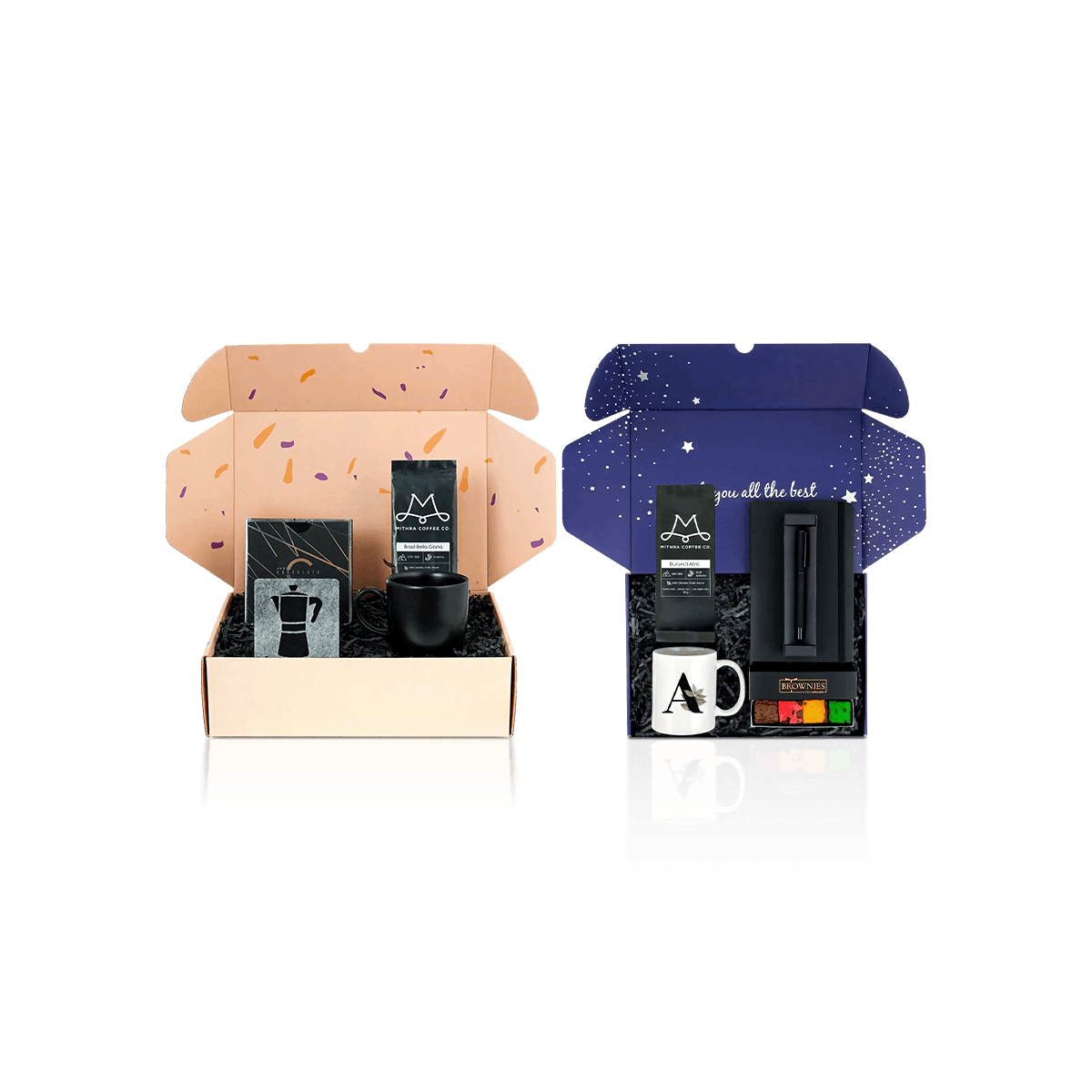
Hospitality and event programs have a different need. Welcome gift boxes may combine printed materials, treats and small branded items that need to read as one organized presentation rather than loose objects placed in a large cavity.

In both cases, the insert should make packing repeatable.

If staff have to visually reconstruct the arrangement for every box, the internal layout is doing too little work.

Transit Protection Still Needs an Outer Layer

Rigid board protects shape and presentation, but premium wrapped surfaces should not automatically be exposed to parcel handling.

Corners can scuff. Foil can mark. Dark wraps can show rubbing. A magnetic front edge can also receive pressure if another package bears against it in transit.

For direct-to-consumer orders, a book-style presentation box can sit inside correctly sized shipping boxes with enough protection to prevent movement and surface contact.

The inner box then owns presentation. The outer shipper owns courier handling.

That separation becomes especially important for gift and launch packaging where the customer is expected to receive the rigid box in display-ready condition.

Test the presentation pack inside the actual shipping setup, not only by itself.

Structure Drives the Cost

A book-style rigid box uses several production elements that standard lid-and-base construction does not combine in the same way.

The connected cover, spine treatment, interior lining, closure, insert and specialty finishes all affect cost. Larger dimensions also increase both rigid-board use and wrapping material.

The current factors behind rigid box pricing are useful when deciding which features deserve budget and which can be simplified.

A plain connected cover with strong artwork may produce a better result than adding magnets, foil, embossing and a complicated insert simply because each option is available.

USA MOQ starts from 100 boxes. For a launch with a defined product layout, quantity and finish direction, an instant custom packaging quote can price the actual construction instead of relying on a generic rigid-box estimate.

Sample the Hinge in Use

The hinge should be tested by opening the box repeatedly, not by checking it once.

Use the real product or an accurate weight substitute. Confirm that the base remains stable, the cover travels cleanly and the wrap around the spine does not behave unexpectedly.

Then inspect the package closed again.

The front edge should return to the intended position. Any magnets should reconnect consistently. The inside print should not show unwanted stress around the moving area.

The same physical sample should also confirm product removal, insert fit and surface behavior.

The principles behind custom packaging testing matter here because structure, product weight, printing and finishing interact in one package.

Free sample examples of previous work can help assess material and finish quality. A paid fully custom pre-production sample can be arranged when the exact hinge, closure and packed presentation need physical approval.

Design the Box at Half Open

The most revealing view of a book-style rigid box is often not fully closed or completely open.

It is the point where the cover has moved far enough to introduce the interior but the product has not yet been visually separated from the lid.

That is where the structure shows whether the presentation has been planned as one sequence.

Look at five things together: what remains visible on the exterior cover, how the spine behaves, where the inside-lid artwork appears, which product becomes visible first and whether the base remains stable.

This view can expose problems that a closed rendering hides.

A logo may disappear too early. A message may sit behind a tall bottle. A compartment may appear before the hero product. The cover may fall too far back to remain part of the composition.

Resolve those relationships before the artwork becomes fixed.

Custom book-style rigid boxes work best when the connected lid is doing more than keeping the product covered. It should control how the package changes from a closed object into an open presentation.

FAQs

A book-style rigid box is a hinged rigid setup box that opens like a book, making it ideal for premium presentation and gift sets.

Rigid board (greyboard) with a wrapped paper exterior is standard. You can choose premium paper stock and add protective lamination based on handling needs.

Yes. This style works especially well with inserts and dividers because the hinged opening keeps the interior visible and supports a stable component layout.

Soft-touch lamination, foil stamping, embossing, and spot UV are popular choices for luxury branding and shelf appeal.

Book-style boxes use a hinge for a display-like opening and are great for curated sets. Magnetic closure boxes typically open from the front flap and emphasize a “snap shut” luxury feel, often preferred for single premium items.

Process

How it works

Your Packaging Journey, From Idea to Production and Delivery

01

Tell Us Your Specs

Custom packaging boxes

Tell Us Your Specs

Provide size, quantity, printing, and finishes.

02

Get a Fast Quote

Custom packaging boxes

Get a Fast Quote

Instant transparent pricing, no hidden fees.

03

Design and Approval

Custom packaging boxes

Design and Approval

Artwork checks, revisions, and final sign-off.

04

Produce

Custom packaging boxes

Produce

Expert manufacturing to meet deadlines.

05

Ship to Your Door

Custom packaging boxes

Ship to Your Door

Hassle-free, flexible delivery options.

Get Your Quote for Custom Book-Style Rigid Boxes

Share your product details, size, quantity and artwork needs. We’ll help choose the right packaging style and send a clear quote.