Skip to content
Details

Custom Souvenir Boxes

Retail keepsake packaging planned around product fragility, destination identity, shelf presentation and the journey home.

The Trip Home Changes the Box

Souvenir packaging has an unusual second journey. The product first has to work on a museum, resort, visitor-center or gift-shop shelf. After purchase, it may spend hours in a shopping bag, backpack, car or suitcase before reaching home.

That makes portability part of the packaging decision.

A ceramic ornament can look perfectly secure on a shelf and still fail if the insert releases after the box is turned sideways in luggage. A mug may need more corner and handle clearance than its retail presentation suggests. A magnet set may need almost no cushioning but enough structure to keep several pieces from becoming disorganized.

For hospitality, hotel and event packaging, souvenir boxes occupy the take-home end of the guest journey rather than the arrival or one-time handout moment.

Retail Fit Is Only Half the Job

A souvenir box should merchandise neatly, but shelf dimensions alone should not determine its structure.

The buyer may carry it through an airport, pack it between clothing or give it to someone days later. That means the contents should stay presentable after repeated changes in orientation.

The best specification considers how the customer leaves with the product, not simply how store staff place it on a shelf.

Compact Packaging Travels Better

Souvenirs often compete for limited luggage space.

Oversized presentation can make a modest keepsake inconvenient to carry. Right-sizing the box around the item and insert reduces empty space while keeping the package easier to pack.

For a destination retailer, that can matter as much as adding another decorative finish.
Fragility Divides Souvenir Types

“Souvenir” describes why the product is bought, not how it behaves physically.

Postcards, enamel pins, candles, mugs, ornaments, glass pieces and artisan objects require different structures.

The outer box should follow the item.

Flat Keepsakes Need Little Depth

Pins, patches, magnets and printed mementos can often use compact paperboard cartons or sleeves.

A deep cavity adds bulk without improving presentation.

A card-mounted item can use its printed backing as part of the display while the outer carton adds branding and protection from scuffing.

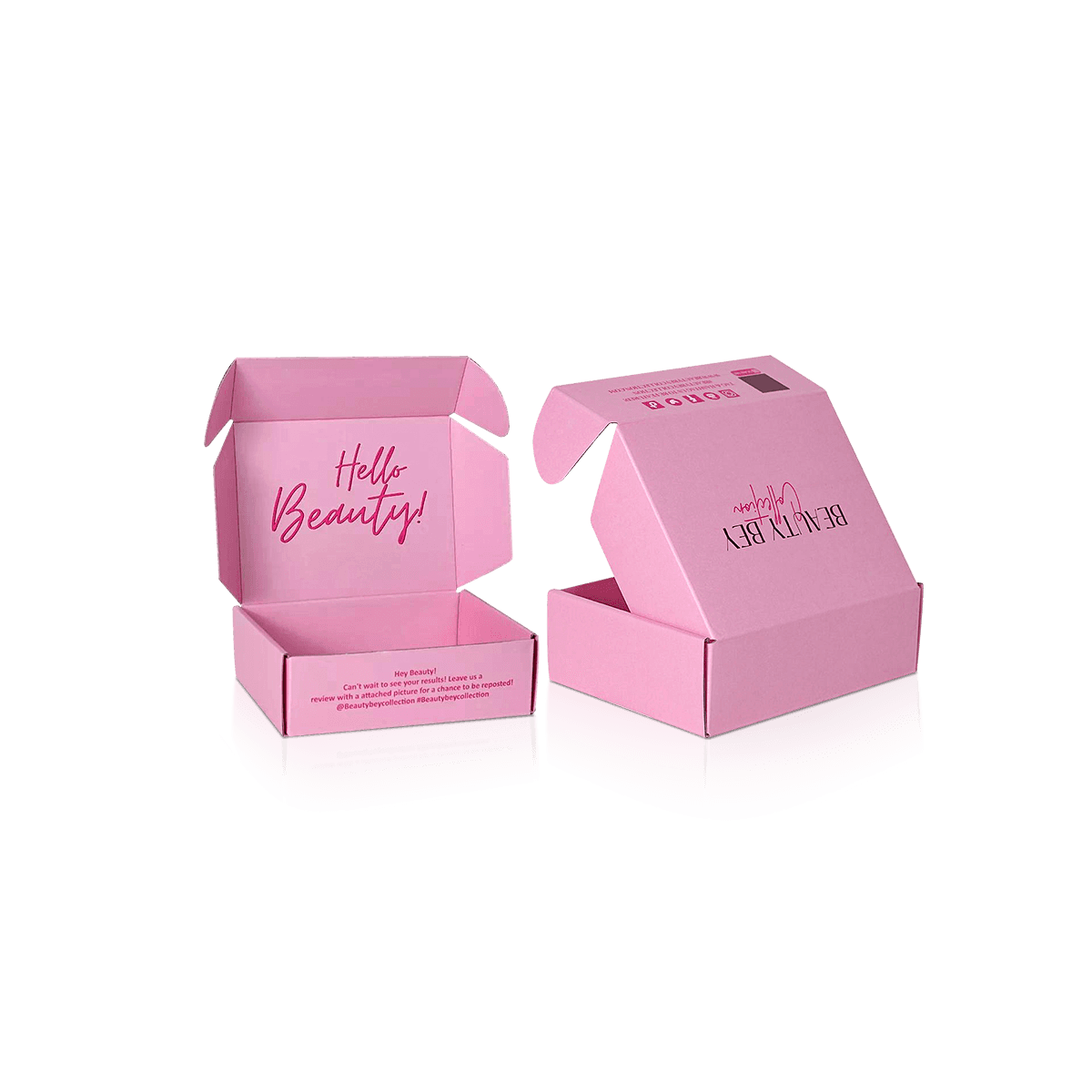
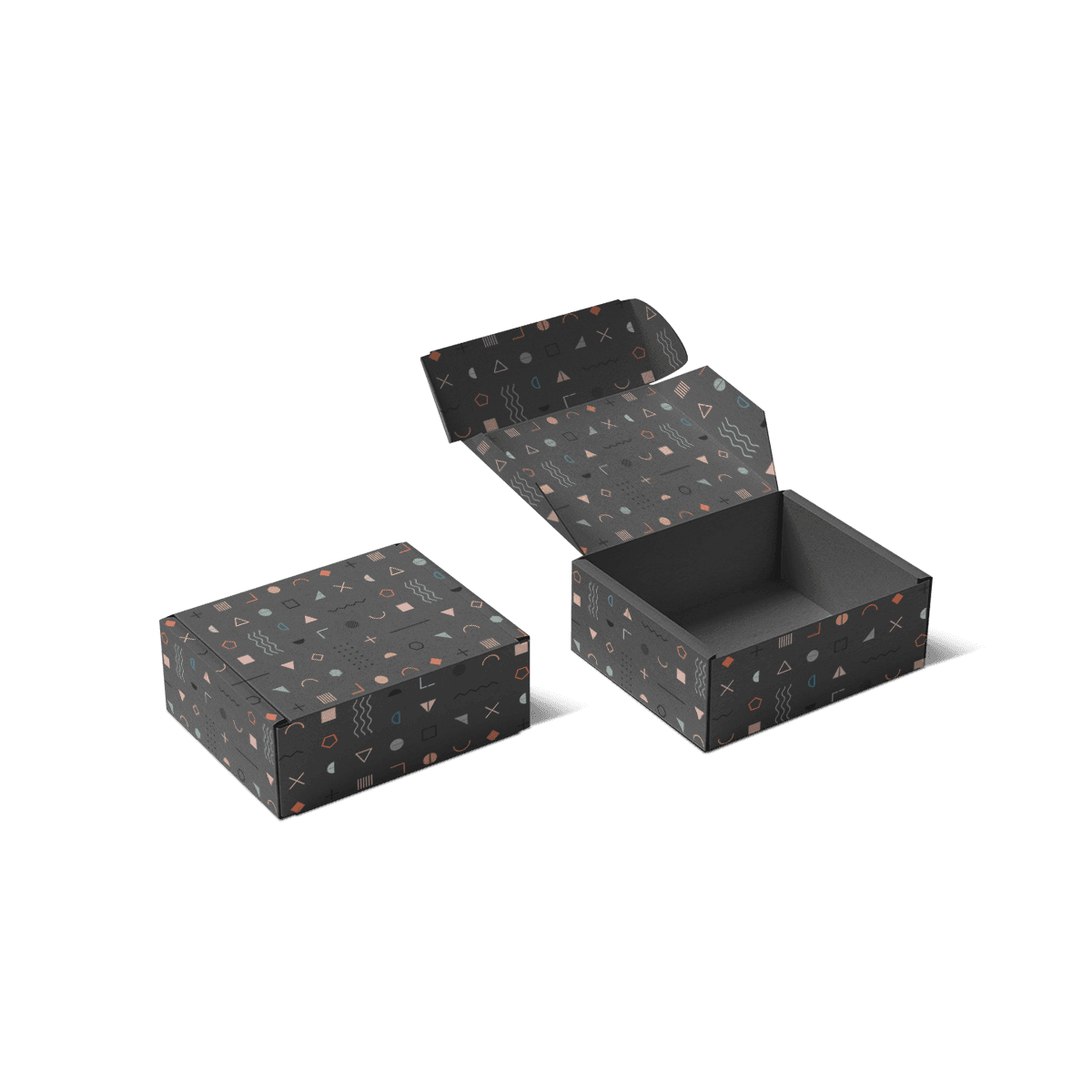
Custom folding cartons suit many lightweight souvenir products that need strong print surfaces and efficient flat storage before packing.

Ceramics Need Controlled Clearance

Mugs, figurines and ceramic ornaments create a different problem.

The box needs enough clearance for packing and removal without allowing the object to build momentum inside the cavity.

For mugs, the handle deserves separate attention. A snug body fit does not help if the handle sits against a rigid wall with no protected clearance.

Small fragile souvenirs may need a paperboard insert, divider or another fitted support that keeps vulnerable areas away from direct impact.

Mixed Sets Need Separation

A regional gift set may combine a mug, magnet, postcard and small local product.

These items should not be allowed to move as one loose group.

Packaging inserts can separate different shapes while keeping the overall pack compact.

The insert layout should account for weight distribution as well as visual arrangement.

The Souvenir Should Still Feel Like the Place

Destination packaging needs recognizable identity without turning every panel into a collage of landmarks, dates, icons and slogans.

The strongest design usually selects a few cues and gives them room.

That might be a local architectural pattern, landscape color, museum identity, regional illustration or typographic treatment associated with the destination.

The Product Still Needs Visual Priority

Packaging should reinforce the souvenir rather than overpower it.

A handcrafted ceramic piece may benefit from quieter artwork because the object itself carries most of the cultural character. A simple keychain or magnet can rely more heavily on the box to communicate the location and perceived value.

The visual hierarchy should change with the product.

One Destination Can Support Several SKUs

A gift shop may sell ornaments, candles, magnets and mugs under one destination identity.

They do not all need identical boxes.

A consistent color system, typography, illustration style and logo placement can connect several structures while allowing each package to follow the actual product.

Custom printed boxes can keep those visual elements controlled across multiple souvenir SKUs without forcing every item into one physical format.

Shelf Visibility Depends on the Product

Some souvenirs sell because customers can see the actual object. Others benefit from an uninterrupted printed surface.

That choice should be deliberate.

Windows Work When the Object Sells Itself

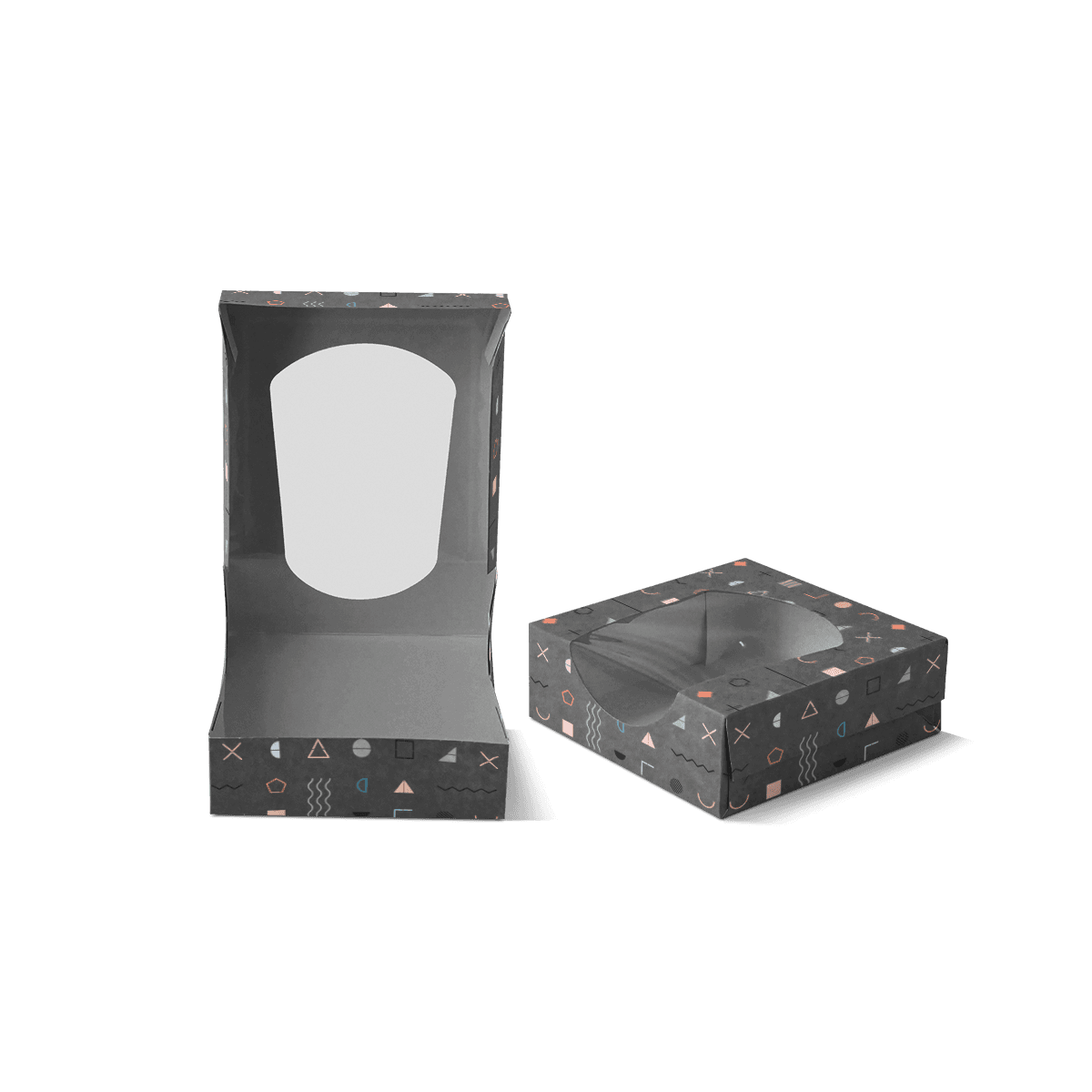
An ornament, miniature craft item or decorated keepsake may gain from partial visibility.

The opening should reveal enough to help the customer decide while leaving sufficient board around it to keep the carton stable.

A large window that removes most of the front panel can weaken the box and reduce space for destination artwork.

Closed Boxes Suit Stronger Storytelling

A closed carton gives the brand more uninterrupted surface for illustration, historical notes, maps or a short story about the location.

It can also create a cleaner presentation for fragile or premium souvenirs where the opening experience matters more than instant visibility.

The decision is not simply window versus no window. It is whether seeing the object before purchase adds more value than the printed panel it replaces.

Keepsake Packaging Has to Earn Its Reuse

A souvenir box may remain after the product has been removed because the packaging itself carries the name or imagery of the trip.

That does not mean every souvenir needs a heavy rigid box.

Reuse becomes commercially sensible when the packaging has enough structural value and emotional connection to justify keeping it.

Rigid Construction Fits Higher-Value Keepsakes

A premium artisan object, collector piece or curated set can justify a more substantial format.

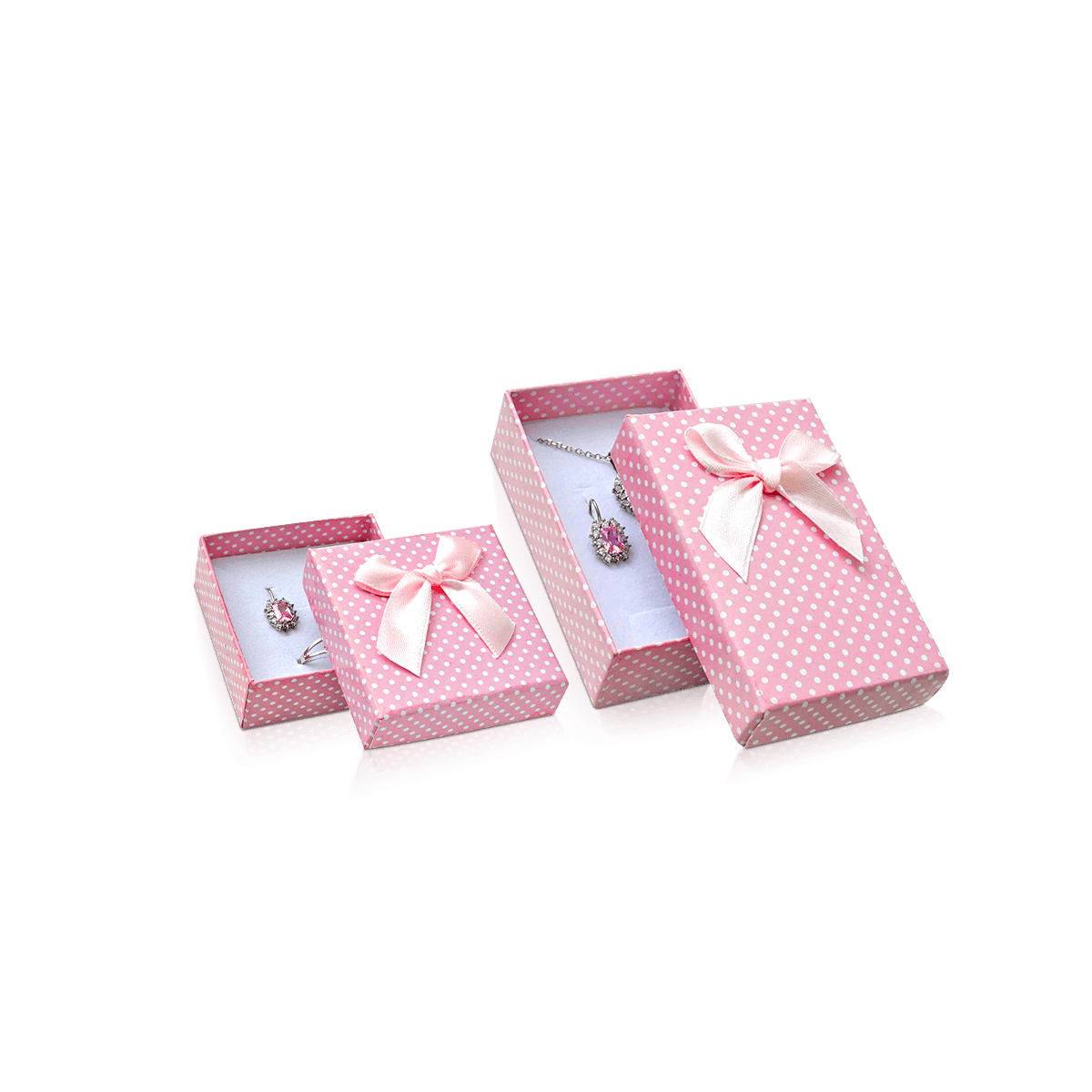
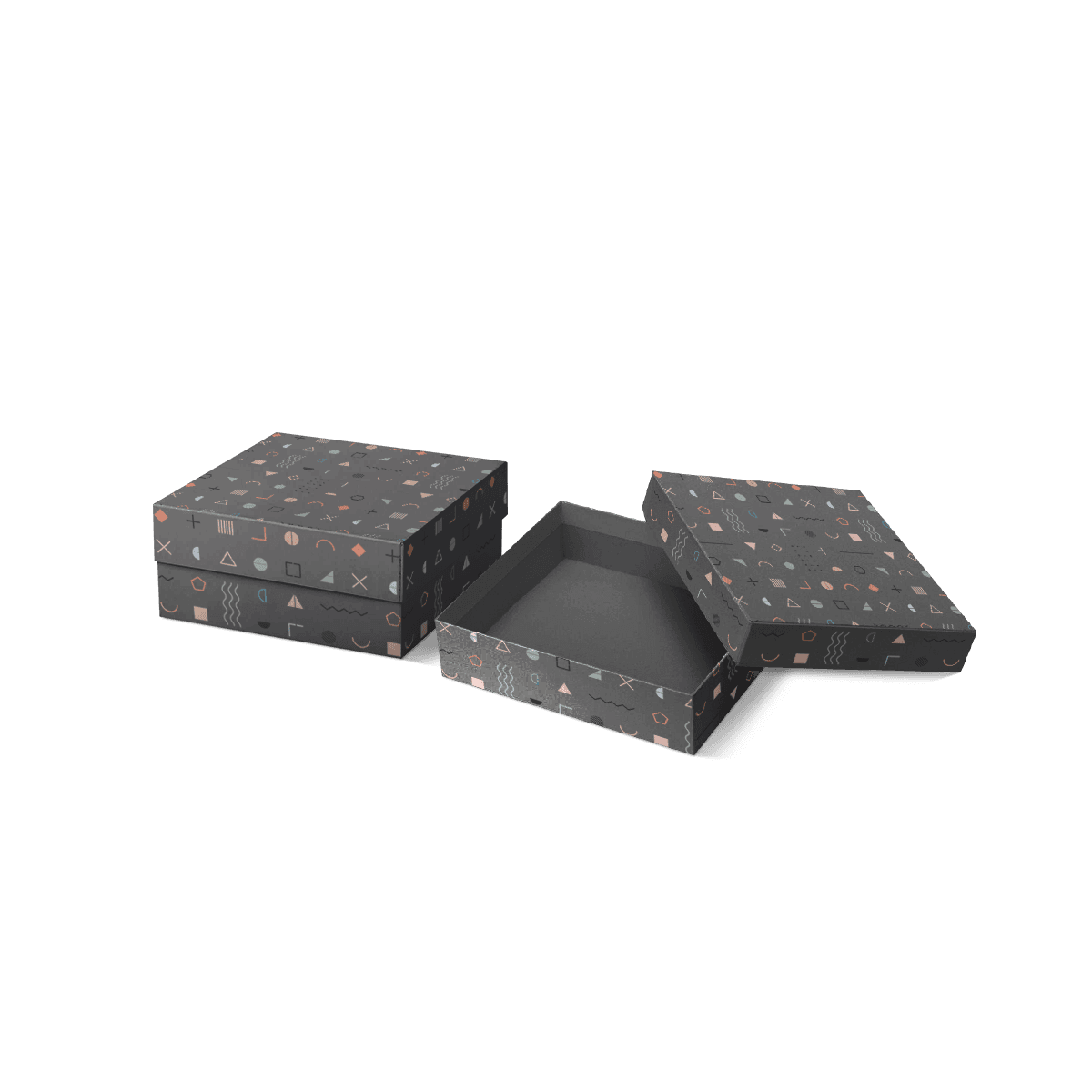
Luxury 2-Piece Rigid Boxes create a lift-off reveal and support deeper inserts when the packaging itself should become part of the souvenir experience.

For a low-cost magnet or postcard set, the same structure may add cost and storage volume without creating equivalent value.

Paperboard Can Still Feel Intentional

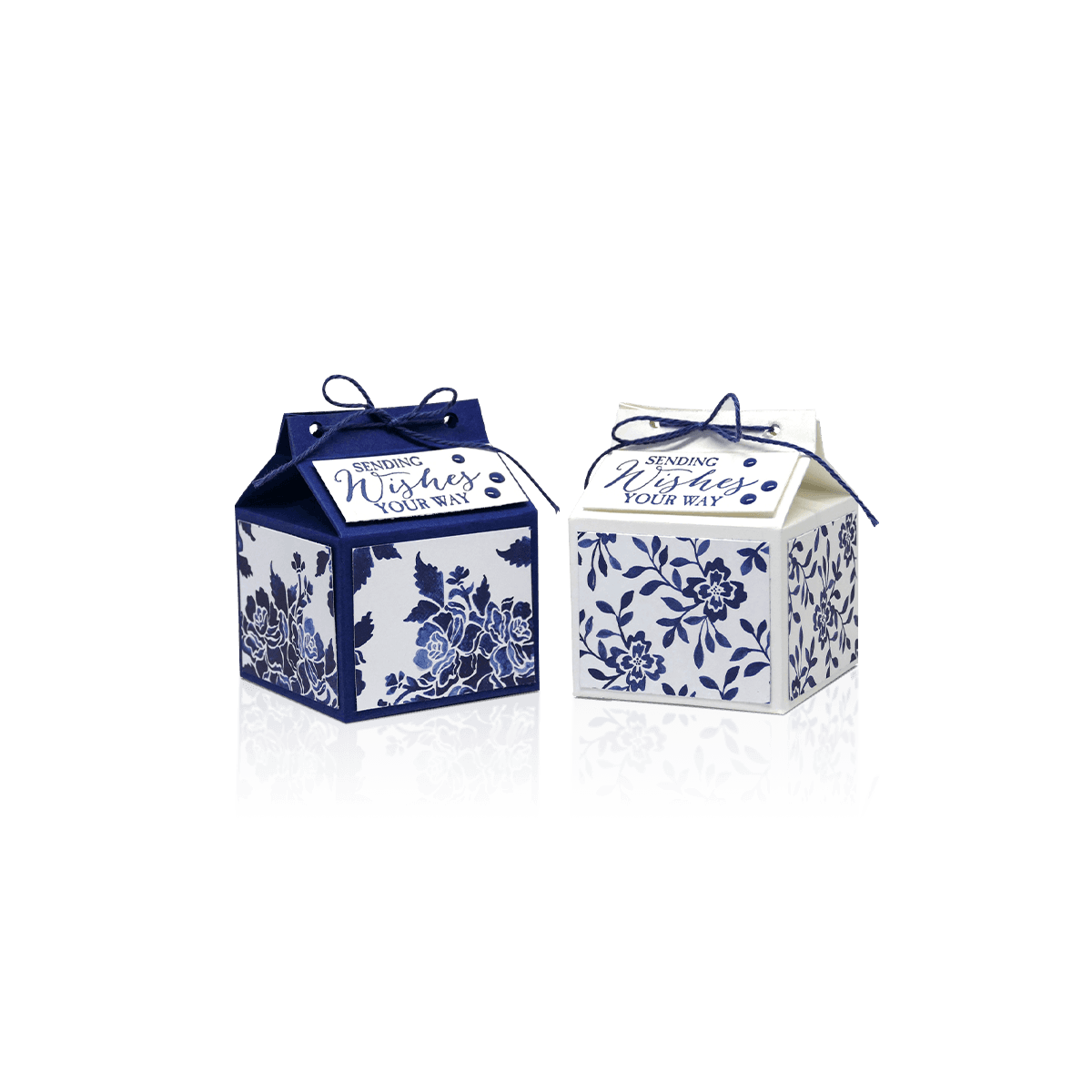
A folding carton can become memorable through proportions, artwork, print quality and restrained finishing.

Premium offset printing, precise color and a well-positioned foil or embossed mark can give a lightweight structure more character without making it physically excessive.

Packaging finishes should support the destination story rather than compete with it.

Retail Souvenirs Are Not Event Favors

The two products may look similar when both contain a small keepsake, but the buying context is different.

A souvenir usually sits in retail for an unknown amount of time and is purchased by someone choosing to preserve or share a memory of a place.

An event favor is usually preselected and handed out as part of one occasion.

That difference affects packaging.

Souvenir Packs Need Shelf Independence

A tourist retail box has to communicate what it contains, where it comes from and why it deserves shelf space without staff explaining it every time.

A conference or wedding favor may rely much more heavily on the surrounding event context.

Souvenir packaging therefore needs stronger independent identity.

Welcome Packs Start the Experience

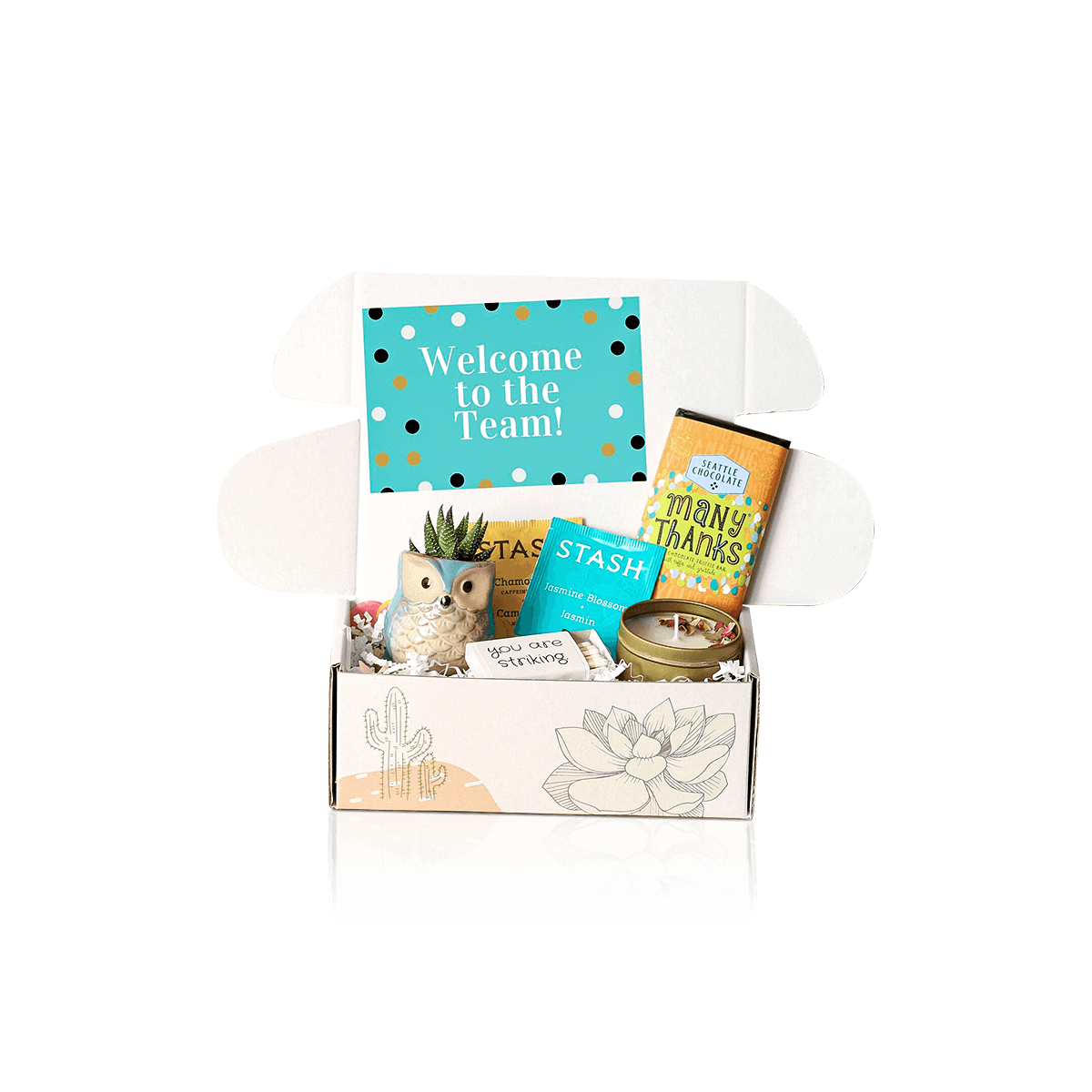
Welcome Gift Boxes organize items received when a guest arrives.

Souvenir boxes serve the opposite moment. They support something the guest chooses to take away.

That distinction can help hotels and resorts avoid using one generic gift box for check-in gifts, retail merchandise and take-home keepsakes.

Promotional Merchandise Has a Different Memory

A branded cap, bottle or notebook handed out during a campaign can become a memento, but its packaging usually starts from the organization running the promotion.

A destination souvenir starts from the place, experience or cultural subject the customer wants to remember.

That difference affects both artwork and assortment logic.

Promotional Merchandise Boxes make more sense for campaign kits, branded swag and coordinated giveaways.

Souvenir boxes should remain focused on retail keepsakes, destination goods and products whose emotional value continues after the visit.

Suitcase Pressure Exposes Weak Interiors

Imagine a museum store selling a small ceramic replica inside an attractive folding carton.

The object fits the outer dimensions, and tissue keeps it from looking loose when staff pack it.

The carton performs well on the retail shelf.

The problem appears after purchase. The customer places the box in a suitcase on its side. The replica shifts through the tissue until one projection rests against the carton wall. Other luggage presses against the box and the load reaches the fragile part directly.

The useful correction is not automatically a thicker outer carton.

A fitted insert can hold the object away from the walls and route pressure through stronger areas of the product. The box can remain reasonably compact while the interior does more of the protective work.

That is a souvenir-specific test because the pack may experience compression and changing orientation after leaving the store even when it never enters parcel shipping.

Free sample examples of previous work can help assess general manufacturing quality. A paid fully custom pre-production sample can be arranged when a fragile souvenir or fitted insert needs exact physical validation.

Packout Has to Work During Busy Seasons

Tourist retail demand can concentrate around weekends, holidays, exhibitions, festivals and peak travel periods.

A complicated box can slow staff when hundreds of items need to be replenished or prepared quickly.

Folding Cartons Save Empty-Pack Space

Flat-packed cartons occupy far less storage volume than pre-assembled rigid boxes.

That can matter in museum stockrooms, hotel boutiques and attraction stores where packaging shares limited back-of-house space with merchandise.

The trade-off is assembly.

A carton that requires several locking steps may save storage space but add labor at the packing table.

Inserts Should Load in One Clear Direction

Staff should not have to rotate a fragile ornament several times to discover how it fits.

An insert with an obvious loading orientation makes packout easier to repeat.

For mixed gift sets, component cavities should also make missing items visible before the box closes.

That improves more than presentation. It creates a faster visual check during packing.

Destination Colors Need Production Control

Tourism packaging often relies on recognizable colors.

A museum may have a defined institutional palette. A resort may use a particular blue across signs, room materials and retail goods. A national park store may want artwork connected to landscape tones.

Those colors should be specified against the actual packaging material.

Kraft paper changes the appearance of printed color. White paperboard gives a more neutral base. Wrapped rigid board introduces another surface and texture.

Free 3D mockups can help review artwork placement, but physical print considerations still matter when a signature color is important.

Custom Packly's design and dieline support can help position artwork around the actual box structure before production.

Illustrations Need Room to Read

Detailed destination artwork can lose impact when reduced onto a very small carton.

Instead of squeezing an entire skyline onto one face, it may be better to select one recognizable element and let secondary imagery continue around the sides or inside the box.

Good souvenir packaging can feel specific without becoming visually crowded.

Retail Price Should Influence Structure

Packaging should support the value of the souvenir rather than consume a disproportionate share of it.

A low-cost magnet does not need the same packaging investment as a hand-finished ceramic object.

The structure should rise with the product's fragility, presentation requirement and selling position.

Simple Products Can Use Printed Cartons

Paperboard works well for many lightweight retail souvenirs because it gives the product a branded enclosure without adding excessive assembly or board.

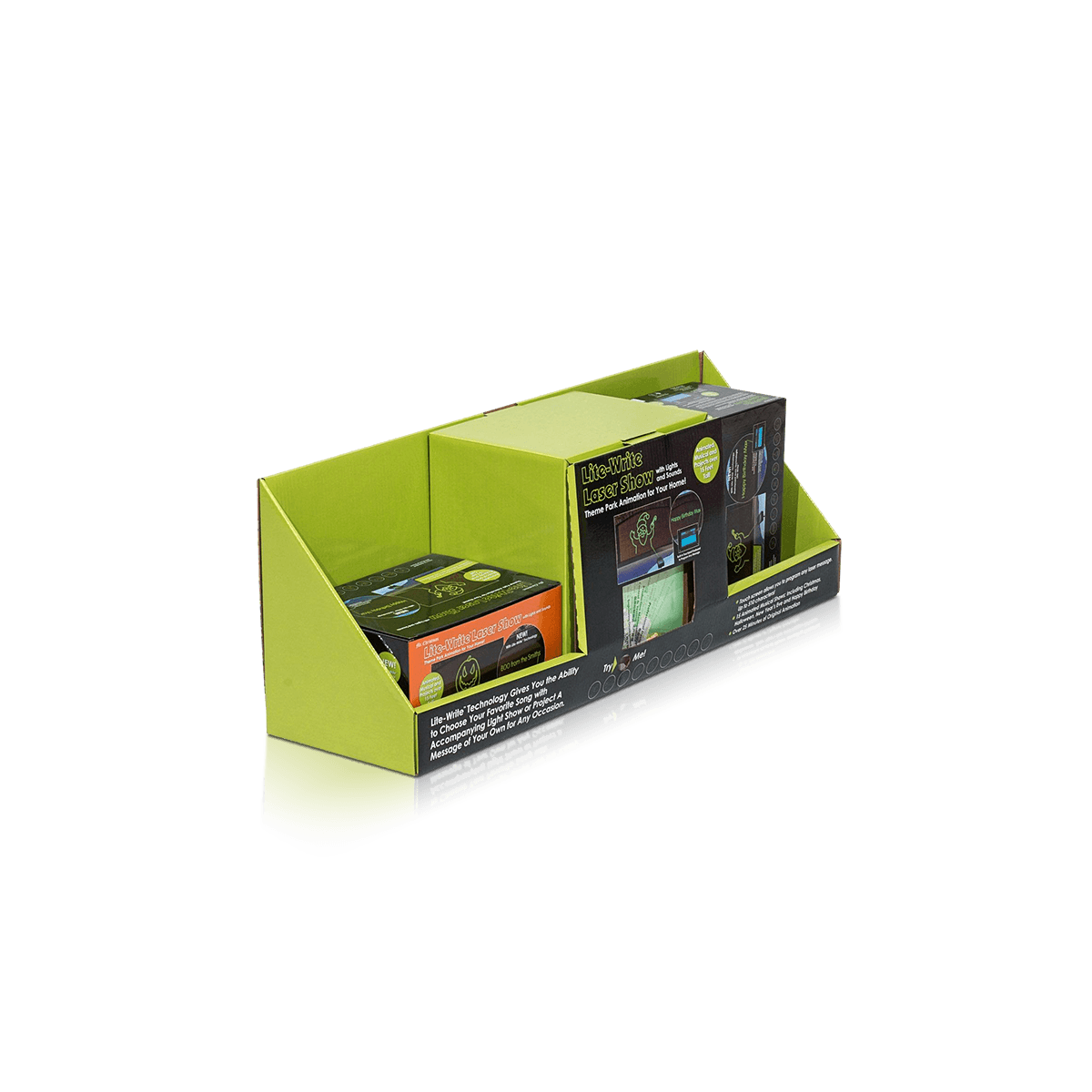
Custom retail packaging can help connect shelf presentation, product visibility and pack structure when the souvenir line spans several price points.

Premium Products Can Add Insert Depth

Higher-value pieces may justify rigid construction, deeper inserts, specialty wraps or additional finishing.

The increased packaging cost should solve a real need such as protection, collectible presentation or long-term keepsake value.

Adding premium construction to every SKU simply because the products share a destination logo can weaken the economics of the entire line.

Quote After the Product Mix Is Clear

Pricing becomes meaningful once the physical souvenir and retail job are defined.

A paperboard magnet carton, windowed ornament pack and rigid collector box are not variations of one generic souvenir box. Their materials, converting, inserts and assembly differ.

For pricing, establish the souvenir dimensions, packed weight, quantity per SKU, expected retail orientation, insert requirement, print direction and finish level.

An instant custom packaging quote can then reflect the actual structure.

Custom Packly supports US production, transparent pricing with no hidden charges and free shipping. standard turnaround is 4–6 days after final artwork and specifications are approved. Packaging expert support is available 24/7. Complex structures, specialty materials or advanced finishes may require additional time.

Order by Souvenir SKU, Not One Total

A tourist retailer may need 5,000 boxes overall but only 500 for one ornament design, 1,500 for a mug and 3,000 for a high-volume magnet set.

Those are separate production requirements.

MOQ starts from 100 boxes for US orders, which gives smaller seasonal collections and destination-specific products a practical starting point.

Larger programs can use bulk custom boxes when several souvenir SKUs need coordinated production, inventory control and repeat ordering.

Warehousing and scheduled deliveries can also reduce the need to place every finished box into limited retail storage at once.

Send Home the Same Story the Store Sold

The strongest souvenir package still makes sense after the customer leaves the destination.

The item should stay secure. The box should remain recognizable. The artwork should still recall the place without depending on the retail environment around it.

That is the difference between packaging that only helps complete a transaction and packaging that becomes part of the keepsake.

For a postcard set, that may mean a slim printed carton that stays flat in luggage. For a ceramic ornament, it may mean a fitted insert and compact protective box. For a collector piece, it may justify a rigid package that remains useful long after the trip.

Custom Packly can build each of those directions without forcing the entire souvenir line into one structure. The product, the shelf and the journey home should decide what the box becomes.

FAQs

They add the most value in places where guests make fast purchase decisions, such as hotel gift shops, resort boutiques, museum stores, visitor centers and seasonal event retail. A well-structured box helps the item look more intentional and easier to take home.

Usually yes, but the interior needs to change. A simple single-item format suits postcards, ornaments or candles, while multi-item assortments benefit from paperboard inserts, divider panels or a two-piece structure.

Souvenir Boxes are usually the better fit for retail sale, longer shelf life and keep-after-purchase appeal. Event Favor Boxes work better for one-time distribution at weddings, conferences or hosted events where quick handout matters more than retail presentation.

Yes. Personalized artwork, restrained color palettes and destination cues usually perform better than overdecorated layouts. The goal is to make the package recognizable and shop-ready while still leaving room for the product to feel authentic.

They can be, especially for items that benefit from immediate visibility such as ornaments, mini crafts, snacks or small gift assortments. For fragile or more premium pieces, closed formats with strong print surfaces often create a cleaner result.

Process

How it works

Your Packaging Journey, From Idea to Production and Delivery

01

Tell Us Your Specs

Custom packaging boxes

Tell Us Your Specs

Provide size, quantity, printing, and finishes.

02

Get a Fast Quote

Custom packaging boxes

Get a Fast Quote

Instant transparent pricing, no hidden fees.

03

Design and Approval

Custom packaging boxes

Design and Approval

Artwork checks, revisions, and final sign-off.

04

Produce

Custom packaging boxes

Produce

Expert manufacturing to meet deadlines.

05

Ship to Your Door

Custom packaging boxes

Ship to Your Door

Hassle-free, flexible delivery options.

Get Your Quote for Custom Souvenir Boxes

Share your product details, size, quantity and artwork needs. We’ll help choose the right packaging style and send a clear quote.