Skip to content
Details

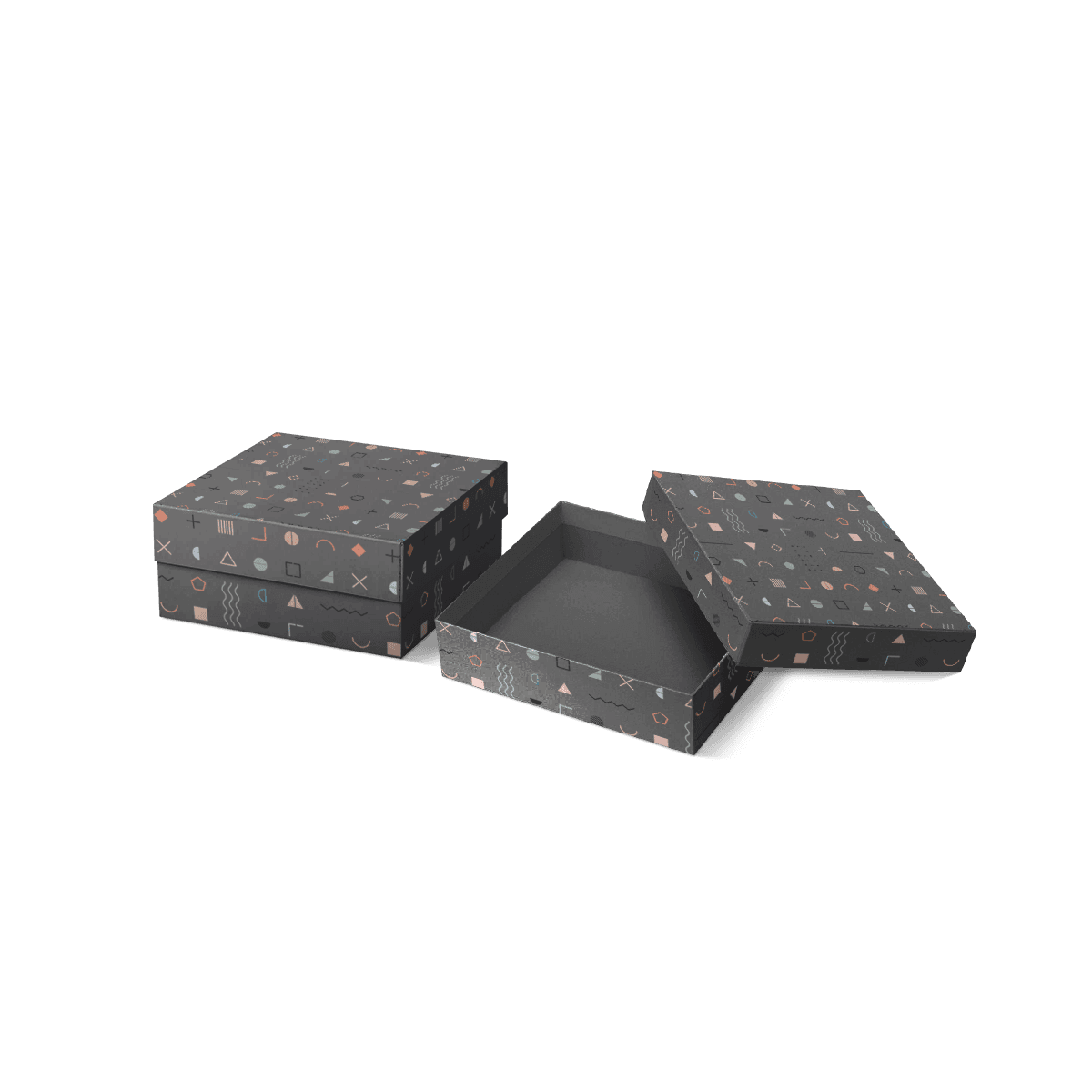
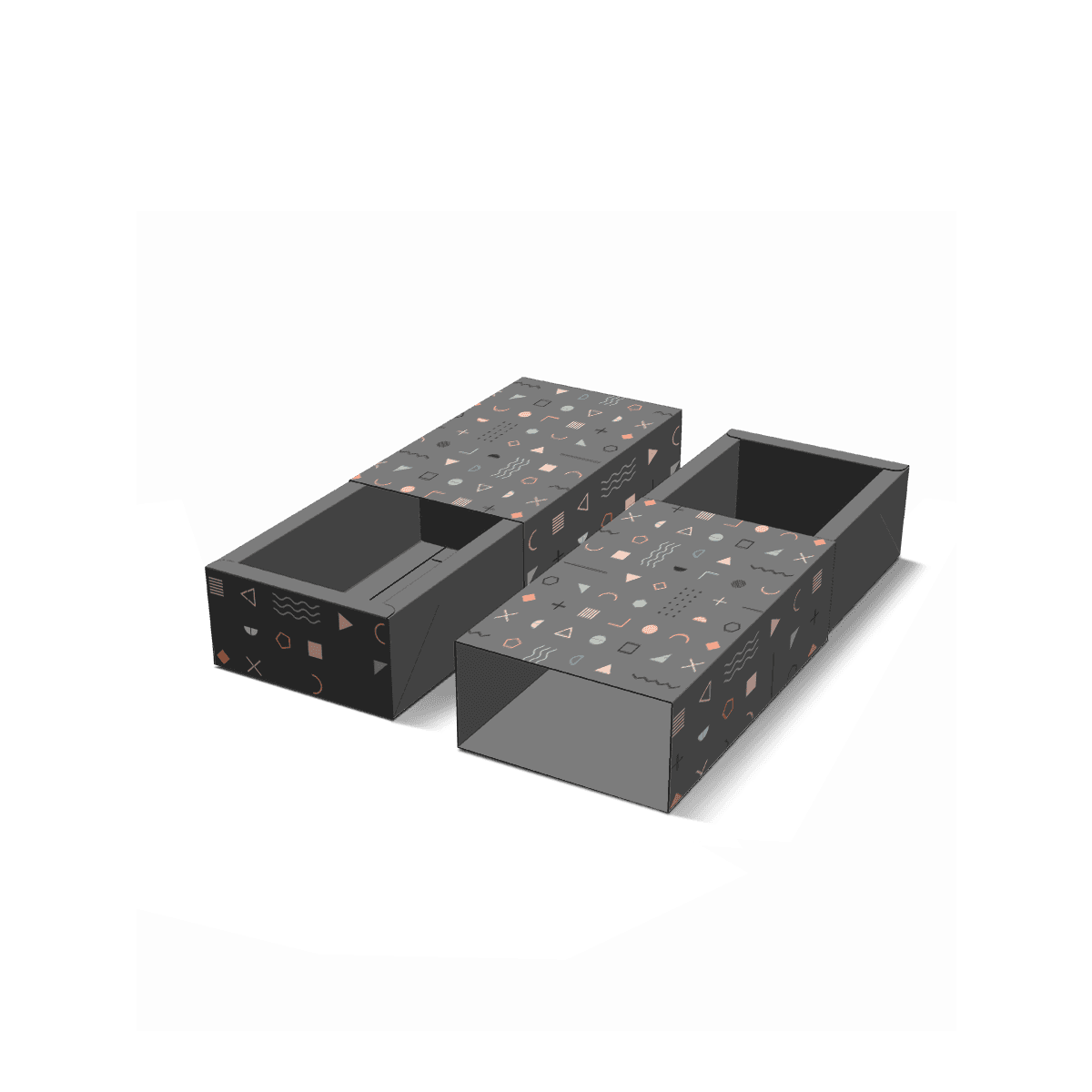
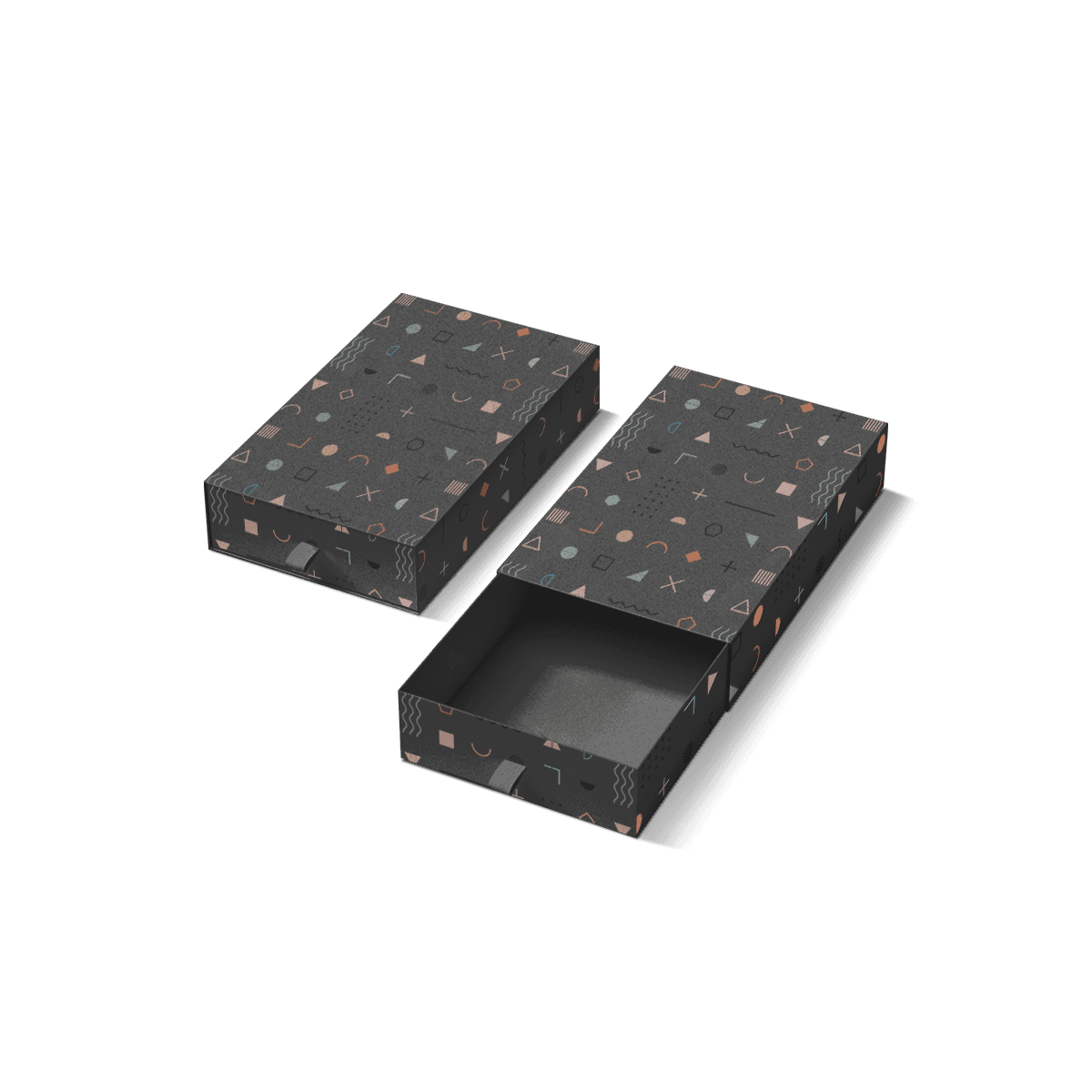
Custom Event Favor Boxes

Small-format event packaging planned around guest count, placement method, packing speed and the exact treat, keepsake or branded item each person receives.

Start With One Favor Per Person

Event favor packaging has a different operating logic from ordinary gift packaging.

The box is usually repeated across a known number of guests, seats, rooms or attendees. If 320 people need a favor, the packaging job is not simply to make one attractive small box. It is to prepare hundreds of consistent units that can be filled, counted, moved and placed without creating unnecessary work during event setup.

That makes the distribution unit the starting point for Custom Event Favor Boxes.

Determine what one person receives, how many finished favors are required and where each unit will be handed over.

A wedding place setting, hotel welcome table, gala seat, corporate celebration and departure station can use the same small gift while needing very different packaging behavior.

Separate Guests From Pieces

One favor may contain more than one item.

Three chocolates packed for one guest still represent one favor unit. A mini candle and thank-you card packed together also represent one unit.

Plan the box around the complete handout rather than multiplying packaging quantities by the number of objects inside.

That simple distinction becomes important when favors are assembled by teams, caterers, venue staff or fulfillment partners before the event.
Placement Decides the Footprint

Where the favor sits affects the dimensions and structure that make sense.

A box placed beside dinnerware competes for limited table space. A favor collected at a welcome desk can be taller or easier to carry. A package handed to guests at departure can use a handle without disrupting table styling.

The event layout therefore deserves attention before the structure is chosen.

Place Settings Need a Small Base

For seated events, footprint matters more than generous empty space inside the box.

Menus, glasses, flowers, plates, name cards and table décor may already occupy most of the surface. A favor that looked compact in isolation can feel oversized once repeated around a table.

Right-size the pack around the item and any necessary clearance.

If the favor also functions as a place marker, leave enough visible surface for the guest name or another identifier without increasing the box purely for print space.

Pickup Stations Favor Fast Recognition

At a welcome or exit station, several favors may be presented together.

The front, top or handle should help guests understand what they are taking without staff having to explain every pack.

For lightweight handouts where quick carrying matters, Party Paper Bags can make more sense than forcing every event favor into a box.

The Favor Item Sets the Structure

A macaron, miniature candle, soap bar and metal keepsake do not need the same interior.

The package should respond to the item before it responds to the event theme.

Small dimensional differences matter because favor boxes are often intentionally compact. An extra half inch around hundreds of units increases storage, transport and table space without necessarily improving presentation.

Wrapped Treats

Individually wrapped chocolates, candies and similar items can often use a lightweight paperboard format without elaborate internal support.

If food will touch the packaging directly, the material and any coatings should be specified for that exact food-contact use rather than assumed from appearance.

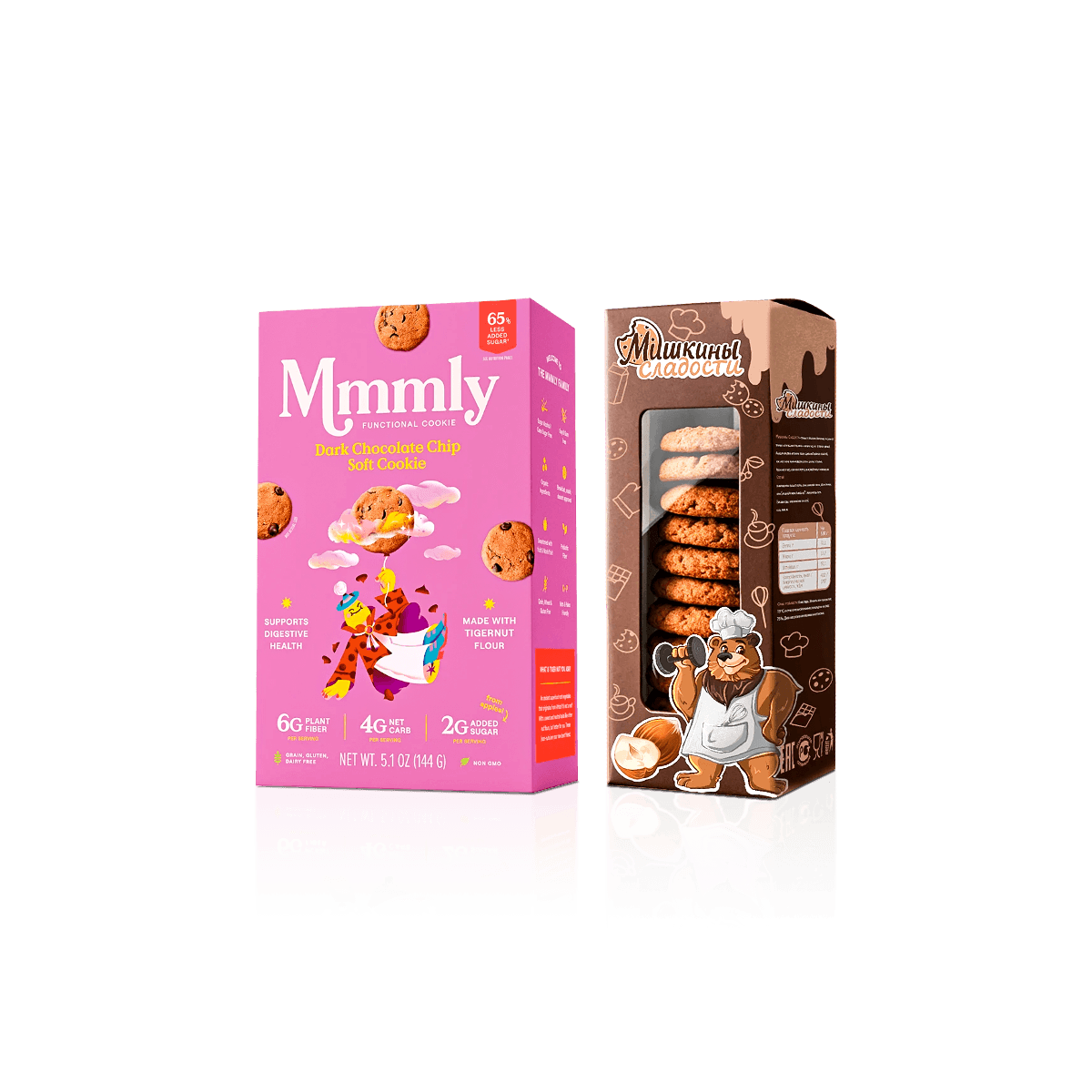
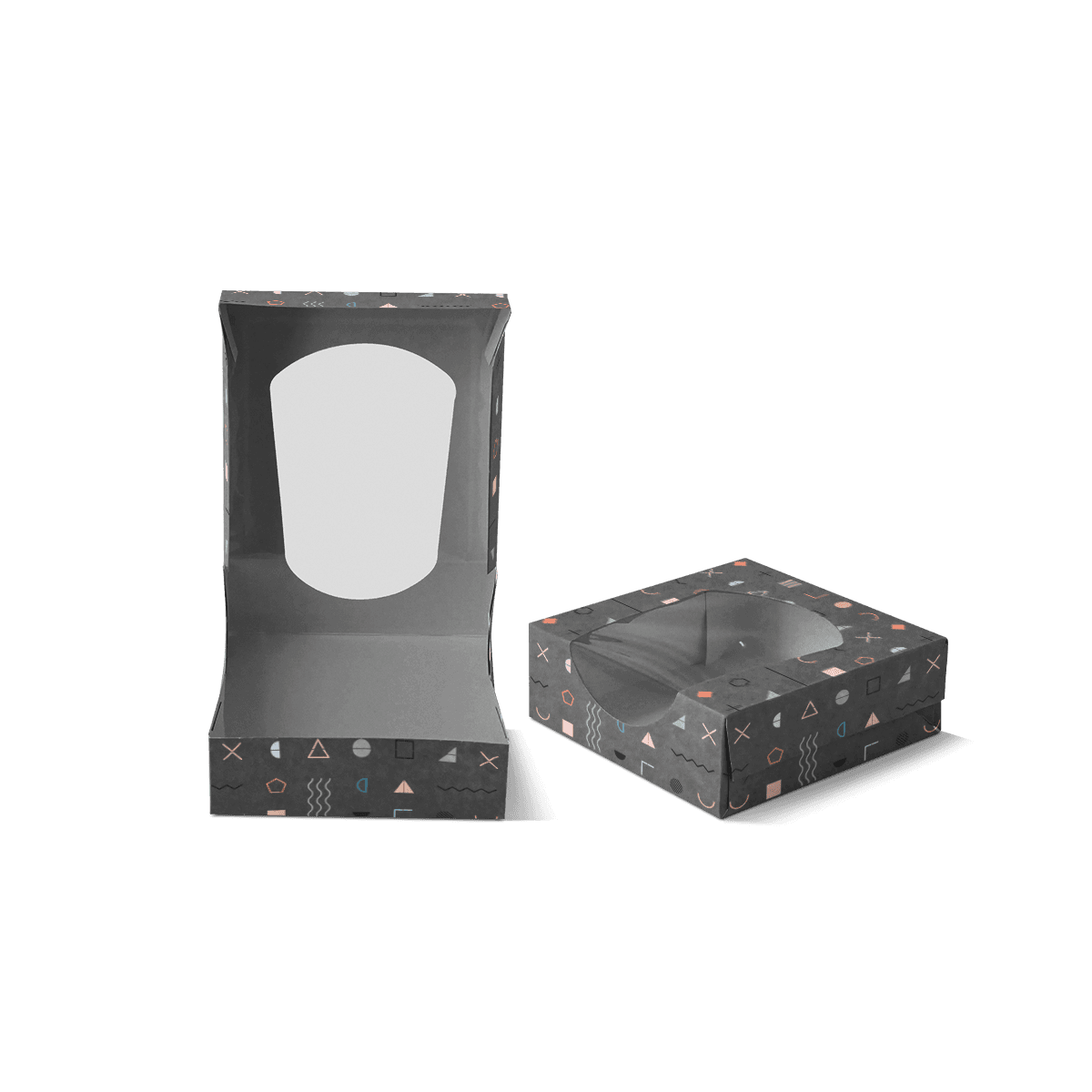
A window may help when the treat itself carries much of the visual appeal. Windowed Folding Cartons can reveal color, shape or piece count while preserving printable surfaces around the opening.

Mini Candles and Small Jars

A round or relatively heavy favor can shift inside a loose paperboard box.

The answer may be a closer fit, a simple platform or a fitted insert depending on the product.

The closure also needs enough head clearance for the lid, cap or wick area.

Keepsakes and Accessories

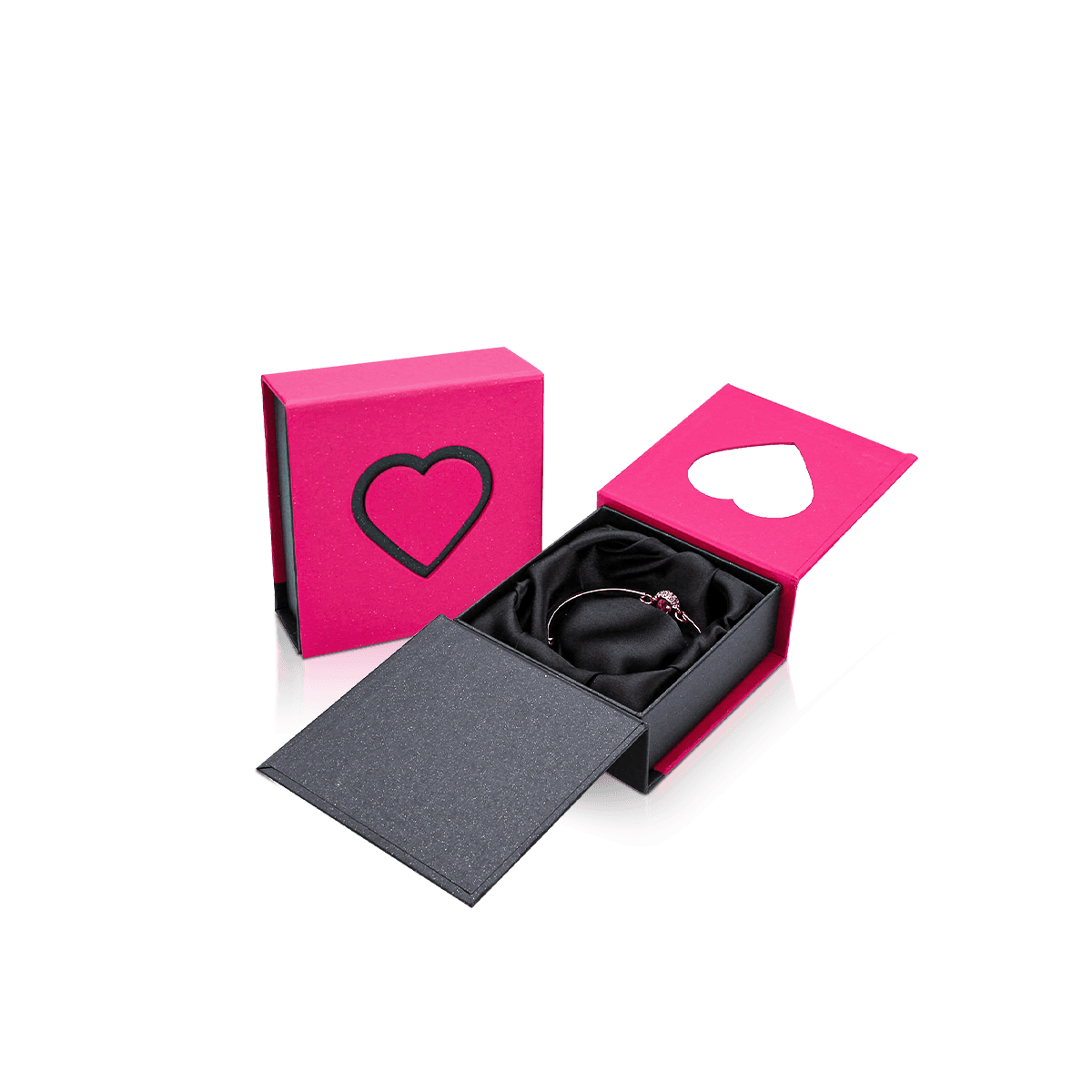
Pins, charms, ornaments and small accessories may need less cushioning than fragile products but more positional control.

Custom Product Packaging can connect the box dimensions and internal support directly to the object when an unusual shape makes stock proportions inefficient.

Assembly Speed Can Change the Best Box

Favor packaging is often assembled in concentrated batches close to an event date.

A structure that takes 25 seconds longer to form may sound insignificant when looking at one sample. Across 800 favors, those seconds become hours of extra labor.

That makes setup time a real structural criterion.

Flat Formats Save Pre-Event Space

Folding cartons and other flat-shipping structures take up less staging room before assembly.

They can be practical when an event team receives several hundred units and plans to fill them on site or at a local staging area.

The tradeoff is assembly.

A complex closure or decorative construction may slow packing even though the empty boxes store efficiently.

Simple Closures Reduce Handling

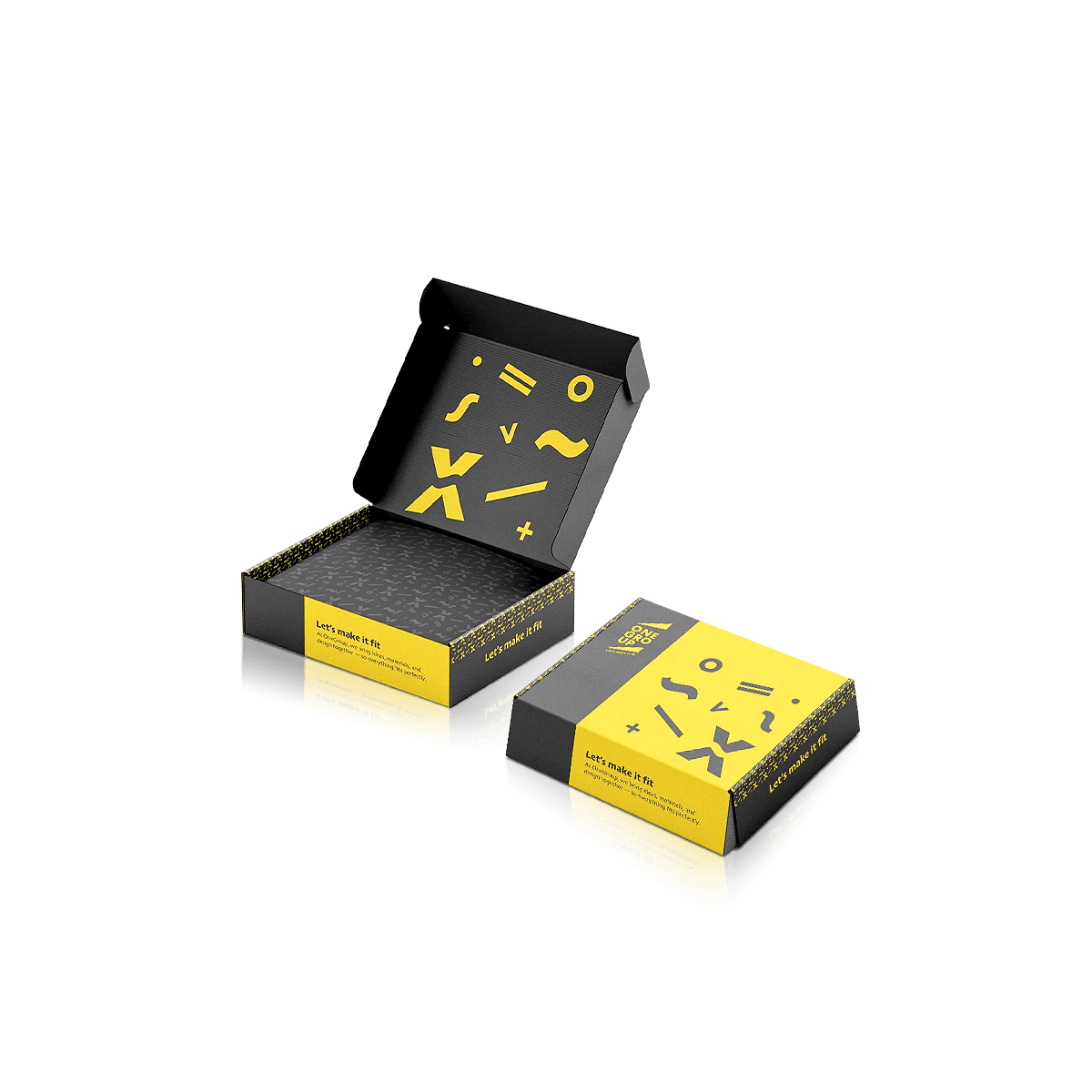
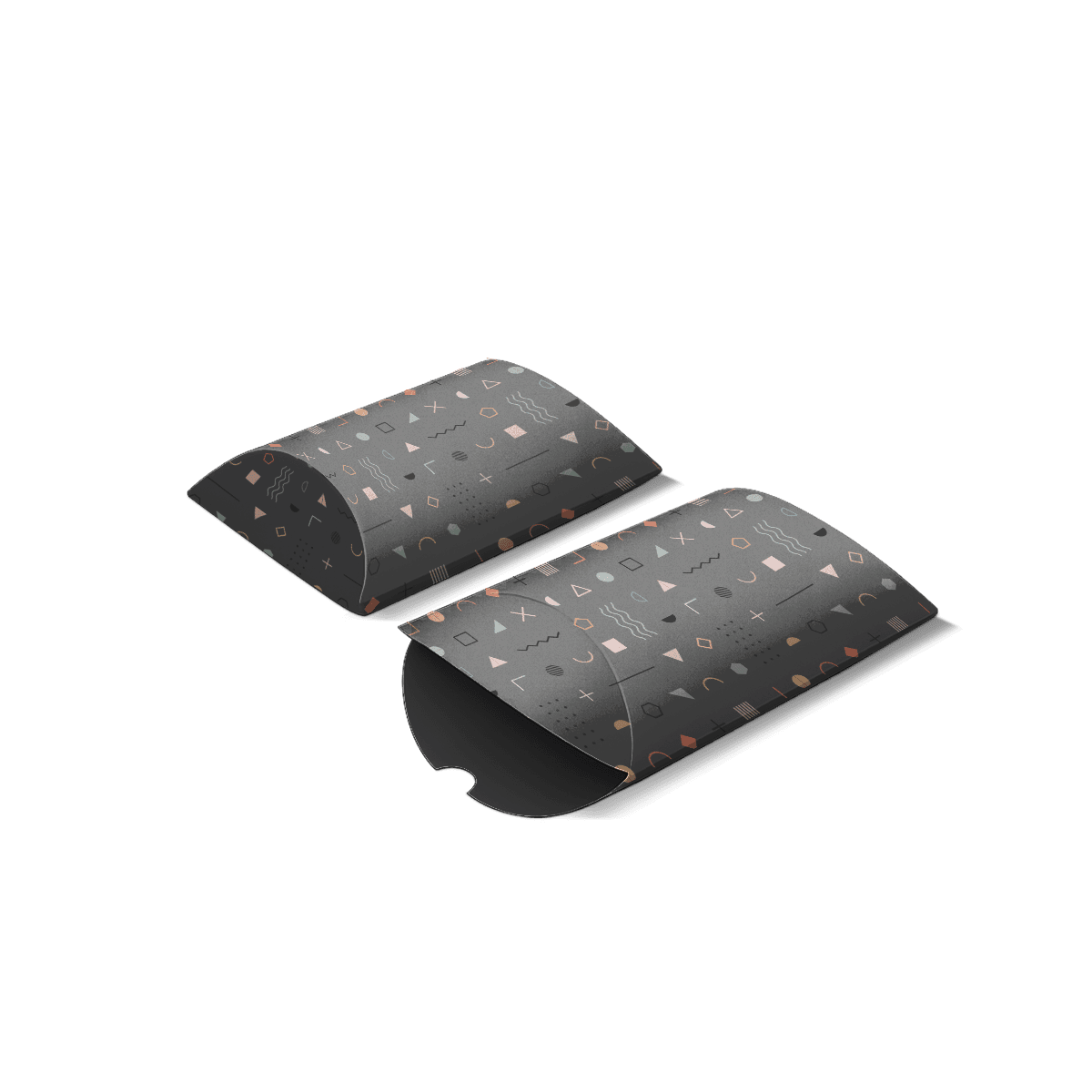
Pillow Boxes suit lightweight favors when the curved shape adds character without requiring a large presentation structure.

For favors that need an integrated carrying point, Custom Gable Boxes combine an enclosed box with a built-in handle.

Neither structure is automatically the right choice. The best one matches the object, handoff and number of units staff must prepare.

Decorative Extras Have a Labor Cost

Ribbon, tags, belly bands, stickers and tied closures can make a sample look polished. They also add assembly steps.

That tradeoff deserves an explicit decision for high guest counts.

Consider a 500-person celebration where each favor box requires a ribbon to be threaded, centered and tied after filling. The ribbon looks appropriate in the concept sample, but the packing team discovers that tying every unit becomes the slowest part of setup.

The issue is not the appearance of the ribbon. It is the production method.

A printed closure, pre-positioned label or simpler decorative element can preserve the event identity while reducing repetitive handwork.

Small event packaging should be evaluated as 500 units, not as one styled photograph.

Personalization Needs a Version Strategy

Names, dates, table numbers, sponsor marks and short thank-you messages can make favors feel specific to the occasion.

They can also create artwork complexity.

There is a major difference between printing one design on 500 boxes and producing many personalized versions.

Print What Stays Constant

Event name, date, logo, color palette and common message can live on the main box artwork.

Variable information can often be handled separately through tags, labels, cards or another component if that makes packing and sorting easier.

This approach is particularly useful for guest names.

Printing every name directly onto a box may sound elegant, but it creates a production and sorting requirement that should be justified by the event plan.

Control Sponsor Versions

Corporate events can introduce another variation problem.

VIPs, sponsors, employees and general attendees may receive similar favors with different branding or contents.

Keep each artwork and packout version clearly separated from the beginning.

For programs with multiple print versions, Custom Printed Boxes can keep the structural specification consistent while artwork changes by audience or occasion.

Color Has to Work in the Room

Event packaging is rarely viewed against a neutral studio background.

It sits beside linens, flowers, signs, tableware, venue lighting and other branded materials.

A color that looks correct on screen can appear different under warm ballroom lighting or beside a strongly colored table setting.

That does not mean the favor box has to match every decorative element.

It means the package should be considered as part of the room.

For branded events, a defined Pantone target can help control an important brand color. CMYK may suit photography, illustrations and multi-color event artwork.

Premium offset printing can support repeat color across the run, while a free 3D mockup can help review how the graphics move around the chosen structure before production.

The mockup can confirm visual direction. Physical material or finish behavior still requires a physical reference when that distinction is important.

Pack by Destination, Not Just Total Quantity

A large event becomes easier to set up when finished favors are organized according to where they will go.

Five hundred identical boxes packed randomly into cases still have to be counted and redistributed at the venue.

Five hundred boxes already grouped by ballroom, table, floor or pickup station reduce that work.

Packaging planning can support the setup process.

If a wedding has 25 tables with 10 favors each, case or bundle counts can follow that layout. A multi-room conference celebration can separate favor quantities by room. Hotel events can divide them by guest floor or arrival group.

This is not a structural feature of the box, but it changes how the finished packaging should be packed and labeled for handoff.

Hospitality packaging for hotels and events has the same operational requirement across welcome gifts, conference packs, favors and other guest-facing programs: presentation has to work with service.

Build a Quantity Cushion Deliberately

Exact guest count and exact box quantity should not automatically be treated as the same number.

Favors can be damaged during packing. Guest count can shift. A few units may be needed for photography, event staff, speakers or last-minute additions.

The appropriate contingency depends on the event, but it should be decided intentionally rather than discovered during setup.

Custom Packly's USA MOQ starts from 100 boxes, which can suit smaller celebrations as well as pilot quantities for recurring branded events.

For larger quantities, Bulk Custom Boxes can help structure production around quantities, artwork versions and repeat specifications rather than treating the whole order as one undifferentiated total.

Do not add excessive surplus automatically. Event-dated artwork may have little use after the occasion ends.

Event Date Changes the Approval Calendar

A product launch can sometimes move. A wedding or gala usually cannot.

That makes approval timing more consequential.

Artwork changes, guest-count adjustments and late decisions about inserts or finishes all consume time before production begins.

Standard turnaround is 4–6 days after final artwork and specifications are approved, but the safer planning approach is still to finalize the favor itself, artwork and quantity before the event reaches its last operational window. Complex structures, specialty materials or advanced finishes may require additional time.

Free design and dieline support can help resolve the structural artwork earlier, and 24/7 packaging expert support can help when specifications need clarification.

Free shipping also removes a separate standard shipping charge from the packaging order.

The event schedule should leave time for receiving, filling, sorting and venue staging after the boxes arrive.

Favor Boxes and Souvenir Boxes Do Different Jobs

The distinction is distribution.

Event favors are usually prepared as one-time guest handouts. The quantity follows attendance and the package needs to be fast to place or distribute.

Souvenirs are more often retained, displayed or sold as keepsakes.

That difference affects size, structure and presentation.

Souvenir Boxes make more sense when the item needs stronger keep-after-purchase value or a destination-led retail presentation.

Event favors should stay focused on compact guest handoff.

Conference packs create another boundary. When several items, literature, sponsor materials and attendee types need to be organized together, the job becomes closer to a kit than a favor.

A small token handed to every attendee can remain a favor even at a large corporate event.

Price the Event as a Packout

An accurate favor-box request should describe both the item and the event operation.

Useful inputs include:

  • favor item dimensions, weight and quantity per box
  • total guest or recipient count
  • contingency quantity
  • event type
  • placement or handoff method
  • preferred box structure
  • direct-food-contact requirement if applicable
  • insert or divider need
  • common artwork
  • personalized or audience-specific versions
  • finishes or window requirements
  • event date
  • shipping ZIP code
  • whether boxes will be filled before or after delivery to the venue

The same 1,000-unit order can represent very different work depending on whether every box is identical or the run is divided among several artwork versions.

Once the packout, quantities and structure are settled, an instant custom packaging quote can price the actual event requirement.

Run One Full Table Before Production

The final proof should be bigger than one box.

Set up a small section of the real event environment if possible.

Place the favor beside the menu, plate, glassware, centerpiece or registration materials it will sit near. Check whether the box occupies too much space. Pick it up the way a guest will. Open it. Remove the item. If a name card or tag is involved, confirm that staff can still identify each version quickly.

Then time the packing process for several units in sequence.

This catches problems that an isolated packaging sample does not.

A beautiful favor that slows setup, hides the guest name or crowds the table is not fully resolved.

Custom Event Favor Boxes work best when they disappear into the event operation until the moment the guest receives one. The item fits, the quantities are already organized and the packaging can be placed quickly without becoming another problem for the team preparing the room.

FAQs

Small giveaway items perform best in this format. Common examples include individually wrapped chocolates, cookies or macarons, mini candles, guest soaps, keepsake charms, branded tokens and other lightweight items meant for one-person distribution.

Usually yes. A boxed favor feels more deliberate, protects the item better during setup and gives you usable space for event branding, table names or a short thank-you message.

They matter when the item is fragile, round or likely to shift. Inserts help hold mini jars, candles or delicate sweets in position and keep the presentation cleaner when guests open the box.

Start with the exact product dimensions and packing method, then keep the box close to the item size. A tighter fit usually reduces movement, lowers shipping volume for the empty boxes and makes large event setups easier to manage.

Event Favor Boxes are the better fit when the item is small, counted per guest and meant for quick placement at tables or check-in points. Souvenir Boxes work better for larger keepsakes or destination-themed items that need a little more storage space and display presence.

Process

How it works

Your Packaging Journey, From Idea to Production and Delivery

01

Tell Us Your Specs

Custom packaging boxes

Tell Us Your Specs

Provide size, quantity, printing, and finishes.

02

Get a Fast Quote

Custom packaging boxes

Get a Fast Quote

Instant transparent pricing, no hidden fees.

03

Design and Approval

Custom packaging boxes

Design and Approval

Artwork checks, revisions, and final sign-off.

04

Produce

Custom packaging boxes

Produce

Expert manufacturing to meet deadlines.

05

Ship to Your Door

Custom packaging boxes

Ship to Your Door

Hassle-free, flexible delivery options.

Get Your Quote for Custom Event Favor Boxes

Share your product details, size, quantity and artwork needs. We’ll help choose the right packaging style and send a clear quote.