Skip to content
Details

Custom Bracelet Boxes

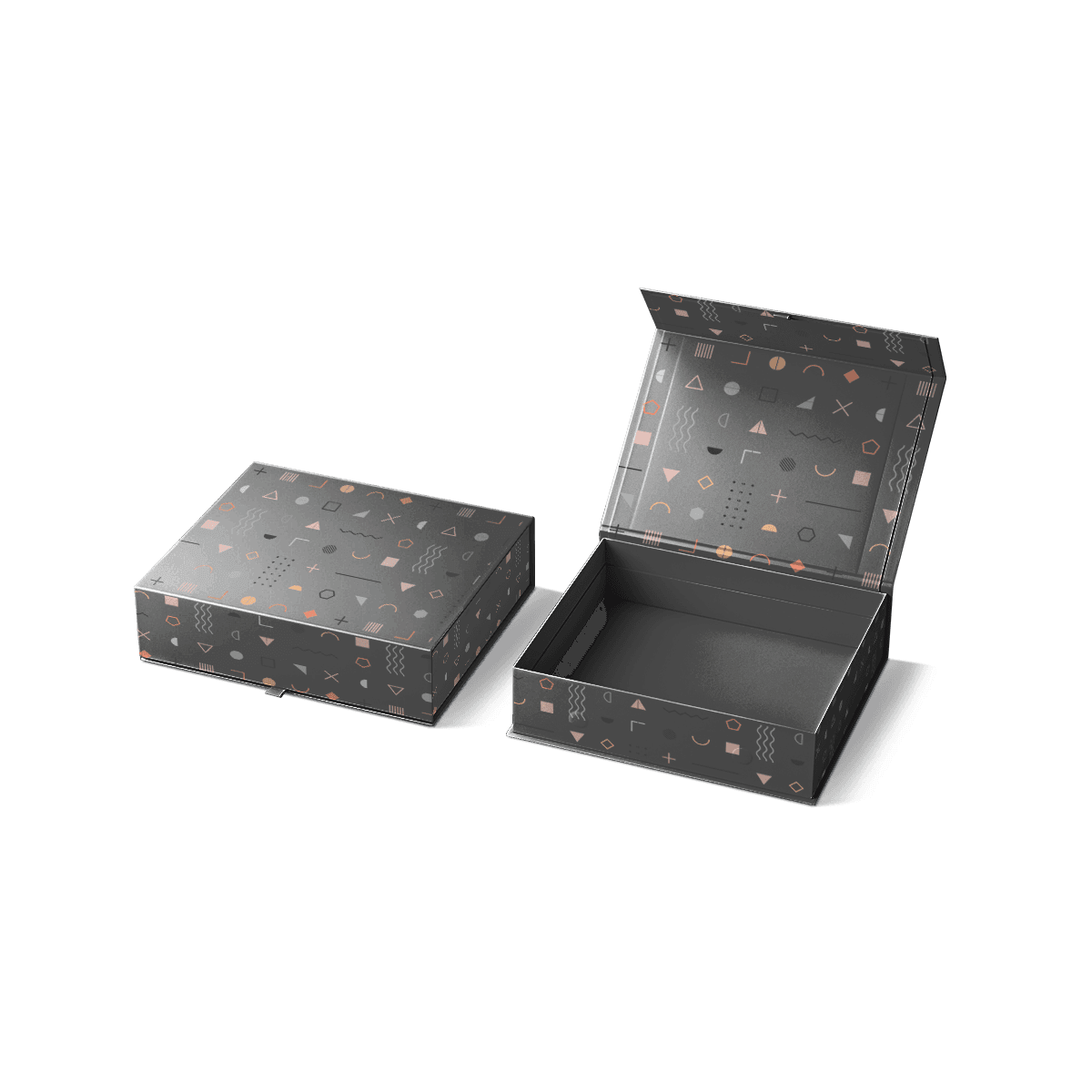
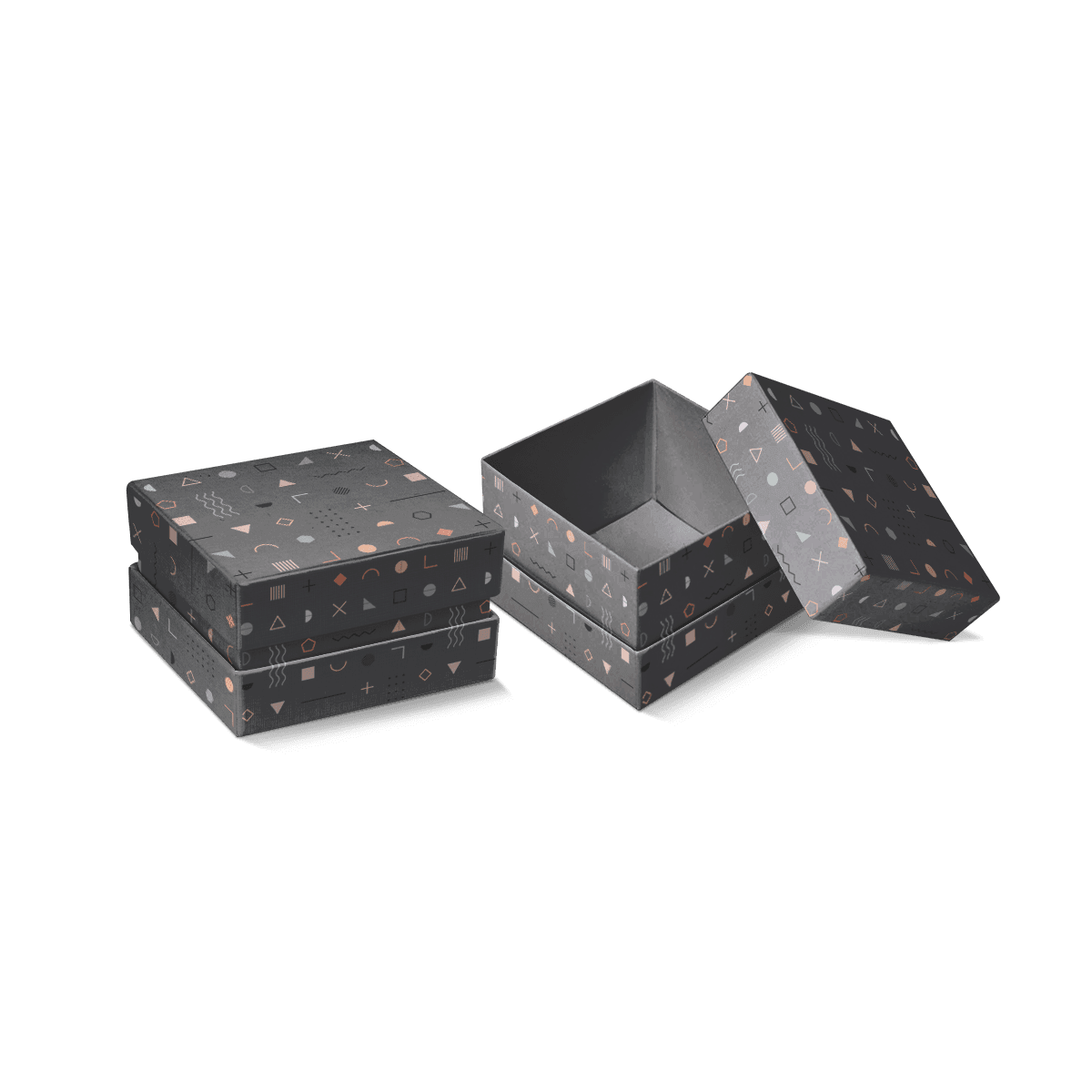
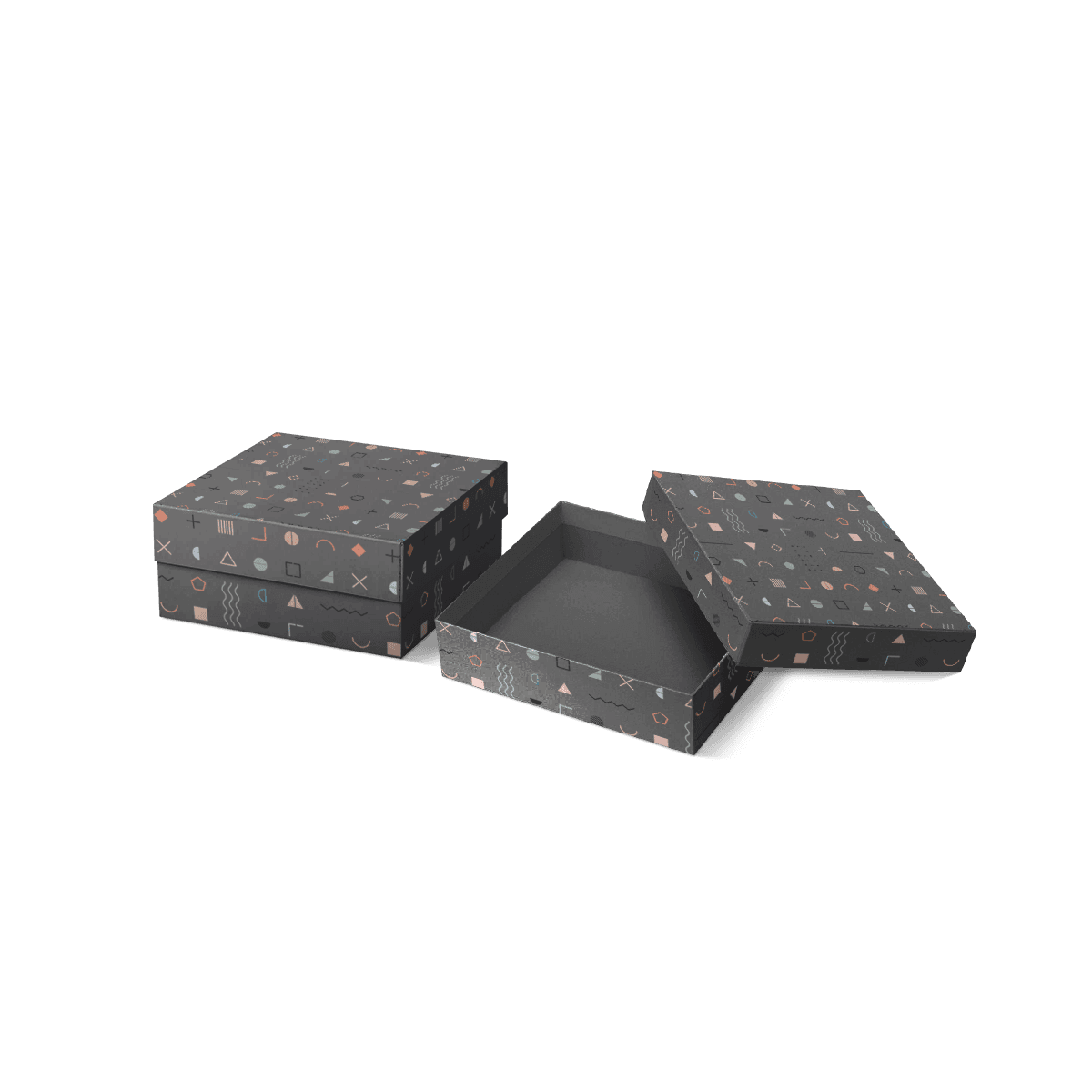
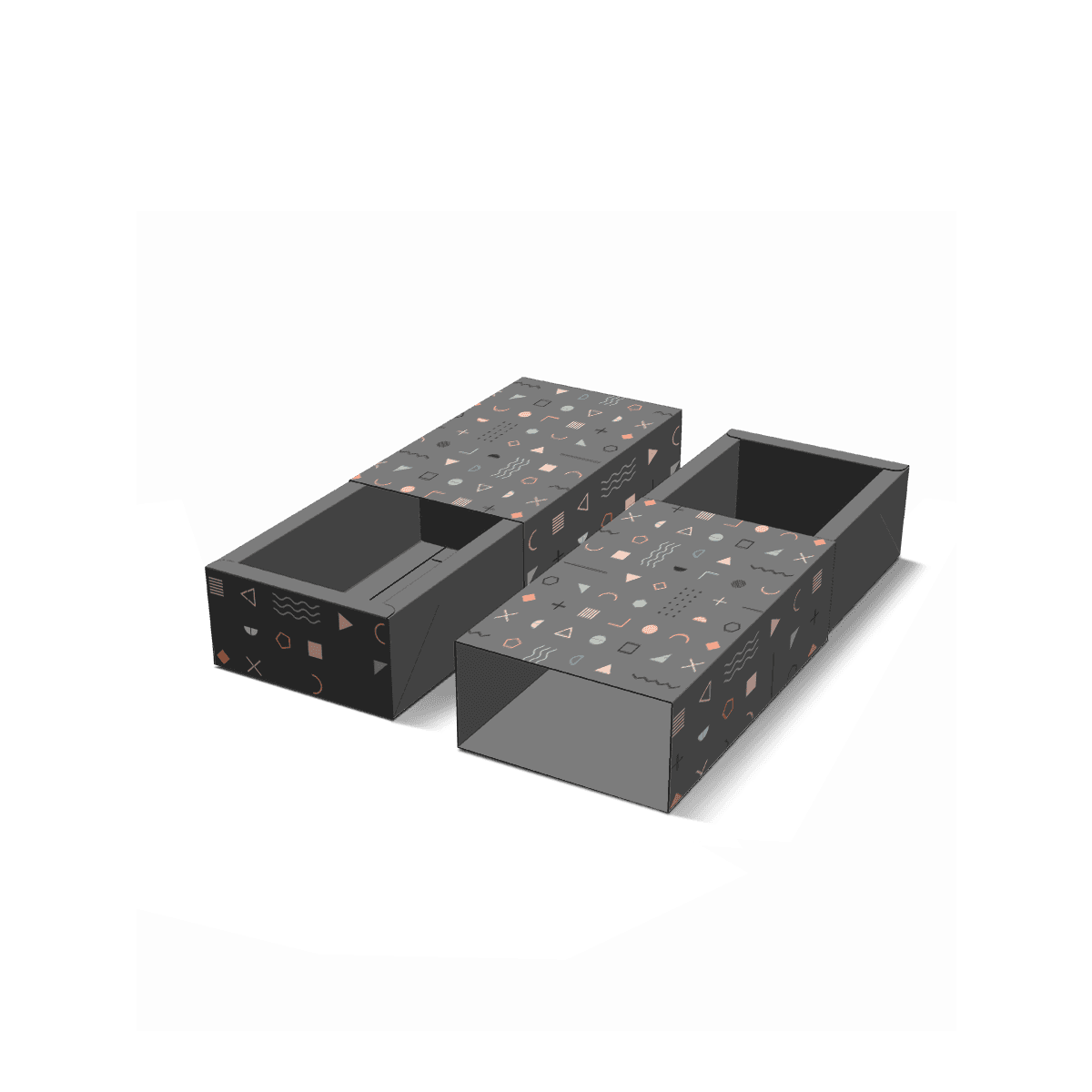
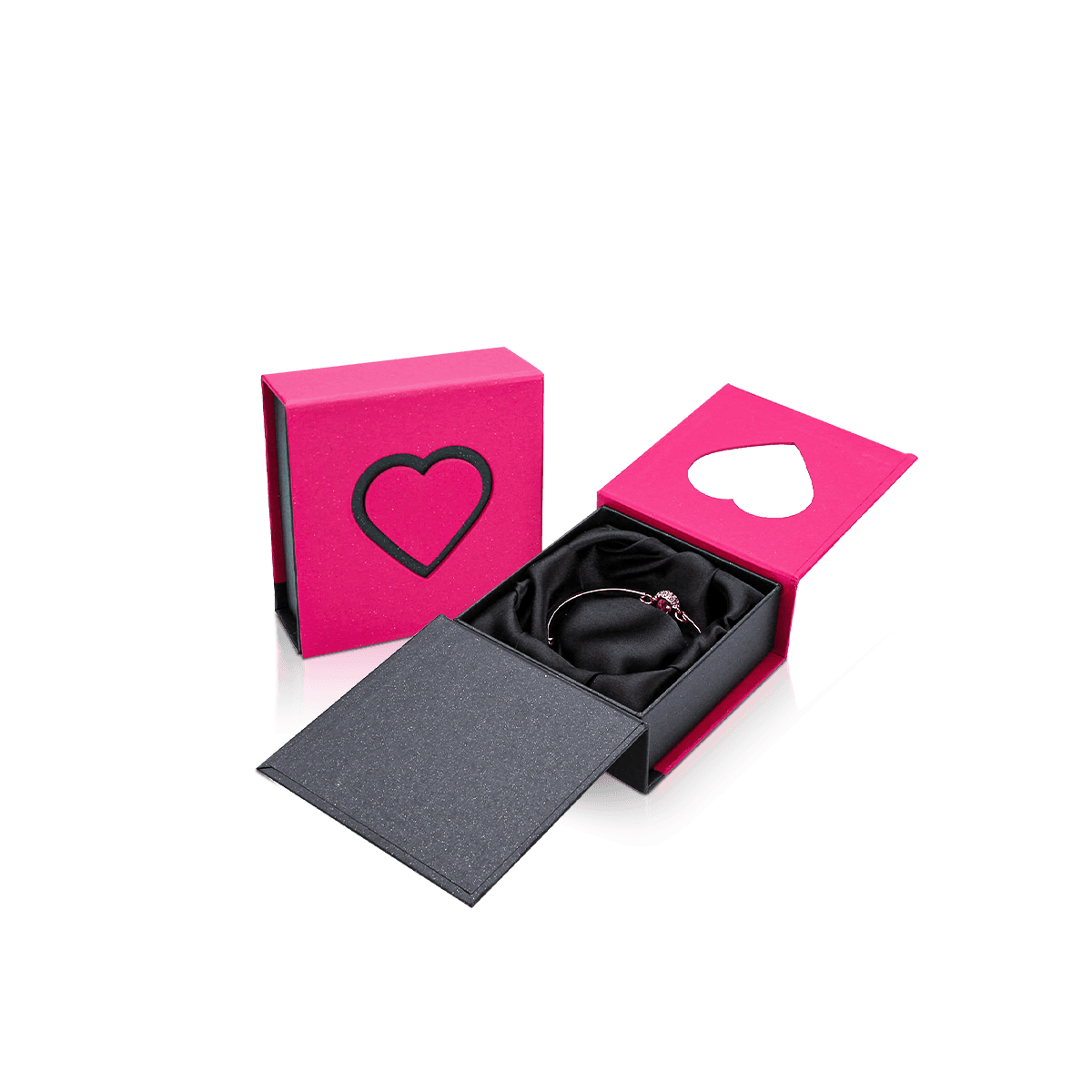
Hold chains, cuffs, charm bracelets and other wrist jewelry in a controlled presentation with inserts shaped around the bracelet’s natural lay, clasp and surface.

The Bracelet Has to Hold Its Shape

A bracelet rarely wants to sit flat on its own. Flexible chains can collapse into a loose pile, charm bracelets can turn over, cuffs can spring away from an undersized support and rigid bangles need enough internal diameter to sit naturally.

Custom Bracelet Boxes therefore need to control the shape the jewelry takes inside the package, not simply provide enough space for it to fit.

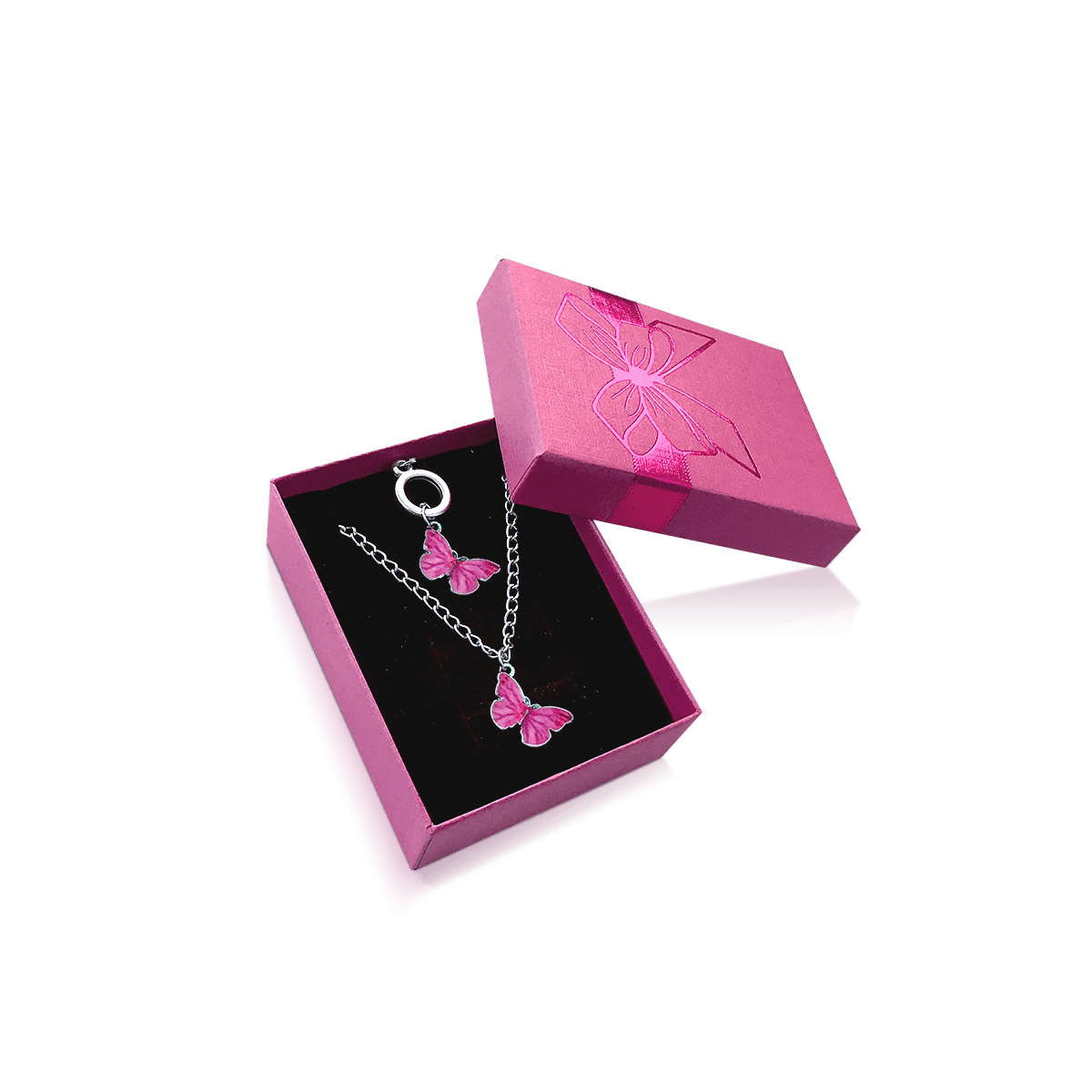
For many styles, the best presentation follows the bracelet’s natural curve around a cushion, raised pad or shaped insert. Other pieces look cleaner when laid in a controlled oval or secured at two points.

The right arrangement keeps the clasp visible where appropriate, prevents unnecessary movement and makes the bracelet immediately understandable when the lid opens.

For rings, necklaces, earrings and watches, Jewelry & Accessories packaging follows the retention needs of each jewelry type rather than reusing one insert geometry.
Circumference Matters More Than Box Length Alone

A bracelet box cannot be sized reliably from the jewelry’s longest straight measurement.

The product is normally presented curved, wrapped around a support or laid in an oval. That makes circumference, stiffness and closure type just as important as external box dimensions.

Flexible Chains Need Controlled Slack

A delicate chain bracelet should not be stretched tightly between two holding points.

Excess tension can make the piece difficult to remove and may put unnecessary load on the clasp or connection points.

Too much slack creates the opposite problem. The bracelet can fold over itself, move under a card or arrive with the clasp hidden beneath the chain.

The insert should remove enough freedom to keep the piece arranged without turning the package into a tensioning device.

Cuffs Need Their Natural Opening

Open cuffs behave differently because the gap between their ends is part of the product geometry.

Forcing a cuff around an insert that is too large can place outward stress on the jewelry. A support that is too small may let it rotate or appear misshapen.

The insert should follow the intended wearing curve without trying to reform it.

Rigid Bangles Need Diameter Clearance

A rigid bangle cannot compress to fit a smaller cavity.

The box and insert need enough internal diameter for the piece plus practical loading and removal clearance. Deep side walls around a tightly fitted bangle can also make it surprisingly difficult to lift out.

The visible presentation should be close. The physical fit should not trap the jewelry.

The Clasp Should Not Become the Pressure Point

Clasps are often thicker than the chain attached to them.

That small increase in thickness can matter inside a shallow bracelet box.

If a bracelet is stretched over a pad with the clasp directly underneath, the lid or insert may place more pressure on that one point than on the rest of the piece. Decorative clasps and charm clusters can create the same issue.

Plan where the closure sits before finalizing the cavity or cushion.

A side position may be cleaner for some chain bracelets. Other designs benefit from a recessed area that gives the clasp additional depth.

The principle is simple: the package should restrain the durable parts of the bracelet without concentrating force on its most intricate component.

Cushions and Flat Inserts Create Different Looks

A bracelet wrapped around a cushion creates volume. A bracelet secured to a flatter insert creates a more graphic, top-down presentation.

Both can work.

Cushions Follow the Wrist Shape

A padded support works especially well when the bracelet should retain a curved presentation.

The jewelry can wrap around the cushion much as it wraps around a wrist. This can suit chain bracelets, tennis styles, cuffs and pieces where the side profile matters.

The cushion should not be so full that the clasp is under tension or the bracelet has to be stretched to close around it.

Flat Inserts Emphasize the Design

A die-cut card, wrapped platform or recessed insert can present the bracelet in an oval or another controlled shape.

This approach can leave more surrounding visual space and may make decorative charms or central motifs easier to see.

Attachment points need careful placement. A slot that catches a fine chain or a tab that presses against polished metal can create more problems than it solves.

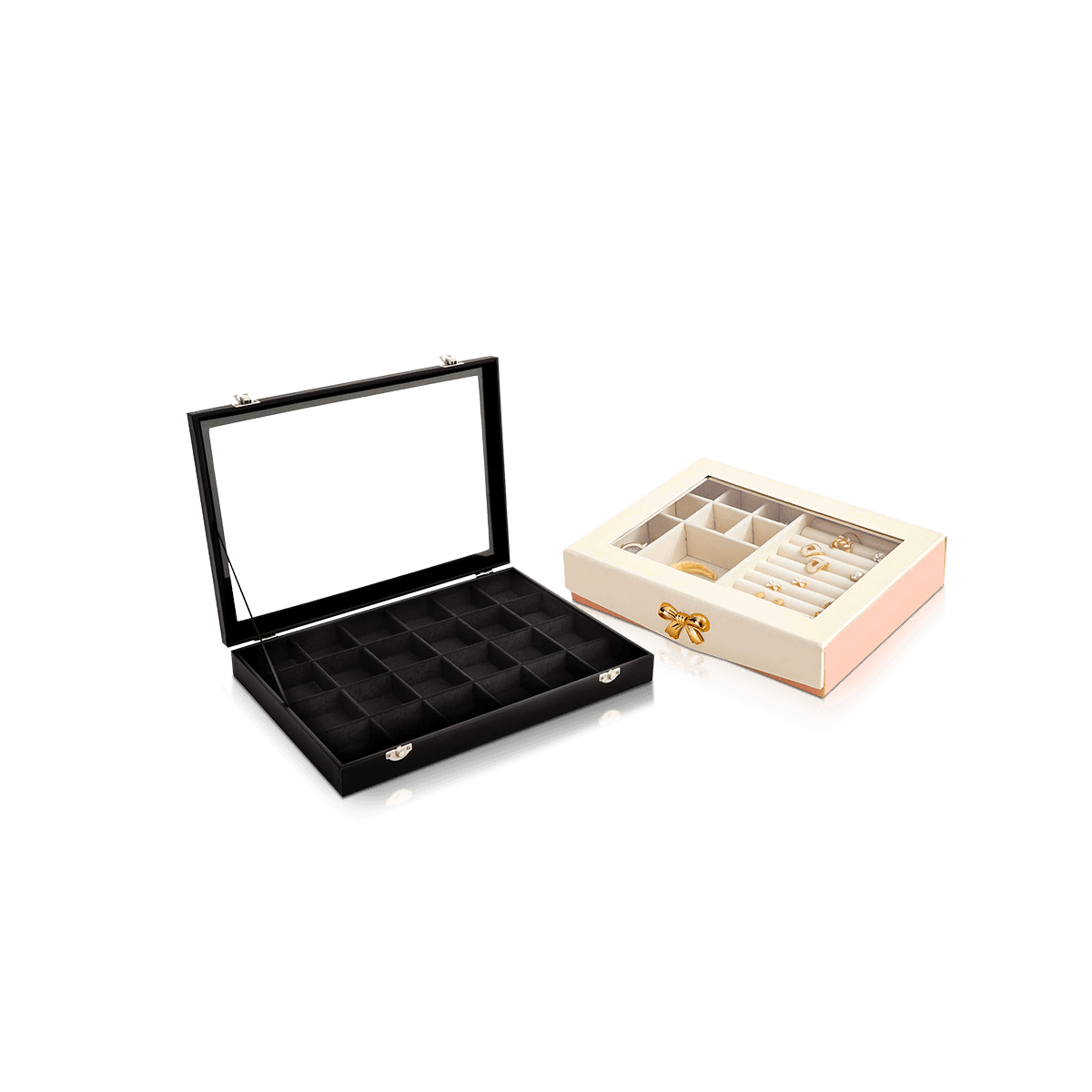
When product movement and presentation need different support, packaging inserts can use paperboard, foam or other appropriate materials around the bracelet geometry.

A Charm Bracelet Needs Space Around the Details

Charm bracelets can occupy much more depth than their chain suggests.

Multiple charms can overlap, rotate or collect at the lowest point when the package is moved. If the lid clearance is too shallow, raised elements may rub against the top interior.

A compact box is still desirable, but compact should mean closely fitted around the real assembled bracelet.

Account for:

  • the thickest charm or decorative element
  • clasp thickness
  • bracelet circumference
  • insert or cushion height
  • lid clearance
  • removal access
  • any card or booklet stored inside the box

One oversized charm can therefore control the depth of the whole package.

That is better than discovering after production that an otherwise correctly sized bracelet box closes only when the jewelry is arranged in one exact position.

A Flat Bracelet Can Arrive Looking Tangled

Consider a fine chain bracelet with several small charms packed loosely on a flat pad.

At the packing table, the piece is arranged neatly and the lid closes without contact. During handling, the chain slides toward one corner while the charms move independently.

When the customer opens the box, the bracelet is still undamaged but the intended presentation has disappeared. The clasp sits under the chain and two charms overlap.

The issue is not insufficient box strength.

The package gave the bracelet too much freedom.

Adding discreet retention points near the ends of the chain and controlling the center section keeps the bracelet in its intended curve while leaving enough slack for easy removal.

The practical improvement is presentation consistency without stretching the jewelry tighter or making the outer box larger.

Bracelet and Necklace Inserts Should Not Be Interchanged Blindly

Bracelets and necklaces are both chain-based jewelry, but their packaging geometry is different.

A necklace normally needs more length management and may use slots or hooks positioned farther apart. A bracelet occupies a much smaller circumference and often needs a tighter curved arrangement.

Using a shortened necklace insert for every bracelet can create awkward angles around the clasp or leave too much unused space.

Necklace Boxes are better suited to longer chains and pendant positioning, while bracelet packaging can concentrate on wrist-sized curvature, compact retention and easy clasp access.

Keeping those two jobs separate usually produces a cleaner box for both products.

Watches Need More Side Support

Bracelets and watches share the wrist, but their packaging should not automatically share the same insert.

A watch introduces a case, crown and significantly different weight distribution. It often needs stronger support around a dedicated cushion so the case remains centered and elevated.

Watch Boxes should handle that heavier central component.

Bracelet Boxes can stay more focused on flexible chains, cuffs, bangles, tennis bracelets and charm styles where the jewelry itself carries relatively little concentrated mass.

That distinction also prevents brands from overspecifying everyday bracelet packaging with an insert designed for a much heavier product.

Box Depth Should Follow the Presentation

Bracelet boxes are often wider than ring boxes but do not necessarily need to be deep.

The required depth comes from the combined height of the bracelet, insert and safe lid clearance.

A flat chain arrangement can work in a relatively shallow box. A thick cushion, rigid cuff or bracelet with prominent stones may need substantially more vertical room.

Extra depth should have a purpose.

A deep cavity around a small bracelet can make the jewelry look lost. It can also increase packaging volume without adding meaningful protection.

The strongest proportions frame the bracelet closely enough that the jewelry remains the visual focus.

Rigid or Paperboard Depends on the Selling Moment

Bracelet packaging does not have to use one material for every price tier.

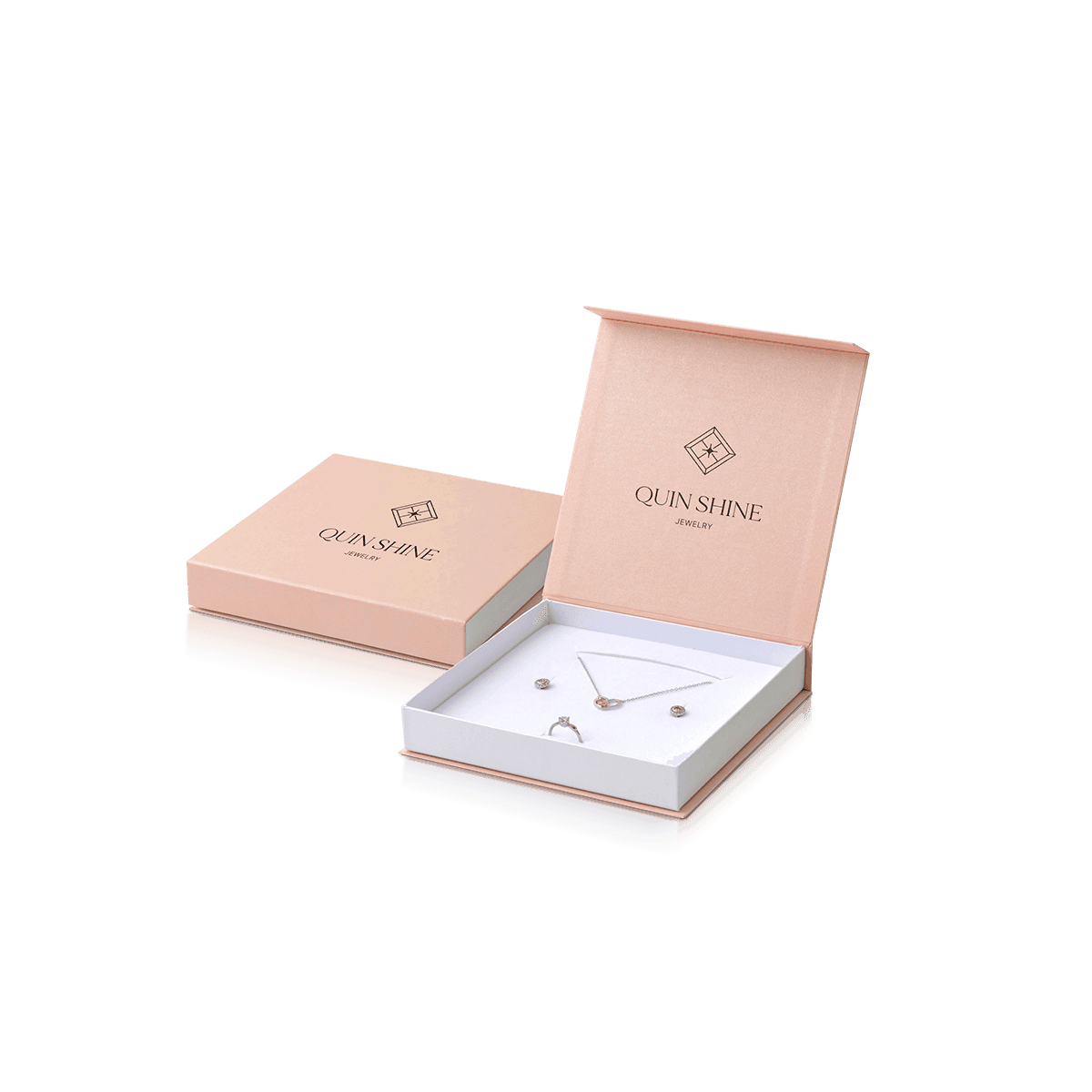
Premium jewelry often benefits from rigid presentation because the box itself becomes part of the gift or keepsake experience. Wrapped board also works well with cushioned interiors and specialty finishes.

Rigid Jewelry Boxes fit that higher-presentation role.

Lighter jewelry, promotional pieces and fast-moving retail programs can use Cardboard Jewelry Boxes when flat storage, print coverage and lower packaging bulk matter more than heavy construction.

The bracelet can remain well presented in either direction if the insert and dimensions are correct.

Material weight should follow product value, retail context and desired customer experience rather than becoming a substitute for fit.

Soft Surfaces Need to Protect the Finish

Jewelry packaging places materials directly beside polished metal, stones, plated surfaces and delicate chains.

The insert or lining should therefore support the product without creating obvious abrasive contact points.

Velvet-like coverings, soft wrapped pads and suitable foam systems can create a more cushioned presentation for premium pieces. Paperboard can work for lighter products when retention edges and slots are positioned carefully.

A soft-looking interior is not enough by itself.

Seams, exposed insert edges and attachment slots still need inspection. A fine chain can catch where a larger product would never notice the same detail.

For a bracelet intended to remain in the box between uses, repeated insertion and removal should also be considered. The package may function as temporary storage as well as point-of-sale presentation.

The Lid Should Frame the Bracelet, Not Compete With It

Bracelet packaging usually provides more top-face area than a ring box, giving brands room for a clear logo or collection mark.

That does not require filling the lid with decoration.

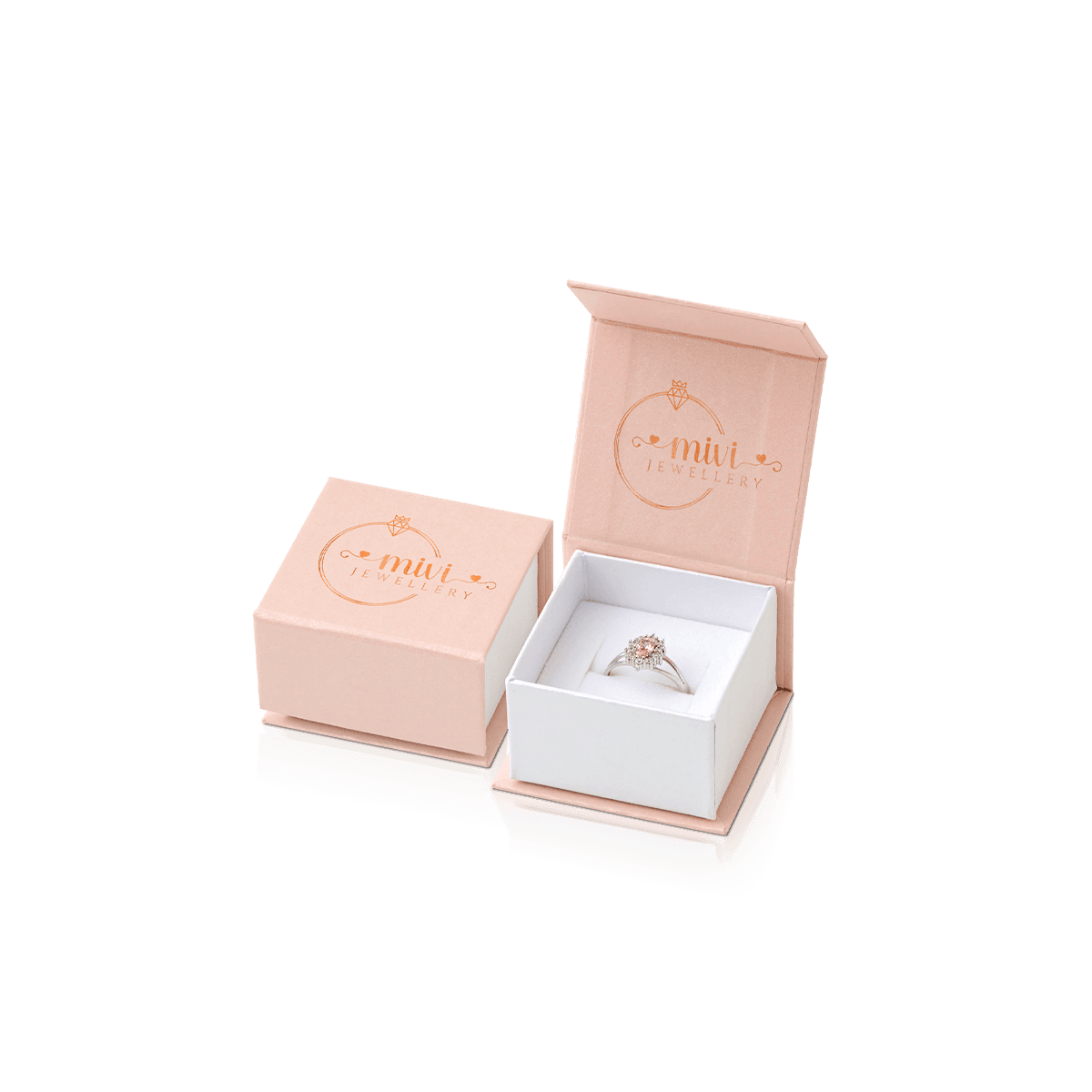
A restrained foil logo, debossed mark or clean printed identity can give the box enough visual character while leaving the jewelry as the primary object when opened.

Custom Printed Jewelry Boxes can keep logo placement, color and lid artwork consistent across bracelet, ring, pendant and watch packaging.

For finish selection, foil, embossing, matte, gloss and spot UV each create a different visual and tactile effect.

One well-positioned detail usually does more for a compact jewelry box than several finishes competing across the same lid.

Gift Presentation Needs Space Beyond the Bracelet

A bracelet frequently enters the box as a gift rather than as a bare retail product.

That can introduce a care card, authenticity card, message card or other supplied insert.

Those components need a defined location.

Placing a card loosely over the bracelet can hide the first view or rub against raised stones. Putting several printed pieces underneath a removable cushion may work better if the design allows the customer to reach them easily.

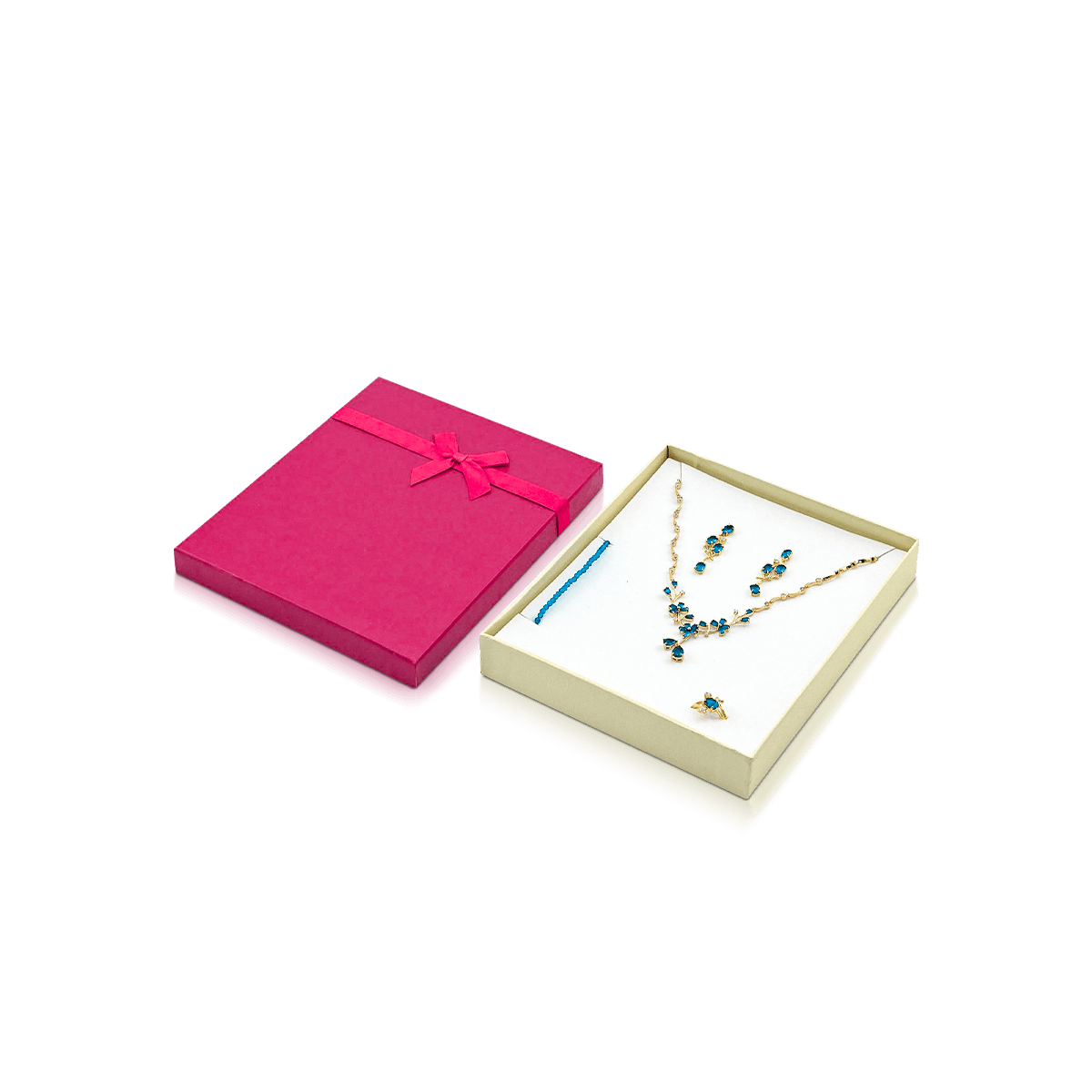
For programs where gifting itself becomes the main requirement, Jewelry Gift Boxes can accommodate larger presentation needs and multi-piece handoff components.

The standard Bracelet Box should remain compact unless those extras genuinely need more room.

Retail and Shipping Require Two Layers of Protection

A bracelet presentation box protects the jewelry from routine movement and creates the customer-facing reveal.

It should not automatically be expected to act as the courier package.

Rigid boxes can scuff and paperboard boxes can crush when they travel without a suitable outer shipper. More importantly, parcel movement can still transfer impact to the bracelet if the presentation box moves freely inside the shipment.

The ecommerce system therefore needs two levels of fit:

  1. the bracelet held correctly inside its presentation box
  2. the presentation box restrained inside the outer mailer or shipping carton

Improving the first without addressing the second leaves part of the transit problem unresolved.

Collection Size Changes Insert Planning

A jewelry brand may sell chain bracelets, cuffs and charm bracelets under one collection identity.

Using one external box size can sometimes be practical when the pieces are physically close enough, but the internal support may still need to change.

A flexible chain may use retention slots. A cuff may need a curved pad. A bangle may need an open center or larger diameter.

This is where separating box specification from insert specification becomes useful.

The same printed outer box can potentially support several bracelet SKUs while product-specific inserts handle different geometries. That approach reduces unnecessary variation only when each insert still fits and presents its jewelry correctly.

Do not force an unsuitable universal insert merely to reduce component count.

Sampling Should Focus on the Jewelry-to-Insert Contact

Digital mockups are useful for logo placement, color, box proportions and the general interior arrangement.

Bracelet fit often benefits from a physical check because tension, softness and removal effort are difficult to judge on screen.

Place the real bracelet into the proposed insert and check whether the clasp closes naturally, whether charms overlap, whether metal touches rough edges and whether the customer can remove the piece without pulling against a fragile part.

Custom Packly provides free 3D mockups and free sample examples of previous work. Fully custom pre-production samples can be arranged as paid samples when the precise insert, cushion or physical presentation needs approval.

Photograph the Approved Bracelet Lay

Bracelet packaging consistency is more than repeating the same outer box.

The insert position determines how the piece actually appears. If retention slots shift slightly, a chain bracelet may sit at a different angle. If a cushion changes diameter, the same cuff can suddenly look stretched or loose.

Before final approval, photograph the real bracelet loaded into the finished insert from the same opening angle the customer will see. That image can record the intended curve, clasp position, charm spacing and amount of visible slack more clearly than dimensions alone.

Keep the photograph with the production specification for the outer box, insert material, cushion dimensions, retention-point spacing and cavity depth.

Bulk and repeat-order support, warehousing and scheduled deliveries can then work from a defined visual target as well as a technical one.

The approved result should remain simple to recognize: the bracelet centered, naturally curved, easy to remove and immediately understandable when the box opens.

FAQs

Yes. The insert does most of the work by holding the bracelet at the center so the piece does not slide, scuff or bunch up inside the box.

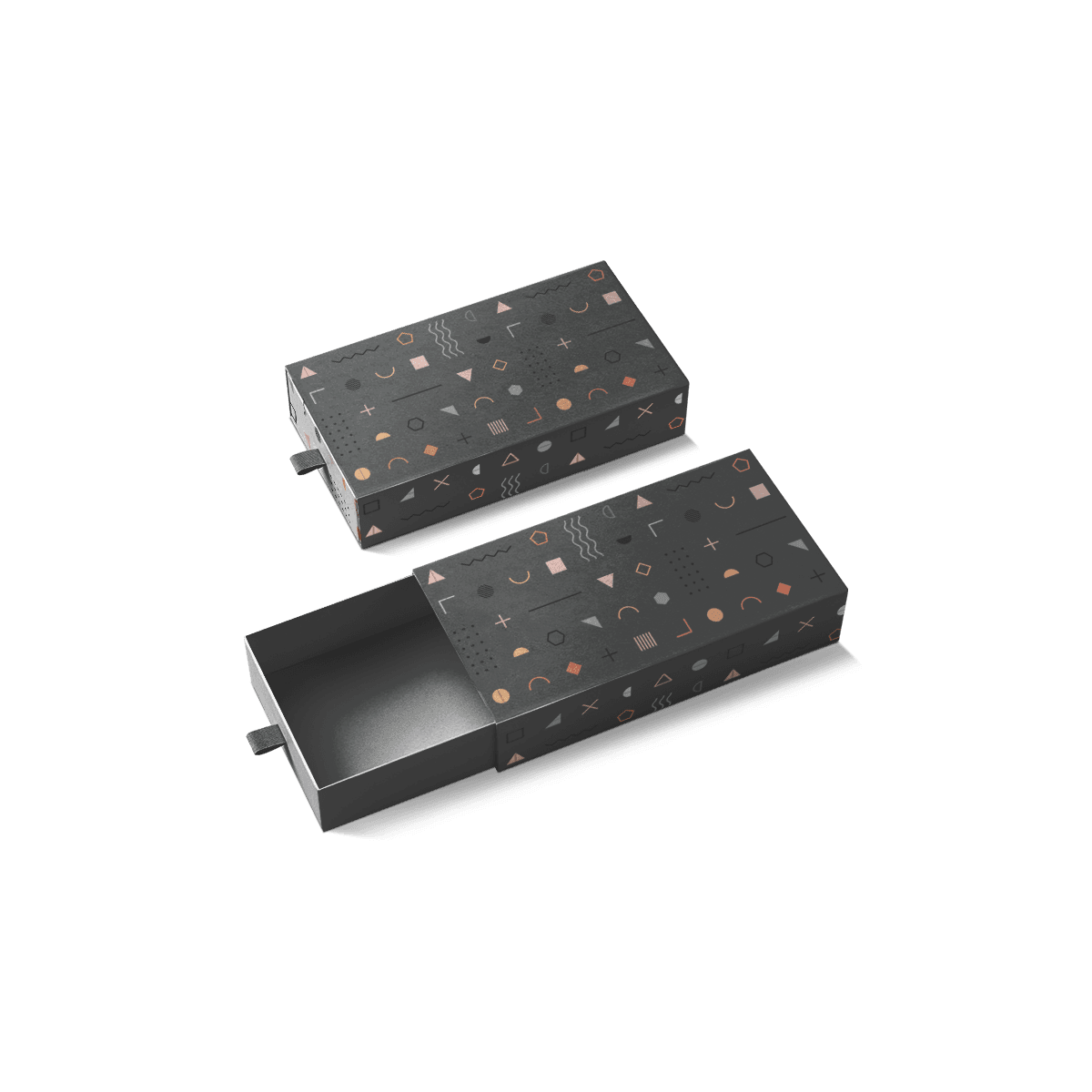
Rigid drawer and two-piece formats are usually the safest choice because they feel premium, protect shape well and leave enough depth for foam or velvet support.

Bracelet Boxes usually need a shorter footprint and firmer side-to-side hold, while Necklace Boxes need more length and anchoring to manage chain drop and tangling.

Yes. A small pack can still carry a clear logo on the lid, inside panel, sleeve or top card as long as the artwork is scaled for the available surface.

They are best used as the primary presentation pack placed inside a mailer or shipper. That setup protects the finish outside while preserving a polished unboxing moment inside.

Process

How it works

Your Packaging Journey, From Idea to Production and Delivery

01

Tell Us Your Specs

Custom packaging boxes

Tell Us Your Specs

Provide size, quantity, printing, and finishes.

02

Get a Fast Quote

Custom packaging boxes

Get a Fast Quote

Instant transparent pricing, no hidden fees.

03

Design and Approval

Custom packaging boxes

Design and Approval

Artwork checks, revisions, and final sign-off.

04

Produce

Custom packaging boxes

Produce

Expert manufacturing to meet deadlines.

05

Ship to Your Door

Custom packaging boxes

Ship to Your Door

Hassle-free, flexible delivery options.

Get Your Quote for Custom Bracelet Boxes

Share your product details, size, quantity and artwork needs. We’ll help choose the right packaging style and send a clear quote.