Skip to content
Details

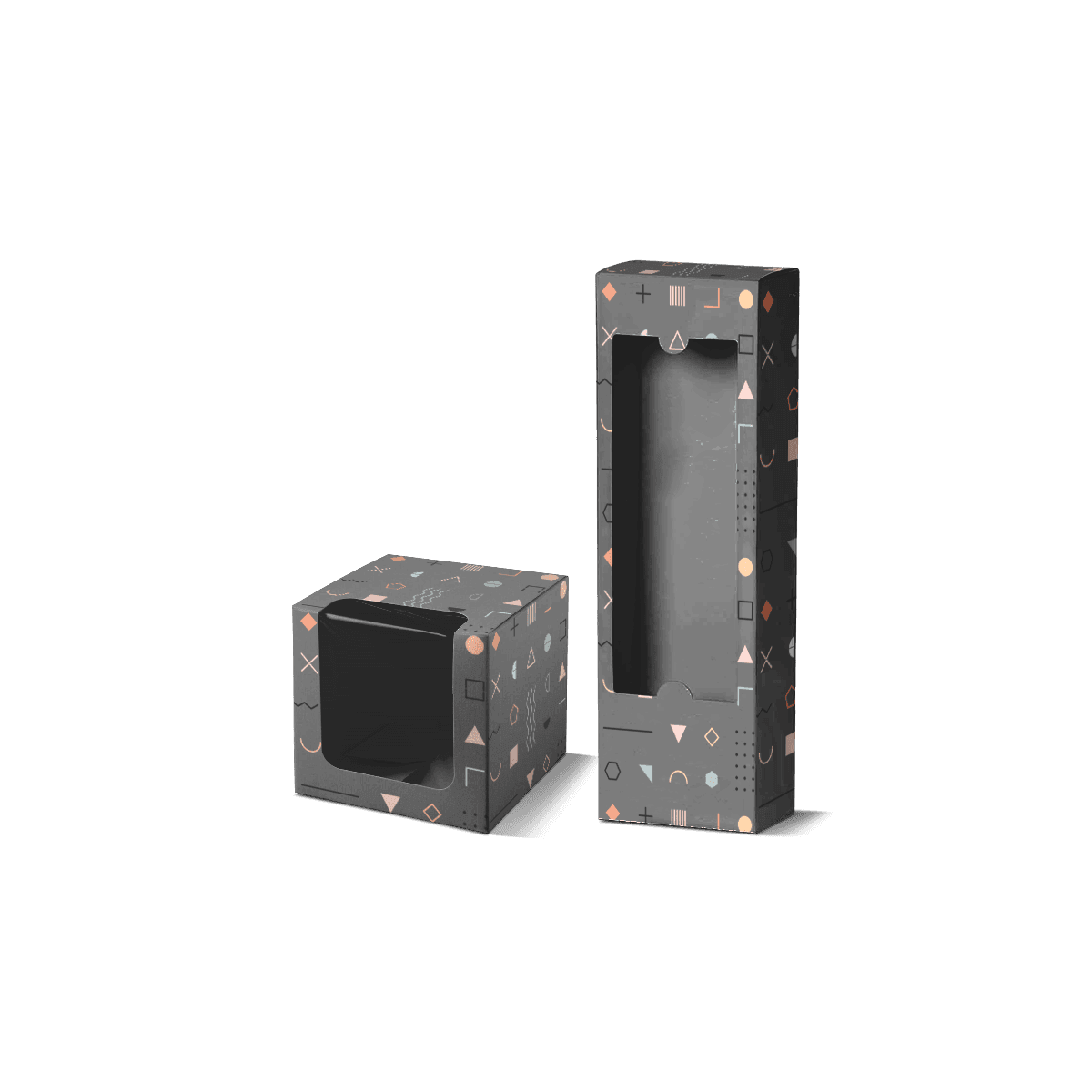
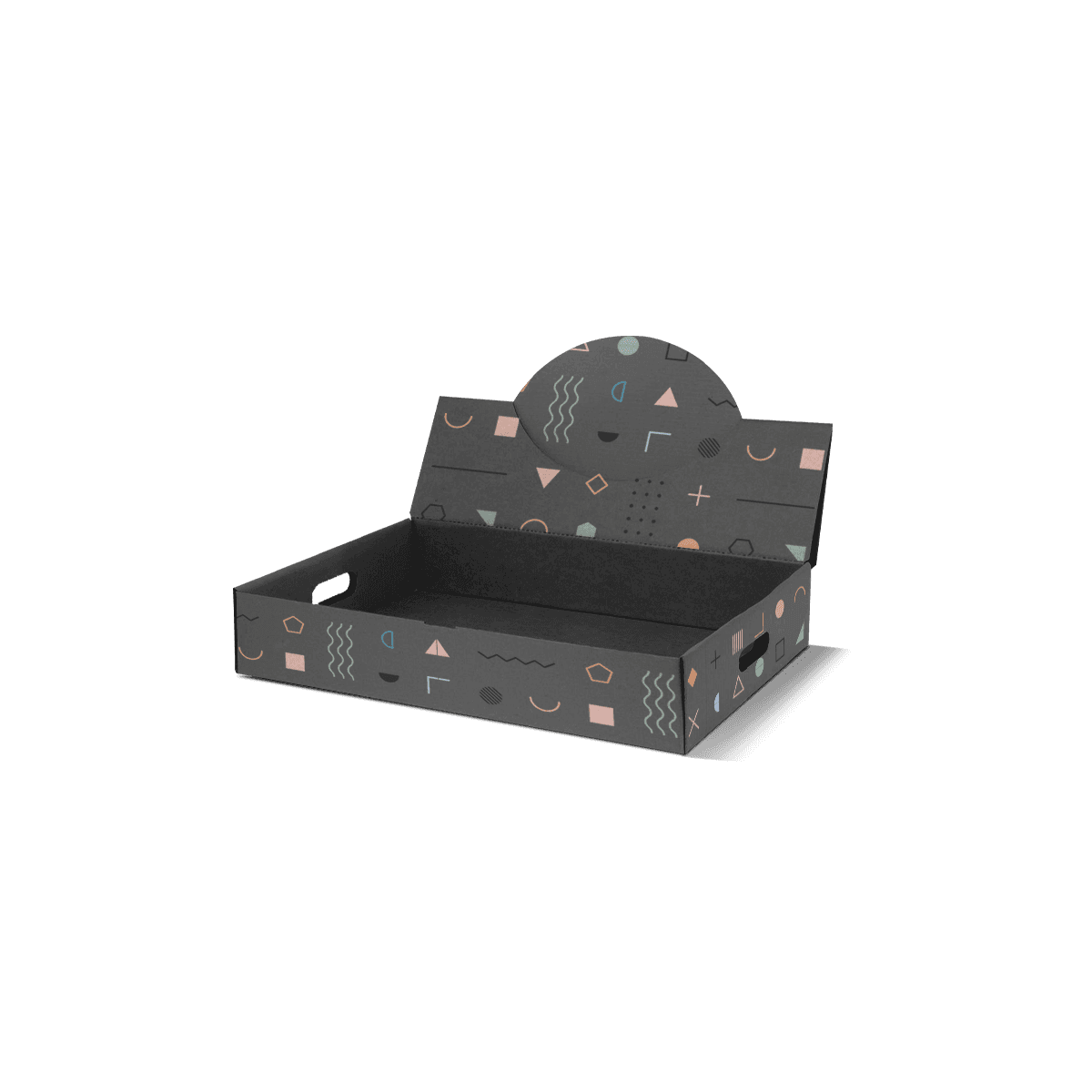
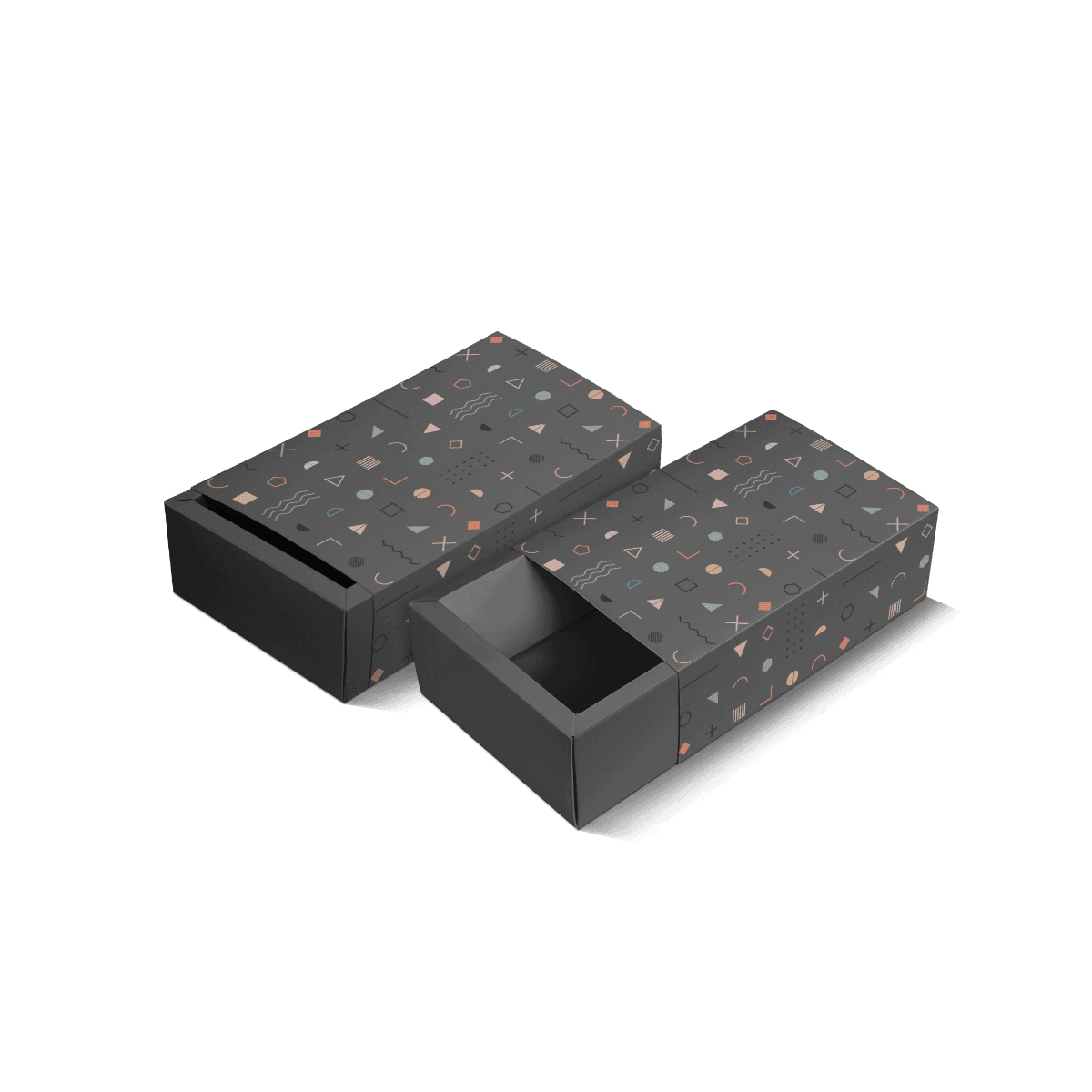
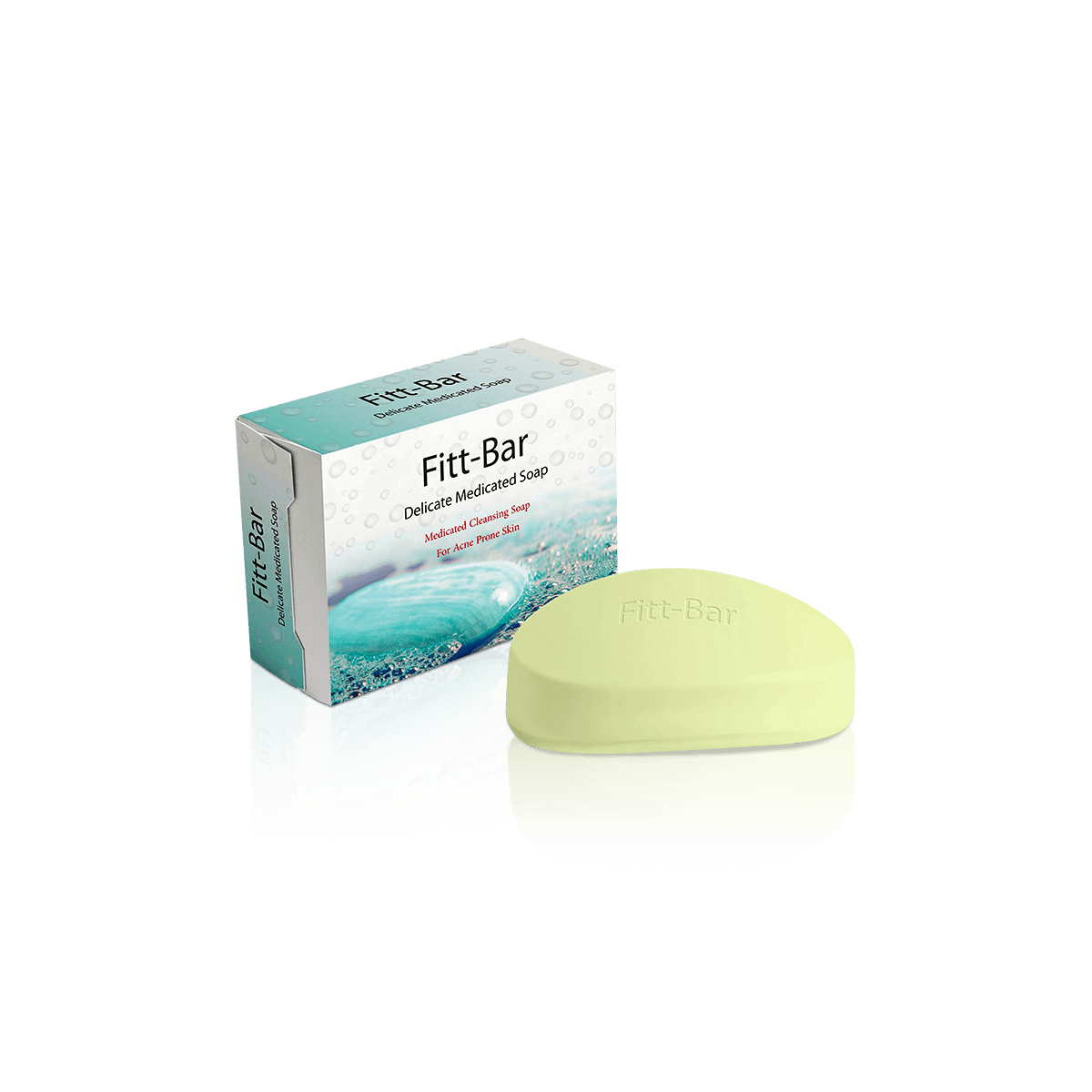
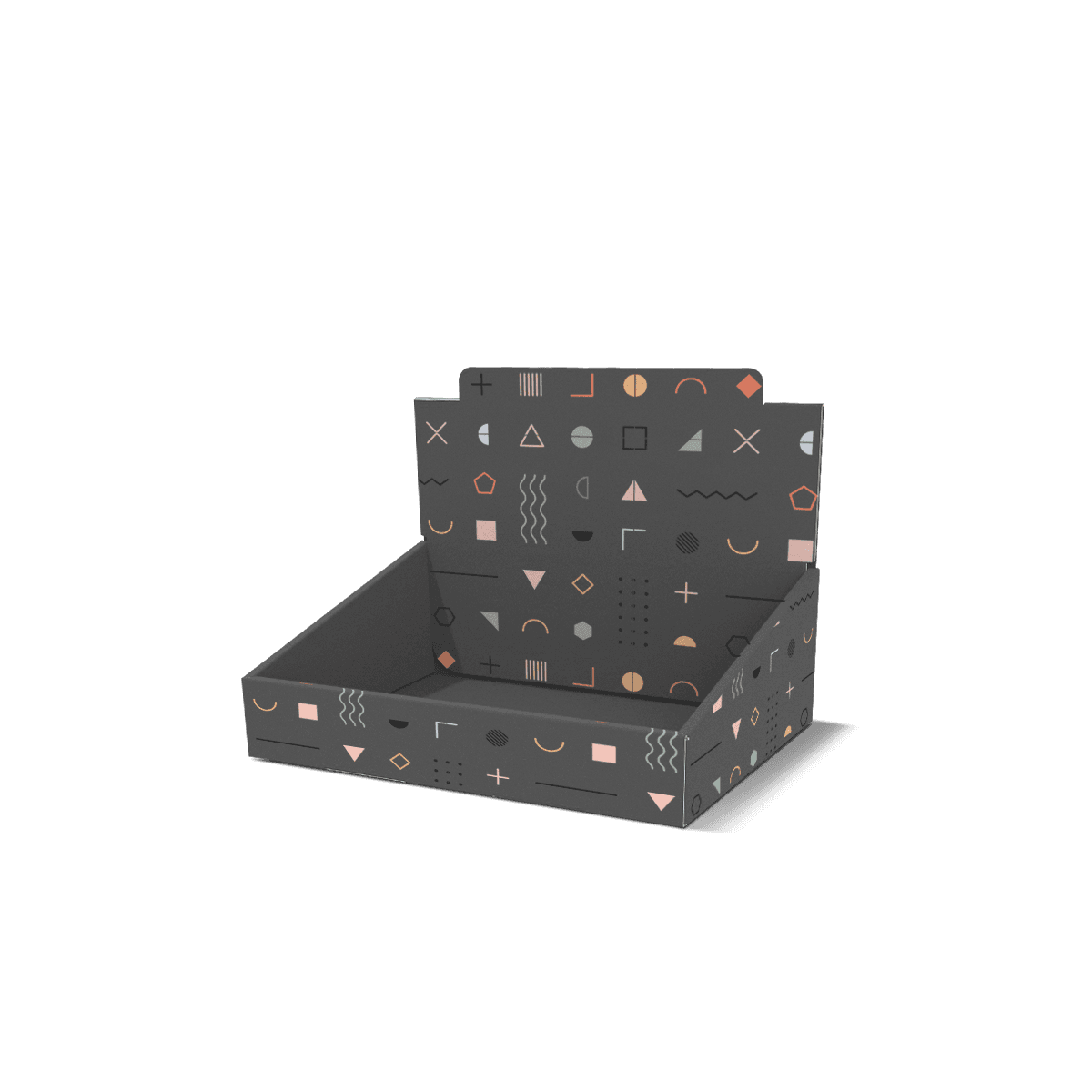
Custom Retail Display Boxes

Custom display structures sized around product facings, shopper reach, depletion and store footprint so the presentation still works after the first units sell.

Design for the Half-Empty Display

A retail display has at least two important shapes: full and partly sold.

When every product position is occupied, the merchandise itself can help support neighboring units and make the display look orderly. After several products are removed, that support disappears. Cartons can lean, pouches can slump, small items can migrate into empty spaces and the branded presentation can lose the structure it had at setup.

Custom Retail Display Boxes should therefore be engineered around what happens after shoppers start taking products, not only around the first photograph of a fully stocked unit.

That makes depletion one of the clearest differences between retail display packaging and ordinary product packaging.

A product box protects one item. A retail display has to manage several items, repeated shopper contact, restocking and changing load distribution while continuing to present the remaining products cleanly.

Brands still deciding between merchandising formats can start with Display Boxes.

The right retail display should keep working when it is full, half depleted and approaching the last few units.
Facing Count Comes Before Outer Dimensions

Display size should begin with the number of products shoppers need to see across the front.

A display holding twelve cartons can behave very differently depending on whether those twelve units are arranged as one long row, two facings with six units behind each or four facings with three units deep.

The total product count is the same. The merchandising result is not.

Front Facings Control Visual Presence

The number of units visible from the shopping aisle determines how much product color, branding and variant identification shoppers can see without touching the display.

More front facings can make the assortment easier to scan but also increase the display width.

Fewer facings create a narrower footprint but may require greater depth to hold the same quantity.

That tradeoff should be settled before a dieline is developed.

Depth Controls Product Flow

Rows that extend behind the first product need enough clearance for staff to replenish and shoppers to remove units without disturbing the rest.

A display that is too deep can leave the final products stranded at the rear.

A display that is too shallow can reduce stock capacity to the point that staff have to replenish constantly.

The appropriate depth depends on product geometry, store placement and whether products move forward naturally or remain where they were originally loaded.

The Store Position Changes the Structure

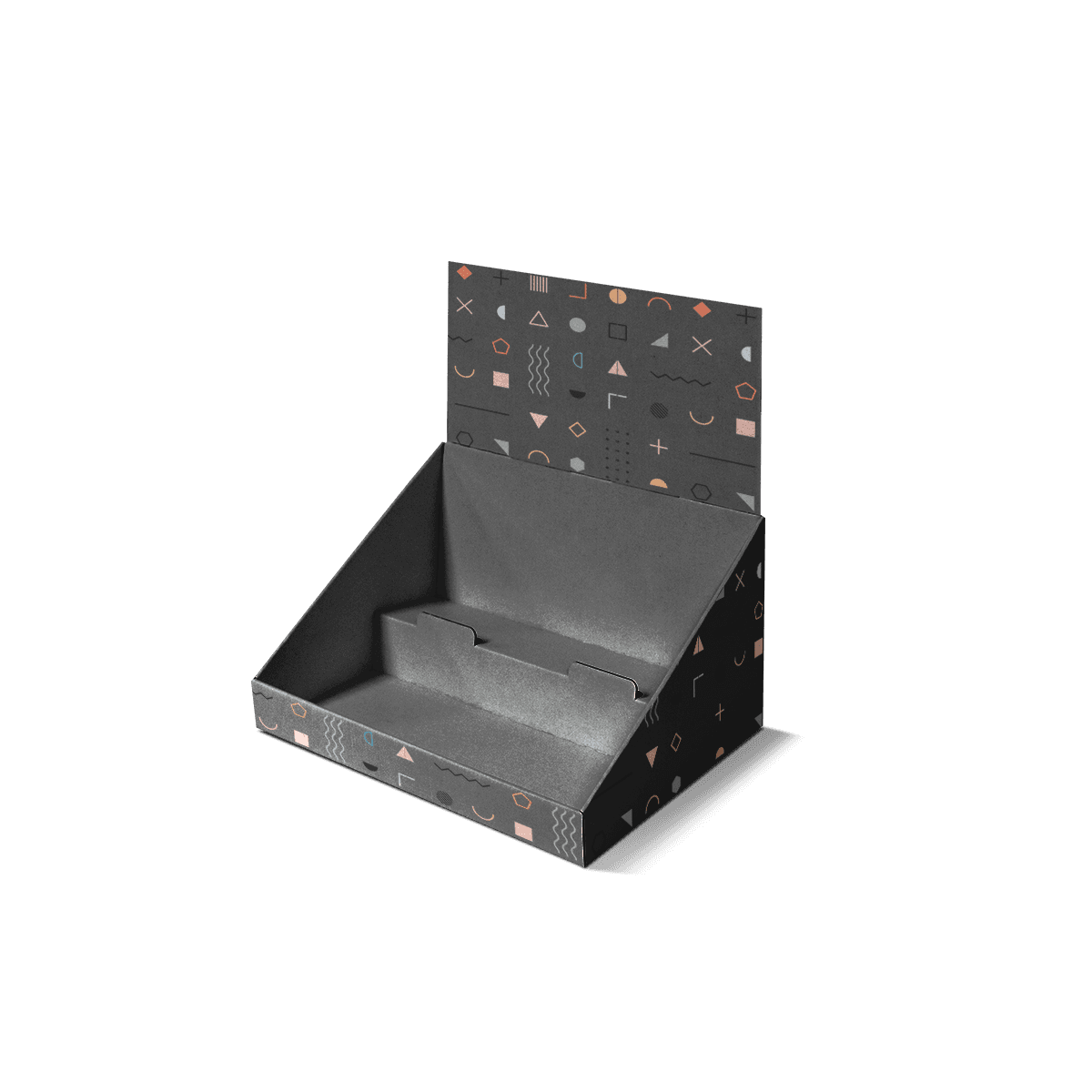
Retail Display Boxes can sit on counters, shelves, promotional tables or other designated selling areas, but one structure should not be expected to perform identically in every location.

The viewing angle changes. The amount of free space around the display changes. Shopper access changes.

Checkout programs often move toward Counter-Top Display Boxes when the unit needs a compact footprint close to the point of purchase.

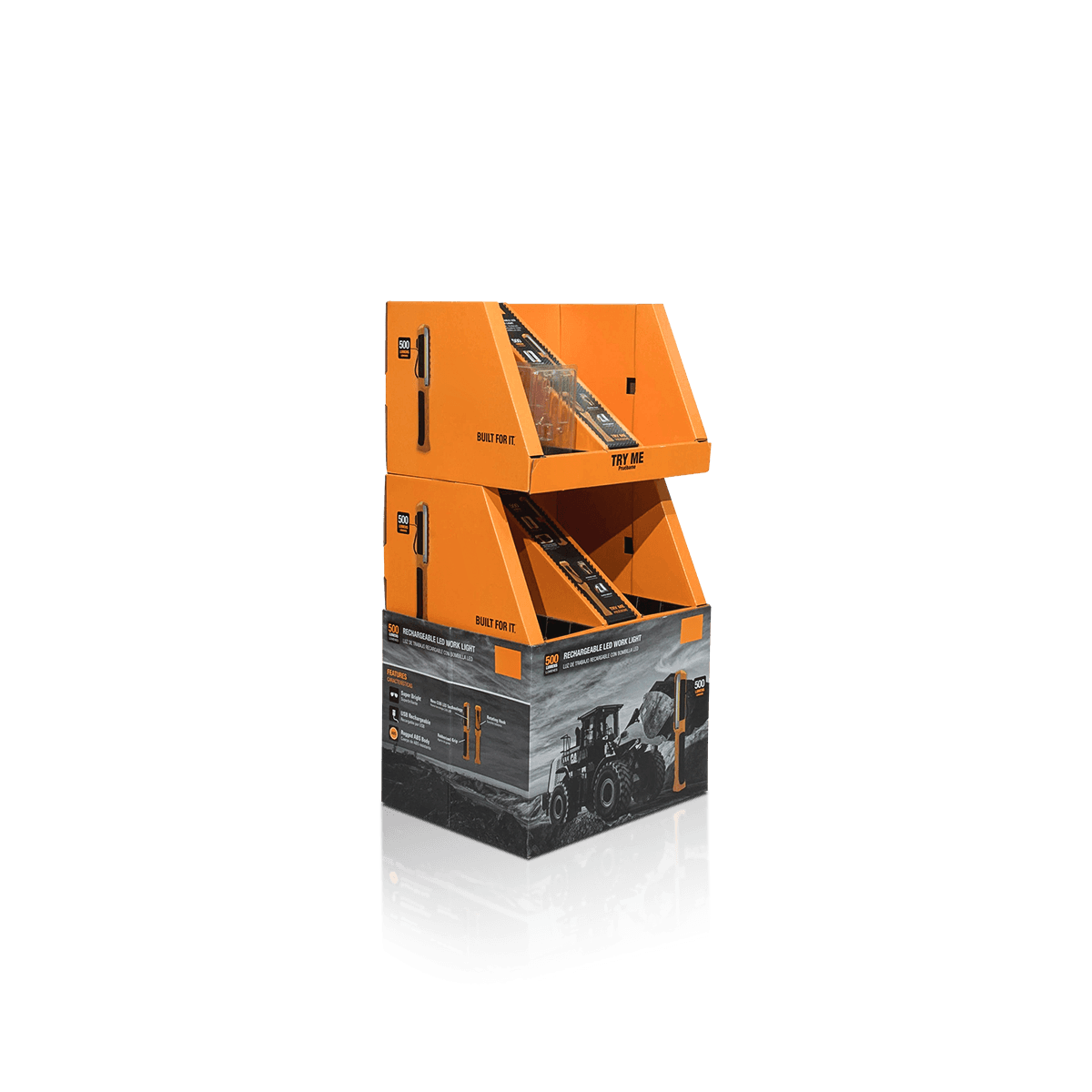
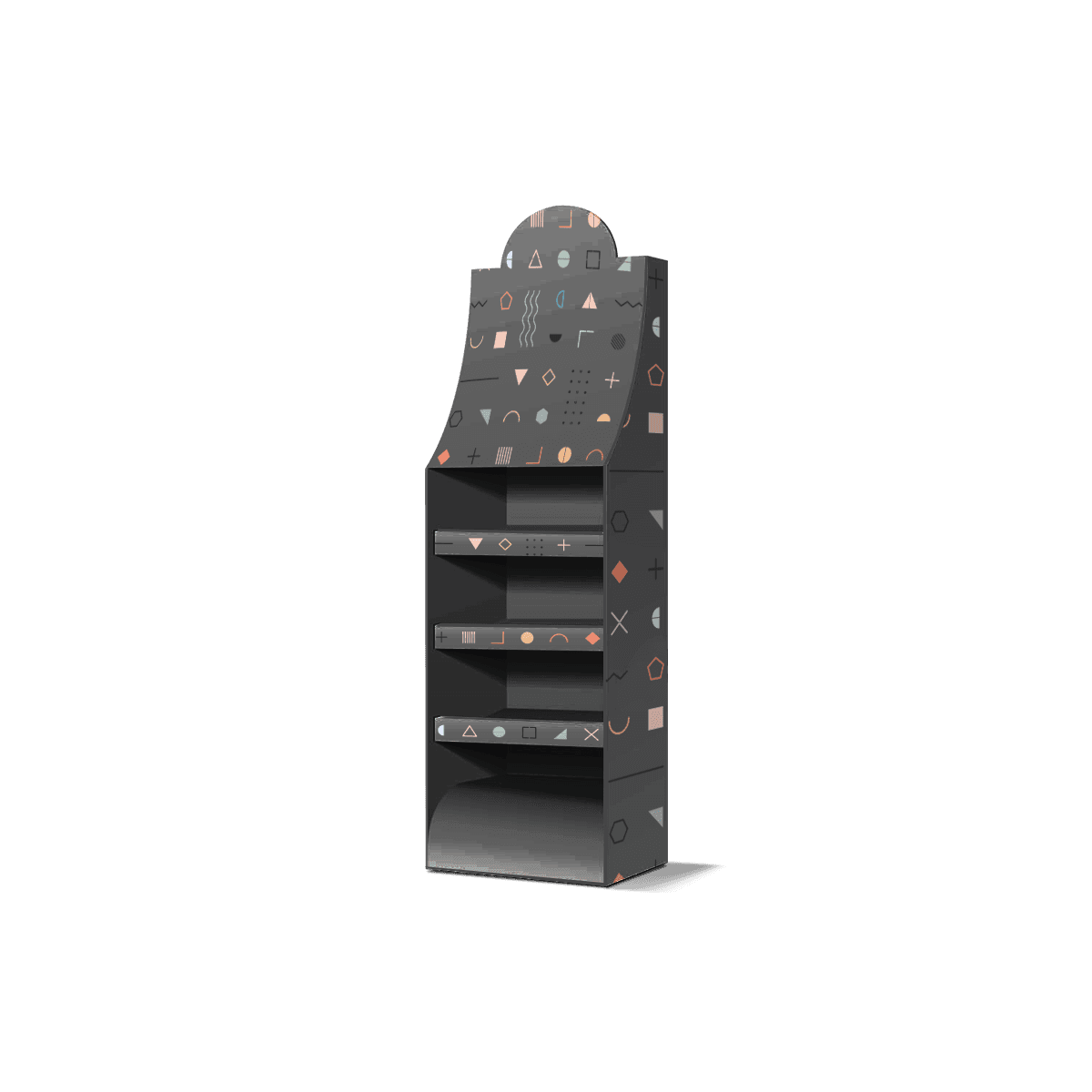
Large freestanding promotions may call for Floor Display Boxes.

Shelf Displays Are Viewed From the Front

A unit sitting on a shelf may have very little visual value on its lower or rear surfaces.

The front lip, product faces and any header visible above the merchandise do most of the communication.

Shelf depth can also become a hard dimensional limit. A display that projects too far forward can interfere with shopper movement or neighboring merchandise.

Counter Displays Are Seen From More Angles

A counter unit may be approached from the front and sides.

That can make side-panel printing more valuable and can change where supporting walls should sit so they do not block product visibility.

The display also needs to remain stable when customers repeatedly reach into it from different directions.

Retail Constraints Should Arrive Early

If a retailer supplies fixture dimensions, shelf limits, placement instructions or planogram requirements, those measurements should be treated as design inputs from the start.

Changing the footprint after artwork and tooling are prepared can force avoidable structural revisions.

Shopper Access Can Destabilize the Products

Product visibility matters only if customers can remove an item without disrupting the display.

The opening needs enough exposure for the shopper to identify and grip the product. At the same time, the structure needs enough front and side support to stop the remaining units from falling forward or sideways.

The Front Lip Has a Structural Job

A front lip can carry branding, but it also acts as a retaining edge.

If it is too high, it can hide important parts of the individual product packs and make removal awkward.

If it is too low, compact cartons may slide forward as the display is moved or depleted.

The right height should follow the product rather than a generic display template.

Side Walls Should Frame, Not Hide

Tall side panels can create useful lateral control.

They can also hide side-facing products or reduce the open appearance that helps a small retail unit attract attention.

Angled side walls can balance these needs by giving more support toward the rear while keeping the front of the product exposed.

The exact profile should follow the product height and viewing direction.

The Last Four Units Expose Weak Geometry

Consider a retail display holding twenty small skincare cartons in four front facings.

When the display is full, every carton appears upright and aligned. After most of the stock has sold, only four units remain. Each carton now has enough lateral space to lean sideways, and the display starts to look disorganized even though none of the packaging has been damaged.

Making the outer tray heavier would not necessarily fix the problem.

The issue is internal product control after depletion.

A revised structure might use shallow lanes or lightweight dividers that preserve the four facing positions even as inventory drops. The front lip can then retain the remaining cartons while the side walls continue supporting the outer rows.

The display still holds the same product.

What changes is the way empty space is managed.

This is why retail-display testing should include depleted states rather than approving the structure only when every position is filled.

Product Weight Changes the Display Faster Than It Changes the Artwork

A display carrying twenty lightweight cosmetic cartons asks something very different from the structure than a display holding twenty dense jars, hardware packs or electronic accessories.

The bottom panel carries the combined load.

The side walls help resist outward movement.

Dividers or product lanes may also receive pressure as customers remove and replace units.

Material selection therefore needs to follow total displayed weight, footprint, handling and expected time in store.

Material decisions can draw from packaging materials.

Paperboard Can Suit Lighter Programs

Paperboard can create crisp folds, smooth print surfaces and compact display structures for lighter merchandise.

It can work particularly well where the display is small and the combined load remains modest.

Corrugated Supports More Structural Duty

Corrugated construction becomes more relevant as footprint, product weight or handling demand increases.

The flute adds stiffness, but the appropriate construction still depends on actual load and geometry.

Thicker is not automatically better.

Excess material can add bulk, change fold behavior and make a small display feel unnecessarily heavy.

Custom Packly's packaging capabilities can coordinate board, printing, inserts and structural finishing after the display load is established.

Replenishment Is Not the Same as Merchandising

Retail Display Boxes and counter-ready packaging can look similar after they are placed in store, but the operating purpose is different.

A retail display may be developed primarily as a merchandising unit. Products can arrive separately, be loaded into the display by staff or move through a distribution process determined by the retail program.

Counter-ready packaging puts more emphasis on moving a packed case rapidly from distribution into selling position.

If the shipping case itself must convert quickly into the selling tray, Counter Ready Display Boxes put store replenishment at the center of the structure.

That distinction affects perforations, transit protection, setup steps and the amount of finishing that makes sense.

A promotional retail display does not automatically need to function as its own transit case.

Multi-SKU Displays Need Lane Logic

Retail programs often combine several flavors, colors, sizes or product variants in one unit.

The display then has to organize variation without making the assortment difficult to understand.

Randomly mixing SKUs may maximize capacity but can weaken visual blocking and make replenishment harder.

Give Every Variant a Home

Defined product lanes make it easier to keep each SKU facing forward.

The lane width should suit the individual product while allowing enough clearance for removal.

Color coding on the display can reinforce variant identification when it matches the branding system on the individual packs.

Do Not Create Dead Positions

A divider layout that works for six SKUs may become restrictive if one variant sells much faster than the others.

The display can end up with an empty lane beside an overstocked one.

For programs with uneven sell-through, removable dividers or a less rigid internal arrangement may make more sense than permanent product cells.

The merchandising structure should support the expected assortment without making replenishment unnecessarily inflexible.

Set the Retail Footprint Before Pricing

A meaningful quote needs more than the outside dimensions of a display seen online.

Share the individual product dimensions and weight, total units per display, number of front facings, units behind each facing and intended retail placement.

Also identify whether the display will be shipped empty or must participate in the distribution setup, plus any divider, header, perforation or print requirement.

Retail Display Boxes can start from 100 units. For store launches, the order can be priced around the actual display count, footprint and rollout timing rather than a generic unit size.

Once the product count, footprint, construction and print direction are settled, an instant custom packaging quote can price the actual merchandising unit.

Warehousing and scheduled deliveries can support larger repeat programs where store launches, seasonal promotions or replenishment schedules do not require the full production quantity at one location at once.

Hanging Products Need Their Own Logic

A general retail display should not be forced into peg merchandising simply because store space is limited.

Products sold from hooks create a different load path. Weight hangs from the tab or fixture rather than resting on a tray base.

Products sold individually from hooks belong closer to Hang-Tab Display Boxes.

Retail Display Boxes should retain broader ownership of tray, counter, shelf and promotional merchandising where products are grouped into one selling unit.

That boundary matters because a hanging carton needs its own attention to tab geometry, hole position, product balance and forward-facing behavior.

Branding Has to Work Behind the Product

A display may have a large printable surface when empty, but merchandise will cover much of it after loading.

Artwork should be planned around the surfaces that remain visible during normal retail use.

The header, front lip and exposed side walls often carry more practical value than graphics hidden beneath products.

The Header Has to Earn Its Height

A raised header can create extra space for a logo, launch message or product benefit.

It also increases the overall display height.

If the unit sits below another shelf, that header may have limited clearance. If the display sits on a counter, excessive height can block sightlines or overwhelm compact products.

Header proportions should therefore follow the placement rather than being added automatically.

Front-Lip Copy Has Very Little Time

The front edge is close to the products and often remains visible as stock decreases.

That makes it a good position for a short brand mark, variant cue or concise promotional message.

Dense text is less effective because shoppers are usually scanning the entire merchandise setup rather than reading a long paragraph at the shelf.

A custom retail packaging program can align individual product packs and merchandising units when they need to present one coherent brand system.

Print Hierarchy Should Follow Viewing Distance

Retail graphics have several jobs at once.

They identify the brand, distinguish the product, communicate the offer and help the unit look intentional beside competing merchandise.

Those jobs need hierarchy.

A large brand mark or product cue can work at a greater distance. Smaller selling points can become legible as the shopper approaches. Fine print, SKUs and operational marks belong where staff can find them without dominating the selling surfaces.

Premium offset printing can support controlled brand color and detailed graphics when the project calls for it.

CMYK can suit multi-color graphics and imagery. Pantone can be considered when a specific brand color needs closer control.

Finishes such as matte, gloss, spot UV, foil, embossing or debossing should be used where they support the retail effect without compromising folds, perforations or frequently handled surfaces.

A Retail Display Is Not Automatically a Shipping Box

A unit that performs well on a shelf may not have enough protection to travel independently through a parcel network.

Open fronts, raised headers and shopper-access cutaways intentionally expose the products.

Those same features can become weak points during distribution.

If the display needs to travel filled, decide whether it requires an outer shipping case or whether the display itself is being engineered as a retail-ready shipper.

That decision belongs before production.

The retail structure should not be asked to absorb transit abuse that it was designed to avoid once it reaches the store.

For programs that need the individual selling packs, merchandising unit and transport packaging coordinated together, Retail & Apparel packaging can connect store presentation with the rest of the packaging system.

Test Three Inventory States

Physical approval should go beyond checking whether the display folds into the correct shape.

Load it completely.

Then remove approximately half the merchandise and observe what happens.

Finally, leave only the last few products in their intended positions.

These three states expose different problems.

A full display tests load and product density. A partly depleted display shows whether merchandise begins to lean or migrate. The near-empty state reveals whether the remaining products still look intentionally presented.

The test should also include normal shopper interaction.

Remove products from the front and center. Reach into rear positions. Restock the display. Move it from the sides. Watch whether the base twists or dividers pull out of position.

A free 3D mockup can help review the visual concept before production. A paid fully custom pre-production sample can be used when exact dimensions, product fit or physical merchandising behavior needs approval.

Free sample examples of previous Custom Packly work can also help assess general print and manufacturing quality.

The Last Product Should Still Look Intentional

A retail display succeeds over time, not only on setup day.

The first shopper sees a full unit.

Later shoppers may see half the merchandise.

Someone eventually sees the final product sitting alone.

The structure should preserve product orientation and brand presence throughout that progression.

That means the final design should be judged by facings, depth, front retention, depleted-state stability, shopper access and the amount of branding that remains visible as stock disappears.

Custom Packly's 24/7 packaging experts can start with the selling environment rather than the print finish.

Where will the display sit? How many products should face the shopper? What happens when half of them are gone?

Answer those questions first and the box can be built around the way retail actually works.

FAQs

They create the strongest return in places where visibility and access directly affect sell-through, such as checkout counters, aisle ends, promotional tables, and organized shelf sections. Retail display formats are widely used to attract attention and support purchase decisions at the point of sale.

No. Corrugated is common for stronger retail units, but paperboard can also work well for lighter products, shorter promotions, or cleaner folded presentation.

Counter Ready Display Boxes are usually the better option for repeat shelf replenishment because the shipping case converts directly into a display tray. Retail Display Boxes are broader and better when the main need is a merchandising format chosen around the store location, not just shelf refill speed.

A lot, as long as the layout stays functional. Header cards, side panels, front lips, and inside printing can carry promotional messaging while the pickup area remains open and easy to shop.

No. They are used for both short retail pushes and longer in-store programs, depending on the board grade, structure, and replenishment plan. Suppliers commonly offer temporary and more durable display solutions for different campaign lengths.

Process

How it works

Your Packaging Journey, From Idea to Production and Delivery

01

Tell Us Your Specs

Custom packaging boxes

Tell Us Your Specs

Provide size, quantity, printing, and finishes.

02

Get a Fast Quote

Custom packaging boxes

Get a Fast Quote

Instant transparent pricing, no hidden fees.

03

Design and Approval

Custom packaging boxes

Design and Approval

Artwork checks, revisions, and final sign-off.

04

Produce

Custom packaging boxes

Produce

Expert manufacturing to meet deadlines.

05

Ship to Your Door

Custom packaging boxes

Ship to Your Door

Hassle-free, flexible delivery options.

Get Your Quote for Custom Retail Display Boxes

Share your product details, size, quantity and artwork needs. We’ll help choose the right packaging style and send a clear quote.