Skip to content
Details

Custom Soap Boxes

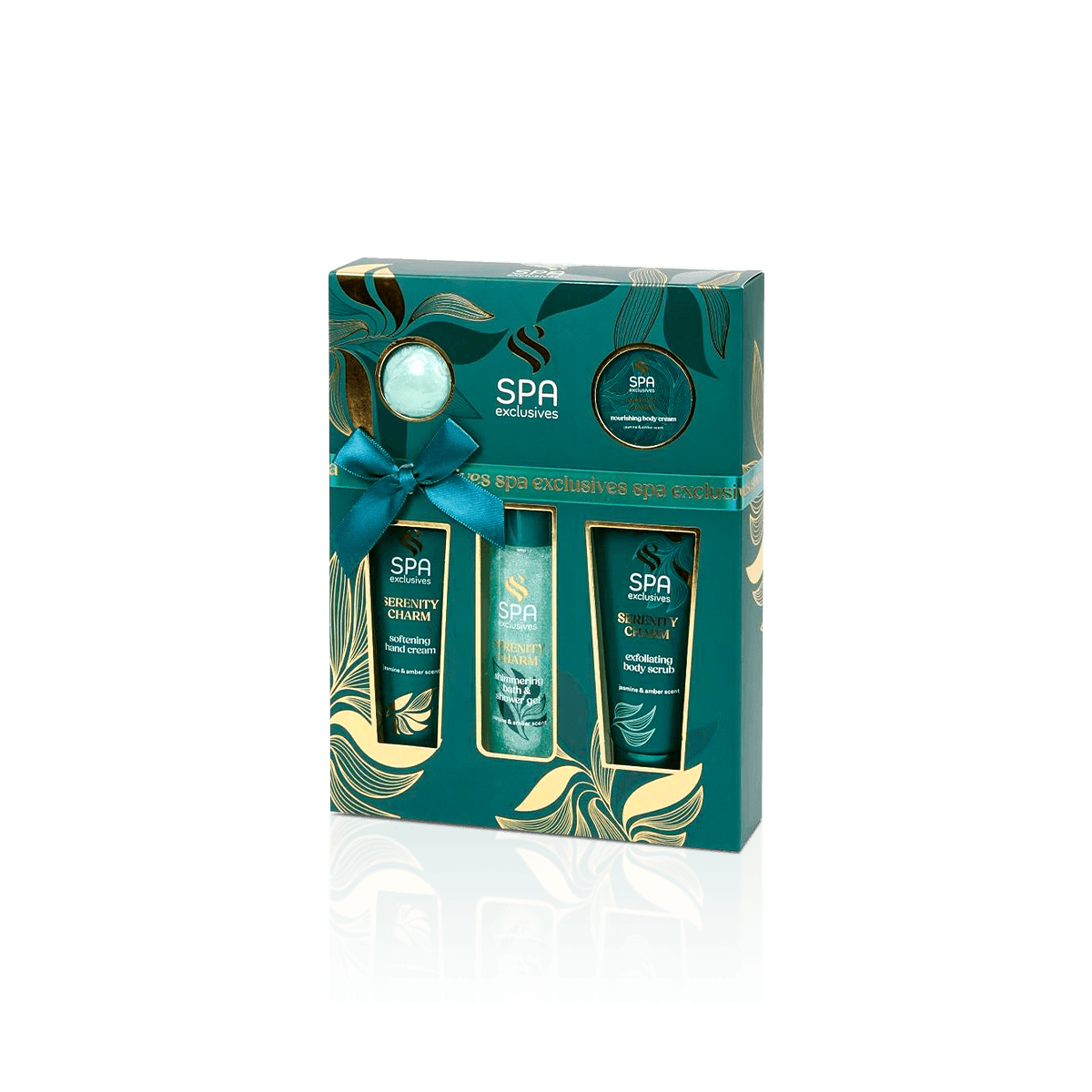
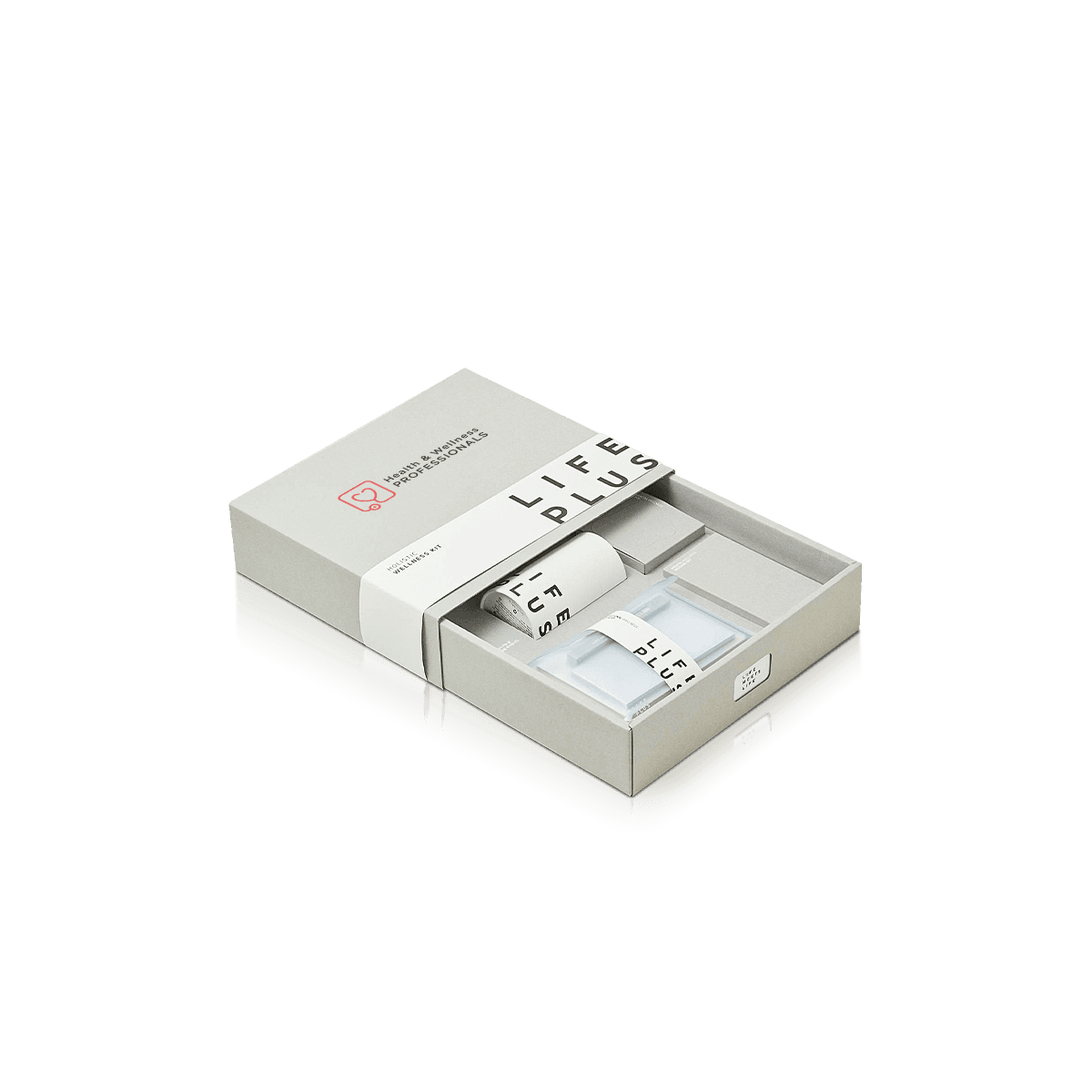
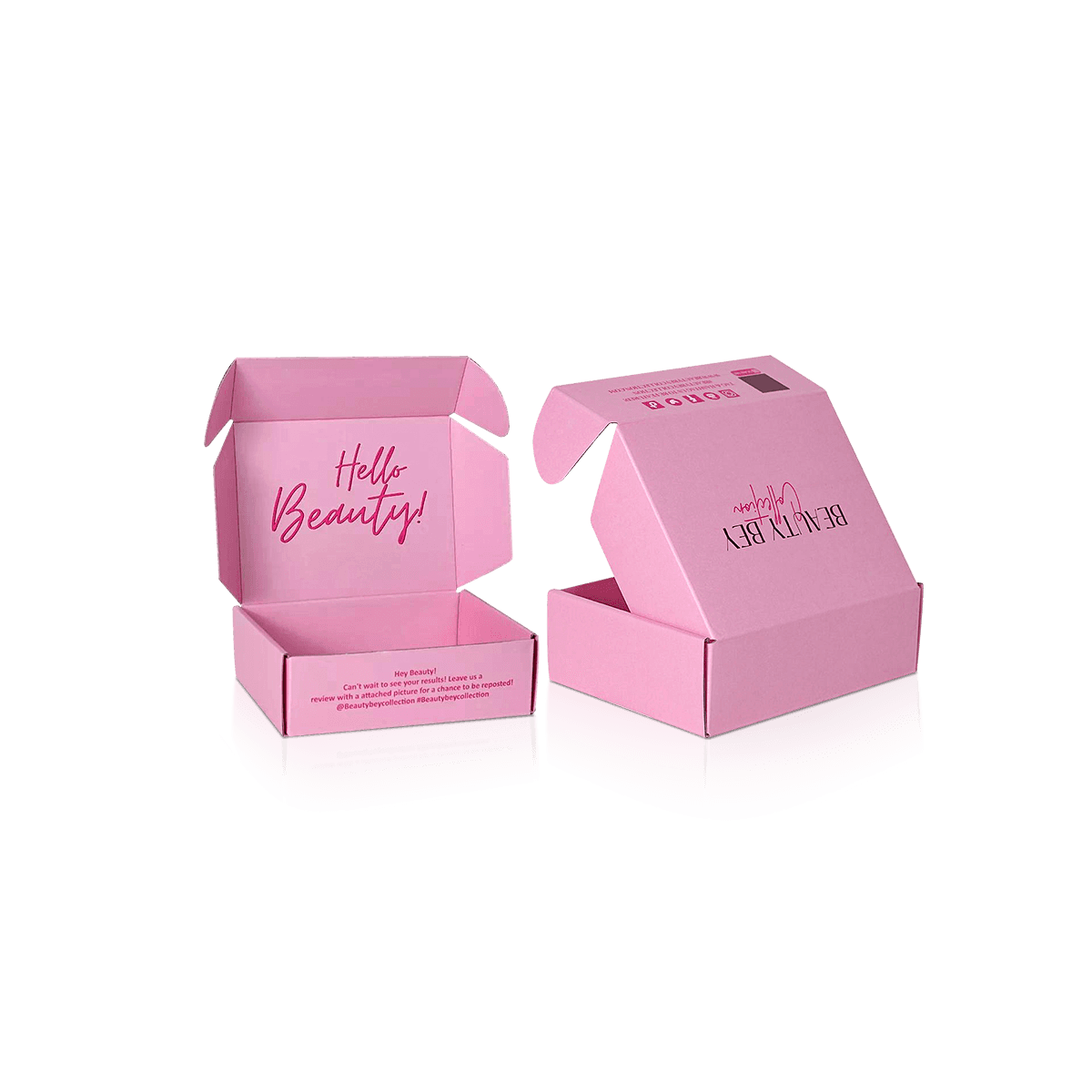
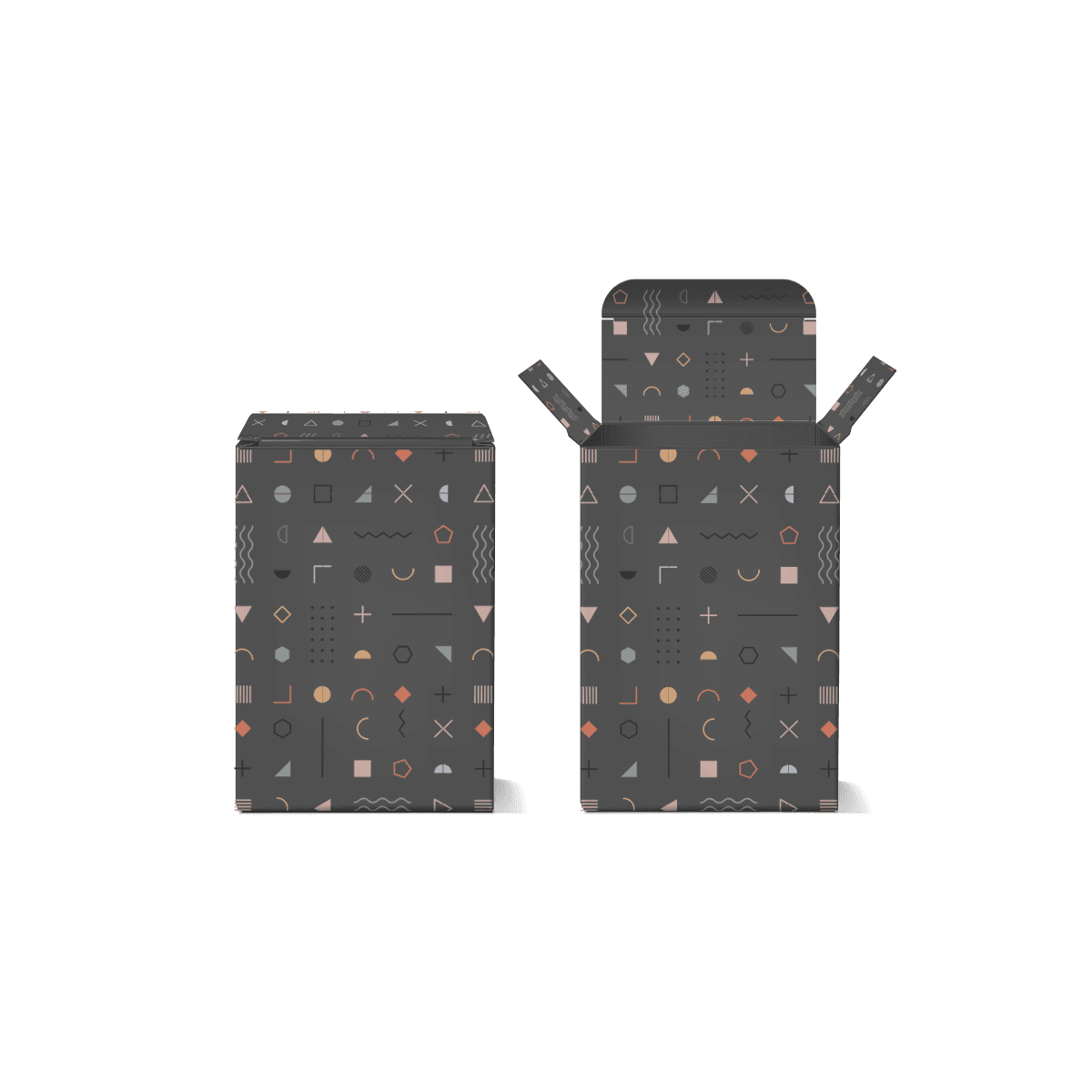
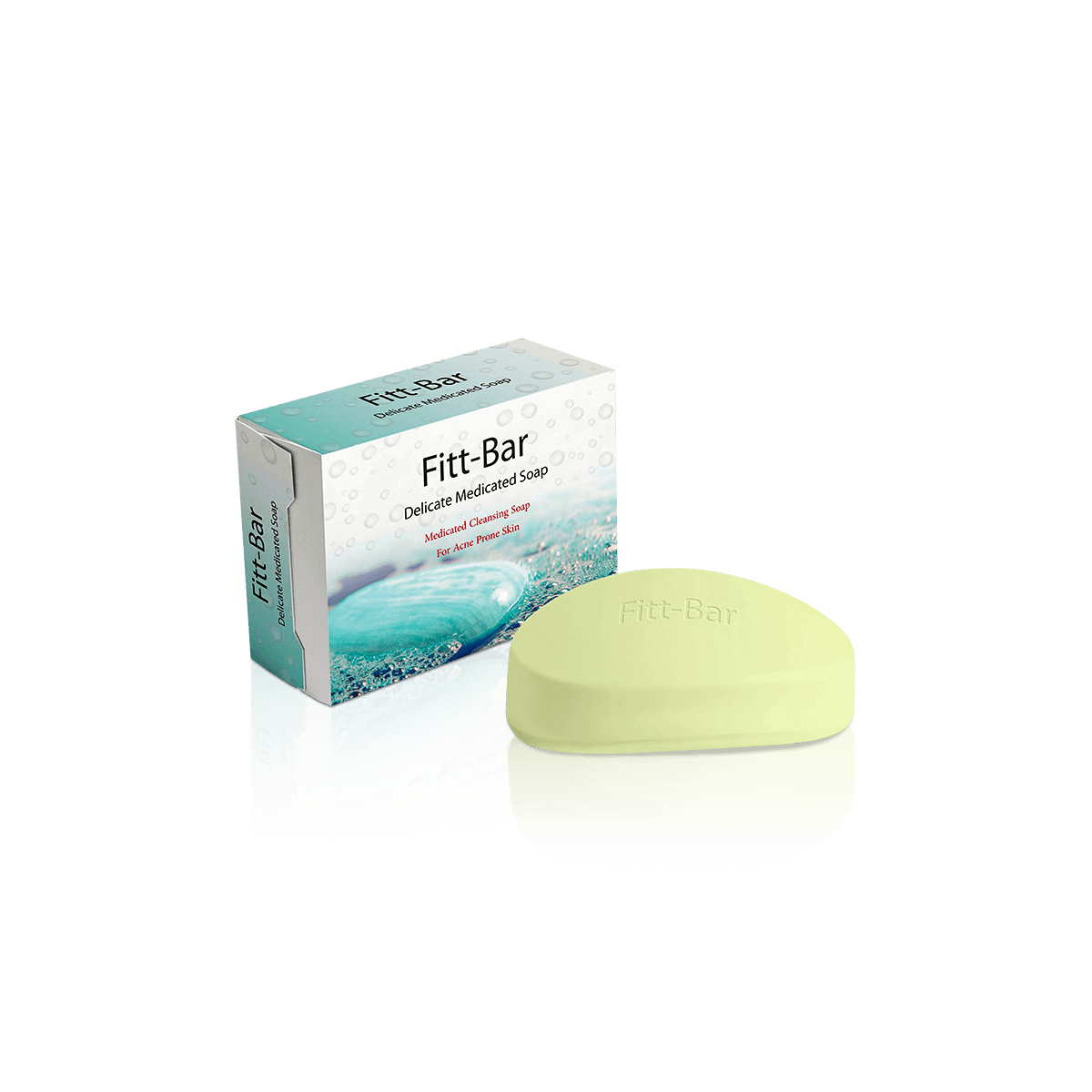
Retail cartons, sleeves and windowed soap packaging sized around the finished bar, surface condition, scent line and sales channel.

Surface Condition Comes Before Carton Style

A soap bar may look finished before its final pack-ready surface and dimensions are settled. That matters because residual moisture, exposed oils, soft edges, textured tops and added botanicals can all change how a carton performs in storage and on shelf.

Specify custom soap boxes around the bar in the condition you actually intend to pack and sell. If the soap will be wrapped first, include the wrap in the fit. If the bar will touch the board directly, test that exact combination rather than assuming a coating or thicker stock will solve surface transfer.

Packaging should not be used to finish curing a bar. Set the carton size when the soap has reached the pack-ready condition your production process requires and its normal size variation is understood.

For brands still deciding between cartons, sleeves, windows and gift packs, soap packaging choices should be judged against the finished bar and the way it will be sold.

Bare Bar or Wrapped Bar

Direct board contact keeps the presentation simple, but it asks more from both the soap and the carton. A bar with a stable, dry surface may need only close-fitting paperboard. A bar that can mark, rub or transfer fragrance to nearby products may justify tissue, glassine or another tested inner wrap.

A wrap changes more than appearance. It adds thickness, softens contact with the carton and can affect how easily the bar slides in during packing. Measure and sample the soap with that layer in place.

Texture Needs Clearance

Stamped logos, bevels and clean-cut faces are easy to fit closely. Irregular tops, salt crystals, seeds or botanical decoration need more care. The tallest point may not sit in the center of the bar and a tight carton can scrape it during loading even when the nominal dimensions look correct.

The best fit is close enough to stop obvious movement without turning every insertion into friction.
Decide How Much Soap the Shopper Should See

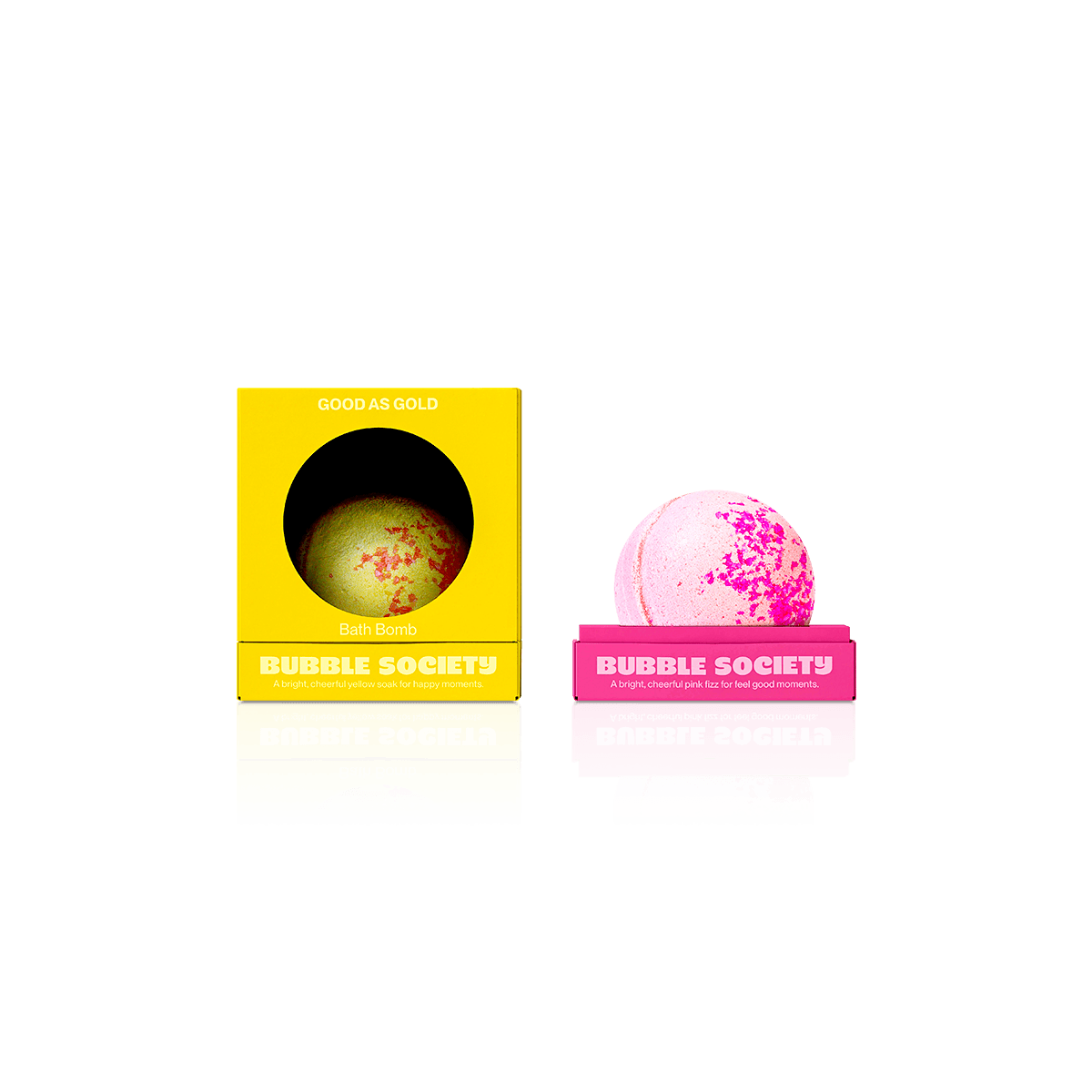
The amount of exposed product should come from the bar itself, not from a default window shape. A closed carton, open window and sleeve each create a different balance between product visibility, surface cover, scent access and printable area.

Closed Carton

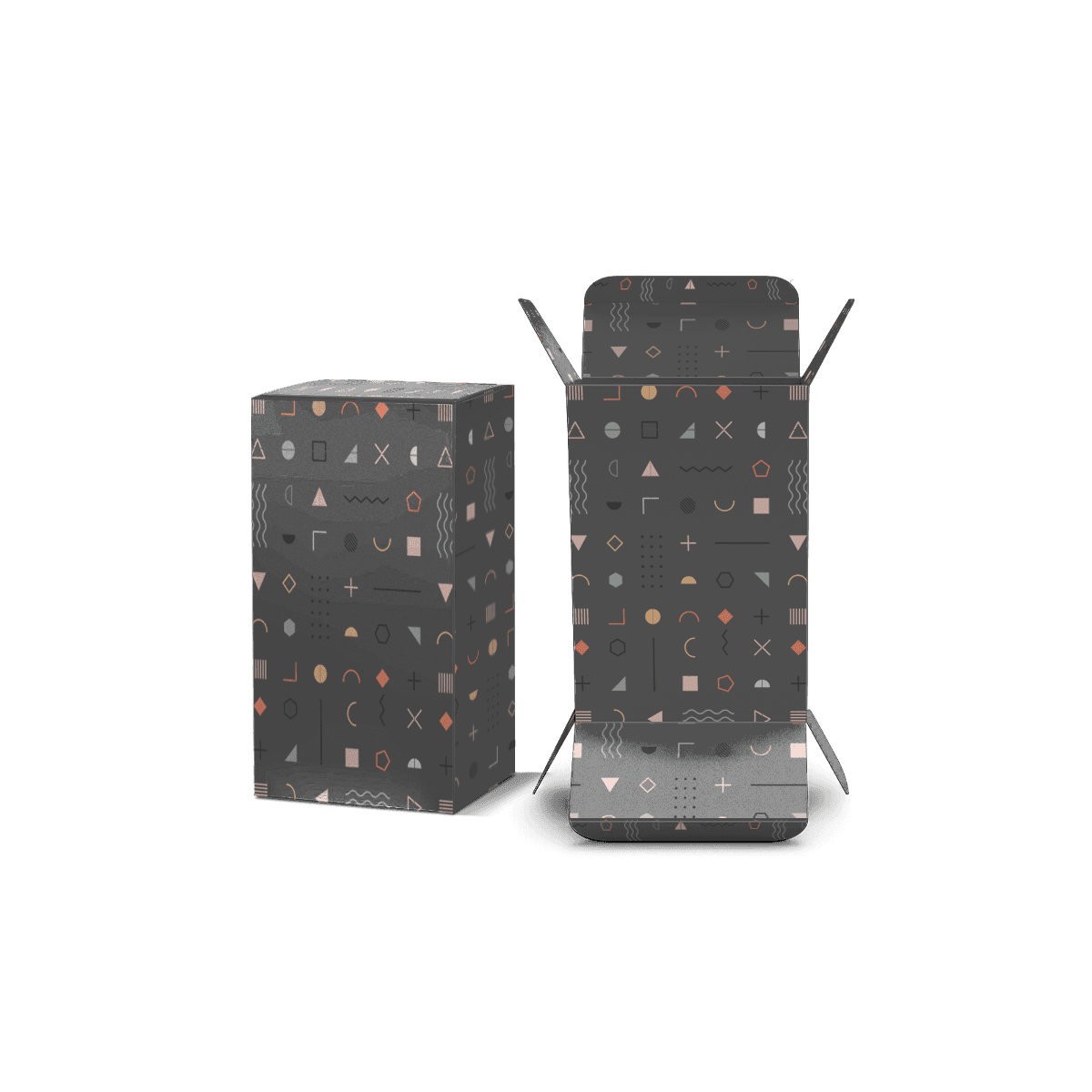
A full folding carton gives the most continuous print space and the most surface cover around a single bar. It is a strong choice when the scent name, product story, ingredient copy, barcode and other pack information need clear panel space.

Single-bar soap often fits naturally into folding cartons because the structure ships flat, packs quickly and gives the brand defined front, side and back panels.

Tuck direction should follow the packing motion and artwork layout. A straight tuck-end carton can keep the main display face orderly when same-direction top and bottom closures suit the product orientation.

Open Window

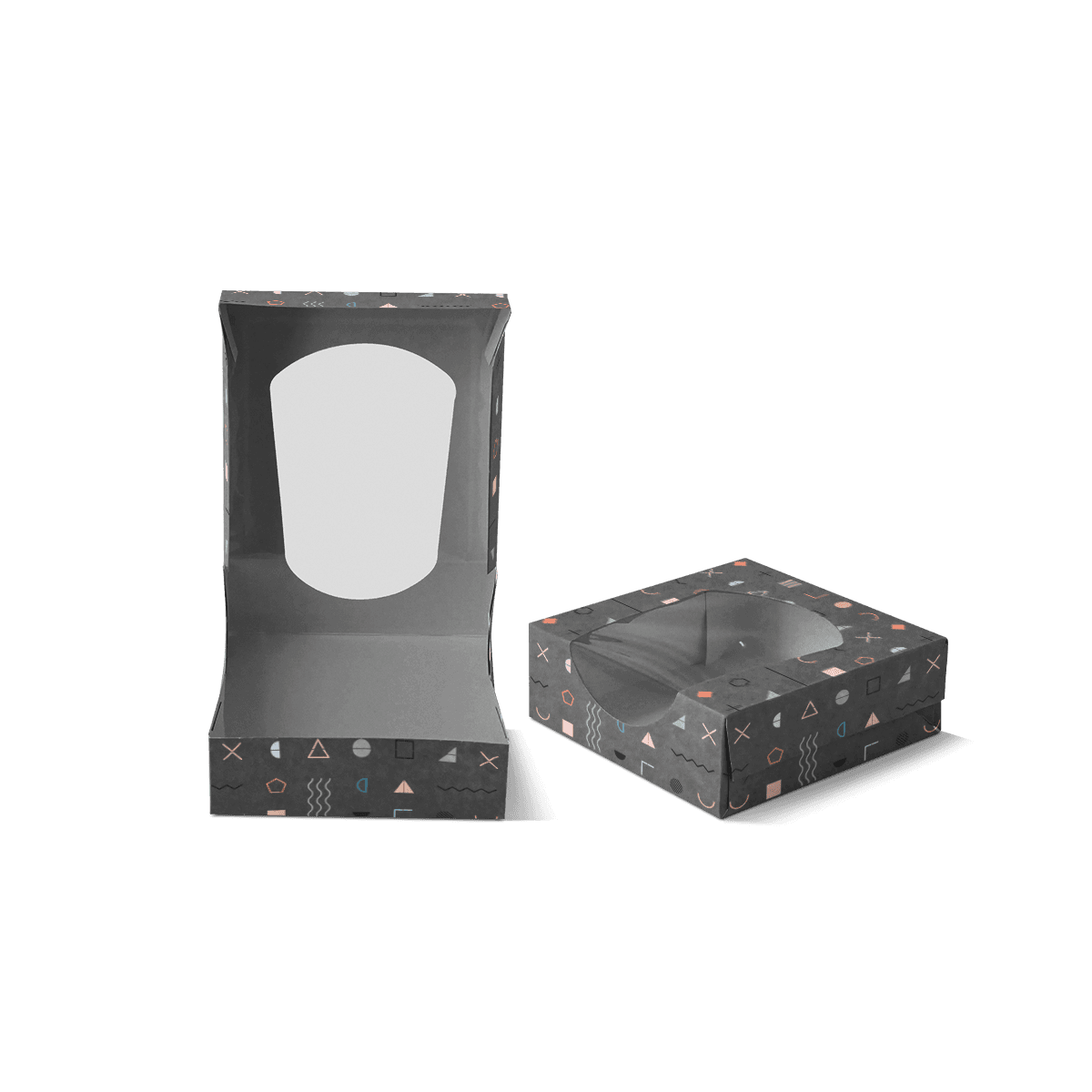
A window earns its place when color, swirl, stamped texture or visible ingredients help a shopper choose the bar. The opening should frame a stable part of the soap and still leave enough board around the cutout for the panel to stay square.

An oversized cutout can remove more board and print area than the sale needs. A tiny decorative opening can add converting work without showing enough of the product to matter.

A windowed folding carton fits soap lines where product visibility is part of the buying decision. The cutout can remain open or use a clear patch depending on the coverage and retail handling you want.

Sleeve or Belly Band

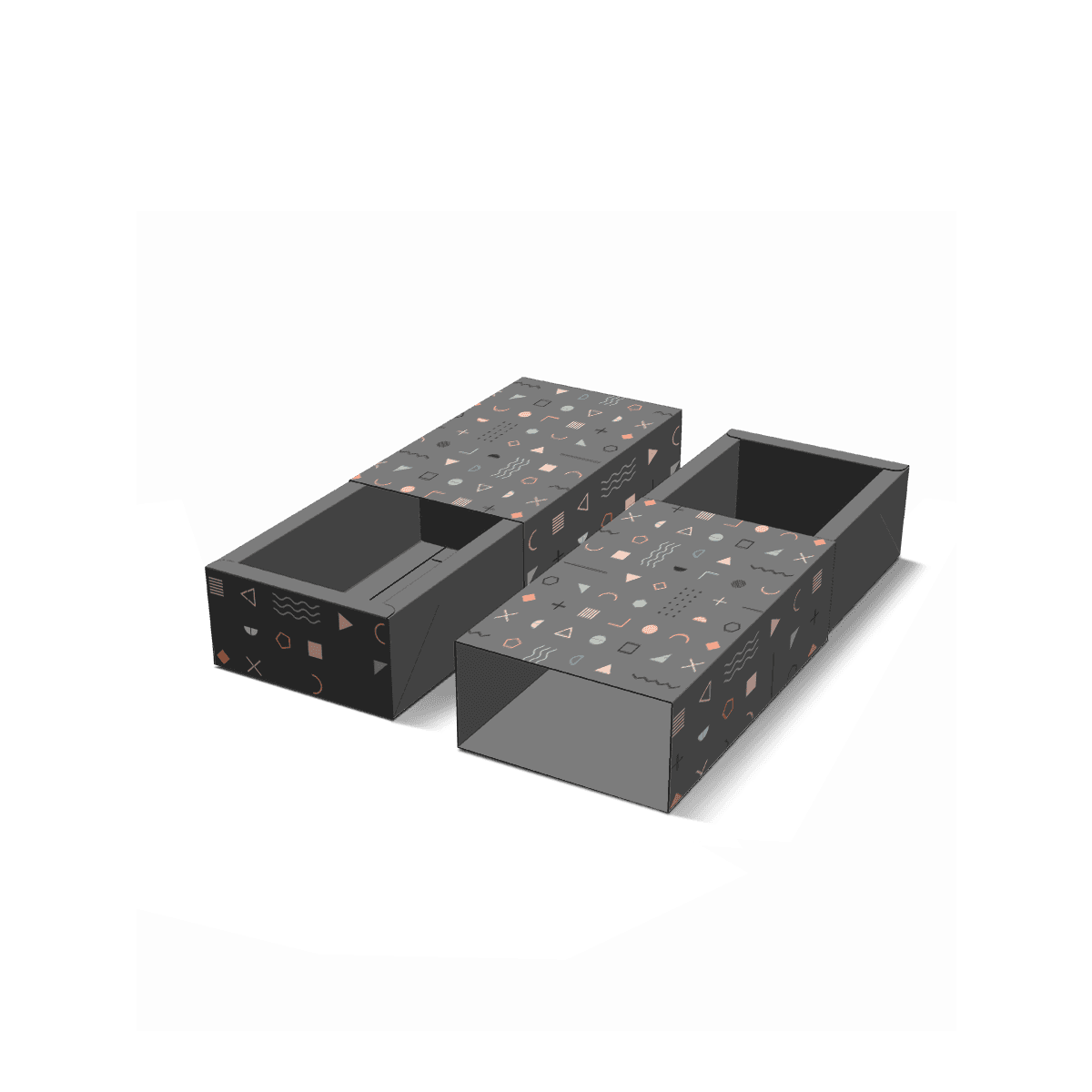
A sleeve works when the soap itself is the visual center of the pack. It leaves more of the bar exposed and uses less board than a fully enclosed carton, but it gives less protection from rubbing and less room for printed copy.

That tradeoff is especially important for hand-cut soap with decorative edges. If the surface varies from batch to batch, make sure the sleeve does not rely on one perfectly uniform bar profile.

Fit the Finished Bar, Not the Mold

The mold size is not the box size. Custom soap boxes should be based on finished bars measured after the normal manufacturing, curing, cutting, stamping and wrapping steps are complete.

Measure several bars from normal production rather than one unusually neat sample. Record the largest normal length, width and height and note where variation occurs. Hand-cut bars may change in thickness. Decorative tops may change in height. Beveled or rounded edges may change how the bar contacts the carton.

The box then needs controlled clearance for loading and removal. Too little clearance can scrape the bar, bow panels or make tuck flaps fight the product. Too much space lets the soap move and makes a small retail pack feel loose.

If the structure is close-fitting or the bar has an irregular profile, a fully custom pre-production sample can be used to check physical fit before the main run. Free 3D mockups and design and dieline support can resolve panel placement and artwork before that step.

The dieline generator can help once the internal dimensions and supported carton structure are known. Final fit still needs to reflect the real bar, any wrap and normal production variation.

Give Every Scent Its Own Shelf Signal

Soap lines often share the same physical bar size while multiplying scents, colors and seasonal variants. That makes the artwork system as important as the carton structure.

The front panel should make the scent or variant easy to identify at normal shelf distance. The back and side panels can carry ingredients, directions, net quantity, barcode, batch coding space and other copy your brand has confirmed for the product.

Brands selling soap beside skincare, bath and body products can keep typography, color rules and finish logic aligned with their cosmetics and personal care packaging without making every SKU look identical.

One Dieline, Several Scents

When several scents use the same finished bar dimensions, one structural dieline can often support multiple artwork versions. Keep fixed elements such as the logo, barcode zone and core brand layout consistent, then change the scent name, color field or illustration where shoppers need a fast distinction.

Do not force the same die across bars that are physically different just to simplify inventory. A seasonal mold, extra wrap or raised top can turn a shared carton into a poor fit.

For a large scent matrix, send the quantity by artwork version rather than only the combined order total. That gives pricing and production planning a real SKU map instead of one number that hides ten separate printed versions.

Paperboard Has to Live Beside the Soap

Soap cartons need paperboard that folds cleanly, holds its shape and works with the bar’s surface and artwork. More thickness is not automatically better. Window size, panel width, grain direction, folds and product fit all affect how firm the carton feels after assembly.

White SBS works well when the design depends on bright color, fine type or clean photographic detail. Kraft changes the color base, so pale inks and subtle tones need to be planned for the brown substrate rather than expected to reproduce like they would on white board.

The decision should also account for direct contact. A bar that can leave a visible mark on uncoated stock may need a tested wrap or a different surface treatment. Sample the actual soap and paperboard together under the storage conditions the pack will face.

Soap cartons are usually lightweight retail packs, not parcel shippers. Adding heavier board to the unit carton does not automatically make it a good ecommerce shipping box.

Print the Line Without Losing the Scent Name

A soap carton has limited front-panel space, especially when a window removes part of it. The print hierarchy should make the brand recognizable without forcing the scent name, product identity or key copy into secondary positions.

Premium offset printing can handle multi-color retail artwork and repeat runs where color consistency matters. CMYK suits full-color illustrations, gradients and photography. Pantone can be used when one or more brand colors need tighter control.

The same discipline applies to finishes. Matte, gloss, foil, embossing, debossing and spot UV can change how the pack reads and feels, but they should not compete with the variant name. A metallic border around ten scents is less useful if shoppers still have to hunt for the actual soap name.

Brands coordinating print across many cartons can treat custom printed boxes as one print system, with shared color standards and controlled artwork versions rather than isolated packaging jobs.

Approve print at the size it will be used. Fine foil lines, small reverse type and finish areas near creases or windows can behave differently once the blank is cut and folded.

Once the bar size, carton structure, artwork versions and quantity are defined, an instant custom packaging quote can price the actual job instead of a generic soap box.

Retail Cartons and Shipping Boxes Do Different Jobs

A soap box can look excellent on a shelf and still be the wrong structure for courier handling. The unit carton protects the bar from ordinary retail contact and gives it a controlled presentation. Ecommerce shipping adds impacts, stacking, labels and handling that usually belong to an outer corrugated pack.

If several scented bars ship together, stop them from knocking into one another and decide whether fragrance transfer between units matters for the customer experience. Individual wraps, dividers or separated positions can be more effective than simply enlarging the outer box.

For physical stores, the decision shifts toward facings, shelf depth, barcode placement and replenishment. Custom retail packaging becomes relevant when the same soap line also needs counter trays, shelf-ready presentation or coordinated store packaging.

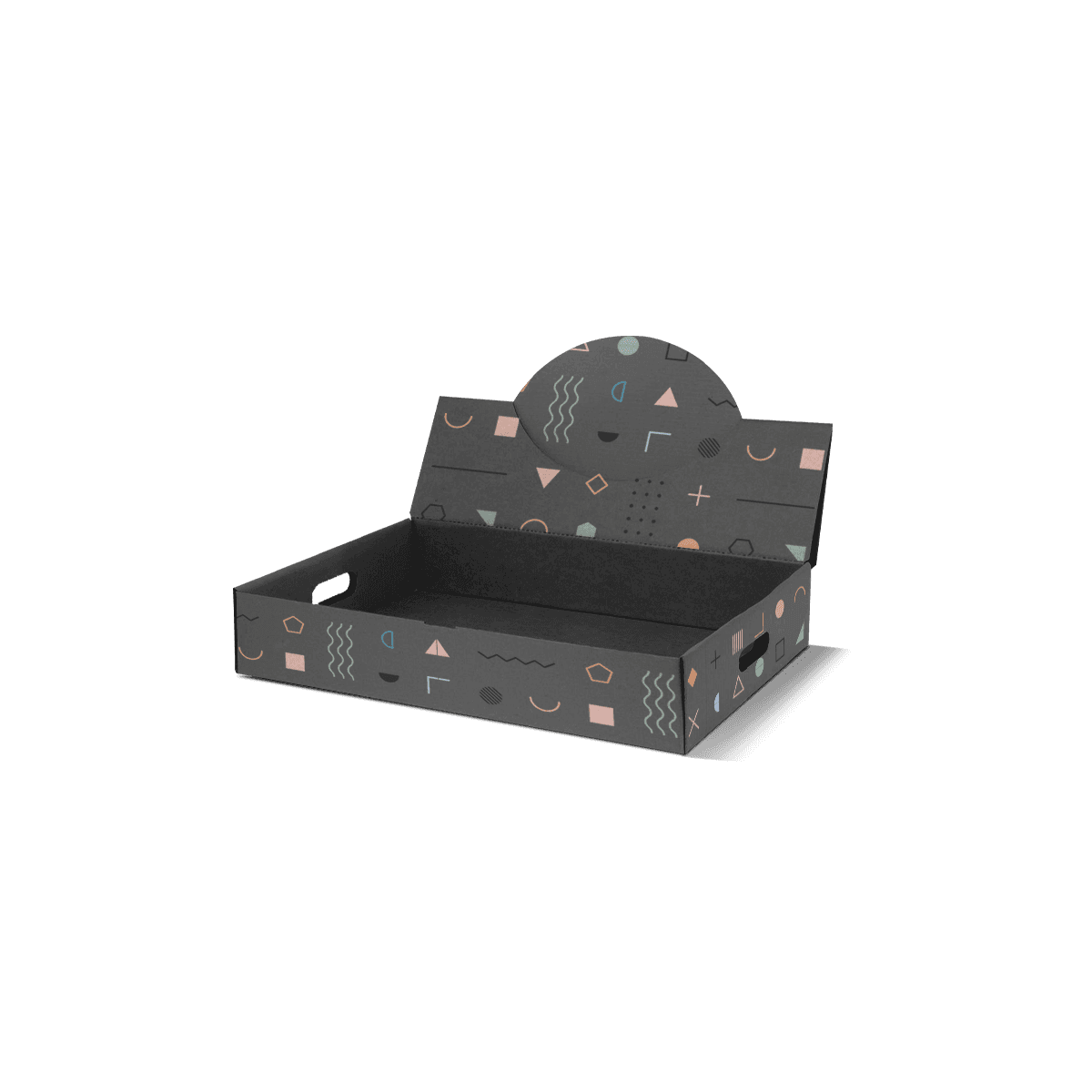
A counter display can hold multiple cartons upright without asking each unit box to become a display structure itself. That separation keeps the bar carton compact while the merchandising pack handles multi-unit presentation.

A Raised Botanical Top Changes More Than Height

Consider a handmade soap line that uses one rectangular mold for most scents. Four bars have flat tops, while one seasonal bar carries a raised botanical finish. If the carton is sized from a flat sample and the front window crosses the highest area, that one SKU may scrape during loading or press against the cut edge.

The cause is not simply that the box is too small. The structure was defined from the wrong product profile and the window was positioned without accounting for the tallest stable feature.

The adjustment can be small: add controlled clearance where the raised top needs it, shift the window toward a flatter area or wrap the bar so the decoration does not catch on the board. If the seasonal bar becomes meaningfully taller, giving it its own depth may be cleaner than making every other scent live in an oversized carton.

That change improves packout without turning the whole soap line into a heavier or larger box.

Set Up the Run Around Real Soap SKUs

The final production plan should show how many physical carton sizes exist, how many artwork versions sit on each size and how those boxes will be packed and replenished.

A practical soap-box matrix might separate three things: standard bars that share one carton, irregular bars that need a different depth and gift sets that need their own structure. Scent artwork can then sit on top of that physical map instead of creating a new box specification every time the fragrance changes.

Custom Packly supports US production, premium offset printing, extensive customization, warehousing and scheduled deliveries for soap programs that need staged stock. MOQ starts from 100 boxes, with a standard 4–6 day turnaround after final artwork and specifications are approved and free shipping. Design and dieline support and free 3D mockups can help align the physical carton with the artwork before production. Complex structures, specialty materials or advanced finishes may require additional time.

For larger repeat programs, the most valuable record is not simply the old invoice number. Keep the approved dimensions, dieline, board, print method, finish positions and artwork version tied to each soap SKU. That makes the next run a controlled packaging decision rather than another round of guesswork.

Custom Packly is an experienced custom packaging company that can coordinate the carton, print and production side of a multi-scent soap line with 24/7 packaging expert support. The aim is straightforward: each bar should enter the correct carton, read clearly on shelf and move through storage and fulfillment without forcing one soap style to compromise the rest of the line.

FAQs

The minimum order starts at 100 boxes for US orders. The right quantity will depend on the number of scents, sizes and art versions in the run.

Measure several fully cured bars at the widest, deepest and tallest points. Use the largest normal size, then add space for any wrap, insert or card.

Yes. The window can stay open or use a clear patch. Its size and place should show the bar without making the main panel weak.

Not always. A cured bar may go straight into the carton. A tested paper wrap can help with surface care, scent control and gift display.

Yes. Free design help includes dieline support and a 3D mockup. Free examples of past work are available, while an exact custom sample is paid.

Process

How it works

Your Packaging Journey, From Idea to Production and Delivery

01

Tell Us Your Specs

Custom packaging boxes

Tell Us Your Specs

Provide size, quantity, printing, and finishes.

02

Get a Fast Quote

Custom packaging boxes

Get a Fast Quote

Instant transparent pricing, no hidden fees.

03

Design and Approval

Custom packaging boxes

Design and Approval

Artwork checks, revisions, and final sign-off.

04

Produce

Custom packaging boxes

Produce

Expert manufacturing to meet deadlines.

05

Ship to Your Door

Custom packaging boxes

Ship to Your Door

Hassle-free, flexible delivery options.

Get Your Quote for Custom Soap Boxes

Share your product details, size, quantity and artwork needs. We’ll help choose the right packaging style and send a clear quote.