Skip to content
Details

Custom Bath Bomb Boxes

Protect fragile fizzers with cartons and gift boxes planned around sphere support, humidity exposure, window placement and multi-piece separation.

Support the Sphere Without Squeezing It

A bath bomb does not need to be jammed into a carton to stay secure. The better target is controlled support: enough restraint to stop rolling and impact, but not so much pressure that the box creates its own chips, cracks or crushed decoration.

That distinction matters because many bath bombs are round, domed or molded into shapes that touch a rectangular carton at only a few points. A box can be dimensionally “tight” and still load the product badly if one panel presses against the highest part of the bomb.

For a single fizzer, start with the finished diameter, height and shape after any wrap is applied. Then decide where the product can safely touch the pack. A plain sphere may sit well in a close-fitting cube carton. A molded flower, heart, geode-style bomb or product with raised botanicals may need relief around delicate features.

Custom dimensions and inside support can be coordinated through custom product packaging when the bomb shape matters more than a standard carton size.

Contact Should Be Broad, Not Pointed

A broad paperboard cradle spreads contact around a stable area. A narrow tab pressing into one spot concentrates force.

That is why an insert opening should not simply copy the maximum diameter of a sphere. The edge shape, depth of the seat and amount of top clearance all affect how the bomb enters, rests and comes back out.

The best cavity keeps the bath bomb from roaming without making the customer pry it free.

Raised Decoration Needs Relief

Dried petals, crystals, textured tops and molded details can become the tallest or most fragile part of the product. Give those areas vertical clearance instead of using them as restraint points.

If the feature varies from piece to piece, measure normal production variation rather than one showroom-perfect sample.
Paperboard Is Not the Moisture Barrier

A carton can protect shape, hold print and reduce handling damage, but it should not be treated as the only moisture-control layer when the bath bomb itself needs strong humidity protection.

That job may belong to the product’s primary wrap, pouch or another tested inner barrier. The printed box then becomes the structural and merchandising layer around it.

This distinction prevents a common specification mistake: adding a laminate or heavier carton and assuming the paper package now performs like sealed primary packaging. Coatings can change the carton surface and help it stay cleaner in normal handling, but the bath bomb’s actual moisture requirement should be solved at the product-contact level.

For brands selling several bath and body products, cosmetics and personal care packaging can keep the outer presentation coordinated while each product keeps the inner protection it actually needs.

Measure the Wrapped Product

If each bath bomb will be flow wrapped, shrink wrapped, tissue wrapped or placed in another inner pack, size the carton around that finished unit.

The wrap changes diameter, seam thickness and friction during loading. A close-fitting box designed around an unwrapped sample can become frustrating once the real production wrap is added.

The same rule applies to labels or seals placed on the inner wrap. Small additions can change how smoothly a spherical product enters a square carton.

Packout Decides the Single-Bomb Structure

A single-bomb box should match the way the product is actually loaded. The best structure is not always the one with the most elaborate opening.

A simple tuck carton can work well when the bomb is already wrapped and the operator can lower or slide it in without scraping the surface. A carton with an internal platform may suit a premium single where centering matters. A two-piece presentation box makes more sense when the opening experience is part of a higher-priced gift.

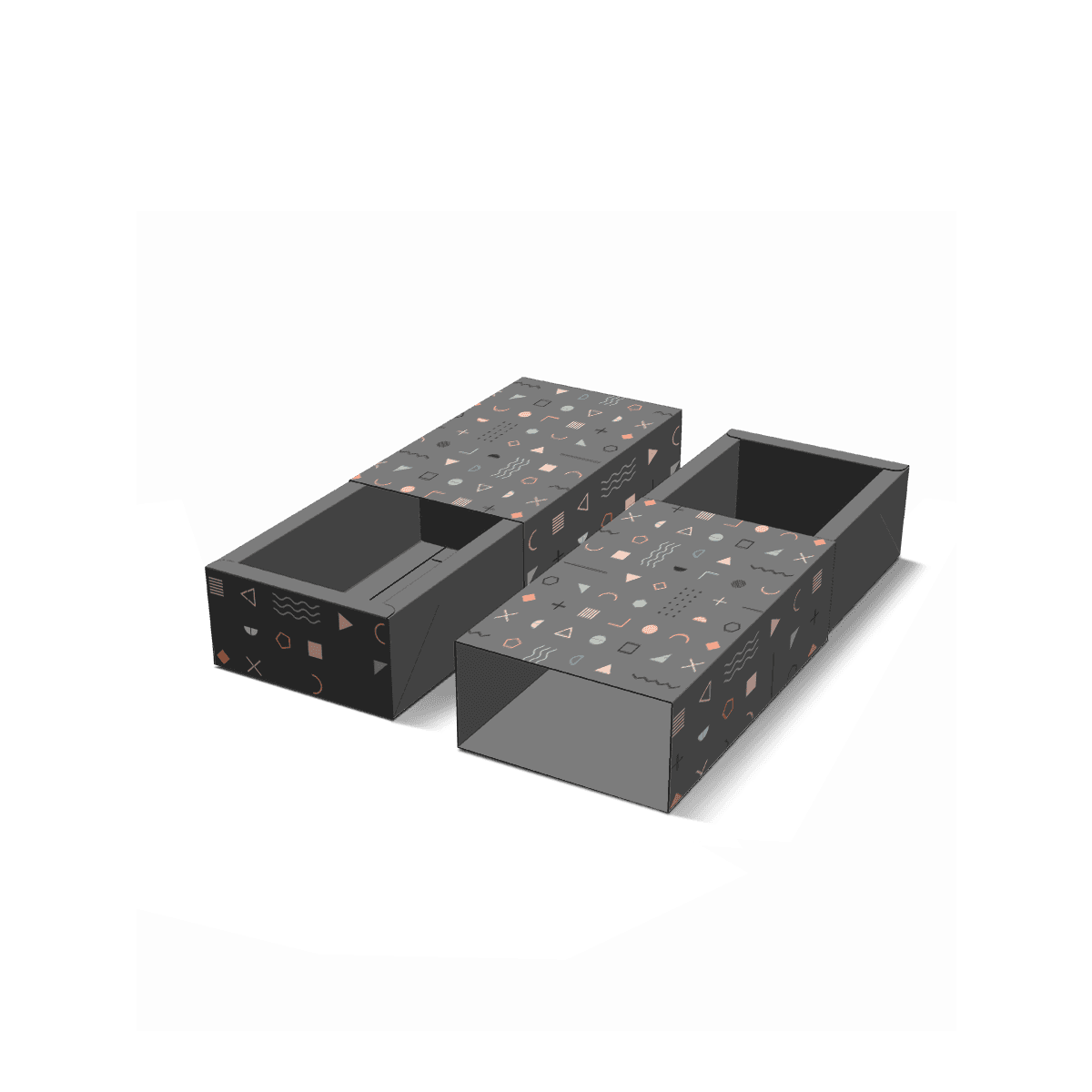
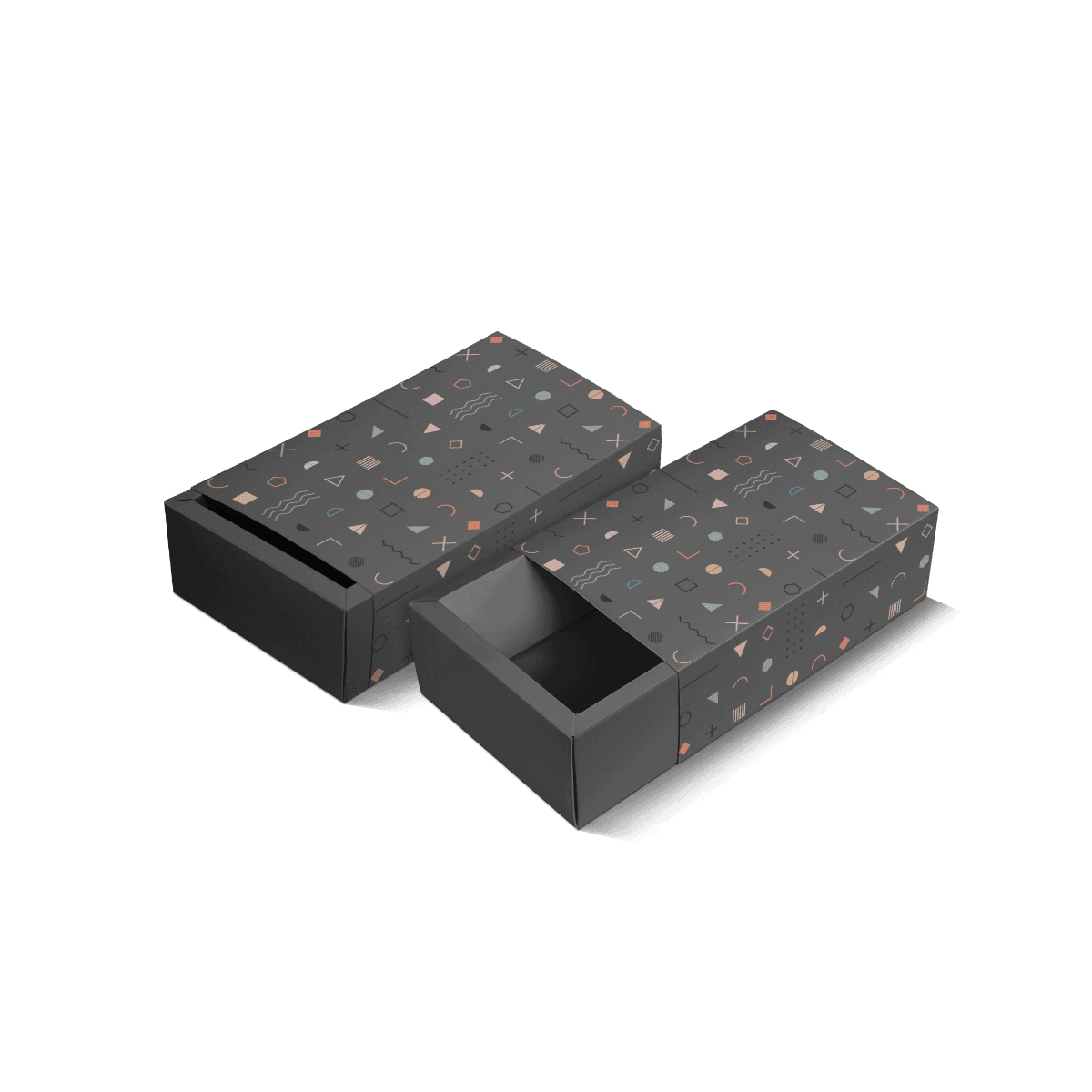
For everyday retail singles, custom folding cartons keep the unit pack compact and give the brand flat printable panels around a round product.

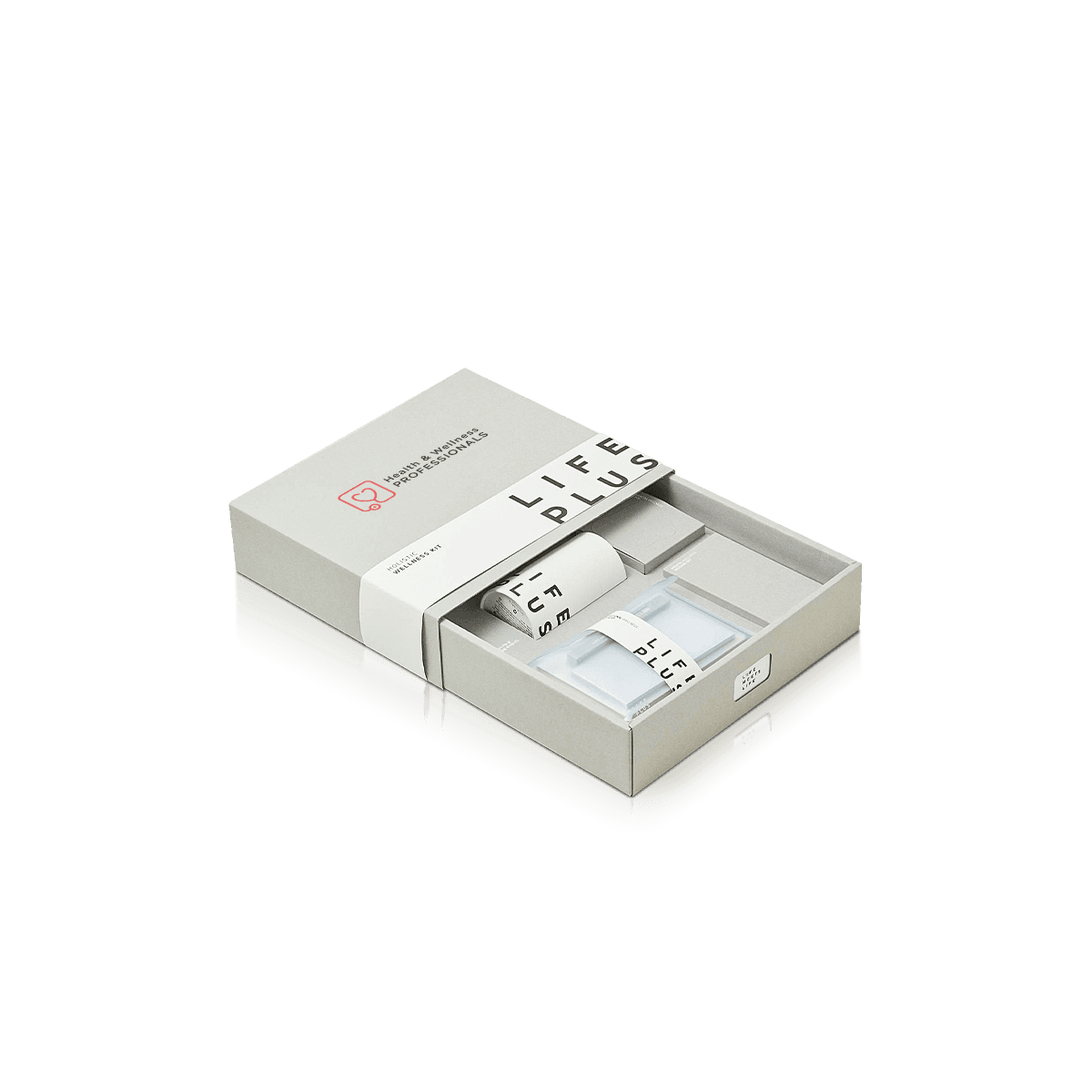
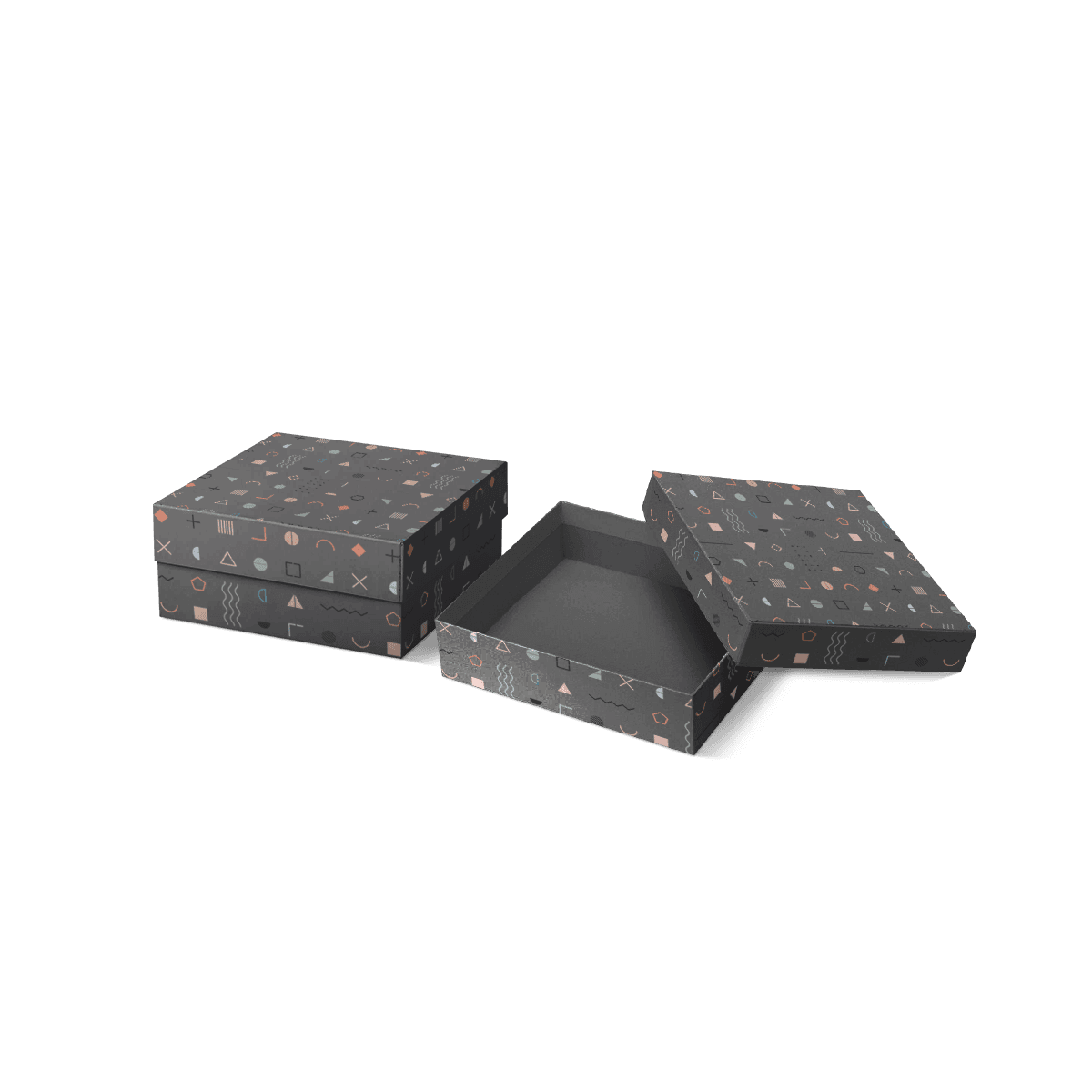
If the package needs a more substantial presentation, rigid cosmetic boxes can carry a deeper fitted interior for premium bath sets.

Do Not Make Packing a Press-Fit Operation

If workers have to push hard enough to deform the box, rub loose powder from the surface or force the tuck flap past the bomb, the fit is too aggressive.

The product should enter in one controlled motion. That matters even more when hundreds or thousands of units are being packed because a small friction problem becomes a repeated handling problem.

Custom Packly’s MOQ starts from 100 boxes, so a single-bomb carton and a separate gift-set construction do not have to be forced into one compromise size merely to create one packaging specification.

Multi-Bomb Sets Need Independent Cells

Several bath bombs should not share one open cavity unless movement between them is intentionally controlled.

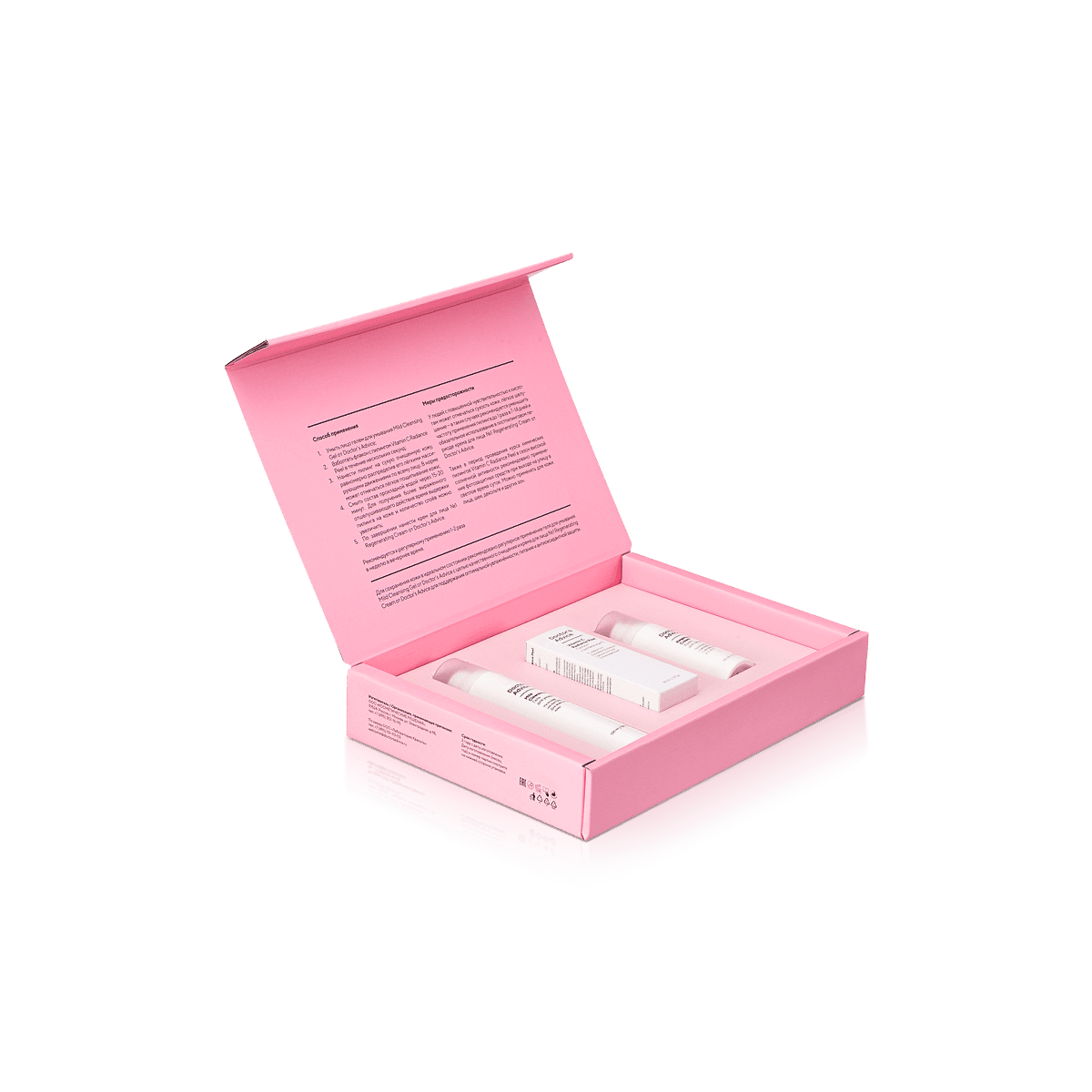
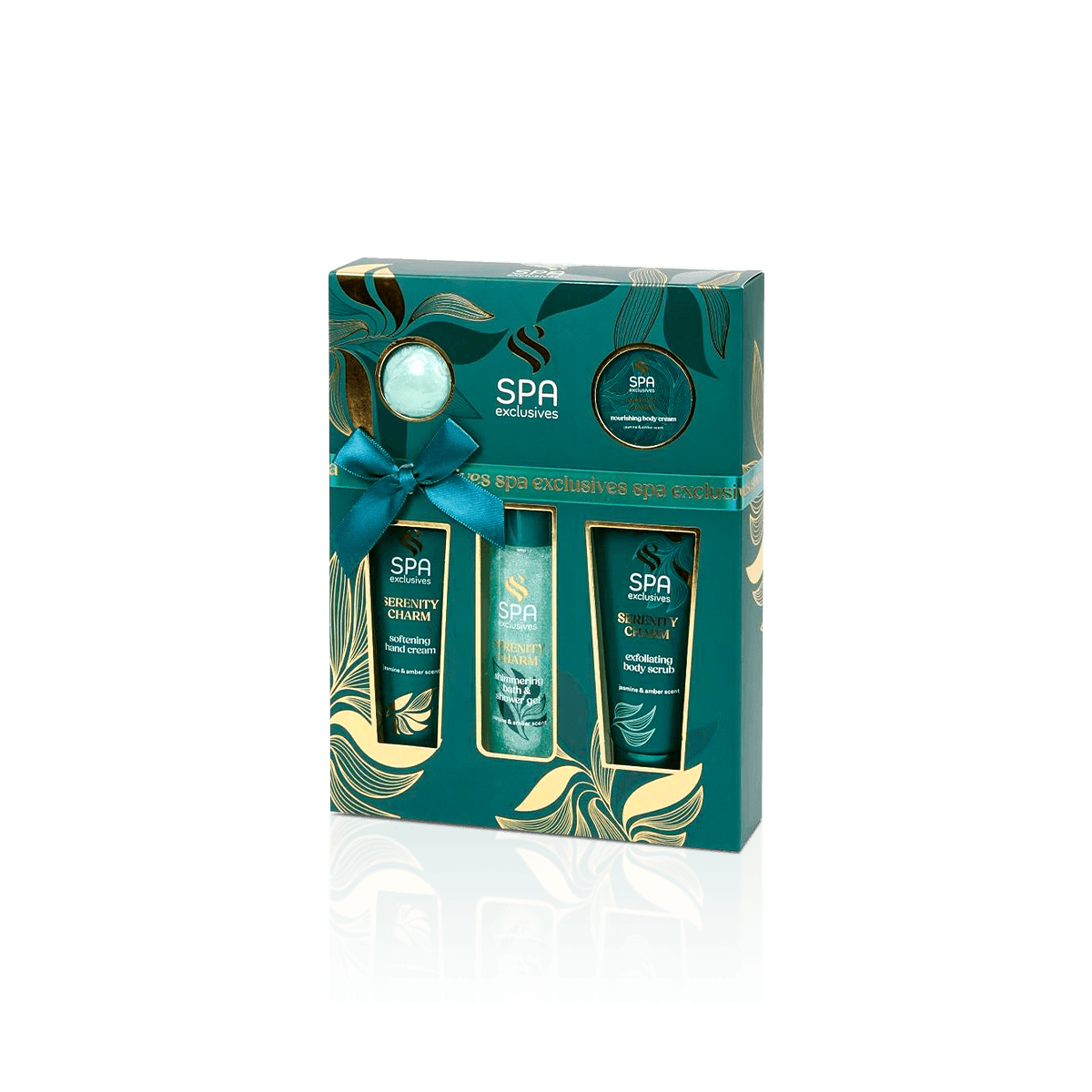
A multi-pack needs a clear position for each piece. Paperboard dividers can separate simple rows. Die-cut inserts can center individual spheres. Deeper trays can support mixed shapes or gift assortments where the bombs must stay in a planned arrangement after the lid opens.

A packaging insert should restrain the bomb at stable areas instead of squeezing the highest decorative point.

Removal Space Is Part of the Cavity

A cavity can hold a bath bomb perfectly and still be unpleasant to use if there is nowhere for a finger to reach the product.

Finger notches, side relief or enough exposed height can make removal easier without loosening the fit. This is especially important in gift boxes, where the first interaction should not involve digging a fragile sphere out of a tight hole.

The insert depth also affects presentation. Too shallow and the bombs may appear perched on top. Too deep and much of the color disappears before the customer touches the set.

Mixed Sizes Need a Real Layout

A six-piece assortment may contain one jumbo bomb, several standard pieces and one novelty shape. Do not size every cavity from the largest diameter and accept empty space around the rest.

Map the actual assortment. Each position can then get the support and removal clearance it needs.

Consider a set with five standard spheres and one heart-shaped seasonal bomb. If the heart is placed in a circular cavity sized from its widest point, its tips can take the load while the rest of the product remains loose. A shaped or relieved cavity can hold the stronger body area instead.

The practical improvement is not more padding. It is better contact geometry.

Free 3D mockups can show the arrangement before production, while a paid fully custom pre-production sample can be used when the real cavity fit needs physical validation.

Once bomb diameter, wrap, cavity count and carton style are fixed, instant custom packaging pricing can be based on the actual construction.

Windows Must Miss the Stress Zone

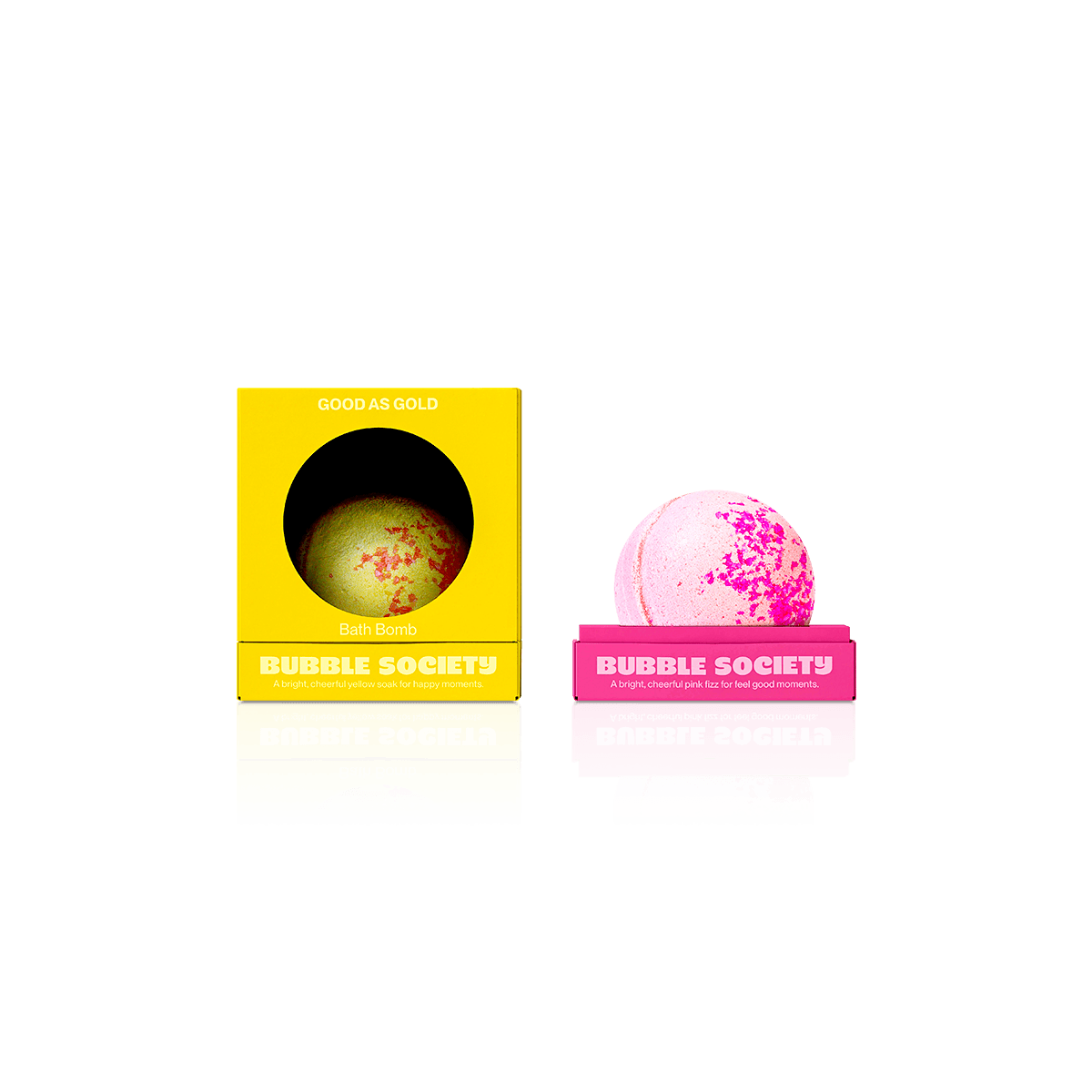
Bath bomb color, marbling and decoration often deserve to be seen, but a window removes board from the panel that carries it.

The window should reveal the product without turning the remaining frame into a weak ring around a heavy sphere. Keep enough board near corners, creases and closure areas for the carton to stay square through packing and shelf handling.

A circular window does not automatically need to match the full diameter of the bath bomb. Showing a controlled portion of the surface can preserve more board, leave more room for artwork and reduce the chance that the product presses against the window edge.

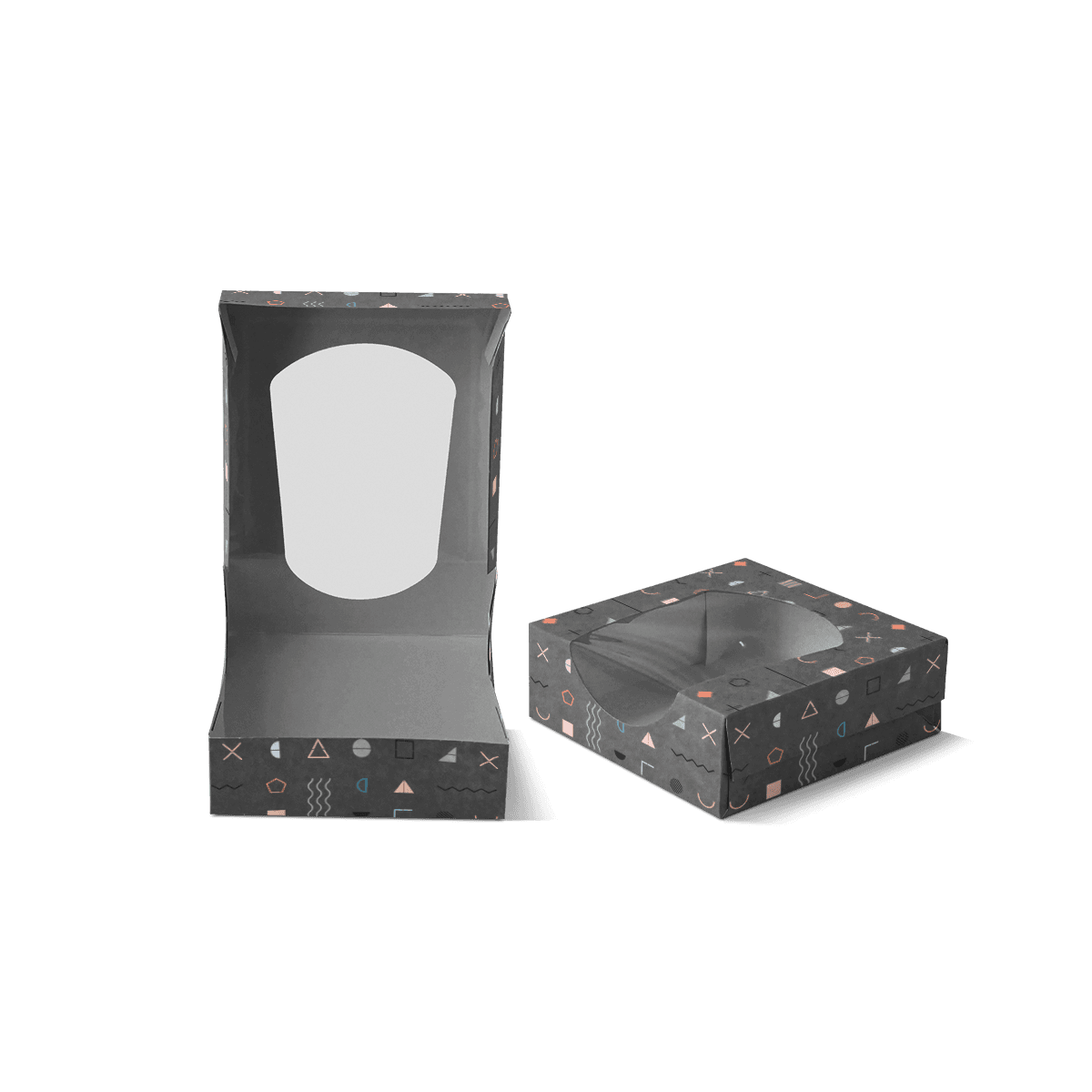
A windowed folding carton works best when the visible area helps shoppers judge color, texture or shape before purchase.

Open Cutout or Clear Patch

An open cutout creates direct access to the product surface, while a clear patch adds a physical layer between the shopper and the bomb.

The right choice depends on the product’s primary wrap, retail handling and the amount of exposure the brand wants. If the bath bomb is already sealed inside a clear inner wrap, an outer window can work mainly as a framing device.

Keep the window decision separate from the moisture-barrier decision. Seeing the product and protecting it from humidity are different jobs.

Loose Powder Changes the Interior

Bath bombs can shed fine material during normal handling. That powder can make a light insert, dark printed interior or glossy surface look worn before the customer has used the product.

Plan the inside color and surface with that possibility in mind.

A white tray can look very clean around pale products but may show strongly colored dust. A deep black insert can create dramatic contrast but may make light powder immediately visible. The most attractive digital mockup is not always the most forgiving physical interior.

The answer is not necessarily to hide all residue with a darker color. First reduce unnecessary movement. Then choose an interior tone and finish that still looks intentional after realistic packing and handling.

This is also where the primary wrap can change the entire packaging decision. A wrapped bath bomb may transfer far less powder to the carton than an exposed one, allowing a cleaner interior treatment.

Let Print Identify the Fizzer Before the Finish Does

The carton still has to communicate clearly after windows, insert openings and structural panels take away artwork space.

For scent-led bath products, the shopper should be able to identify the bath bomb variant quickly. Keep the product name, scent or key variant cue visually separate from decorative graphics. Reserve space for the product copy, barcode and other labeling your brand has confirmed for sale.

Premium offset printing can keep color systems consistent across several cartons or gift-set sleeves. CMYK suits illustrated and multi-color artwork. Pantone can support a controlled brand or scent color when spot color is part of the specification.

Brand color across seasonal scent packs can be planned through custom printed boxes after the structure has settled.

Finishes such as matte, gloss, foil, embossing, debossing and spot UV can sharpen hierarchy, but they should not crowd the small front panel left by a large display window. One deliberate finish often does more work than several competing effects.

A Gift Box Still Needs Transit Protection

A fitted bath bomb set may hold every piece beautifully when it is sitting on a table. Parcel handling introduces another job.

If a retail or gift box is not intended to take shipping impacts directly, place the presentation pack inside an outer corrugated structure that controls movement around it. The insert inside the gift box keeps the bath bombs in position. The outer pack handles the delivery environment.

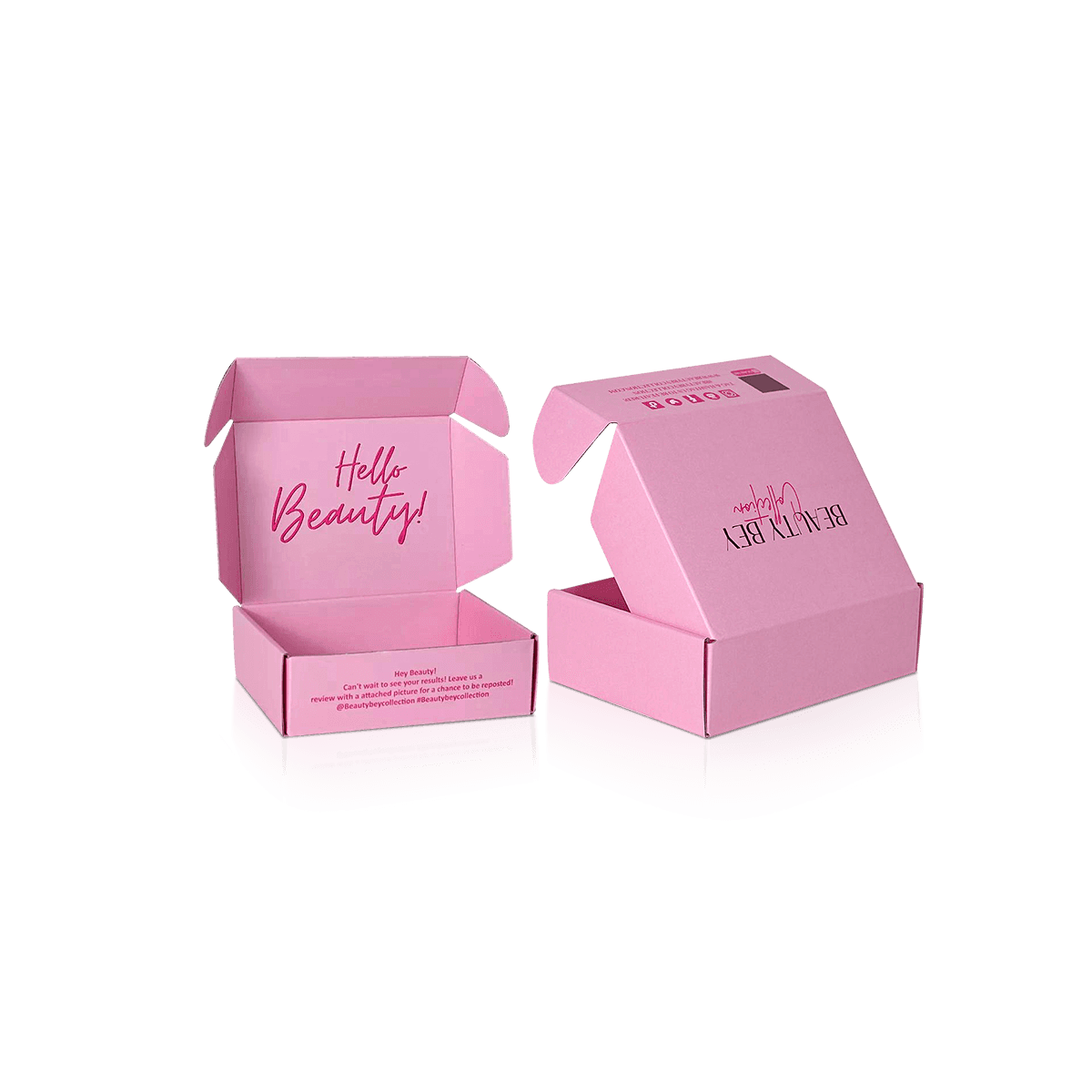
When the finished presentation pack must travel by parcel, custom mailer boxes can carry the transit load outside the retail pack.

This layered approach avoids a common overcorrection: making the inner bath bomb box excessively heavy just because ecommerce is part of the sales mix.

For store-led programs, custom retail packaging can tie unit cartons, gift sets and merchandising structures to the way the product is stocked and picked up.

Run the Pack Table Before Scaling the Design

The final bath bomb box should be easy to load without extra touches, squeezing or rearranging.

Set out the real packing sequence. Open the flat carton or gift box, place the insert if it is not preassembled, load the wrapped bath bomb, close the pack and move it into the case or shipper. Every unnecessary handling step increases the chance of rubbing a decorated surface or leaving powder on a visible panel.

The strongest specification therefore records more than box dimensions. It captures which side opens, how the bomb enters, where fingers go, how the insert is oriented and how the closed pack moves to the next station.

Custom Packly uses US production with premium offset printing, free design and dieline support and free shipping. Standard turnaround is 4–6 days after final artwork and specifications are approved. Packaging expert support is available 24/7 when a single-bomb carton, multi-cavity gift set or outer shipping layer needs to be coordinated. Complex structures, specialty materials or advanced finishes may require additional time.

The goal is not to make a fragile product feel overpacked. It is to give each bath bomb enough restraint, clearance and handling control that the packer does not have to compensate for the box by being unusually careful.

FAQs

Because bath bombs are more fragile than they look. The right board helps the carton hold shape, print clearly, and support the product without feeling too flimsy for retail or gifting.

Not always. Single units can work without inserts when the fit is tight and the product is stable, but inserts become much more useful for larger bombs, premium packs, or fragile decorative finishes.

Yes, especially when color, texture, or embedded botanicals help sell the product. A properly placed window can improve shelf appeal without making the carton feel weak or overexposed.

Boxes are usually better for shelf display, gifting, and stronger branding presence. Flexible pouches work better when barrier needs, compact storage, or lower pack weight matter more than presentation.

Rigid packaging makes the most sense for higher-priced gift sets, hotel or spa presentation packs, and curated collections where the box is part of the experience rather than just a shipping shell.

Process

How it works

Your Packaging Journey, From Idea to Production and Delivery

01

Tell Us Your Specs

Custom packaging boxes

Tell Us Your Specs

Provide size, quantity, printing, and finishes.

02

Get a Fast Quote

Custom packaging boxes

Get a Fast Quote

Instant transparent pricing, no hidden fees.

03

Design and Approval

Custom packaging boxes

Design and Approval

Artwork checks, revisions, and final sign-off.

04

Produce

Custom packaging boxes

Produce

Expert manufacturing to meet deadlines.

05

Ship to Your Door

Custom packaging boxes

Ship to Your Door

Hassle-free, flexible delivery options.

Get Your Quote for Custom Bath Bomb Boxes

Share your product details, size, quantity and artwork needs. We’ll help choose the right packaging style and send a clear quote.