Skip to content
Details

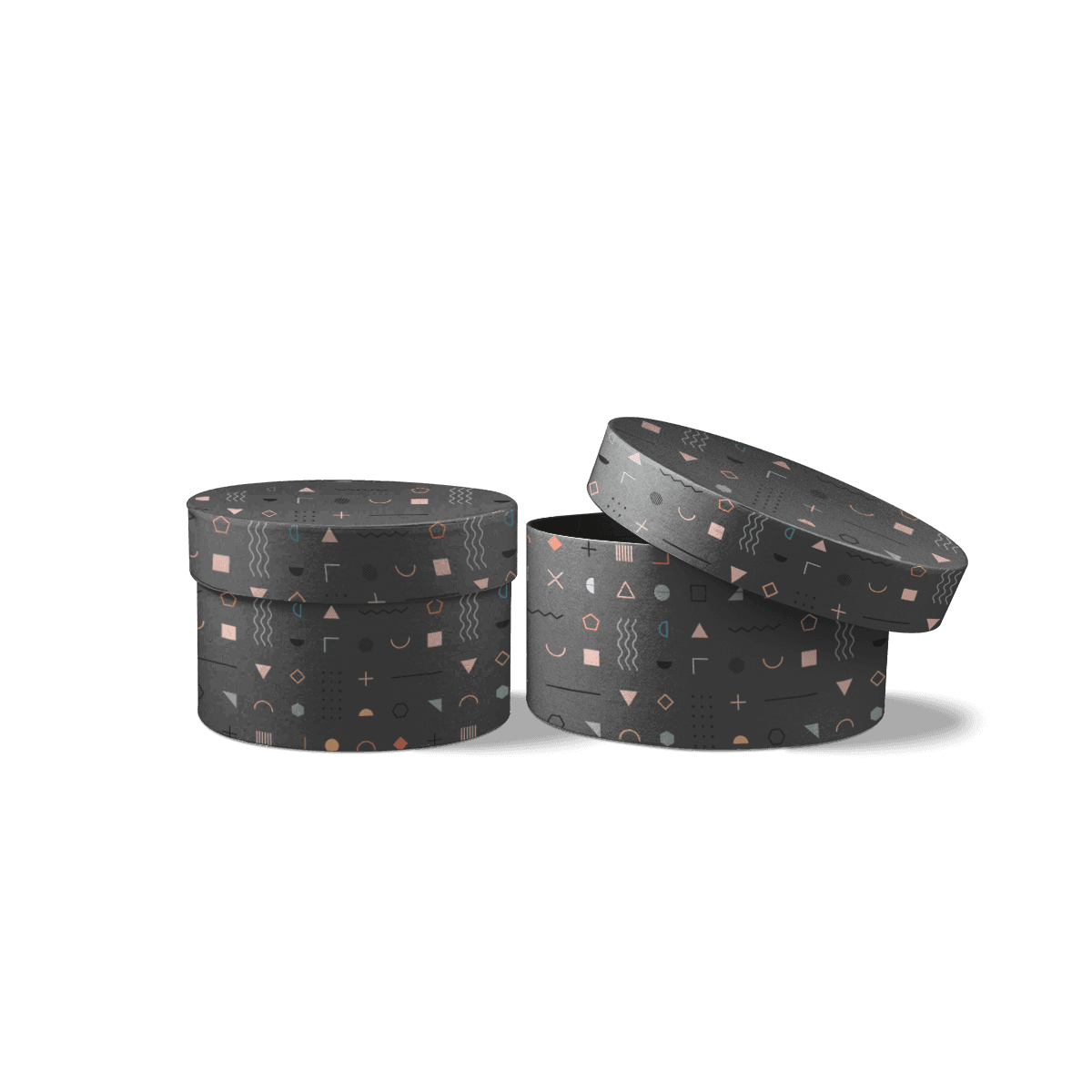
Custom Round Rigid Boxes

Circular rigid packaging planned around lid resistance, product rotation, curved artwork and the space each box takes in retail, storage and shipping.

A Circle Has No Front Edge

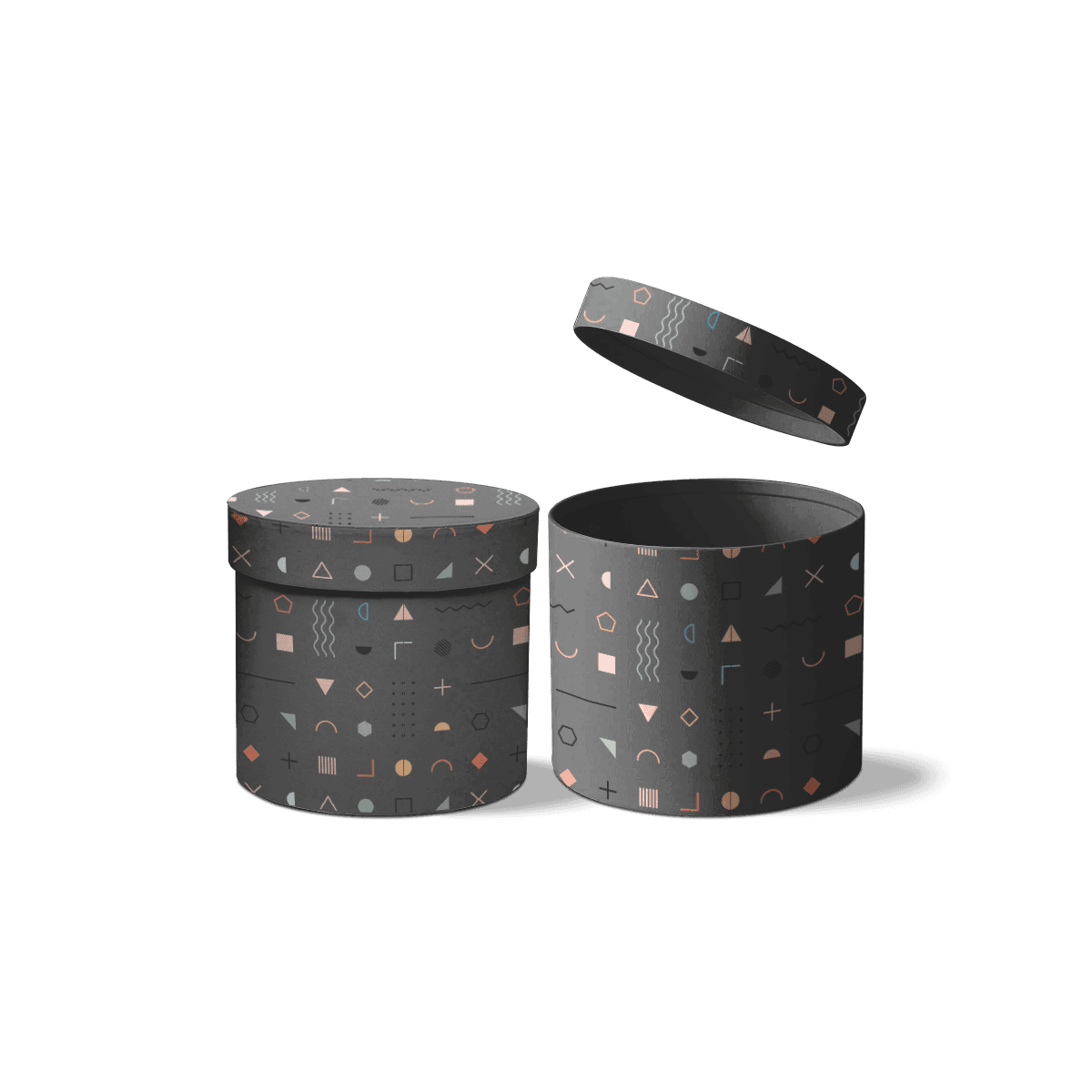
A rectangular box tells you where the front is before any artwork is added. Corners divide the structure into front, back and side panels. A round rigid box does not. Its wall is one continuous surface, so the brand has to create the viewing direction through the logo, wrap seam, lid artwork and the way the product sits inside.

That changes more than graphic design. A box can look correct while closed and lose its intended presentation as soon as the lid comes off. If the product has rotated inside, the brand mark on a jar may face backward. If the wrap seam lands beside the primary logo, a clean cylindrical presentation suddenly has an obvious visual interruption.

For Custom Round Rigid Boxes, orientation is part of the structure. Decide which part of the pack should face the customer first, then align the lid, outer wrap and interior presentation around that decision.

Create an Orientation Rule

The wrap seam needs a deliberate position. A logo or short product name can occupy a clean viewing arc while the seam sits away from the main presentation. Lid artwork also needs a relationship to the body artwork, especially when both pieces carry directional graphics.

Continuous patterns are more forgiving because the customer does not need to find one exact front. Directional typography and product labels need more control because the box can rotate in the hand.

Let the Product Decide Whether Rotation Matters

A perfectly round product can remain centered and still rotate. That distinction matters.

A candle jar or cosmetic container with a front label may need an insert that limits rotation if the label is expected to face the customer at opening. A keyed cavity can help when the product geometry gives the insert something physical to locate.

If the product itself is completely rotationally symmetrical, the smarter choice may be to make the reveal work from any angle rather than depend on a front-facing label. That is a more reliable packaging decision than expecting friction alone to preserve orientation.
Lid Feel Comes From 360 Degrees

The lid of a round rigid box engages with the body around the full circumference. Small changes in finished diameter, paper-wrap thickness or roundness can therefore change how the lid feels in the hand.

Too much resistance makes the customer twist or pull hard. That can rub the wrap and make an otherwise premium box feel awkward. Too little resistance creates rocking, rattling or a lid that separates too easily during handling.

The target is controlled resistance: enough engagement to make the lid feel deliberate, without turning opening into a struggle.

Lid depth also matters. A shallow lid releases quickly and exposes more of the body. A deeper lid creates more overlap and a slower lift. If lid overlap rather than circular shape is the dominant requirement, telescopic rigid boxes put that behavior at the center of the opening experience.

Test More Than One Closing Position

A round lid should not fit correctly in only one orientation. Rotate it, reseat it and check the resistance again.

If the lid catches in one position but slides normally in another, the issue may be roundness, wrap buildup or dimensional variation rather than the nominal diameter.

A 3D mockup can confirm proportion and artwork, but lid resistance needs a fully finished physical sample using the intended board and wrap.

Diameter Changes the Whole Operation

Diameter affects more than product clearance. It changes board usage, lid size, insert geometry, shelf footprint, master-carton efficiency and storage volume.

Round boxes also leave unused spaces when packed into rectangular shipping cases. That does not make the structure inefficient by definition, but the tradeoff should be known before a large order is approved.

The correct diameter comes from the product, the insert or removal clearance and the wall construction. It should not be enlarged simply to make the package feel more substantial.

Wide and Shallow

A wide, shallow round box can create a strong top-down reveal for candles, confectionery, bangles, cosmetics and compact gifts. The lid becomes a major branding surface and the product can sit close to the opening plane.

The wider the diameter becomes, the more important master-carton planning and shelf footprint become.

Tall and Narrow

As a round rigid box becomes taller and narrower, the structure begins to behave more like cylindrical tube packaging. Product extraction, lid depth, internal movement and vertical stacking become more important.

For genuinely tall cylindrical products, custom tube packaging may use space more naturally.

USA orders start from 100 boxes. For larger repeat programs, warehousing and scheduled deliveries can reduce the amount of fully assembled round packaging that has to be stored at one location.

Let the Product Shape Justify the Box

A circle should improve the fit, presentation or brand identity rather than serve as novelty alone.

Candles and jars naturally suit circular interiors. Confectionery, floral gifts and specialty gift items can use the shape as part of the reveal. Bangles and circular accessories can also benefit when the insert follows the product instead of surrounding it with rectangular empty space.

In packaging for cosmetics and personal care, round jars and vessels can make the outer geometry feel intentional. In jewelry and accessories packaging, circular pieces can benefit from a centered presentation.

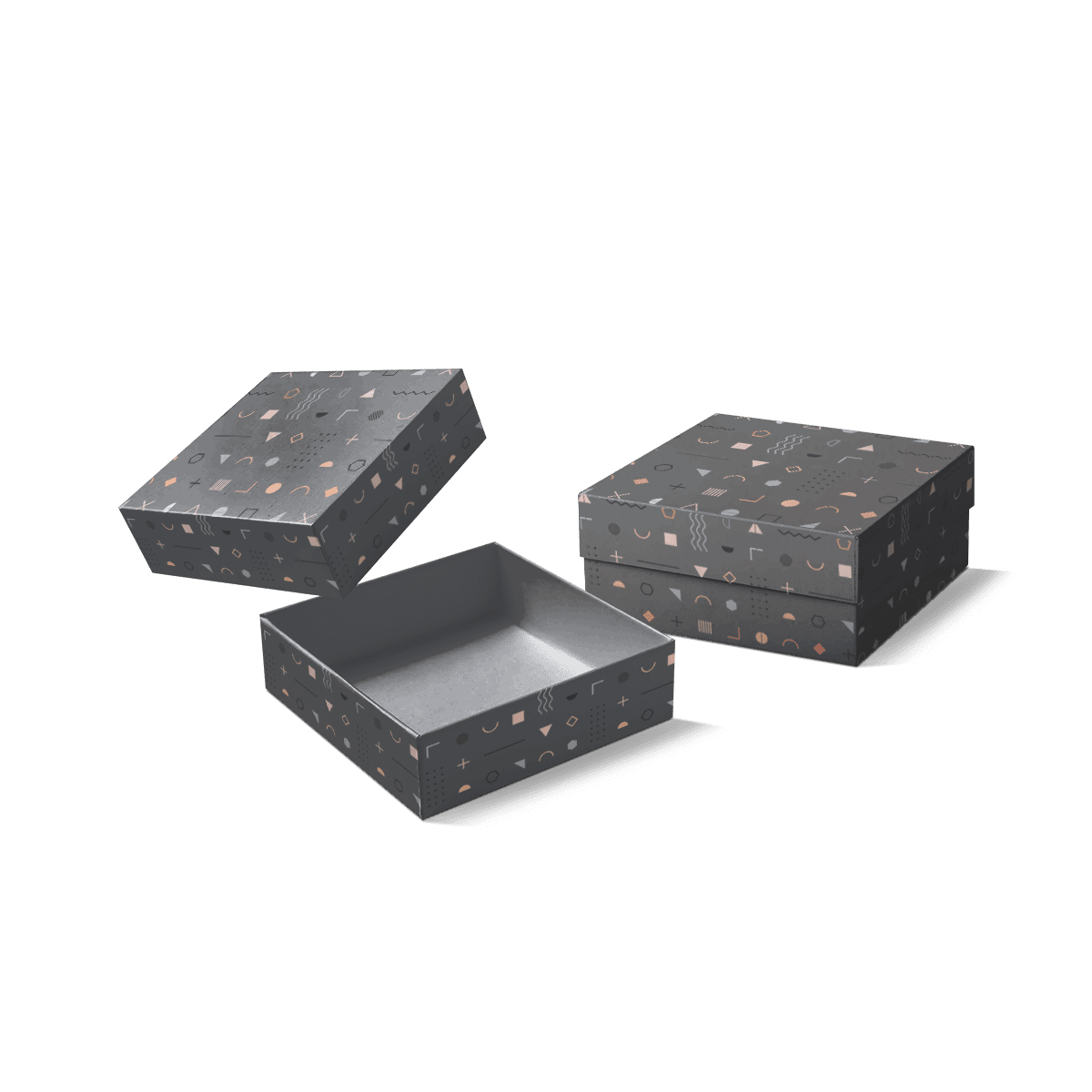
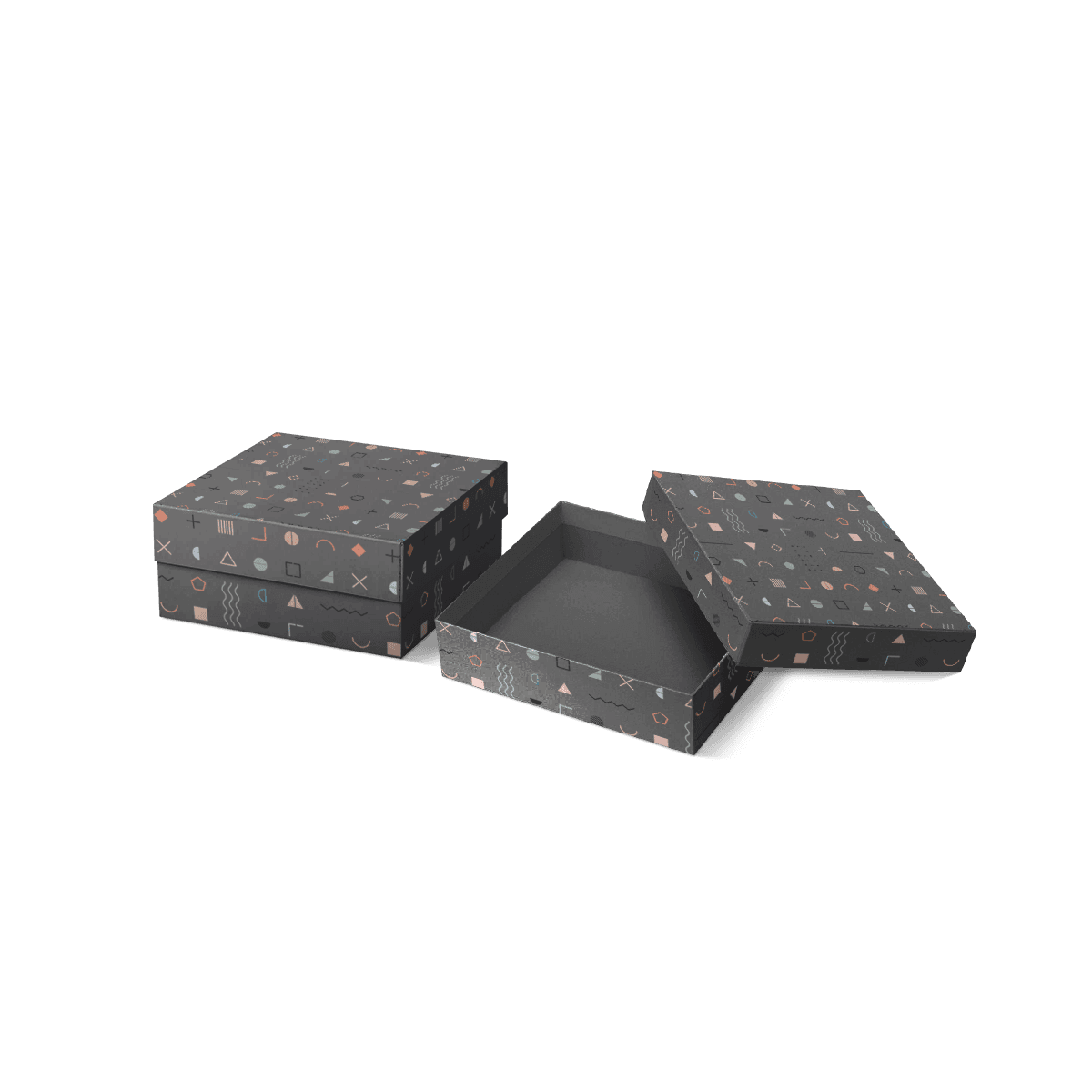
A long rectangular item usually gains little from a large circular footprint. If the product wants straight walls and corner control, a luxury 2-piece rigid box may use the space more efficiently.

Stop the Product From Spinning

The outer circle does not automatically control the product inside it.

The insert still has to manage lateral movement, vertical movement and rotation. A circular cavity can use a ring support, recessed platform or radial partition depending on the product.

Paperboard, foam and molded pulp can each create different levels of support and surface character. The tradeoffs among packaging insert materials matter when retention and presentation have to work together.

A Round Cavity Can Still Be Wrong

Consider a candle jar placed in a circular rigid box with a broad annular gap around it. The jar looks centered at packout but can shift sideways during handling and return to the customer visibly off-center.

The correction is not necessarily a smaller outer box. The insert can support closer to the jar diameter, control the base height and still leave enough finger clearance for removal.

That same product-led approach sits at the center of custom product packaging, where the inner fit follows the object rather than a generic box size.

Round Rigid Box or Tube?

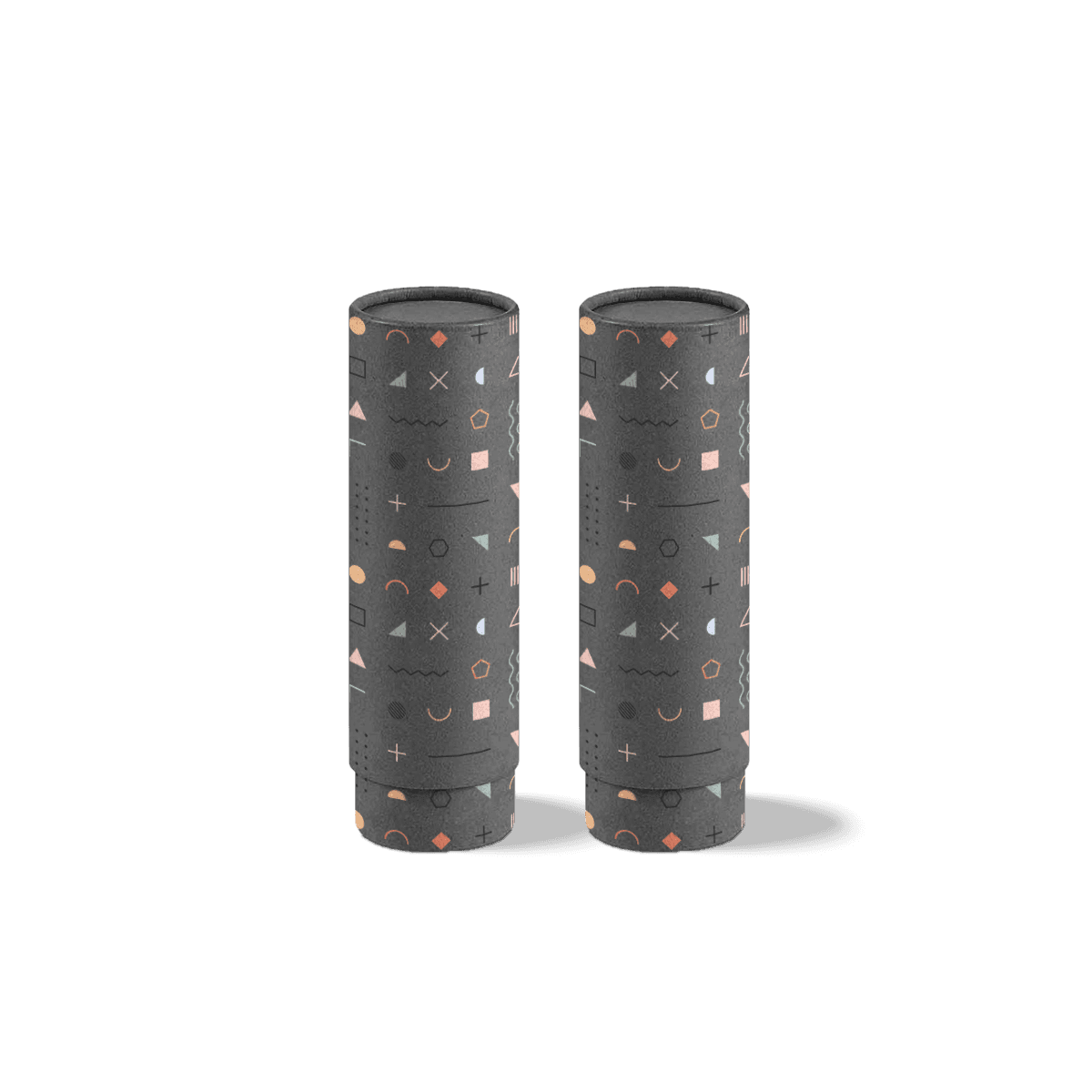
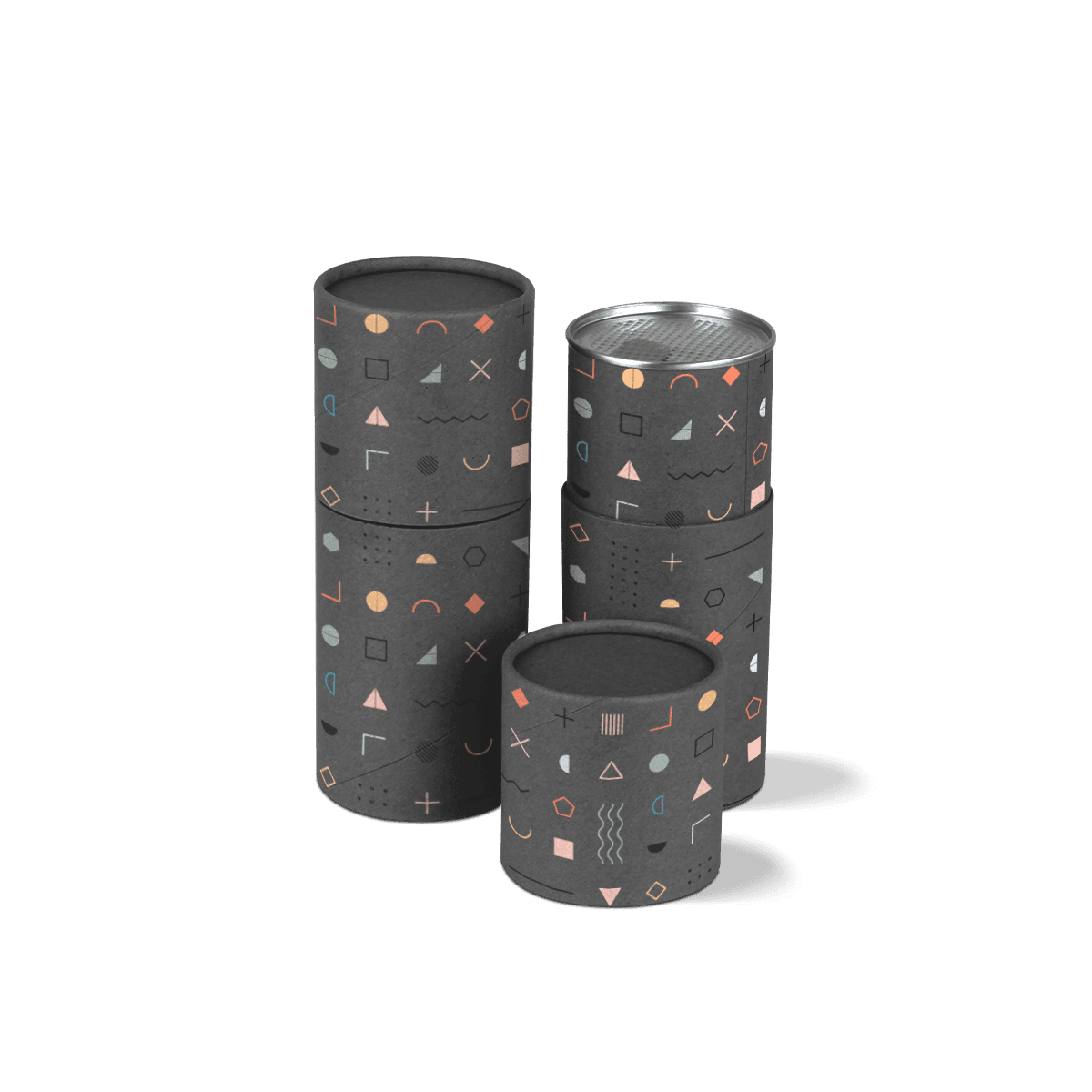
A round rigid box is stronger when the package needs a substantial presentation structure, a removable lid and a top-down reveal. Tube packaging becomes more logical as the product becomes taller, slimmer, rolled or naturally deep inside a cylinder.

There is no universal manufacturing line where one stops and the other begins. Some circular rigid packs use tube-like construction methods. The practical distinction comes from proportion, opening behavior and the way the product should be presented.

A shallow candle presentation can justify a round rigid setup. A tall bottle, rolled item or narrow stacked product may point toward a tube.

The custom rigid boxes structure should own the premium setup-box behavior. Drawer, magnetic, hinged and collapsible storage mechanics belong to their own structural decisions rather than being recreated inside a circular box simply for novelty.

Curved Artwork Needs a Fixed Reference

A circular wall has no flat front panel to anchor artwork. The seam, main viewing arc and relationship between lid and base need to create that reference.

Do not place essential small type or a primary logo across the wrap seam. Repeating patterns can travel around the circumference more naturally, while directional branding needs a defined center.

If exact brand color matters, CMYK and Pantone printing should be planned against the actual wrap material.

Foil, embossing, debossing, matte, gloss and spot effects also behave differently on the selected wrap. The differences among packaging finishes should be judged on the real surface rather than from a generic finish list.

Rigid-board construction, printed wraps and finishing can be coordinated through Custom Packly's packaging capabilities. Free design and dieline support can also help position curved artwork against the real seam and viewing arc.

Shipping Still Needs Corners Somewhere

A round presentation box is not automatically a courier shipper.

The wrapped surface can scuff, a lid can shift and multiple circular boxes can migrate into the gaps of a rectangular outer case when the case is poorly planned.

The outer corrugated pack should control the finished round box while the insert controls the product inside it.

The same physical principle behind reducing shipping damage through better packaging fit applies here: movement should be controlled at each layer rather than solved by oversized void fill.

At volume, diameter also affects units per master carton, pallet use and shelf footprint. That can make a small dimensional change commercially significant.

Price the Real Circle

Round rigid packaging should be priced from the finished structure rather than from a generic diameter.

Useful inputs include:

  • internal diameter and body height
  • product dimensions and weight
  • removal clearance
  • lid depth and desired resistance
  • insert or platform construction
  • wrap and printing
  • finish areas
  • quantity and repeat volume
  • retail, gifting or ecommerce use
  • outer shipping requirements

Quantity, structure and finishing all influence cost, and custom rigid box pricing changes as those decisions change.

Custom Packly supports US production, premium offset printing, extensive customization, free shipping and a standard 4–6 day turnaround after final artwork and specifications are approved. Complex structures, specialty materials or advanced finishes may require additional time.

Once the actual circle is defined, an instant custom packaging quote can price the finished box rather than an approximate shape.

The Shape Has to Earn Its Footprint

A round rigid box makes sense when the circle does real work in product fit, reveal or brand identity.

Its tradeoff is physical footprint. Circular packs create unused space when stored and shipped inside rectangular systems, and that cost becomes more visible as diameter increases.

The final decision is therefore not whether round packaging looks distinctive. It is whether the circular geometry improves the product enough to justify the space it occupies.

When it does, the diameter, lid fit, insert and curved artwork should be specified as one system.

FAQs

Usually for fit, display, and feel. Round packaging works especially well when the product itself is circular, curved, or intended to feel more gift-like and less conventional.

Round Rigid Boxes usually feel more premium when thicker walls, wrapped finishes, and presentation value matter most. Telescopic Tubes are often a better fit for lighter-duty packaging, mailing, or simpler cylindrical packing needs.

Yes, in most cases inserts make the box perform better. They improve product retention, reduce movement, and make the reveal look more intentional.

Yes. This format supports printed wraps, foil stamping, embossing, debossing, inside printing, and other surface finishes that strengthen brand presentation.

They work best as the main presentation pack inside an outer mailer or corrugated shipper. That setup protects the box finish while preserving the unboxing experience.

Process

How it works

Your Packaging Journey, From Idea to Production and Delivery

01

Tell Us Your Specs

Custom packaging boxes

Tell Us Your Specs

Provide size, quantity, printing, and finishes.

02

Get a Fast Quote

Custom packaging boxes

Get a Fast Quote

Instant transparent pricing, no hidden fees.

03

Design and Approval

Custom packaging boxes

Design and Approval

Artwork checks, revisions, and final sign-off.

04

Produce

Custom packaging boxes

Produce

Expert manufacturing to meet deadlines.

05

Ship to Your Door

Custom packaging boxes

Ship to Your Door

Hassle-free, flexible delivery options.

Get Your Quote for Custom Round Rigid Boxes

Share your product details, size, quantity and artwork needs. We’ll help choose the right packaging style and send a clear quote.