Skip to content
Details

Custom Speaker Boxes

Speaker packaging planned around weight-bearing surfaces, grille clearance, stable travel orientation and accessory placement for portable, bookshelf and premium audio products.

Keep the Grille Out of the Load Path

A speaker can have a strong outer housing and still contain surfaces that should carry almost no packaging load. Fabric grilles, perforated metal covers, exposed driver areas, passive radiators and control panels can all sit close to the outside profile without being suitable retention points.

The insert should hold the speaker through stronger parts of its enclosure.

For a rectangular speaker, that may mean the base, rear housing, structural side edges or protected corners. For a cylindrical portable speaker, the better contact points may be end structures rather than the fabric-covered body. The exact support pattern depends on the product.

This puts speaker boxes in a different part of electronics and gadget packaging: the package has to carry product mass while deliberately avoiding some of the most visually prominent surfaces.

A cavity that simply traces the speaker silhouette can therefore be misleading. If the insert presses against a grille because that is the widest point, the geometry may be close but the load path is wrong.

Identify the safe contact surfaces first. Then build retention around them.
Let the Base Carry the Weight

Speaker weight should settle onto a surface capable of supporting it through storage and handling.

For an upright speaker, the base may already be the logical load-bearing point. The insert can support that base while upper features limit lateral movement without carrying the full product weight.

A speaker packed horizontally changes the problem. The enclosure may now rest against side surfaces that were not intended to carry the same load. The internal support has to create deliberate bearing areas rather than allowing the whole side of the speaker to settle into a cavity.

This becomes more important as product mass increases.

A light portable speaker may need modest retention. A dense bookshelf speaker or premium wireless unit can place far more force into the same size contact area.

The answer is not automatically more foam or thicker corrugated board. The load has to be directed into the right surfaces first.

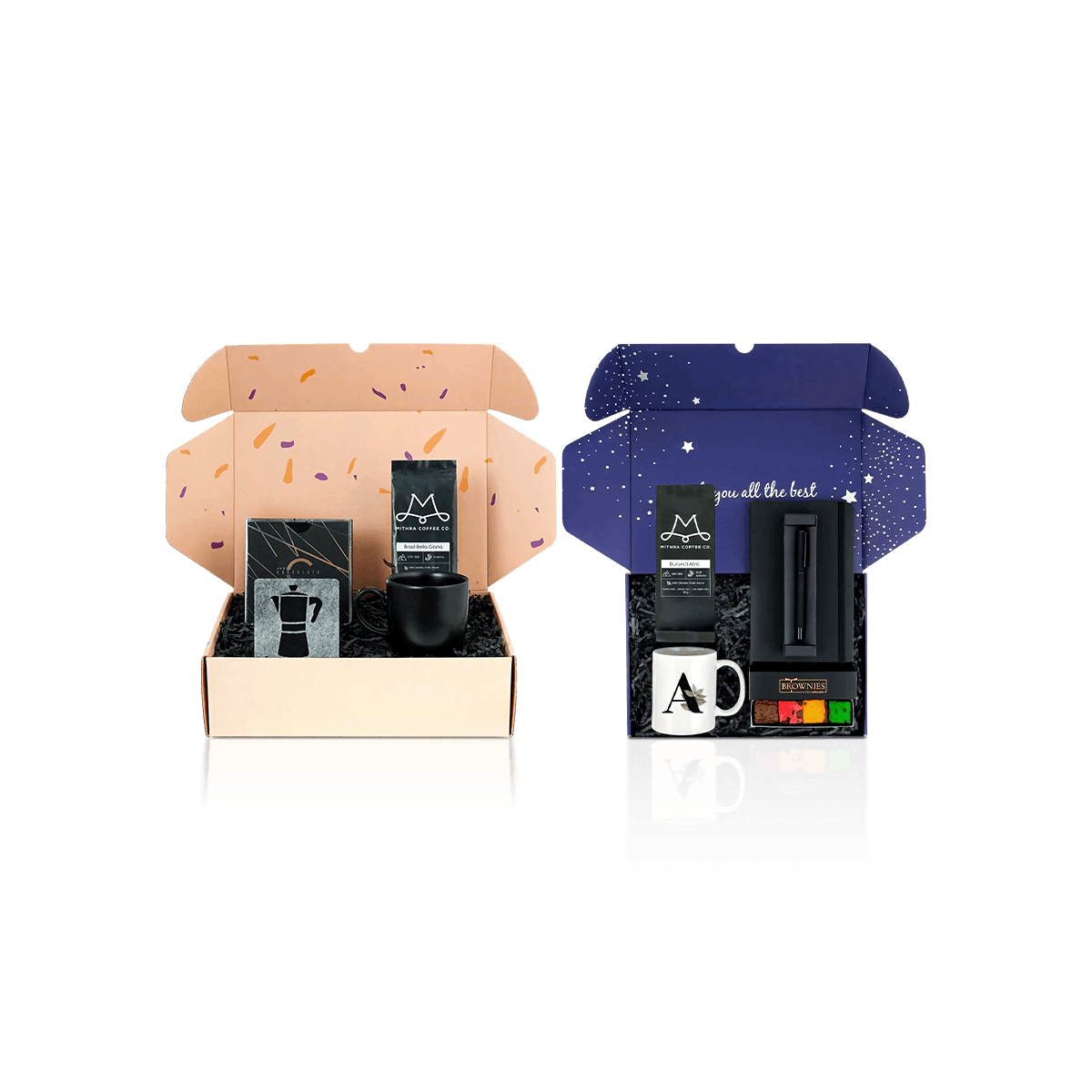
For close-fitting multi-part interiors, custom insert boxes can assign the main speaker and each accessory a defined position without asking the exterior walls to control everything.

Upright or Horizontal Changes the Pack

Travel orientation should be settled before the final box dimensions.

A tall portable speaker may look natural standing upright at retail, but another orientation may make more sense during distribution. A bookshelf unit may be physically stable on its base yet create a tall carton that is less practical for a particular shipping system.

The decision affects:

  • which surface carries the weight
  • where insert supports sit
  • grille clearance
  • control-panel clearance
  • cable compartment position
  • removal direction
  • outer carton proportions

A product should not be rotated simply to make the dieline more convenient.

If the speaker is intended to travel on its side, confirm that the support system creates stable contact zones rather than transferring weight into a grille, decorative trim or control surface.

Cylindrical Speakers Need End Control

A cylindrical Bluetooth speaker introduces another issue: it can roll.

A rectangular cavity with loose side clearance may stop large movement without actually fixing the product's rotational position.

End supports or shaped cradles can keep the speaker from rolling while leaving fabric mesh and exposed controls clear.

The box can then retain the product through its stronger geometry rather than squeezing the complete circumference.

Passive Radiators Need Clearance Too

Some portable speakers place passive radiators or other acoustic elements at one or both ends of the enclosure.

That makes an obvious end-cap strategy more complicated.

The packaging cannot simply clamp every circular end because those surfaces may contain moving or sensitive elements. Support may need to shift toward an outer ring, chassis edge or another stronger zone around the end assembly.

The principle is the same as grille protection: external position does not make a surface suitable for packaging contact.

This should be checked with the actual speaker because a photograph or nominal diameter will not show how far every acoustic component projects.

A physical sample is especially valuable when the support has to sit close to a radiator, grille or control assembly. A free 3D mockup can confirm layout and proportions, while a paid fully custom pre-production sample can test actual contact and removal.

A Close Foam Cavity Can Still Be Wrong

Consider a cylindrical portable speaker with fabric mesh around most of the body and acoustic elements at the ends.

A generic foam cavity is cut closely around the full exterior. The speaker no longer rattles, so the package appears secure.

But the cavity is gripping the fabric-covered body along a large contact area. The insert is using a cosmetic and acoustic surface as the main retention mechanism.

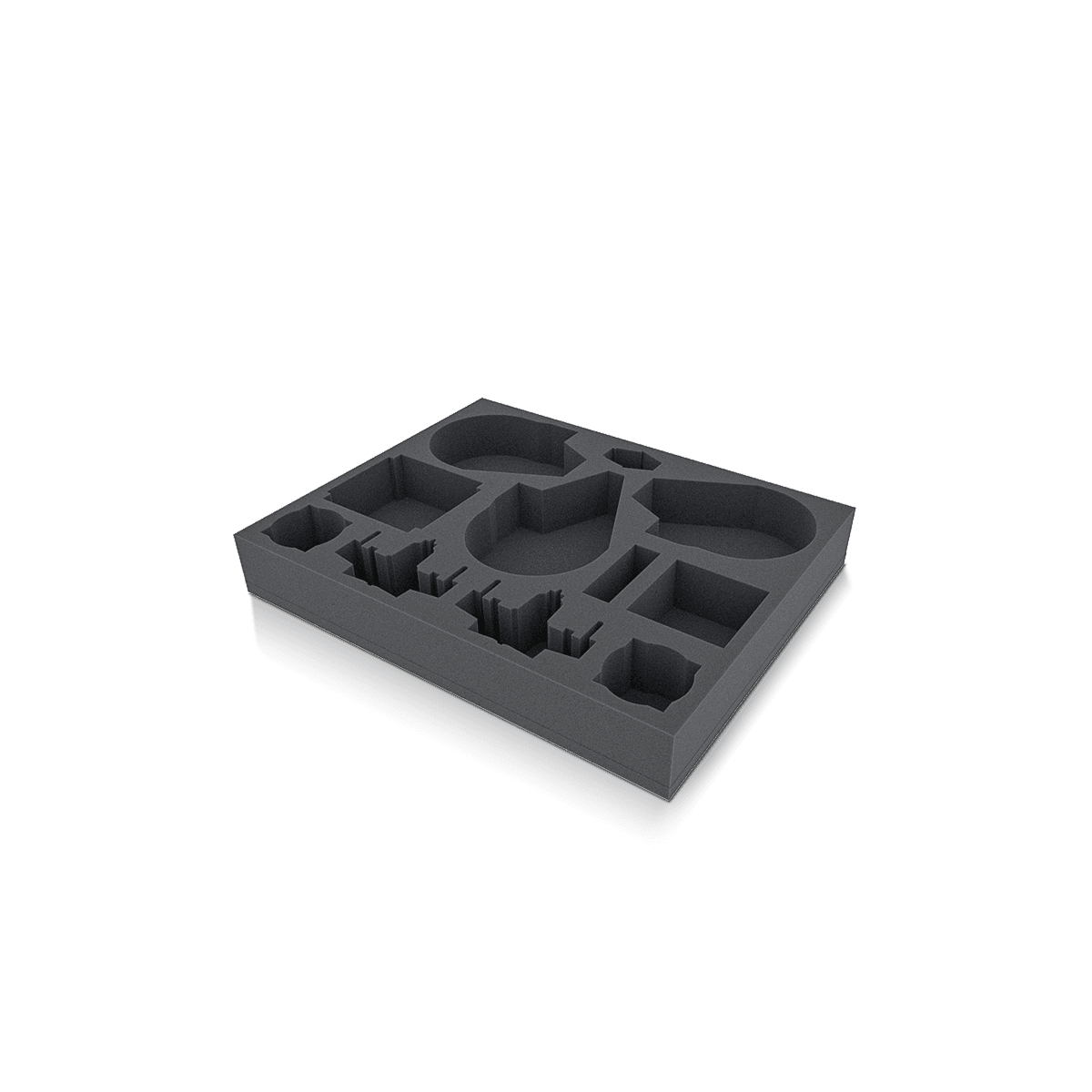
A better arrangement can support the product at stronger chassis zones while using shaped end or base features to control rotation. Clearance remains around the fabric and other sensitive areas.

The package becomes more controlled without simply making the foam tighter.

When cushioning is central to the job, protective foam insert boxes can isolate speaker mass while cavities are cut around the actual safe-contact geometry.

The improvement comes from moving the support points, not merely adding material.

Paired Speakers Need Independent Support

A stereo pair should not behave as one heavy object inside the carton.

If two bookshelf speakers share a box, each unit needs its own restraint so the products cannot move toward each other during handling.

A central divider alone may not be enough if it is expected to absorb the full lateral load from both units.

The support system can instead retain each speaker independently, leaving the divider to maintain separation rather than act as the only structural barrier.

Orientation should remain consistent across the pair. If front grilles face inward, confirm that nothing can collapse into them. If grilles face outward, the outer support still has to avoid direct pressure.

Matched products also need a removal path. Packing two dense speakers tightly together can produce a compact carton but leave no sensible hand access for lifting the first unit out.

A small increase in planned access can be more useful than unnecessary empty space elsewhere in the box.

Heavy Accessories Need Their Own Zone

Power adapters, charging docks, remotes, wall mounts and cables should not be treated as filler around the speaker.

A dense power adapter can become a moving impact point. A mounting bracket can have hard edges. A remote can scratch a painted housing. Coiled cables can expand into a cavity intended for another component.

The accessory plan should follow component mass as well as size.

A charger can sit in a restrained compartment below or beside the speaker. A remote can use a shallow pocket where it remains visible. Mounting hardware can stay physically isolated from finished speaker surfaces.

The differences among foam, cardboard and molded pulp inserts matter when one interior has to manage both a heavy audio product and much lighter accessories.

Do Not Let the Cable Change Speaker Height

A common packing shortcut is to place a cable underneath the speaker because there appears to be spare depth.

That can create an inconsistent support surface.

One tightly coiled cable may sit flat. Another packed more loosely can push upward and change how the speaker rests or how easily the box closes.

Cable space should be separate from the primary speaker-bearing surface unless the interior is specifically designed to accommodate it.

Small and Large Speakers Need Different Structures

Speaker Boxes should not collapse into one standard construction simply because the products share an industry.

A small portable unit may fit comfortably inside a paperboard carton with a shaped tray. This can create efficient storage, strong print coverage and a compact retail footprint.

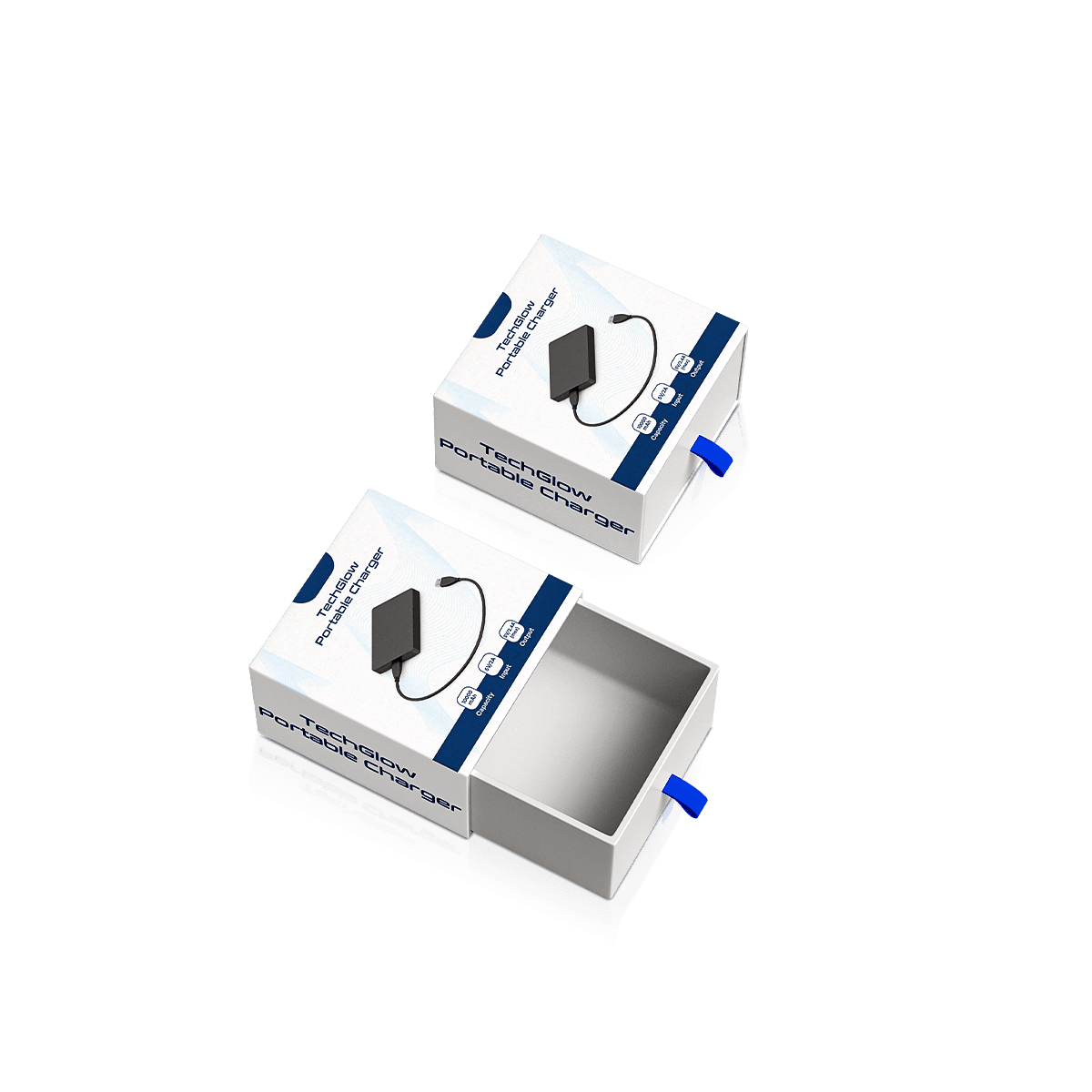
Folding cartons for electronics can suit lighter audio products when the internal support system carries the product correctly.

Premium wireless speakers and gift-oriented audio products may justify a more substantial presentation. Custom rigid boxes can create stiff walls, deeper inserts and controlled opening mechanics when those features fit the product tier.

Larger or denser speakers can shift the priority toward corrugated protection and stronger load distribution.

The deciding factor is not whether the speaker is expensive. It is what the complete pack has to carry, where that mass sits and how the product reaches the customer.

Drivers Need Space Behind the Grille

A grille can protect the visible driver area from casual contact, but the packaging should not assume the grille itself is a structural shield.

The insert should stay clear of the grille surface wherever product geometry allows.

This is especially important if an exterior impact could push the packaging inward toward the front of the speaker. A cavity with no buffer around the grille may transfer deformation directly toward the most sensitive face of the product.

Create a deliberate protection zone rather than relying only on material thickness.

For exposed-driver products, the need becomes even clearer. Nothing inside the package should be free to move toward the cone or diaphragm.

The same thinking applies to rear ports and protruding connectors. The enclosure may be structurally strong while those specific features still need clearance.

Shipping Loads Belong to the Shipping Layer

A polished speaker box should not automatically be expected to handle parcel shipping by itself.

Retail presentation and carrier handling create different surface and structural demands.

A customer-facing box may prioritize clean printing, precise corners and opening experience. Courier handling introduces labels, abrasion, stacking, compression and repeated impacts.

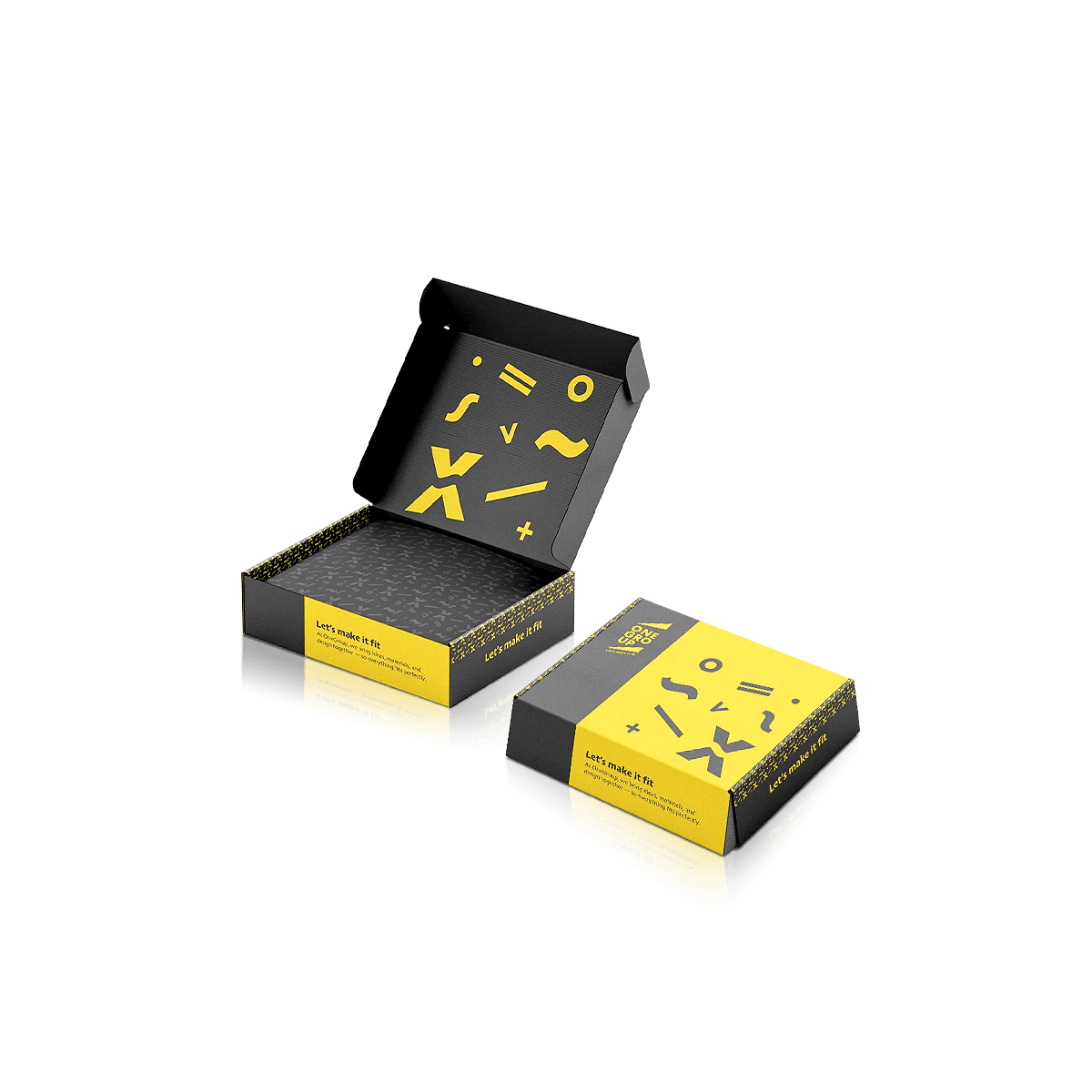
For direct shipping, corrugated shipping boxes can carry those external loads while the inner speaker pack keeps the product correctly supported.

The two layers still have to work together.

An oversized outer carton can let the retail box gain momentum inside the shipper. Too little space can transfer external deformation directly into the presentation pack.

The principles behind reducing shipping damage through structure and fit matter here because a heavy speaker can overload a weak insert even when the outside carton remains intact.

Test the Speaker at Full Packed Weight

A speaker packaging test should use every component that will ship.

Testing the empty outer box misses the way product mass loads the base, end caps and internal partitions. Testing the speaker without its power adapter or mounting hardware can also understate the load carried by the complete pack.

Pack the exact production configuration and inspect it in several orientations.

Look for:

  • compression around grille surfaces
  • speaker rotation
  • base movement
  • collapse around heavy accessories
  • cables entering the speaker cavity
  • pressure on controls or connectors
  • pair-to-pair movement in stereo packs
  • deformation around insert contact areas

Custom packaging testing becomes relevant when the pack has to be checked as a system rather than judged from outer-board strength alone.

Testing should answer a speaker-specific question: does the product remain supported through the intended bearing surfaces after the complete package starts moving?

Make Heavy Speakers Easy to Remove

Retention can become excessive when designers focus only on preventing movement.

A deep speaker cavity needs a deliberate removal method, particularly when the product is heavy enough that pinching it between two fingers is unrealistic.

Hand wells can expose strong enclosure surfaces without opening access around the grille. A removable tray can lift the product from a deeper presentation box. Split supports can release a heavy unit without requiring the customer to pull on a handle, control knob or cable.

This is worth testing with the actual product weight.

An insert that feels convenient when empty can behave very differently when a dense speaker is seated inside it.

The same applies on the production line. Packers need to place the product without flexing an insert beyond its intended shape or lowering the speaker onto accessories already inside the cavity.

Board, cushioning, fitments and physical sampling can be coordinated through packaging capabilities once the speaker's mass and safe contact zones are known.

Use the Box Faces for Product Identification

Speaker packaging often has a stronger retail graphics opportunity than compact electronics because the box can carry substantial front and side panels.

The artwork still needs to distinguish the product without hiding operational identifiers.

Model name, speaker size, color, connectivity version, bundle type, barcode and SKU may all need assigned locations. A paired-speaker carton should also make the pack quantity obvious so it is not mistaken for a single-unit box.

Premium offset printing can handle product imagery, large color fields, fine type and repeated brand elements across several models.

If color consistency matters across a speaker lineup, custom printed boxes can coordinate outside and inside artwork while the structural specification changes between different speaker sizes.

Avoid placing variable labels over deep embossing, seams or heavily textured areas. Operational identification should remain easy to apply and scan even when the main presentation uses foil, spot UV or another finish.

Set the Travel Position Before Scaling

A speaker specification becomes far easier to repeat once one decision is fixed: exactly how the product travels.

Record whether it sits upright, on its side or in a shaped cradle. Mark the surfaces intended to carry its mass. Record the clearance zones around grilles, acoustic elements, controls and ports. Define where every charger, cable and remote sits.

That travel position becomes the basis for the dieline, insert geometry, packing method and shipping configuration.

It also stops a later production run from accidentally turning a cosmetic surface into a load-bearing surface because the product was packed in a different orientation.

Warehousing and scheduled deliveries can support speaker programs that need staged stock rather than one large arrival. An MOQ starting from 100 boxes also makes separate packaging practical when compact and larger speaker models cannot share the same support geometry.

For speaker packaging, the defining specification is the load path: the box should carry the speaker through surfaces strong enough to take the weight while grilles, drivers, controls and acoustic features stay out of that job.

FAQs

Not usually. Portable speakers often work in folding carton or mailer formats, while larger units and paired sets usually need stronger corrugated walls, deeper cushioning and more controlled accessory placement.

A supportive insert that holds the unit by sturdier edges is usually best. Foam, paperboard or molded fitments can all work when the cavity avoids direct pressure on the grille or cosmetic surfaces.

Speaker Boxes are the broader packaging solution because they can combine structure, print and merchandising in one pack. Protective Foam Insert Boxes are the better choice when impact control is the main priority for heavier or more delicate speaker units.

They should sit in separate compartments beside or beneath the speaker rather than loose against the housing. That keeps the unboxing orderly and helps prevent rub marks during transit.

Yes. Compact rigid or presentation-focused cartons work well for branded giveaways, seasonal launches and conference distributions where first impression matters as much as protection.

Process

How it works

Your Packaging Journey, From Idea to Production and Delivery

01

Tell Us Your Specs

Custom packaging boxes

Tell Us Your Specs

Provide size, quantity, printing, and finishes.

02

Get a Fast Quote

Custom packaging boxes

Get a Fast Quote

Instant transparent pricing, no hidden fees.

03

Design and Approval

Custom packaging boxes

Design and Approval

Artwork checks, revisions, and final sign-off.

04

Produce

Custom packaging boxes

Produce

Expert manufacturing to meet deadlines.

05

Ship to Your Door

Custom packaging boxes

Ship to Your Door

Hassle-free, flexible delivery options.

Get Your Quote for Custom Speaker Boxes

Share your product details, size, quantity and artwork needs. We’ll help choose the right packaging style and send a clear quote.