Skip to content
Details

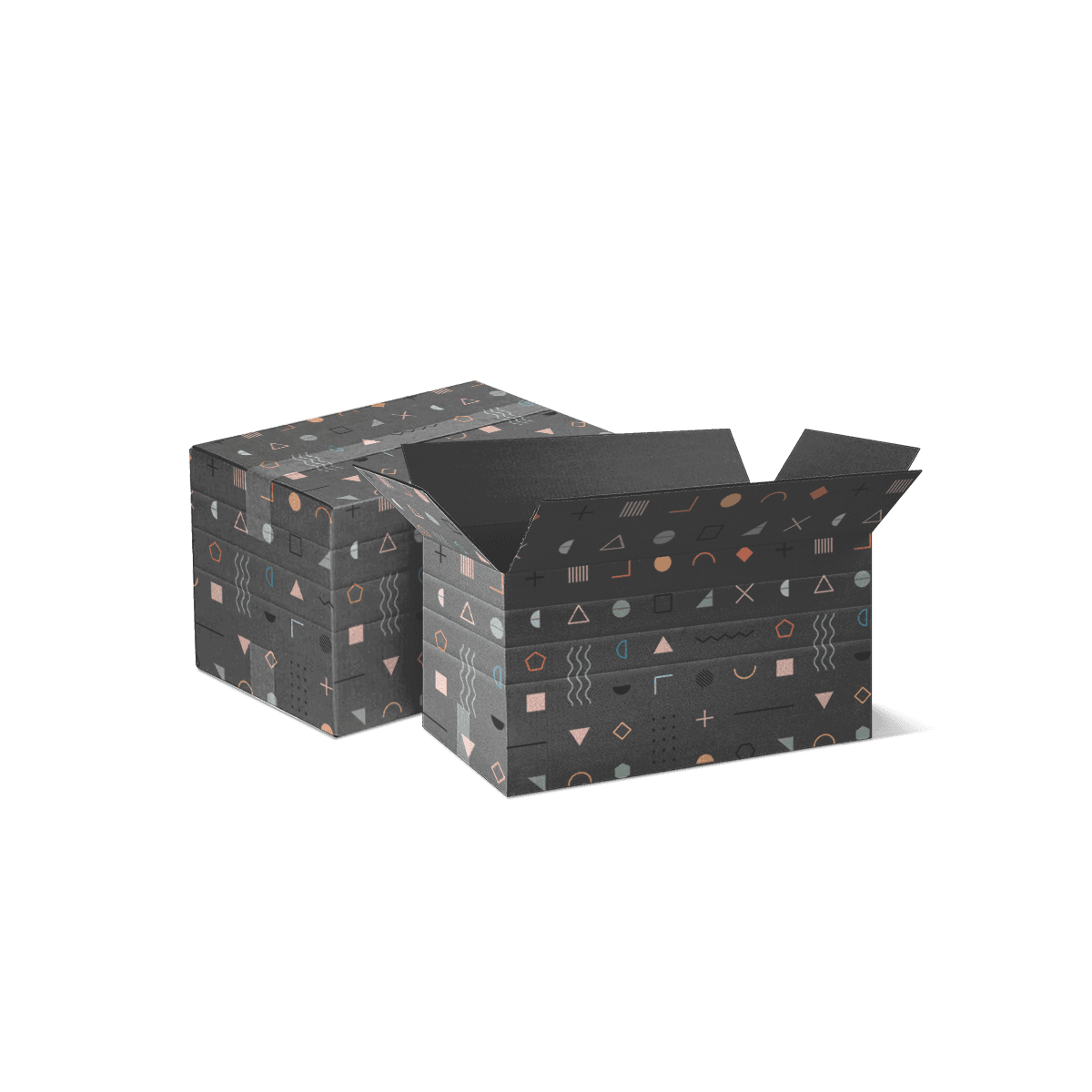
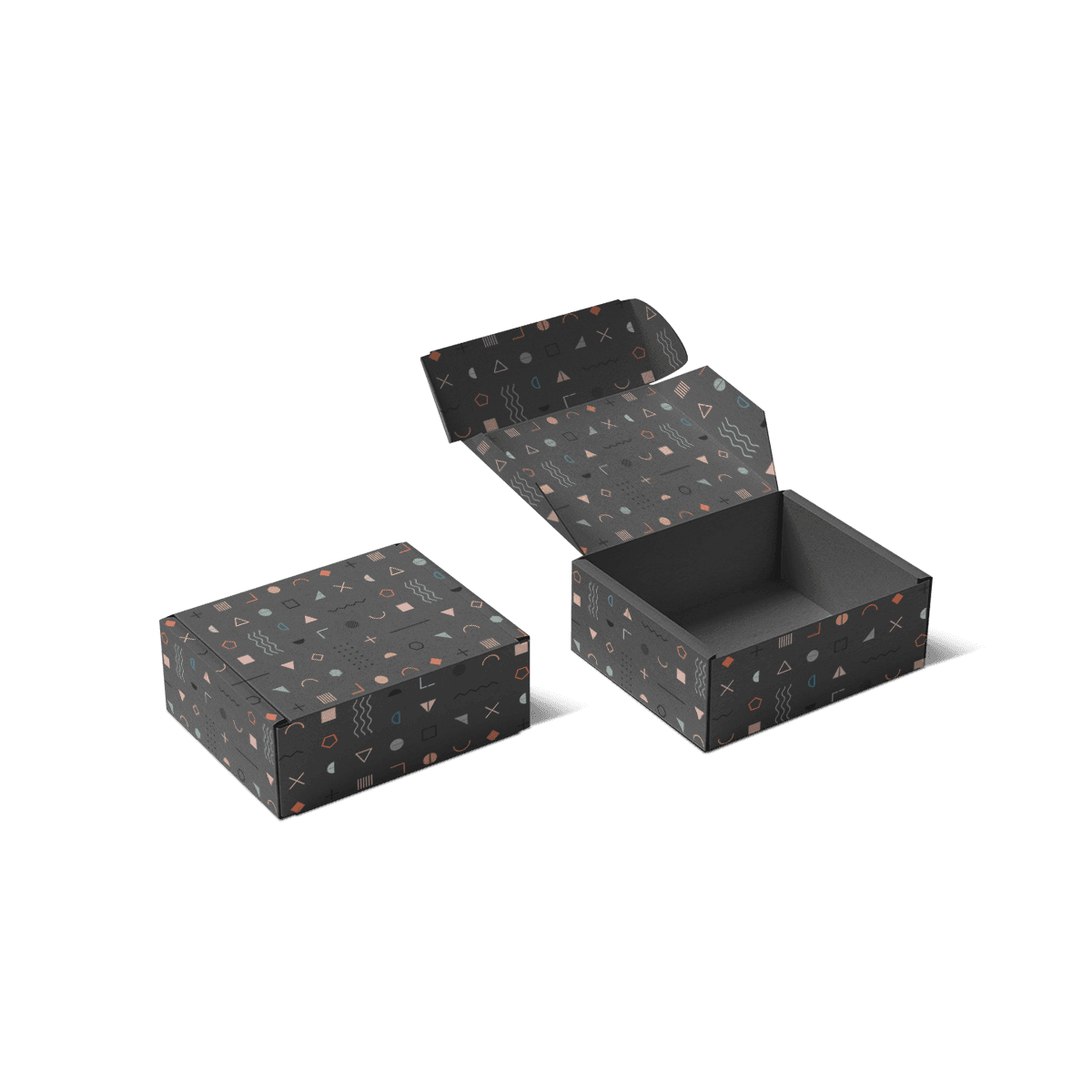
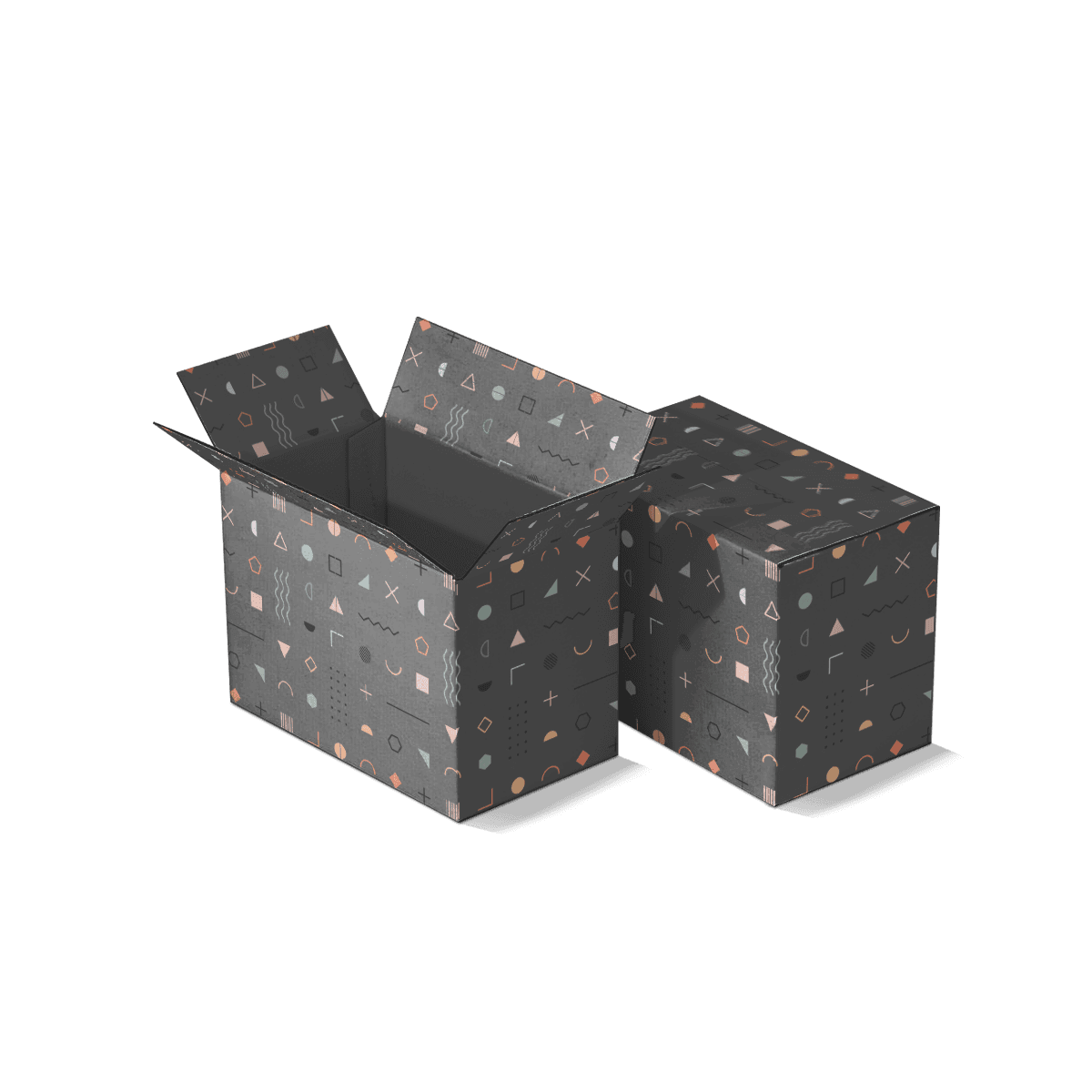
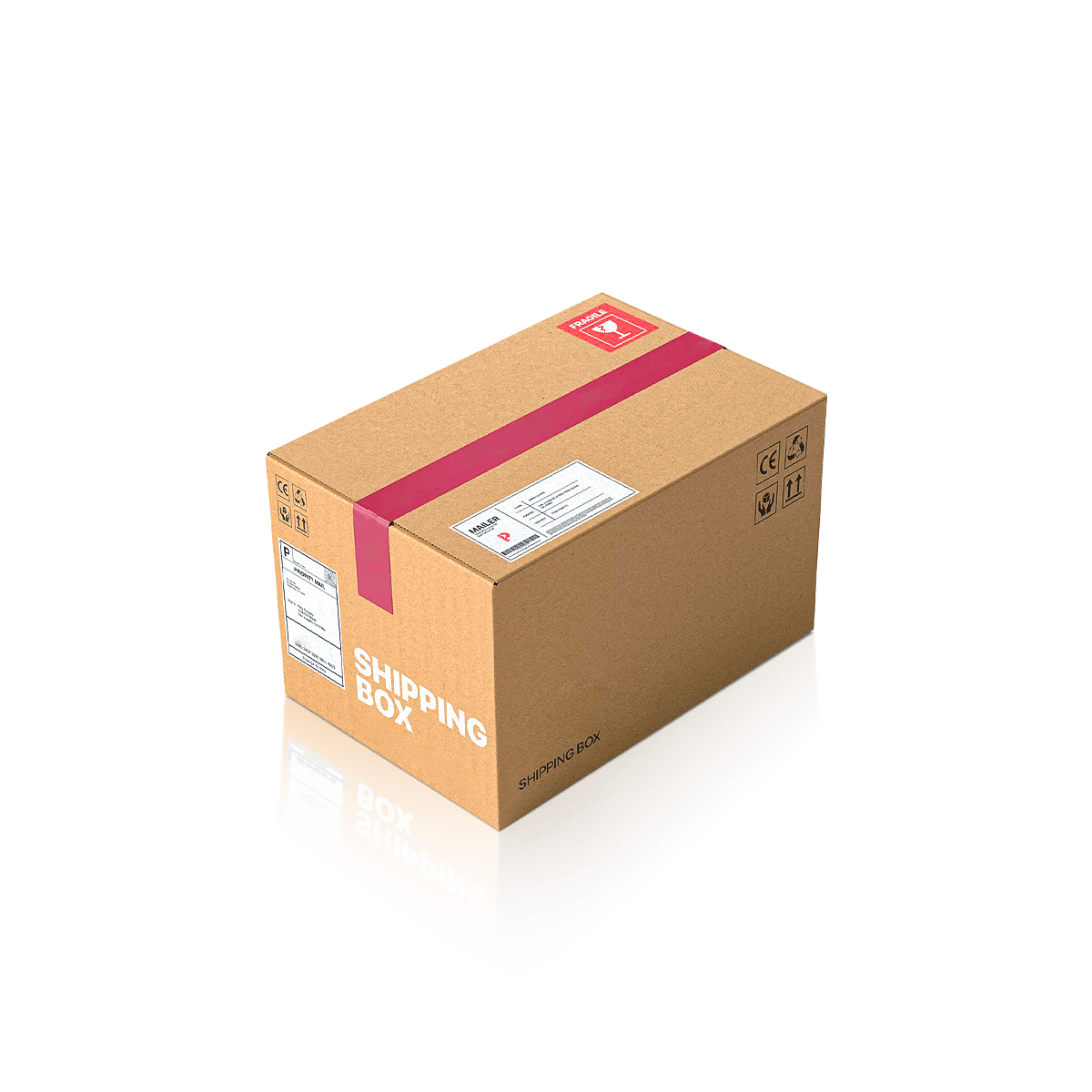
Custom Corrugated Shipping Boxes for Electronics & Gadgets

Transit-first corrugated packaging for boxed devices, components and multi-part electronics, with board strength, clearance, inserts and carton geometry set around the complete packed load.

Direct-Pack and Overpack Shipments Need Different Boxes

Some electronics ship directly inside a corrugated box with fitted cushioning or inserts.

Others already have a printed retail carton, rigid presentation box or device package. The corrugated carton then becomes an overpack around that finished unit.

Those systems need different internal dimensions.

Size From the Complete Packed Unit

A direct-packed device needs clearance for its protective fitment. An overpacked retail carton needs enough space to avoid edge crushing and abrasion while remaining restrained inside the shipper.

The outer box should be sized from the complete packed unit, not from the bare device dimensions.

A corrugated shipper should carry warehouse and transit loads around the electronics inside it, not transfer those loads directly into the product.

That sounds obvious, yet many electronics shipments are packed with a device, retail carton or foam tray sitting almost against one or more outer walls. The box closes, the dimensions appear efficient and there is little obvious empty space. What is missing is controlled clearance.

Custom Corrugated Shipping Boxes for Electronics & Gadgets need a deliberate path between external pressure and the protected item. Corners, screens, connectors, grilles and finished retail cartons should not become the points that stop the outer box from deforming.

Across electronics and gadget packaging, product presentation, component retention and transit protection do not have to sit in the same layer.
Corners Need Space to Do Their Job

Electronics often have vulnerable zones concentrated at the edges.

A laptop has corners and broad surfaces. A monitor adds a large display plane. A router or small appliance may have projecting ports, antennas or controls. A boxed consumer device can still suffer cosmetic damage if the retail carton repeatedly strikes the corrugated wall.

The interior should establish where the product can safely carry load and where it cannot.

Corrugated end pads, folded fitments, foam cushions or other supports can create a controlled standoff between the product and the outer panels.

That clearance is especially important at corners.

If an impact reaches the outer corner of the shipper and the device corner sits directly behind it, very little packaging is left to manage the event.

Screens Need Perimeter Support

A screen should not become a load-bearing face.

For display-based electronics, support is usually more useful around mechanically stronger perimeter areas than across the center of the viewing surface.

The same logic applies to finished retail packs containing screens. An outer corrugated box can protect the inner presentation packaging from distribution loads instead of asking the retail pack to absorb them.

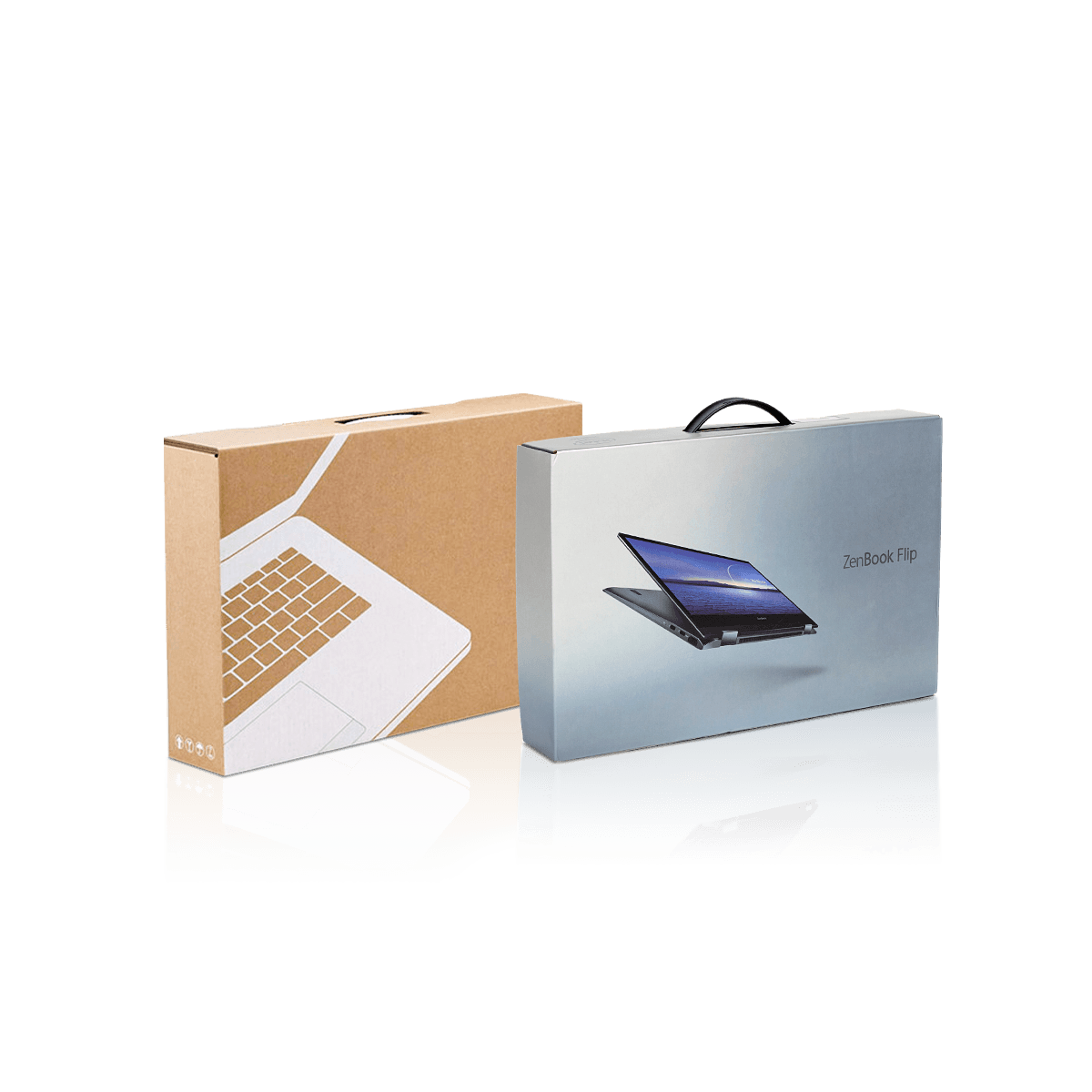
Products already using Laptop Boxes may still need a separate corrugated transit layer when shipping conditions exceed the duty expected from the primary package.

Corrugated Strength Starts With the Packed Load

“Corrugated” is not one strength level.

Board construction should respond to the filled weight, box dimensions, stacking conditions and distribution route.

A compact electronics accessory shipper and a large device carton can both be corrugated while demanding very different board performance.

A shipping box may use different corrugated structures depending on packed weight, stacking exposure and handling conditions.

The correct build should be chosen after the product, insert and final shipment weight are known.

Single Wall Can Suit Compact Loads

Many lighter electronics and boxed accessories do not need an unnecessarily heavy outer carton.

A right-sized single-wall corrugated shipper can be enough when the packed weight, stacking exposure and handling conditions support it.

The benefit comes from using the board efficiently, not simply using less board.

A small device that moves inside an oversized strong carton can still experience repeated impacts against the walls.

Higher Loads Can Need More Structure

Larger electronics, dense multi-item packs and heavier equipment can place more demand on the panels and edges.

Double-wall construction or a heavier corrugated specification may be appropriate when compression, stacking or total weight requires it.

Structure can change too.

Full Overlap Boxes add overlapping top and bottom flaps where those panels need more support under dense or stacked loads.

The strongest board on the specification sheet is not automatically the best choice. The goal is enough performance for the real shipping condition without adding unnecessary material and dimensional bulk.

Inserts Should Transfer Load Deliberately

An insert inside a corrugated shipper should do more than make the product look centered.

It controls movement and determines where forces reach the device.

Corrugated pads can support broad stable surfaces. Folded partitions can separate accessories. Foam can create cushioning around fragile equipment. Paperboard components can organize lighter parts inside an already protected primary pack.

Protective Foam Insert Boxes fit projects where precise cushioning and fixed cavities are central to protecting the device.

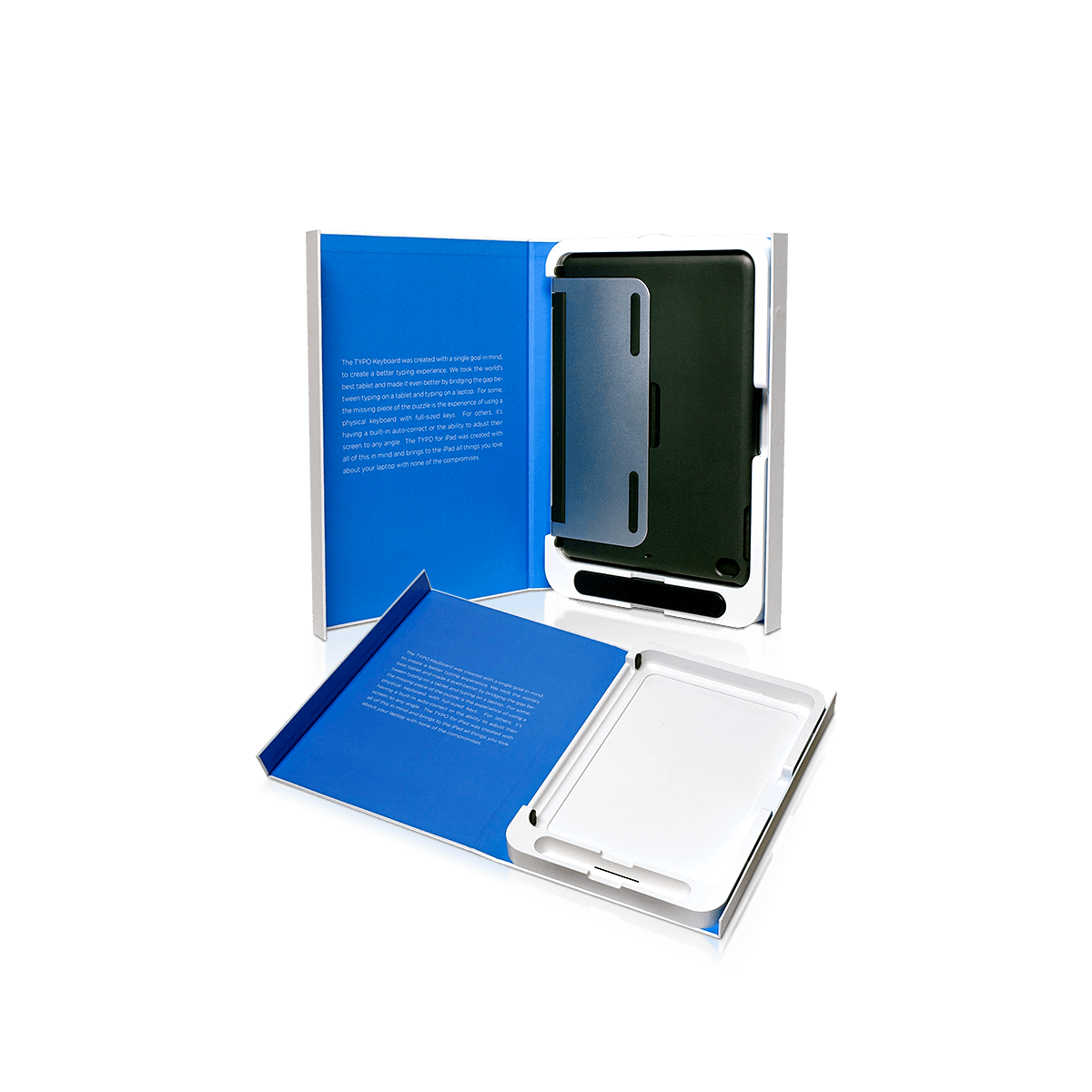
Custom Insert Boxes suit multi-component packs where devices, cords, adapters and literature need controlled positions.

The outer corrugated box should be developed with that interior system, not finalized first and filled later.

Accessories Should Not Become Cushioning

A charger, cable or controller should never be expected to fill the empty space around a device.

Hard accessories moving beside a finished product can create scuffs, point loads or repeated impact. Cable bundles can also change shape after packing and push into neighboring components.

Give accessories their own containment zone.

The exact construction can remain simple. A divider cell, accessory carton or recessed area may be enough.

What matters is preventing a secondary component from becoming an uncontrolled object inside the transit pack.

A Stronger Box Cannot Fix Free Movement

Consider a boxed electronic device placed inside a stock corrugated shipping carton.

There is enough room for void fill on every side, so the pack initially seems well cushioned. During handling, however, the fill settles and the retail carton gradually moves toward one outer wall. One corner ends up with almost no effective clearance.

Increasing the corrugated grade would strengthen the outer box but leave the internal movement unchanged.

A right-sized shipper with controlled corner pads changes the mechanism. The inner carton stays centered and the protective space remains where it was intended.

The mechanics behind shipping damage from poor structure and fit begin with movement, clearance and load transfer rather than board thickness alone.

That is why the finished electronics pack should be shaken, rotated and handled as a complete system before production quantity becomes the main concern.

The Box Style Should Follow the Packing Operation

Not every electronics shipment needs a specialized die-cut carton.

A Regular Slotted Container can work well when products or fitted inner packs load easily from the top and the operation values straightforward erection, taping and palletization.

A die-cut shipper becomes more attractive when tighter geometry, integrated retention or a specific opening sequence solves a real packing problem.

For custom device programs, Custom Corrugated Shipping Boxes can be developed around unusual footprints, fitments or shipping configurations that do not suit a standard slotted structure.

Packing speed matters here.

A highly engineered carton that takes several minutes to fold around a straightforward boxed device can create unnecessary labor. An RSC filled with excessive loose protection can create the opposite problem.

Structure and packout should be evaluated together.

Single-Device and Case-Pack Shipping Need Different Geometry

Shipping one electronic device to a customer is not the same as shipping twelve retail units to a distributor.

A single-unit shipper may prioritize precise cushioning around one inner pack.

A case pack needs to consider the relationship between several identical products, the total load and how units transfer pressure through the carton during stacking.

Retail cartons that are strong enough individually may still need partitions or orientation control when several units share one outer corrugated case.

A case pack should also avoid unnecessary internal height. If products can lift and settle repeatedly, the individual cartons can abrade or crush against one another.

For mixed electronics, the issue becomes more complex because weight and geometry vary inside the same shipper.

The pack plan should state the quantity, orientation and location of each product rather than relying on warehouse staff to arrange the order differently each time.

Right-Sizing Has Two Limits

A smaller corrugated shipper can reduce board usage, empty space and shipping volume.

But “smallest possible” is not the correct target.

The first limit is protective clearance. The second is packability.

A carton that technically fits a foam assembly but requires workers to compress the cushions during every load is too tight. A box that leaves several inches of uncontrolled air around the product is too loose.

Right-sizing sits between those failures.

This becomes financially relevant because parcel charges can be affected by package dimensions as well as actual weight. At the same time, cutting dimensions without protecting corners or cushioning zones can increase product risk.

The correct box size is therefore the smallest practical shipping volume that still preserves the required protection and packing clearance.

Packaging that scales becomes especially sensitive to excess shipping volume once daily order counts and repeated parcel charges increase.

Returns Deserve a Repacking Decision

Electronics have another shipping path that many box specifications ignore: the product may have to come back.

Returns, warranty service, refurbishment and IT deployments can all create a second packing cycle.

A one-way tear-open structure may be appropriate for some consumer shipments. A service program may benefit more from a carton that can be opened and reclosed without destroying the protective geometry.

The insert also matters.

If the original cushions only work when trained production staff place them in a precise orientation, a customer or service technician may struggle to repack the product correctly.

This does not mean every electronics shipping carton needs to be reusable.

It means the return path should be decided intentionally.

A direct-to-consumer accessory order, enterprise laptop deployment and repair-center component shipment have different expectations after the first opening.

Static Control Belongs Inside the Transit System When Required

Corrugated shipping strength does not create ESD protection.

A finished consumer device may only need physical transit protection. An exposed board or electrostatic-discharge-sensitive assembly can require a separate protective layer inside the corrugated shipper.

ESD Protection Boxes address the protective system for ESDS products when electrical performance has been defined.

The corrugated outer carton can then concentrate on compression, stacking and distribution.

This separation avoids vague specifications such as “ESD corrugated box” when the actual project uses a shielding bag, static-control insert and standard structural outer carton.

Each layer should have a defined job.

Print the Shipper for Logistics First

Corrugated electronics cartons can carry branding, but the shipping panels also have operational work to do.

Labels need clear application areas. Barcodes should remain scannable. Product or SKU identification may matter in a warehouse. Customer-specified handling marks may need consistent positions.

The design should reserve those areas before large graphics occupy the panels.

A D2C electronics brand may still use exterior or inside printing for a stronger arrival experience. A B2B equipment carton may need little more than identification and handling copy.

Premium print is not automatically the priority just because the product itself is premium.

The shipper should communicate correctly at every handoff.

Validate the Complete Shipping Unit

Corrugated board, insert material and product fit can each look correct separately and still perform poorly together.

Use the actual shipping weight.

Include the retail box if one is part of the system. Include the charger, cables, manuals and every accessory that ships in production. Seal the carton using the intended closure method.

Then evaluate movement, panel distortion, corners and internal contact.

Custom packaging testing makes sense when the complete packed unit needs fit, handling and structural validation before scale-up.

The specific test program should follow the product, distribution route and customer's own requirements rather than an invented universal electronics test.

A free 3D mockup can help review dimensions, structure and print placement before production. A fully custom pre-production sample can be arranged as a paid sample where exact physical construction needs to be checked.

Document the Complete Packed Load

Corrugated box dimensions alone are not enough for an accurate electronics shipping specification.

Record:

  • product or inner-pack dimensions
  • complete packed weight
  • quantity per shipping box
  • fragile or no-load areas
  • insert or cushioning direction
  • single-unit or case-pack use
  • expected storage and shipping route
  • printing or identification needs

These inputs affect box dimensions, board construction and internal protection.

Custom Packly starts US orders from 100 boxes and supports US production, custom inserts, premium offset printing, warehousing and scheduled deliveries. Standard turnaround is 4–6 days after final artwork and specifications are approved, with free shipping. Complex structures, specialty materials or advanced finishes may require additional time.

Once the load and protection requirements are settled, an instant custom packaging quote can be based on the complete shipper rather than an empty corrugated shell.

Build the Shipping Matrix by Handling Class

A growing electronics catalog should not automatically create one new corrugated box for every SKU.

Group products by how they travel.

One class may contain small boxed accessories that need a simple right-sized RSC. Another may contain fragile devices that share a cushioning concept. A third may include dense or larger electronics that need heavier corrugated construction or different panel reinforcement.

Then identify the exceptions.

A monitor with a broad vulnerable screen does not belong in the same packing logic as a dense router simply because their external box volumes are similar. An exposed electronic assembly may need an ESD layer that a finished device does not.

This shipping matrix gives procurement and fulfillment a practical carton system rather than a growing pile of unrelated box sizes.

The result should answer four questions for every electronics shipment: what carries the load, what stops movement, what must remain clear of pressure and what box carries the final unit through distribution.

When those answers are clear, corrugated packaging becomes more than a stronger outer shell. It becomes a controlled transit layer around the electronics inside it.

FAQs

Corrugated Shipping Boxes are the better choice when transit protection, warehouse efficiency and shipping cost control matter more than luxury presentation. Rigid Setup Boxes fit premium reveal-focused products, while corrugated shippers are built for movement through the supply chain.

Yes. A corrugated box protects the outer load, but inserts help prevent internal shifting when a shipment includes fragile devices, loose accessories or multi-piece kits.

Start with the product footprint, then allow only the space needed for cushioning, inserts and closure performance. Oversized cartons can increase movement, filler demand and freight cost.

They are widely used for direct-to-consumer orders, replacement-part dispatch, retail replenishment, service returns and wholesale shipments of boxed accessories or bundled equipment.

They can, especially when the goal is a clean utility look. For stronger brand recognition, many buyers add printed outer panels, interior messaging or personalized labels while keeping the structure shipping-focused.

Process

How it works

Your Packaging Journey, From Idea to Production and Delivery

01

Tell Us Your Specs

Custom packaging boxes

Tell Us Your Specs

Provide size, quantity, printing, and finishes.

02

Get a Fast Quote

Custom packaging boxes

Get a Fast Quote

Instant transparent pricing, no hidden fees.

03

Design and Approval

Custom packaging boxes

Design and Approval

Artwork checks, revisions, and final sign-off.

04

Produce

Custom packaging boxes

Produce

Expert manufacturing to meet deadlines.

05

Ship to Your Door

Custom packaging boxes

Ship to Your Door

Hassle-free, flexible delivery options.

Get Your Quote for Custom Corrugated Shipping Boxes for Electronics & Gadgets

Share your product details, size, quantity and artwork needs. We’ll help choose the right packaging style and send a clear quote.