Skip to content
Details

Custom ESD Protection Boxes

Protective packaging systems for electrostatic-discharge-sensitive boards, modules and components, combining the required electrical barrier with controlled fit and mechanical protection.

Protection Changes After the Controlled Handoff

An electronic assembly can be handled correctly at a workstation and still face a different risk once it leaves that controlled environment.

Storage bins change. People change. The product moves through warehouses, carriers and receiving areas. Packaging may be opened by someone who was not part of the original production process.

Custom ESD Protection Boxes should be planned around that complete handoff, not around the appearance of one carton.

For an ESDS board, module or component, the required package changes with the handling environment. ANSI/ESD S541-2026 requires low-charging packaging plus dissipative or conductive material for intimate contact inside an EPA; outside an EPA, the package must also provide discharge shielding.

A project whose defined requirement is only low-charging material behavior may fit Custom Anti-Static Boxes; once the item is ESDS, the complete package must meet the applicable ESD requirements rather than relying on the anti-static label.

The distinction should be made before box design starts.
The Box and the ESD Barrier May Be Different Layers

A corrugated or paperboard box can carry weight, resist compression and organize the product without automatically being the electrical protective barrier.

That separation is important.

For some products, the ESD requirement may be handled by a specified bag, liner, foam, tray or treated material inside a structural outer box. Other programs may call for the container material itself to meet a defined electrical property.

Do not assume one layer has to perform every job.

A structural box may handle stacking and shipping. A shielding or static-control layer may handle the electrostatic requirement. An insert may prevent the board from moving. Labels may identify the part and handling state.

The strongest design assigns each risk to the correct layer.

Do Not Infer Performance From Color

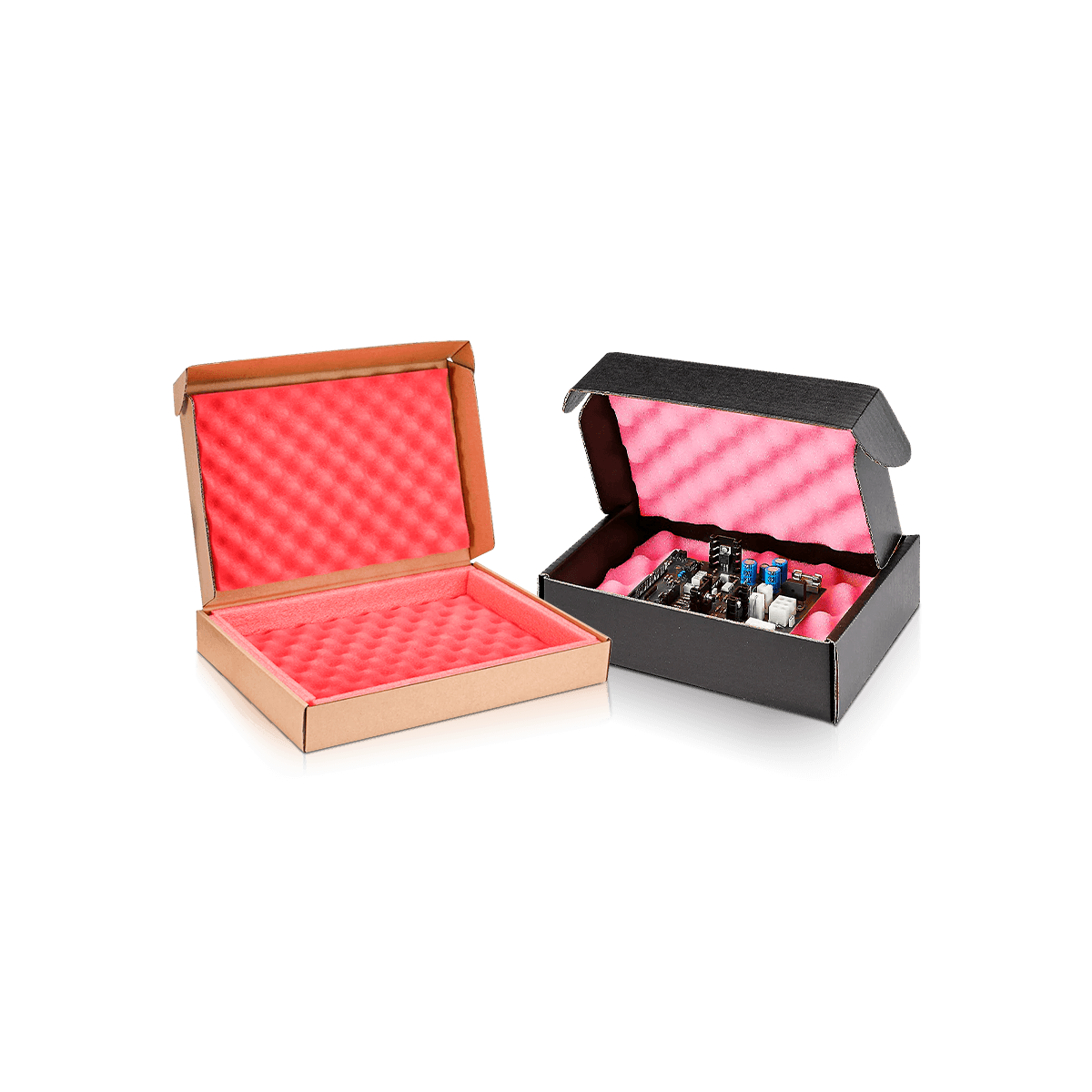
Black foam is not automatically conductive. Pink material is not automatically suitable for every static-sensitive component. A black corrugated plastic container does not prove a particular electrical property simply because of its appearance.

The required material behavior should be specified and supported by appropriate material documentation or testing.

A Barrier Still Needs Physical Protection

Even a correctly specified ESD barrier can fail physically.

A sharp connector, exposed pin or loose board edge can rub against a bag or liner during repeated handling. If the product is free to move, electrical protection and mechanical protection begin working against each other.

The fitment should control the component before movement damages the protective layer around it.

The Protective Envelope Needs a Clear Boundary

An ESD-sensitive product should have an understandable protected state.

The packing team should know which layer completes the ESD package, when that layer is closed and what can safely happen before it is opened again.

This becomes especially important when several materials are combined.

Imagine a PCB placed inside a specified shielding bag and then dropped loosely into an oversized corrugated carton. Two foam blocks are added at the ends, but the board can still move inside the bag.

One connector repeatedly reaches the bag wall during transit. The outer box remains intact and the foam blocks stay in place, yet the internal movement creates an avoidable risk to the barrier itself.

The correction starts inside the barrier.

A tray or appropriately specified fitment can hold the board by mechanically stable areas and create clearance around the projecting connector. The protected assembly can then sit inside the outer transport box without relying on the bag to control movement.

This is why ESD packaging cannot be reduced to “put it in an ESD bag and box it.”

Support the Board, Not the Components

Exposed boards and electronic assemblies often contain uneven surfaces.

Connectors, pin headers, capacitors, heat sinks and other components can project above the PCB. If the insert is shaped around the overall outline without considering those features, pressure can reach areas that were never intended to carry load.

The support geometry should reach stable parts of the assembly.

Edge support may work for one board. Another may need selected underside support points. Taller components may need relief cavities. Multiple boards may require cells that stop one assembly from touching another.

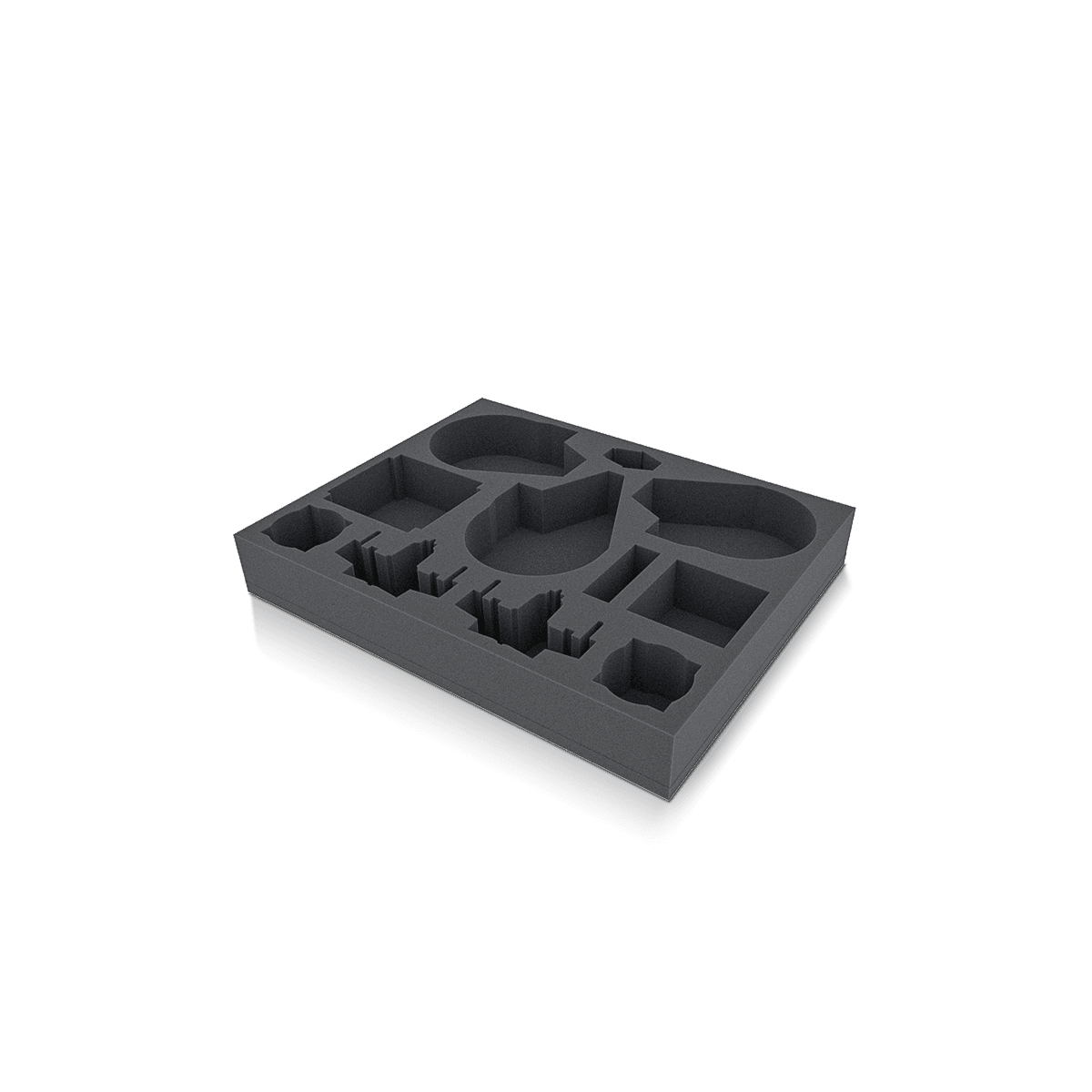
For exposed boards and modules, Custom Insert Boxes can hold components in repeatable positions while the specified ESD material handles the electrical requirement.

Removal Direction Matters

A component should not have to scrape across the insert to come out.

Finger clearance, lift points and cavity depth affect whether operators can remove the item without touching vulnerable parts or applying force near connectors.

Deep fitments can be particularly awkward when the product has no obvious gripping surface.

A removable tray can sometimes solve the issue more cleanly than cutting a deeper finger notch directly beside a sensitive board.

The packing and unpacking movement should be considered as part of the geometry, not after the cavity has already been approved.

Foam Must Solve Two Separate Questions

Foam can cushion an electronics assembly, but cushioning performance and ESD behavior are separate specifications.

A foam density that holds a component securely says nothing by itself about how that foam should behave electrically.

If the product needs both impact cushioning and ESD control, the foam should be selected against both requirements.

Protective Foam Insert Boxes make sense when shock, surface protection and cavity retention are major concerns.

For an ESD-sensitive component, the electrical property of that fitment then becomes an additional requirement rather than an assumption.

Cut depth also matters.

A cavity that is too shallow may let the board leave its position. One that is unnecessarily deep can make extraction difficult and put pressure on tall components.

The cavity should restrain the product without turning the foam into a clamp.

Multiple ESDS Items Need Their Own Cells

Bulk electronics packaging introduces another failure mechanism: product-to-product contact.

Ten boards inside one large static-control container are not necessarily well protected just because the container material has the correct electrical property.

The boards can still collide, overlap or place connectors against neighboring components.

Dividers, trays or individual cavities can separate units and keep orientation consistent.

The number of products per box should be established before the divider system is developed. Changing the count can alter spacing, access for removal, stacking load, clearance, outer dimensions and total packed weight.

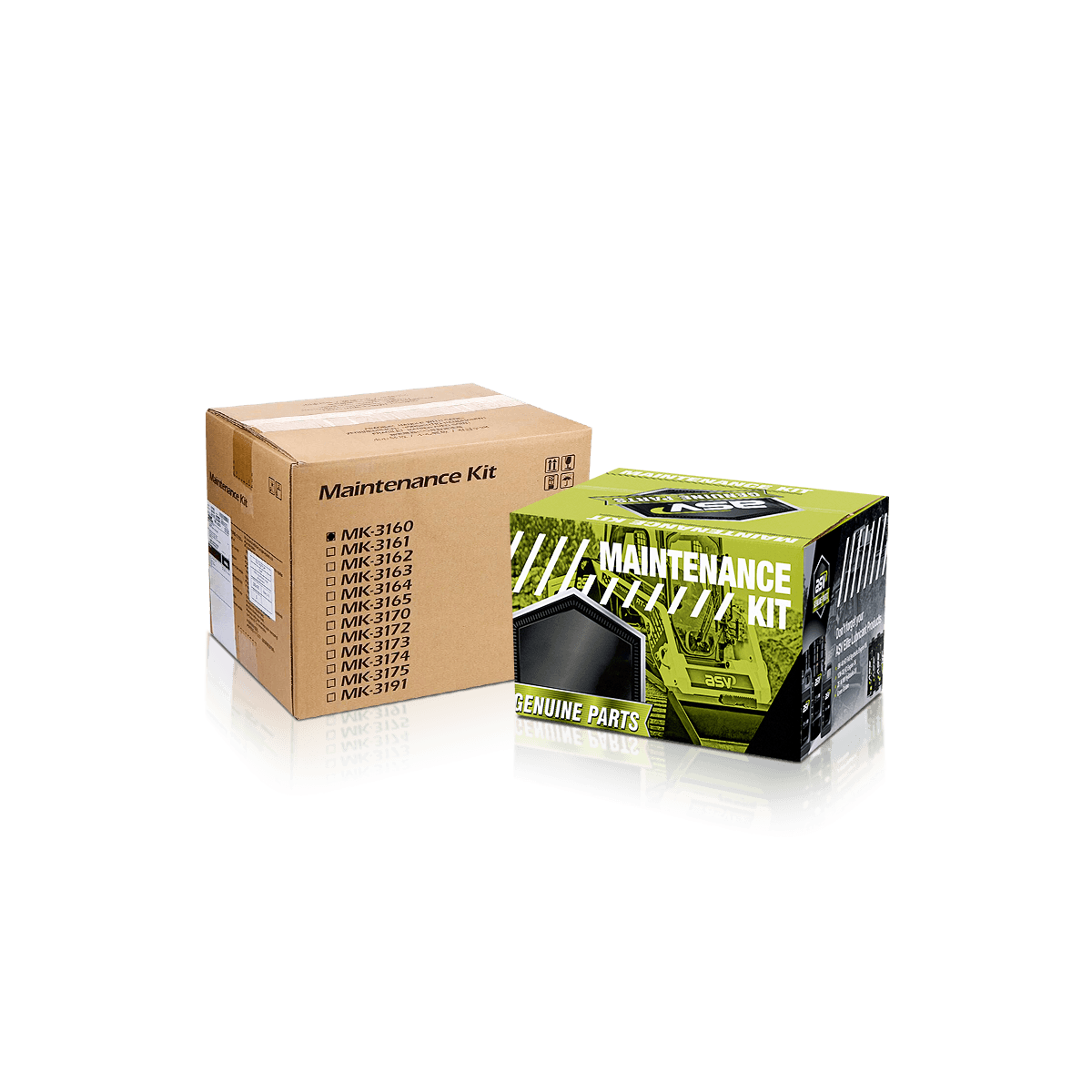
For industrial electronics or repair programs, MRO packaging can connect component protection with parts storage, maintenance and service workflows.

If several parts share one outer footprint but differ at connector height or component layout, the outer box may stay common while the protected interior changes. Standardize only where the geometry and ESD requirement genuinely allow it.

Controlled Areas and Shipping Areas Need Different Thinking

A reusable container moving between protected workstations may not face the same conditions as a package leaving the facility.

Internal handling can prioritize repeated opening, component access and durable organization.

Outbound shipping adds stacking, impact, abrasion and uncontrolled handoffs.

A reusable handling tray might sit inside a stronger outer transport carton for distribution. A component may remain sealed in its specified protective layer while the external box changes according to the shipping route.

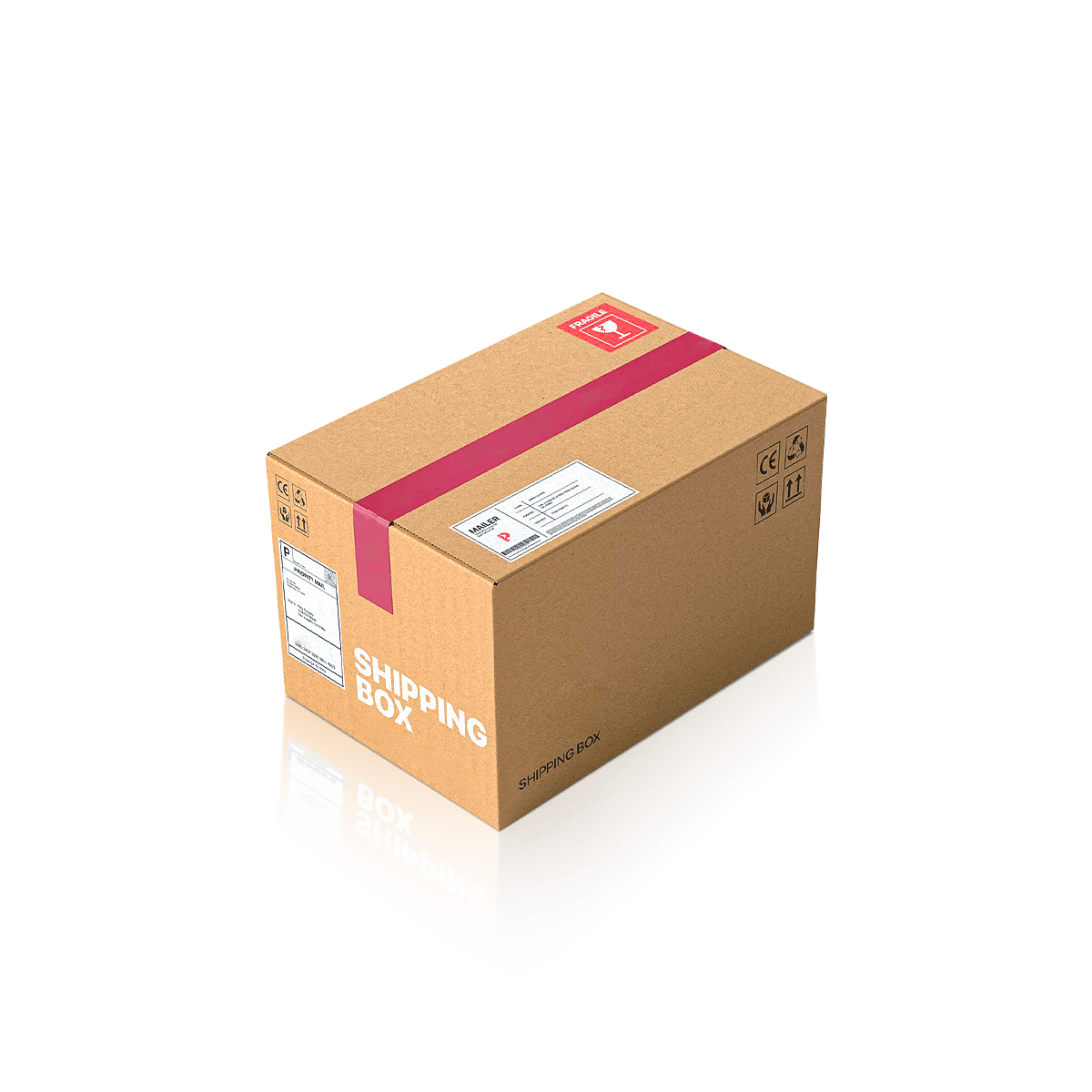
For parcel or freight duty, shipping boxes can take the compression and handling load while the inner ESD system stays focused on the sensitive item.

An ESD pack can still crush, be oversized or lose insert alignment. Electrical protection does not remove those physical risks.

Humidity, Wear and Reuse Can Change the Packaging Question

Some ESD packaging is opened once. Other containers circulate repeatedly through production, repair or service operations.

Those uses should not be specified identically.

A reusable container needs to retain its physical shape after repeated opening, loading and stacking. Dividers should remain seated. Closures should still align. Labels should remain readable.

If the required electrical performance of a reusable material can change with wear, contamination, environmental exposure or age, the control program should define how that packaging is qualified and when it is replaced.

The box manufacturer should not invent those limits.

They should come from the customer's technical requirement and material data.

For one-way shipping, a simpler protective assembly may make more sense. The package only needs to perform correctly through the defined storage and distribution cycle.

Identification Should Reduce Handling Mistakes

ESD-sensitive packaging often carries operational identification rather than retail-style promotional messaging.

Part number, quantity, lot or batch data, handling identification, orientation and customer-specified ESD markings may matter more than decorative graphics.

The artwork should leave those items easy to find.

Do not add an ESD symbol or technical claim simply because the contents are electronic. Use the markings required by the customer's ESD control procedure and documentation.

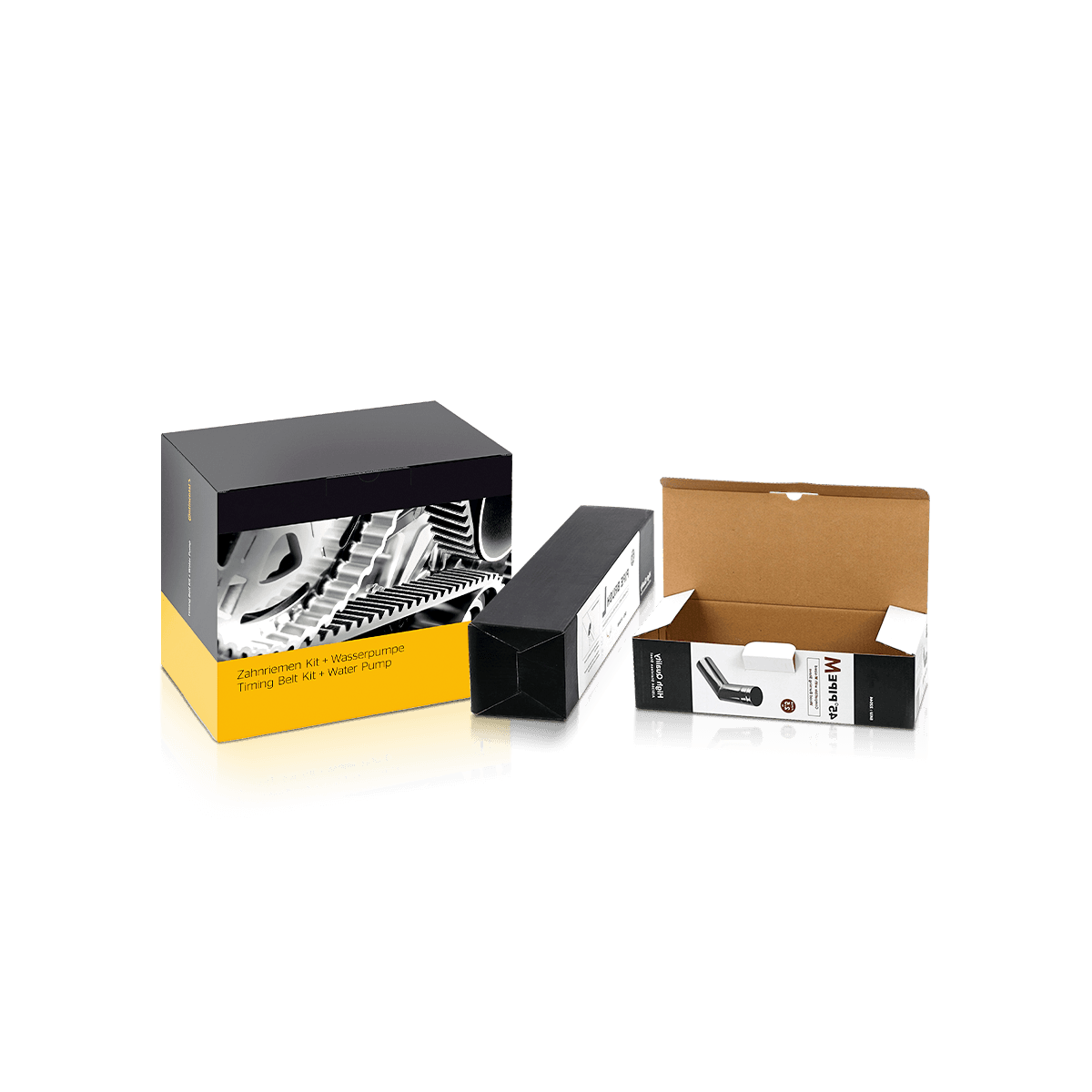
Custom printed boxes can keep recurring identification zones consistent across different component sizes and insert layouts.

Premium offset printing is still relevant when branding, technical diagrams or fine identification are required. For an industrial component box, clarity should normally take priority over specialty finishes.

Test the Electrical Requirement and the Physical Pack Separately

A successful sample needs two different kinds of confidence.

First, the specified ESD materials must meet the electrical requirements established for the product.

Second, the assembled package has to hold, separate and protect the real component physically.

One test does not prove the other.

Material documentation or appropriate electrical testing can address the required ESD property. Physical samples can then expose issues such as loose movement, crushed fitments, connector contact, difficult removal or weak outer packaging.

Custom packaging testing belongs in this process when product fit, board strength, inserts and production behavior need physical validation.

Load the real component. Close every protective layer in the intended order. Turn the package through its handling orientations. Open it using the intended receiving procedure.

A free 3D mockup can help review the structural concept, print layout and component arrangement. A fully custom pre-production sample can be arranged as a paid sample where exact physical construction needs approval.

The sample should not be used to claim an electrical performance level that has not been specified and verified separately.

Define the Protective System Before Ordering

Calling something an “ESD box” is not enough to specify it accurately.

The packaging specification should identify:

  • the product or assembly
  • packed dimensions and weight
  • vulnerable connectors or components
  • quantity per box
  • required ESD protective function
  • approved material direction
  • insert or divider need
  • reusable or one-way use
  • storage and shipping route
  • printing or identification requirements

Those inputs determine whether the project is a treated carton, a structural box around a separate protective barrier, an insert-led pack or a more complex multi-layer system.

Custom Packly starts US orders from 100 boxes and supports custom sizing, insert development, dieline and artwork help, premium offset printing and US production. Standard turnaround is 4–6 days after final artwork and specifications are approved, with free shipping. Complex structures, specialty materials or advanced finishes may require additional time.

Write the Packing State Into the Specification

The finished ESD packaging specification should make the protected state obvious enough that another team can reproduce it without guessing.

Record which protective layer touches the product. Record how the component enters the tray. State the packed orientation. Identify which barrier is closed before the unit leaves controlled handling. Define how many parts belong in each cell or box.

If an outer shipper is added later, that should not silently change the inner protection.

This matters when packaging moves between production, warehousing, contract assembly, repair and distribution teams. The physical box can look identical while a different packing sequence changes how the component is handled.

Custom ESD Protection Boxes work best when the system is explicit: the required electrical protection is defined, the product cannot move into vulnerable contact and every packaging layer has one clear job.

That is stronger than relying on box color, a warning mark or the word “ESD” printed on the outside.

FAQs

They are most useful for printed circuit boards, semiconductors, test assemblies, sensors, drives and other parts that can be affected by electrostatic discharge during handling or transit.

Use ESD Protection Boxes when static control is part of the requirement, not just physical protection. Standard corrugated shippers handle transport well, but ESD formats add material and design choices aimed at charge-sensitive electronics.

Yes. ESD-safe material helps control charge, while inserts control movement, spacing and part orientation. Many electronics packs need both functions to perform well.

Clear handling marks reduce mix-ups. ESD warnings, part numbers and scan-ready IDs help teams move sensitive items through receiving, storage and dispatch with fewer errors.

No. Many buyers use it for in-plant transfers, repair inventory, field-service kits and return flows because the same pack can support safer handling before and after shipment.

Process

How it works

Your Packaging Journey, From Idea to Production and Delivery

01

Tell Us Your Specs

Custom packaging boxes

Tell Us Your Specs

Provide size, quantity, printing, and finishes.

02

Get a Fast Quote

Custom packaging boxes

Get a Fast Quote

Instant transparent pricing, no hidden fees.

03

Design and Approval

Custom packaging boxes

Design and Approval

Artwork checks, revisions, and final sign-off.

04

Produce

Custom packaging boxes

Produce

Expert manufacturing to meet deadlines.

05

Ship to Your Door

Custom packaging boxes

Ship to Your Door

Hassle-free, flexible delivery options.

Get Your Quote for Custom ESD Protection Boxes

Share your product details, size, quantity and artwork needs. We’ll help choose the right packaging style and send a clear quote.