Skip to content
Details

Custom Anti-Static Boxes

Packaging for static-sensitive electronic parts and assemblies, with material choices, inserts and handling geometry developed to limit charge buildup without treating every electronics box as full ESD shielding.

The Packaging Can Be Part of the Static Risk

Sensitive electronics do not only face impact, vibration and crushing. Contact and separation between materials can also generate electrostatic charge.

That makes Custom Anti-Static Boxes fundamentally different from ordinary electronics cartons with an added caution symbol.

The first decision is whether the product actually needs static-control packaging and what role the box must play. An exposed circuit board, electronic module or sensitive component creates a different requirement from a finished consumer device enclosed in its normal housing.

The packaging should then be specified around that requirement rather than assuming every electronic product needs the same treatment.

Some products inside packaging for electronics and gadgets mainly need physical restraint. Others require materials selected specifically for electrostatic behavior.

Anti-Static Is a Material Function

The words “anti-static” should describe what the packaging material is expected to do, not how the box looks.

Color alone does not establish electrostatic performance. Neither does a printed ESD symbol.

The outer board, coatings, liners, foam, trays or other surfaces that contact the product need to be selected according to the actual static-control requirement.

Finished Devices Need a Different Assessment

A packaged consumer product such as a completed speaker or charger may need ordinary physical protection without requiring the same static-control system as a bare PCB or electronic assembly.

Adding anti-static materials where there is no defined need can complicate the pack and increase cost without solving the main risk.

Start with the sensitivity and handling state of the item.
Anti-Static and ESD Shielding Are Not the Same Decision

“Anti-static” and “ESD packaging” should not be treated as interchangeable specifications.

Anti-static or low-charging material reduces the tendency of packaging to generate charge, but low charging alone is not a complete ESD specification for an ESDS item.

Under ANSI/ESD S541-2026, packaging used inside an electrostatic protected area (EPA) for ESDS items must be low charging and use dissipative or conductive material for intimate contact. Outside an EPA, the packaging also needs a structure that provides electrostatic discharge shielding.

ESD Protection Boxes are the better fit when the item needs conductive or dissipative contact control or discharge shielding beyond a low-charging material choice.

Custom Anti-Static Boxes should stay limited to projects where the defined requirement is low-charging or anti-static material behavior. If the product is ESDS, the complete package still has to meet the applicable ESD requirements for its handling environment.

Do Not Upgrade the Claim Without the Material

If a project only specifies an anti-static insert, the entire package should not automatically be described as a shielding system.

Likewise, a corrugated box containing one static-control component does not inherit every electrical property of that component.

Each layer should be described according to what has actually been specified.

Contact Surfaces Deserve the Most Attention

The surfaces touching the product can matter more than decorative exterior materials.

A circuit assembly may sit in a tray, foam cavity or divider system for hours or days before the outer box is opened again. If those internal components are poorly chosen, changing the exterior carton alone does not resolve the static-control concern.

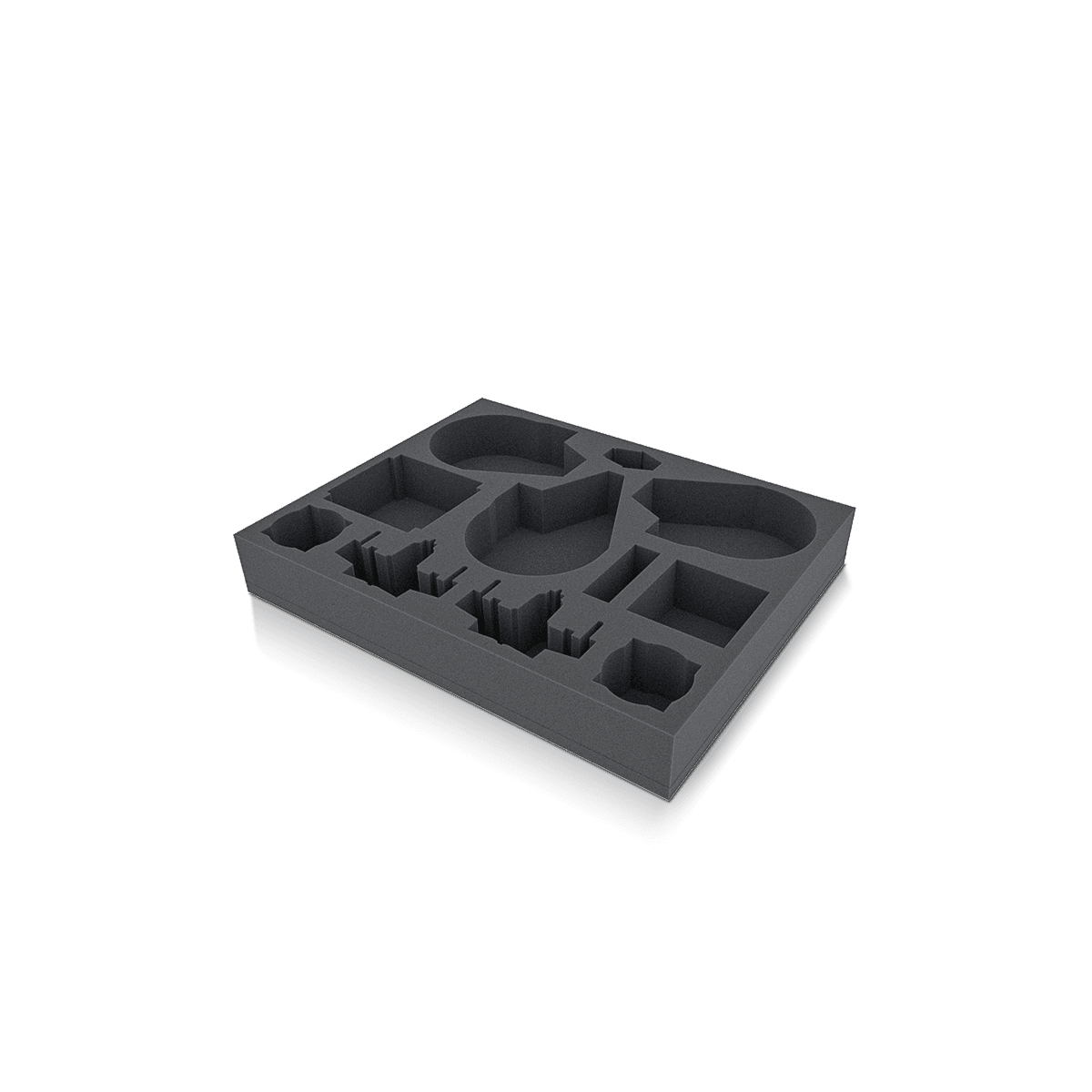
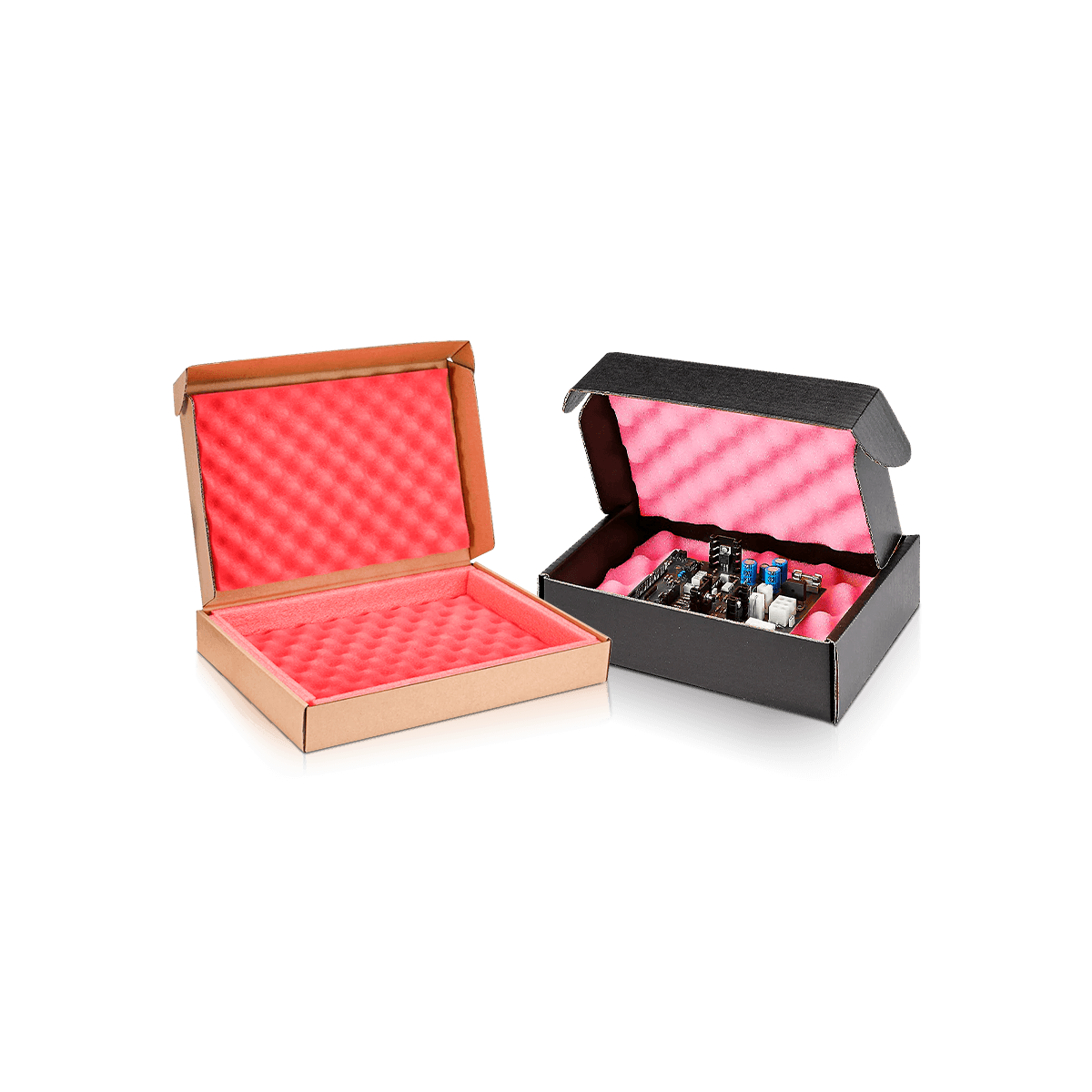
Anti-static foam can combine physical retention with a specified lower-charge-generating role where appropriate. Other projects may use treated corrugated materials, suitable liners, trays or other fitments depending on the part and handling process.

The exact material should come from the required performance rather than a generic assumption that all foam or all corrugated board behaves the same way.

Protective foam insert boxes are better suited when movement and impact are the main problem. Anti-static foam can be incorporated when static control is also required, but cushioning and electrostatic behavior remain separate specifications.

A Tight Fit Can Still Be the Wrong Fit

Physical precision does not make an insert electrostatically suitable.

A precisely cut cavity can hold a board securely while using the wrong contact material for the handling requirement.

The reverse is also true. A suitable anti-static material cannot compensate for a cavity that lets the component slide or places pressure on delicate connectors.

The material and contact geometry have to be assessed together.

Handling Should Reduce Unnecessary Contact

Anti-static packaging should reduce avoidable friction and handling as well as use the correct contact materials.

Support should reach mechanically stable areas of the product while leaving vulnerable connectors, pins or projecting components clear. The component should enter and leave the fitment without being dragged across a surface unnecessarily.

A board tray may support selected edges. A foam fitment may use relief areas around taller components. Dividers can stop multiple units from rubbing against one another.

When several components need fixed positions, custom insert boxes can organize them while the static-control material is specified independently.

Consider a small electronic module sitting in an anti-static foam cavity that is too deep to reach comfortably. Workers repeatedly lift the module itself simply to remove the fitment from the carton.

A removable tray or accessible finger area lets the complete fitment lift out while the component stays seated. The improvement reduces handling rather than adding more static-control material.

Storage and Repeated Handling Change the Box

Anti-static boxes are often more operational than promotional.

Some move between assembly stations. Others hold spare components or repair parts. Some sit in warehouse locations where products are repeatedly picked and returned.

That use pattern shifts the priorities toward readable identification, quick opening, repeatable placement and durable alignment.

A box intended to be opened dozens of times needs its closure and fitment to survive that routine without gradually losing shape.

MRO packaging becomes relevant when electronic parts move into maintenance, repair, service or industrial inventory workflows rather than consumer retail.

For one-way product packaging, a lighter construction may be sufficient. For repeated internal handling, durability becomes a larger part of the physical specification.

Physical Protection Remains a Separate Requirement

Static control does not replace ordinary packaging engineering.

A component can be packed in an appropriate anti-static material and still be damaged because the box crushes, the product moves or a connector strikes the outer wall.

Corrugated board can add stacking and transit strength where the item has to move through distribution. Paperboard may suit lighter internal packs. Fitments can control movement and keep hard features away from the walls.

The packaging materials decision should therefore consider weight and mechanical duty separately from the static-control specification.

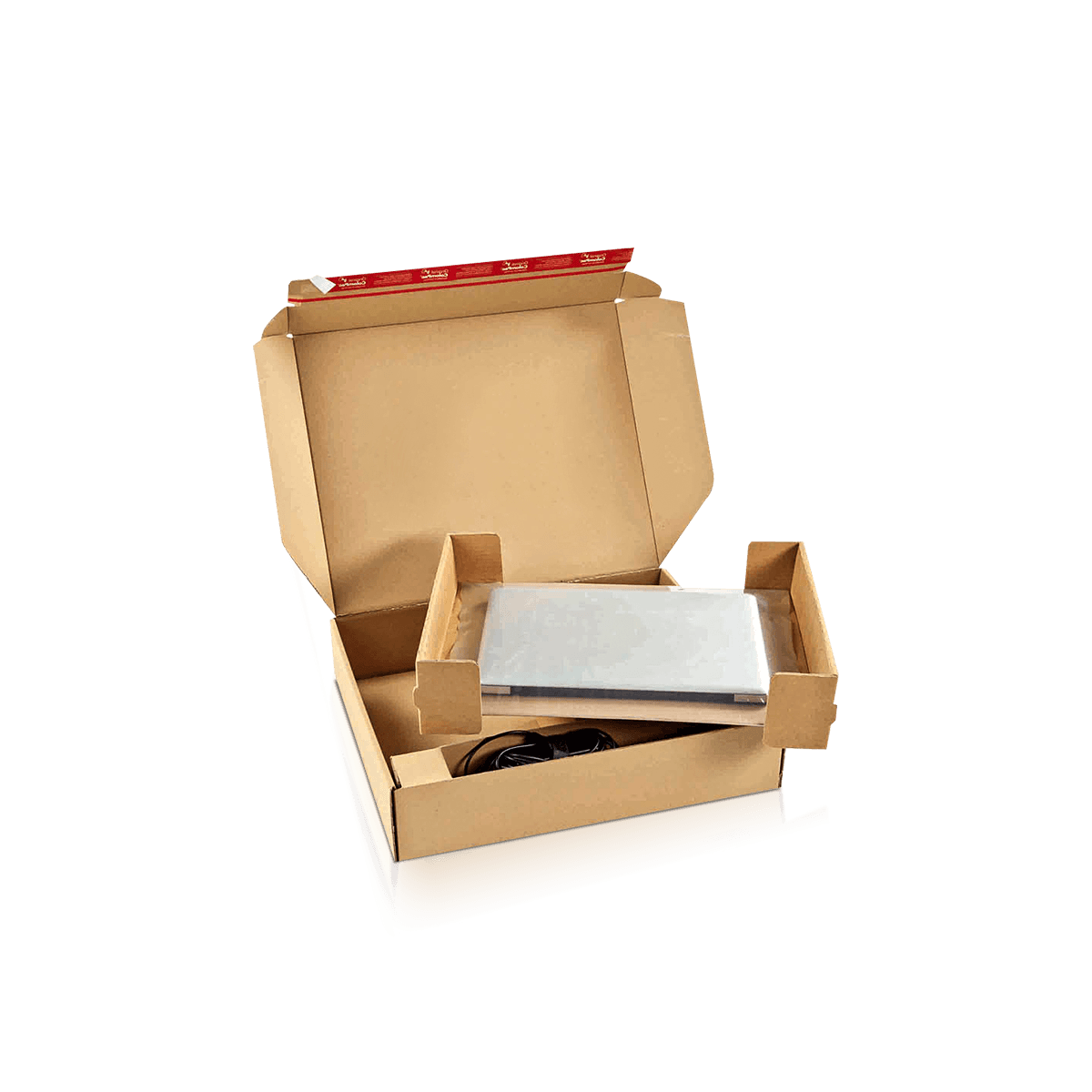
If a sensitive part needs parcel distribution, an outer shipping box can handle compression and courier duty while the inner static-control pack remains focused on the component.

Print Should Identify the Handling Requirement Clearly

Anti-static packaging usually needs a different print hierarchy from consumer gadget packaging.

Part number, SKU, quantity, orientation and handling identification may matter more than decorative graphics.

The box may also need space for customer-supplied warning marks, traceability labels or other operational text required by the specific program.

Do not invent handling or compliance symbols during artwork design. Use only the markings and statements required by the product specification or supplied documentation.

Custom printed boxes can keep identification zones consistent across different part sizes and insert layouts.

Premium offset printing remains an option where branding or technical graphics are needed, but operational clarity should normally outrank decorative finishing for this type of pack.

Verify the Material Claim, Not the Color

Static-control materials should be ordered against a defined requirement.

That means specifying the material property that matters and obtaining the appropriate supplier or test documentation where the application requires it.

ANSI/ESD S541-2026 references test methods and limits for evaluating ESD protective packaging materials. A visual inspection cannot establish electrical performance.

Custom Packly should not invent a certification, resistance value or protection level for a box that has not been specified and verified for that exact requirement.

The physical side still needs checking. Put the real component into the finished fitment, turn the box through normal handling orientations and confirm that the part stays seated without forcing removal.

Custom packaging testing can support physical fit and structural validation, while the electrical property should be verified against the customer's defined requirement.

A free 3D mockup can confirm structure and layout visually. A fully custom pre-production sample can be arranged as a paid sample where exact physical fit needs approval.

Specify the Handling Environment Before Ordering

An accurate Anti-Static Box request needs more than length, width and height.

The packaging team needs to know what the electronic item is, whether it is exposed or enclosed, which surfaces can carry load and what static-control requirement has been established for the product.

The handling route matters too.

A box used between controlled production stations has a different job from one leaving that environment for distribution. A reusable parts container has different closure demands from one-way shipping packaging.

Those facts determine whether the project needs anti-static materials alone or should move into a more comprehensive ESD protective packaging specification.

USA MOQ starts from 100 boxes. Custom sizing, inserts, dieline and artwork help, premium offset printing and US production can be coordinated once the material and handling requirements are defined.

Standard turnaround is 4–6 days after final artwork and specifications are approved, with free shipping once the static-control material direction and handling environment are defined. Complex structures, specialty materials or advanced finishes may require additional time.

For anti-static packaging, the most important input comes before the quote: define what the package must do electrically and physically.

FAQs

Circuit boards, drives, sensors, test modules and control assemblies may call for anti-static or low-charging materials when that behavior is part of the packaging specification. ESDS items can require additional ESD properties.

Protective Foam Insert Boxes focus on shock control and part retention. Anti-Static Boxes address a defined low-charging or static-control requirement. ESDS items may require a more complete ESD protective system.

No. For ESDS items, an anti-static outer box alone can be insufficient. ANSI/ESD S541 requires low-charging plus conductive or dissipative intimate-contact properties inside an EPA, and discharge shielding is also required outside the EPA.

Use only the handling marks required by the product specification or customer procedure. Part numbers, revision codes and scan-ready barcodes can then support day-to-day identification.

Yes for storage or in-house handling when the specified material properties match the ESD control program. For outbound movement outside an EPA, ESDS items also need discharge shielding as part of the protective packaging system.

Process

How it works

Your Packaging Journey, From Idea to Production and Delivery

01

Tell Us Your Specs

Custom packaging boxes

Tell Us Your Specs

Provide size, quantity, printing, and finishes.

02

Get a Fast Quote

Custom packaging boxes

Get a Fast Quote

Instant transparent pricing, no hidden fees.

03

Design and Approval

Custom packaging boxes

Design and Approval

Artwork checks, revisions, and final sign-off.

04

Produce

Custom packaging boxes

Produce

Expert manufacturing to meet deadlines.

05

Ship to Your Door

Custom packaging boxes

Ship to Your Door

Hassle-free, flexible delivery options.

Get Your Quote for Custom Anti-Static Boxes

Share your product details, size, quantity and artwork needs. We’ll help choose the right packaging style and send a clear quote.