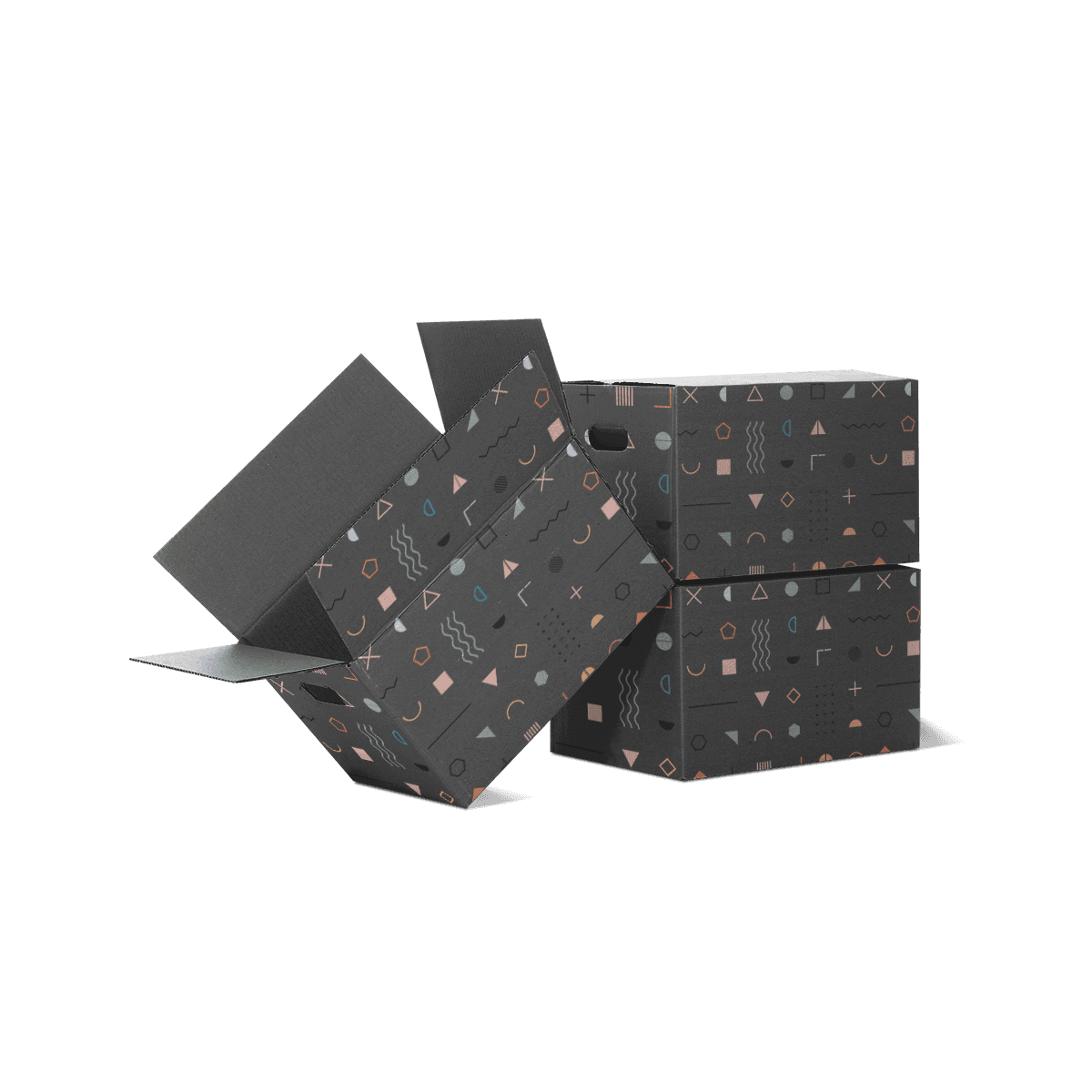
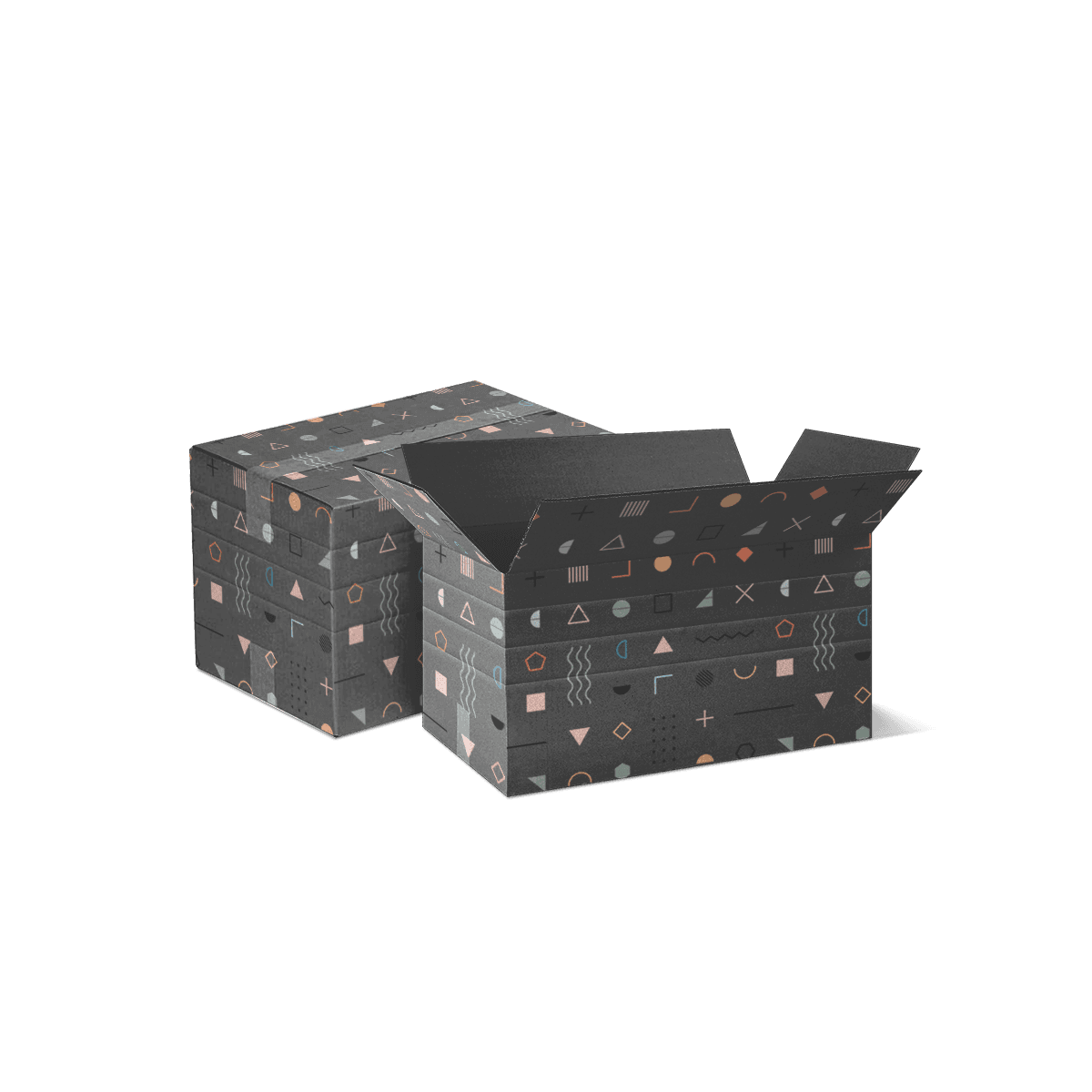
Double and Triple Wall Builds
Choose stronger corrugated construction for higher weight, compression and impact demands.
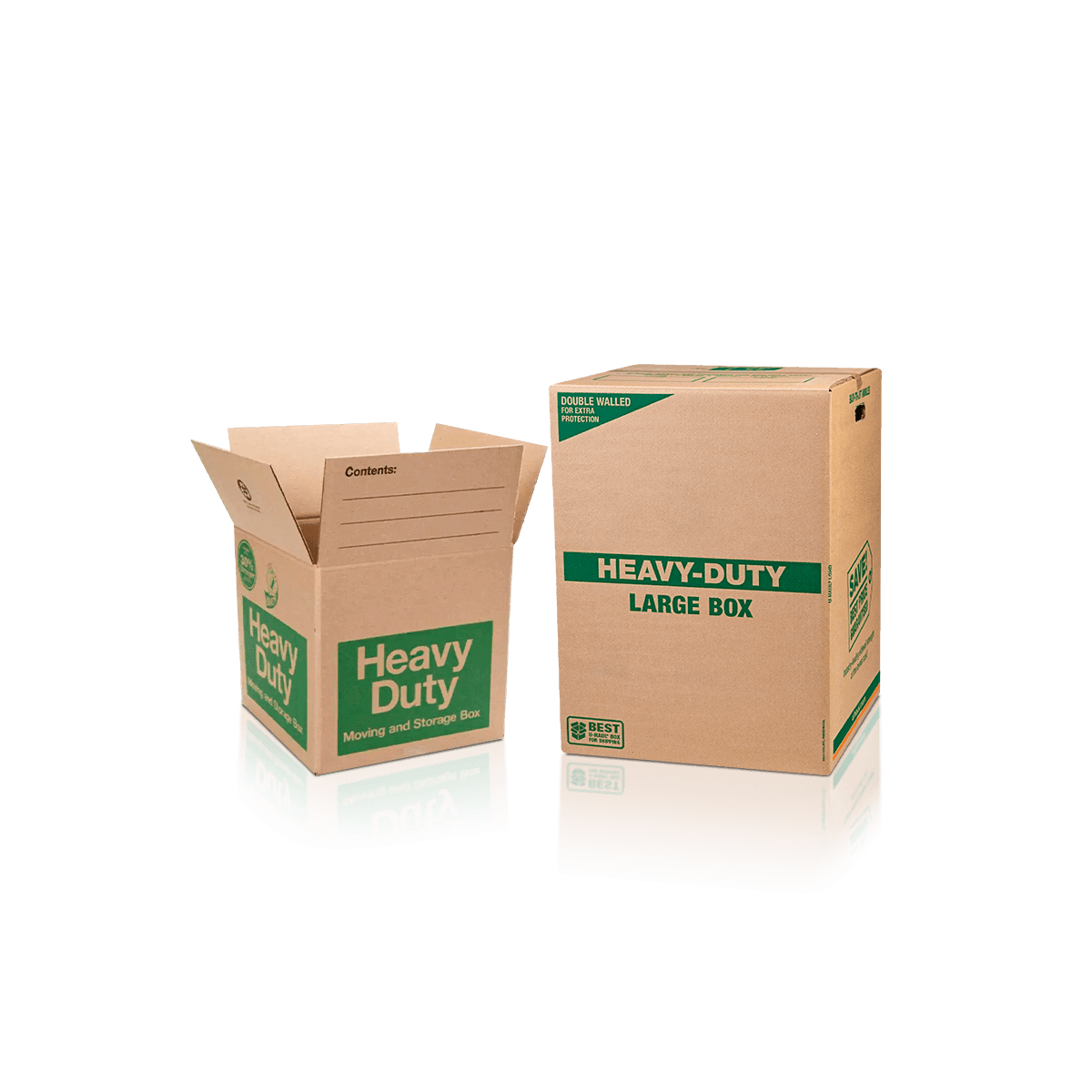
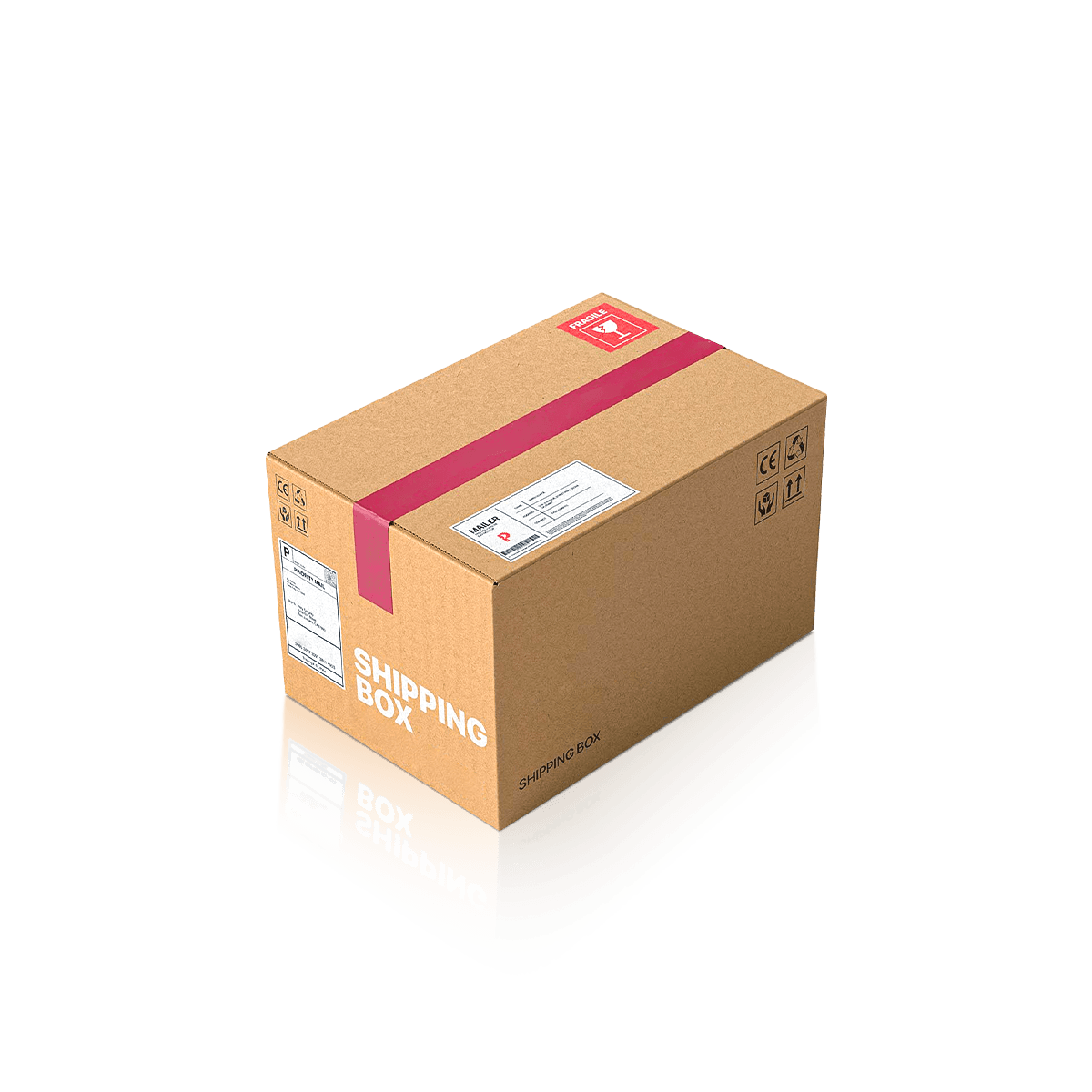
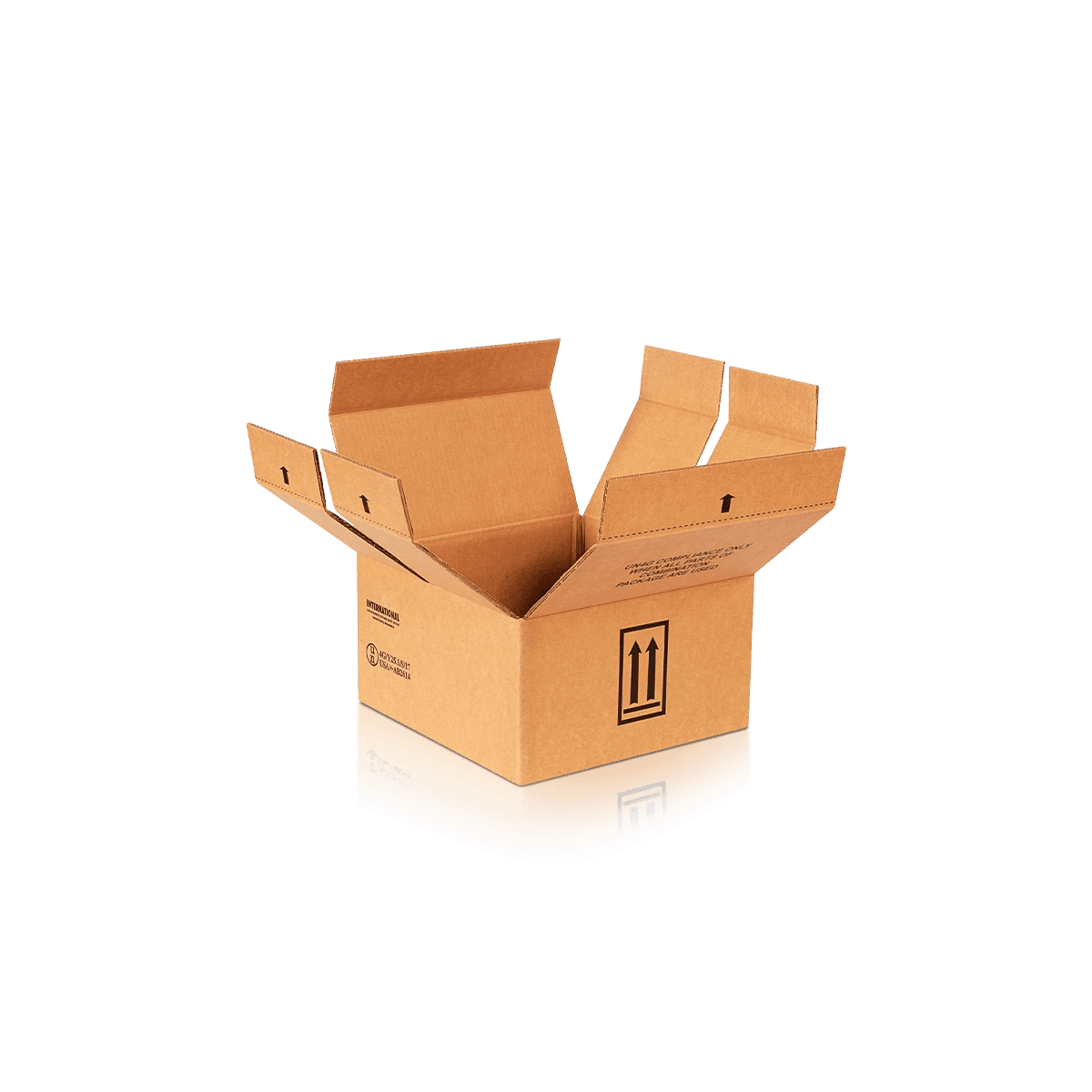
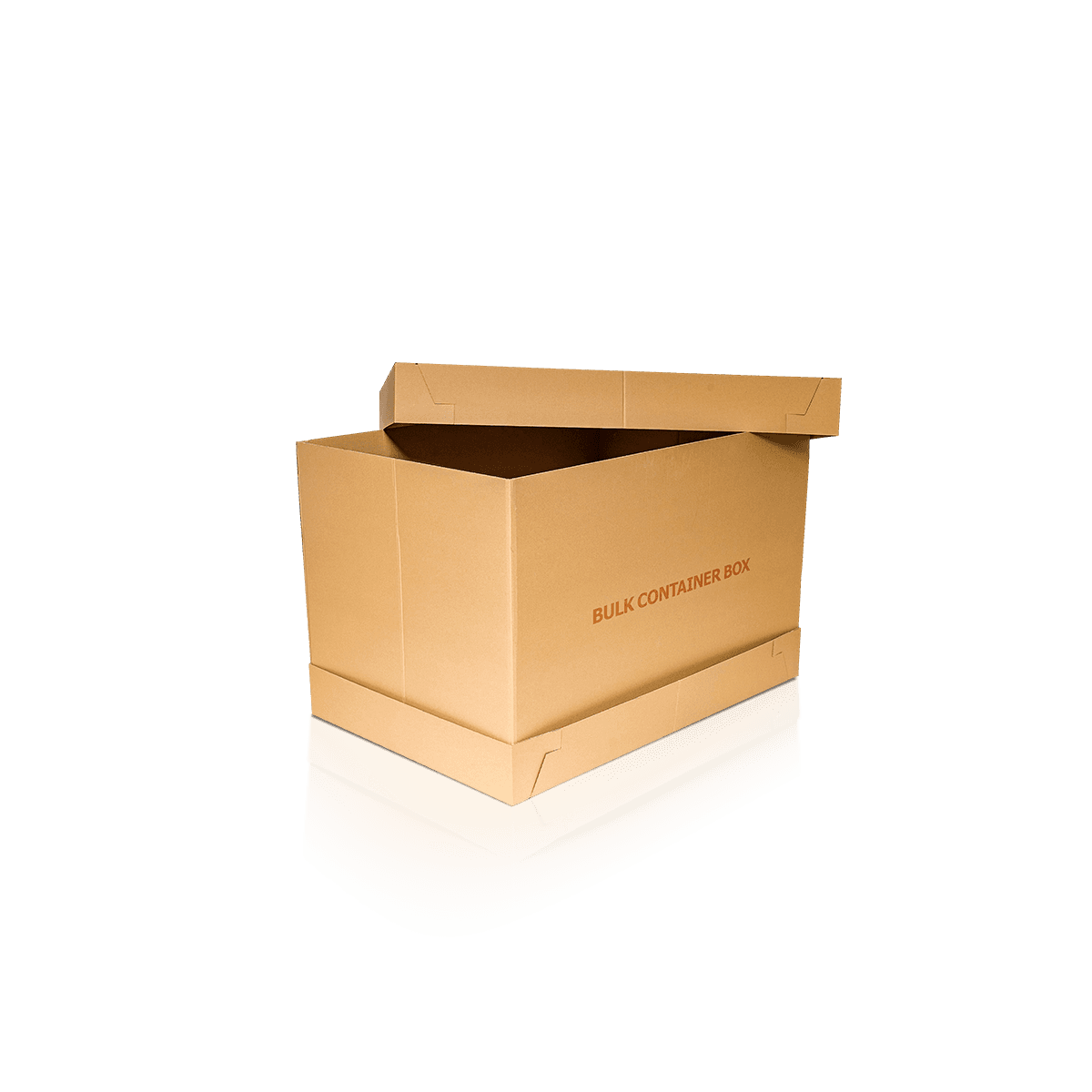
The right Heavy Duty Boxes reduce split seams, crushed corners and unstable pallet loads when products are dense, sharp-edged or packed in higher quantities. They are commonly produced in stronger corrugated builds such as double wall or triple wall and can be matched to the shipping method, storage duration and handling conditions. For MRO programs, they also make it easier to control part placement, add foam or dividers, keep labels visible and hold up better through repeated touches across warehouses, service routes and distributor shipments.
Holds heavier items with better structural confidence
Improves stacking strength for warehouse storage
Reduces damage risk for dense or awkward parts
Supports cleaner kitting and part separation
Leaves room for clear labels and handling marks
Choose stronger corrugated construction for higher weight, compression and impact demands.
Stronger seams, bottom support and closure planning help prevent blowouts under strain.
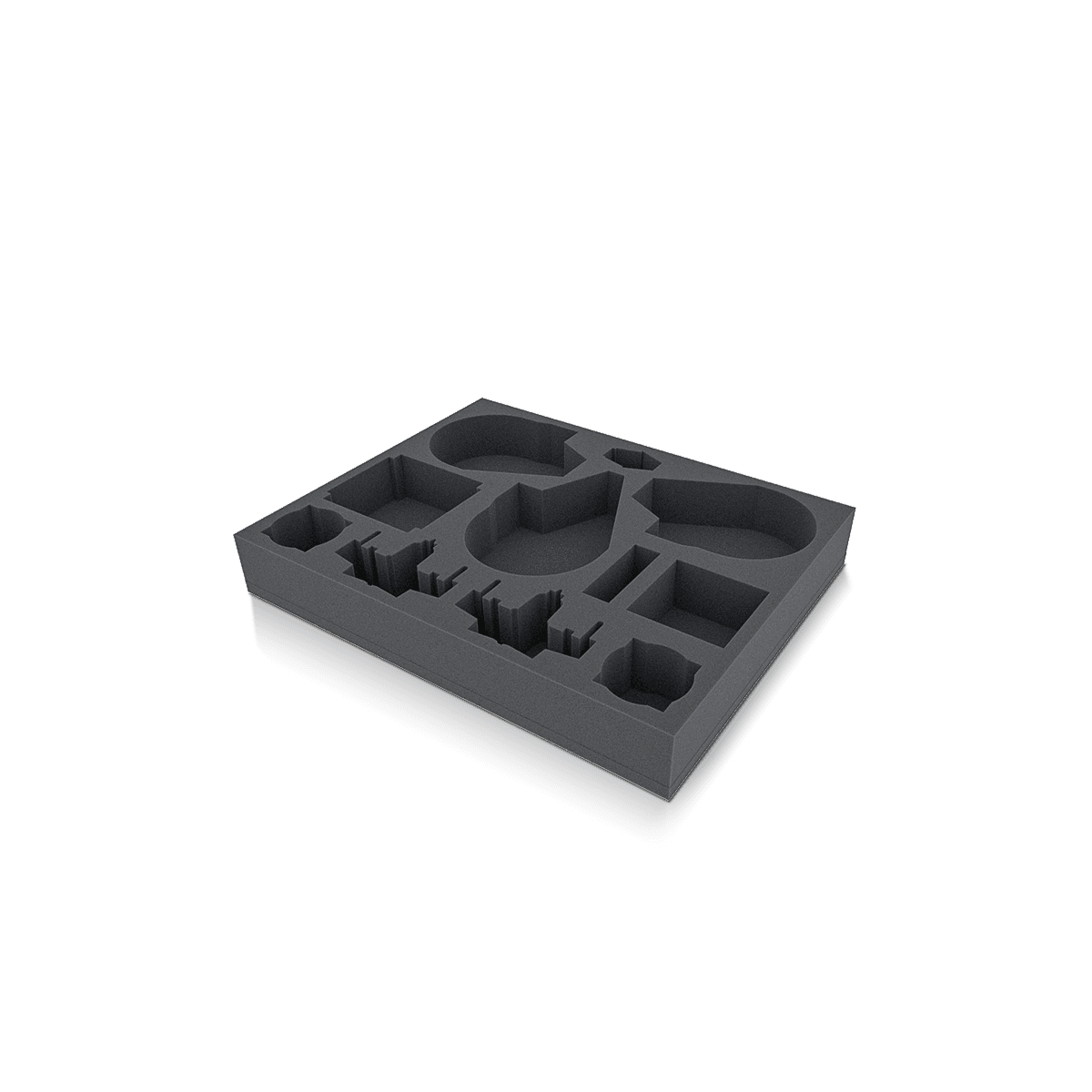
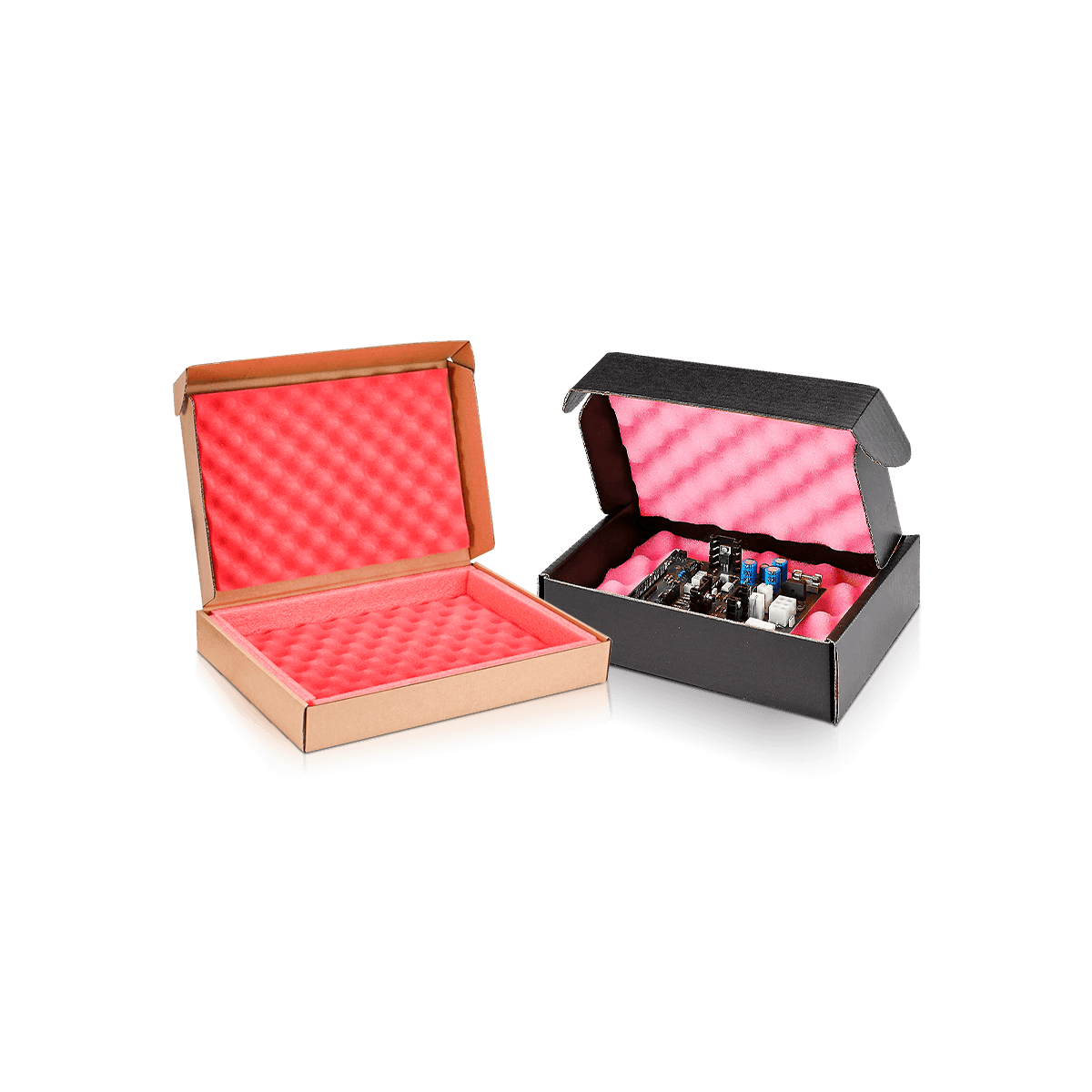
Foam pads, corrugated dividers and cushioning components can be added for safer part control.
Bespoke sizing improves product fit, reduces shifting and creates more stable pallet patterns.
Reserve clean areas for SKUs, barcodes, warnings and directional marks that stay easy to read.
Shipping tools, motors and replacement parts to distributors
Building maintenance kits with separated components inside
Storing dense inventory in stockrooms and service warehouses
Protecting industrial goods in palletized freight moves
Packing machine parts for longer domestic or export routes
Simple steps from idea to delivery
Tell Us Your Specs
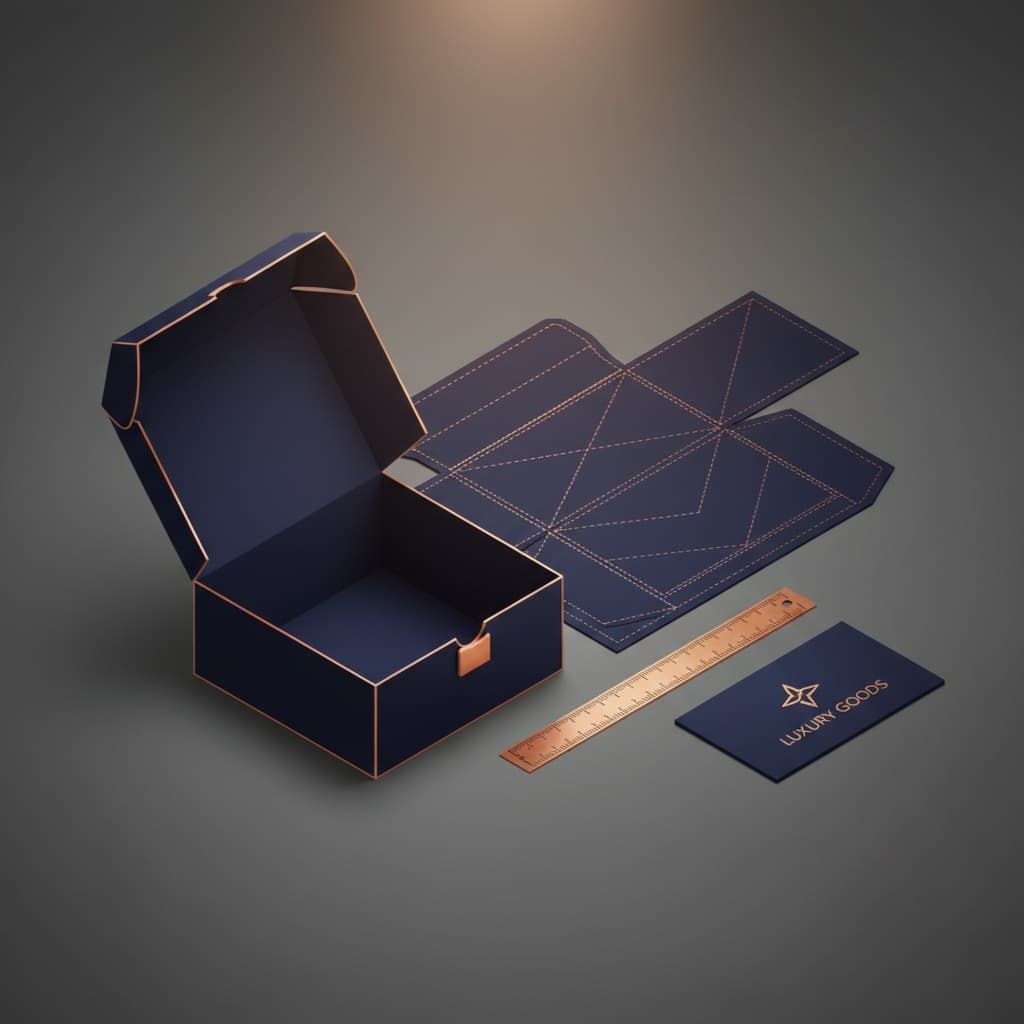
Provide size, quantity, printing, and finishes.
Get a Fast Quote

Instant transparent pricing, no hidden fees.
Design and Approval

Artwork checks, revisions, and final sign-off.
Produce

Expert manufacturing to meet deadlines.
Ship to Your Door

Hassle-free, flexible delivery options.
Share your product details, size, quantity and artwork needs. We’ll help choose the right packaging style and send a clear quote.