Skip to content
Details

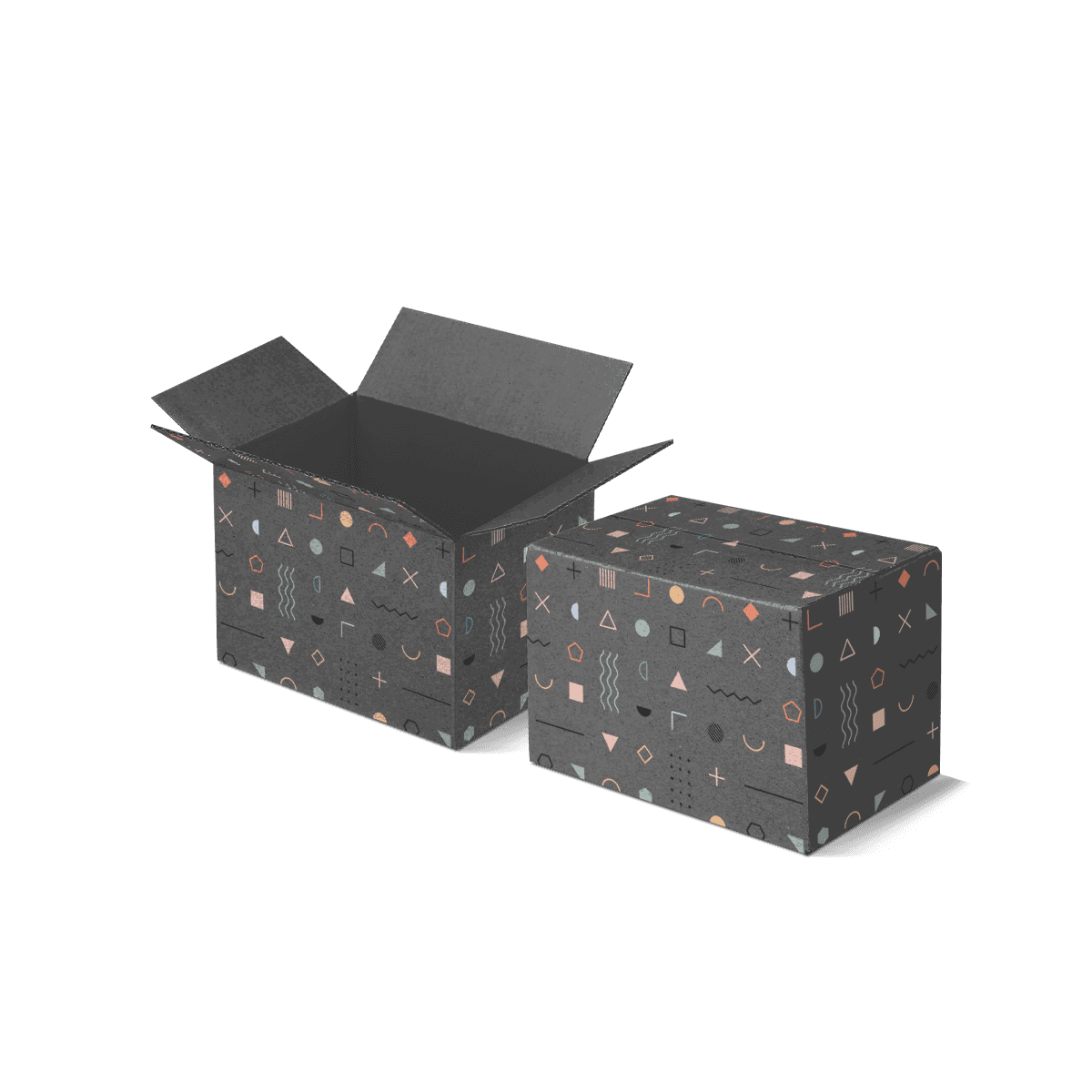
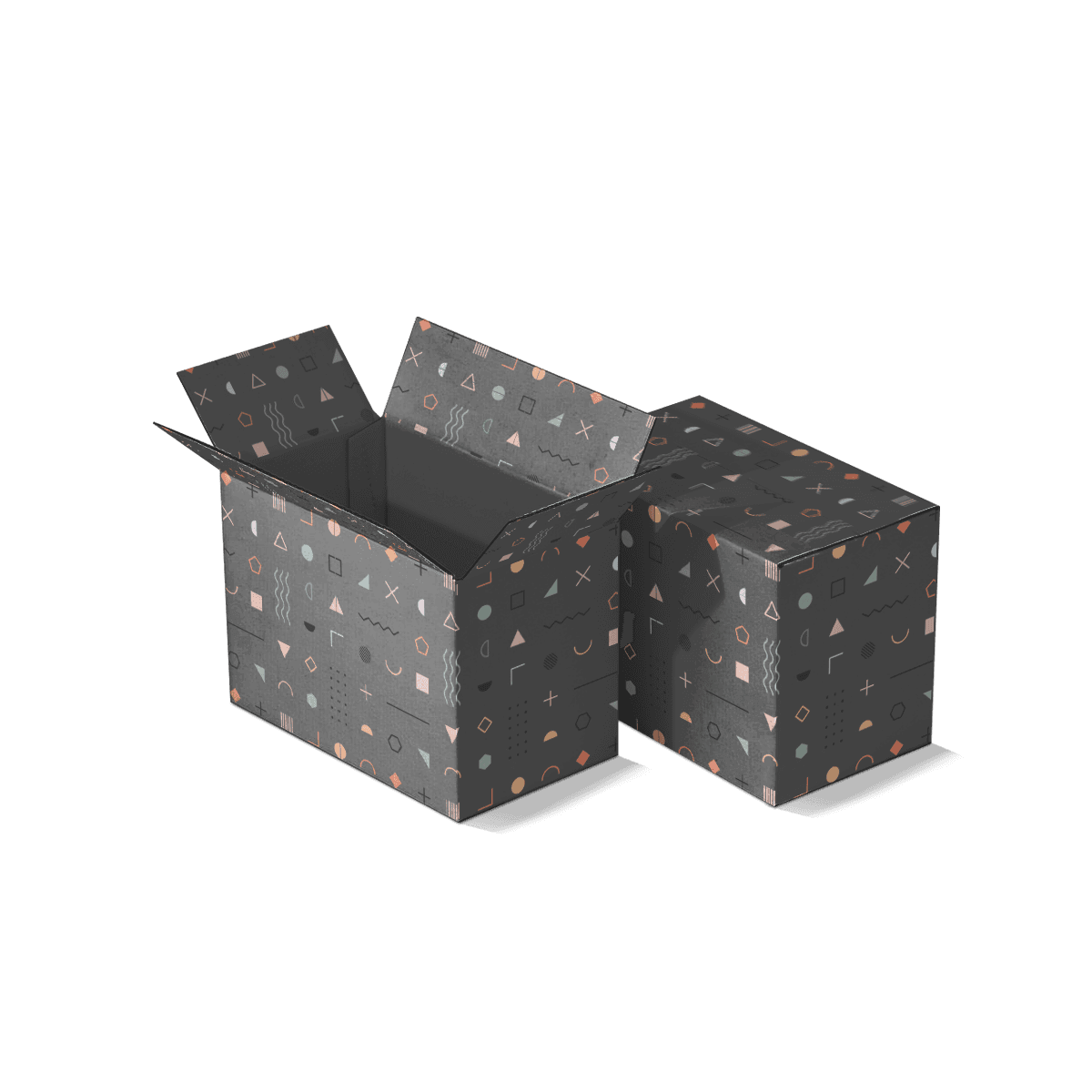
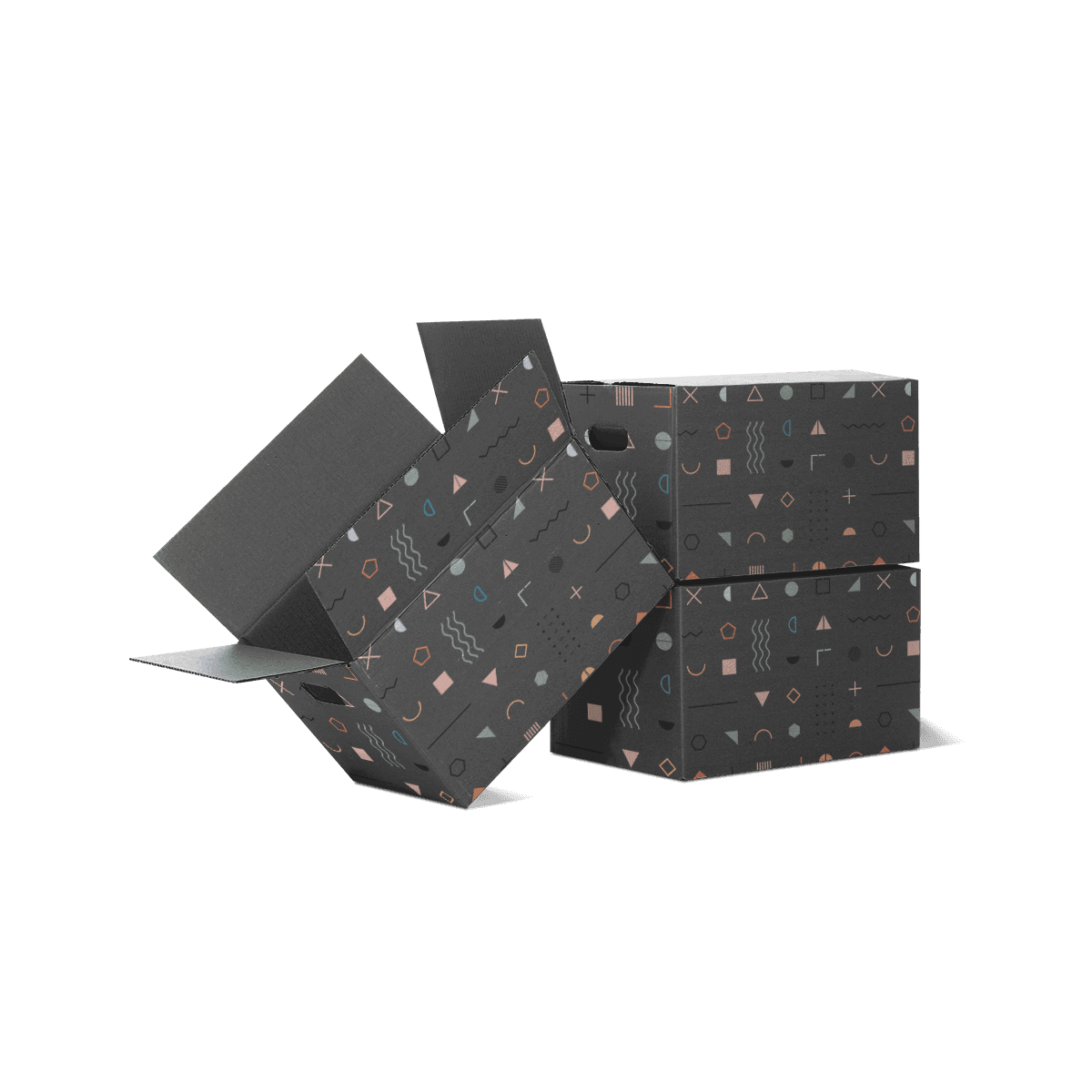
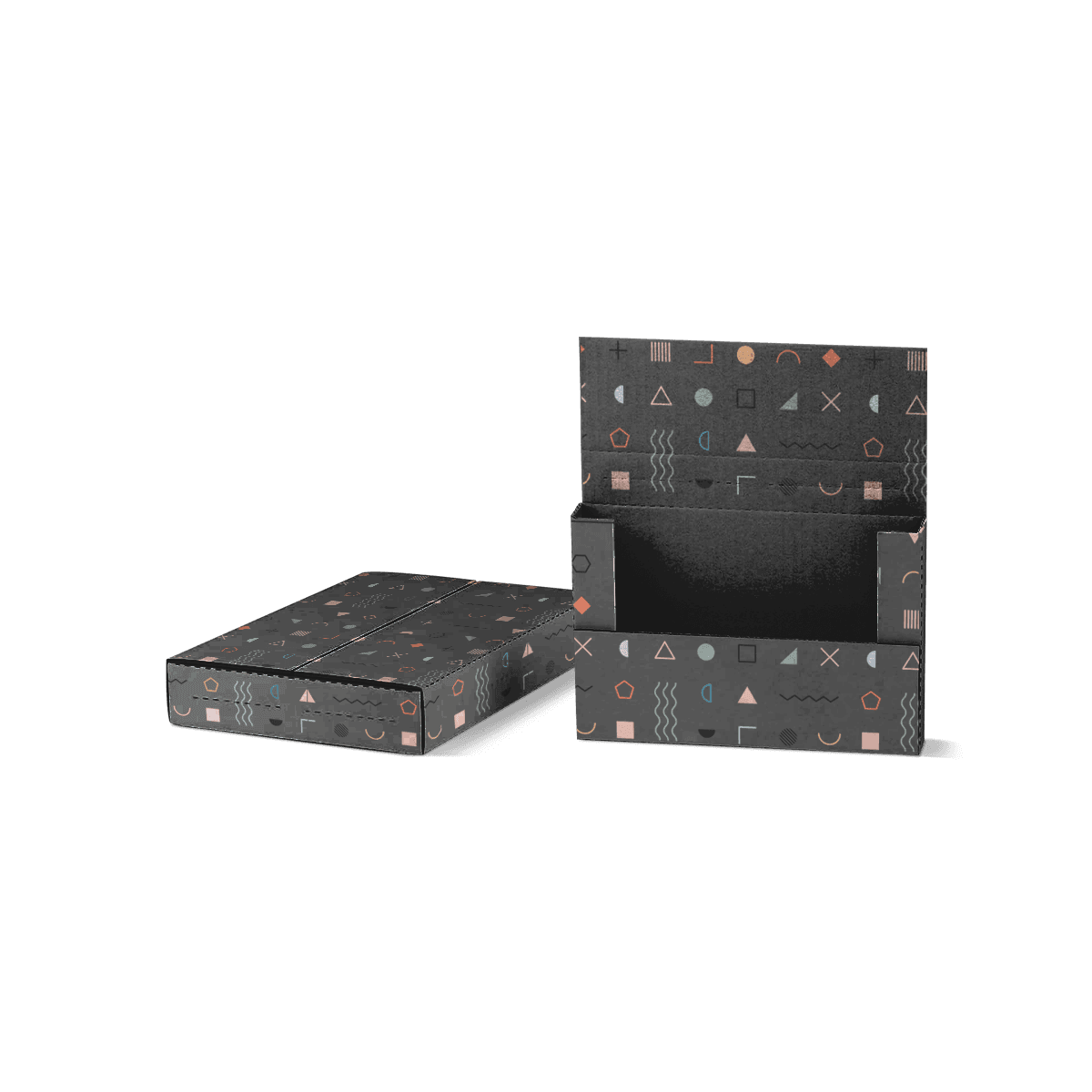
Custom Bulk Container Boxes

Large corrugated containers for consolidated industrial parts, maintenance supplies and bulk inventory, with practical construction for filling, warehouse handling and controlled unloading.

The Last Layer Must Be Accessible

Loading hundreds of identical components into one large container can simplify production. Removing those components at the receiving facility may be more difficult, particularly when the container is deep and the remaining stock sits near its base.

The container must accommodate both operations.

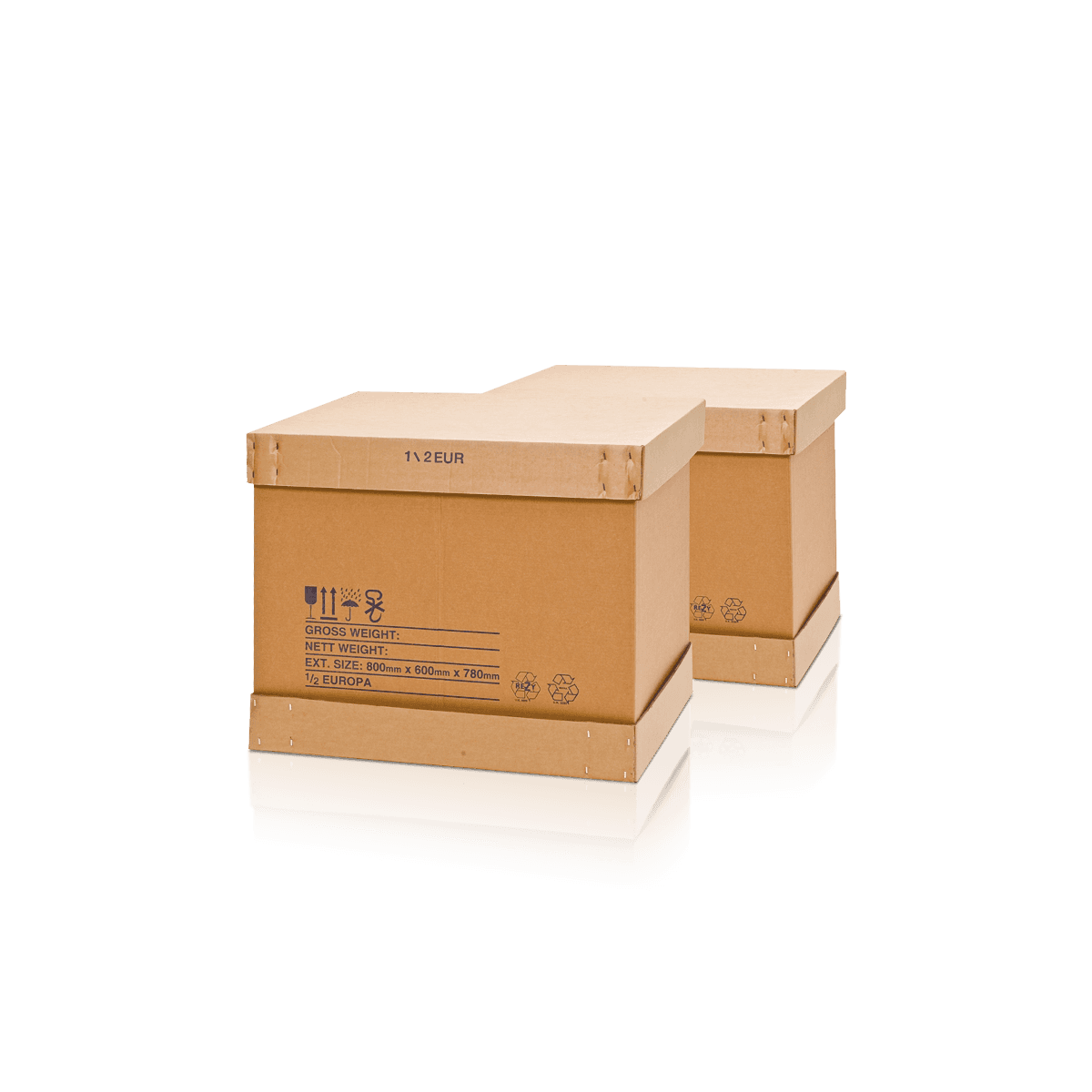
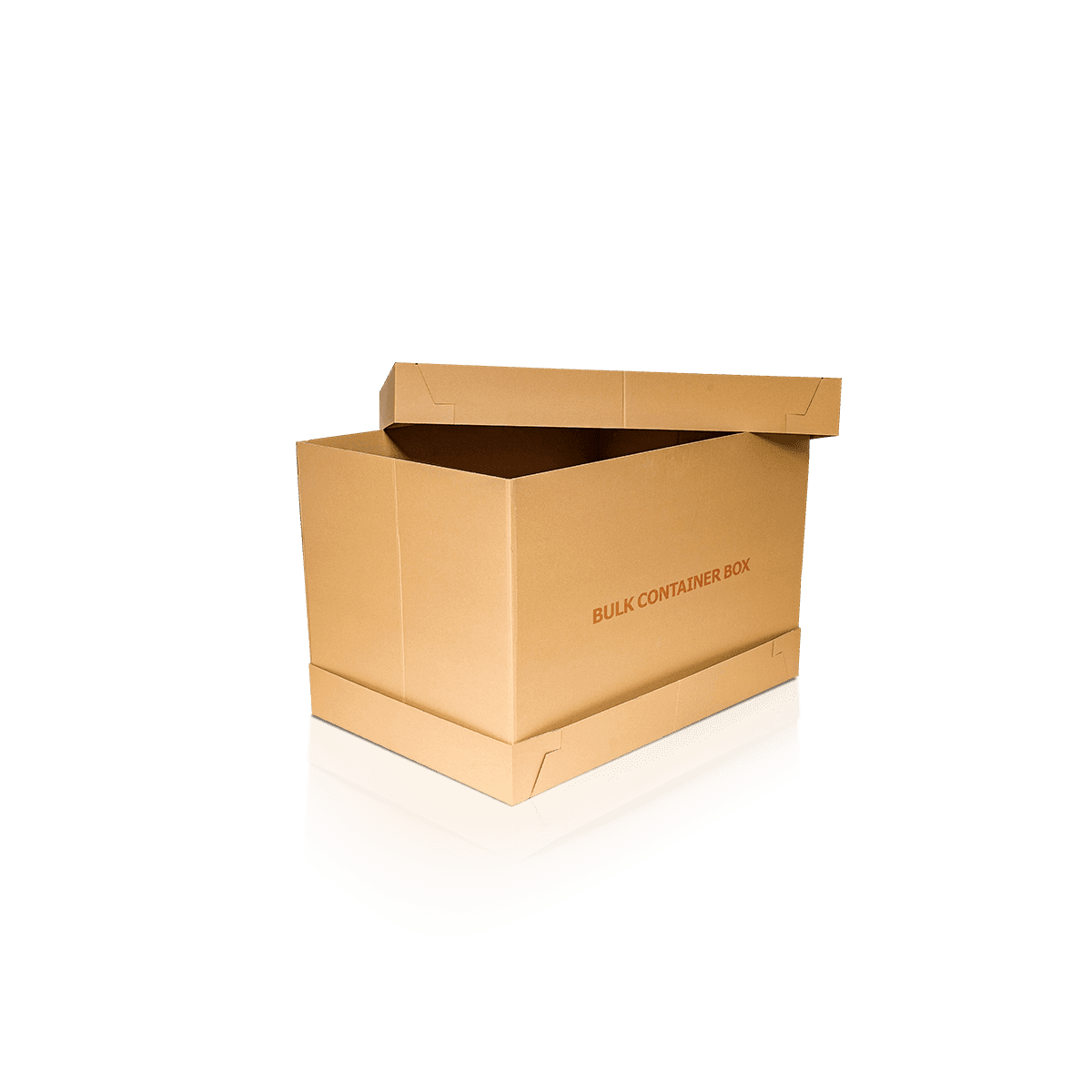
Custom Bulk Container Boxes are large-capacity corrugated containers for consolidated industrial inventory, loose components and grouped supplies. They are often used in palletized handling systems where products move in bulk rather than as individually sealed shipping cases.

For MRO packaging, they can accommodate replacement hardware, packaged maintenance consumables, production components and larger quantities of industrial supplies.

The main consideration is how the contents enter, remain inside and leave the container.

A structure that performs well during transportation may be inconvenient if employees need frequent access to small quantities of stock.

Complete-Container Unloading

Some operations transfer the entire contents of a container into another storage or production system.

The receiving facility may use appropriate equipment to unload the bulk contents or remove individually packaged units.

For these applications, the container's dimensions and opening arrangement should reflect the unloading equipment and intended handling method.

A corrugated container must not be assumed to be suitable for mechanical dumping or inversion simply because it can be moved on a pallet.

The proposed unloading method needs to be assessed as part of the complete handling system.

Progressive Stock Removal

Other facilities remove stock gradually.

A distributor may receive a large container of replacement components and use its contents over several days or weeks.

If employees must repeatedly reach into a deep bin, the container height and access arrangement can become operational problems.

A lower container may improve access but require more handling units to accommodate the same quantity.

A removable upper sleeve segment or another suitable access arrangement may be worth considering when the structure and manufacturing capabilities permit it.

The decision depends on the actual retrieval process, not simply the container's maximum capacity.
Bulk Contents Press Against Every Wall

A large corrugated container behaves differently when filled with loose components than when it holds an orderly arrangement of individual cartons.

Loose contents can settle and shift.

As the container fills, the accumulated material may exert pressure against the bottom and sidewalls. The amount and distribution of that pressure depend on the contents and packing arrangement.

A container carrying lightweight packaged consumables may need a different structure from one holding dense metal hardware.

Settling and Sidewall Bulging

When loose components settle, they can change the pressure applied to the container walls.

A rectangular bin may develop outward panel deformation if its construction is unsuitable for the load.

Long, unsupported wall spans are particularly important.

Increasing the board grade can improve structural performance, but it does not eliminate the need to consider the material's behavior.

For components that exert substantial outward pressure, internal supports or a different container geometry may be necessary.

The structure should be evaluated with a representative load rather than selected solely from the container's empty dimensions.

Dense Parts and Localized Pressure

Metal components can create concentrated pressure at contact points.

A container holding loose fasteners may experience a different loading pattern from one holding larger, irregularly shaped parts.

Sharp edges or protrusions can also abrade the inner corrugated surface.

Where contact damage is a concern, a suitable protective liner or inner containment system may help separate the contents from the structural walls.

The protective component must suit the actual material and handling conditions.

A thin liner that prevents superficial abrasion should not be treated as a structural reinforcement.

Fill Quantity Controls the Container

Maximum internal volume does not determine a bulk container's safe carrying capacity.

A container may have enough space for a particular quantity of industrial components while being structurally unsuitable for their combined weight.

The intended fill must be assessed by weight, product behavior and the complete container construction.

Gross Weight Versus Product Weight

The complete handling unit includes the contents, corrugated container, pallet and any internal or external protective components.

These elements contribute to the finished gross weight.

The applicable limits must account for the container construction, pallet capacity, handling equipment and transportation conditions.

A nominal container capacity should not be interpreted as permission to fill it to that weight under every operating condition.

Fill Height

The intended fill height affects how the contents interact with the container.

For some products, filling to the full container height may create unnecessary sidewall pressure or make the load difficult to handle.

For others, the required clearance is determined by an inner packaging arrangement or the position of a separate top cap.

The approved fill level should reflect the product and handling method.

If the quantity varies significantly between production runs, the container should not automatically be filled to its maximum volume to avoid using another bin.

A Bulk-Handling Problem With Metal Components

Consider an industrial manufacturer moving loose steel fittings between its production facility and a distribution warehouse.

The manufacturer wants to consolidate the fittings into fewer containers to reduce the number of handling units.

The initial arrangement uses a large rectangular corrugated bin.

However, the fittings settle during transportation. Some accumulate against one wall, and their hard edges repeatedly contact the liner.

The container begins to deform, while unloading becomes difficult because the contents collect unevenly.

Increasing the wall thickness may improve stiffness, but it does not address every part of the problem.

A more suitable arrangement could involve a different fill quantity, an appropriate protective liner and a container geometry that better accommodates the contents.

The manufacturer would also need to confirm how the fittings will be removed at the receiving warehouse.

If the operation requires controlled dispensing, several smaller bulk containers may prove more practical than one large bin.

The appropriate result is a container specification that reflects the complete handling sequence rather than maximizing capacity in isolation.

Corrugated Construction for Bulk Loads

Large industrial containers commonly use reinforced corrugated construction.

The appropriate material depends on the finished dimensions, intended contents, storage conditions and structural requirements.

Double-wall and triple-wall corrugated are possible material directions for demanding applications.

However, their suitability must be determined for the actual container.

Rectangular Containers

Rectangular bulk containers can be practical where the facility uses established pallet footprints and conventional warehouse storage arrangements.

They can accommodate grouped cartons, larger components and bulk inventory that can be loaded without creating excessive outward pressure.

The length of the unsupported panels should be considered during material selection.

A wide container may require more structural support than a smaller container carrying a similar total weight.

The intended wall height also affects the design.

Octagonal Bulk Bins

Octagonal containers, often called octabins, are another recognized construction for bulk packaging.

Their geometry may be considered where the behavior of the contents or the handling system makes a rectangular container less suitable.

Applications can include certain loose or flowable industrial materials.

An octagonal design should not be selected solely because it appears stronger.

Its compatibility with the actual product, pallet arrangement and receiving equipment must be established.

Custom Packly's ability to manufacture a particular octagonal or specialized multi-wall construction requires project-specific confirmation.

Structural Performance

Edge Crush Test values and board thickness can contribute to material selection, but neither establishes the safe capacity of a finished bulk container.

Actual performance depends on the assembled structure, load distribution, manufacturing quality and operating conditions.

Where the container must withstand demanding storage or transportation, packaging testing should address the intended packed load and the failure mechanisms that matter.

The Pallet Carries the Bulk Unit

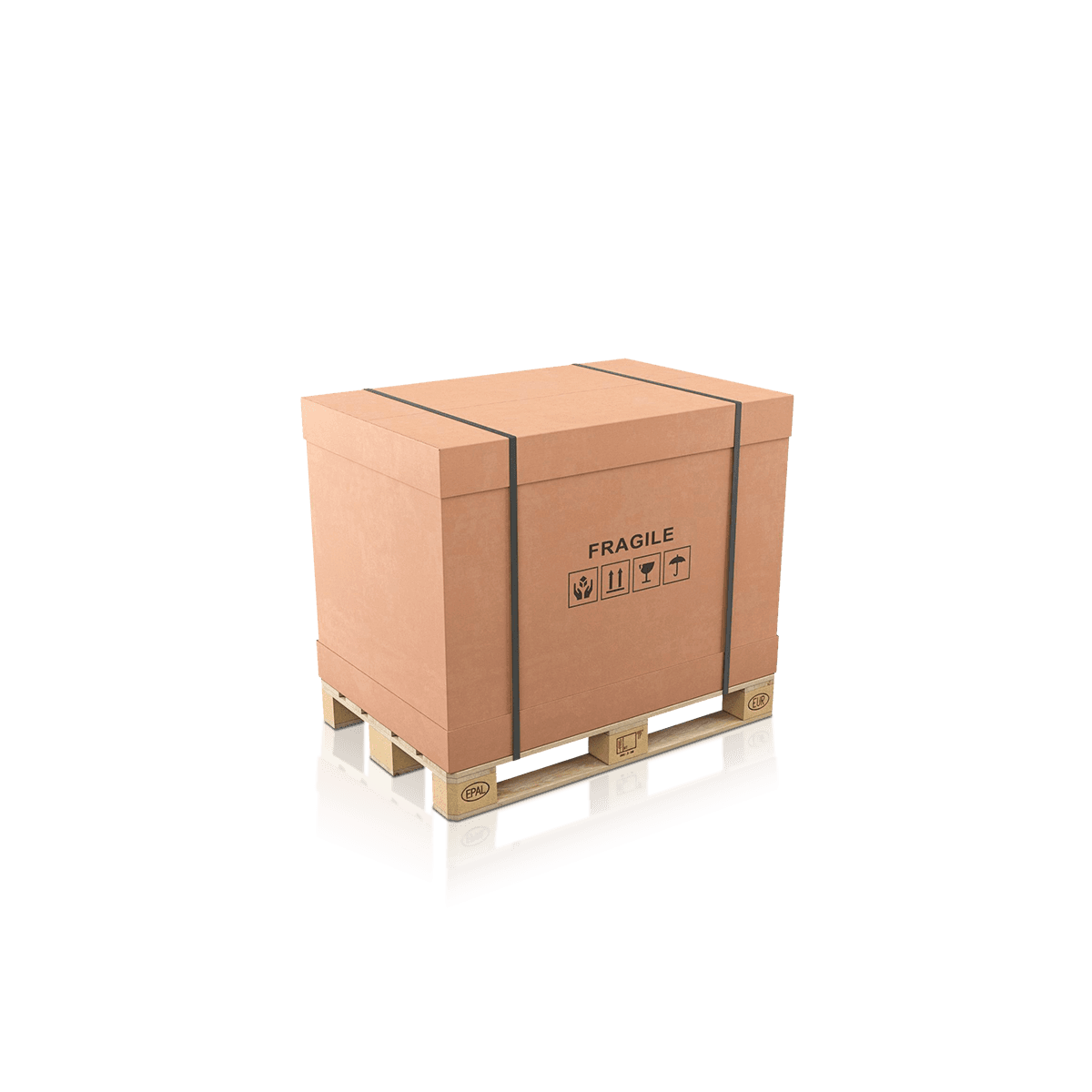
Many corrugated bulk containers are used with pallets so that forklift or pallet-jack equipment can move the complete load. For grouped cases shipped as one freight unit, pallet boxes focus on the pallet footprint and secure containment of the consolidated load.

The relationship between the container and the pallet must be established before the dimensions are finalized.

The finished outside footprint, supporting surface and handling equipment all affect the arrangement.

A corrugated container should not be assumed to carry a heavy load independently of its supporting base.

Bottom Support

The pallet must support the loaded container across the required footprint.

An unsuitable pallet deck can leave parts of the container bottom unsupported.

For dense or irregular contents, additional load-spreading components may be necessary.

The correct arrangement depends on the product, container construction and actual pallet.

Securing the Load

The loaded container may need an appropriate securing method to remain stable during handling and transportation.

Strapping, stretch wrapping or other components may be considered where suitable.

The securing method must not distort the container or interfere with the intended handling equipment.

A specialized bulk container may also require a particular connection to its pallet.

These requirements should be established for the complete loaded unit.

Liners Depend on the Contents

A liner can serve several functions inside a bulk container.

It may reduce direct contact between the products and corrugated walls, help contain certain loose materials or form a defined internal surface.

The necessary construction depends on the product.

An ordinary paper or plastic liner should not automatically be treated as a moisture barrier, leakproof containment system or chemically compatible material.

Dry Industrial Components

For dry hardware and other non-sensitive components, a liner may be unnecessary.

If the products have sharp edges, an appropriate protective layer could help reduce abrasion against the corrugated walls.

The choice should reflect the actual contact pressure and material behavior.

Powders and Granular Products

Some bulk industrial products consist of granules, pellets or powders.

These materials may require a liner or separate containment system to prevent product loss and manage the intended filling and discharge process.

The liner's construction, closure and compatibility must be established for the product.

Custom corrugated packaging alone does not establish dust-tight containment.

Oils, Liquids and Regulated Materials

Products containing oil or liquid introduce additional requirements.

If the intended application requires leakproof containment or chemical resistance, the appropriate primary containment system must be established separately.

For hazardous materials, hazmat boxes must follow the authorized configuration for the specific material and transport mode.

An ordinary bulk corrugated container does not become suitable for regulated hazardous-material transportation merely by adding a liner or warning label.

Bulk Packaging Economics

The cost of a bulk container should be assessed against the complete handling operation.

Consolidating products into fewer containers can reduce the number of individual packages required.

However, a larger container may introduce additional material, handling equipment, storage or unloading requirements.

The economic decision depends on the operation rather than the container's unit price alone.

Capacity and Handling Units

An operation using several smaller containers may need more pallet movements than one using larger bulk units.

The larger units may be economical when the receiving facility can unload them efficiently.

If the destination repeatedly handles only small quantities, the larger container may create extra work.

The correct capacity balances the intended shipment quantity with the receiving process.

Production Quantity

Custom Packly's US packaging MOQ starts from 100 boxes.

Specialized bulk container construction, unusually large dimensions and heavy-duty materials require individual manufacturing and pricing confirmation.

Where the structure and production requirements are established, custom packaging pricing can be based on the intended container and order quantity.

Standard turnaround is 4–6 days after final artwork and specifications are approved. Specialty constructions and materials can require additional time.

The applicability of standard shipping arrangements to unusually large bulk containers must be confirmed for the project.

Identification at Bulk Scale

Bulk inventory can become difficult to control when similar-looking components are consolidated into large containers.

A receiving team may need to identify the product, quantity, production lot and destination without unloading the contents.

The exterior should support those requirements.

Fixed Print and Variable Labels

Permanent identification can be printed on the corrugated container when the identifiers remain consistent.

Variable identification is generally better handled through suitable labels.

For industrial inventory, that may include a product identifier, lot number, gross weight or location code.

The required markings depend on the warehouse and product requirements.

Preventing Mixed-Lot Errors

Combining several production lots into one bulk container can complicate traceability.

Where the operation requires lot-level identification, the container's contents and external records must remain consistent.

If several lots are permitted in one container, the organization must establish how those lots are physically and administratively controlled.

A simple printed label cannot resolve an inventory process that fails to preserve the identity of the contents.

Empty-Bin Storage and Repeat Supply

Large bulk containers can occupy considerable space before they are used.

Flat-packed construction may reduce storage volume, but the actual benefit depends on the structural design.

Separate sleeves, bases, caps and liners may also require coordinated inventory.

A packing operation should receive the components as a complete usable set.

For recurring programs, bulk custom boxes can support coordinated production and purchasing across established specifications.

Custom Packly also supports warehousing and scheduled deliveries for suitable larger orders.

This can help facilities plan packaging supply around production demand without storing the entire order at once.

Where a container is intended for repeated handling or return trips, its suitability for reuse must be established separately. Ordinary corrugated packaging should not be assumed to withstand unlimited reuse.

Decide the Container's Final Job

The final decision is whether the container will be emptied completely, used for progressive picking or retained as a temporary storage unit.

Those functions create different requirements.

A container intended for complete unloading may prioritize efficient filling, secure transportation and compatibility with the receiving equipment.

A container used for progressive picking must also accommodate repeated access.

A container retained for warehouse storage needs a suitable relationship with the surrounding storage system and inventory controls.

For manufacturers and distributors handling the same product repeatedly, the most practical bulk container is the one that fits the actual movement of the inventory.

It should consolidate the intended quantity without creating unacceptable pressure on the walls, obstructing handling equipment or making the contents difficult to retrieve.

The empty container, filling process, loaded shipment and receiving operation must all be considered before approving the construction.

FAQs

Most buyers use them for palletized storage, plant-to-plant movement, outbound consolidation, and temporary holding of parts or materials before final packing or assembly.

Bulk Container Boxes are a strong fit when you need a corrugated container to hold larger volumes inside a defined box system, while Pallet Boxes are often chosen when the pallet base is the main handling platform and the load needs a more dedicated palletized format. The right choice depends on fill method, load weight, and how the unit will be moved.

Sometimes. A compatible liner can help contain powders, resins, loose components or dusty goods. Moisture resistance must be established for the specific liner and storage or transit conditions.

They are often used for bagged ingredients, molded plastic parts, fasteners, castings, replacement components, sealed pouches, and bundled industrial goods that move in larger quantities.

Yes, many formats ship flat to save space and lower inbound storage needs, then assemble at the packing line or warehouse as needed.

Process

How it works

Your Packaging Journey, From Idea to Production and Delivery

01

Tell Us Your Specs

Custom packaging boxes

Tell Us Your Specs

Provide size, quantity, printing, and finishes.

02

Get a Fast Quote

Custom packaging boxes

Get a Fast Quote

Instant transparent pricing, no hidden fees.

03

Design and Approval

Custom packaging boxes

Design and Approval

Artwork checks, revisions, and final sign-off.

04

Produce

Custom packaging boxes

Produce

Expert manufacturing to meet deadlines.

05

Ship to Your Door

Custom packaging boxes

Ship to Your Door

Hassle-free, flexible delivery options.

Get Your Quote for Custom Bulk Container Boxes

Share your product details, size, quantity and artwork needs. We’ll help choose the right packaging style and send a clear quote.