Performance-ready structure
Stronger corrugated formats support hazardous-goods packing where tested outer packaging may be needed.
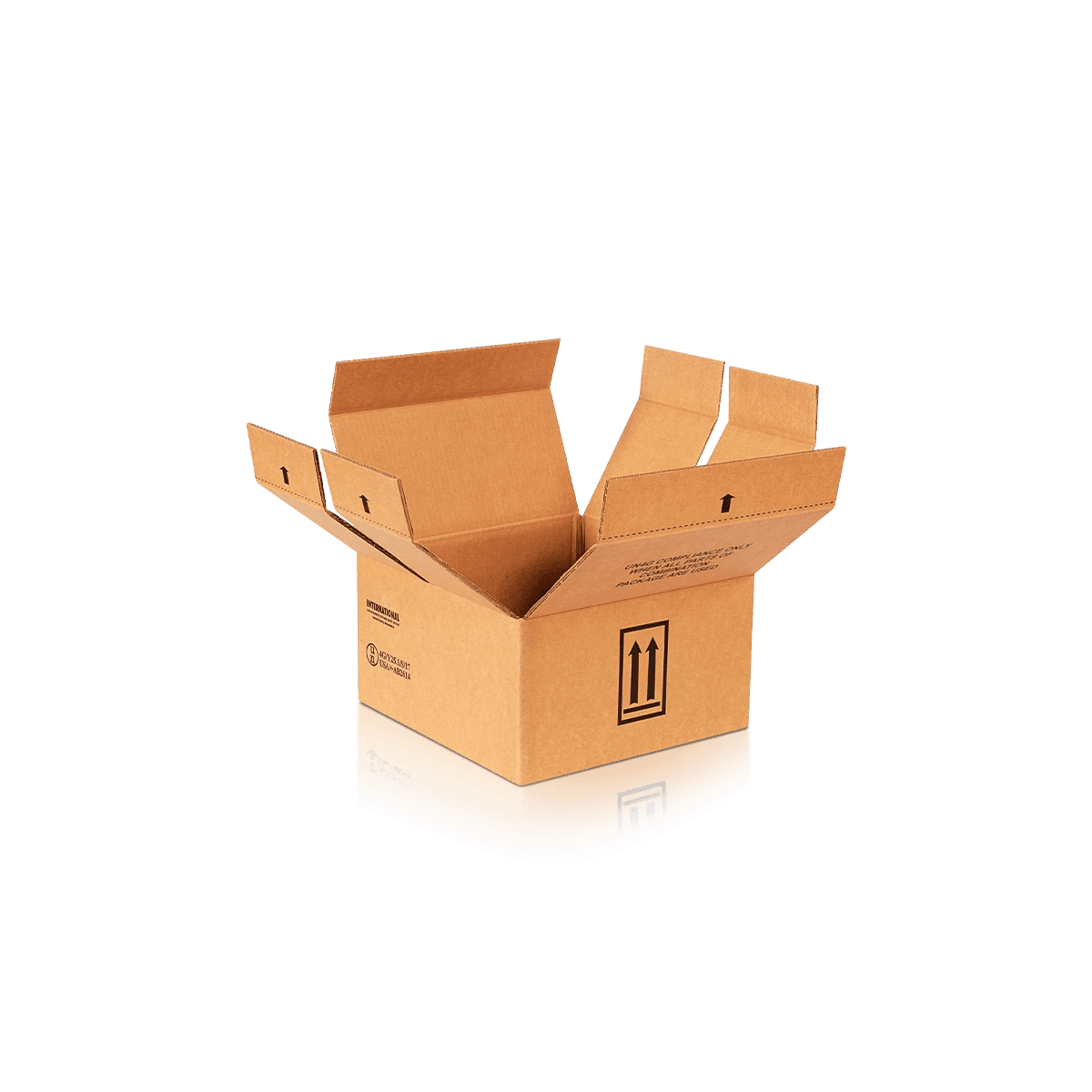
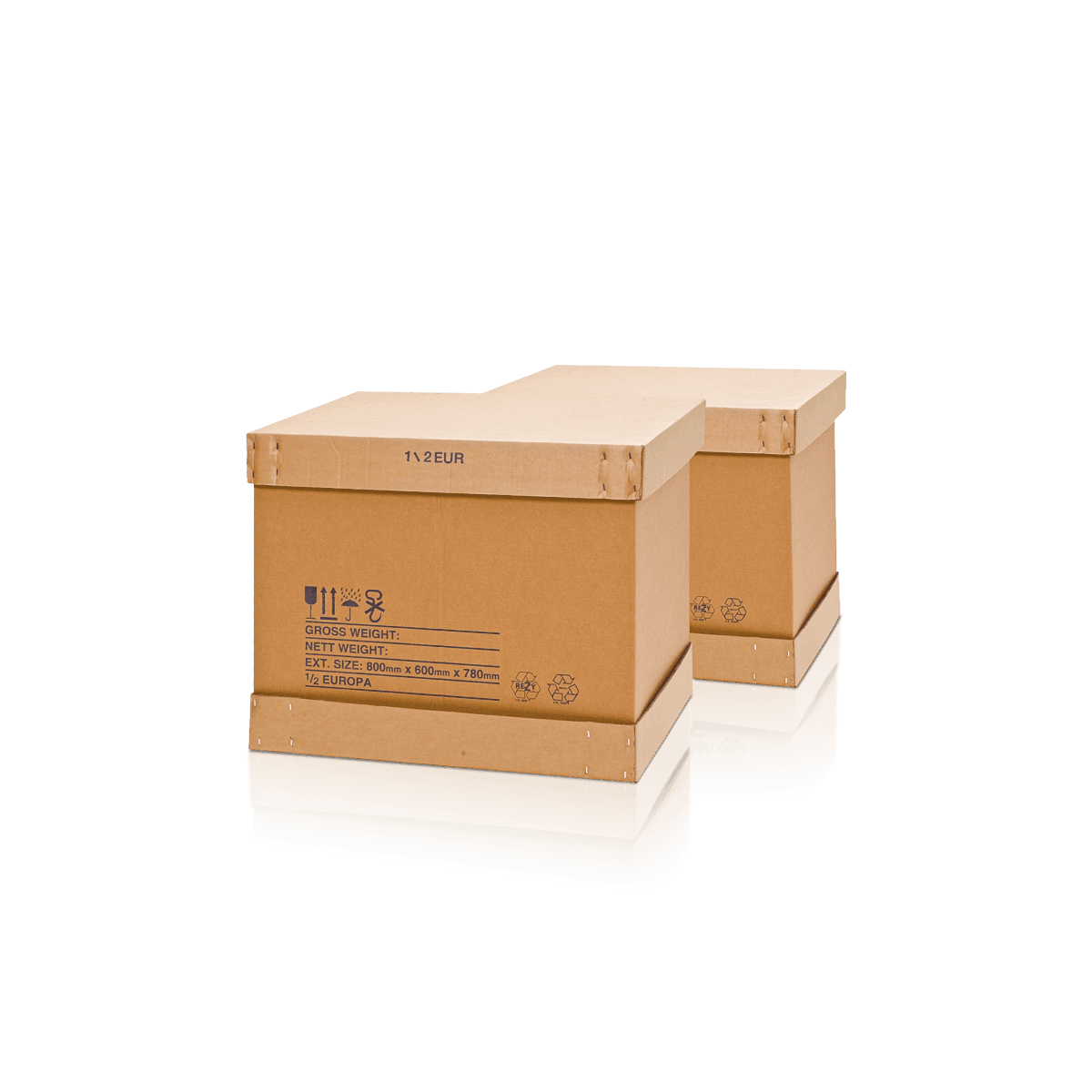
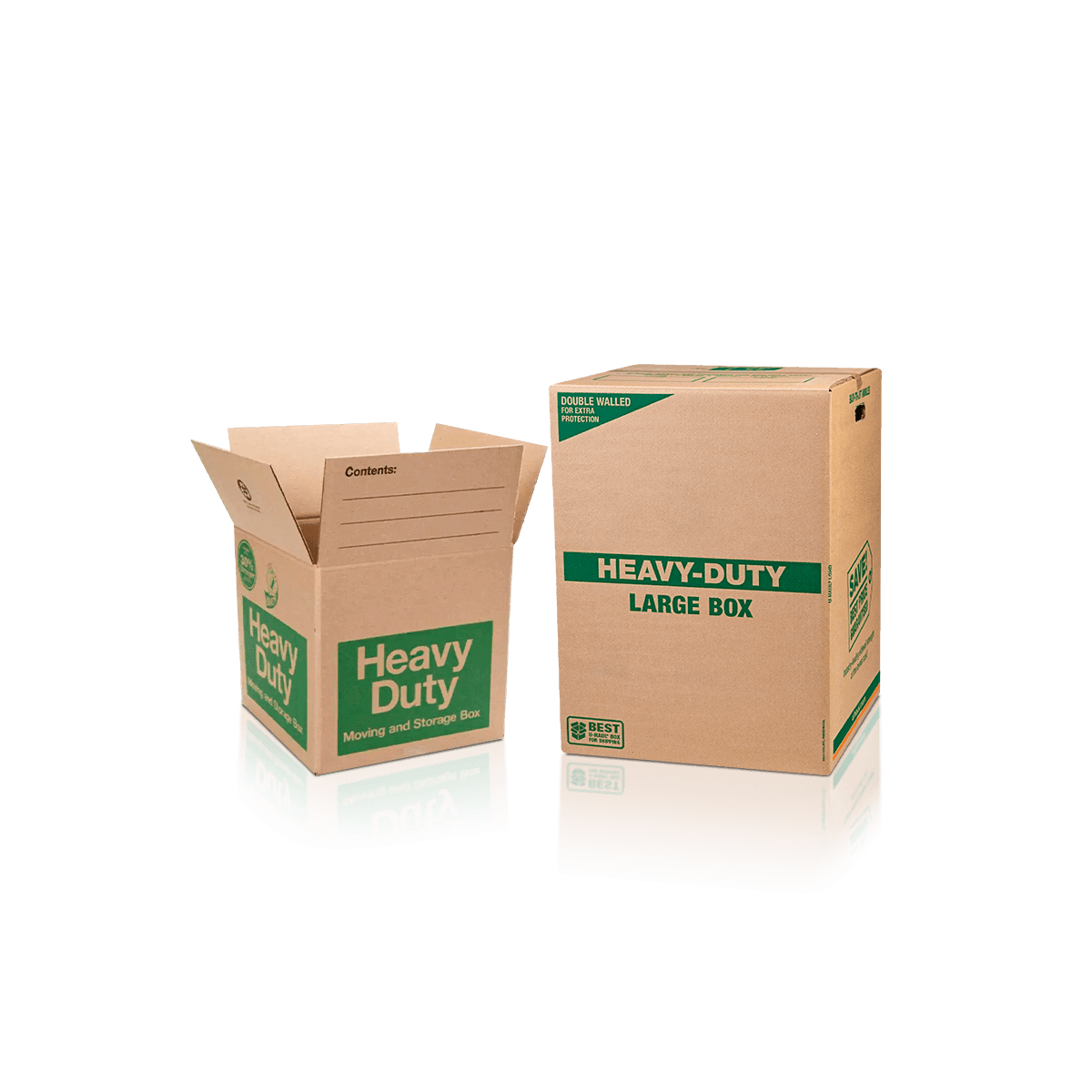
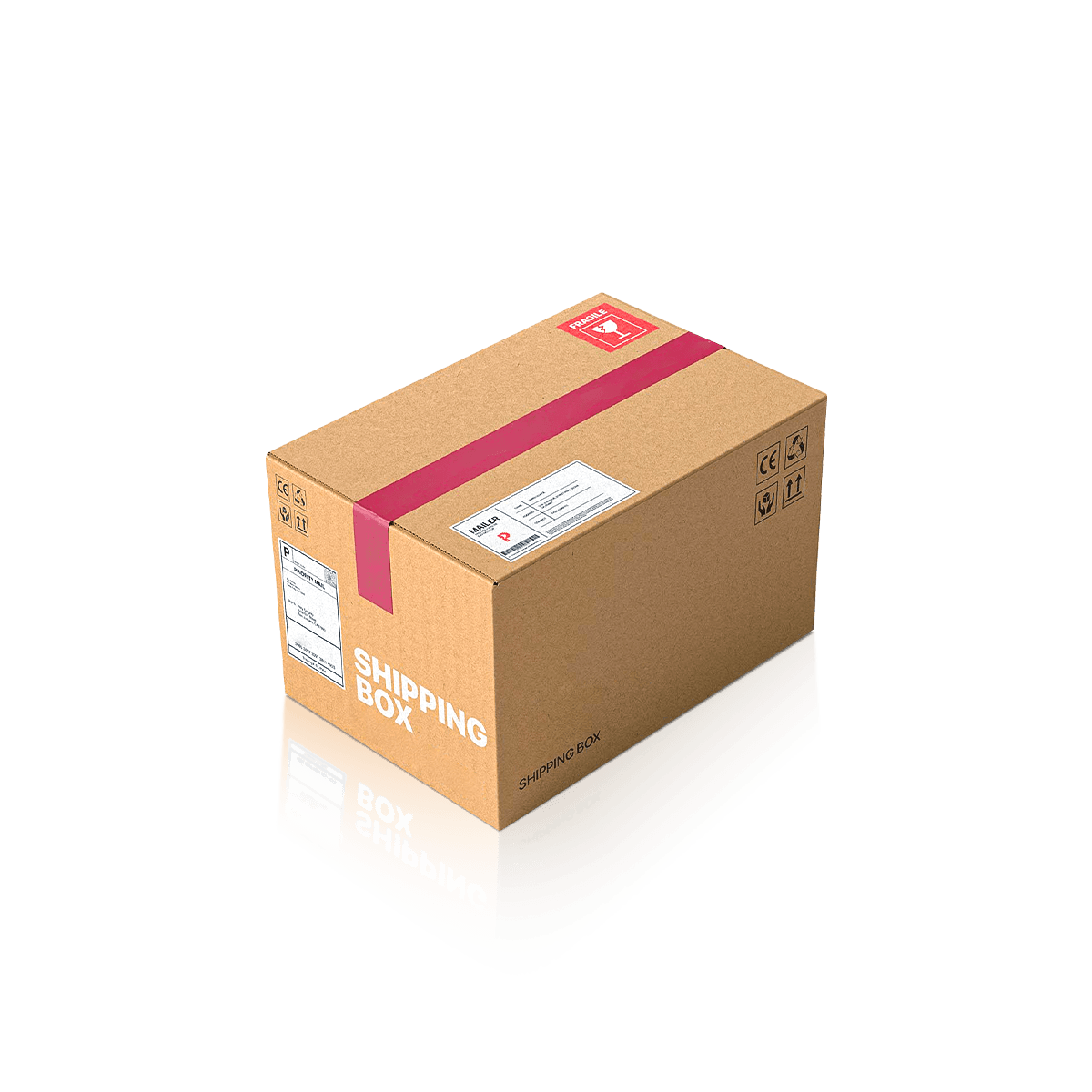
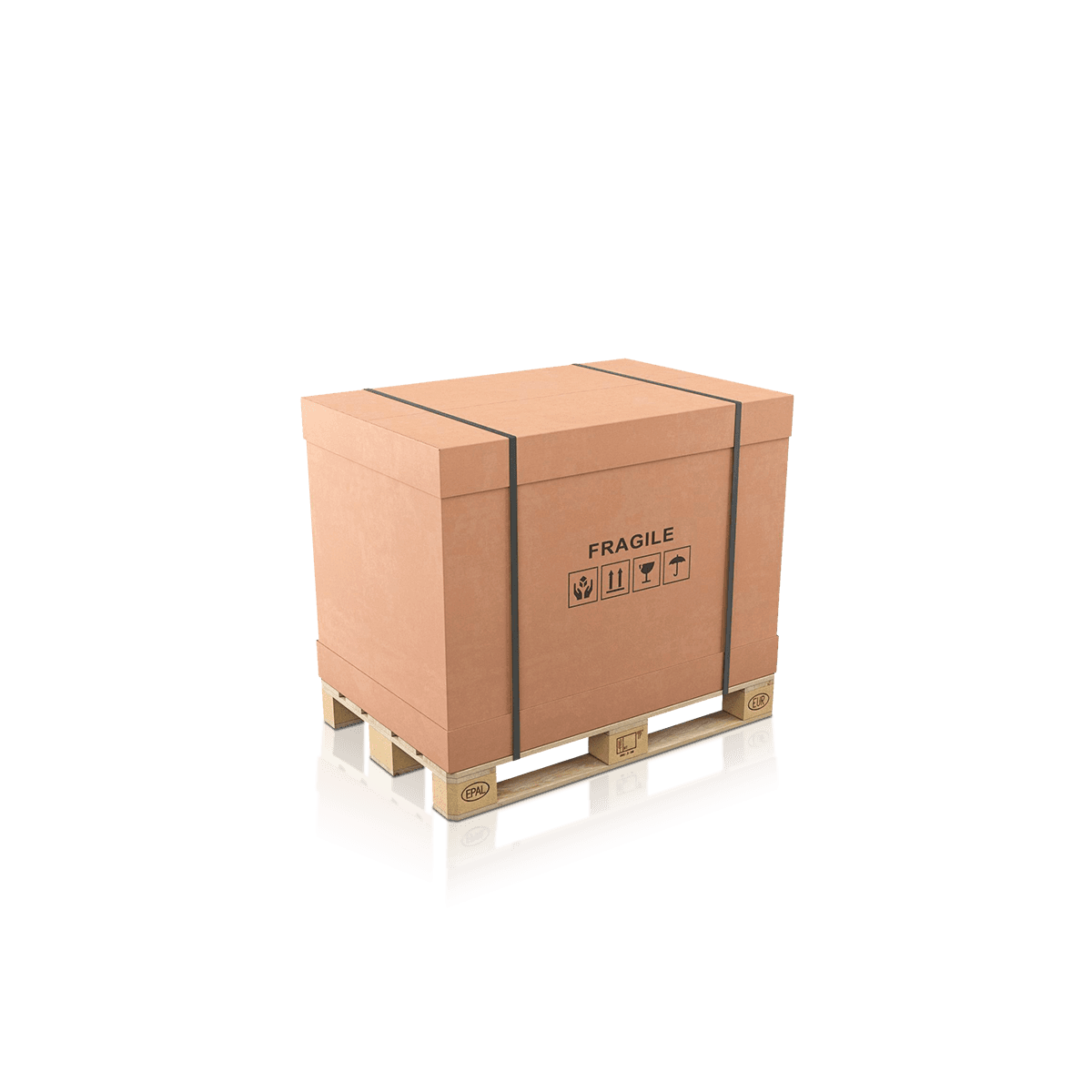
Packaging choice matters early with hazardous goods because one format does not suit every material. Hazmat Boxes are typically built around the product’s inner container style, its sensitivity to movement, and the need for visible marks, labels, and orderly shipment prep. For many buyers that means corrugated outer packs engineered for cans, jugs, pails, bottles, batteries or combination packs with room for partitions, cushioning, or absorbent support where required. Bespoke sizing also helps reduce empty space and gives warehouse teams a more repeatable way to pack regulated orders.
Supports safer prep for regulated outbound shipments
Fits inner containers more securely during handling
Improves space for labels, marks and shipment details
Helps reduce shifting inside the outer pack
Creates a more repeatable hazmat packing workflow
Stronger corrugated formats support hazardous-goods packing where tested outer packaging may be needed.
Box layouts can be planned around jugs, cans, pails, bottles or battery units for steadier placement.
Room for pads, partitions or foam helps manage movement and adds cleaner pack control.
Dedicated panel space helps teams apply required labels, arrows and shipment identifiers more neatly.
Use personalized sizes, insert layouts and board grades to match product type and shipping routine.
Paint, coating and solvent container shipments
Battery packs and power components moving through regulated channels
Industrial chemical orders packed for distributor or plant transfers
Aerosol and cleaning-product shipments for maintenance networks
Spill-response and safety supply kits sent to field teams
Simple steps from idea to delivery
Tell Us Your Specs
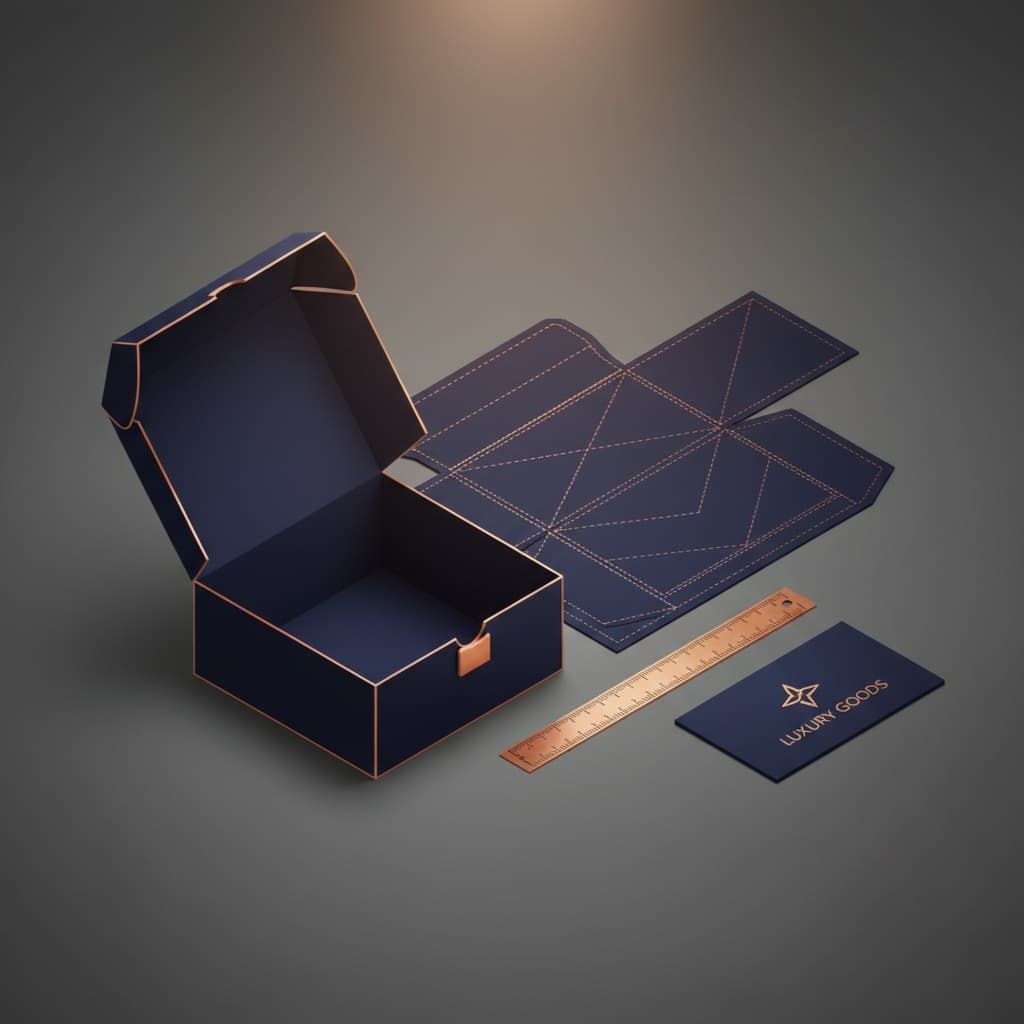
Provide size, quantity, printing, and finishes.
Get a Fast Quote

Instant transparent pricing, no hidden fees.
Design and Approval

Artwork checks, revisions, and final sign-off.
Produce

Expert manufacturing to meet deadlines.
Ship to Your Door

Hassle-free, flexible delivery options.
Share your product details, size, quantity and artwork needs. We’ll help choose the right packaging style and send a clear quote.