Skip to content
Details

Custom Full Overlap Boxes (FOL)

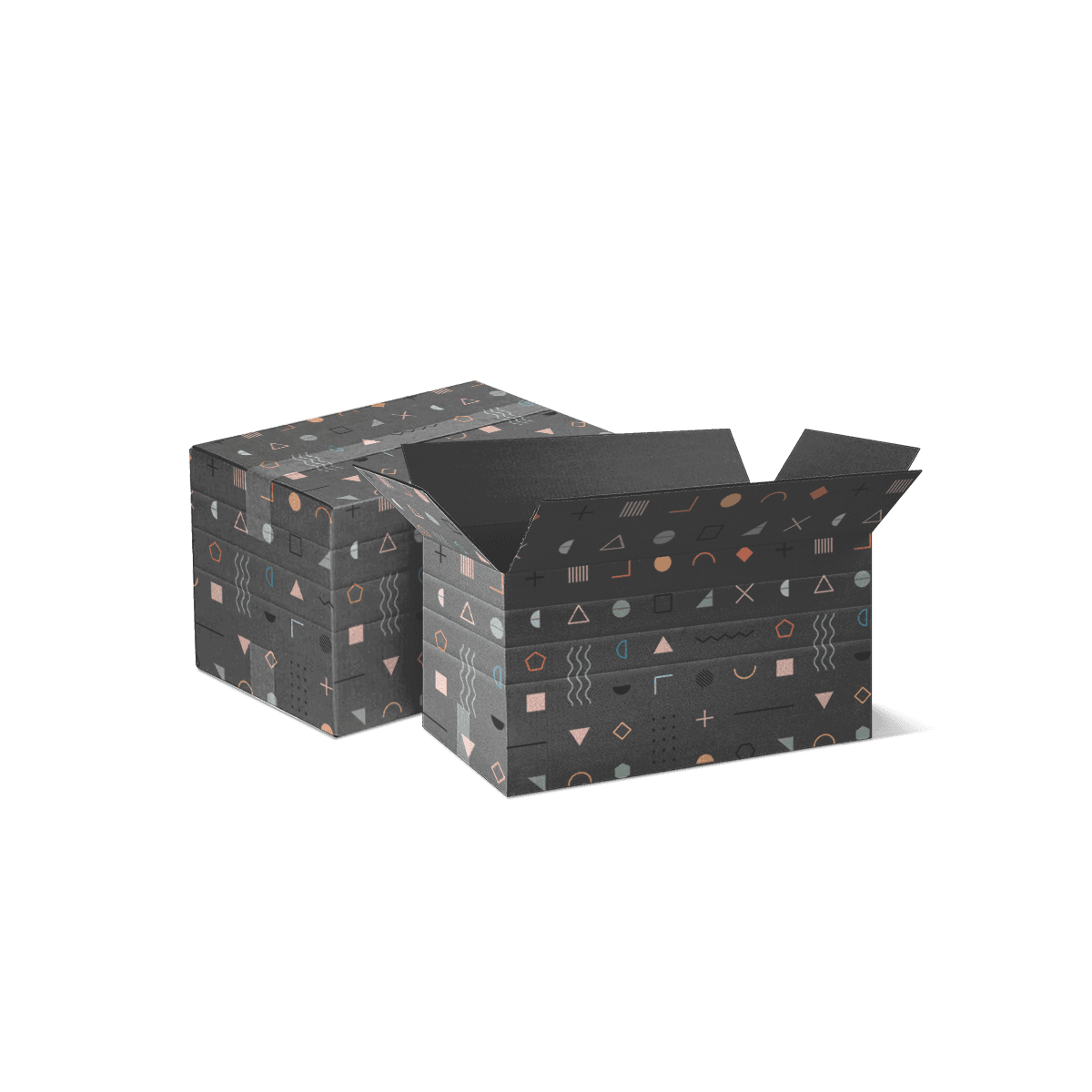
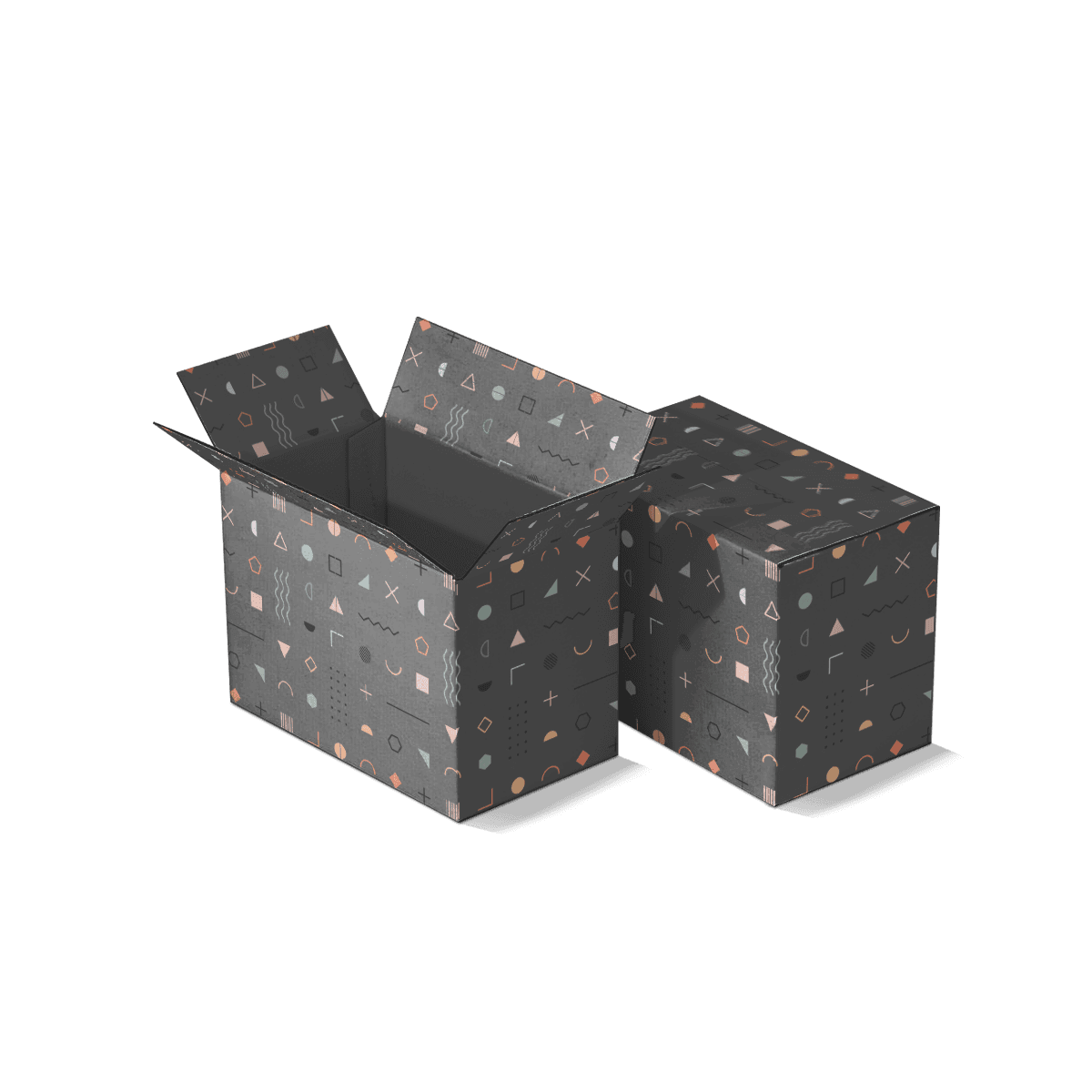
Corrugated shipping boxes with overlapping top and bottom flaps for added panel coverage, secure packing and protection of dense or edge-sensitive products.
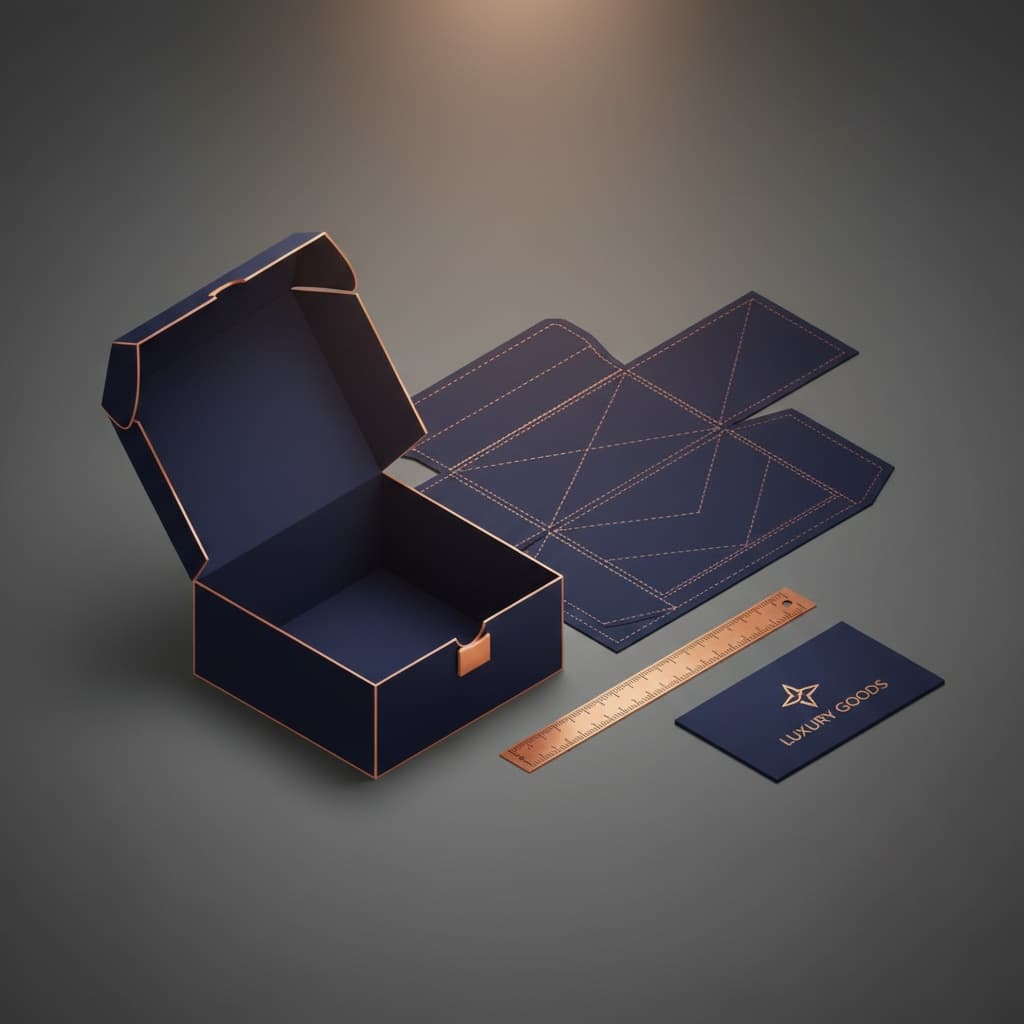
Dieline preview

Generate a full overlap boxes fol Dieline

Use custom dimensions to view the dieline for this box style and plan artwork with more confidence.

Bleed
Crease
Trim

No preview available

full overlap boxes fol

Calibrated controls

Current size300 × 140 × 150 mm
Preview scale100% centered
StateValidated
Next Step

Turn Your Dieline Into Custom Packaging

Share your box size, quantity, material, print and artwork details on the quote page. We’ll review your dieline and email your custom packaging quote with the dieline file.

Continue to quote

The Two Major Flaps Stack

The final flap of a full overlap box reaches across the entire opening instead of meeting another flap at the center.

That difference changes the construction of both the top and bottom panels.

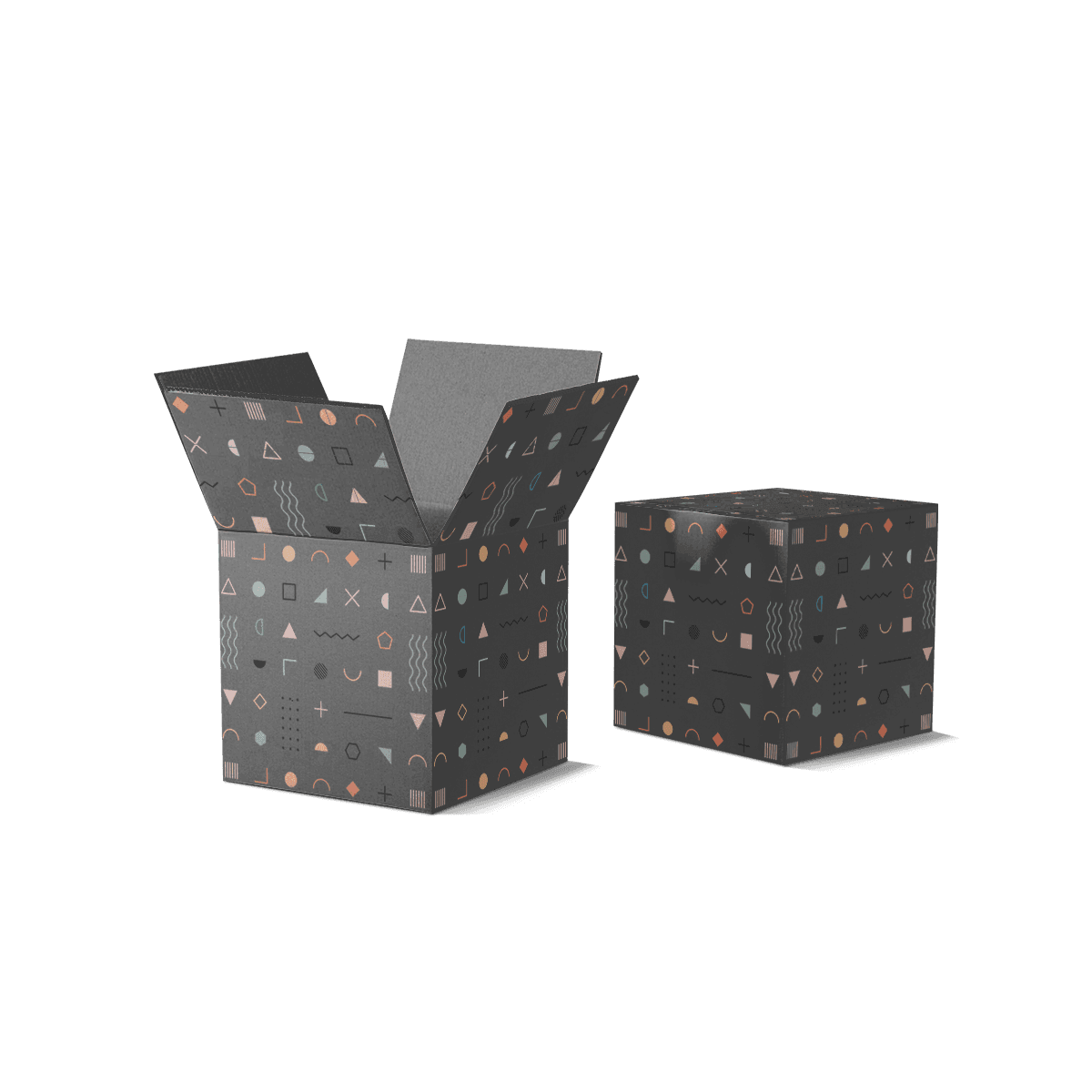
Custom Full Overlap Boxes (FOL) use a slotted corrugated structure in which the major flaps overlap completely when closed. They are associated with the FEFCO 0203 structural style.

The overlapping arrangement adds corrugated coverage across the top and bottom of the carton.

It can be valuable for shipments where concentrated pressure, rough handling or the product's geometry makes additional panel reinforcement worthwhile.

Unlike a general heavy-duty shipping box, FOL describes a specific flap construction. The same design principle can be applied to different corrugated grades according to the intended shipment.

Major Flaps and Minor Flaps

In a conventional slotted shipping carton, the top and bottom each have four flaps.

The major flaps are attached to the longer side panels. The minor flaps extend from the shorter end panels.

In a regular slotted container (RSC), the major flaps meet at the center when the box is closed.

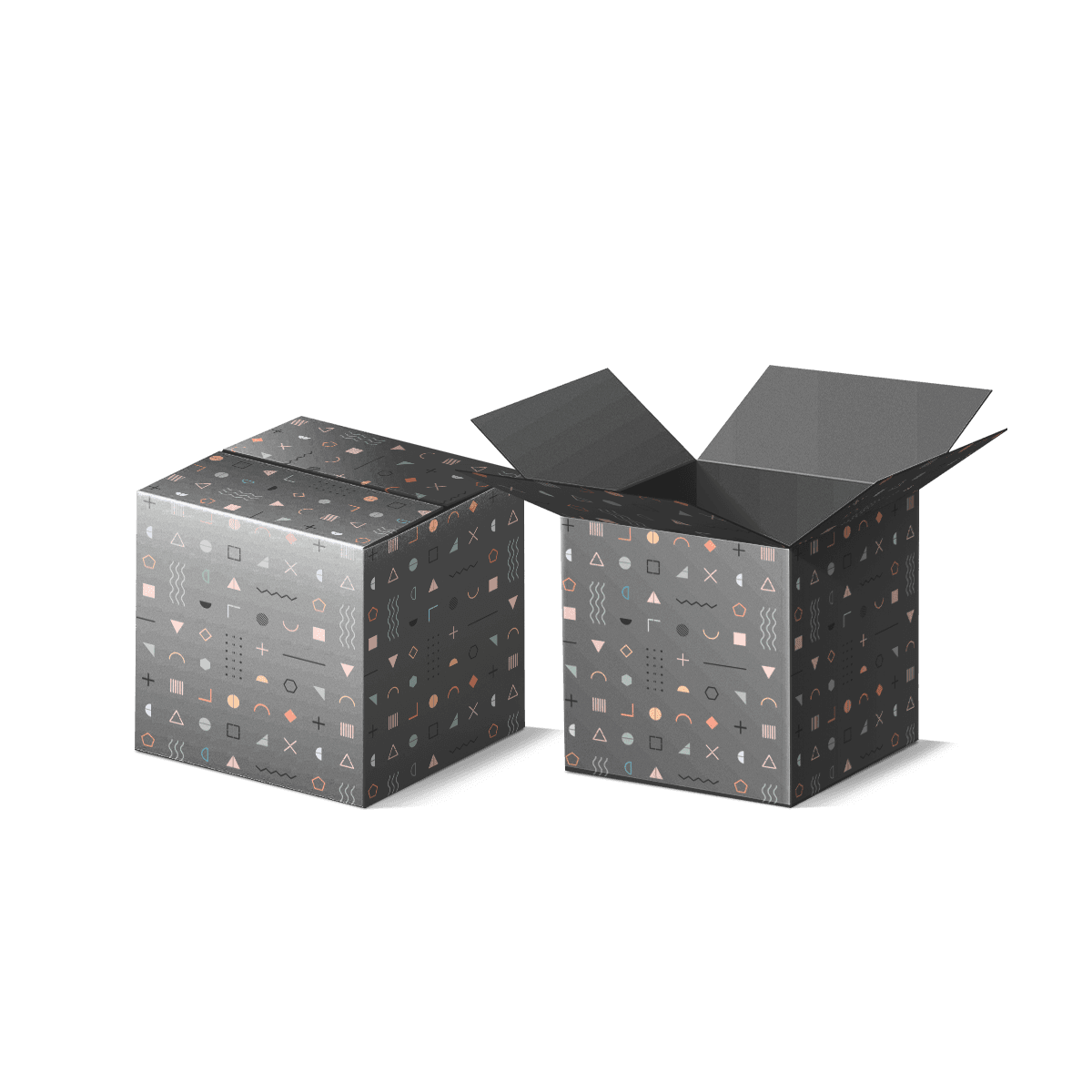
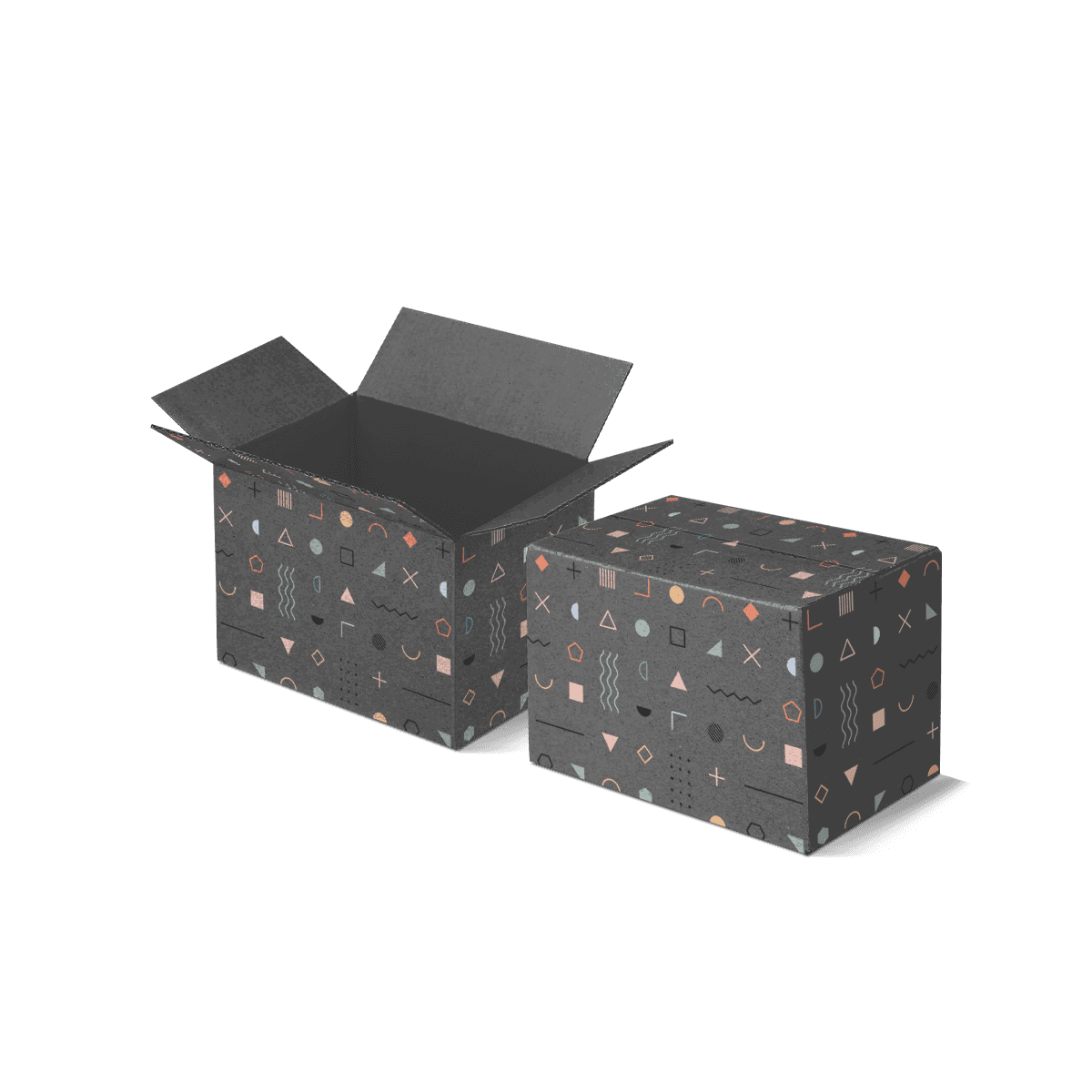
In an FOL construction, the major flaps extend across the full opening and overlap.

This adds a further layer of corrugated board across the panel.

The exact flap dimensions must reflect the finished box geometry and the board thickness.

Folding Order

The bottom flaps must be closed in the specified sequence.

The minor flaps fold inward, followed by the major flaps that form the overlapping closure.

The top follows the appropriate closure sequence after the products are loaded.

The major flaps must sit correctly without being forced into position.

A poorly dimensioned overlap can create unwanted resistance during folding or prevent the carton from closing squarely.

The final dieline should establish the required flap geometry before artwork and production are approved.
What the Overlap Actually Reinforces

Additional corrugated coverage is most valuable when it addresses a specific weakness in the package.

A full overlap design adds material across the top and bottom. It does not automatically increase the strength of every wall or resolve an unsuitable internal packing arrangement.

The location of the applied pressure determines whether the construction is appropriate.

Bottom-Panel Pressure

A dense product can place substantial pressure against the bottom of its shipping carton.

The overlapping major flaps add another layer of corrugated coverage beneath the contents.

This can be beneficial when the bottom panel requires additional protection.

However, the product's supporting footprint still matters.

A component resting on a narrow metal edge may concentrate its weight into a small area despite the additional board.

Where concentrated pressure remains a concern, an appropriate internal support or load-spreading pad may be necessary.

Top-Panel Coverage

The overlap also changes the upper panel.

A full layer of corrugated board extends across the top rather than leaving the major flaps meeting along the center.

This can help when the carton encounters localized contact or pressure during handling.

It does not mean the top can safely carry an unrestricted stacking load.

Stacking performance depends on the complete carton, including its walls, corners, board construction and packed contents.

Edge Protection

The additional coverage can be beneficial for products that are vulnerable near the top or bottom edges of the package.

An FOL carton may suit certain boxed equipment, fragile assemblies or products that require more substantial panel coverage.

The packaging must still prevent direct contact between vulnerable product features and the outer walls.

For fragile products, packaging structure and product fit must work together.

Overlapping flaps cannot replace a protective interior when the product needs cushioning or restraint.

FOL Versus Ordinary Slotted Cartons

The decision between FOL and a conventional RSC should be based on the value of the additional flap coverage.

Both are practical corrugated shipping structures.

Both can be manufactured in custom dimensions and supplied flat for assembly.

The primary distinction is the major flap geometry.

Regular Slotted Containers

An RSC uses major flaps that meet at the center.

This construction uses less material in the major flaps and is familiar to many warehouse packing operations.

It is suitable for a broad variety of shipping applications when the board grade, product fit and closure method are appropriate.

For shipments that do not need additional panel coverage, the simpler construction may be sufficient.

Full Overlap Containers

An FOL carton extends the major flaps across the complete opening.

The resulting double layer of corrugated board can reinforce the top or bottom panel where additional coverage is needed.

The additional material also changes the blank dimensions and potentially the packing process.

An FOL carton should be selected because the extra coverage addresses an actual shipping requirement.

Partial Overlap

An overlap slotted container, commonly identified as OSC, uses major flaps that overlap by a specified amount without extending across the full opening.

This is structurally different from full overlap construction.

A partial overlap may be appropriate for certain applications, but its performance and material requirements must be assessed for the actual carton.

The terms should not be used interchangeably when specifying the dieline.

The Cost of Extra Flap Material

Full overlap construction requires more corrugated material in the major flaps than a comparable RSC.

That additional board affects material consumption and can influence converting, flat-storage and production requirements.

It should be evaluated against the protection or structural benefit required by the shipment.

Blank Dimensions

The carton blank determines how much corrugated board is required before the structure is folded.

Extending both major flaps changes the amount of material needed.

The effect on production cost depends on the box dimensions, corrugated grade, manufacturing arrangement and order quantity.

An FOL construction should not be assumed to cost a fixed percentage more than an RSC.

Evaluate the two constructions using equivalent dimensions, material specifications and production quantities.

Construction Versus Board Grade

A stronger corrugated grade and a full overlap structure address different aspects of packaging performance.

The board grade affects the properties of the material.

The FOL arrangement changes the amount and position of material in the top and bottom panels.

A stronger RSC may be appropriate when the principal requirement concerns overall carton performance.

An FOL design may be appropriate when additional panel coverage is specifically beneficial.

Some shipments require both a stronger board construction and overlapping flaps.

The necessary combination depends on the finished package.

For applications requiring stronger corrugated performance throughout the entire shipping case, heavy-duty shipping boxes can be considered alongside the flap arrangement.

Production Pricing

Custom Packly supports US production with an MOQ starting from 100 boxes.

Dimensions, corrugated construction, printing, protective components and quantity influence the final price.

Once the required flap arrangement and packed-load requirements are established, custom packaging pricing can be based on the actual FOL construction.

Standard turnaround is 4–6 days after final artwork and specifications are approved. Specialty materials and complex production requirements can take additional time.

Free shipping is included in the standard US offer.

Sealing an Off-Center Flap

An FOL carton does not close in the same way as a conventional RSC.

Because the major flaps overlap, the exposed edge of the outermost flap is positioned toward the opposite side of the carton rather than along a center seam.

This affects the closure arrangement.

The sealing method must maintain the intended overlap during lifting, stacking and transportation.

Tape Placement

The appropriate tape specification and application method depend on the carton construction and packed weight.

The outer flap must remain secured in its correct position.

A familiar center-seam taping procedure may not produce the required closure on an FOL carton.

The sealing arrangement should be established for the actual structure.

Additional tape should not be used as a substitute for incorrect flap dimensions or an unsuitable closure method.

Packing Equipment

Automated and semi-automated case-sealing equipment may be configured for particular carton dimensions and flap arrangements.

A packing operation changing from RSC to FOL should confirm that its equipment can handle the new structure.

The additional flap length may affect folding and sealing.

If the carton requires manual adjustment at every packing cycle, the production benefits of the proposed design need to be reconsidered.

For repeated packing operations, closure consistency matters as much as the appearance of the finished box.

A Long Component Needs More Than Coverage

Consider a manufacturer shipping a long, narrow industrial component.

The product is packed in a rectangular corrugated carton with conventional center-meeting flaps.

The manufacturer wants additional protection across the top and bottom because the package may encounter contact during warehouse handling.

An FOL construction introduces overlapping major flaps across those surfaces.

However, the component must still be supported internally.

If it rests against the bottom panel at only two narrow points, those contacts can concentrate pressure regardless of the flap arrangement.

A suitable internal support can distribute the weight and help maintain the intended position.

The FOL structure then contributes additional panel coverage around that support.

The two elements perform different jobs.

For shipments involving machined parts, tools or mechanical assemblies, MRO packaging may also require individual part identification and internal separation.

The outer construction should be selected according to the physical shipping requirement, not merely the industrial application.

Corrugated Grade and Finished-Box Performance

An FOL box can use different corrugated constructions according to the intended shipment.

Single-wall and double-wall materials are possible directions, but the appropriate grade depends on the complete packaging specification.

The overlap does not establish a universal weight capacity.

Single-Wall Construction

Single-wall corrugated may be appropriate when the shipment benefits from overlapping flaps but does not require an unusually heavy board construction.

A product may need additional panel coverage because of its shape or contact points rather than its total weight.

The finished carton should still be evaluated against the intended distribution conditions.

Double-Wall Construction

Double-wall corrugated can be considered where the package requires additional material stiffness or compression performance.

Combining double-wall board with FOL construction may suit more demanding shipments.

However, the combination increases material consumption and can affect folding and closure.

Its suitability must be established rather than assumed.

ECT and Compression

Edge Crush Test values describe the edgewise compression resistance of corrugated board.

They do not establish the finished carton's maximum safe load.

Box dimensions, wall construction, corners, stacking arrangements and environmental conditions all influence compression performance.

The additional material in an FOL's top and bottom panels should not be confused with an independently verified increase in finished-box compression capacity.

For higher-risk shipments, the appropriate packaging tests should assess the complete packed carton under the relevant handling and storage conditions.

The Dieline Controls the Overlap

A full overlap box requires a technically correct flat layout.

Changing a conventional RSC by simply extending its flaps without reviewing the rest of the geometry can create assembly and manufacturing problems.

The final dieline must account for the internal dimensions, board thickness, panel sequence and intended closure arrangement.

Flap Length and Folding Clearance

The major flaps must extend sufficiently to produce the required overlap.

Their dimensions should account for the actual corrugated construction.

A thicker board can change the space required at folds and the way overlapping layers sit together.

The minor flaps must also work with the major-flap arrangement.

The completed structure should remain square and close without excessive force.

Printing and Fold Positions

Exterior artwork must correspond to the assembled carton.

A graphic placed on the underside of an overlapping flap may become hidden when the box is closed.

Similarly, important identification positioned too close to a fold or sealing area may be difficult to read.

The packaging dieline determines where the artwork sits in relation to the finished structure.

Custom Packly includes free design and dieline support to help prepare the box for production.

Free 3D mockups can assist with reviewing the finished appearance and printed-panel positions.

Where physical fit or closure behavior remains uncertain, a paid fully custom pre-production sample can be considered.

Packing and Palletizing FOL Cartons

A full overlap box may be shipped individually or as part of a palletized load.

Its performance depends on the complete packed assembly and the conditions it encounters.

The overlapping flaps contribute additional board coverage, but they do not eliminate the need for suitable product positioning and pallet arrangements.

Product Retention

Products should not be allowed to move freely inside the carton.

For a multi-item shipment, internal dividers or pads may help maintain the intended arrangement.

The material and layout should reflect the product's weight, shape and vulnerability.

A strong exterior cannot prevent damage caused by uncontrolled contact between the contents.

Pallet Stacking

Carton dimensions affect how the finished cases fit together on a pallet.

The chosen stacking pattern should support the load appropriately and maintain a stable handling unit.

Overhanging cartons may lose support beneath their edges.

Excessive pressure from securing materials can also deform the walls.

The FOL construction should therefore be evaluated as part of the complete shipping arrangement.

For a shipment requiring a substantially larger enclosure around an entire palletized load, a pallet-specific packaging system may be more appropriate than increasing the dimensions of an individual FOL carton.

Printed FOL Boxes for Distribution

Full overlap cartons can carry branding, product identification and handling marks.

The print treatment should reflect the carton's actual use.

Industrial distribution may need straightforward identification, while branded wholesale or ecommerce shipments may justify more developed exterior graphics.

The Outer Major Flap

The outermost major flap creates a large continuous surface across the top or bottom.

Where that surface remains visible after sealing, it may accommodate suitable printed identification.

However, artwork placement must account for the closure method and the position of shipping labels.

Essential identifiers should not be placed where tape or another flap will predictably conceal them.

Side-Panel Identification

The side panels may be more accessible when cartons are stacked or stored.

Part identifiers, carton quantities and other warehouse markings can be positioned according to the intended handling arrangement.

For repeat production, the artwork should remain associated with the correct dieline and board specification.

Custom Packly supports premium offset printing when the artwork and production requirements justify it.

For routine industrial shipping, simpler print treatments may be sufficient.

Repeat Orders Need the Same Flap Geometry

An FOL carton may look similar to another slotted box while having materially different flap dimensions.

For purchasing teams, the approved structure must remain identifiable from one production run to the next.

A replacement carton should not be accepted solely because its internal dimensions and board grade match the previous order.

Structural Identification

The production specification should identify the full overlap construction, dimensions, board requirements and closure arrangement.

If the carton uses protective pads or other internal components, those requirements should remain associated with the finished packaging specification.

An unapproved change to the major-flap length can alter the intended coverage.

Likewise, substituting a different board construction may affect folding and closure behavior.

Material and Manufacturing Changes

A proposed material substitution should be reviewed before the next production run.

The same nominal grade does not necessarily establish identical performance across different constructions.

The risks of undocumented packaging substitutions become more important when a production change affects an established shipping specification.

For suitable repeat programs, Custom Packly supports warehousing and scheduled deliveries.

That can help businesses coordinate packaging supply without repeatedly reconstructing the approved requirements.

The Extra Flap Must Have a Job

The defining advantage of full overlap construction is additional corrugated coverage across the top and bottom of the carton.

That advantage is valuable when the shipment has a genuine need for reinforcement in those areas.

It offers less value when the underlying problem lies elsewhere.

A product that moves excessively needs appropriate internal restraint.

A carton with inadequate wall compression may need a different board specification.

A package that is difficult to seal may require a corrected closure arrangement.

An oversized box may need revised dimensions rather than additional material.

For each proposed FOL construction, the important decision is whether the overlapping flaps address the actual shipping requirement.

Where they do, the carton can deliver a practical structural improvement without introducing a completely different box style.

Where they do not, a simpler slotted carton or another appropriately specified shipping box may be more economical.

The flap arrangement should earn its additional material through a clear packaging function.

FAQs

It means the major flaps on the top and bottom fully cover each other instead of stopping short in the middle. That creates more board coverage where pressure and impact often hit hardest.

Choose Full Overlap Boxes (FOL) when the shipment is heavier, more fragile at the edges, or likely to face stacking pressure. Regular Slotted Containers (RSC) are usually the better choice for general-purpose shipping where lower material use matters more than extra reinforcement.

Often yes. When damage risk, pallet stacking, or rough handling is part of the shipping environment, the extra corrugated coverage can be worth it.

No. They are common in industrial and MRO settings, but they also work for electronics, wholesale retail replenishment, subscription replenishment, and any shipment that needs stronger panel support.

That is often a smart upgrade. FOL boxes pair well with corrugated pads, partitions, and foam or paper-based fitments when contents need cleaner separation or better shock control.

Process

How it works

Your Packaging Journey, From Idea to Production and Delivery

01

Tell Us Your Specs

Custom packaging boxes

Tell Us Your Specs

Provide size, quantity, printing, and finishes.

02

Get a Fast Quote

Custom packaging boxes

Get a Fast Quote

Instant transparent pricing, no hidden fees.

03

Design and Approval

Custom packaging boxes

Design and Approval

Artwork checks, revisions, and final sign-off.

04

Produce

Custom packaging boxes

Produce

Expert manufacturing to meet deadlines.

05

Ship to Your Door

Custom packaging boxes

Ship to Your Door

Hassle-free, flexible delivery options.

Get Your Quote for Custom Full Overlap Boxes (FOL)

Share your product details, size, quantity and artwork needs. We’ll help choose the right packaging style and send a clear quote.