Skip to content
Details

Custom Multi-Depth Boxes

Adjustable corrugated cartons that keep one length-and-width footprint while closing at several planned heights for changing order volumes.
Dieline preview

Generate a Multi-Depth Boxes Dieline

Use custom dimensions to view the dieline for this box style and plan artwork with more confidence.

Bleed
Crease
Trim

No preview available

Multi-Depth Boxes

Calibrated controls

Current size300 × 200 × 200 mm
Preview scale100% centered
StateValidated
Next Step

Turn Your Dieline Into Custom Packaging

Share your box size, quantity, material, print and artwork details on the quote page. We’ll review your dieline and email your custom packaging quote with the dieline file.

Continue to quote

One Footprint, Several Heights

Multi-depth construction solves a narrow but common fulfillment problem: the order footprint stays similar while the packed height changes.

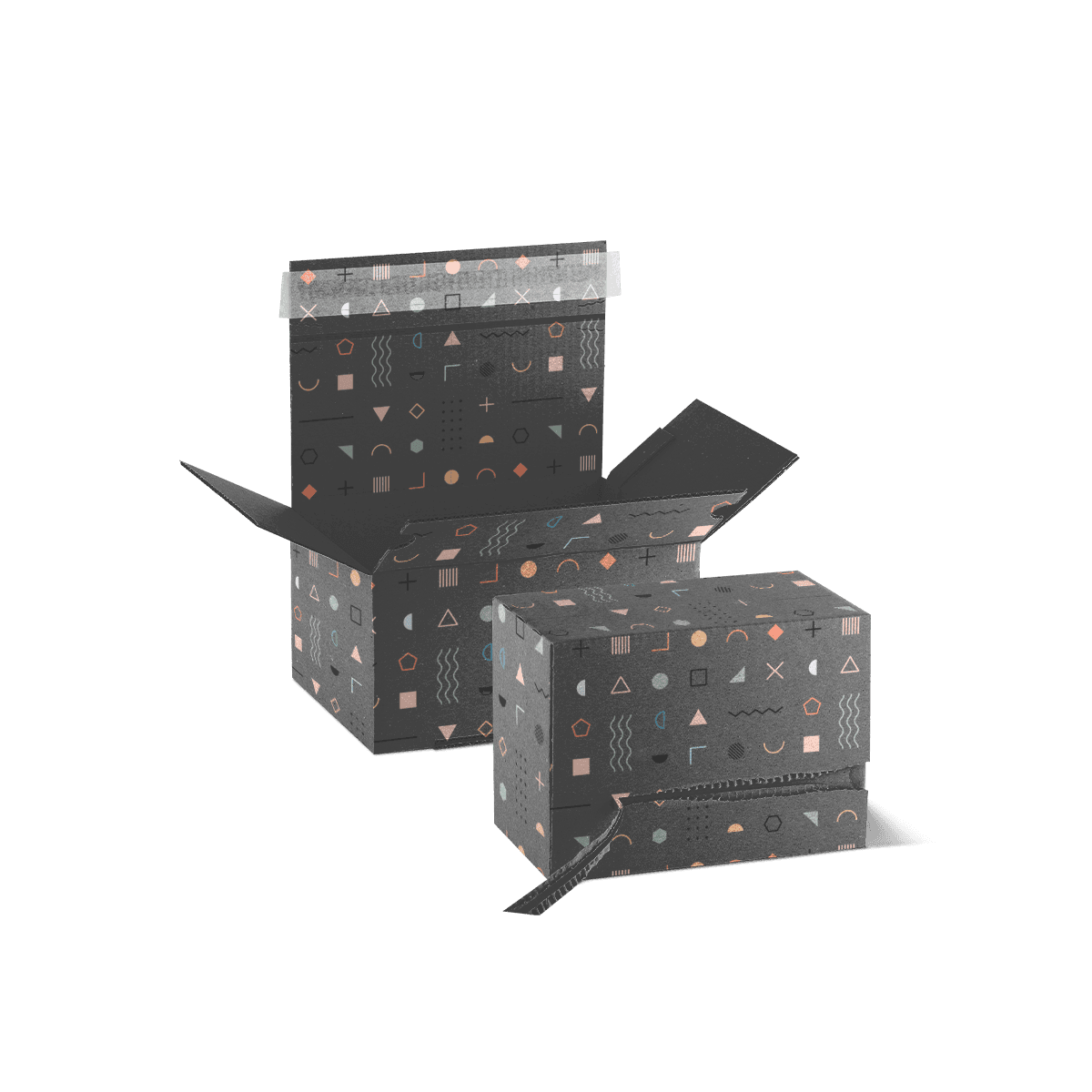
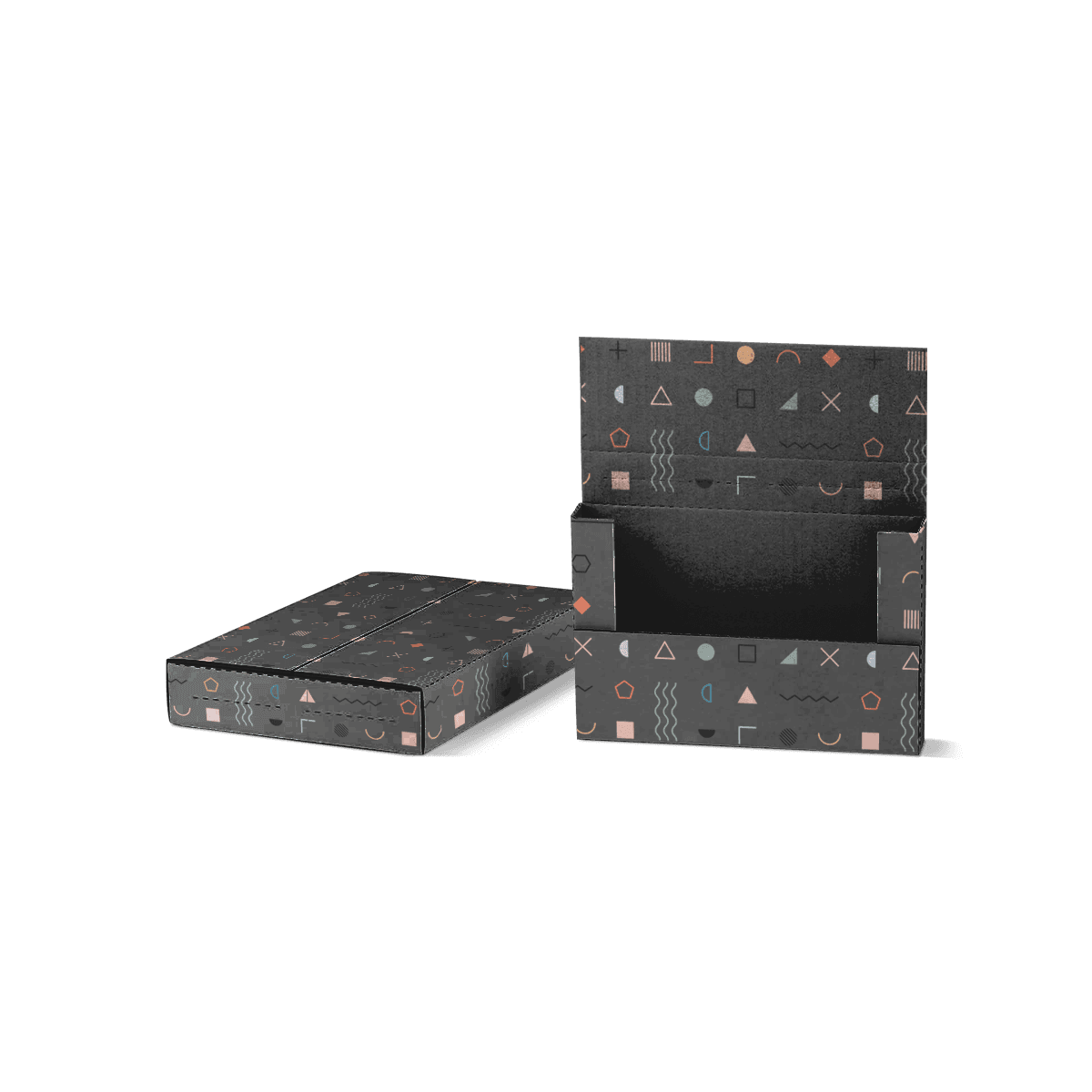
Custom Multi-Depth Boxes use additional horizontal score lines in a corrugated shipping carton so staff can reduce the closing depth at the packing station. The carton starts at its maximum height, then closes at one of several planned lower levels when the contents do not require the full depth.

That makes the structure different from maintaining several fixed-height cartons with nearly identical length and width.

Across Shipping Boxes, multi-depth construction makes the most sense when vertical variation is the problem. It does not replace every shipping-box size.

If length, width and height all change substantially from one order to another, separate right-sized cartons may still be cleaner. The advantage appears when the footprint can remain stable and only the depth needs to move.
The Footprint Stays Fixed

The adjustable dimension is height. Length and width still need to work across the intended order group.

That makes footprint selection the first serious decision.

Group Compatible Orders

Look for products and bundles that naturally occupy a similar base area.

A business may ship one large folded textile, two stacked textiles or the same product with an accessory. The footprint can remain almost identical while the packed stack becomes progressively taller.

Those orders are strong candidates for one multi-depth carton.

A product that is much longer or wider than the others should not be forced into the same box merely to reduce carton inventory.

Do Not Start With the Largest SKU

Choosing length and width around the largest product can create excessive horizontal space for every smaller order.

Multi-depth boxes remove unused vertical space. They do not automatically remove unused space around the sides.

When the footprint itself needs to match one fixed product closely, Custom Corrugated Shipping Boxes can use a dedicated right-sized specification instead.

The strongest multi-depth programs group orders with genuinely compatible length and width before deciding how many closing heights they need.

Score Levels Should Match Real Packs

Extra scores only have value when they correspond to heights the packing operation actually uses.

Adding a crease every small increment may appear flexible, but staff still need to know which one belongs to each order.

A better score schedule starts with recurring packed depths.

Measure actual packed combinations, including inserts, retail cartons, protective layers and anything placed above the product. Then cluster those heights into a small number of practical closing levels.

For example, one carton might need:

  • full depth for a six-unit bundle
  • middle depth for four units
  • lower depth for a two-unit order

Those three positions create a clear packing rule.

A score that falls between every realistic order height adds another line to the board without necessarily improving the operation.

The Cut-Down Step Is Real Labor

Adjustable height is not automatic.

With common multi-depth corrugated construction, staff select the required horizontal score, cut the vertical corners down to that level and fold the upper panels at the new line before sealing the carton.

That manual step is part of the buying decision.

If a warehouse ships highly variable orders, cutting down one carton may still be simpler than locating and stocking several nearly identical boxes.

If one fixed height handles most shipments, repeatedly cutting down the same multi-depth blank can create more work than using a dedicated carton.

This is the tradeoff that generic claims about flexibility often miss.

Multi-depth construction reduces carton switching. It adds a height-adjustment step.

A paid fully custom pre-production sample can be useful when score placement, corner cutting or lower-height folding needs physical confirmation before a recurring program is approved.

The structure works best when that exchange improves the actual packing line.

Headspace Is the Space You Can Remove

The clearest physical benefit is vertical right-sizing.

A fixed-depth carton may fit the tallest order well but leave several inches above shorter orders. That space can require more cushioning and gives the contents more room to move vertically.

Selecting a lower score brings the closing plane closer to the packed products.

This can reduce the amount of filler needed above the order and decrease the external package height. Where parcel pricing is affected by package dimensions, removing unnecessary volume can also improve shipping efficiency.

Packaging that scales with order volume becomes increasingly sensitive to excess parcel size because small inefficiencies repeat across thousands of shipments.

The aim is not to force the lid against the products.

Keep enough clearance for protective material and normal packing tolerance. Remove empty height that serves no protective purpose.

Adjustable Height Does Not Fix Side Movement

A lower closing height controls one dimension.

Products can still slide across the length and width if the footprint is too large.

Consider a pet-care business shipping refill pouches in several quantities. One pouch, two pouches and four pouches may all stack neatly inside the same base footprint at different heights.

That is a strong multi-depth use.

Now add a small treat jar that occupies only one corner of the same carton. Lowering the box does not stop the jar moving sideways.

The order may need a divider, paper pad or another internal support to control the mixed contents.

Packaging inserts can stabilize components when changing carton height alone does not control product movement.

This keeps the structural logic clear: adjustable depth removes unnecessary headspace. Interior support handles movement that remains inside the chosen footprint.

Scores Change the Corrugated Wall

A horizontal score is a deliberate compressed fold line in the corrugated board.

At the chosen height, that is exactly what the structure needs. At other heights, unused score lines remain part of the side wall.

That means the board and score schedule should be considered together.

The carton still needs enough corrugated strength for the product weight, stacking conditions and shipping route after the extra crease lines are introduced.

Corrugated Boxes should settle flute, liner and wall-construction questions when the load itself creates the main structural demand.

The solution is not to avoid multi-depth scoring whenever stacking matters. It is to specify the board around the real maximum load and the finished carton configuration.

The deepest version often carries the greatest volume, but it is not automatically the heaviest. Packed weight should be checked at each important configuration.

The Bottom Stays Constant

Multi-depth cartons usually change at the top of the box, while the base footprint remains fixed.

That consistency can be useful in fulfillment.

The same bottom dimensions mean a carton can occupy a predictable area on packing tables, storage racks and some outbound handling setups even when its final height changes.

For a standard slotted construction, Regular Slotted Containers keep the basic four-flap shipping geometry straightforward.

Multi-depth construction adds variable score positions to that familiar carton logic.

This is one reason the style works well for product groups with stable footprints. The packing team learns one base box and adjusts only the vertical closure according to the order.

Lower Depth Changes the Top Panels

Cutting the carton down changes what happens above the selected score line.

The upper wall portions and flaps have to fold cleanly from the new closing position. Staff need enough clearance at the corners to make that fold without tearing the board or leaving uneven edges.

The selected score should therefore be obvious and easy to reach.

If workers regularly cut past the intended line or choose different score heights for the same order, the box may be structurally capable but operationally unclear.

Packing instructions can solve part of that problem.

The carton itself can also help through clearly planned score spacing, discreet depth identifiers or a simple warehouse code for each closing position.

A multi-depth carton should create controlled flexibility, not encourage every packer to invent a new box height.

Artwork Has to Survive Every Depth

Adjustable walls create an unusual branding constraint.

Graphics printed on the upper side panels may move onto the top when the carton is reduced. Part of a large side-panel design may also be interrupted by cuts made down to the selected score.

Important artwork should therefore sit where it remains stable across the intended closing heights.

A logo placed lower on a side wall may stay visible whether the box ships at full depth or a reduced setting. Decorative patterns can tolerate score lines more easily than small text that depends on one exact panel height.

When exterior print is a major part of the delivery experience, Printed E-Commerce Shipping Boxes should account for carrier labels, tape and changing panel geometry at the same time.

Free 3D mockups can help review the full-height version, but adjustable-depth artwork should also be considered at the lower closing positions.

The tallest configuration is not the only finished box the customer will receive.

One Blank Can Replace Several Depth SKUs

The warehouse advantage is carton consolidation.

Suppose an operation currently stocks 12 × 10 × 4, 12 × 10 × 6 and 12 × 10 × 8-inch shipping cartons. If those three heights serve the same product group, one multi-depth structure with appropriate score positions may replace all three.

That can reduce the number of carton codes purchasing has to reorder and the number of nearly identical bundles the warehouse has to identify.

The benefit is not unlimited.

The flat blank still has to accommodate the maximum box depth, so one multi-depth carton does not magically take the storage footprint of the shortest version. It reduces the number of different carton stocks rather than eliminating corrugated inventory itself.

This distinction matters when warehouse space is the main reason for making the change.

Fewer box SKUs can simplify storage even when the total number of flat blanks remains similar.

Standard Boxes Still Win at Stable Heights

Multi-depth construction is not the default answer for every e-commerce operation.

If the same two or three box sizes handle most orders with little unused space, Standard E-commerce Boxes may be faster because staff can select a fixed carton and pack immediately.

A fixed-depth carton often makes more sense when:

  • one height dominates the order mix
  • automatic packing equipment expects a fixed specification
  • the carton is already closely right-sized
  • cutting down the corners would add unnecessary labor
  • exterior artwork depends on stable side-panel dimensions
  • each footprint needs substantially different length and width anyway

Multi-depth construction is strongest when height variability is meaningful enough to offset the added adjustment step.

The question is not how many sizes the box can replace in theory.

It is how many actual carton codes it can remove without slowing daily fulfillment.

The Score Map Belongs on the Dieline

The closing levels are part of the box structure, not warehouse improvisation.

Each planned depth should be established on the dieline so score placement remains consistent from one production run to the next.

The packaging dieline controls cut lines, folds, panel dimensions and artwork positions before corrugated conversion.

For this structure, the depth scores need to coordinate with the maximum box dimensions and the way the upper panels will be cut and folded at the packing station.

Custom Packly's dieline generator can create a dimension-based starting layout for supported box styles, while design and dieline support can help develop the final score schedule around the real packing configurations.

Changing the score heights later is a structural revision even if the maximum outer dimensions remain the same.

Price the Maximum Blank

A multi-depth box begins as the full-height carton, so the maximum dimensions still matter for material use and production.

An accurate request should identify:

  • maximum internal length, width and depth
  • intended lower closing depths
  • common products or bundles at each depth
  • packed weight at important configurations
  • corrugated construction if already known
  • internal dividers or pads
  • exterior and interior printing
  • quantity
  • expected recurring volume
  • shipping ZIP code

Custom Packly starts USA orders from 100 boxes. For recurring programs, bulk custom boxes can support higher production quantities while warehousing and scheduled deliveries help control how many flat cartons reach the fulfillment site at one time.

Once the footprint, maximum depth and score positions are defined, an instant custom packaging quote can reflect the actual adjustable structure with transparent pricing and no hidden charges.

Mark the Depth at the Packing Station

The final improvement happens after the box specification leaves production.

Give each closing height a simple packing rule.

A warehouse might label the levels A, B and C, or associate them with recognizable order combinations. Keep the instruction close to where the cartons are packed so staff do not have to estimate how far to cut each order.

Then watch the real workflow.

If one score is almost never used, it may not need to return on the next production run.

If staff repeatedly choose a higher level because a common insert sits above the intended depth, update the packing specification rather than telling them to force the carton lower.

If one configuration routinely needs excess side filler, the shared footprint may be too large for that order even though the height works perfectly.

The strongest multi-depth program is not the carton with the greatest number of score lines. It is the one where a small number of planned heights lets one footprint replace several genuinely redundant box depths without turning every shipment into a manual sizing exercise.

FAQs

Usually in busy fulfillment environments with changing order sizes. Teams can adjust one carton style instead of switching between several similar box heights.

They are often stronger for mixed orders, replenishment programs, and bundle-based shipping where pack height changes from one order to the next.

Choose Multi-Depth Boxes when the footprint stays similar but the packed height changes often. Custom Corrugated Shipping Boxes are the better fit when each product needs a fixed right-sized box built around one consistent spec.

Not if the structure is engineered correctly and the cut-down process follows the score lines. Board grade, load weight, and final packed height still need to match the shipping conditions.

Both. The box is mainly chosen for operational efficiency, but it can still carry printed handling details, identifiers, or personalized exterior branding where needed.

Process

How it works

Your Packaging Journey, From Idea to Production and Delivery

01

Tell Us Your Specs

Custom packaging boxes

Tell Us Your Specs

Provide size, quantity, printing, and finishes.

02

Get a Fast Quote

Custom packaging boxes

Get a Fast Quote

Instant transparent pricing, no hidden fees.

03

Design and Approval

Custom packaging boxes

Design and Approval

Artwork checks, revisions, and final sign-off.

04

Produce

Custom packaging boxes

Produce

Expert manufacturing to meet deadlines.

05

Ship to Your Door

Custom packaging boxes

Ship to Your Door

Hassle-free, flexible delivery options.

Get Your Quote for Custom Multi-Depth Boxes

Share your product details, size, quantity and artwork needs. We’ll help choose the right packaging style and send a clear quote.