Pallet-Matched Footprint
Box dimensions are aligned to pallet size for steadier load building and cleaner trailer use.
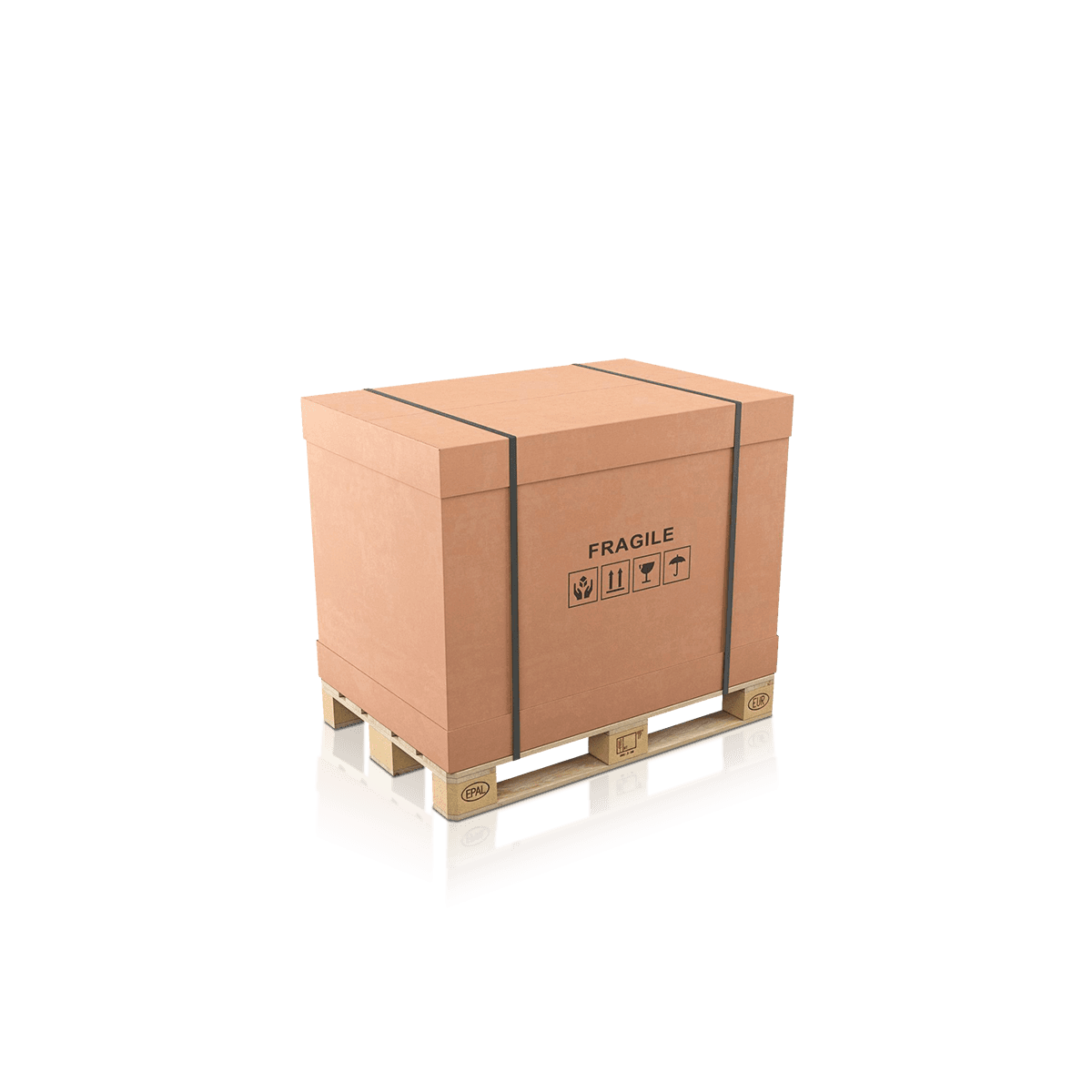
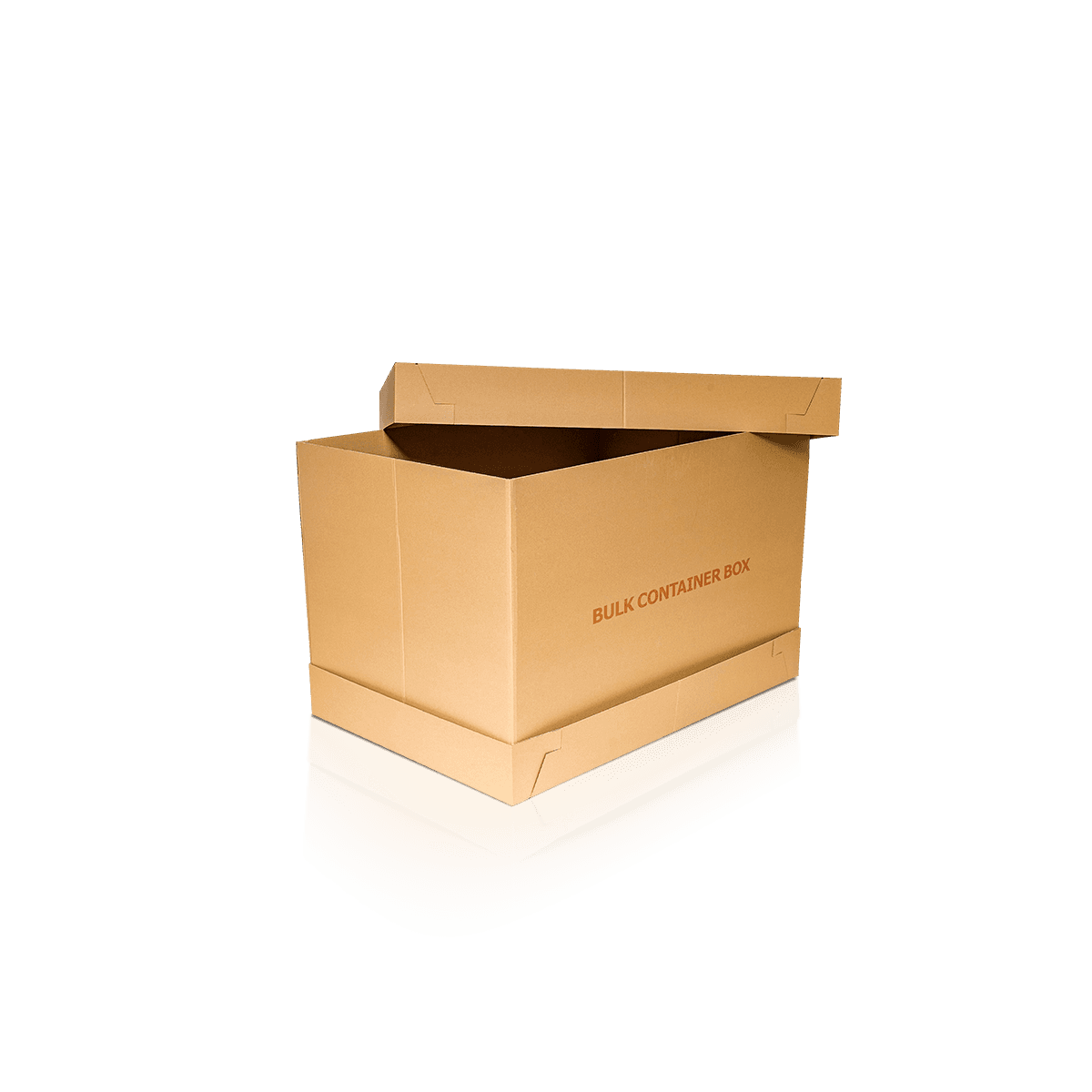
For loads that need to stay together from pack station to dock, Pallet Boxes give buyers a container designed around pallet movement rather than simple hand-carried case packing. They are commonly used for dense components, case-packed goods, bagged materials and grouped inventory that must move through warehouses, trailers and distribution centers with better stacking control. A pallet box can be engineered with heavier corrugated board, sleeve-and-lid construction, internal fitments and a made-to-order footprint so bulk units stay more secure during loading, storage and transit.
Keeps larger loads consolidated on one pallet footprint
Improves handling with forklifts and pallet jacks
Reduces repacking between storage and freight stages
Supports stronger stacking for warehouse flow
Helps contain bulk items more cleanly in transit
Box dimensions are aligned to pallet size for steadier load building and cleaner trailer use.
A corrugated sleeve with top coverage helps contain bulk product while staying easier to unload.
Double wall or heavier board grades can be selected for weight, compression strength and shape retention.
Optional side access and practical opening styles help teams load or retrieve product with less strain.
Personalized sizing and insert design support odd parts, bagged goods and tailor-made pack patterns.
Palletizing replacement parts for regional distribution
Moving case-packed components between plants and warehouses
Shipping bagged materials and maintenance supplies in bulk
Consolidating electronics accessories for B2B replenishment
Building export-ready corrugated loads for industrial freight
Simple steps from idea to delivery
Tell Us Your Specs
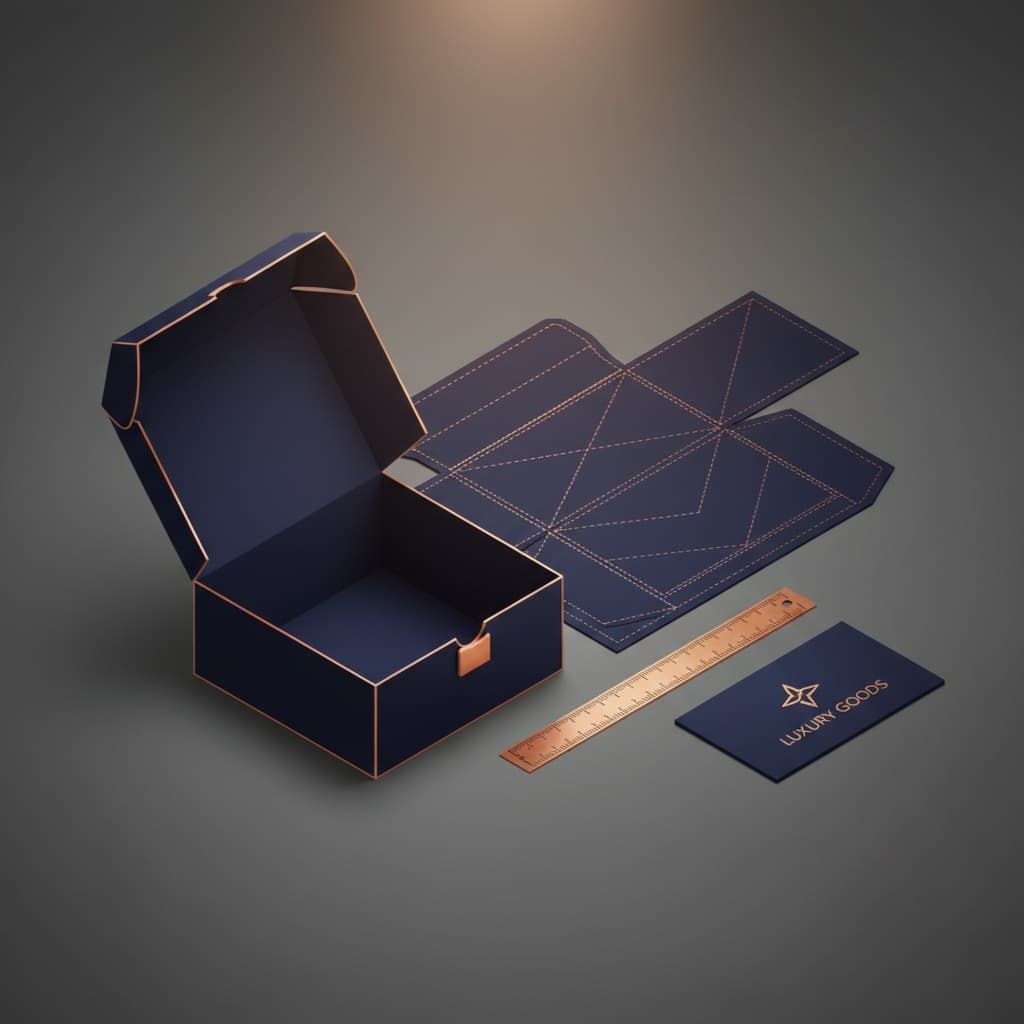
Provide size, quantity, printing, and finishes.
Get a Fast Quote

Instant transparent pricing, no hidden fees.
Design and Approval

Artwork checks, revisions, and final sign-off.
Produce

Expert manufacturing to meet deadlines.
Ship to Your Door

Hassle-free, flexible delivery options.
Share your product details, size, quantity and artwork needs. We’ll help choose the right packaging style and send a clear quote.