Skip to content
Details

Custom Cardboard Tubes with Covers

Rigid paperboard tubes with fitted removable covers for retail products, compact gifts and items that need straightforward access and organized storage.

The Cover Stays in Use

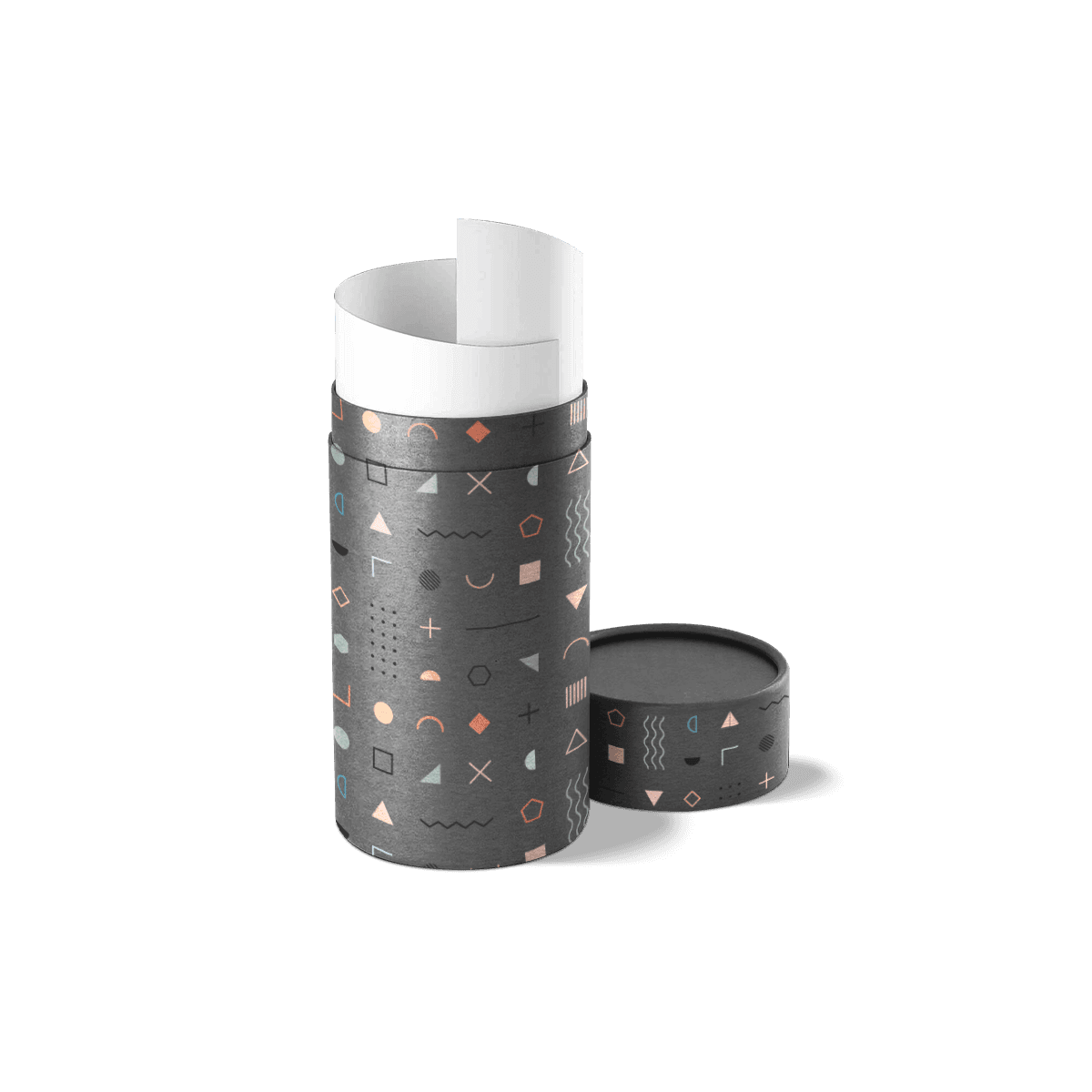
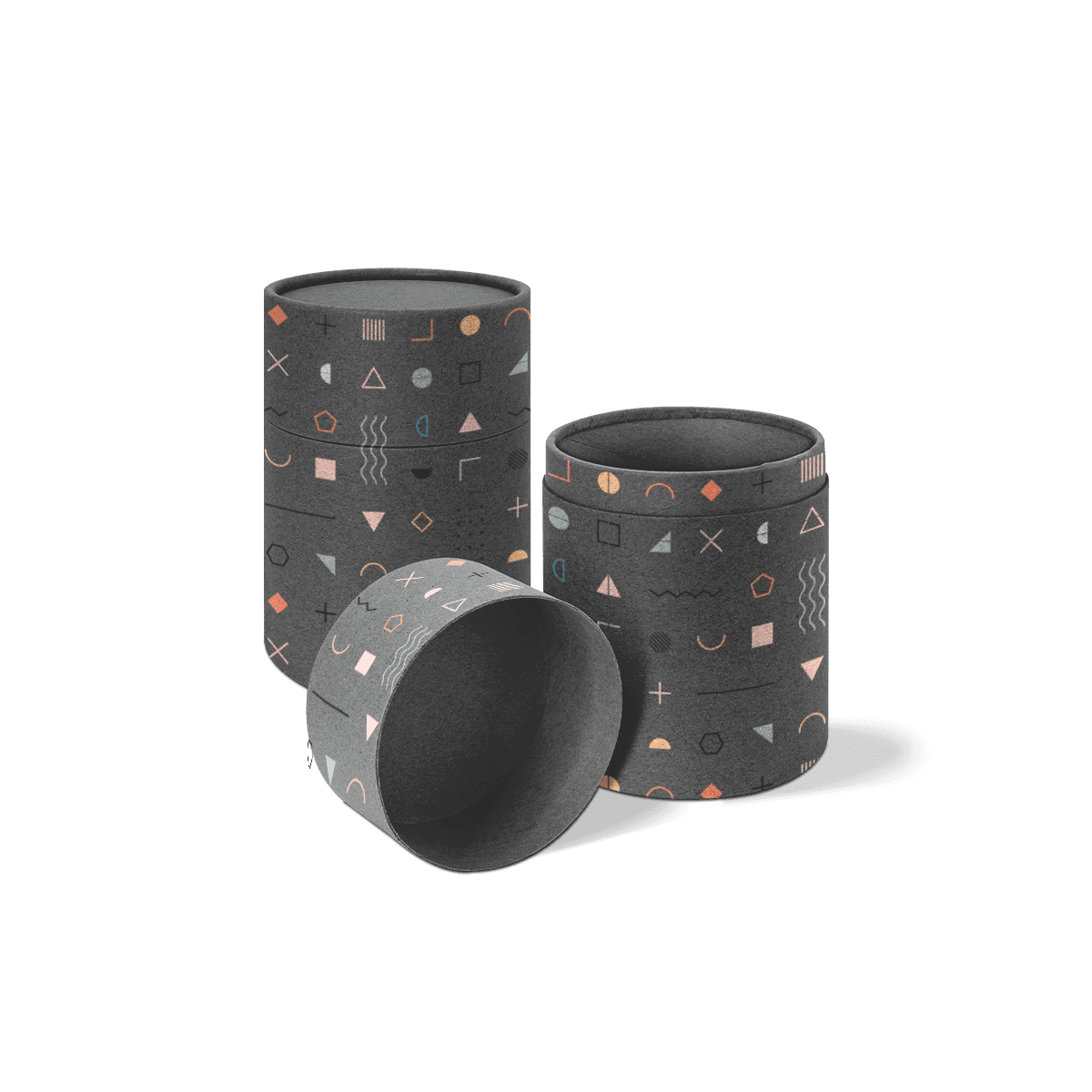
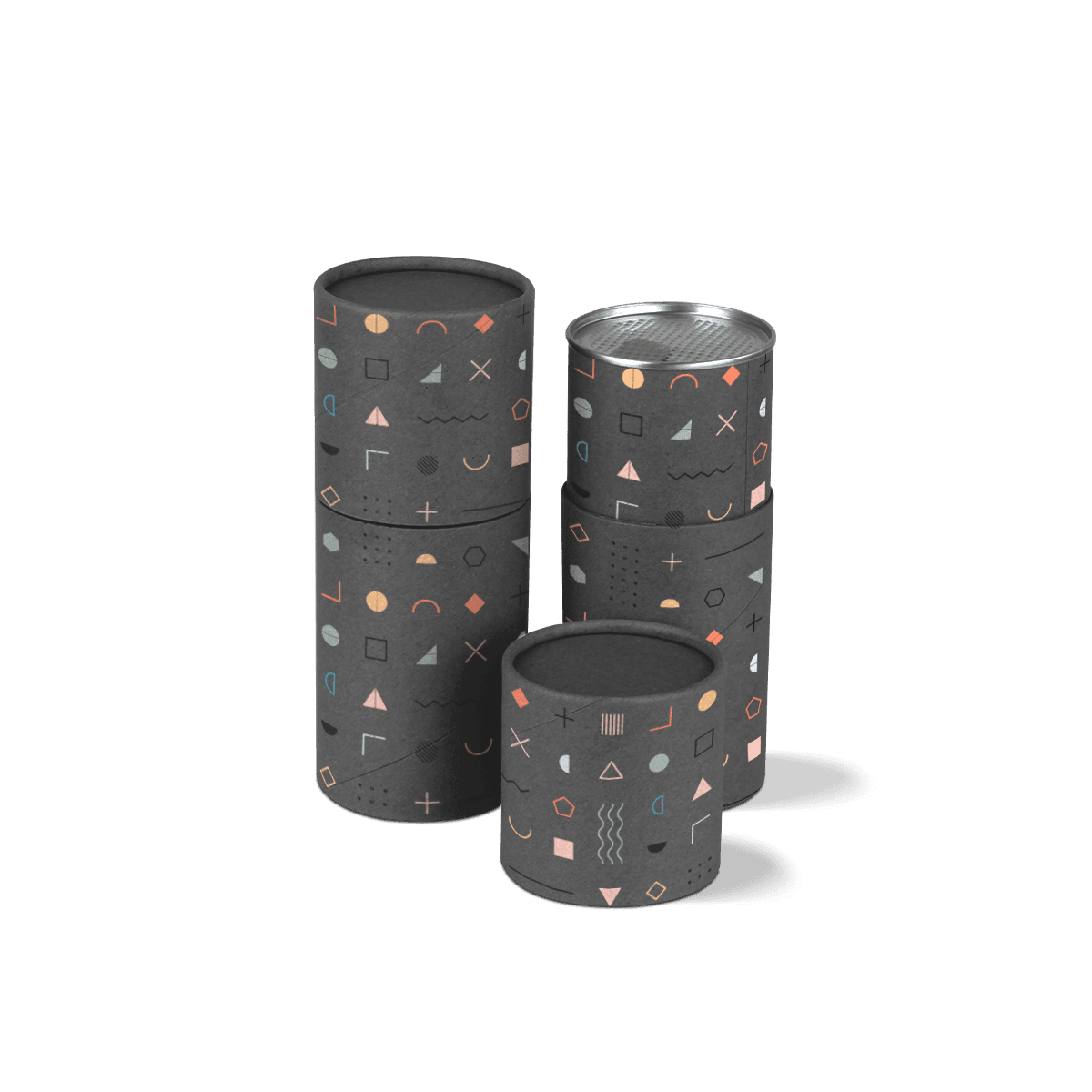
Custom Cardboard Tubes with Covers are cylindrical paperboard containers fitted with a removable cover. They are suitable for products that need a firm outer package, organized storage and a closure that can be removed and replaced without destroying the container.

The tube body establishes the product cavity. A fixed or otherwise appropriately secured bottom supports the contents, while the removable cover closes the upper opening.

A straightforward short cover is often sufficient when the product does not need the deeper sliding construction associated with a telescopic tube.

This arrangement suits candles, packaged cosmetics, accessories, promotional gifts and selected products that customers may continue to store in their original packaging.

The defining consideration is how the cover functions throughout the product's intended use.

It should remain seated during ordinary handling, open without excessive force and retain its intended fit after the expected opening and closing movements.

The construction can use a rigid paperboard body, custom dimensions, suitable protective inserts and printed wraps selected for the product and presentation requirements.

A Removable Upper Cover

The cover is a separate component that closes the tube's upper opening.

A common arrangement uses a short paperboard cap that fits over the exterior of the tube body. Other suitable removable-cover constructions can be considered according to the project.

The amount of overlap influences the closing movement and retention.

A short cover generally creates a more direct opening action than a deep telescopic lid.

However, the exact difference depends on the finished construction. Cover depth alone does not establish a particular level of retention or protection.

A Supported Base

The opposite end must support the product.

Depending on the approved design, the base may use a fixed paperboard disc, a formed end component or another suitable construction.

The bottom should remain secure when the product is inserted, removed and handled.

For a heavier item, its supporting surface and any internal cushioning must also be considered.

A removable upper cover cannot compensate for an unsuitable base.
A Cover That Opens Properly

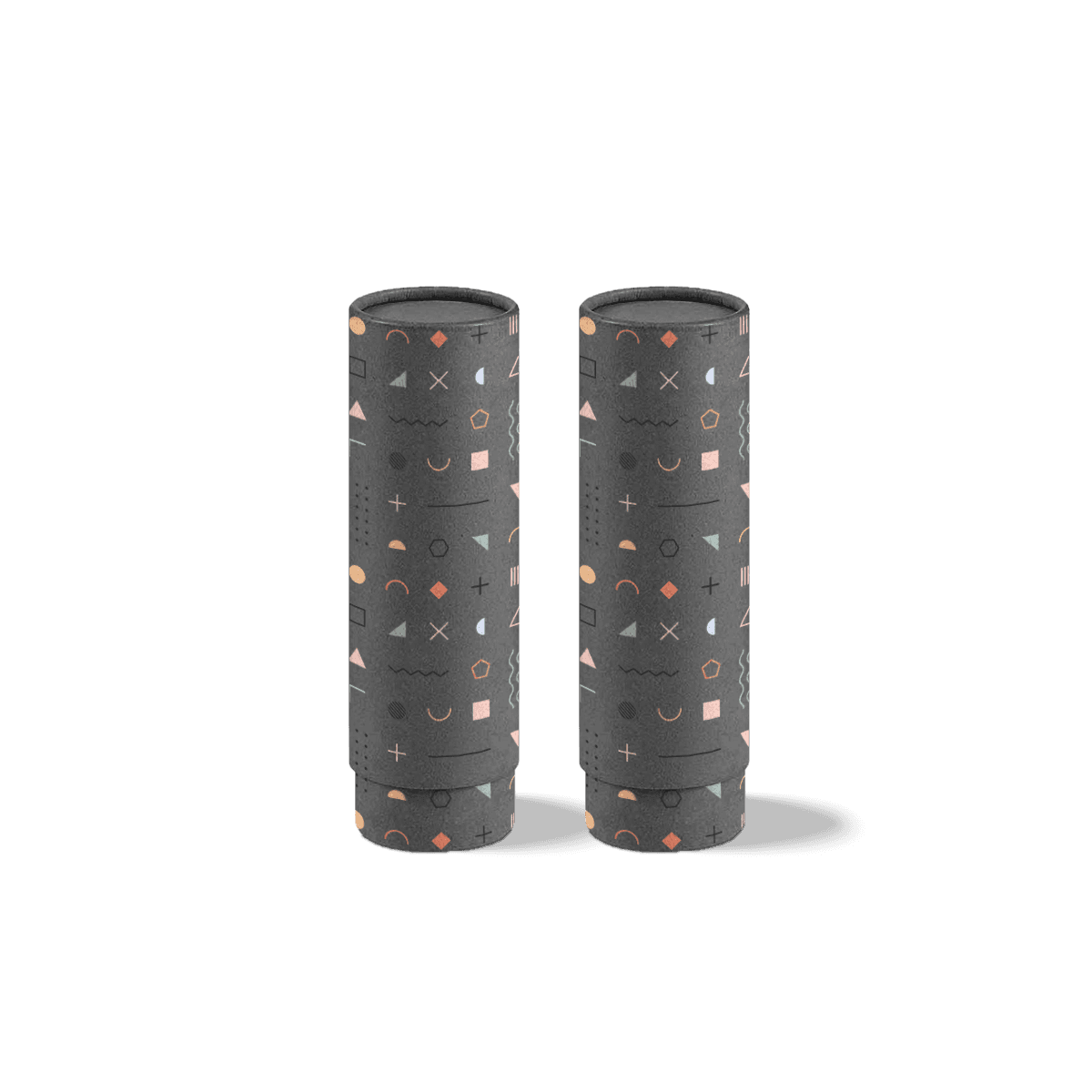
The cover must balance retention with ease of removal. A loose cap can lift during handling, while an excessively tight cover may damage the tube or make opening unnecessarily difficult.

This balance depends on the finished dimensions and materials of both components.

Friction and Fit

A short external cover normally fits around the outside of the tube body.

Its internal diameter must accommodate the body, including any printed wrap or coating.

The resulting friction should be sufficient for the intended use without requiring excessive force.

A lid that fits an unfinished tube may behave differently after the outer paper wrap has been applied.

The wrap adds thickness and can change the surface friction.

The lid dimensions should therefore be approved against the finished, decorated body rather than the unfinished paperboard core.

Cover Depth

The depth of the cover determines how far it overlaps the body.

A shallow cover creates a relatively short removal movement. A longer overlap can change the retention, appearance and opening experience.

Neither arrangement is universally more secure.

The actual fit depends on the dimensions, material stiffness, surface treatment and intended handling.

When a deeper sliding cover is central to the presentation, telescopic tubes use an extended overlap to create a more deliberate opening movement.

A shorter cover may be sufficient for a straightforward retail container.

Repeated Opening

A product that remains in its tube after purchase may be opened many times.

Each opening involves contact between the cover and body.

An excessively tight cover can gradually scuff the printed wrap or wear the edge of the tube.

A loose cover may lose its intended position during ordinary handling.

If repeated access is important, assess the actual finished components over a representative series of opening and closing movements.

Custom Packly can prepare a free 3D mockup to review the intended appearance. Fully custom physical samples can be arranged as paid samples when the exact closure fit requires evaluation.

Product Access Inside the Cylinder

Removing the cover is only the first part of opening the package. The customer must also be able to reach and remove the product.

A close-fitting tube may hold its contents securely but create an awkward removal experience if the product sits too deep or has insufficient gripping clearance.

The internal arrangement should account for the product's shape and expected use.

The Product's Widest Point

A tube should be sized around the widest part of the finished product.

For a candle jar, that may be its lid rather than the glass vessel. For a bottle, the widest point may be its shoulder or dispensing component.

Labels, shrink film and decorative elements can also affect the finished dimensions.

The internal diameter must accommodate those features and any wrapping or insert installed around the product.

A tightly fitted cylindrical item may also restrict airflow during removal.

If the product behaves like a piston inside the tube, the customer may need excessive force to extract it.

The cardboard tube sizing method accounts for the finished product, wrapping, insert thickness and removal clearance.

Access at the Opening

A product positioned near the upper rim may be easy to grip.

The same product can become difficult to remove when it sits deep inside the tube.

Consider a hypothetical gift tube containing a small ceramic container.

The container fits neatly and the cover closes without difficulty. However, its upper edge sits too far inside the tube for the customer to grip.

Increasing the tube diameter might improve access, but it could also introduce unnecessary movement.

A raised supporting platform or suitable lifting feature may solve the problem without changing the main cavity.

The intended removal method should be established alongside the product position.

Stacked Products

A cardboard tube can hold several compatible items arranged vertically.

For example, a gift assortment may contain individually wrapped products separated by paperboard discs.

The internal height must accommodate the complete stack and its separating components.

The arrangement should also allow the customer to remove individual items without tipping the entire tube.

Products with different weights may need a supporting platform or an adjusted packing order.

If the contents are loose, assess whether a stacked cylindrical arrangement is practical or whether a divided rectangular box would provide better access.

Body and Cover Materials

The tube body and its cover can use different paperboard specifications.

The body carries most of the product's vertical load and establishes the container's shape. The cover must retain its dimensions while being removed and replaced.

The selected materials should support those different functions.

Spiral-Wound Paperboard

Many rigid cardboard tubes are produced from multiple bonded paperboard layers wound into a cylindrical wall.

The resulting structure provides a firm container that can be specified for different diameters, heights and wall thicknesses.

The appropriate wall depends on product weight, handling and intended use.

A lightweight accessory tube may not require the same construction as a container holding a substantial glass jar.

An unnecessarily thick wall can increase material consumption and finished dimensions without solving a specific product requirement.

Paperboard Covers

A matching paperboard cover can create a consistent appearance across the body and lid.

Its construction may include a formed sidewall and a suitable top disc or another approved arrangement.

The cover needs enough stiffness to retain its intended shape during handling.

If it becomes distorted, the fit can change even when the tube body remains undamaged.

For a short external cover, the dimensions of the sidewall and the accuracy of the finished opening are particularly important.

Kraft and White Wraps

The structural core and decorative outer wrap can be specified separately.

Kraft paper tubes use a natural brown appearance that can suit restrained graphics and material-led branding.

A white or coated wrap may be more appropriate for bright colors, detailed product imagery or artwork that requires a clean printing surface.

The cover can use a matching wrap or a contrasting treatment.

Where a paper-based material is selected for environmental reasons, confirm the actual composition and any required recycled-content specification.

Recyclability depends on the complete construction, including adhesives, coatings and other components, as well as local collection requirements.

The Cover and Printed Wrap

The removable cover creates a visual boundary on the tube.

When the package is closed, part of the body may be concealed by the cover. When the lid is removed, that area becomes visible.

This changes where the main artwork should sit.

Artwork Beneath the Overlap

A logo or product name positioned too close to the upper rim may disappear beneath the closed cover.

The artwork layout must account for the actual cover depth.

If the design includes a continuous pattern across the body and cap, their relationship should be checked in the assembled condition.

A slight difference in the cover's rotational position can change the alignment.

Avoid making essential product identification depend on two components remaining in one precise rotational position unless the closure has been specifically developed to control that alignment.

A Readable Product Identity

A cylindrical package has no permanent front face.

It can rotate on a retail shelf or in a customer's hand.

The main identity should remain recognizable from the intended viewing positions.

Repeating a small visual element or using a carefully arranged wrap can make the design readable without requiring the customer to turn the tube through a complete rotation.

A tube displayed upright also presents its cover as a visible surface when viewed from a higher angle.

The cover can carry a logo, product name or identifying mark where the available space and print method allow.

The relationship between package shape, viewing position and retail shelf presentation should influence the artwork rather than relying on decoration alone.

Finishing at Contact Areas

Premium offset printing can support detailed graphics, solid colors and consistent branding.

CMYK printing is suitable for many full-color designs. Pantone spot colors may be considered when a specific brand color is required.

Matte, gloss, soft-touch, foil stamping, embossing and spot UV can also be considered where compatible with the selected paper and construction.

Finishing near the cover's contact area requires particular attention.

A raised decorative treatment may create local resistance when the cover slides across it. Repeated contact can also affect the appearance of certain finishes.

The selected surface treatment should not make the cover difficult to remove or interfere with its intended retention.

Custom Packly's free design and artwork support can help establish the correct print zones for the body and cover before production.

Retail Products That Stay Organized

Cardboard tubes with covers work particularly well when the cylindrical container becomes part of the product's presentation or storage.

Their suitability depends on the contents, the way the product is removed and whether the cover will be reused.

Candles and Small Jars

A candle jar can sit inside a cardboard tube with a fitted cover.

The cylindrical shape can reduce unnecessary space around a round vessel, while the printed exterior carries the product's branding and scent identification.

Glass containers may require additional internal support.

A paperboard collar can help center the jar, while a suitable base pad may provide protection against contact with the bottom.

The tube's rigid wall does not automatically provide impact cushioning.

For products that travel through a parcel network, the printed retail tube may need a separate protective outer package.

The complete candle, including its lid and decorative components, must fit without pressing against the removable cover.

Beauty and Personal Care

Selected cosmetics, skincare products and grooming accessories can use a covered cardboard tube as secondary packaging.

A compact beauty product may require little internal support if its primary container fits appropriately.

A fragile bottle may require a fitted cradle or protective collar.

For cosmetics and personal care packaging, the product's primary container, labeling requirements and intended use must be considered independently of the outer tube.

A cardboard cover is not automatically tamper-evident or child-resistant.

Any required safety feature must be established separately.

Accessories and Promotional Gifts

Scarves, compact accessories and selected promotional items can be presented inside covered tubes.

The container can support a distinctive retail or gift presentation while giving the customer a reusable storage option.

For lightweight products, tissue or a suitable paperboard platform may be sufficient.

A heavier accessory may need additional restraint to prevent movement.

The product should be removable without damaging the printed wrap or requiring the customer to shake the tube.

Packaged Food Products

A covered cardboard tube can serve as secondary packaging around food contained in a suitable primary package.

Individually wrapped confectionery, sealed tea pouches and selected dry food assortments are possible applications.

The ordinary paperboard cover should not be assumed to create an airtight or moisture-proof seal.

If the food requires a barrier against moisture, oxygen or contamination, that function must be addressed by an appropriate primary package or a specifically developed and verified barrier construction.

Direct food contact requires separate assessment of the actual materials and intended conditions.

The Cover Affects Packing

A removable cover introduces a separate component that must be handled during packing.

The tube body, cover and any insert should reach the packing station in the correct combination.

This is particularly important when several products use similar-looking cylindrical containers.

Body-First Packing

For many retail applications, the base is already secured when the empty tube arrives.

The operator places any required insert inside, loads the product and installs the cover.

A tight insert can require the operator to press downward into the tube.

That force must be supported by the base without damaging it.

The insert should also remain clear of the area needed for cover attachment.

A component that projects beyond the intended rim can prevent the cover from seating correctly.

Identifying Matching Covers

Two tubes may have similar exterior appearances but different diameters or cover requirements.

A cover intended for one specification should not be assumed to fit another.

For operations handling multiple sizes, the packing arrangement should prevent the components from becoming mixed.

If the same body diameter is used across several product heights, a common cover construction may be possible.

That compatibility should be established using the finished dimensions and materials.

Matching only the nominal diameter is insufficient when different outer wraps or coatings change the actual fit.

Bulk Supply

Cardboard tubes generally occupy more storage space than flat folding cartons.

The covers introduce an additional component that needs to be counted, stored and handled.

A packing operation should maintain sufficient covers for its planned quantity of tube bodies.

For larger repeat orders, Custom Packly supports warehousing and scheduled deliveries where appropriate.

The replenishment plan can account for complete tube-and-cover sets rather than treating the two components as unrelated inventory.

Simpler Covers or Different Tubes

A removable cardboard cover is not necessary for every cylindrical package.

The intended opening method, product weight and handling conditions may point toward a different construction.

Deeper Telescopic Covers

A short cover can close a conventional tube without creating a pronounced sliding opening.

A deeper telescopic construction changes the amount of overlap and the opening movement.

That can suit gift products where a more deliberate lid removal is part of the intended presentation.

Both arrangements still require suitable dimensions, retention and materials.

The difference should be assessed through the actual cover construction rather than assuming that one name guarantees a particular fit.

Metal-End Construction

Metal-End Tubes use metal closure components where their appearance or functional characteristics suit the application.

They introduce different material, attachment and opening requirements.

A metal end should not be selected solely because it appears stronger.

The complete construction must match the product and intended use.

Utility-Led Mailing Tubes

Custom Mailing Tubes prioritize the transport of rolled or elongated products.

Their closure requirements follow the intended shipping conditions.

A paperboard retail cover may not provide the retention necessary for direct parcel handling.

If the tube will be shipped independently, the wall strength, closure and internal protection must be developed for that duty.

A printed retail tube may instead travel inside a separate corrugated shipper.

Rectangular Product Boxes

The cylindrical shape is less practical when the product needs several individual compartments or efficient rectangular stacking.

A square or rectangular box can accommodate a divided arrangement and present flat surfaces for labeling.

The tube packaging versus box decision depends on product shape, storage, shipping and intended opening behavior.

A covered tube should earn its place through a better fit or a more suitable customer experience.

The Cost of a Separate Cover

Custom Cardboard Tubes with Covers are priced according to the complete assembly.

The body and cover have separate material and manufacturing requirements, even when they use matching printed wraps.

Diameter, height, wall thickness, cover construction and order quantity all affect the production cost.

The Cover Adds Operations

A short paperboard cover may require its own forming, bonding, wrapping and finishing operations.

The exact process depends on the approved construction.

A printed cover also introduces artwork and finishing requirements that may differ from those of the body.

The production quotation should account for both components.

A relatively small cover is not automatically inexpensive when it requires separate manufacturing setup.

Artwork and Quantity

Using the same body construction across several products may simplify some aspects of a packaging program.

However, different artwork, cover designs or material specifications can still affect production costs.

The actual quotation should distinguish shared components from those that need separate manufacturing operations.

For a first order, the appropriate quantity should reflect the expected product demand and the storage space required for the finished tubes.

Custom Packly's USA minimum order quantity starts from 100 packaging units. The applicable minimum for the selected tube and cover construction should be confirmed when ordering.

Pricing the Assembly

For an established product, request a custom packaging quote using its finished dimensions, packed weight, preferred cover construction, quantity and artwork requirements.

The intended internal diameter, body height and cover depth can then be assessed as part of the complete specification.

Custom Packly supports instant pricing and custom quotations, with free design and dieline assistance.

US production and free shipping are included in the current USA service. The standard turnaround is 4–6 days after final specifications and artwork approval. Complex constructions, specialty materials and advanced finishes may require additional time.

Free examples of previous work can assist with general material and finish decisions. Fully custom physical samples can be arranged as paid samples where the exact tube and cover need evaluation.

Keep the Cover With the Product

A removable cover remains a separate component after the package has been opened.

For products that are stored in their original tubes, that affects the everyday usability of the container.

The closure should be easy to handle, recognizable as part of the package and practical to replace.

Handling After Opening

A customer may remove the cover and place it beside the tube while using the product.

The cover should retain its shape under ordinary handling.

A delicate rim or easily distorted sidewall can affect its fit when it is replaced.

For products intended for frequent access, the material and construction should suit the expected handling cycle.

The closure also needs to remain practical for people who may have difficulty gripping or removing a tightly fitted cap.

Product and Cover Together

The product should remain organized inside the tube after the cover has been removed.

An insert that comes out unintentionally may complicate everyday use.

Similarly, a product that sits too deeply can make repeated access frustrating.

Where appropriate, an internal platform can establish a practical removal position.

The platform should remain stable when the product is returned.

The Complete Reusable Container

A reusable tube needs more than a removable lid.

The base should remain secure, the product should be accessible and the cover should retain an appropriate fit.

The printed surfaces should also tolerate the intended handling without interfering with the closure.

For products that customers are expected to store in their original packaging, these functions should influence the approved design from the outset.

The result is a covered cardboard tube that works as a complete container rather than simply a cylindrical package with a decorative cap.

FAQs

A correctly fitted cover can remain seated during routine retail handling. Direct parcel shipping requires a separately verified tube, closure and protection specification.

It is a better fit when the package needs a finished closing method, easier reusability, or a more deliberate unboxing experience instead of a basic utility tube.

Cardboard Tubes with Covers are usually chosen for presentation, reusability, and cleaner access. Mailing Tubes are more transit-led and often prioritized for document shipping rather than shelf-ready or gift-ready packaging.

That is possible. Tubes with covers can be fitted with inserts for fragile parts, accessories, small kits, or products that should stay centered and neat inside the pack.

Matte lamination, gloss coating, foil stamping, textured wraps, and high-resolution logo printing all work well, depending on whether the goal is brand recall, shelf appeal, or a more understated look.

Process

How it works

Your Packaging Journey, From Idea to Production and Delivery

01

Tell Us Your Specs

Custom packaging boxes

Tell Us Your Specs

Provide size, quantity, printing, and finishes.

02

Get a Fast Quote

Custom packaging boxes

Get a Fast Quote

Instant transparent pricing, no hidden fees.

03

Design and Approval

Custom packaging boxes

Design and Approval

Artwork checks, revisions, and final sign-off.

04

Produce

Custom packaging boxes

Produce

Expert manufacturing to meet deadlines.

05

Ship to Your Door

Custom packaging boxes

Ship to Your Door

Hassle-free, flexible delivery options.

Get Your Quote for Custom Cardboard Tubes with Covers

Share your product details, size, quantity and artwork needs. We’ll help choose the right packaging style and send a clear quote.