Skip to content
Details

Custom White Paper Tubes

White-wrapped cylindrical packaging for brands that need cleaner color reproduction, accurate tube sizing, controlled product fit and refined retail print.

White Stock Changes the Print

Custom White Paper Tubes are best chosen when the cylindrical structure already fits the product and the brand wants a cleaner, brighter base for printed artwork. The white outer wrap changes how colors, small text and light design elements reproduce compared with natural kraft.

The material choice should come after the tube geometry is confirmed. A white surface improves print control, but it does not correct the wrong internal diameter, weak closure or excessive product movement.

Use White as a Design Tool

White areas can remain part of the finished artwork instead of being simulated with ink over a darker substrate. This can support minimalist layouts, pastel palettes, fine typography and color-coded SKU systems that need a neutral base.

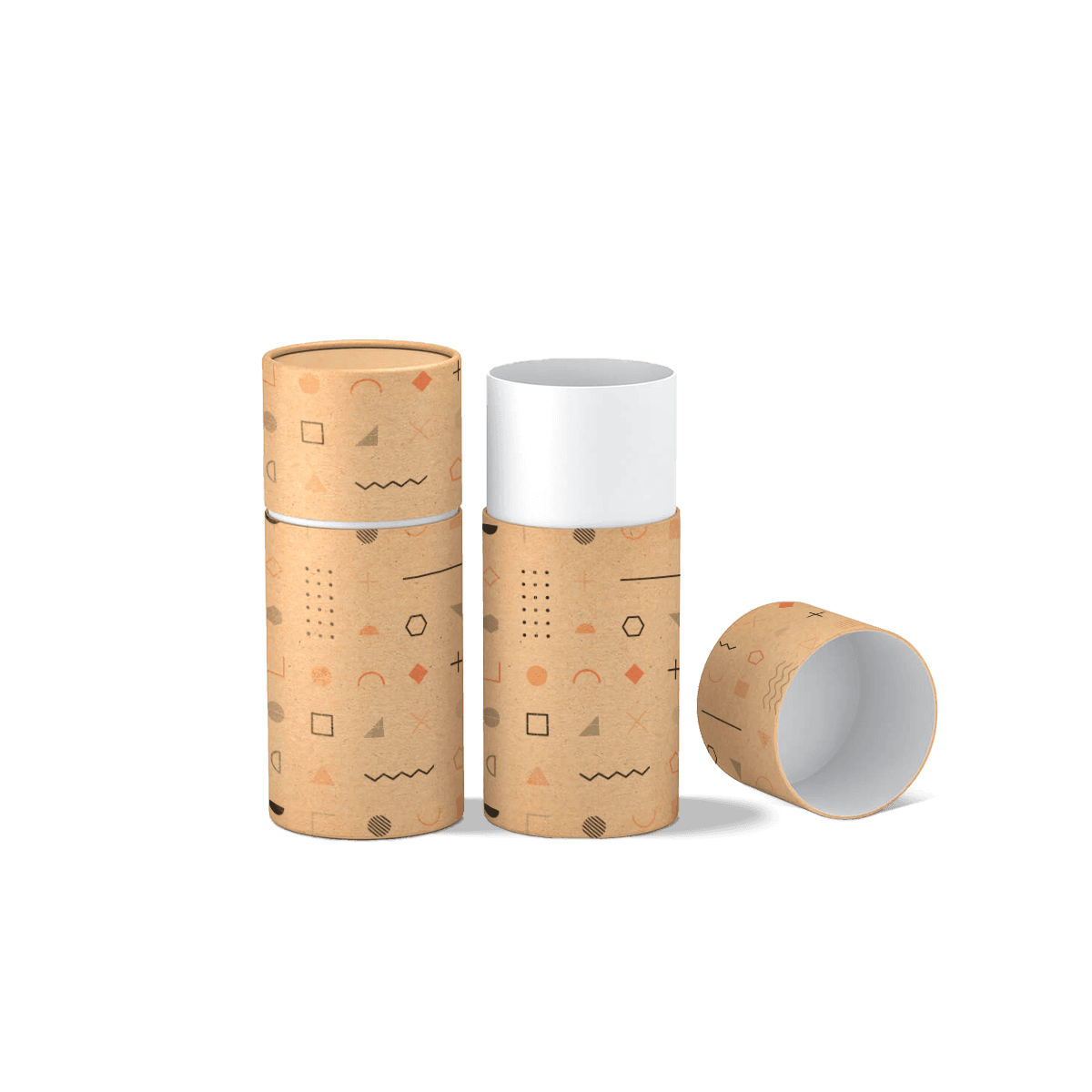
Kraft Paper Tubes create a different visual result because the brown substrate becomes part of the printed design.

Confirm the Actual Wrap

The final white appearance depends on the selected paper, coating and printing process. Approve the production stock rather than assuming every white paper has the same brightness, texture or ink response.
Plan Color Around the Cylinder

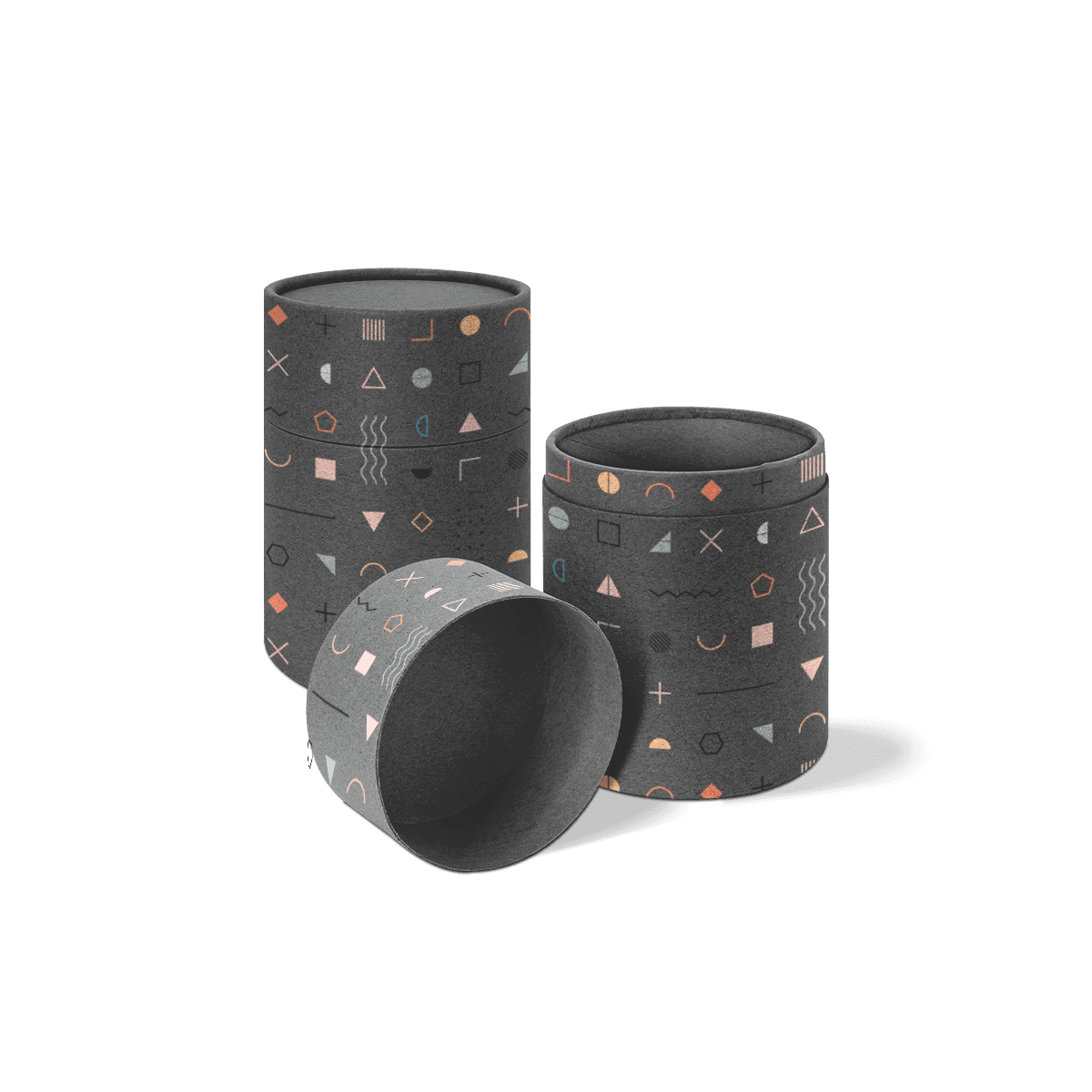
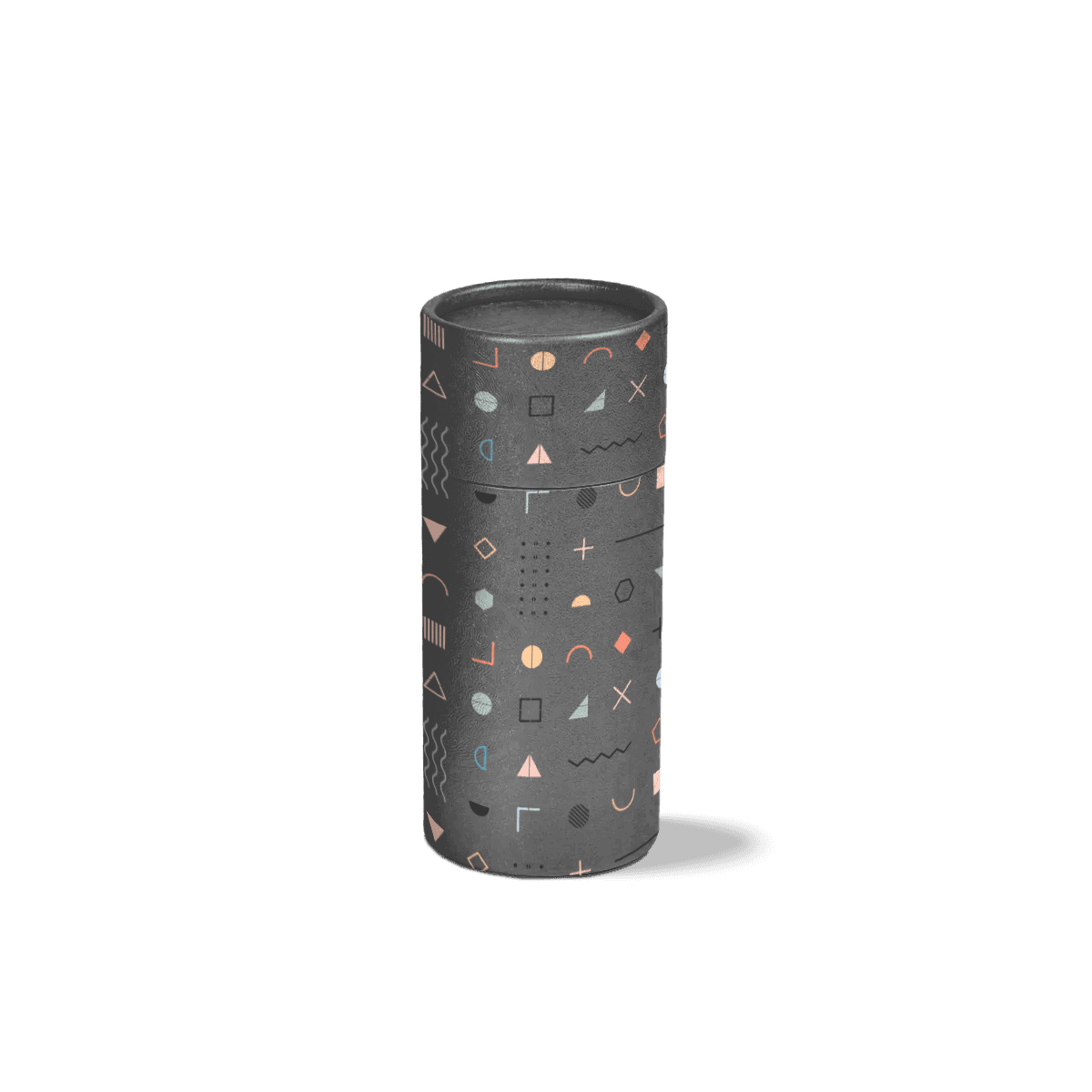
Tube artwork wraps around a curved surface, so the design should be judged as an assembled cylinder rather than a flat rectangle. The seam, lid line and natural rotation of the package all affect what customers see first.

Create a Primary Viewing Zone

Place the logo, product name and strongest visual cue on a deliberate front-facing arc. Important copy should not rely on a position that disappears around the back of the tube when it sits on a shelf.

CMYK can reproduce multicolor graphics and imagery. Pantone spot colors may be considered where a specific brand color needs tighter control on the selected white stock.

Test Fine Text and Light Colors

Small text and pale colors may reproduce more cleanly on white paper than on kraft, but legibility still depends on print method, contrast, coating and final curvature.

The digital, offset and flexographic printing choices should be matched to the paper wrap, quantity per design and required color control.

Size From the Inside Out

The internal diameter and usable internal length determine whether the product actually fits. The outside diameter includes the tube wall and should not be used as the product-clearance measurement.

Measure the Widest Finished Point

Measure the product after labels, seals, lids, wrapping and any protective components are applied. A candle jar body may be narrower than its lid, while a bottle may have a shoulder or cap that controls the required diameter.

Add insert thickness before adding clearance. A paperboard collar, foam support or protective sleeve occupies real space on both sides of the product.

The cardboard tube sizing method starts with the finished product, inside diameter, closure depth and deliberate removal clearance.

Avoid the Piston Fit

A tube that grips a cylindrical product too tightly can trap air and make removal difficult. The goal is controlled clearance: enough room for smooth insertion and removal without allowing the product to rattle.

Closures Reduce Usable Space

A tube can look tall enough from the outside and still be too short once the lid and base are fitted. Recessed plugs, end caps and shoulder sections can enter the tube body and reduce the usable internal height.

Measure After the Ends Fit

Confirm the space left between the installed top and bottom components. This is especially important for products with raised lids, pumps, decorative seals or fragile top surfaces.

Empty headroom should have a reason. If the product needs cushioning, use a defined support. If it needs removal access, design that clearance intentionally rather than simply adding extra tube height.

Custom Cardboard Tubes cover the structural sizing decisions that apply before the white outer wrap and artwork become the main focus.

Finishes Change the White Surface

The white wrap can remain uncoated for a paper-led feel or receive coatings and decorative treatments when the brand needs a smoother or more premium surface.

Use Finish Where It Helps

Matte and gloss treatments alter reflectivity and surface feel. Foil stamping, embossing, debossing and spot UV can create contrast against a white base, but they should be positioned around seams, lid overlap and curved areas with realistic production tolerances.

A finish that looks clean on a flat proof may show differently after the wrap is formed around the tube. Approve the assembled appearance when registration or texture is important.

Laminated Tubes make more sense when an added laminated surface is a core part of the desired scuff resistance or tactile finish.

Watch High-Contact Areas

The lower edge, lid transition and areas handled during opening can receive more rubbing than the center of the wrap. Finish selection should account for the actual retail and handling environment.

Let Inserts Control the Product

A white tube can look precise while the product inside moves excessively. Product retention is a separate structural decision from the exterior print surface.

Center Products Deliberately

Paperboard collars, formed supports or other inserts can hold a bottle, jar or accessory away from the tube wall. The support should control the actual contact points without making removal difficult.

Not every product needs an insert. Durable cylindrical items with a close natural fit may only need suitable clearance and a stable base.

The packaging insert options behave differently under weight and impact, so the insert should follow the product rather than the exterior finish.

Match the Tube to the Product

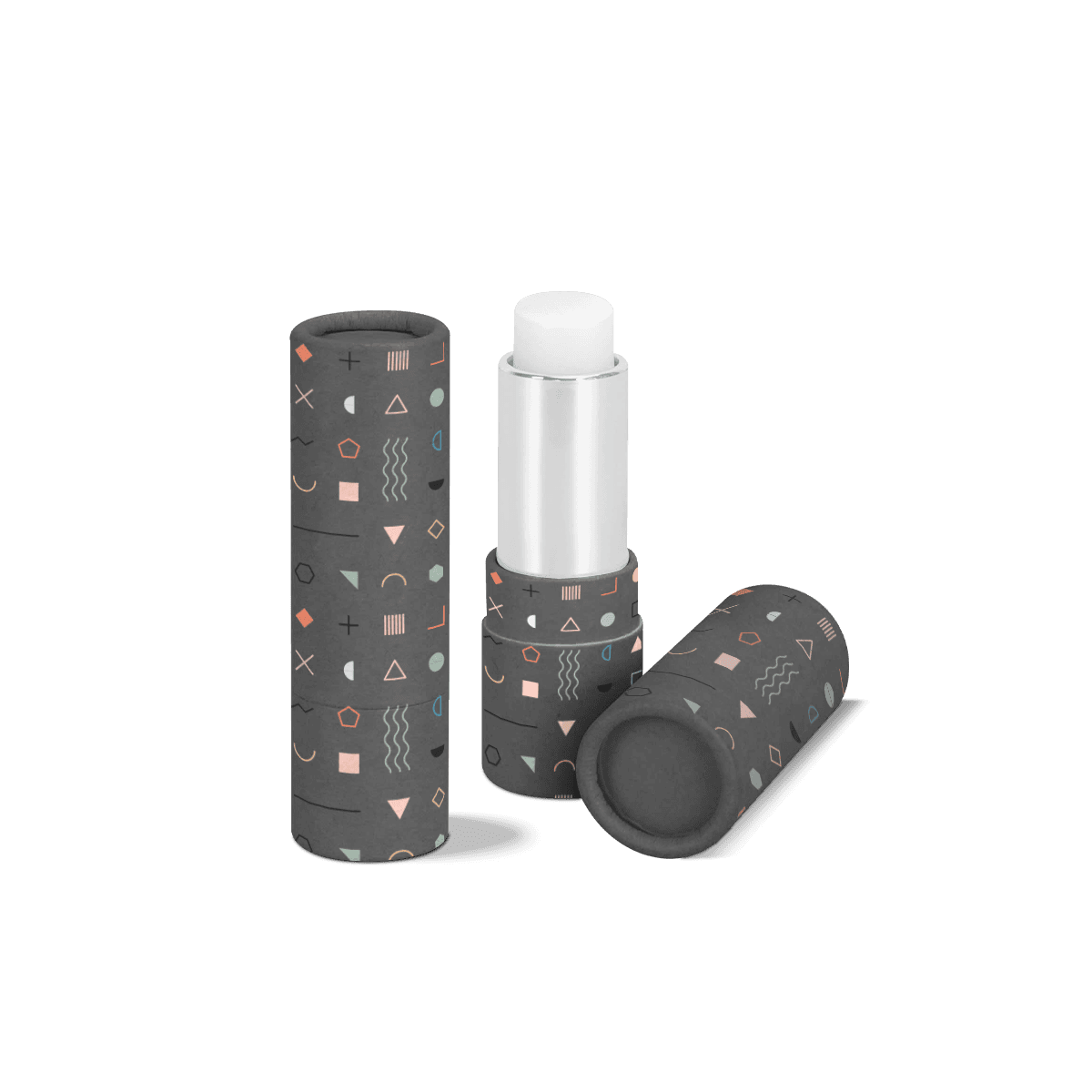
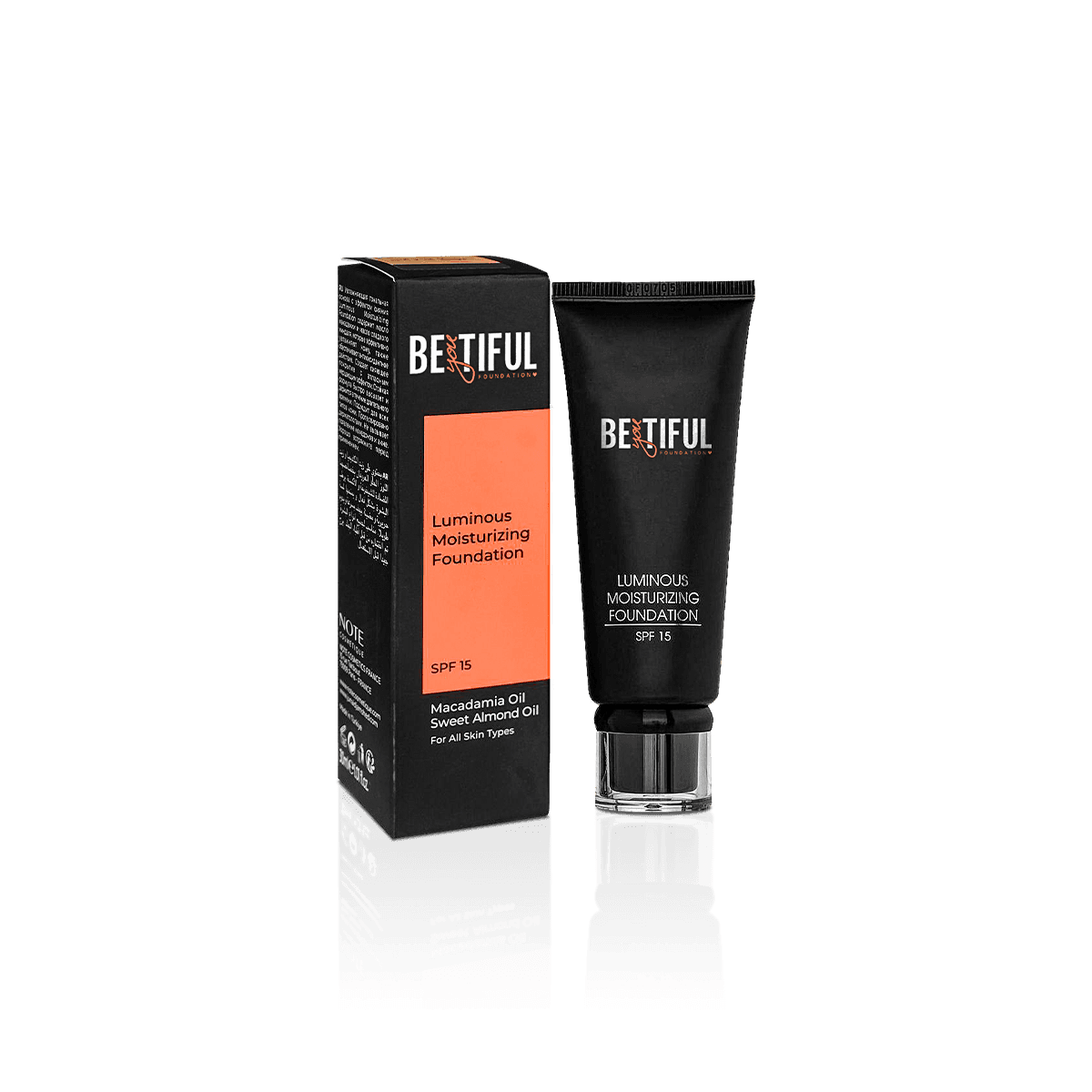
White paper tubes can suit cosmetics, fragrance containers, wellness products, accessories, promotional items and specialty retail goods when a cylindrical presentation fits the product shape.

Do Not Assume Direct Contact

For food, cosmetics or other products that would directly touch the package, confirm the exact inner material, liner, inks, adhesives and intended use. A decorative white paper outer tube should not automatically be treated as the primary contact layer.

Custom Tube Packaging separates primary-pack, secondary-pack and shipping decisions across different cylindrical structures.

Use Windows Only When Needed

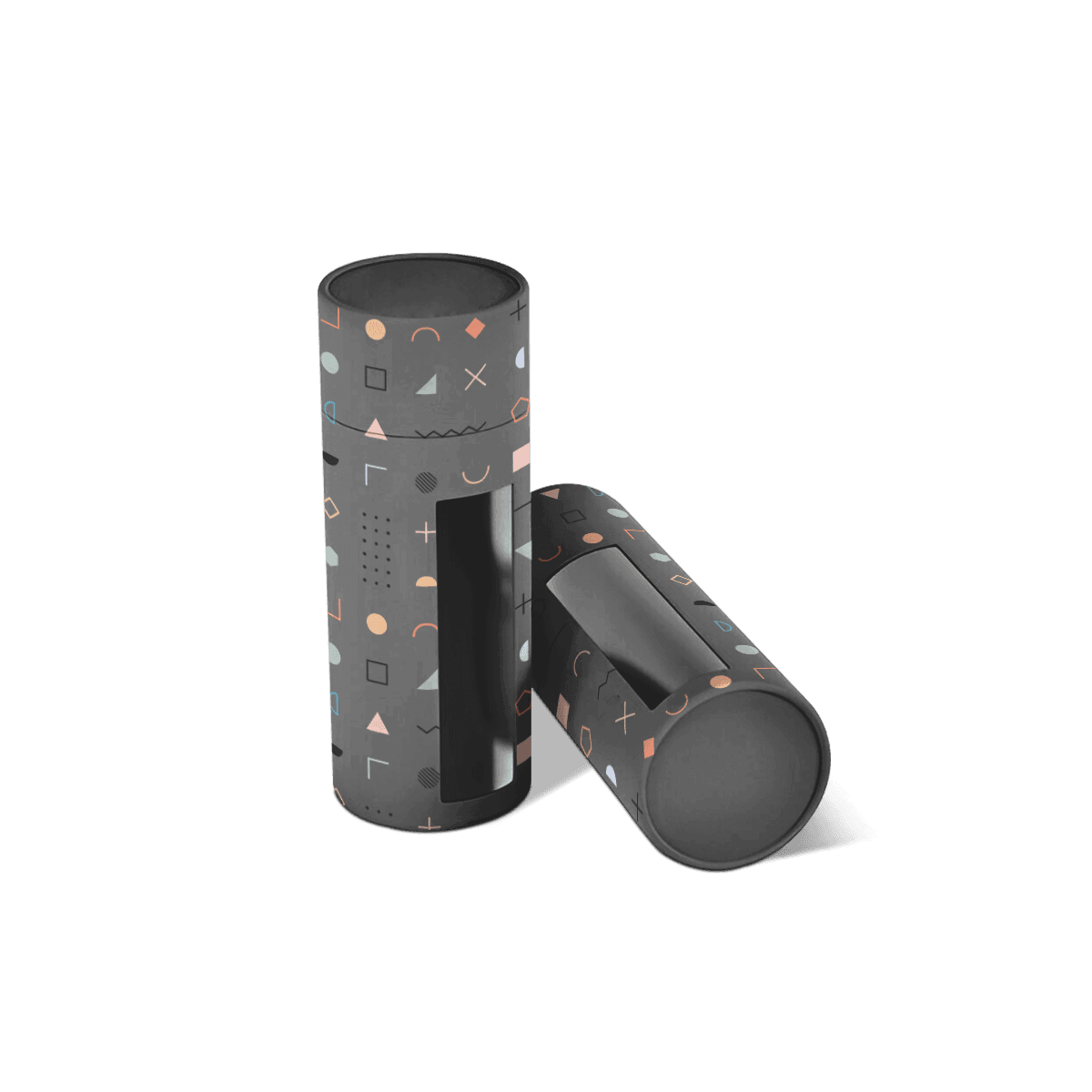
A die-cut opening can reveal the product but removes printable surface and changes the wall. If product visibility is central to the sale, develop the opening around the structural wall and insert position.

Windowed Tubes are a better fit when a deliberate product-view opening is part of the merchandising job.

Approve the Finished Cylinder

Final approval should use the actual white stock, printed wrap, closure and packed product. Check the seam, color appearance, text legibility, lid fit, product removal and any finish transitions on the assembled tube.

Rotate the Pack During Review

Turn the tube through a full rotation and confirm that the main artwork remains easy to find, the seam does not interrupt critical copy and the barcode or required text sits on a usable surface.

Custom Packly's USA minimum order starts from 100 units. Free design support and 3D mockups can help review artwork and proportions. Previous-work samples may help assess general print and material quality, while an exact custom physical sample may be paid when fit or finish needs direct validation.

Standard USA turnaround is 4–6 days after final artwork and specifications are approved. Complex structures, specialty materials or advanced finishes may require additional time, and free shipping applies to the current USA offer.

The packaging testing process should use the finished product, actual tube construction and final print treatment when physical performance matters.

FAQs

White Paper Tubes are a strong fit for that because the lighter surface helps printed colors stay brighter and easier to read.

No. They also work well for hospitality kits, dry wellness goods, premium accessories, promotional items, and compact gourmet products.

Choose White Paper Tubes when you want a clean print surface with a simpler paper look. Laminated Tubes make more sense when added scuff resistance, richer surface feel, or stronger finish effects are part of the buying decision.

Yes. Inserts or collars help when the item should stay centered, upright, or separated during packing and display.

In many cases, yes. Small text, lighter brand colors, and minimal layouts usually reproduce more cleanly on white paper than on a natural brown base.

Process

How it works

Your Packaging Journey, From Idea to Production and Delivery

01

Tell Us Your Specs

Custom packaging boxes

Tell Us Your Specs

Provide size, quantity, printing, and finishes.

02

Get a Fast Quote

Custom packaging boxes

Get a Fast Quote

Instant transparent pricing, no hidden fees.

03

Design and Approval

Custom packaging boxes

Design and Approval

Artwork checks, revisions, and final sign-off.

04

Produce

Custom packaging boxes

Produce

Expert manufacturing to meet deadlines.

05

Ship to Your Door

Custom packaging boxes

Ship to Your Door

Hassle-free, flexible delivery options.

Get Your Quote for Custom White Paper Tubes

Share your product details, size, quantity and artwork needs. We’ll help choose the right packaging style and send a clear quote.