Skip to content
Details

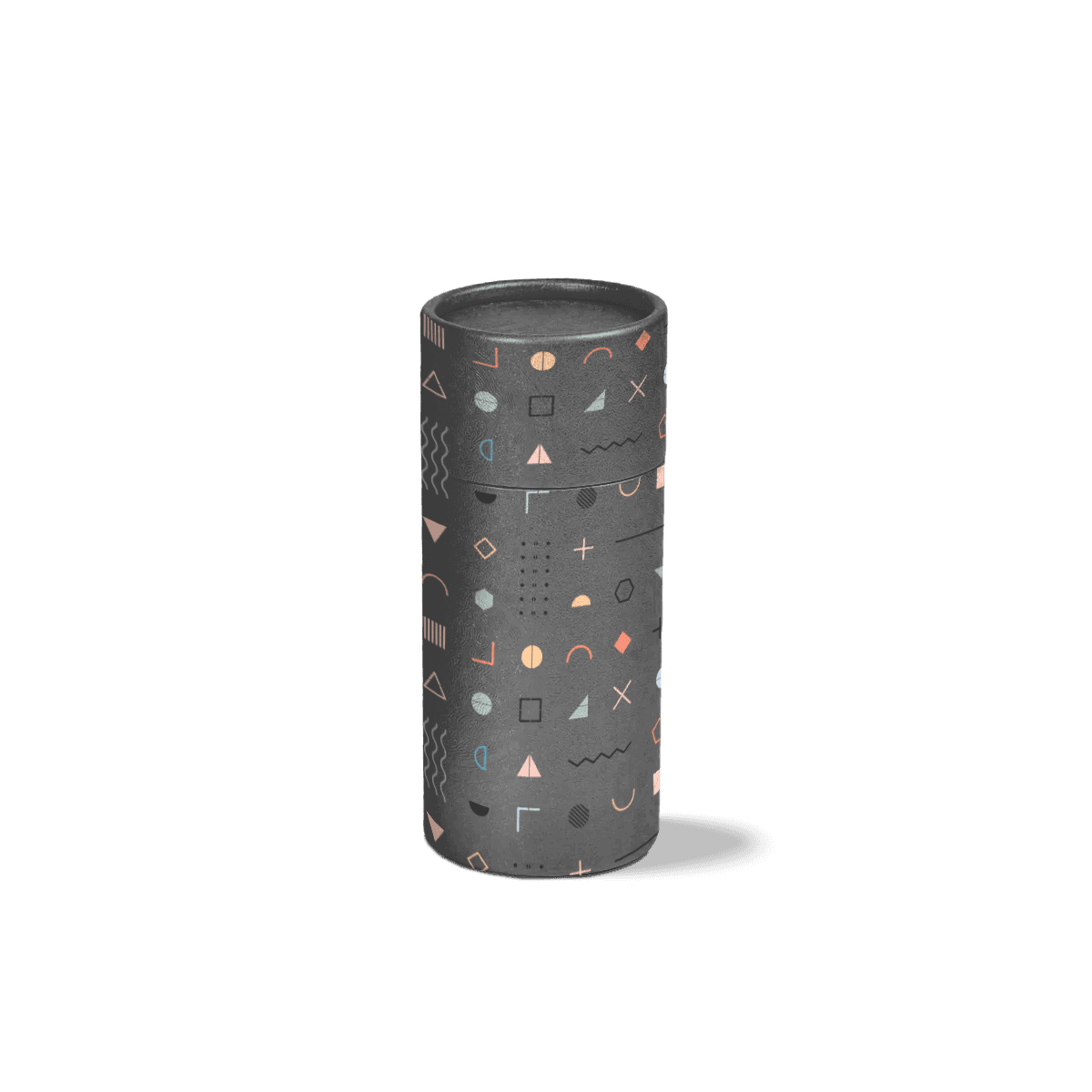
Custom Laminated Tubes

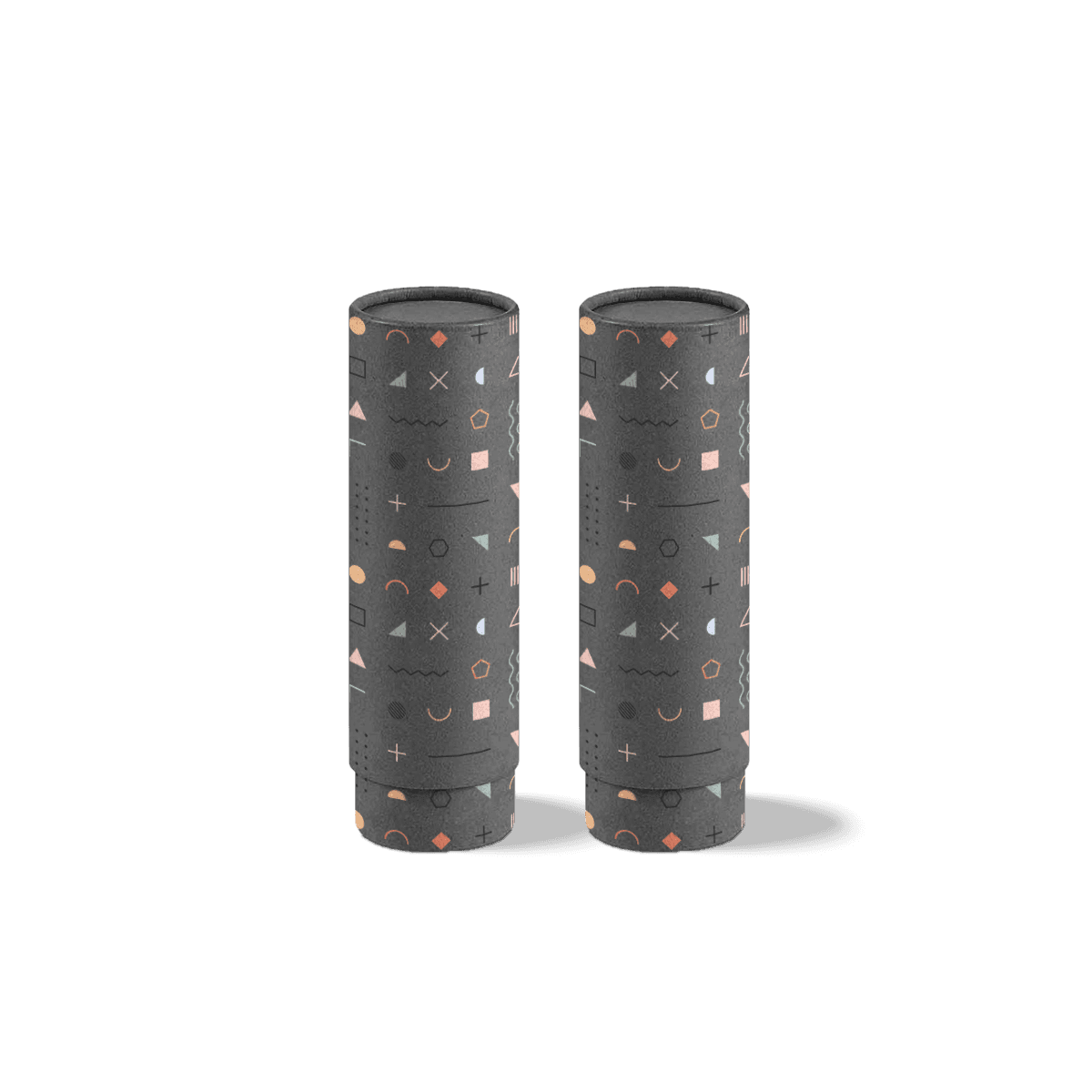
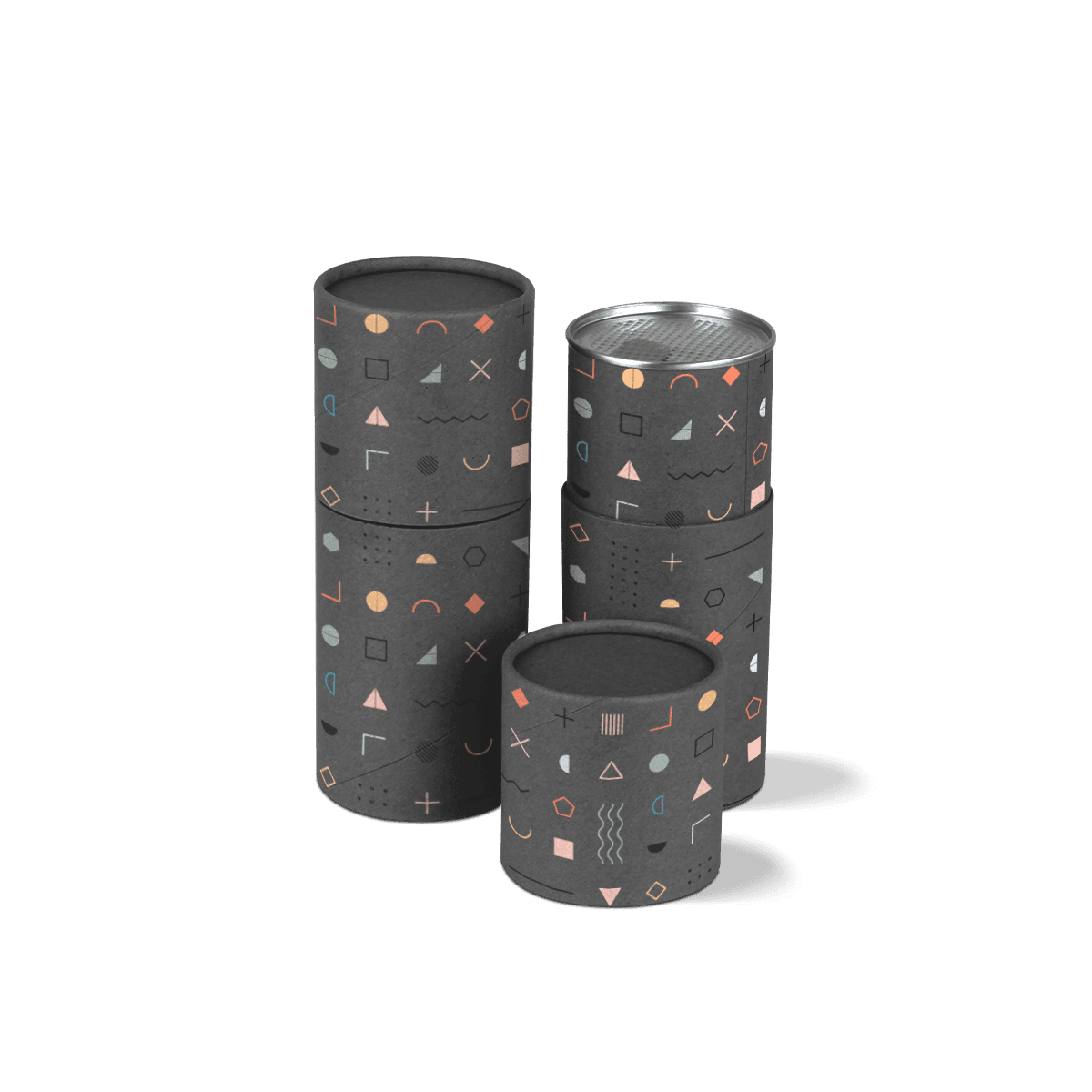
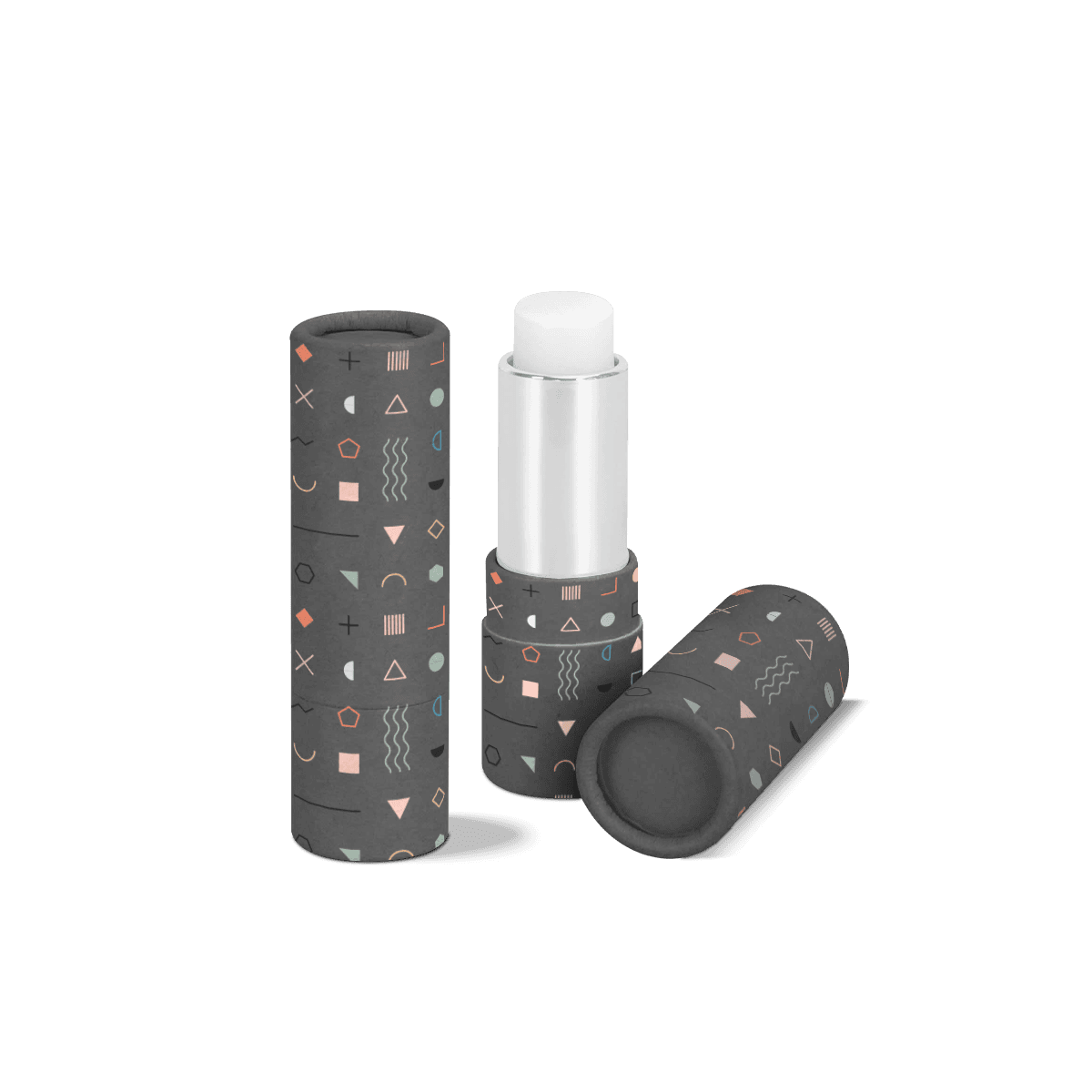
Custom printed paperboard tubes with protective film-laminated wraps, matte or gloss finishes and surface specifications for retail products, gifts and frequently handled packaging.

A Film, Not Just a Gloss Coating

At a retail counter, a printed tube may pass through several customers' hands before someone purchases it. The lid is removed, the package is turned to inspect the label, and the finished surface repeatedly contacts neighboring products.

Those interactions can leave scratches, fingerprints and rubbing marks on an unprotected printed wrap.

Custom Laminated Tubes use a protective film bonded to the exterior paper wrap of a rigid cylindrical package. The film changes the surface's appearance, feel and resistance to certain types of wear.

The important distinction is between the laminated outer wrap and the structural paperboard beneath it. The film protects the printed surface; the wound paperboard body provides the main cylindrical structure.

Lamination is also different from applying a liquid varnish or aqueous coating. Both can affect the finish, but they have different constructions and performance characteristics.

Film Lamination

Film lamination involves bonding a thin protective film to the printed paper surface.

Depending on the specified material, the film may create a matte, gloss, soft-touch or other specialized finish.

The laminated paper can then be applied as the outer wrap of the tube, subject to the manufacturing process.

This construction can protect the printed artwork against certain handling and abrasion conditions. Actual performance depends on the film, adhesive, underlying paper and quality of the finished bond.

It does not make the entire paperboard tube waterproof or eliminate the possibility of surface damage.

Aqueous Coatings

An aqueous coating is a liquid-applied surface treatment rather than a separate laminated film.

It can produce different levels of sheen and offer some protection against rubbing, depending on the coating specification.

For relatively straightforward retail packaging, a suitable coating may be sufficient.

However, film lamination and aqueous coating should not be treated as identical merely because both can produce a matte or glossy appearance.

The differences between lamination and coating matter when approving the manufacturing specification, particularly when surface protection is an important purchasing requirement.

The packaging supplier specification mistakes that affect finished products often begin with apparently interchangeable finishing terminology.
Matte and Gloss Under Retail Lighting

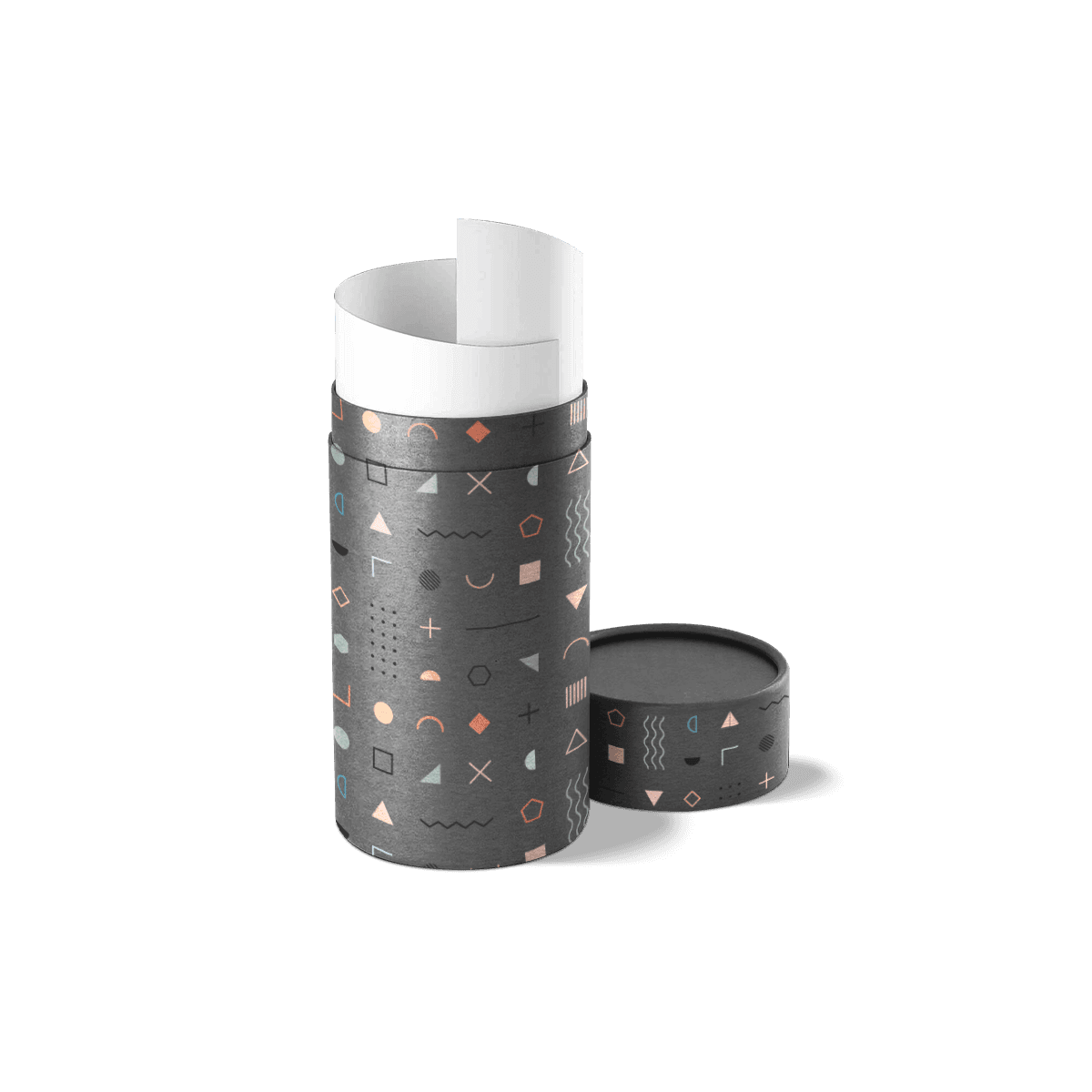
A cylindrical surface changes how a finish catches light. The curve creates a moving reflection as the tube turns, making differences between matte and gloss particularly noticeable.

The appropriate finish depends on the artwork, the intended retail environment and how the tube will be handled.

Matte Lamination

Matte film reduces strong reflections and can suit cosmetics, candles, wellness products and premium gifts with restrained artwork.

It works particularly well with dark colors, minimal typography and selected metallic accents.

However, matte does not automatically mean scratch-resistant.

Some matte laminates can show polishing, rubbing marks or fingerprints when handled repeatedly. Dark artwork may make these changes more noticeable.

An anti-scratch matte film can be considered when the packaging needs additional abrasion resistance.

The actual film specification matters more than the general description of the finish.

Gloss Lamination

Gloss film creates a reflective surface that can make printed colors appear brighter.

It can suit colorful retail packaging, illustrated products and promotional collections.

On a cylinder, the curved surface produces a noticeable highlight. This can contribute to the presentation, but excessive reflection may interfere with small text or detailed graphics.

Gloss films can also show scratches and fingerprints.

Where the tube will experience frequent handling, the finish should be assessed for the expected use rather than selected solely from its appearance in a digital mockup.

Soft-Touch Film

Soft-touch lamination creates a distinctive tactile surface.

It can suit premium skincare, fragrance packaging and presentation-sensitive gifts where the customer is expected to handle the tube.

The finish needs to remain compatible with the printed wrap and manufacturing process.

Depending on the film, soft-touch surfaces may require additional attention to rubbing, fingerprints or contact with neighboring packages.

The differences between matte, gloss and soft-touch packaging finishes are particularly relevant when appearance and handling performance must be considered together.

The Wear Ring Around the Lid

Repeated opening creates a concentrated area of contact between the lid and the tube body.

For a close-fitting removable cap, the friction may occur along the upper part of the printed wrap. A deeper cover can create a larger contact area.

This is a particular concern for laminated tubes because the film changes the finished dimensions and surface behavior.

Film Thickness and Lid Clearance

The tube's external diameter must account for the paperboard body, exterior wrap, adhesive and laminated film.

Even a relatively thin additional layer can affect a closely fitted lid.

If the cover was specified around an unlaminated body, applying the final film may increase friction or make the closure difficult to engage.

The appropriate clearance depends on the completed components, not simply the nominal diameter of the wound paperboard.

For telescopic tubes, the sliding outer cylinder may contact a substantial portion of the laminated body.

The laminate must therefore be considered when specifying the finished fit.

A Dark Tube With a Marked Lid Area

Consider a premium candle packaged inside a dark burgundy paperboard tube.

The printed wrap receives matte lamination, and the removable lid fits comfortably when the tube is first assembled.

During repeated opening, the lid rubs against the same portion of the body. A visible ring begins to appear near the upper edge.

The issue is concentrated at the closure rather than across the entire printed surface.

Changing the whole tube to a thicker paperboard construction would not necessarily help.

The appropriate correction may involve adjusting the lid clearance, changing the contact arrangement or selecting a film with suitable rubbing resistance.

The assembled components should be checked through repeated opening using the intended production materials.

The Contact Surface

An exterior film cannot be evaluated independently of the material rubbing against it.

A paperboard lid, deeper laminated cover and alternative end construction may produce different contact conditions.

For a reusable package, the finish should tolerate the expected opening behavior.

The closure should also remain secure without relying on excessive friction.

A decorative laminate must not turn an otherwise practical lid into a difficult opening mechanism.

The Wrap Seam Beneath the Film

A laminated paper wrap is usually applied around the cylindrical body after its print and finishing operations.

The wrap must join around the circumference, creating a longitudinal seam.

That seam deserves attention because it interrupts the otherwise continuous exterior surface.

Its construction can affect appearance, adhesive performance and the finished dimensions.

Overlapping Wraps

An overlapping paper seam can create a slightly raised area.

The additional material may be more noticeable when the wrap includes lamination.

For a presentation-focused package, the seam can be positioned away from the intended primary viewing area.

However, the tube may rotate during retail handling, so the seam should remain visually acceptable from other angles.

A laminated wrap should not be described as seamless when its actual construction includes an overlapping joint.

Adhesive Compatibility

The adhesive joining the paper wrap to the paperboard core must be compatible with the materials being bonded.

A film-laminated printed sheet may present different bonding conditions depending on which surfaces meet at the seam.

The manufacturing specification should identify the intended joint rather than assuming the same adhesive arrangement works for every paper and film combination.

Poor adhesion can allow the wrap to lift, particularly near a cut edge or exposed seam.

Applying additional film over an inadequately bonded wrap does not correct the underlying adhesion problem.

Film Edges

An exposed film edge can become vulnerable when it catches during handling or when moisture reaches the underlying paper.

The risk depends on the laminate, adhesive, wrap geometry and intended use.

For a tube with a contrasting paperboard core, a lifted edge may also expose a visibly different material beneath the printed surface.

The finished construction should maintain an appropriate bond around the circumference and at the upper and lower wrap boundaries.

Surface Protection Has Limits

Lamination can improve certain surface characteristics, but the completed tube still contains paperboard and other materials with their own performance limits.

A laminated exterior should not be described as waterproof simply because the film itself resists liquid water.

The tube's ends, seams, inner surface and closure may remain exposed.

Occasional Moisture Contact

A suitable laminate can help protect the printed surface from certain incidental moisture exposures.

This may be relevant when retail staff handle products with damp hands or when a package experiences minor surface contact during ordinary use.

However, performance depends on the specific film and finished construction.

Water may still reach the paperboard through exposed areas.

A tube intended for wet environments requires consideration of the entire package, not just its exterior finish.

Humidity and Paperboard

Lamination does not eliminate the effect of humidity on the paperboard structure.

Moisture can affect the dimensions and mechanical behavior of paper-based packaging, particularly when the material remains exposed for extended periods.

For products stored in demanding conditions, the board, wrap and closure should be assessed together.

The laminate should not be treated as a substitute for the appropriate structural specification.

Oils and Product Contact

An exterior laminated wrap does not establish compatibility with oils, fragrances or other substances inside the tube.

Where the contents could contact the paperboard, an appropriate internal lining or separate primary container may be necessary.

The exterior film and internal product-contact system perform different jobs.

A package can have an attractive laminated exterior while still being unsuitable for direct contact with a particular product.

The Product Behind the Laminated Wrap

Laminated paperboard tubes are particularly relevant when the printed exterior is expected to experience handling that could affect an unprotected finish.

That makes them suitable for selected retail and gift applications, provided the cylindrical construction also suits the product.

The laminate should serve the actual use environment rather than becoming a default addition to every tube.

Cosmetics and Skincare

Cosmetic products are frequently handled before purchase, especially when customers compare several variants.

A laminated exterior can help maintain the printed appearance under suitable handling conditions.

Matte film may suit restrained skincare branding, while gloss can support brighter cosmetic artwork.

For a small skincare jar or bottle, the paperboard body and any insert remain responsible for keeping the product positioned correctly.

The laminate should not be expected to prevent the contents from striking the tube wall.

Candles and Home Fragrance

Laminated wraps can suit premium candle and fragrance packaging where appearance remains important throughout retail handling.

Dark printed surfaces and specialty finishes deserve particular attention because rubbing marks may become visually prominent.

A cylindrical candle jar can sit inside a suitably specified paperboard body, with an appropriate support arrangement where necessary.

For fragrance products, the exterior laminate does not establish aroma retention or liquid containment.

Those requirements must be addressed by the product's primary packaging and the completed packaging system.

Retail Gifts

Gift packaging may experience repeated handling, storage and display before purchase.

A suitable laminated wrap can help preserve the intended printed appearance during those activities.

The finish should remain compatible with any foil stamping, embossing or other decorative treatment.

Where the tube is intended for repeated opening, the lid contact area also becomes part of the finishing decision.

Rolled Products

Posters, prints and selected rolled products can use cylindrical paperboard packaging.

For these applications, the laminate may help protect exterior branding or shipping identification from ordinary rubbing.

However, the requirements for custom mailing tubes remain separate.

Wall strength, usable internal length, secure end closures and resistance to shipping damage determine whether the tube is appropriate for direct mailing.

An exterior film cannot compensate for inadequate structural protection.

Color After Lamination

Lamination changes the surface through which customers see the printed artwork.

The finished color may therefore appear different from the same printed sheet before the film is applied.

This is particularly relevant for brands using controlled corporate colors or matching artwork across several packaging types.

CMYK and Pantone

CMYK printing can support photographs, gradients and multicolor illustrations.

Pantone matching may be appropriate when a particular brand color requires tighter control.

The selected printing process must suit the paper wrap and production quantity.

However, approving the ink color before lamination does not establish the final visual appearance.

A gloss film can increase the apparent depth of printed colors, while matte film may change how the surface reflects light.

The distinction between CMYK and Pantone color matching matters when the tube must remain consistent with other branded packaging.

Dark Solid Colors

Black, navy, burgundy and other dark colors may show surface marks more readily than lighter artwork.

The laminate should be assessed for the intended handling conditions, particularly where packages will rub against one another during packing or retail display.

For a repeat production run, the approved printed and laminated sample is a more meaningful color and finish reference than an unlaminated proof alone.

Artwork Around the Circumference

The artwork needs to account for the complete wrap, including its joining seam.

Small text and barcodes should be positioned away from areas where the seam, curvature or closure could interfere with readability.

The chosen laminate should not create excessive glare over important product information.

Custom Packly supports premium offset printing for suitable paperboard wraps, along with design and dieline assistance.

Free 3D mockups can help assess the intended appearance before production, while a physical finished sample may be appropriate when color, texture or closure friction requires verification.

The Cost of Laminating the Wrap

Lamination introduces additional material and manufacturing work.

The cost depends on the film, application method, wrap dimensions, quantity and any other finishing requirements.

A specialist film may also have different setup or production requirements from a conventional matte or gloss laminate.

The commercial decision is whether the finish contributes enough to justify that additional work.

High-Handling Retail Products

For a product that will be handled repeatedly, a suitable laminate may help preserve the printed appearance.

That benefit needs to be considered alongside the actual production cost.

A specialist anti-scratch film should not be selected merely because it sounds more protective. Its performance must suit the expected handling conditions.

For products that remain inside protective shipping cases until purchase, a simpler surface treatment may be adequate.

Cover and Body Finishing

The entire tube does not necessarily need the same laminate.

A design may use a laminated body with a contrasting lid or apply different compatible finishes to separate components.

The manufacturing method and material specifications determine which combinations are practical.

For a telescopic construction, different finishes may affect the friction between the cover and body.

Any proposed combination should retain the intended closure behavior.

Production Quantities

The applicable minimum for a specialist laminated tube depends on the confirmed construction and production requirements.

An instant packaging quote can establish initial pricing using the intended tube dimensions, printed wrap, laminate, closure and quantity.

US production and free shipping are part of Custom Packly's current packaging offer.

Standard turnaround is 4–6 days after final artwork and specifications are approved. Complex structures, specialty materials and advanced finishes may require additional time.

Exterior Film and Internal Liners

The location of a laminate determines the job it performs.

An exterior film protects and finishes the printed wrap. An internal liner may serve product-contact, containment or barrier requirements.

These constructions should not be confused.

Food and Dry Products

A laminated exterior does not make a paperboard tube suitable for direct food contact.

Tea, coffee, confectionery and dry specialty foods may require an appropriate primary package or qualified internal lining.

The specific product determines the necessary barrier, contact and storage requirements.

A sealed inner pouch can handle the relevant freshness requirements while the outer tube concentrates on presentation and structural containment.

If the paper tube itself is intended to contact the food, the complete material specification must be suitable for that intended use.

Moisture-Sensitive Contents

Some products require protection against moisture transmission.

An exterior decorative laminate does not establish the barrier performance of the completed package.

The requirements depend on the product, liner, closures and any exposed joints.

A moisture-sensitive powder may be better protected inside a sealed primary pouch than by relying on an exterior film applied to the paperboard tube.

The package should be specified around the actual storage requirement rather than an assumed benefit of lamination.

Squeeze Tubes Are Different

Laminated paperboard tubes are rigid cylindrical packages with a protective film or laminated printed wrap.

They should not be confused with collapsible aluminum-barrier laminate (ABL) or plastic-barrier laminate (PBL) tubes used to dispense creams, pastes and similar products.

Those packages use flexible multilayer tube bodies with different barrier, sealing, filling and dispensing requirements.

The exterior lamination of a rigid paperboard tube does not give it the functions of a collapsible dispensing tube.

Lamination and Material Recovery

Adding a protective film changes the material composition of the printed wrap.

That change matters when a brand has packaging sustainability requirements.

A paperboard tube with a plastic-laminated exterior should not automatically be described as plastic-free or fully recyclable.

The actual construction and the recycling systems that accept it determine which claims are appropriate.

Film and Paperboard

Conventional lamination may introduce a polymer film bonded to the printed paper.

This creates a combination of materials rather than a single uncoated paper surface.

The film type, adhesive and amount of non-paper material may affect the package's compatibility with particular recycling processes.

A recyclable paperboard core does not establish the recyclability of the completed tube.

Alternative Surface Treatments

Where material recovery is a priority, a suitable aqueous coating or other surface treatment may be worth considering instead of conventional film lamination.

The alternative must still deliver the required appearance and handling performance.

It should not be described as environmentally preferable without considering the actual materials, application and end-of-life conditions.

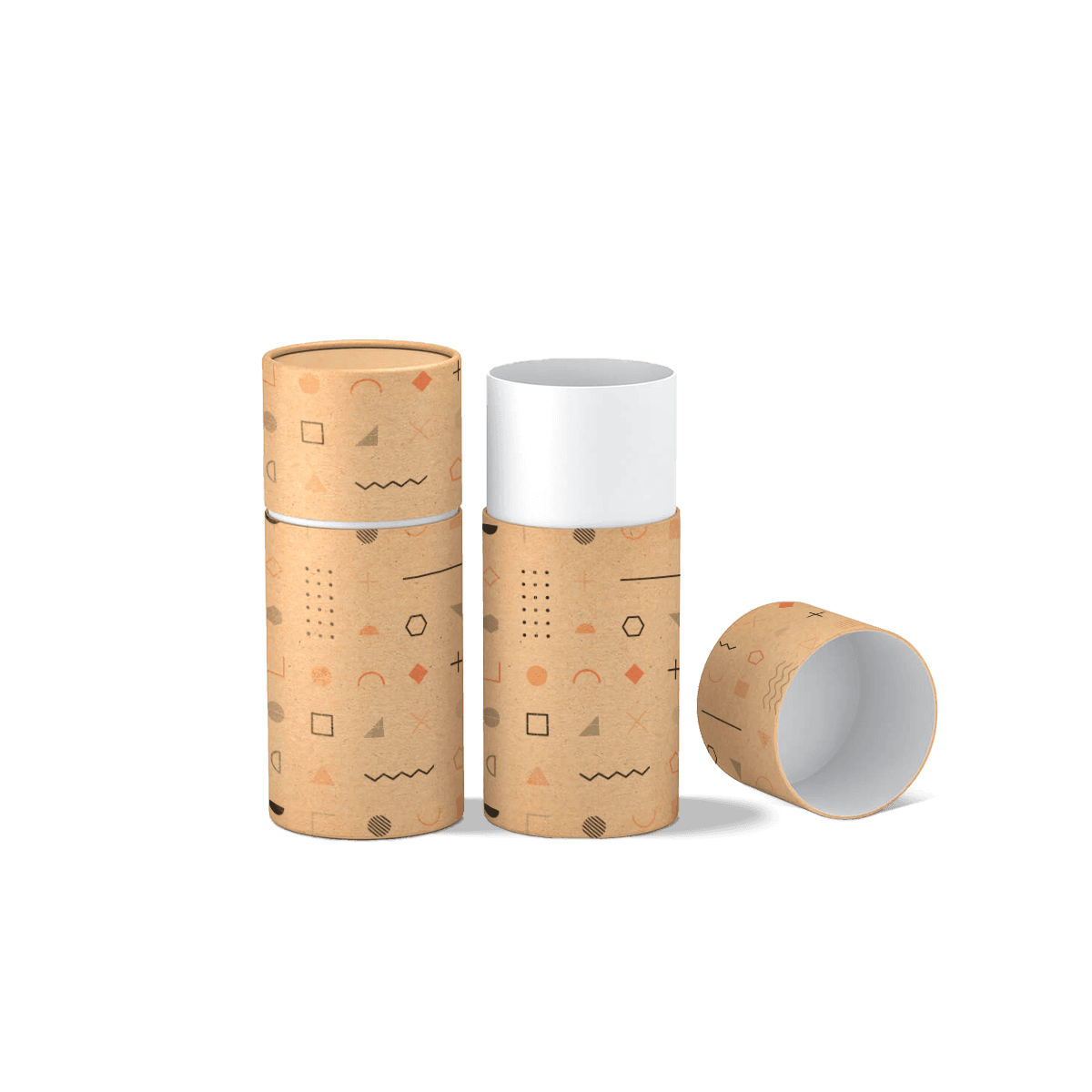
Kraft paper tubes can be considered when the product suits an exposed paper surface and the brand does not require a fully laminated exterior.

The material decision should reflect the complete package rather than its visual association with natural or sustainable packaging.

Film-Wrapped and Unlaminated Tubes

Lamination is a surface specification, not a substitute for the underlying cylindrical construction.

The same general tube shape can use different exterior materials and finishes depending on its intended use.

Unlaminated White Paper

White paper tubes can support clean branding and bright printed graphics.

An unlaminated surface may be sufficient where the package does not require additional film protection or a particular laminated finish.

The relevant differences concern surface treatment, intended handling and the finished visual result.

A white paperboard tube can also receive lamination when the project calls for it.

Wound Paperboard Bodies

Spiral-wound tubes derive their cylindrical structure from wound layers of paperboard.

Lamination does not replace those layers or determine the tube's load-bearing capacity.

A spiral-wound body may carry a laminated exterior wrap, but the structural and finishing specifications remain separate.

The correct wall thickness depends on the product and handling requirements.

Windowed Construction

Windowed tubes use a cutout to reveal the contents.

A laminated printed wrap can coexist with a suitable window, but the film and cutout must be compatible with the intended manufacturing process.

The window may require a separate transparent patch and an appropriate attachment area.

Exterior lamination should not be assumed to perform the function of that window film.

The Finished Tube Inside a Shipping Case

Lamination may help protect printed surfaces during ordinary handling, but the finished tubes still need an appropriate shipping arrangement.

This becomes particularly important for premium packaging with dark artwork, gloss films or specialty finishes.

The tubes may be packed next to one another inside a master carton before reaching the retailer or fulfillment center.

Contact Between Units

Two laminated tubes can rub against each other when the shipping case allows unrestricted movement.

The resulting marks depend on the film, applied pressure and handling conditions.

A suitable outer case or partition can reduce unnecessary contact.

For presentation-sensitive products, separation between completed units may be appropriate.

However, excessive individual wrapping adds cost and packing work.

The intended shipping arrangement should preserve the surface without introducing unnecessary components.

Lids and Exposed Edges

End closures can also make contact with neighboring tubes.

A rigid lid edge may rub against a printed body or create concentrated pressure on an adjacent package.

The case arrangement should account for the completed tube, including any projecting closure components.

Exposed wrap edges should not be positioned where they are repeatedly caught or rubbed during packing.

Receiving and Retail Handling

The printed surface should remain suitable for the product's intended presentation when the retailer removes the tube from its shipping case.

For larger production runs, consistency matters across the entire shipment rather than only the samples inspected before production.

Custom Packly supports bulk orders, warehousing and scheduled deliveries for established packaging programs.

The appropriate combination of laminate, closure and case packing depends on the finished product and its route to the customer.

The protective film performs its job at the surface. The paperboard body, closure and shipping case must still perform theirs.

FAQs

It matters most when the package needs stronger visual impact, better print quality, or added surface protection against rubbing and shelf wear.

That is one of the main advantages. Lamination helps the outer wrap resist marks and keeps the graphics looking more finished.

Laminated Tubes are usually the better choice when the brand needs smoother graphics, a more polished feel, or finish effects like soft touch or anti-scratch. Kraft Paper Tubes make more sense when the goal is a natural brown texture and a more raw material-led look.

No. They can be built with understated matte finishes, soft-touch surfaces, or selective foil accents depending on whether the brand wants bold shelf appeal or a quieter premium look.

Very flexible. Laminated tubes can be paired with caps, covers, inner supports, or paperboard fitments for better retention and a more personalized presentation.

Process

How it works

Your Packaging Journey, From Idea to Production and Delivery

01

Tell Us Your Specs

Custom packaging boxes

Tell Us Your Specs

Provide size, quantity, printing, and finishes.

02

Get a Fast Quote

Custom packaging boxes

Get a Fast Quote

Instant transparent pricing, no hidden fees.

03

Design and Approval

Custom packaging boxes

Design and Approval

Artwork checks, revisions, and final sign-off.

04

Produce

Custom packaging boxes

Produce

Expert manufacturing to meet deadlines.

05

Ship to Your Door

Custom packaging boxes

Ship to Your Door

Hassle-free, flexible delivery options.

Get Your Quote for Custom Laminated Tubes

Share your product details, size, quantity and artwork needs. We’ll help choose the right packaging style and send a clear quote.