Skip to content
Details

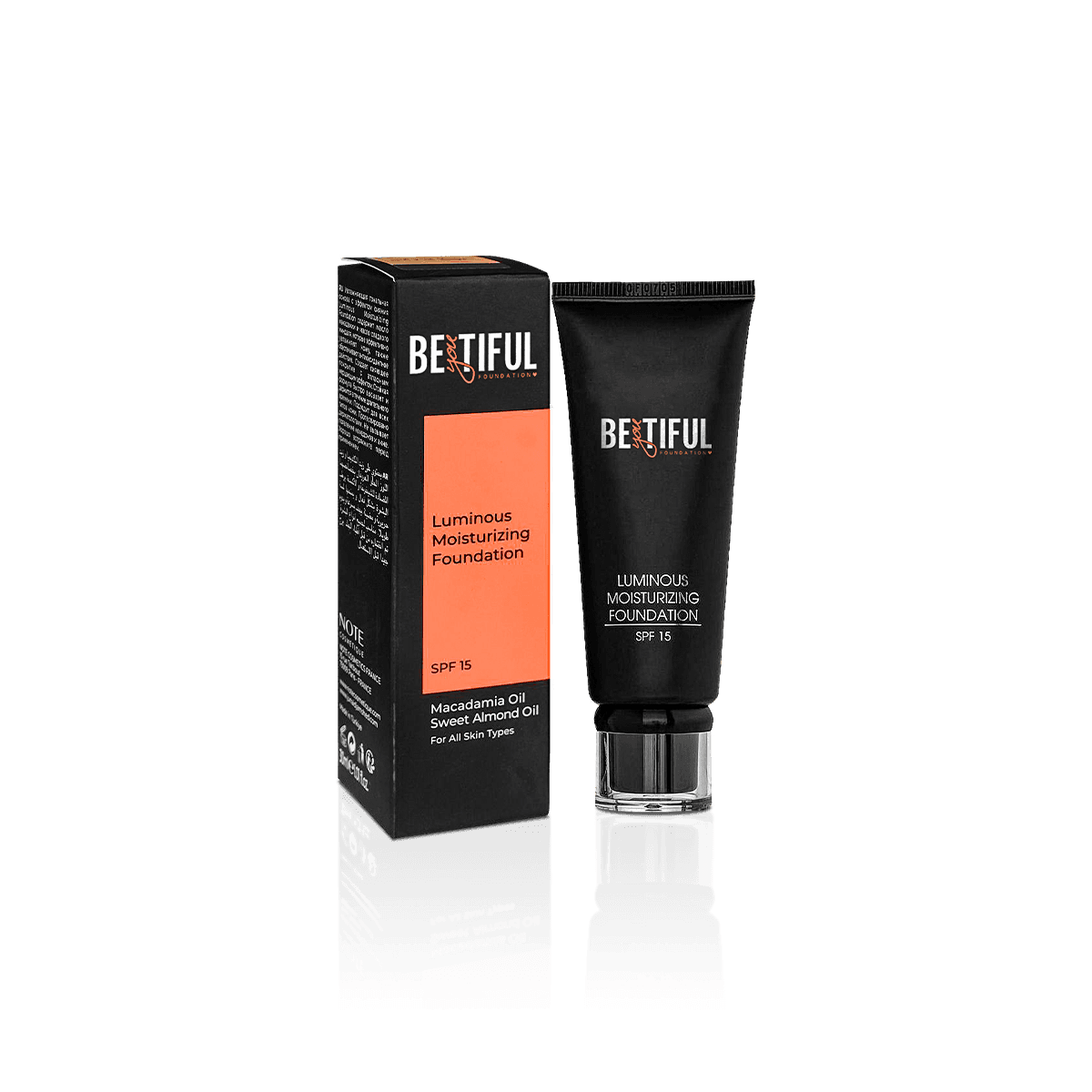
Custom Foundation Tubes

Flexible foundation packaging planned around squeeze response, dispensing control, closure geometry, tail sealing and the way complexion shades move through retail and ecommerce.

The Squeeze Is Part of the Package

A foundation tube is handled differently from a bottle, jar or carton. The customer presses the package itself to move the formula, so tube stiffness, outlet design and the amount of product remaining inside all affect the experience after purchase.

A tube that is too stiff may require excessive pressure. One that collapses too easily can dispense more product than intended or lose its shape after repeated use. The closure then has to contain the formula between uses without making application inconvenient.

Custom Foundation Tubes therefore need to be considered as dispensing systems, not simply decorated containers.

The formula, tube wall, outlet, closure and fill process have to work together. Artwork comes after those functional decisions.

Squeeze Response Matters

The same outer dimensions can behave very differently depending on wall construction.

A soft tube can make thicker foundation easier to dispense, but very low stiffness may make dosing harder to control. A firmer wall can feel cleaner in the hand but may require more force as the tube empties.

The right balance depends on formula viscosity, intended dose and how the brand expects the product to be used.

Formula compatibility should be confirmed with the tube manufacturer or filling partner using the actual formulation. Appearance alone cannot establish whether a tube material, barrier layer, closure or decoration will remain compatible throughout the product's intended life.
Outlet Size Controls the Dose

The opening at the dispensing end determines how easily foundation leaves the package.

A broad outlet may work for a thicker cream that is dispensed in larger amounts. A narrower opening gives more control but can feel restrictive if the formula does not flow easily.

The outlet therefore needs to be chosen with the real formula, not from a standard tube catalog alone.

Avoid the Sudden Surge

A tube may look correct and seal properly while still dispensing poorly.

Consider a soft foundation tube with a relatively large outlet. A customer presses the center of the pack and receives a sudden volume of product rather than a controlled amount.

The immediate reaction might be to make the tube stiffer. That can help in some cases, but the underlying issue may be the relationship between wall response, formula viscosity and outlet diameter.

Reducing the outlet, changing the tube response or adjusting both can create more predictable dispensing without making the container difficult to squeeze.

This is a primary-container decision. A secondary box cannot correct it later.

The Closure Changes the Whole Profile

Caps and pumps affect more than opening convenience. They change the overall dimensions, standing behavior, loading direction and retail silhouette of the finished tube.

A flip-top cap may create a broad stable base for inverted storage. A screw cap can keep the bottom profile compact. A pump or airless-style dispensing head adds height and may introduce projections that need protection in secondary packaging.

Measure the finished package with the final closure fitted.

Cap-Down Packs Need a Stable Base

Many squeeze tubes are intended to stand on the closure.

That makes cap diameter and flatness operational decisions. A tube with a narrow or rounded closure may tip easily on a retail shelf even if the body itself looks well proportioned.

The full container should be evaluated in its intended display orientation after filling, not only as an empty component.

Pump Geometry Needs Clearance

A pump-equipped tube creates a different handling problem.

The actuator, collar and any overcap can extend beyond the main tube diameter. If a carton or gift pack is added later, those projections need clearance rather than pressure from the surrounding structure.

How to choose packaging for beauty products starts from the primary container for exactly this reason: an outer pack should respond to the dispensing system rather than force it into a predetermined shape.

The Tail Is a Functional Edge

The sealed tail at the opposite end of a squeeze tube is easy to overlook because it contains no cap or applicator. It still affects finished height, visual alignment and how the package behaves after filling.

Empty tube dimensions are not necessarily the same as finished filled dimensions.

The tail seal can change the final length and flatten part of the tube body. Filled product can also change the cross-section compared with an unfilled sample.

A production specification should therefore distinguish component dimensions from final packed dimensions.

Protect the Seal During Packing

A tail seal should not become a pressure point inside a tight secondary carton or multi-unit pack.

If a tube is pushed into packaging that is too short, the tail can bow, fold or press against an end closure. The same problem appears when several tubes are stacked without enough dimensional allowance.

The better approach is to preserve the sealed edge rather than treating it as disposable clearance.

Filled Shape Beats Nominal Diameter

A flexible foundation tube does not behave like a rigid cylinder.

Its cross-section can change after filling, and a nominal diameter does not always describe the maximum width the finished package will occupy.

This becomes important when the tube goes into a folding carton, retail tray or gift set.

Measure the sale-ready tube after filling and sealing whenever possible.

A secondary carton made around the empty component can become too tight once the formula adds body to the tube.

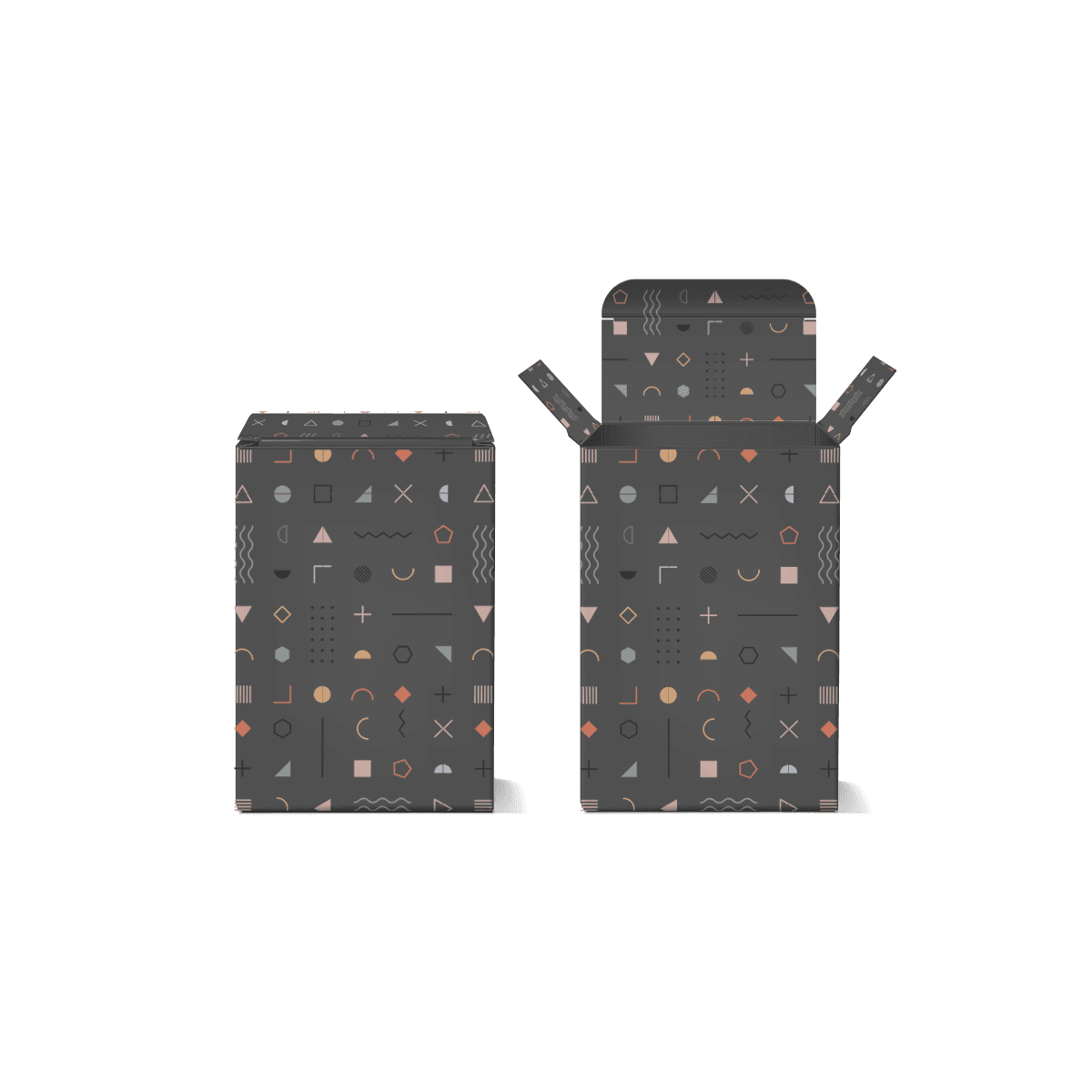
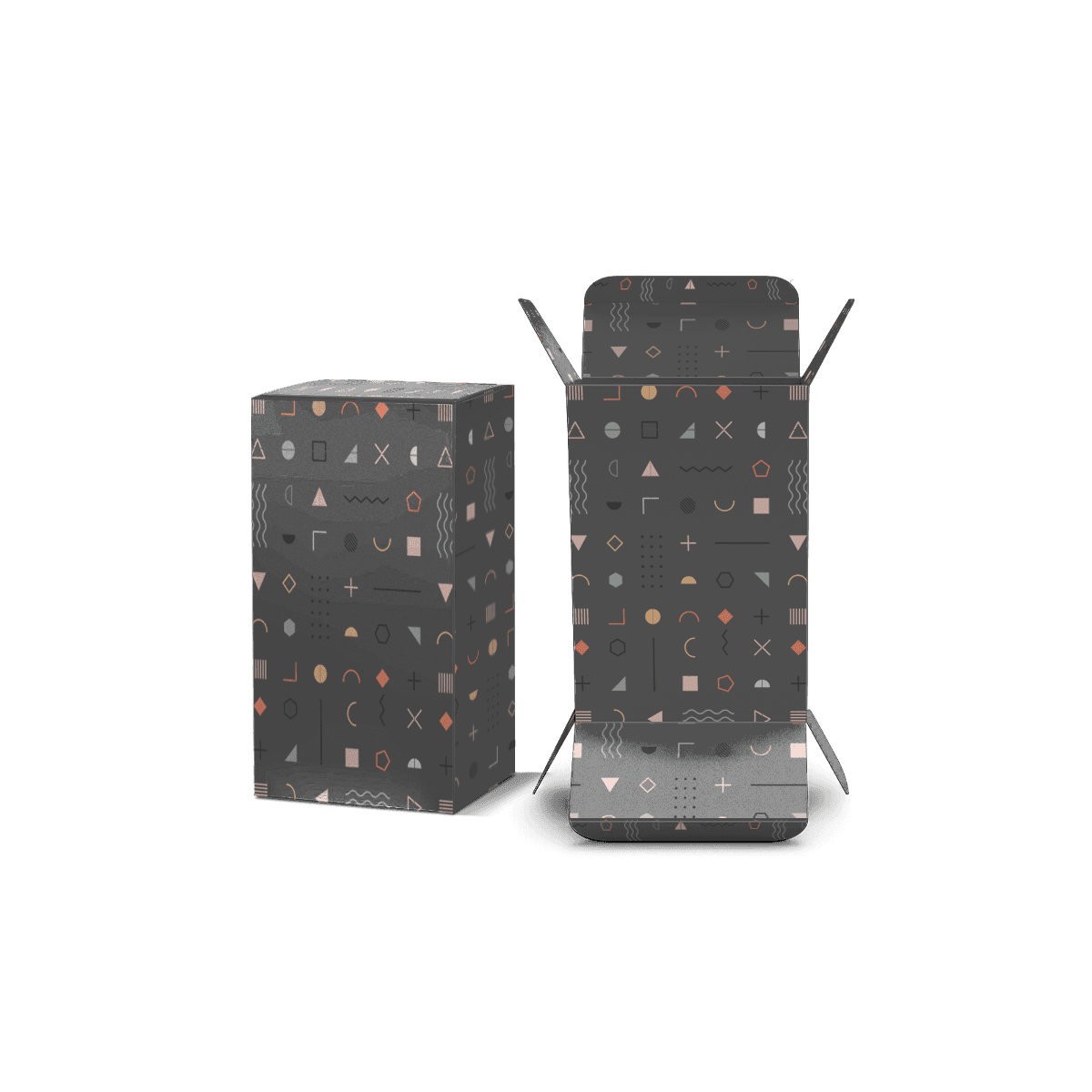
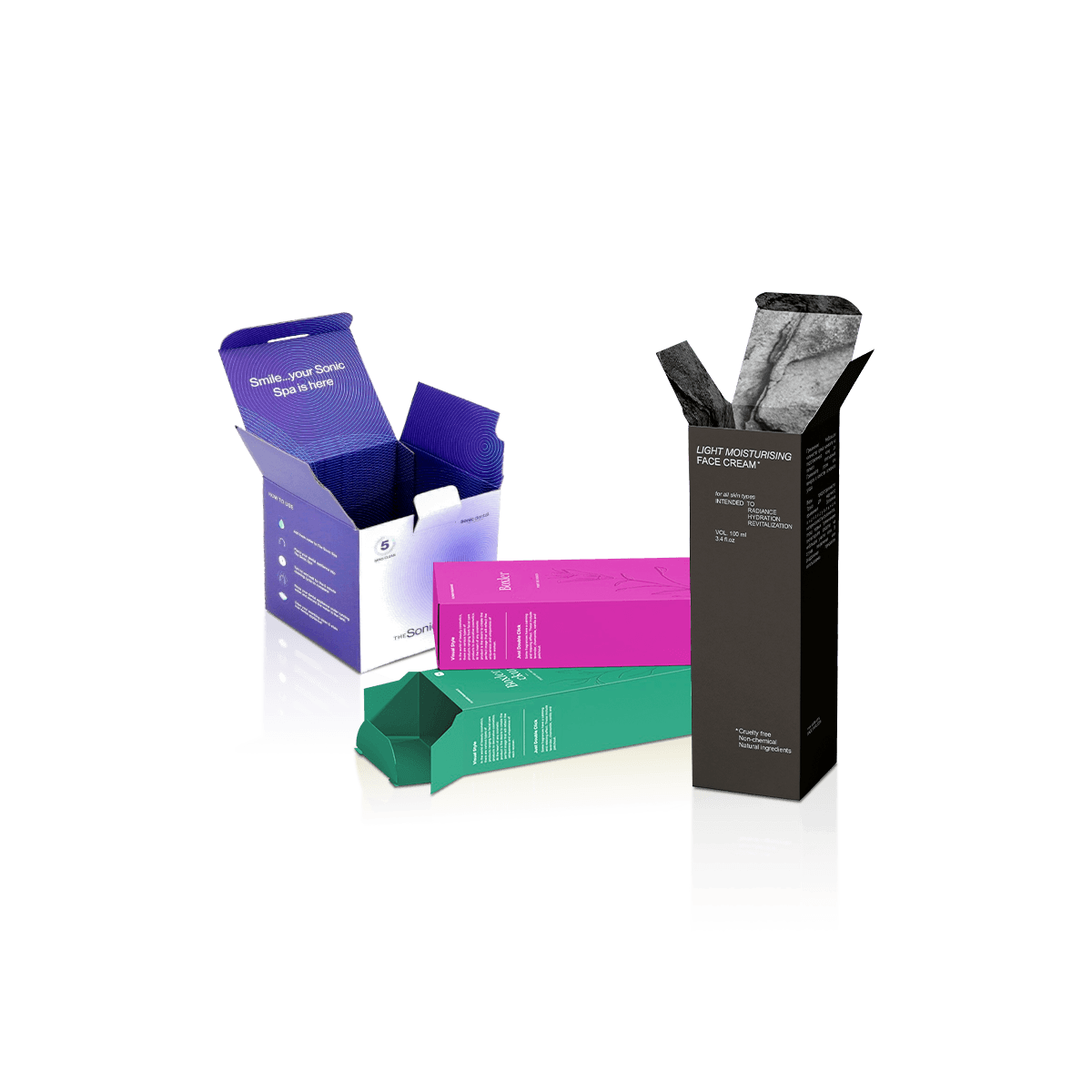
For brands that want an outer retail pack, Folding Carton Cosmetic Boxes take over the job of printed panels, shelf protection and additional labeling space.

The distinction matters: the foundation tube dispenses the product, while the carton organizes and presents the finished tube.

Paper Tubes Are a Different Product

The word “tube” can describe two very different packaging systems.

A flexible cosmetic tube directly contains and dispenses the foundation. A rigid paper or cardboard tube is secondary packaging that surrounds another product.

They should not share one specification.

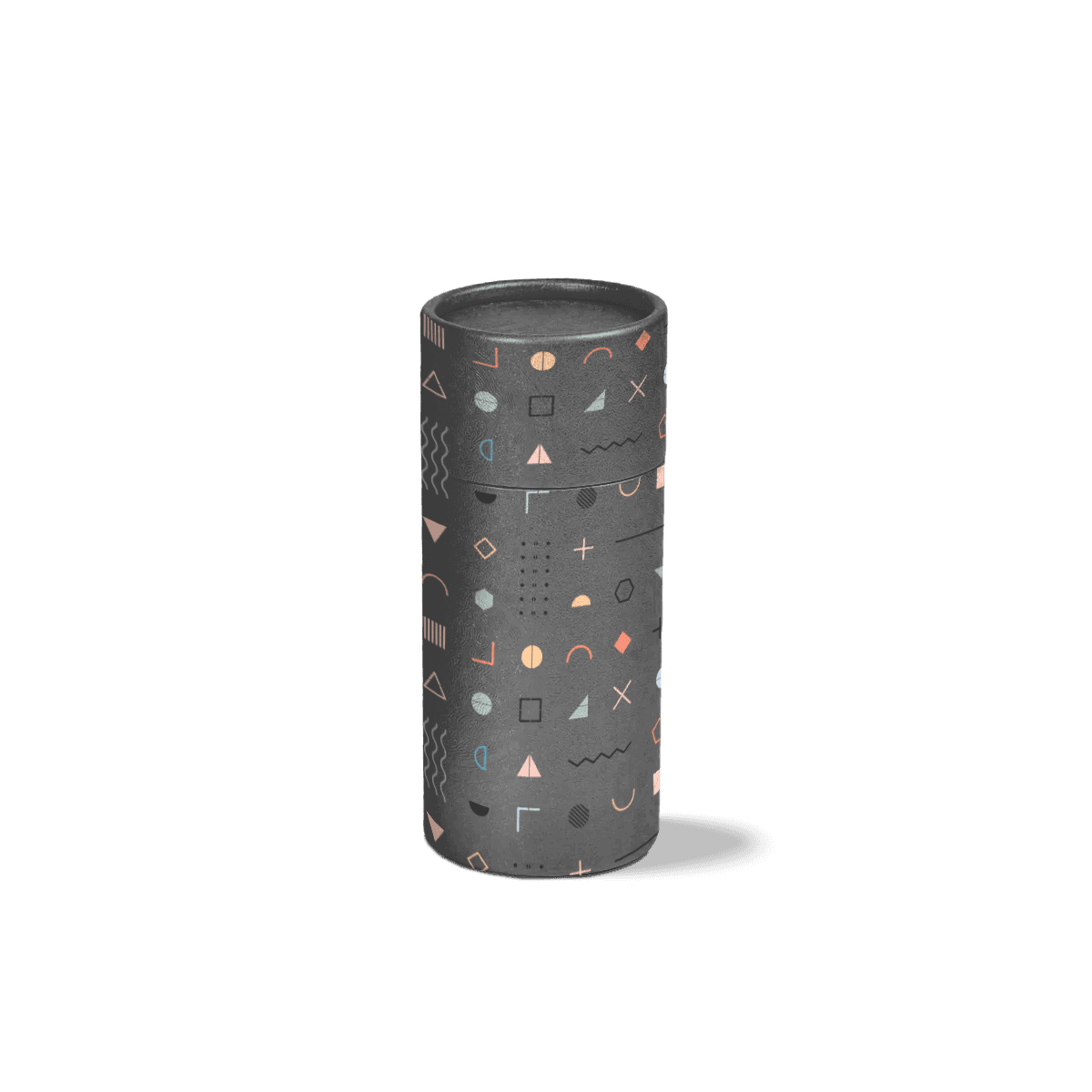
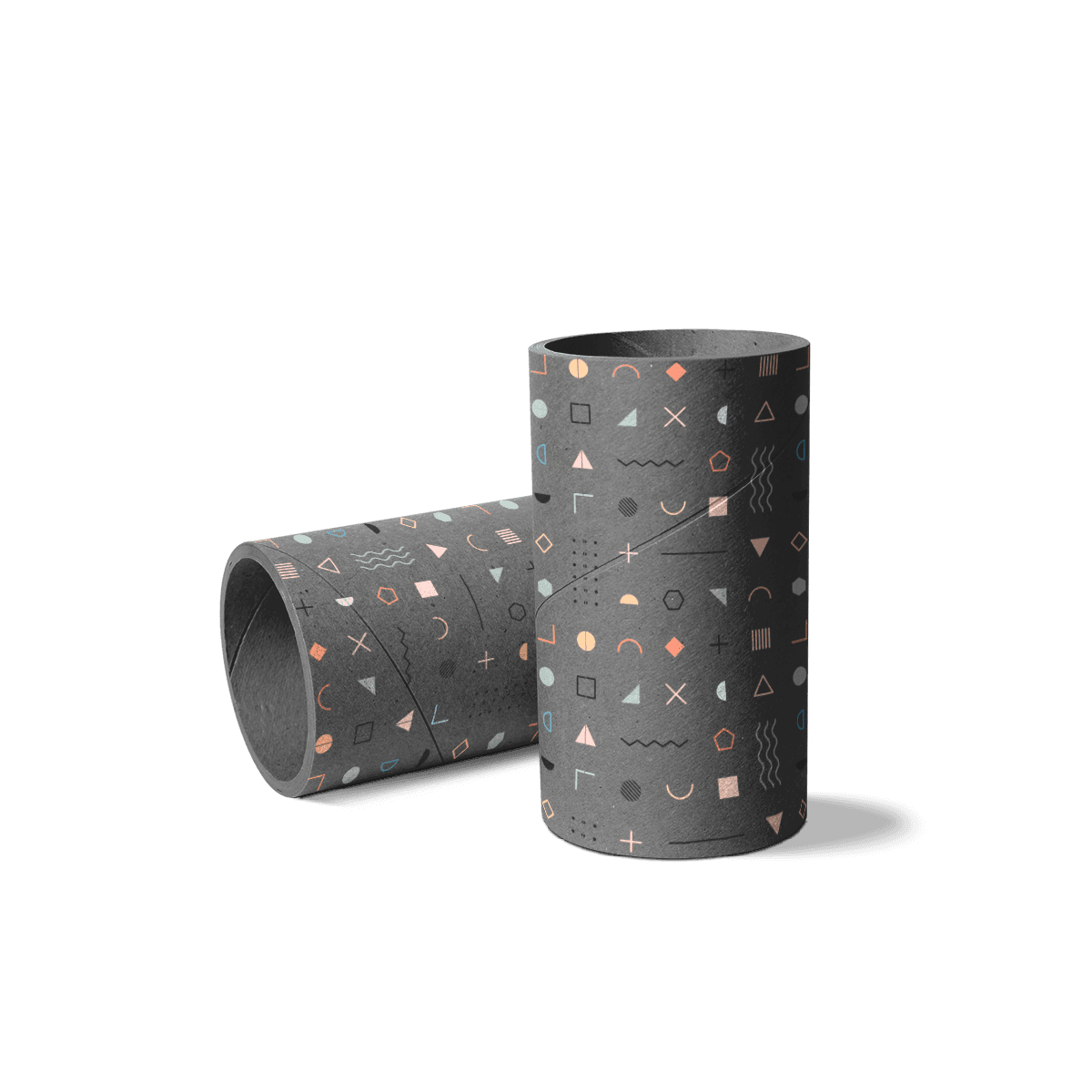
Custom Tube Packaging uses cylindrical paper and cardboard structures as outer packaging; it does not replace the flexible container that holds liquid foundation.

A beauty brand could potentially use both. The formula may sit in a squeeze tube, while a premium outer cylinder creates gift presentation around it.

That would be a two-layer packaging system with two different jobs.

The primary tube still needs its own dispensing, closure and compatibility decisions before the outer pack is designed.

Shade Lines Create Production Complexity

Foundation packaging rarely stops at one SKU.

A brand may carry many complexion shades while keeping the same formula family, tube capacity and closure. That creates an opportunity to standardize physical components while changing shade identification.

But shade expansion can become messy if every SKU develops independently.

Separate Component Color From Shade Color

The tube body does not have to imitate the foundation shade exactly.

A consistent brand-colored tube with clear shade identification can simplify the visual system. Another program may use different tube colors or visible shade cues for each product.

Either approach needs a fixed location for shade names, numbers or other SKU identifiers.

Printed color alone should not carry the entire identification system, especially where neighboring shades are visually similar.

Keep the Master Geometry Stable

If every shade uses the same formula volume, tube body and closure, changing dimensions from one SKU to another creates unnecessary production complexity.

Hold the physical package constant where the primary components are actually identical. Let artwork and SKU-specific identifiers change.

If a travel size, larger capacity or different dispensing head enters the line, treat it as another physical specification rather than stretching the original one to fit.

Decoration Has to Flex With the Tube

Artwork on flexible packaging is viewed on a surface that bends, compresses and gradually changes shape during use.

That creates a different design problem from printing a flat paperboard carton.

Very fine patterns may distort as the tube is squeezed. Large uninterrupted color fields can make production variation more noticeable. Critical type should stay clear of areas where sealing, crimping or strong curvature could interfere with readability.

The front panel also changes as the customer empties the product.

A design that depends on perfect cylindrical presentation may look less controlled after several weeks of use.

Place Hierarchy Before Effects

Brand name, product name and shade identification need defined visual priority before decorative effects are added.

The cap and tube should also look intentional together. A highly reflective closure paired with a muted tube creates a different impression from a monochrome package where cap and body visually merge.

Free 3D mockups can help review proportion and branding direction before production, although physical tube behavior still needs real component and filled-product testing.

Retail Orientation Changes the Artwork

A tube can be presented cap-down, cap-up, horizontally or inside another pack.

The artwork has to work in the orientation the customer actually sees.

If the tube stands on its cap, the main brand mark should read naturally from that direction. A design created around the opposite orientation can appear upside down once the product reaches the shelf.

Horizontal presentation changes the viewing hierarchy again.

Counter units and multi-shade merchandising also need the variant identifier to remain visible when several tubes sit close together.

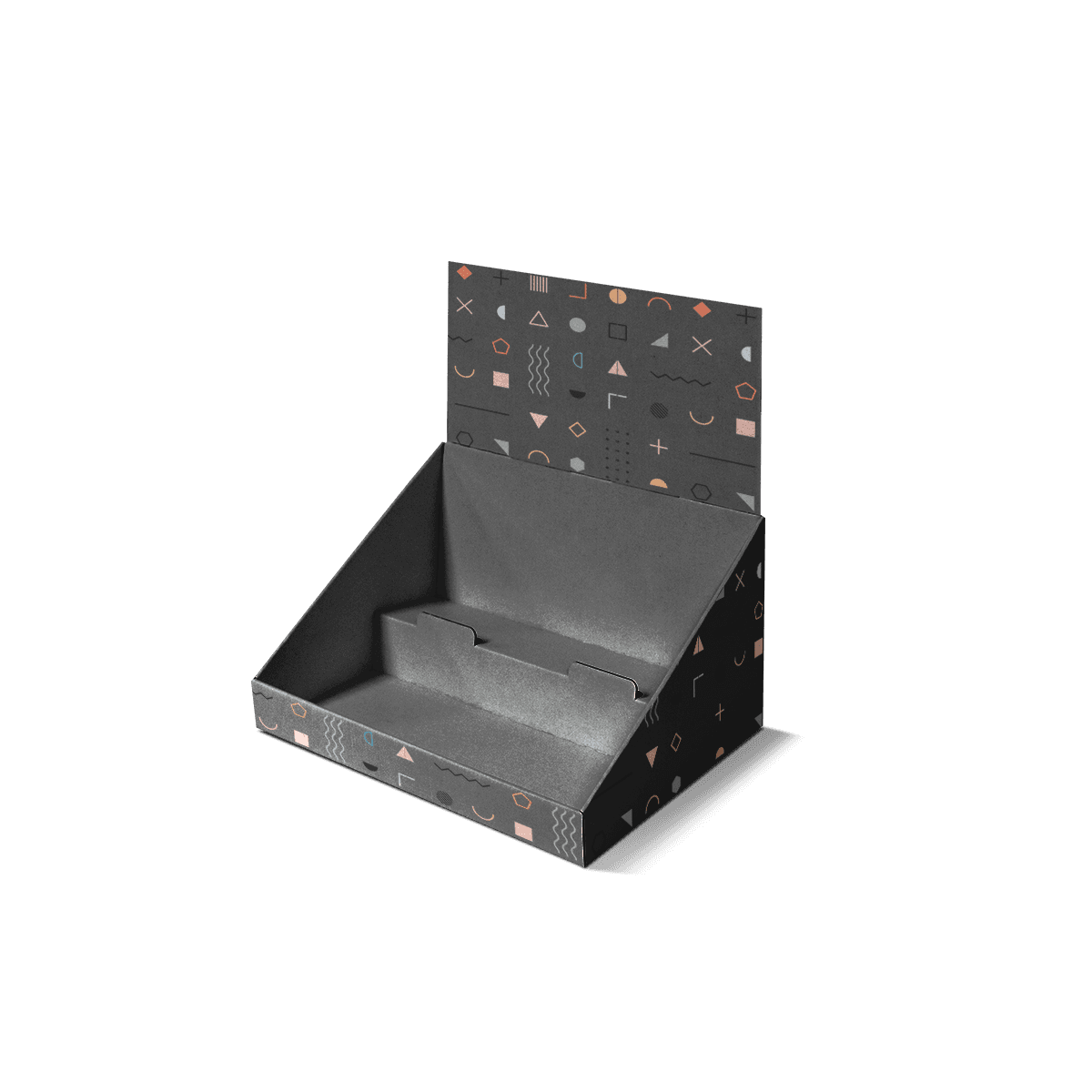
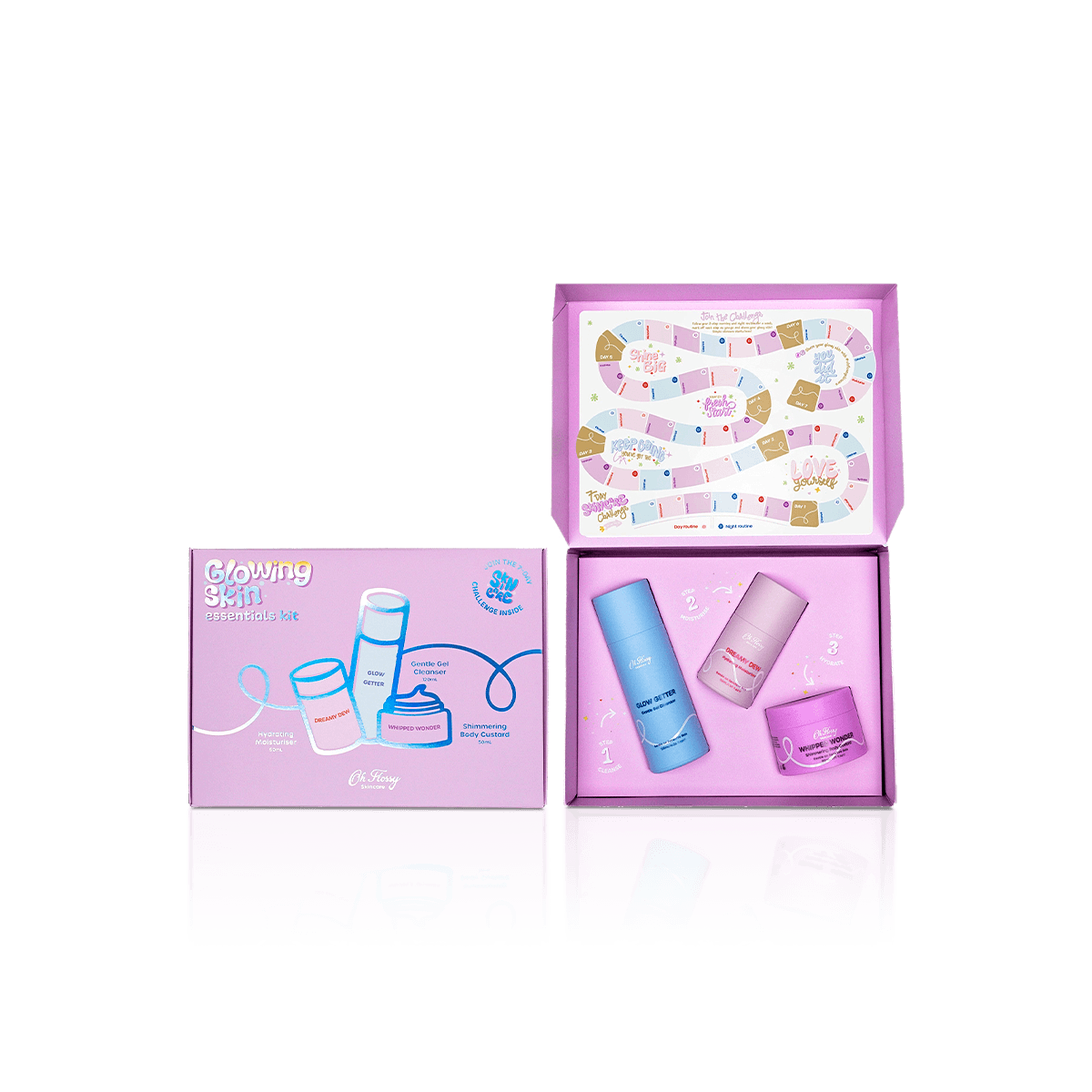
Custom retail packaging becomes relevant when the tube has to coordinate with trays, displays or secondary packs across a store environment.

Do not finalize tube artwork without knowing how retailers are expected to place the product.

Ecommerce Exposes the Closure

Flexible tubes avoid the breakage risk associated with glass, but ecommerce introduces other failure modes.

A cap can open under pressure. A pump can be activated if it is not protected. A tube can become compressed between heavier products. Leakage from one beauty item can also contaminate everything else inside the parcel.

The retail tube is therefore only one layer of protection.

For direct-to-consumer orders, the outer shipper should prevent concentrated loads on the closure and limit movement among mixed cosmetics.

If the product has an overcap, clip or another shipping-state feature, specify whether that component remains attached through fulfillment.

The correct outer packaging follows the finished tube, not the reverse.

Sampling Should Test Use, Not Just Appearance

A foundation tube can look polished and still fail during actual dispensing.

Physical validation should therefore answer practical questions:

  • Does the filled tube dispense with reasonable pressure?
  • Does the selected outlet give controlled output?
  • Does the cap close consistently after repeated use?
  • Does the filled tube stand as intended?
  • Does artwork remain readable when the body flexes?
  • Does the tail seal remain stable through packing?
  • Does the finished tube fit any secondary carton or display?
  • Does the closure remain secure through handling?

Formula compatibility and leakage testing should be carried out using the real formulation and production components with the appropriate manufacturing or filling partner.

A mockup is useful for visual decisions. It cannot replace filled-component evaluation.

Premium Does Not Automatically Mean Airless

Airless or pump-style foundation tubes can make sense when controlled dosing, reduced direct exposure or a particular user experience justifies the added component complexity.

They are not automatically the superior choice for every foundation.

A straightforward squeeze tube may be more appropriate when the formula dispenses cleanly, portability matters and the brand wants a simple daily-use container.

The decision should come from formula behavior, dose control, price position and customer use rather than from a hierarchy of packaging styles.

A more complex dispenser adds more parts that have to work together. That value should be visible in how the customer uses the product.

Build the Brief Around the Filled Product

Foundation tube pricing and production planning become more accurate when the brief describes the complete package rather than capacity alone.

Useful inputs include:

  • foundation or complexion formula type
  • target fill quantity
  • finished tube dimensions
  • preferred squeeze response
  • dispensing outlet
  • closure or pump configuration
  • expected display orientation
  • quantity by shade
  • artwork and decoration direction
  • secondary carton requirements
  • retail, ecommerce or mixed sales channel
  • any gift, display or multi-product packing requirements

Custom Packly supports US production, extensive customization, free 3D mockups and 24/7 packaging expert support. Standard turnaround is 4–6 days after final artwork and specifications are approved, with free shipping. Complex structures, specialty materials or advanced finishes may require additional time.

When the physical tube, dispensing method, shade count and packing requirements are established, an instant custom packaging quote can be based on the actual program rather than a generic foundation container.

The strongest specification is the one that still works after the tube has been filled, sealed, squeezed repeatedly, placed on shelf and packed for shipment. That is where a foundation tube proves whether its design choices were functional or merely visual.

FAQs

Tubes are often chosen for lighter weight, easier portability, and simpler day-to-day handling. They also work well for travel formats, e-commerce orders, and product lines where squeeze control is more useful than a bottle-and-pump setup.

The best choice depends on the formula and usage pattern. Simple squeeze tubes suit fast everyday application, while pump or airless versions are better when cleaner dosing and product protection are higher priorities.

Usually enough for the essential buyer-facing and compliance details. Brands can plan artwork around shade names, finish type, net contents, barcode space, ingredients and other required copy while keeping the front panel visually clean.

They serve different roles. Foundation Tubes are the primary dispensing format for the formula itself, while Folding Carton Cosmetic Boxes work better as the outer pack when a brand needs more shelf presence, added labeling room, or better organization for retail presentation.

Yes, especially for formulas that benefit from more protected dispensing and a cleaner user experience. Airless formats are often used when brands want better control over exposure to air and more consistent product evacuation.

Process

How it works

Your Packaging Journey, From Idea to Production and Delivery

01

Tell Us Your Specs

Custom packaging boxes

Tell Us Your Specs

Provide size, quantity, printing, and finishes.

02

Get a Fast Quote

Custom packaging boxes

Get a Fast Quote

Instant transparent pricing, no hidden fees.

03

Design and Approval

Custom packaging boxes

Design and Approval

Artwork checks, revisions, and final sign-off.

04

Produce

Custom packaging boxes

Produce

Expert manufacturing to meet deadlines.

05

Ship to Your Door

Custom packaging boxes

Ship to Your Door

Hassle-free, flexible delivery options.

Get Your Quote for Custom Foundation Tubes

Share your product details, size, quantity and artwork needs. We’ll help choose the right packaging style and send a clear quote.