Dose Comes Before Pouch Shape
Serum packaging has to control a small amount of fast-moving liquid. That makes dose size and dispensing behavior more important than choosing a pouch because it stands upright or looks good on a shelf.
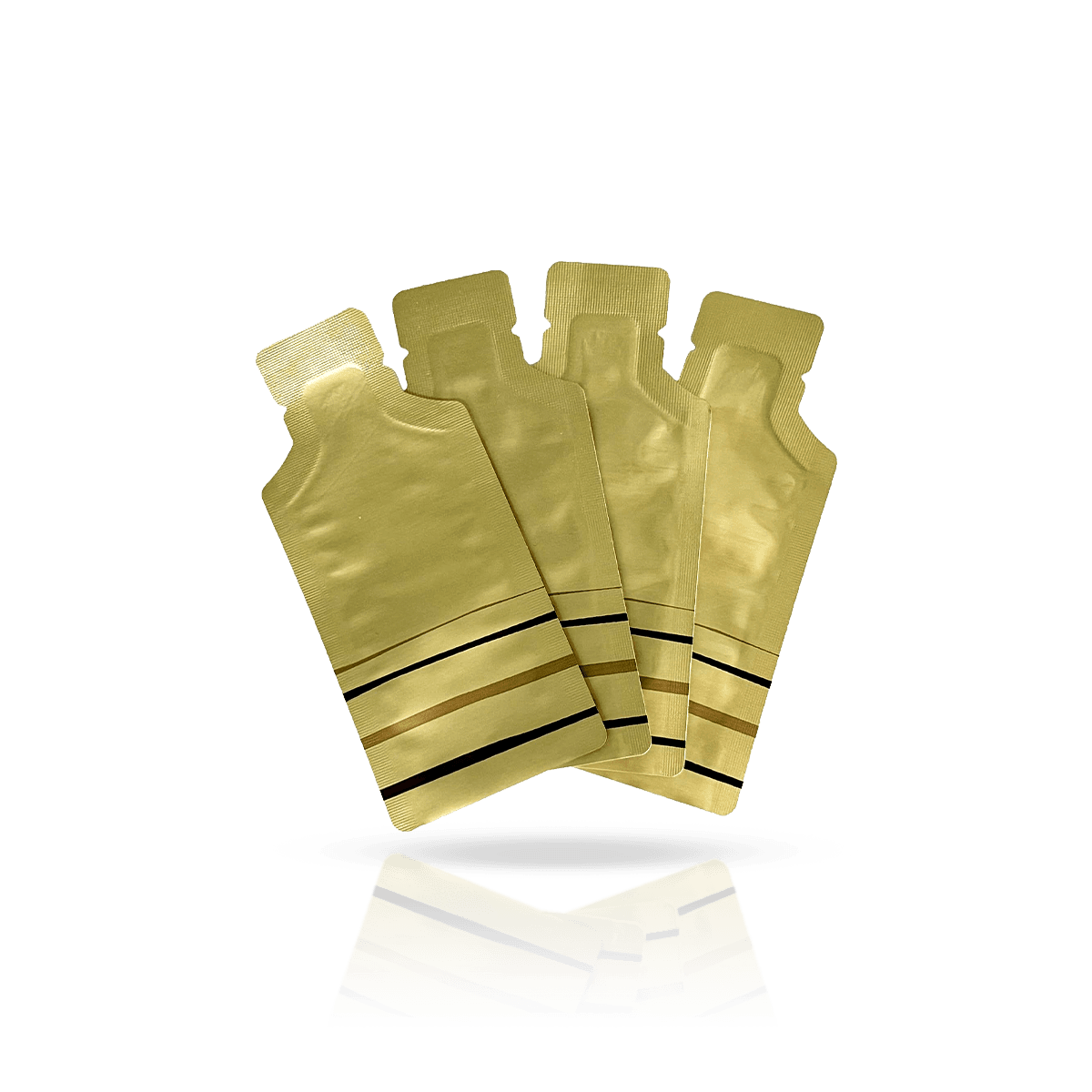
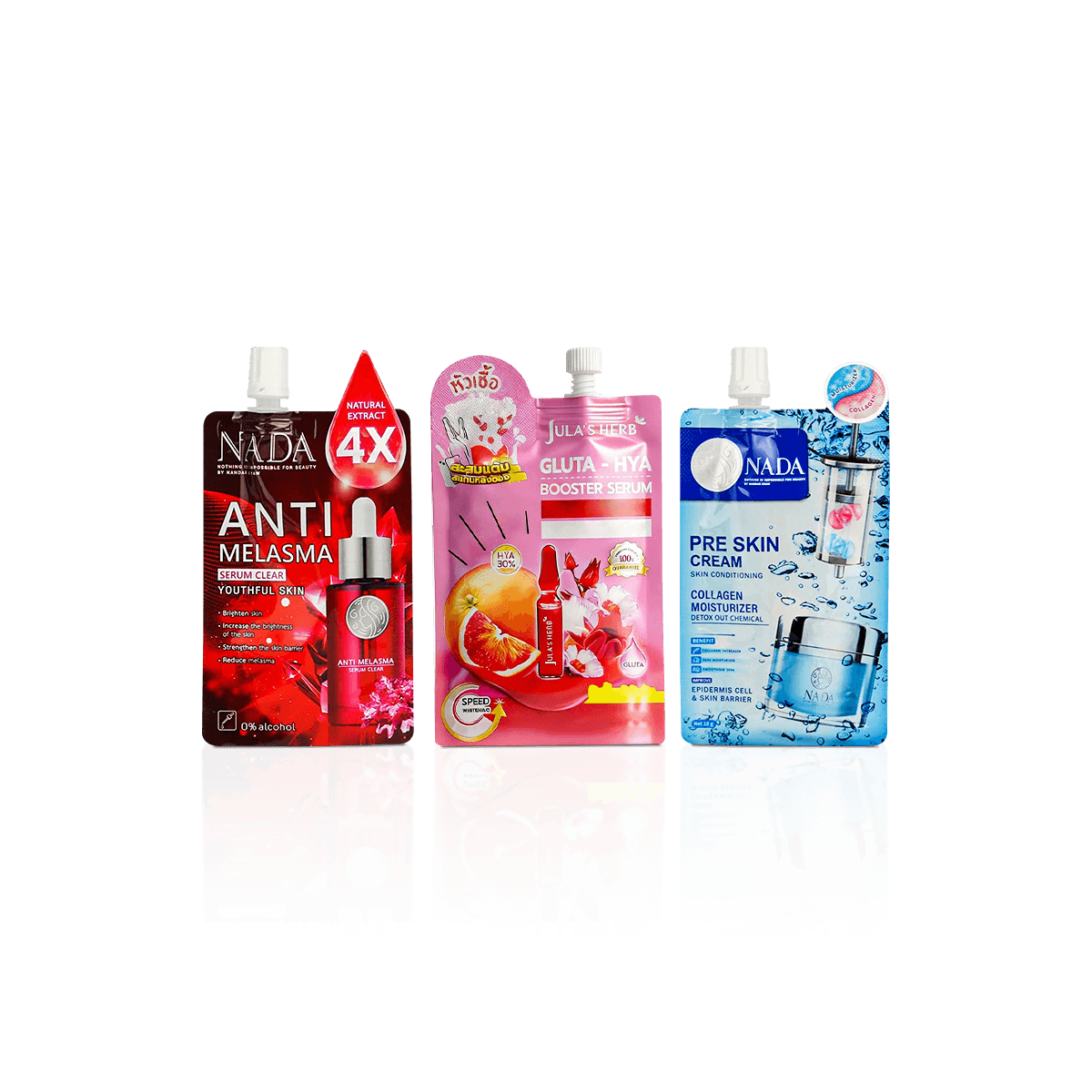
A single-use facial serum sample may contain only enough product for one or several applications. Once the customer tears the pouch, the liquid can move toward the opening immediately. A refill pack has the opposite requirement: it may hold many doses and needs controlled transfer without forcing the entire contents out at once.
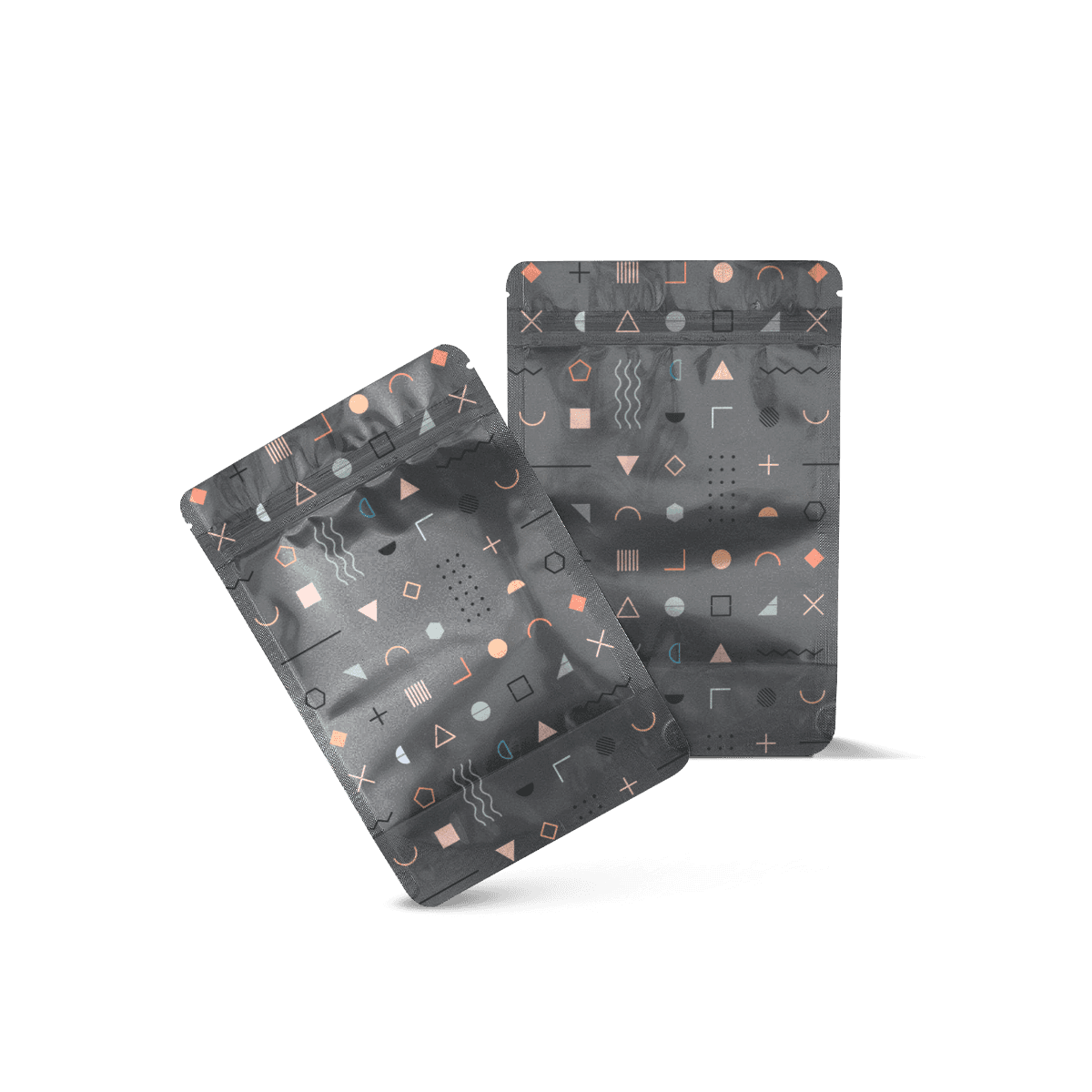
Serum belongs in flexible pouches when a lightweight sealed pack suits the product better than a conventional bottle, tube or carton.
Single-Dose Packs Need a Controlled Tear
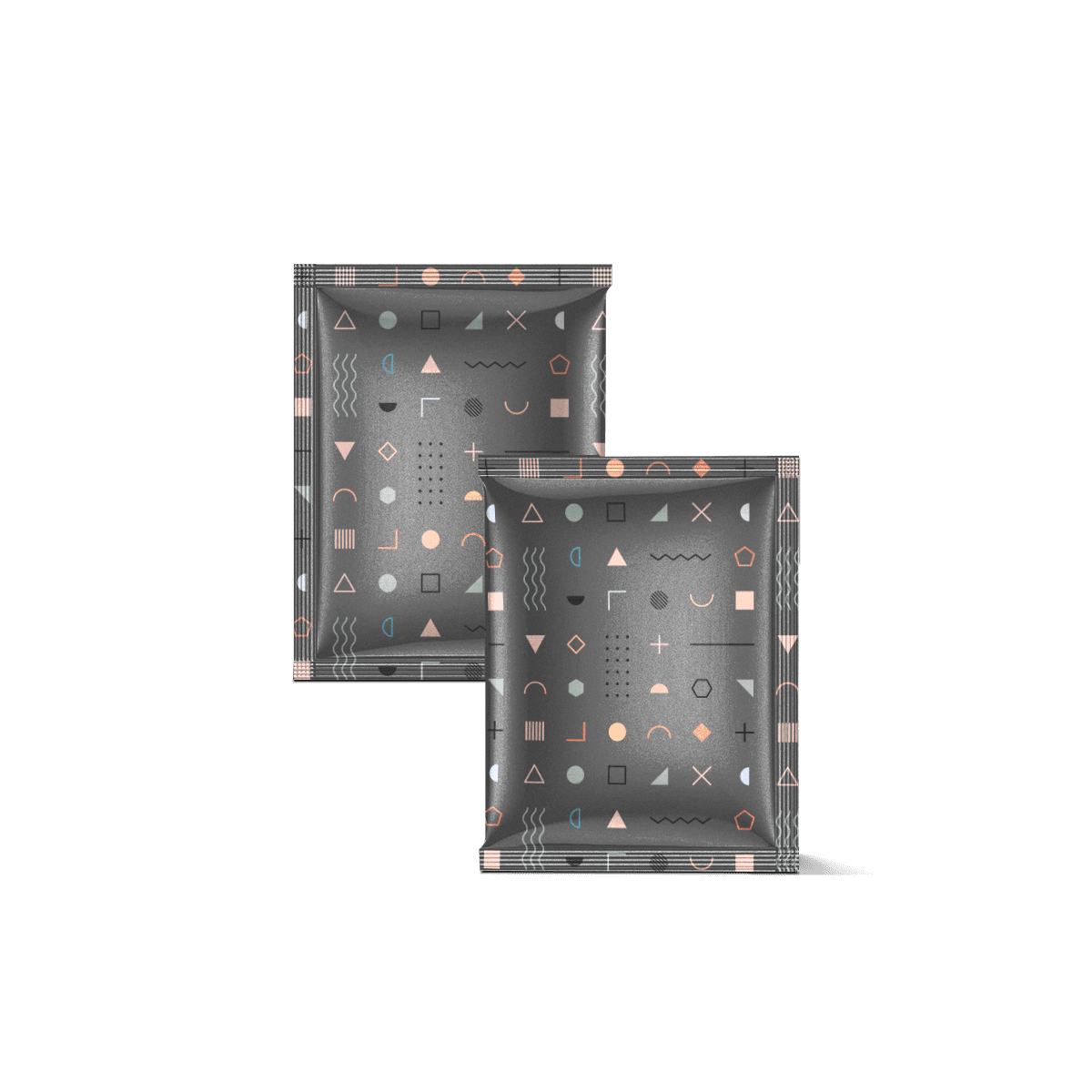
For a sample sachet, the opening should release serum without turning the pouch into an uncontrolled pour.
The tear notch, seal width, pouch width and fill position all affect that moment. If the opening becomes too large, a low-viscosity formula can leave the pack faster than the customer expects. If it is too small, the customer may tear farther across the pouch and lose control anyway.
A compact flat profile can work well when one application is the entire purpose of the pack.
Refill Packs Need a Defined Outlet
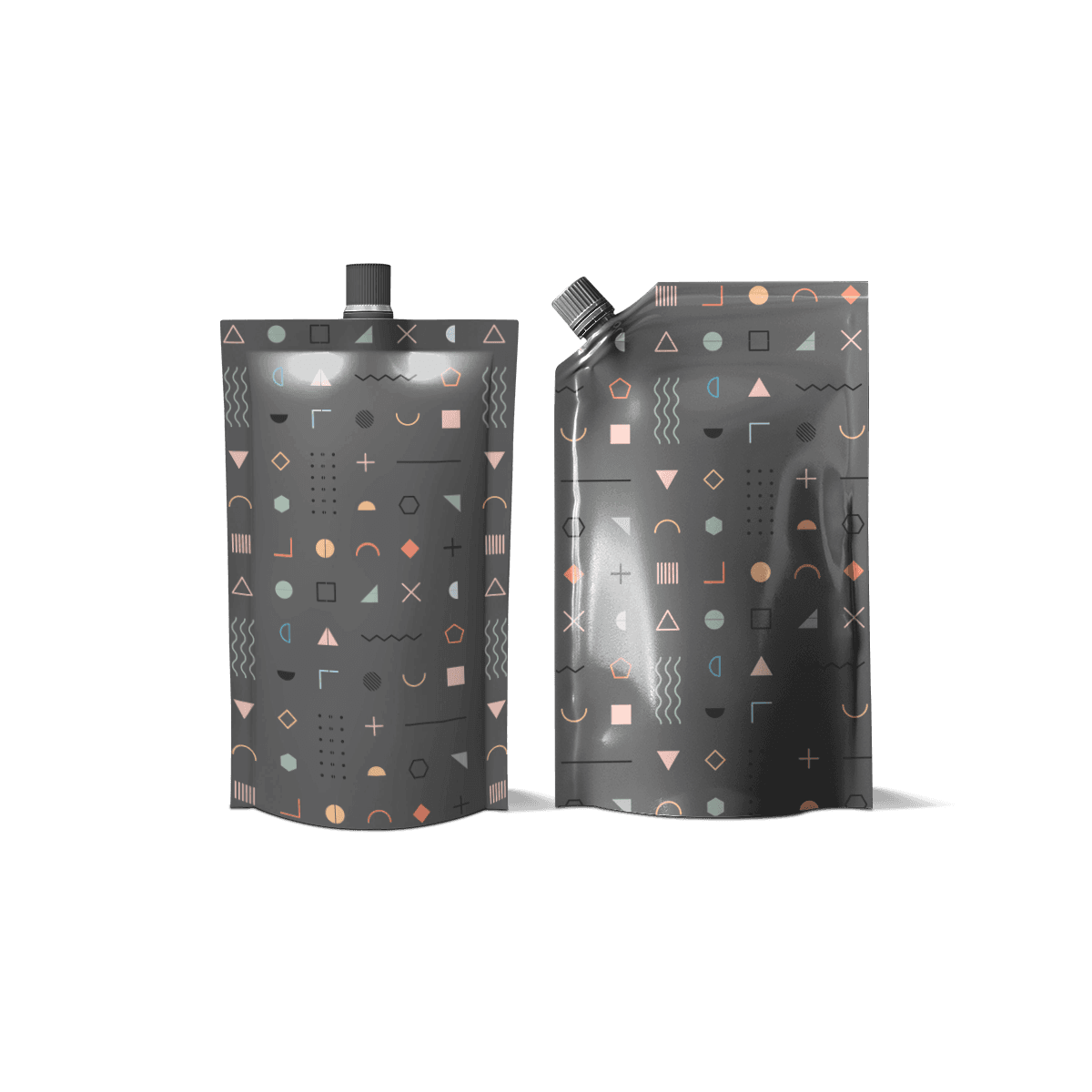
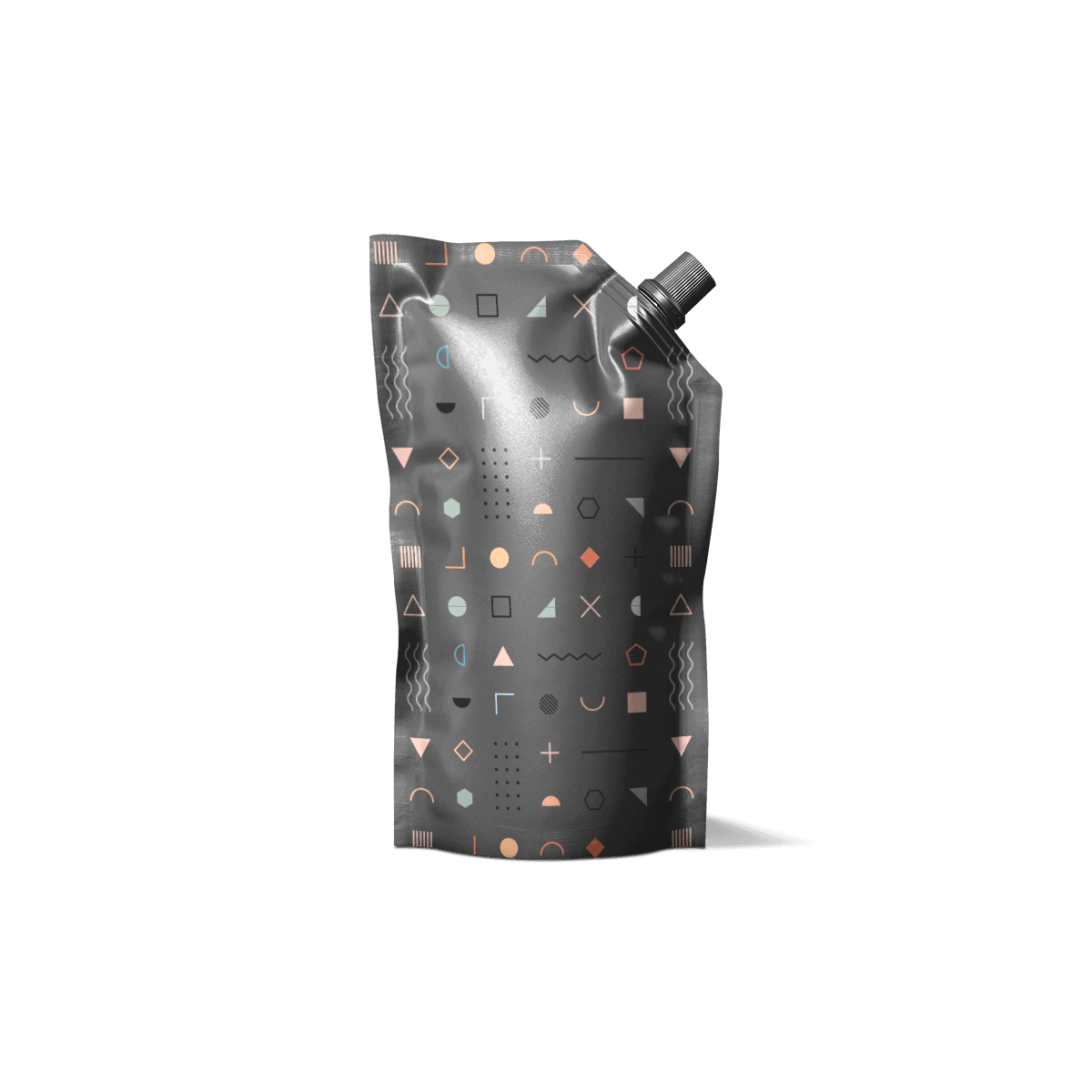
A refill has to transfer serum into another container cleanly. A resealable fitment may make sense when the pouch is used more than once or when the serum must be transferred gradually.
Spouted pouches create a fixed dispensing point for liquid refill applications.
The outlet should suit both the serum and the receiving container. A refill neck that works with a large pump bottle may be awkward when customers are trying to refill a narrow serum bottle.