Skip to content
Details

Custom Toiletry Mylar Bags

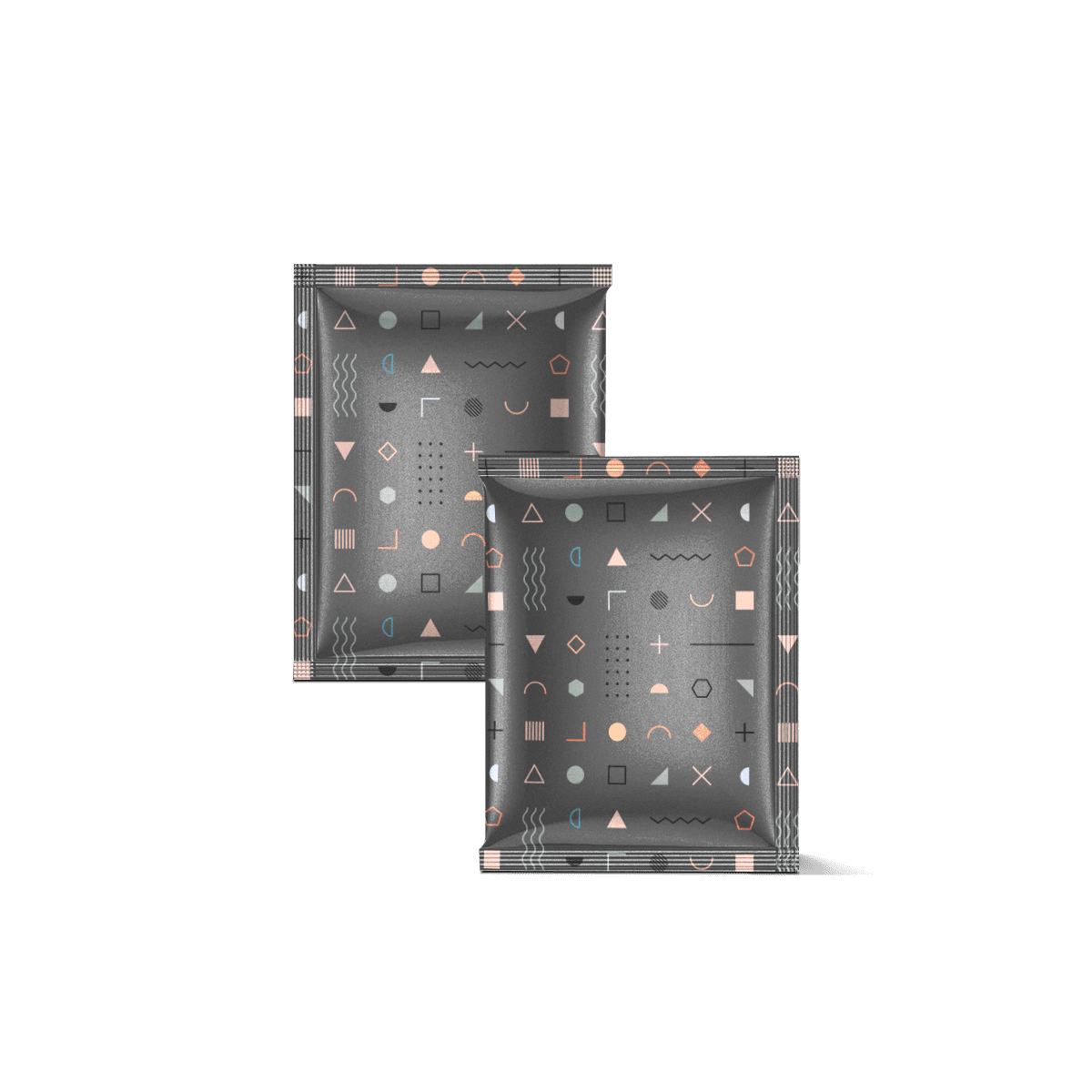
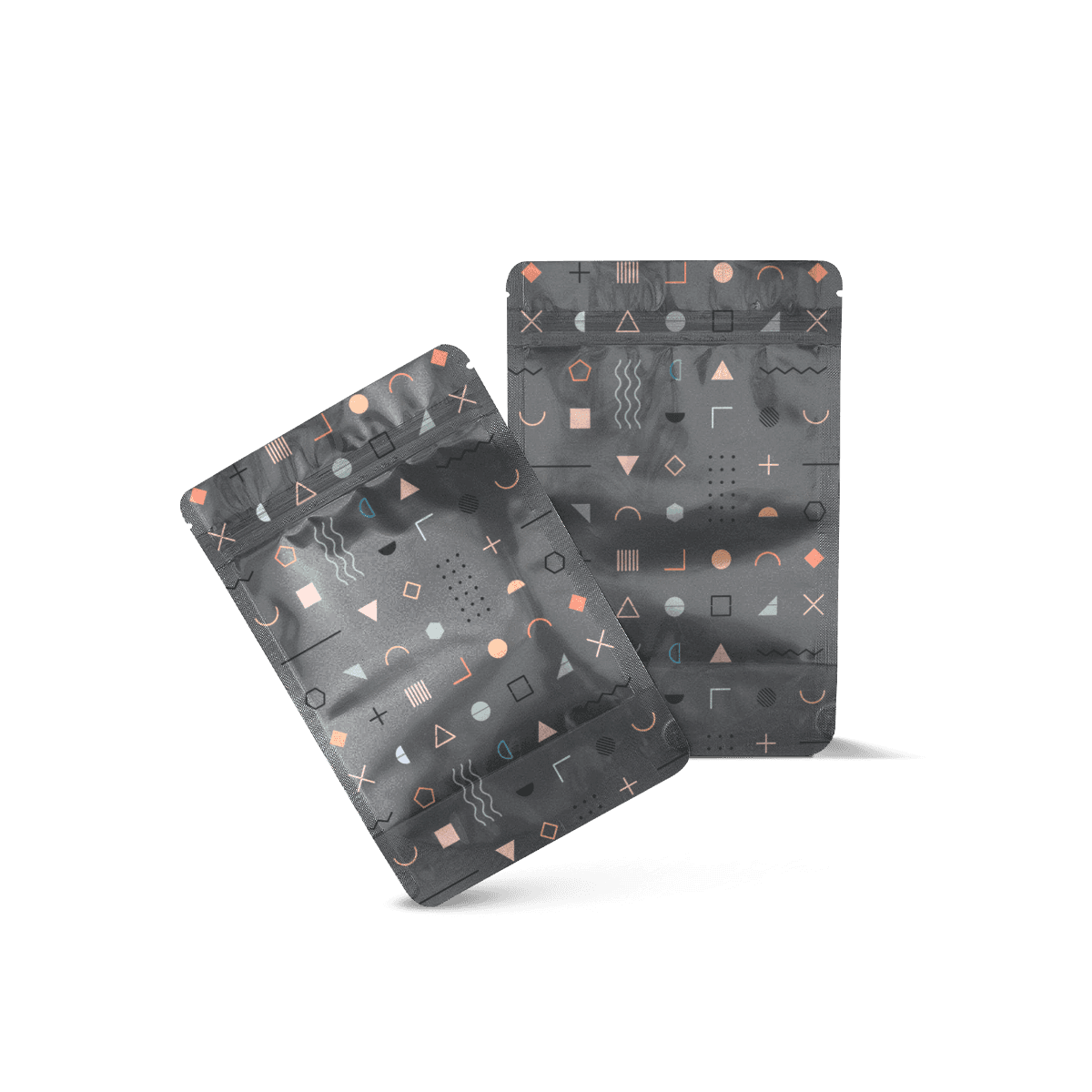
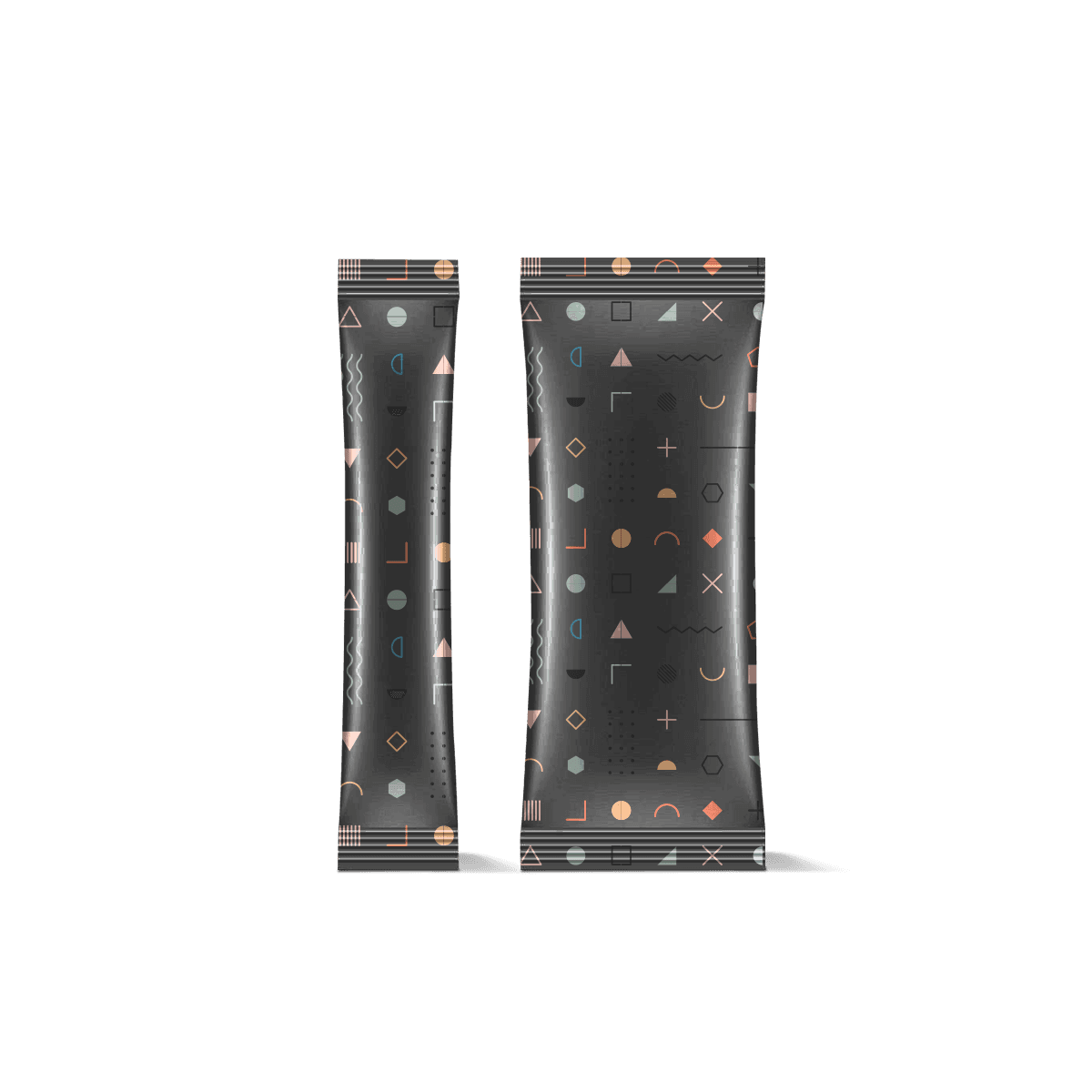
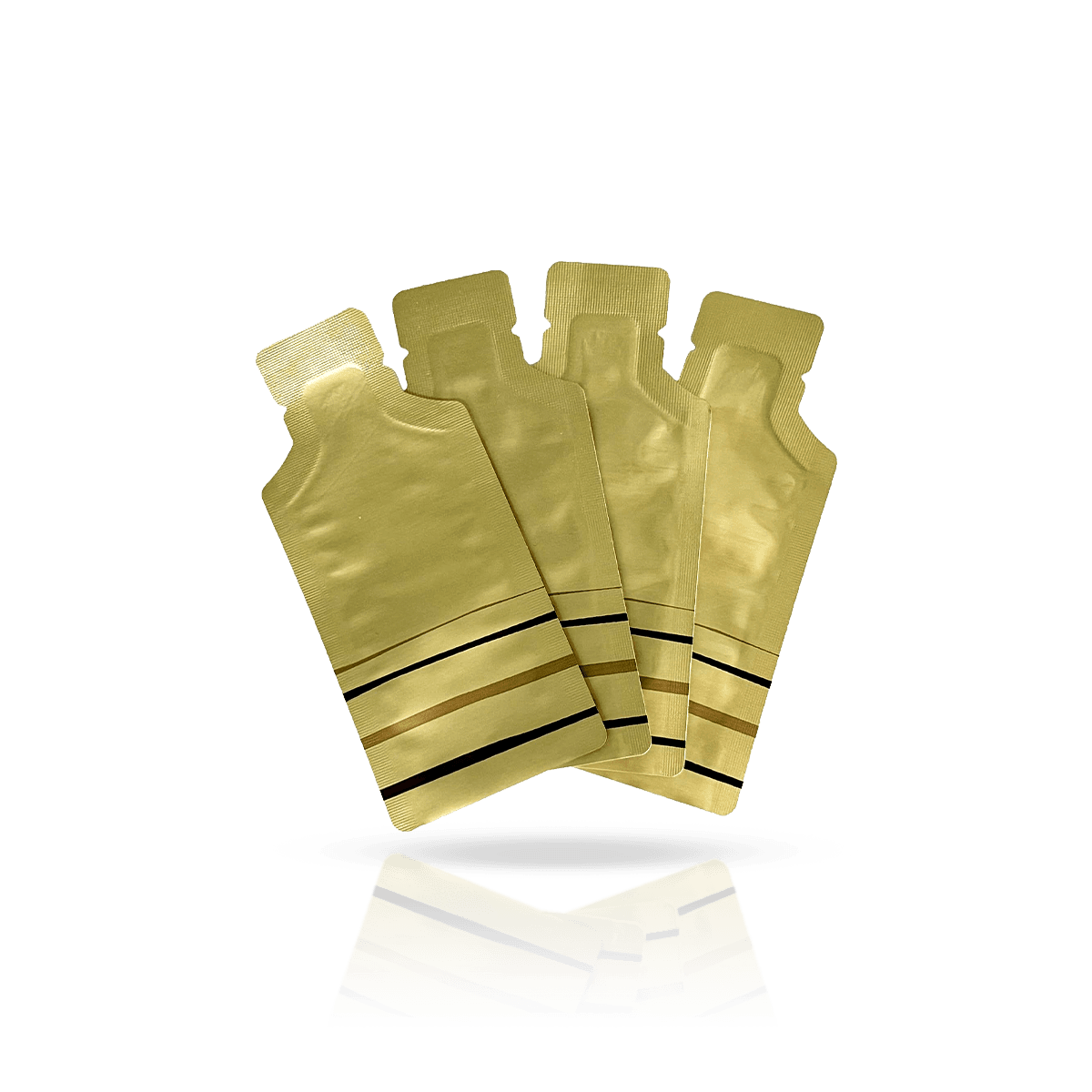
Custom printed toiletry pouches for hotel amenities, travel-size personal care products and individually sealed hygiene essentials, with materials and opening features suited to each product.

One Shower, One Portion

A hotel guest reaches for a shampoo sachet with wet hands. The packet needs to open without excessive force, dispense the intended amount and leave the remaining bathroom essentials clean.

That interaction determines much of what makes Custom Toiletry Mylar Bags practical.

These flexible pouches can serve as primary packaging for suitable single-use shampoo, conditioner, body wash and lotion formulations. They can also individually enclose dry amenities such as shower caps and other lightweight personal care items.

Their value comes from giving each product an appropriate sealed package while keeping individual amenities compact and easy to distribute.

For hotels, resorts and serviced accommodations, individually packed toiletries can also simplify room preparation. Housekeeping staff can place the required products without handling their contents.

The construction must reflect the particular toiletry rather than assuming that every personal care product requires the same film, closure or filling process.

Single-Use Liquids

A single-use sachet contains a measured quantity intended for one application or an established number of uses.

It may suit shampoo, body wash or a compatible lotion formulation.

The appropriate portion depends on the product, its concentration and its intended application.

A hotel shampoo sachet and a concentrated cleansing treatment may require different quantities even if both are intended for one guest.

The specified portion should be established by the product manufacturer rather than inferred from the size of an existing sachet.

Individually Packed Dry Amenities

Some toiletries need an individual wrapper rather than direct contact with a liquid-compatible pouch.

Shower caps, suitable vanity accessories and small hygiene components can be packed separately when the selected material suits their handling requirements.

These applications may not require the same barrier construction as a liquid product.

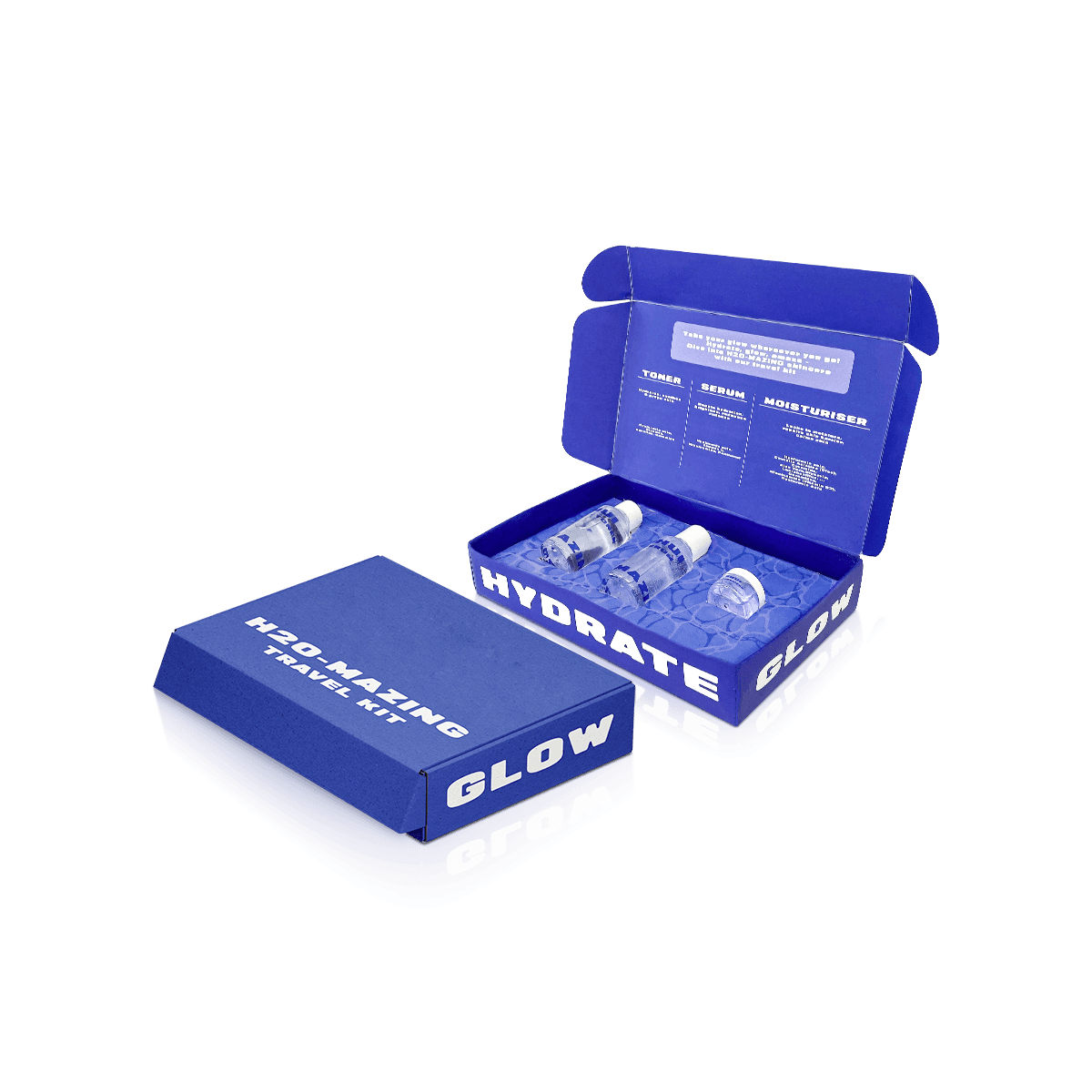
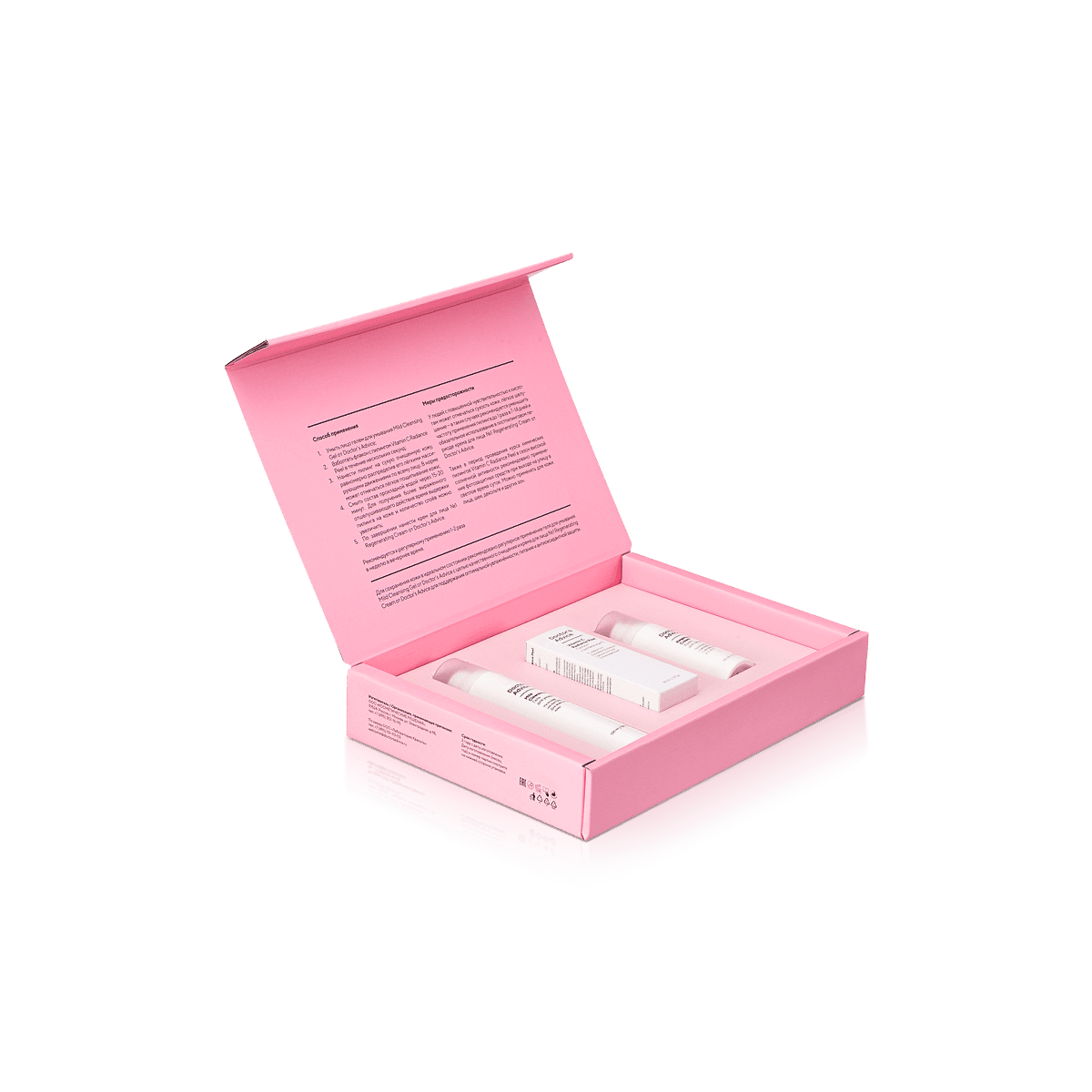
For an assortment containing several amenities, amenity kit boxes can organize the individually packaged items into a complete guest set.

The individual pouch remains responsible for containing its own product.
Dispensing With Wet Hands

Opening behavior is particularly important in bathrooms, showers and spa treatment rooms.

Customers may have wet fingers, limited counter space or only one free hand.

A packet that requires scissors or repeated tearing can make an otherwise convenient product frustrating to use.

The appropriate opening arrangement depends on the formulation and how the contents should leave the pouch.

Tear Notch Position

A tear notch can establish a predictable starting point for opening a heat-sealed sachet.

Its position should allow the guest to grip the packet and open it without cutting through the product itself.

For a shampoo sachet, the notch should leave an opening that accommodates the intended flow.

A narrow opening may help control a thin liquid but make a thick conditioner difficult to dispense.

The notch must also remain compatible with the material's tear behavior and the initial seal.

Thick Conditioner

Viscous products need enough opening area to leave the pouch without excessive squeezing.

A small tear may create a narrow dispensing channel that works for thin shampoo but leaves a significant amount of conditioner inside.

The location and shape of the opening should account for how the product moves under pressure.

A physical dispensing assessment is particularly valuable when the formulation is thick or contains particles.

The aim is to allow the intended portion to be removed without the customer having to destroy the package.

Residual Product

Some product may remain in the corners or along the inner film after dispensing.

This can become more noticeable in small sachets because their sealed perimeter occupies a substantial proportion of the total package.

The finished geometry should support practical product removal.

A pouch with excessive unused width may spread a small quantity of lotion into areas that are difficult to squeeze.

A narrow, elongated pack may introduce a different problem if the contents cannot move easily toward the opening.

The intended formulation and serving quantity should determine the finished shape.

Formulation Determines the Film

The word Mylar does not establish that a pouch is suitable for direct contact with every cosmetic formulation.

Mylar is a trade name associated with polyester film. Commercial pouches described as Mylar bags may use multilayer constructions that combine polyester with other materials.

Some incorporate a metallized or aluminum-foil layer. Others use different laminates.

The actual composition must be established for the intended toiletry.

A shampoo, lotion and bath oil can interact differently with the same packaging material.

Shampoo and Body Wash

Water-based cleansing products require a film construction compatible with their ingredients and intended storage conditions.

Surfactants, fragrances, preservatives and other formulation components may influence material compatibility.

The inner layer must also support the intended filling and heat-sealing process.

A suitable material should be assessed using the actual formulation or an appropriately representative sample.

Generic resistance claims cannot establish compatibility with every shampoo or body wash.

Lotion and Conditioner

Creamier formulations can contain oils, emulsifiers and other ingredients that affect their interaction with packaging materials.

Their viscosity also influences filling and dispensing.

A material suitable for a thin cleansing liquid should not automatically be approved for a richer conditioner or lotion.

The specification must account for the formulation's chemical characteristics, intended contact duration and storage conditions.

For cosmetic creams requiring their own primary packaging assessment, cream Mylar bags address the formulation-specific requirements of that application.

Fragrance and Oil Compatibility

Fragranced toiletries can introduce additional material considerations.

Some fragrance ingredients and essential oils may interact with particular polymers, adhesives or sealant layers.

These interactions depend on the actual formulation and laminate.

A compatible construction should maintain the required material integrity and product quality throughout the established storage period.

Do not assume that a metallic-looking pouch is chemically compatible with an oil-containing product.

Barrier Requirements

Barrier performance should follow the formulation's sensitivity.

Some products may need protection against oxygen, moisture transmission or light.

Others may have relatively modest barrier requirements but need reliable containment.

A high-barrier laminate should not be specified automatically when a simpler compatible construction can meet the product's established requirements.

Custom Packly can review the proposed material specification and assess manufacturing feasibility for the intended product.

Filling Before Final Sealing

The filling process is a major consideration for individually packed liquid toiletries.

The pouch must accept the intended quantity, accommodate the filling equipment and leave a suitable area for the final seal.

The manufacturing arrangement depends on whether the customer requires premade pouches or printed film for automated production.

Premade Toiletry Sachets

A premade sachet arrives with its initial edges sealed and an opening left for filling.

The product manufacturer or contract packer introduces the formulation and closes the remaining edge.

The opening dimensions must accommodate the filling nozzle.

A suitable construction should also allow the equipment to hold and position the pouch consistently.

For manual or semi-automated operations, the opening must remain accessible without excessive handling.

Automated Filling

Automated sachet equipment may form, fill and seal packages from continuous printed film.

The machine determines the required film width, print repeat, registration and sealing arrangement.

The proposed material must also work with its operating conditions.

A premade pouch cannot automatically be substituted for printed roll stock.

The correct supply arrangement should be established with the filling operation before the artwork is finalized.

Clean Sealing Surfaces

Shampoo, conditioner and lotion can interfere with sealing if they enter the intended closure area.

A filling nozzle that drips after dispensing may contaminate the film near the top of the sachet.

The filling process needs to account for that behavior.

The finished seal should be assessed under the actual production conditions, including the selected formulation and fill quantity.

A seal that appears satisfactory on an empty pouch does not establish the performance of a filled package.

Containment During Guest Handoff

A toiletry sachet may pass through several handling stages before a guest opens it.

It can be stored in a bulk carton, transferred to a housekeeping cart, placed on a bathroom counter or included in a travel kit.

The package needs to tolerate those intended conditions without exposing the contents.

Pressure From Neighboring Packs

Liquid-filled sachets can experience pressure when stacked or compressed.

The contents may move toward the sealed edges as pressure is applied.

The selected film and seal construction should accommodate the expected handling conditions.

An excessively tight case-packing arrangement may place unnecessary pressure on individual packets.

The outer carton should hold the intended quantity without forcing the packages into a smaller space than their filled profiles require.

Bathroom Moisture

A hotel bathroom can expose packaging to splashes and elevated humidity.

The printed exterior should suit the intended environment.

However, moisture resistance depends on the actual material and surface treatment.

An opaque laminate does not automatically establish that its printed surface will tolerate every cleaning product or wet-storage condition.

For individually packed dry amenities, the required moisture protection should reflect the contents.

Leakage Risk

A liquid sachet's containment depends on the film and the integrity of its seals.

A package should not be described as leakproof without appropriate validation for the proposed construction.

Where leakage could affect other guest items, the packing arrangement should also account for that consequence.

A liquid sachet stored alongside a toothbrush, printed card or textile item should not rely on the outer presentation box to contain an internal leak.

The primary sachet must meet its own containment requirements.

Organize Housekeeping Replenishment

A hotel's demand for individual toiletries follows its room preparation and replenishment process.

This creates a different packaging requirement from a retail brand selling individual sachets directly to consumers.

The package must be identifiable, easy to count and practical to distribute.

A consistent arrangement can reduce the need for housekeeping staff to inspect every sachet individually.

Product Identification

Shampoo and conditioner may use similar-looking sachets.

If their branding is nearly identical, staff can accidentally place the wrong product in a room.

The product name should remain clear at the size and orientation used during restocking.

Distinct colors or other appropriate visual differences can help identify the individual products.

Color should support the written product identity rather than replace it.

Room-Level Quantities

An amenity program may allocate different products according to room type, occupancy or the property's service standard.

For example, a standard room may receive an established set of individual toiletries, while a suite may use different products or quantities.

The operational requirement is to make each allocation straightforward.

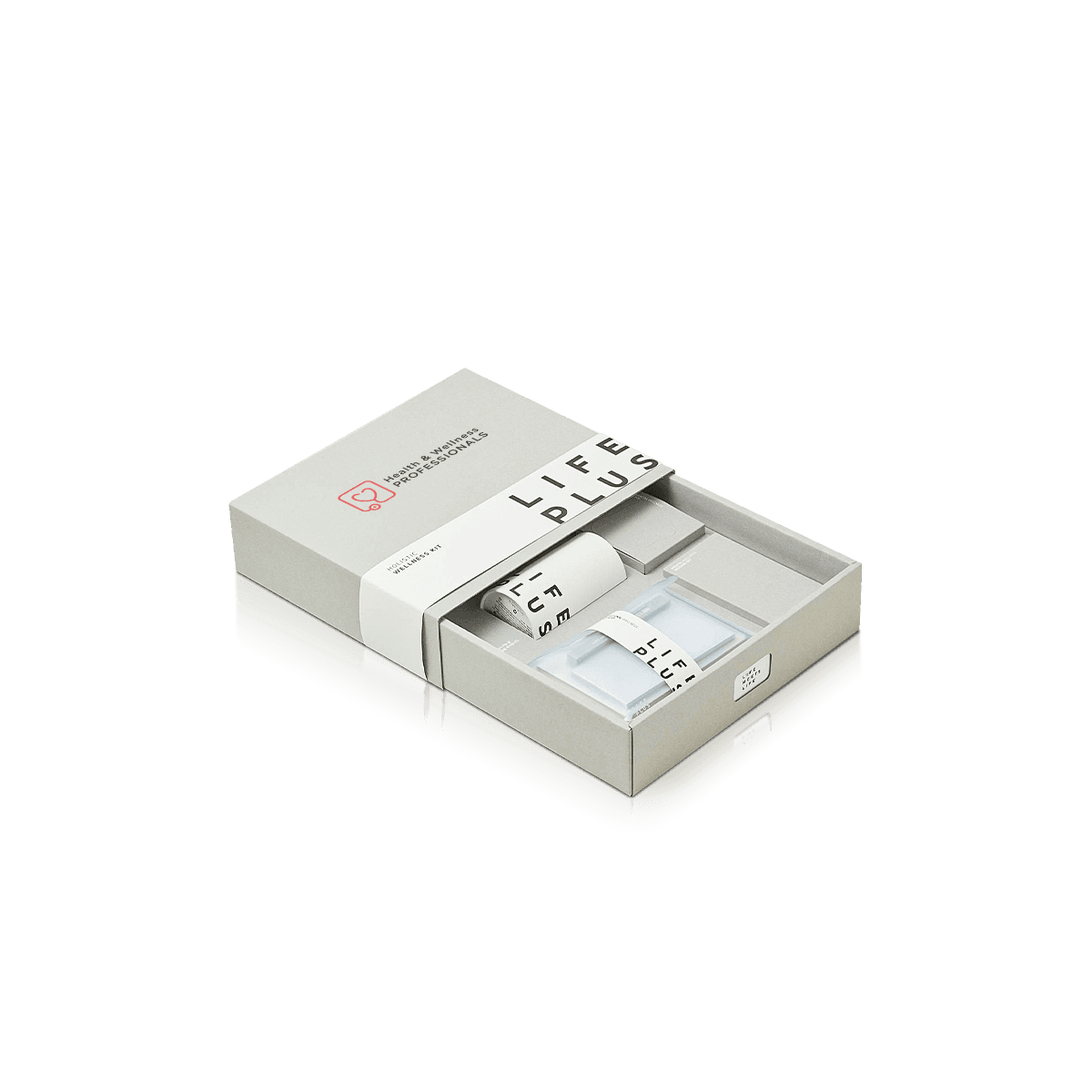
If several sachets need to move together, travel kit boxes can accommodate a coordinated assortment.

Individual sachets remain appropriate when staff need to replenish each toiletry separately.

Bulk Carton Identification

Outer cartons should identify the product, applicable variant and quantity.

That information helps receiving and housekeeping staff distinguish stock without opening every carton.

For products with batch or lot identification requirements, the necessary records and carton markings should be established through the customer's quality procedures.

When several products share a similar pouch construction, maintaining clear stock identification becomes particularly important.

Artwork for Small Toiletry Packs

A single-use sachet has limited printable space.

The packaging still needs to identify the product, support the brand and carry the applicable labeling.

A decorative design that occupies most of the panel can leave insufficient room for information that the customer or guest actually needs.

Artwork should be planned around the finished sachet dimensions and opening arrangement.

Front-Panel Recognition

The principal display should make it easy to distinguish shampoo, conditioner, body wash and lotion.

For a hotel or resort, a consistent logo and visual system can connect the individual products.

The product name should remain legible even when the sachets are stored together.

A visual identity that works on a large bottle may need to be simplified for a compact packet.

Labels and Instructions

US cosmetic labeling requirements depend on the product, its intended use and how it is distributed.

The FDA identifies requirements concerning product identity, net quantity, responsible business identification, ingredient declarations and applicable warnings. Certain institutional uses and free samples may qualify for specific exemptions, but those exemptions should not be assumed for products also sold at retail.

The actual labeling requirements must be established for the intended toiletry.

A shampoo marketed with therapeutic claims may also have drug regulatory obligations, depending on those claims and the formulation.

Required information should not be omitted simply because the sachet is small.

The approved packaging arrangement must accommodate the applicable labeling.

Opening Strip Artwork

The portion of the sachet removed during opening should not contain essential information that must remain with the product.

A tear notch may also interrupt a printed border or decorative element.

The artwork should account for the intended tear path and any necessary sealing allowances.

Custom Packly's free design assistance and artwork review can help establish the print layout.

A digital proof allows the finished artwork to be checked before production. Free 3D mockups can help assess the intended visual presentation.

Individual Sachets or Larger Packs

A toiletry does not necessarily need to be supplied in a single-use sachet.

The correct packaging arrangement depends on the intended portion, frequency of use and distribution method.

Individual sealed packets are particularly relevant when a product needs to be assigned to one guest or issued in a defined quantity.

Larger packages introduce different dispensing and storage requirements.

Single-Use Amenities

A sealed sachet can suit hotels, resorts and other accommodation providers that distribute toiletries individually.

It can also suit appropriate product sampling and travel promotions.

The amount of product should match the intended use.

An unnecessarily large portion may increase unused product and packaging material without improving the guest experience.

Multi-Use Products

Products intended for repeated dispensing may benefit from a different closure.

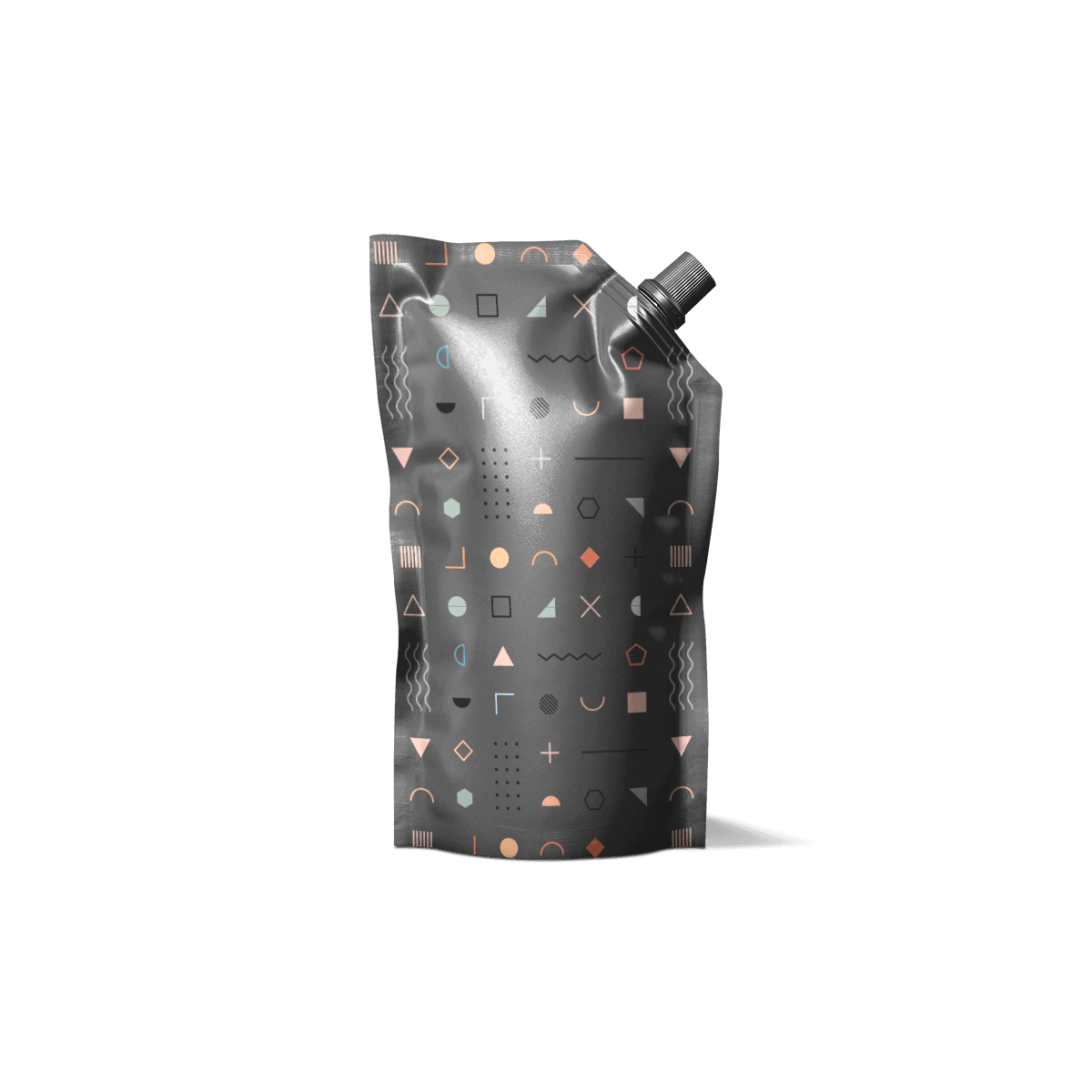
For suitable liquids, spouted pouches can accommodate a dispensing fitment and reclosable cap.

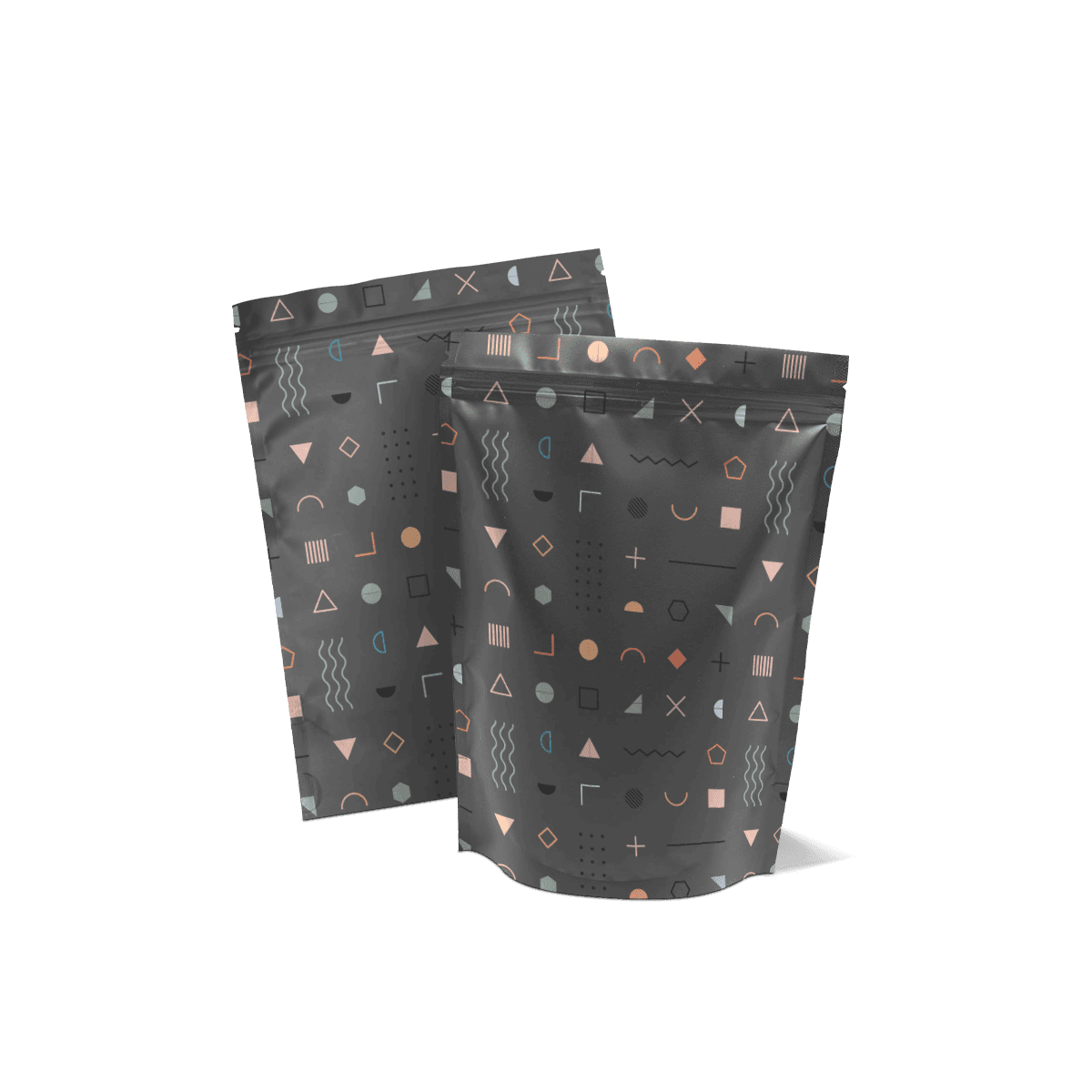
A conventional zipper pouch is not automatically an appropriate primary container for liquid shampoo or lotion.

The chosen closure must suit the actual formulation and dispensing method.

Bottles in Guest Kits

A travel-size bottle may be more appropriate when the product is intended for several uses.

Bottles also introduce cap, pump and container-fit requirements that individual sachets do not have.

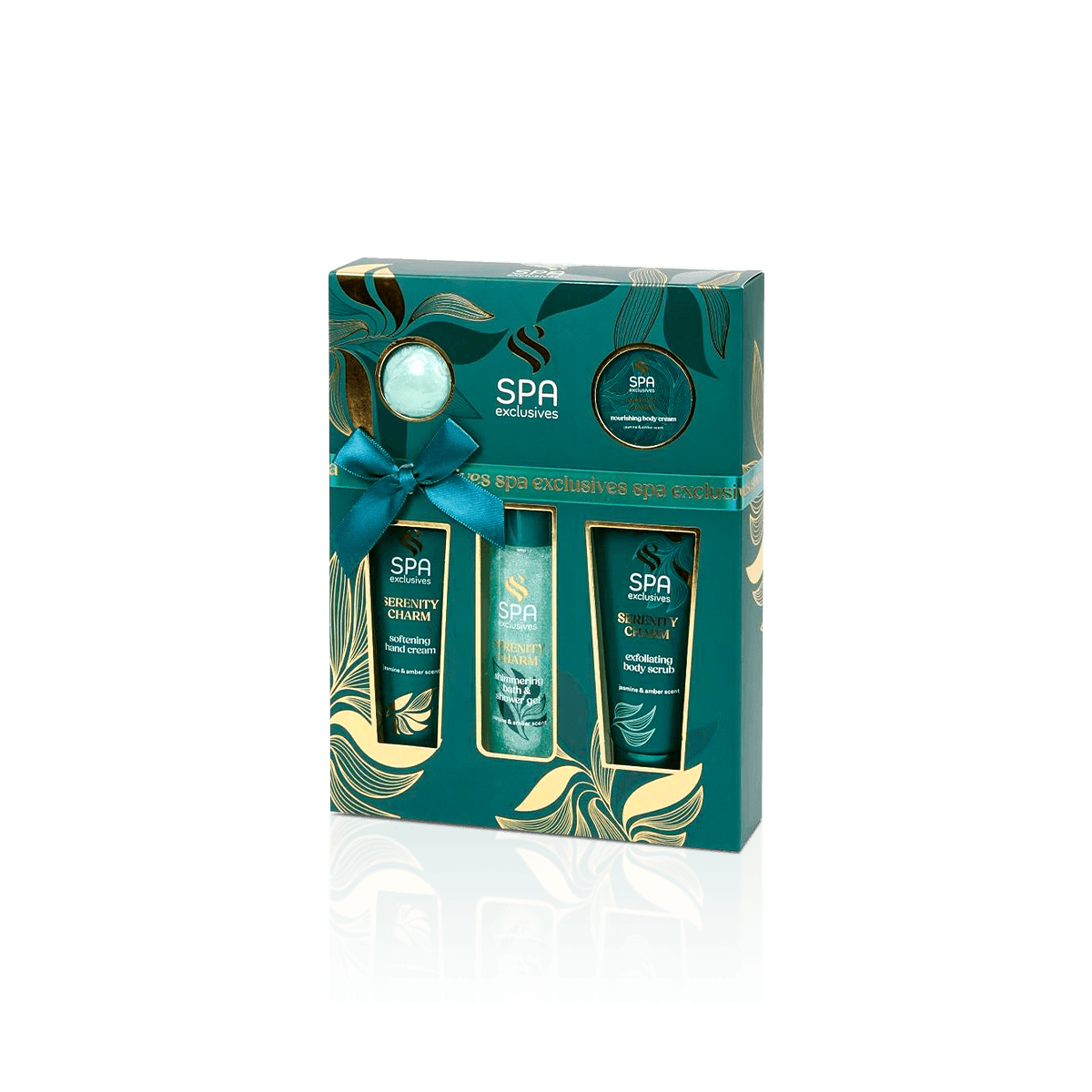
For a coordinated premium assortment, spa product boxes can accommodate suitable bottles, jars and accompanying items.

The decision should follow the product's intended use rather than assuming that flexible packaging is appropriate for every toiletry.

Establish the Production Arrangement

Toiletry pouch pricing depends on the chosen film, sachet dimensions, printing process and supply arrangement.

A project involving empty printed sachets has different manufacturing requirements from one that also requires formulation and filling services.

Custom Packly's confirmed packaging capabilities should not be interpreted as a blanket commitment to cosmetic manufacturing or contract filling.

Those services must be established separately where required.

Packaging Supply

The first commercial decision is whether the customer needs premade pouches or printed film compatible with an existing filling operation.

The selected construction must suit the product and equipment.

The intended quantity per artwork version also affects the production assessment.

A hotel ordering shampoo, conditioner, body wash and lotion sachets may require four separate printed versions even when some share the same dimensions.

Material Feasibility

Specialized films, barrier requirements and formulation compatibility must be confirmed for the proposed manufacturing route.

The material's appearance is not sufficient to establish its suitability.

A product requiring a particular laminate should be assessed against that specification before pricing and production are finalized.

Custom Packly supports US production, free shipping and packaging-specific pricing.

The standard USA packaging turnaround is 4–6 days after final artwork and specifications are approved. Specialty flexible films and converting requirements may need additional time.

The applicable minimum order quantity must also be confirmed for the chosen pouch construction.

Commercial Planning

For a hospitality program, the most useful purchasing information includes the number of individual sachets required for each toiletry and the intended replenishment arrangement.

That establishes the commercial scale without assuming every product needs the same production quantity.

The approved material and filling requirements should accompany the order.

Once those requirements are established, custom toiletry packaging pricing can be assessed for the proposed construction.

The Guest's Final Use

The final toiletry decision concerns what happens after the guest opens the sachet.

A well-specified packet should allow the intended quantity to be dispensed without unnecessary difficulty.

The opening should remain practical in the environment where the product is used. The material should contain the formulation throughout its intended storage period and the printing should identify the product clearly.

After opening, the package should be straightforward to discard according to the property's waste-handling arrangements.

A multilayer Mylar-style pouch should not be described as recyclable or biodegradable without confirming the actual material and applicable disposal route.

Custom Packly can assess suitable recyclable material options where they meet the product's performance requirements.

For hospitality programs, the individual sachet also needs to work with the property's replenishment process. Staff should be able to distinguish unopened products, count the required quantities and replace amenities without unnecessary handling.

The finished pack should serve both interactions: the guest using the toiletry and the staff member preparing it for the next stay.

FAQs

Single-use shampoos, conditioners, body wash, lotion, wipes, bath salts and small hygiene items are strong fits when the goal is sealed compact distribution.

Toiletry Mylar Bags work best for individual liquids, creams and flat personal care items. Amenity Kit Boxes are better when several products need to be grouped in one presentation pack.

They stack flatter than many bottle-based amenity formats, take up less cart space and make it easier to sort SKUs by room type or stay length.

Yes. Custom print runs, versioned artwork and clear SKU coding can help separate premium guest lines, spa amenities and event-use packs without confusing staff.

Usually not for single-use hospitality amenities. Tear-open sealed sachets are often the more practical choice, while zipper formats make more sense for reusable travel packs or multi-use contents.

Process

How it works

Your Packaging Journey, From Idea to Production and Delivery

01

Tell Us Your Specs

Custom packaging boxes

Tell Us Your Specs

Provide size, quantity, printing, and finishes.

02

Get a Fast Quote

Custom packaging boxes

Get a Fast Quote

Instant transparent pricing, no hidden fees.

03

Design and Approval

Custom packaging boxes

Design and Approval

Artwork checks, revisions, and final sign-off.

04

Produce

Custom packaging boxes

Produce

Expert manufacturing to meet deadlines.

05

Ship to Your Door

Custom packaging boxes

Ship to Your Door

Hassle-free, flexible delivery options.

Get Your Quote for Custom Toiletry Mylar Bags

Share your product details, size, quantity and artwork needs. We’ll help choose the right packaging style and send a clear quote.