Skip to content
Details

Custom Heavy-Walled Tubes

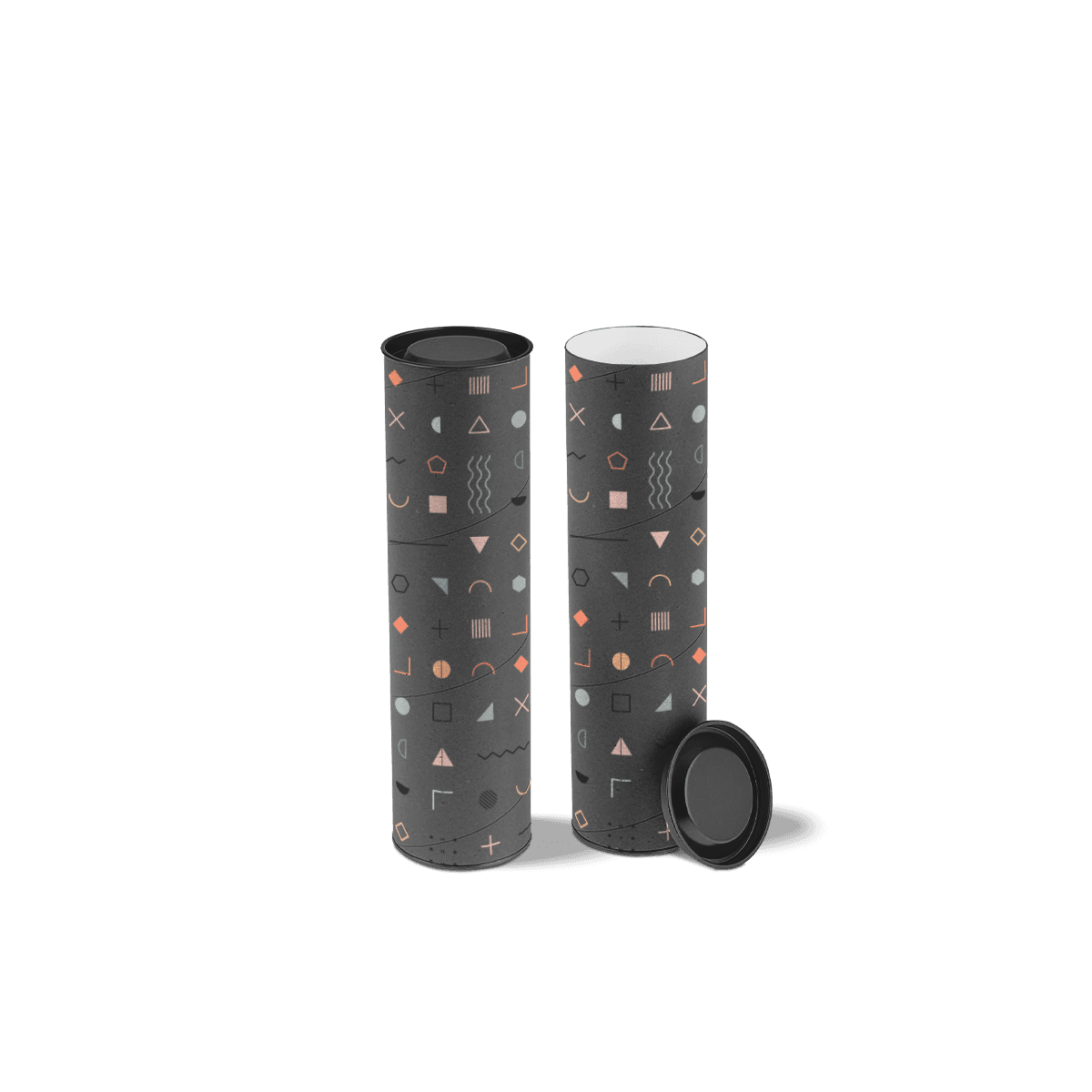
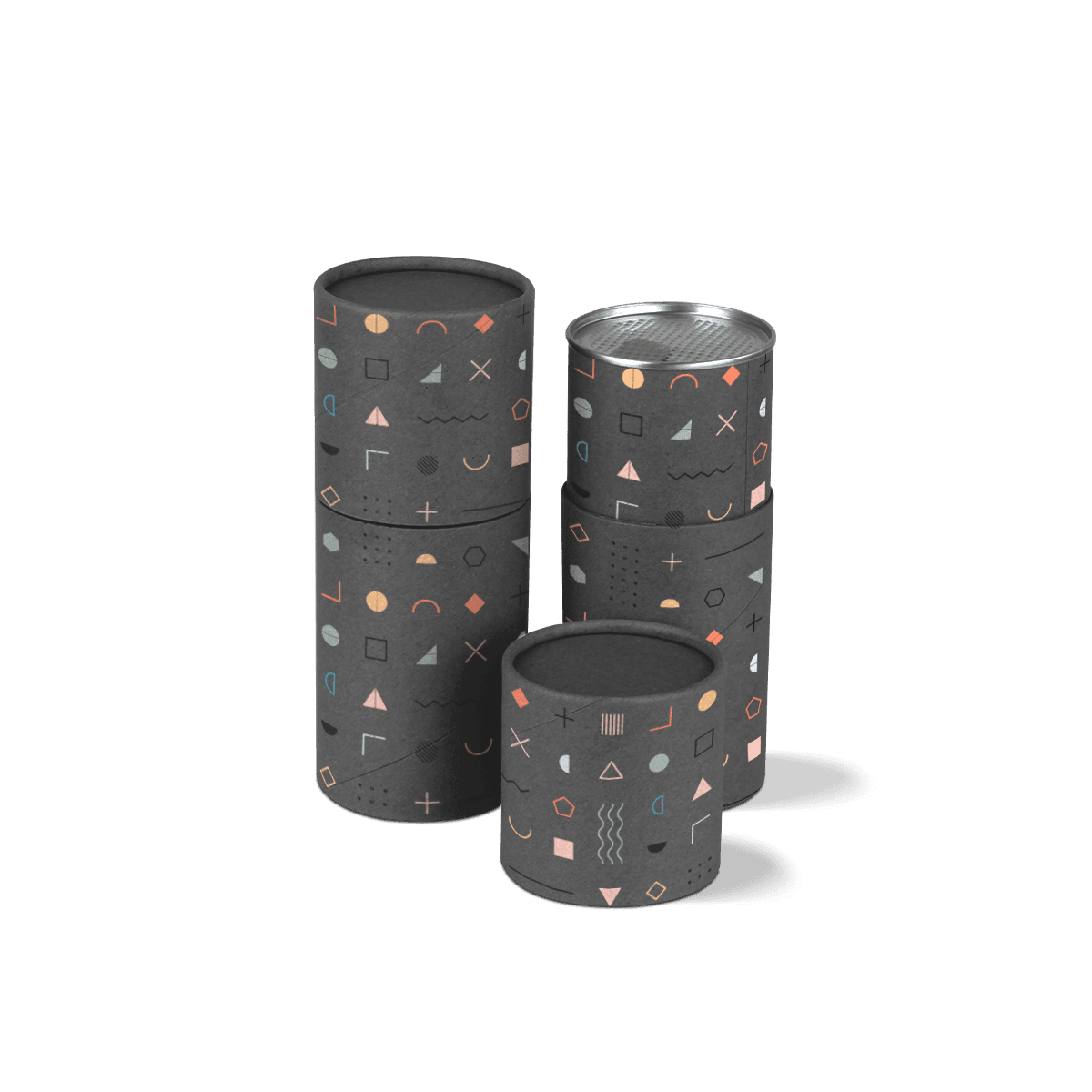
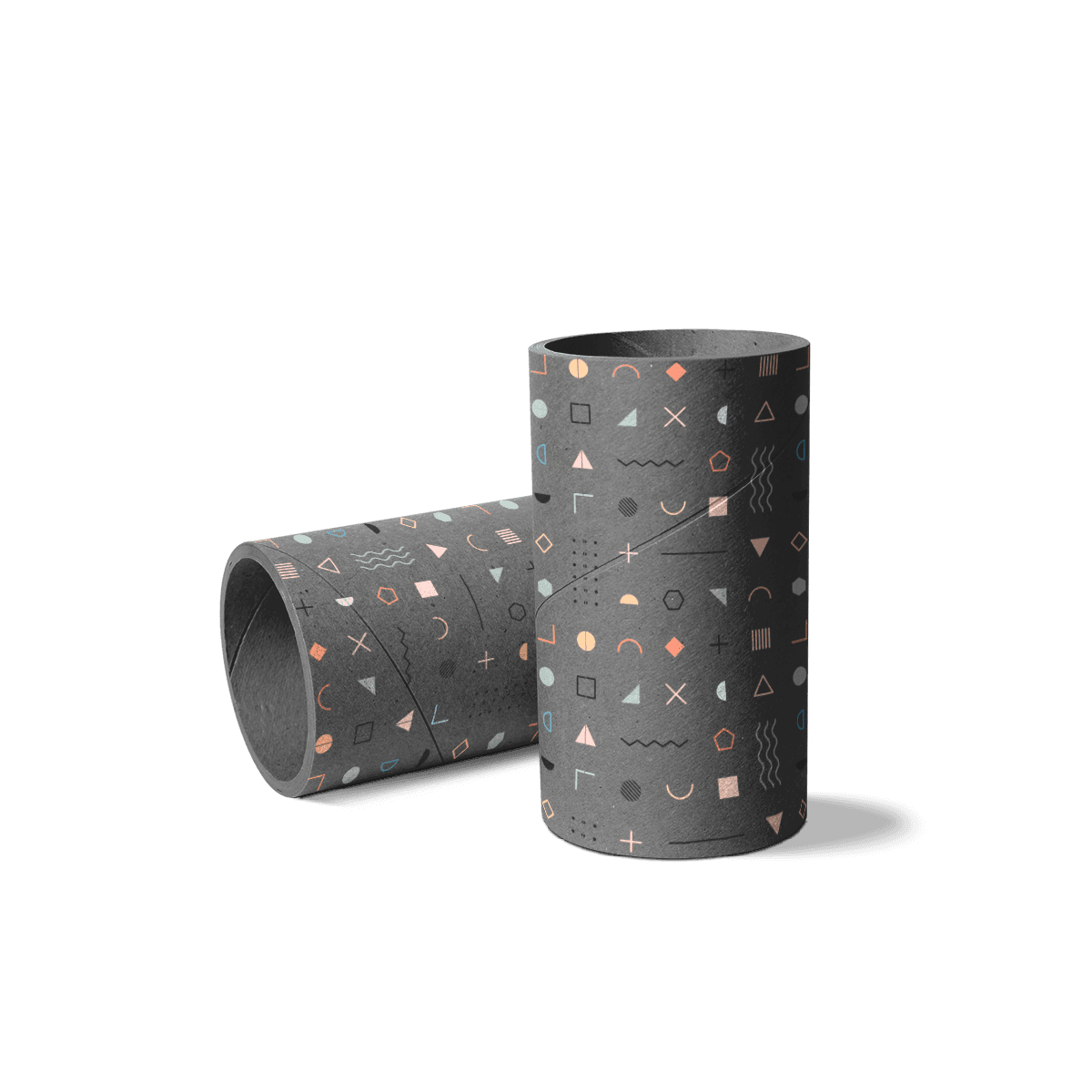
Thicker multi-ply paper tubes specified around dense products, long spans, compression loads, closure fit and the real storage or transit route.

Use More Wall for a Reason

Custom Heavy-Walled Tubes make sense when a standard paper tube does not give enough wall stiffness for the packed weight, span length, stacking pressure or handling environment. The heavier wall should solve a measured structural problem rather than serve as a generic premium upgrade.

Dense components, long narrow parts and products stored under compression can load a cylindrical package differently. Start with the product weight, finished diameter, length and support points, then determine how much wall strength the package needs.

Identify the Failure Mode

A tube can fail by crushing at the sidewall, deforming at an open end, bending across a long unsupported span or transferring impact directly into the product. Each failure points to a different structural correction.

Increasing wall thickness may improve stiffness, but it does not automatically fix a loose closure, insufficient internal support or an oversized cavity.

For conventional shipping of documents and lightweight rolled goods, Custom Mailing Tubes can be more appropriate when extra wall mass is unnecessary.
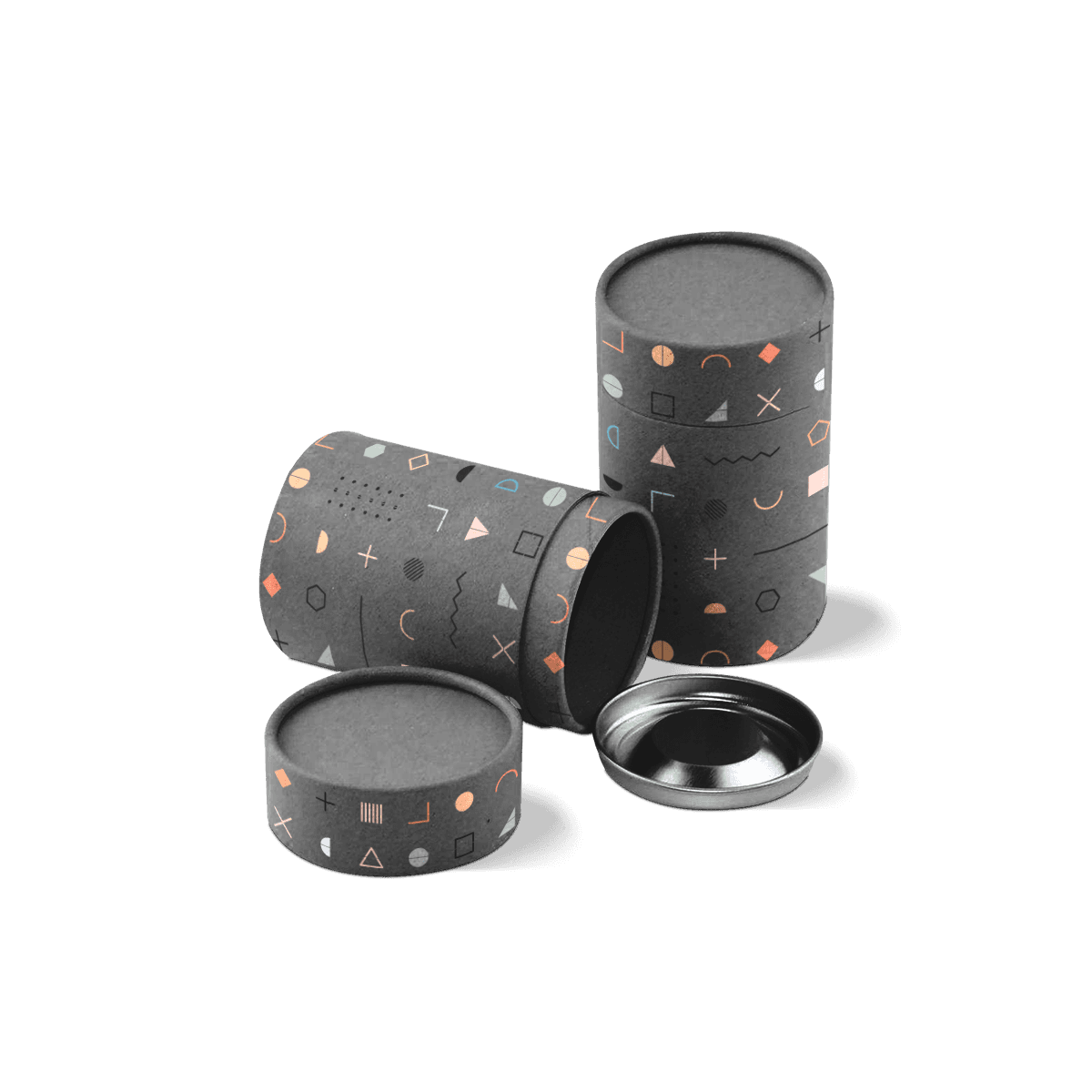
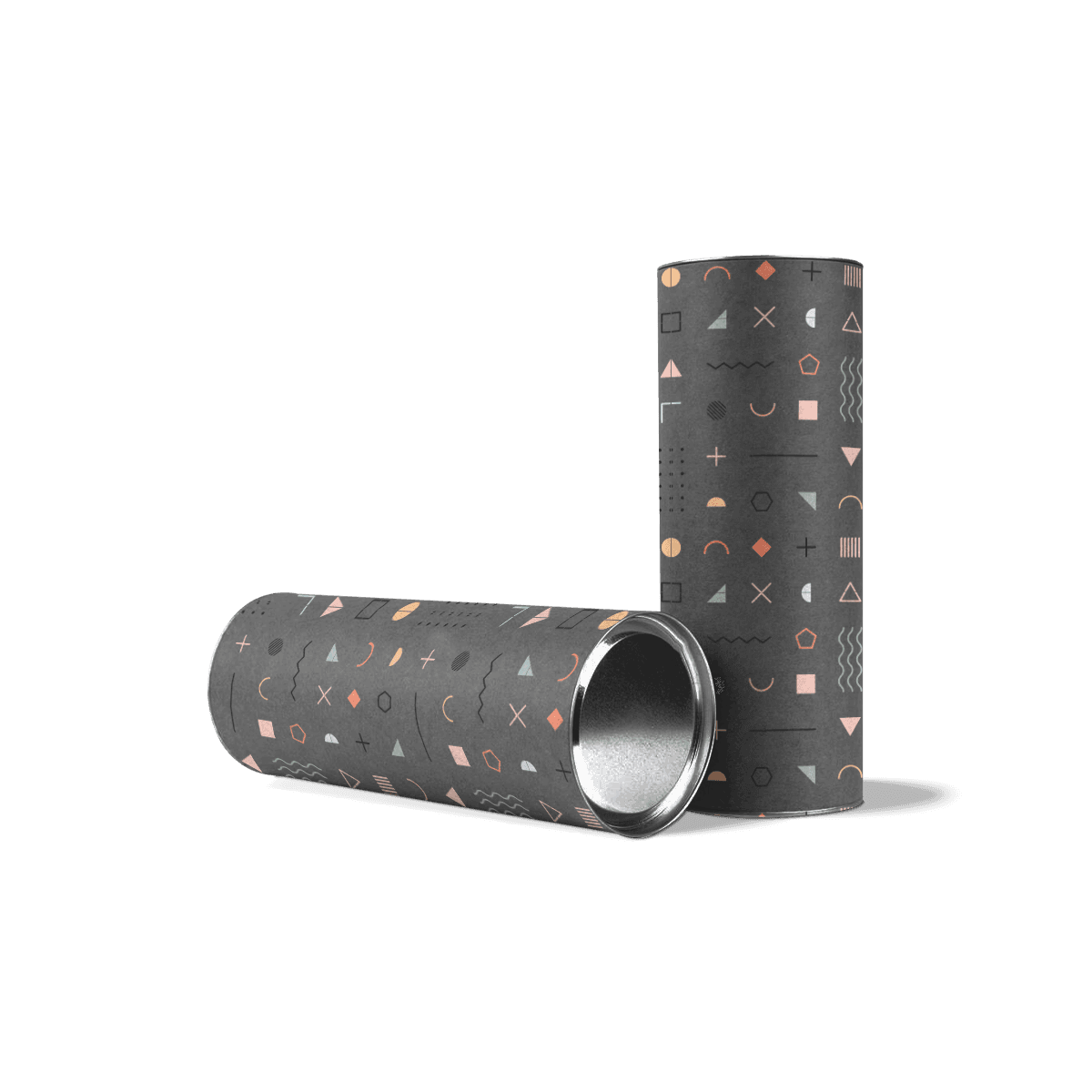
Wall Build Affects Stiffness

Paper tube walls are commonly built from multiple bonded plies. The number, thickness and material of those plies affect the finished wall, but nominal thickness alone does not establish a universal strength rating.

Specify the Finished Construction

Agree the internal diameter, external diameter or finished wall thickness using one clear measurement convention. Small dimensional changes matter because a heavier wall can reduce usable internal space when the outside diameter is held constant.

Paper properties, adhesive, winding method and finished length also influence how the tube behaves. The production specification should therefore identify the actual construction rather than relying only on terms such as thick or heavy-duty.

The packaging material decision should follow the required load path, stiffness and handling conditions instead of appearance alone.

Dense Products Need Load Paths

A dense metal part or compact device can press hard against a small area of the tube wall. That concentrated contact can damage the package even when the overall product is much narrower than the internal diameter.

Spread Point Loads

Use collars, end pads, sleeves or other suitable supports to distribute force across a larger area. The support should hold the product away from vulnerable wall points without trapping it so tightly that removal becomes difficult.

Repair Parts Boxes fit parts programs where rectangular packing, labeling or compartment access works better than cylindrical containment.

Control End Impact

Long items can slide toward an end during handling. The closure and any end support should absorb or spread that force without allowing the product to strike directly against a fragile cap or exposed edge.

Length Can Become the Weak Point

A strong sidewall near each end does not guarantee a long tube will resist bending through its middle. As the span increases, the packed weight and location of internal supports become increasingly important.

Assess the Longest Size

Test the longest proposed tube with its actual packed weight. A short sample made from the same wall construction may appear rigid while a longer version flexes under its own load or under crosswise pressure.

Intermediate supports can reduce movement or concentrated bending for rigid shafts and similar parts, but they should be positioned around the actual load rather than added at arbitrary intervals.

Corrugated Tubes with Lids use a different wall construction for long-format transit and should be assessed separately from multi-ply paper tubes.

Closures Must Match the Wall

A heavier tube body can still fail as a package if the end closure loosens, deforms the opening or transfers too much pressure into the contents. Closure fit must be developed against the finished wall and internal diameter.

Account for Insertion Depth

Plugs, recessed caps and fitted lids occupy internal length. Measure the usable cavity after both ends are installed rather than assuming the nominal tube length equals product space.

A close fit should hold during the intended handling without requiring excessive force during packing or opening. Production tolerances should be considered so a closure that works on one sample does not become too tight or too loose across a run.

Metal-End Tubes use a distinct end treatment when the closure material and presentation are part of the required specification.

Storage Loads Differ From Shipping

A tube used for warehouse storage may face prolonged stacking or horizontal rack pressure, while a mailed tube experiences drops, conveyor handling and end impacts. One heavy-wall specification should not be assumed ideal for both without checking the real conditions.

Define the Orientation

If tubes are stored upright, end compression and closure seating matter. If they are stored horizontally, span stiffness and sidewall contact become more important. Pallet patterns can add another layer of compression that does not occur in individual parcel shipping.

The package should be specified for its primary route and then checked against secondary conditions such as return shipping or long-term storage when those are part of the program.

Print Without Hiding the Structure

Heavy-walled tubes can carry printed wraps, labels and decorative finishes, but the structural specification should be settled before the exterior is optimized.

Keep Functional Areas Clear

Important copy and barcodes should remain clear of closure overlap, seams and areas that receive heavy abrasion during handling. A cylindrical package should also have a deliberate front-facing arc so the main branding can be found quickly.

Matte or gloss coatings, foil, embossing and other finishes can be considered where the wrap and production method support them. Decorative treatments should not interfere with closure fit or conceal damage that would matter during inspection.

The tube sizing method should settle the internal diameter, usable length, closure depth and removal clearance before artwork is finalized.

Prove the Packed Tube

A heavy-wall specification should be approved with the real product, end closures and internal supports. Handle the finished tube in the orientations it will experience during storage or transit and inspect for bending, end deformation, closure movement and product contact marks.

Test the Actual Span

Use the longest and heaviest production configuration rather than a convenient short sample. That combination is more likely to expose bending, concentrated pressure and closure movement.

The packaging testing process should reproduce the packed weight, actual dimensions and expected handling conditions before the structure is approved.

Custom Packly's USA minimum order starts from 100 units. Free design support and 3D mockups can help review dimensions and artwork. Previous-work samples may help assess general material and print quality, while an exact custom physical sample may be paid when wall performance or fit needs direct validation.

Standard USA turnaround is 4–6 days after final artwork and specifications are approved. Complex structures, specialty materials or advanced finishes may require additional time, and free shipping applies to the current USA offer.

FAQs

A heavier wall becomes worth considering when the actual product weight, tube length, stacking pressure or handling route causes a standard tube to bend, crush or lose shape. The required construction should be confirmed against the packed product rather than assumed from one thickness rule.

No. They are often used for industrial items, but they also work for premium accessories, device components, archives, and specialty retail goods that need stronger round-pack protection.

Heavy-Walled Tubes focus on the strength of the paper tube body. Metal-End Tubes use a distinct end treatment, so the better choice depends on whether wall stiffness, closure design or both are driving the specification.

That is possible. These tubes can still carry logo printing, full-color artwork, handling instructions, barcode space, and surface finishes without losing their protective role.

Yes. Inserts are useful when the product should stay centered, separated, or cushioned, especially for multi-part contents and higher-value components.

Process

How it works

Your Packaging Journey, From Idea to Production and Delivery

01

Tell Us Your Specs

Custom packaging boxes

Tell Us Your Specs

Provide size, quantity, printing, and finishes.

02

Get a Fast Quote

Custom packaging boxes

Get a Fast Quote

Instant transparent pricing, no hidden fees.

03

Design and Approval

Custom packaging boxes

Design and Approval

Artwork checks, revisions, and final sign-off.

04

Produce

Custom packaging boxes

Produce

Expert manufacturing to meet deadlines.

05

Ship to Your Door

Custom packaging boxes

Ship to Your Door

Hassle-free, flexible delivery options.

Get Your Quote for Custom Heavy-Walled Tubes

Share your product details, size, quantity and artwork needs. We’ll help choose the right packaging style and send a clear quote.