Skip to content
Details

Custom Key Card Holders

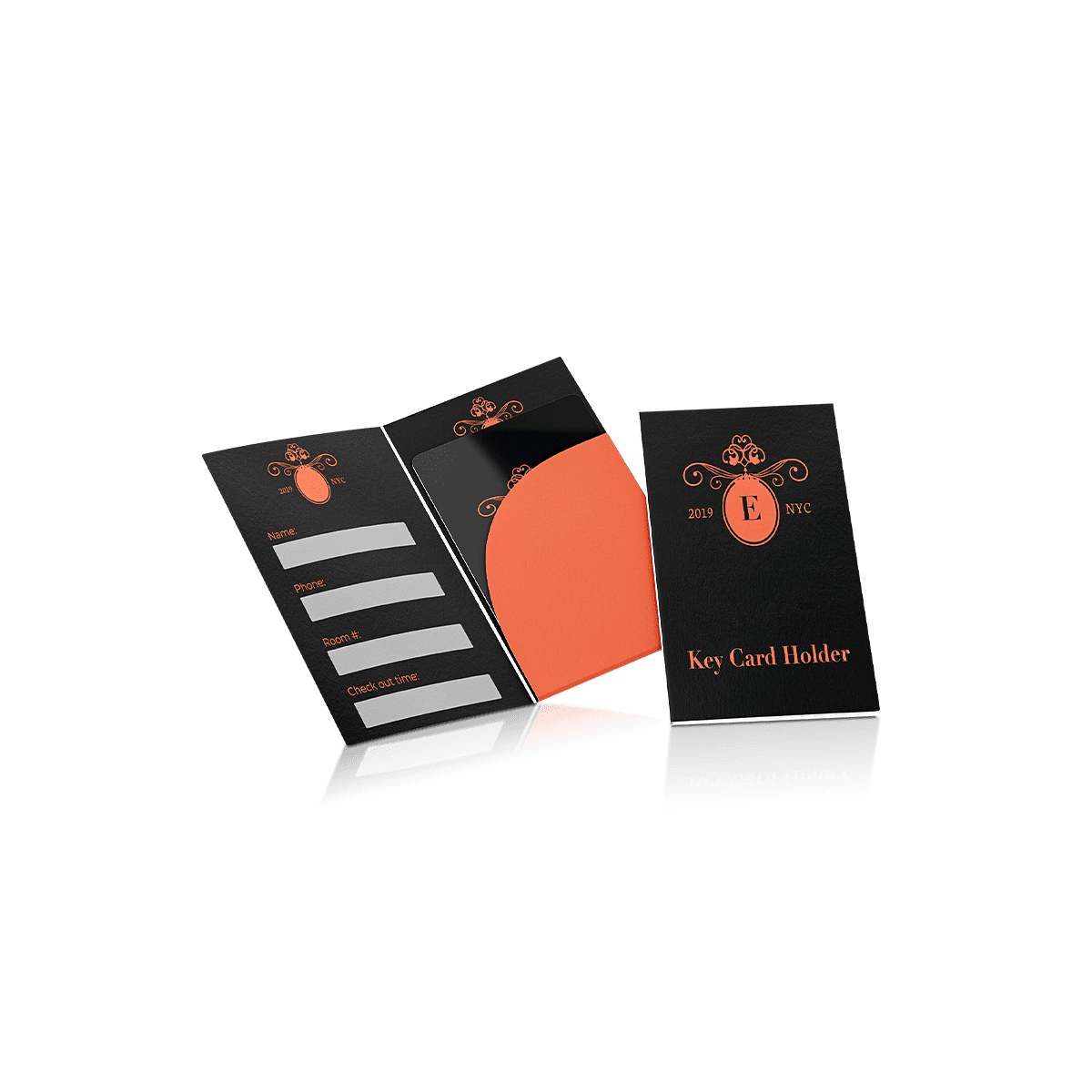
Custom printed hotel key card sleeves and folded holders with secure-fitting pockets, easy card removal and space for the information guests need throughout their stay.

The Card Must Slide Out

A hotel guest may remove a room card from its holder several times a day. If the pocket grips too tightly, the guest has to bend the holder or pull at the card. If it is too loose, the card can slip out while the guest carries the holder.

Custom Key Card Holders need to balance retention with easy removal.

The card should stay in place during check-in and ordinary handling, then slide out without excessive force. That small interaction matters more than adding a complicated opening feature.

For hotels, resorts, serviced apartments and event accommodations, the holder also needs to work at the front desk. Staff should be able to insert an encoded card, add any approved check-in information and hand over the completed holder without unnecessary handling.

A clean printed design supports the property identity, but the pocket and card fit determine whether the holder is practical.

Retention Without Friction

The pocket must have enough internal clearance to accept the intended card without leaving it free to move excessively.

A close-fitting sleeve can retain a single card through its pocket geometry. A folded holder may use an interior pocket or slits to position the card.

The correct fit depends on the card dimensions, thickness and selected holder construction.

A pocket that feels comfortable with one sample card should also be checked with the actual cards issued by the property.

An Accessible Card Edge

A thumb notch or exposed card edge gives guests somewhere to grip the card.

The opening should provide enough access without removing so much material that the card becomes insecure.

A notch positioned too low can leave the card difficult to retain. An overly shallow notch may offer little practical benefit.

Its final position belongs on the approved dieline rather than being added as an afterthought to the artwork.
The Card Sets the Dimensions

Most standard hotel key cards use the CR80 format, with a nominal footprint of approximately 3.375 × 2.125 inches. The holder's pocket needs additional clearance around the card.

That does not mean every hotel should order the same holder dimensions.

The appropriate finished size also depends on the pocket depth, outer panels, fold arrangement and information the hotel wants to print.

For a straightforward sleeve, the holder may be only slightly larger than the card. A folded wallet needs more space for the fold and any additional printed panels.

Actual Card Thickness

Two cards with the same footprint can have different thicknesses.

This becomes important when a property uses thicker specialty cards or plans to issue two room cards in one pocket.

A pocket specified for one standard card may become too tight when staff insert two cards together.

Confirm the actual card specification and the number of cards the holder needs to accommodate before approving the pocket.

Pocket Depth

A pocket that is too shallow may expose more of the card than intended.

A very deep pocket can make the card difficult to retrieve, particularly if the guest has to reach inside a narrow opening.

The appropriate depth depends on whether the holder uses a top opening, side opening, interior pocket or card-retaining slits.

The card should remain accessible without compromising its normal retention.

Three Practical Holder Formats

Key card sleeves, folded wallets and multi-card holders serve different check-in requirements.

The simplest construction is not automatically the best choice for every property. The holder should follow the number of cards being issued and how much information the guest needs to carry.

Single-Pocket Sleeves

A single-pocket sleeve holds the room card in a compact paper or paperboard enclosure.

It is a practical choice when the property wants a simple branded handoff and only a small amount of printed information.

The sleeve can fit easily into a pocket or handbag and occupies little space at the front desk.

Its main limitation is printable area. If the hotel needs several instructions, contact numbers and service details, a compact sleeve can become crowded.

Folded Card Wallets

A folded wallet opens to reveal an interior pocket or card-retaining slits.

The additional panels create space for guest information without putting every message on the exterior.

This construction can suit properties that need to communicate breakfast hours, checkout procedures, property contacts or other relevant stay information.

The fold should close naturally with the card inserted. A tight fold that springs open or presses excessively against the card needs adjustment.

Two-Card Arrangements

Some properties issue two access cards for one room.

A broader pocket or two separate card-retaining positions may be appropriate, depending on how the cards will be used.

Two separate positions can make individual cards easier to remove. A shared pocket may create a more compact construction but needs enough clearance for both cards.

Test the chosen arrangement with the actual cards. Their combined thickness and the intended removal method matter more than the number of pockets alone.

Room Information Needs Boundaries

A key card holder can carry the practical information guests look for after leaving the front desk.

However, not every piece of stay information should be printed in the same way.

Some information remains consistent for months. Other information changes between guests, rooms or dates.

Separating those two types makes the holder more practical and reduces unnecessary artwork changes.

Permanent Guest Information

The printed panels can carry approved property details such as:

  • Wi-Fi connection instructions or the appropriate access method.
  • Breakfast service hours.
  • Front-desk contact information.
  • Checkout procedures.
  • Directions to the property's digital guest services.

Choose the information that guests are most likely to use while carrying the holder.

Avoid crowding a compact sleeve with every service the hotel operates. A small printed surface is more effective when its text remains easy to read.

Writable Check-In Fields

Room assignments, departure dates and short guest notes may change with every stay.

A designated writable area allows staff to add permitted information without requiring a separate printed version for each guest.

If the holder has a coated or laminated exterior, reserve a suitable uncoated area where staff need to write.

The selected pen and surface should be checked together. Ink that smears or takes too long to dry can slow the handoff and leave the holder looking untidy.

Guest Privacy

The property should determine which room or guest identifiers may appear on the holder under its security procedures.

Writing a room number on the same item as an access card creates a different consideration from printing general property information.

Some hotels use discreet room-number fields as part of their check-in procedure. Others may prefer a different method.

The artwork should accommodate the property's approved practice rather than treating room numbers or guest names as mandatory printed features.

Card Technology Has a Separate Job

The holder organizes and presents the access card. It does not determine whether the card is correctly encoded or compatible with the property's locks.

A standard paper sleeve should not be marketed as providing electronic security, RFID shielding or protection against demagnetization unless the exact construction has been verified for that purpose.

The holder's primary responsibilities are physical retention, surface protection and guest communication.

RFID Access Cards

For an ordinary RFID hotel card, the main packaging decisions are its physical dimensions, thickness and the way guests remove or present it.

If the guest normally takes the card out before using the lock, the holder should make that action easy.

If the property expects guests to present the card while it remains inside the holder, that operation should be tested with the actual access system and finished construction.

Specialty materials or metallic decorative components should not be assumed to behave identically to an ordinary paper sleeve.

Magnetic-Stripe Cards

A sleeve can reduce direct rubbing against the card surface during ordinary carrying.

It should not be described as preventing magnetic interference.

For a magnetic-stripe card, the holder should allow removal without excessive bending or abrasion against the pocket opening.

Confirm that the pocket's glue areas, folds and any card-retaining slits do not create unnecessary friction against the card during repeated use.

The Front Desk Sets the Workflow

A key card holder may look attractive in a presentation mockup and still be inconvenient during a busy arrival period.

The practical test is how staff prepare and distribute it.

The intended holder should support the property's existing process rather than introduce additional steps that do not improve the guest experience.

Preloaded or Packed at Check-In

A property may prepare blank holders in advance, inserting encoded cards only when the guest arrives.

Another operation may prepare completed packets before a scheduled group check-in.

The best arrangement depends on how cards are issued, whether room assignments change and which guest information needs to be added manually.

A holder that requires several folds or awkward card insertion may slow the process when many guests arrive together.

The Correct Card Orientation

The pocket should make it easy for staff to insert the card consistently.

If a printed card has an intended front face, its orientation should remain predictable when placed inside the holder.

The same applies to the holder itself. Staff should not have to rotate it repeatedly to find the opening.

For a folded wallet, the fold direction and pocket placement should work naturally with the property's handoff procedure.

Group Arrivals

Conference groups, wedding parties and tour bookings can create concentrated check-in demand.

A compact holder that is easy to stack, identify and distribute can support those arrivals.

If room packets must be sorted before guests reach the desk, allow space for the property's approved identification method.

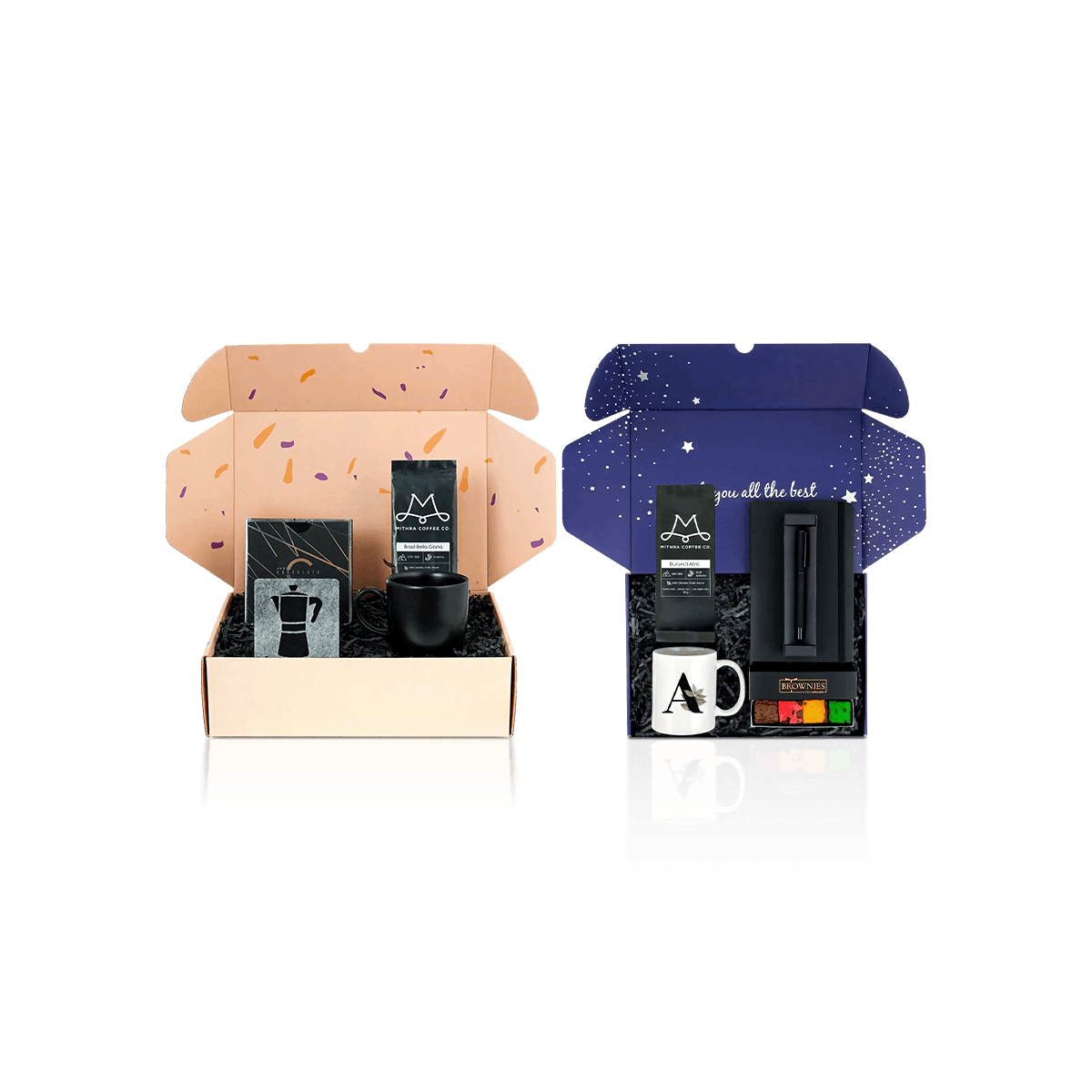
For events where the room card is accompanied by gifts or printed materials, welcome gift boxes can hold the complete arrival assortment while the key card holder remains responsible for access-card presentation.

Paper That Supports Daily Handling

The paper stock should feel appropriate for the property and withstand the holder's intended period of use.

A short-stay motel may prioritize a straightforward printed sleeve. A premium resort may prefer a more substantial folded wallet with a refined surface.

The choice should account for the card pocket and any writable fields, not just exterior appearance.

White Paperboard

White paperboard is a practical option for clear typography, detailed logos and bright brand colors.

It can suit both compact sleeves and folded holders, depending on the selected thickness and converting method.

A smooth surface supports clean printed graphics, while suitable stiffness helps the pocket retain its shape.

Kraft and Recycled Stock

Kraft or recycled paperboard can suit properties that prefer a natural paper appearance.

The selected stock should still provide sufficient pocket strength and accept the intended print.

Recycled content should be specified accurately rather than inferred from the paper's color.

If environmental claims appear on the finished holder, they should reflect the actual material and any coatings or finishing components.

Coating and Writable Areas

Matte, gloss or other suitable surface treatments can change the holder's appearance and handling characteristics.

A coated exterior may suit the brand's presentation, but the writing area must remain compatible with the intended pen or marker.

For a folded wallet, different exterior and interior surface treatments may be appropriate.

The finish should also work with the fold. A decorative surface that cracks noticeably along the crease can undermine an otherwise simple design.

Brand the Information Hierarchy

A key card holder gives the property several small printed surfaces, each with a different purpose.

The exterior normally carries the first visual impression. Interior panels can organize practical stay information. The pocket itself should remain easy to identify and use.

The artwork should respect those functions.

Exterior Recognition

A logo, property name and restrained graphic treatment can make the holder recognizable without overwhelming its small construction.

A boutique hotel may prefer a subtle mark and textured stock. A resort may use its established colors or destination imagery.

The design needs sufficient contrast for essential text.

Premium offset printing, Pantone color matching and suitable finishing options can support a consistent brand presentation when the project requires them.

Interior Reading Order

Arrange the guest information according to the actions someone is likely to take.

Wi-Fi instructions, contact information and service hours may deserve more prominence than a long promotional message.

Short headings and clear spacing can make the holder easier to use, especially when guests are reading it away from the front desk.

For multilingual properties, the available space should be assessed before committing to several language versions on one small wallet.

QR Code Placement

A QR code can direct guests to an approved digital directory, restaurant menu or property service.

Position it on a sufficiently flat, accessible panel with enough surrounding space for scanning.

Avoid placing the code across a fold or inside an area that will be covered by the card.

The destination should be maintained by the property. A printed QR code is most practical when the web address behind it can remain relevant throughout the holder's expected life.

Dielines Must Respect the Pocket

A key card holder has several small technical areas that affect production: the pocket opening, glue flaps, folds, cut edges and artwork safe areas.

These features should be established before the final design is approved.

A logo positioned correctly on a flat artwork file can still appear too close to the pocket opening after folding. A printed instruction may disappear beneath the card once it is inserted.

The production layout needs to show where every element will sit in the finished holder.

Glue and Fold Clearance

Pocket glue areas must stay separate from the usable card space.

If adhesive extends into the pocket, it can restrict card insertion or create an uneven internal surface.

The fold also needs to accommodate the selected stock without distorting the holder.

A production-ready packaging dieline identifies cut lines, crease positions and artwork boundaries before printing.

Print Proof and Physical Fit

A digital proof can establish artwork placement, text, color direction and panel orientation.

The physical card fit needs a different check.

Insert the actual card into the intended construction, remove it and repeat the action. Check the notch, pocket retention and behavior of the folded wallet.

Custom Packly provides free design and dieline support, along with free sample examples of previous work. A fully custom physical sample may be a paid option when the exact holder construction needs approval.

One Structure, Several Properties

A hotel group may want one recognizable holder construction across multiple locations while allowing each property to print its own address, service details and branding.

This can simplify the physical specification without forcing every hotel to use identical artwork.

The common elements might include card size, pocket position, fold direction and approved paper stock.

Property-specific information can then be managed through separate print versions.

Property-Specific Artwork

Each location should have an approved version of its printed information.

A shared exterior identity may remain consistent, while the interior carries the correct local phone number, dining hours or guest-service instructions.

Language requirements may also differ between locations.

Each version needs its own final artwork approval so that information intended for one property does not appear on another property's holders.

Replenishment Without Confusion

Key card holders are consumable front-desk supplies. Their usage may vary with occupancy, length of stay, card replacement practices and the number of cards issued per room.

A repeat order should be based on the property's actual consumption rather than room count alone.

For larger programs, Custom Packly can support warehousing and scheduled deliveries where appropriate.

The approved structure can remain consistent while stock is allocated according to each property's expected requirements.

Quote the Intended Check-In Format

The most practical starting point for pricing is the actual card and the holder construction required by the property.

A single-pocket sleeve, folded wallet and two-card construction have different material, printing and converting requirements.

The selected stock, number of printed panels, finish and artwork versions also affect the specification.

For an accurate quote, establish the card dimensions, quantity, preferred construction and whether the holder needs writable fields or special pocket features.

Request pricing for custom key card holders using the intended check-in arrangement rather than assuming every hotel card sleeve requires the same construction.

Custom Packly provides US production, free shipping and 24/7 packaging support. Its standard US turnaround is 4–6 days after final specifications and artwork approval, with the schedule for specialized holder construction confirmed against the order.

The minimum quantity for the selected holder construction should also be confirmed rather than assuming that the standard starting MOQ for boxes applies to every paper product.

The Holder Outlasts Check-In

A key card holder remains relevant after the guest leaves the front desk.

It may spend several days in a pocket, handbag or travel wallet. The guest may return the card to it repeatedly, consult the Wi-Fi instructions or use the printed property contact when assistance is needed.

The finished holder should support those ordinary actions without becoming difficult to handle.

A pocket that grips the card reliably, a surface that remains readable and an opening that tolerates repeated use contribute more than unnecessary packaging complexity.

For a full arrival arrangement, hospitality packaging can coordinate the holder with the property's other guest-facing materials. Items such as toiletries and comfort products can sit separately in amenity kit boxes instead of turning the key holder into an oversized packet.

The completed key card holder should be small enough to carry, simple enough for staff to prepare and clear enough for guests to use throughout their stay.

FAQs

The outer panels usually work best because guests can see the information without opening anything complicated. Most properties place the Wi-Fi code, contact number, breakfast hours and check-out reminder where they are quick to scan at first use.

Key Card Holders are the better choice for standard hotel check-ins because they stay flat, wallet-friendly and easy to hand out in volume. Key Card Holder Tubes make more sense when the room card is part of a higher-touch arrival piece with rolled inserts, vouchers or a more premium reveal.

Many do, especially when room assignments are added during check-in or when the same printed holder is used across multiple stays. A writable area also helps for villas, suites, group arrivals and other variable room setups.

A standard paper holder is mainly there to organize the card and present useful information. If a property needs added shielding or extra durability, that should be specified in the material and construction rather than assumed from a basic holder alone.

Yes, if the pocket depth and opening are planned for it. A well-sized holder can keep two cards together without making the packet feel bulky or awkward at the desk.

Process

How it works

Your Packaging Journey, From Idea to Production and Delivery

01

Tell Us Your Specs

Custom packaging boxes

Tell Us Your Specs

Provide size, quantity, printing, and finishes.

02

Get a Fast Quote

Custom packaging boxes

Get a Fast Quote

Instant transparent pricing, no hidden fees.

03

Design and Approval

Custom packaging boxes

Design and Approval

Artwork checks, revisions, and final sign-off.

04

Produce

Custom packaging boxes

Produce

Expert manufacturing to meet deadlines.

05

Ship to Your Door

Custom packaging boxes

Ship to Your Door

Hassle-free, flexible delivery options.

Get Your Quote for Custom Key Card Holders

Share your product details, size, quantity and artwork needs. We’ll help choose the right packaging style and send a clear quote.