Skip to content
Details

Custom Tuck-Style Folding Cartons

Custom printed paperboard cartons for lightweight retail products, designed around easy product removal, dependable tuck closures and practical everyday handling.

Design for Product Removal

A product may slide into its carton easily during packing but become difficult to remove after purchase. This often happens when the box is sized closely around the contents without accounting for the opening flaps or the way a customer will reach inside.

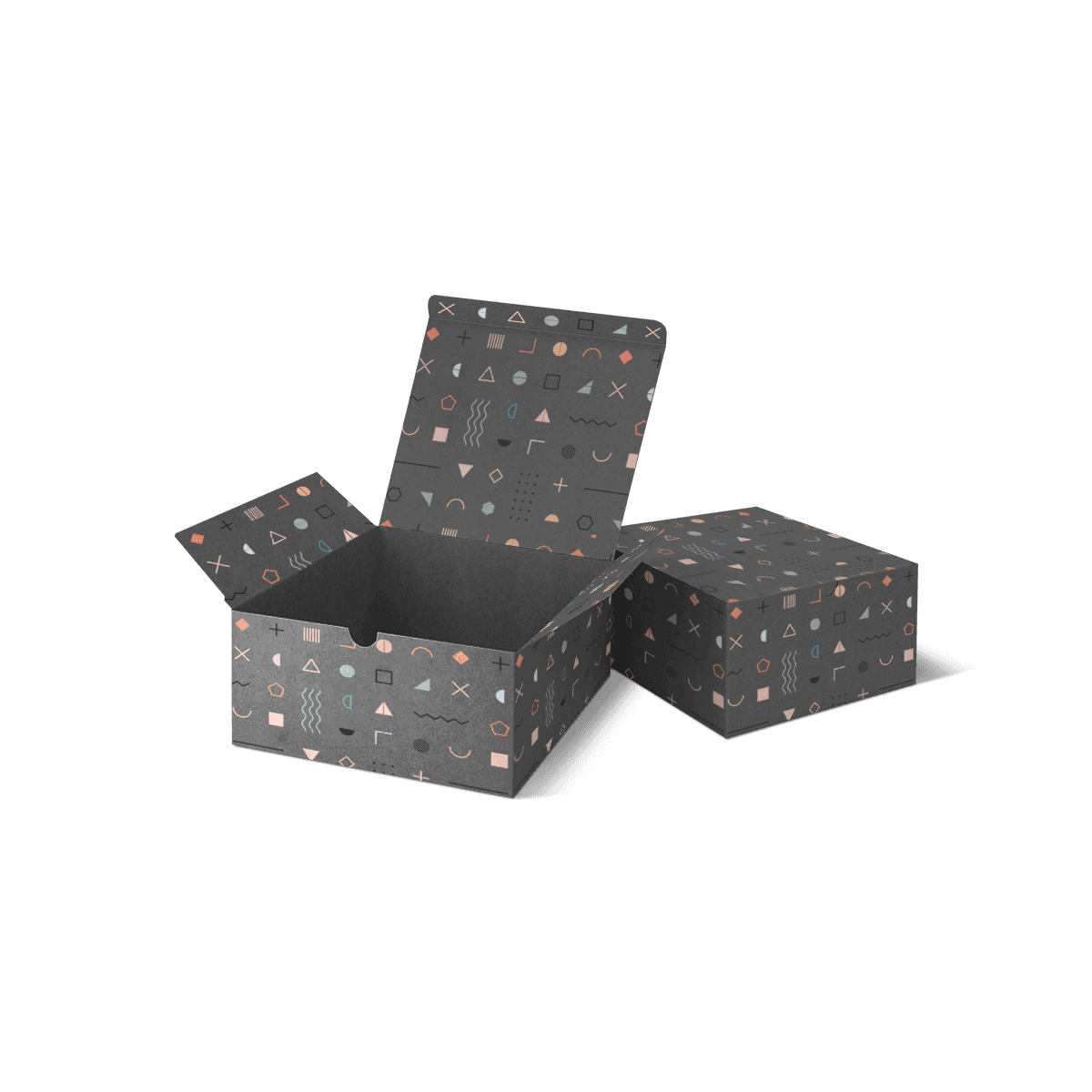
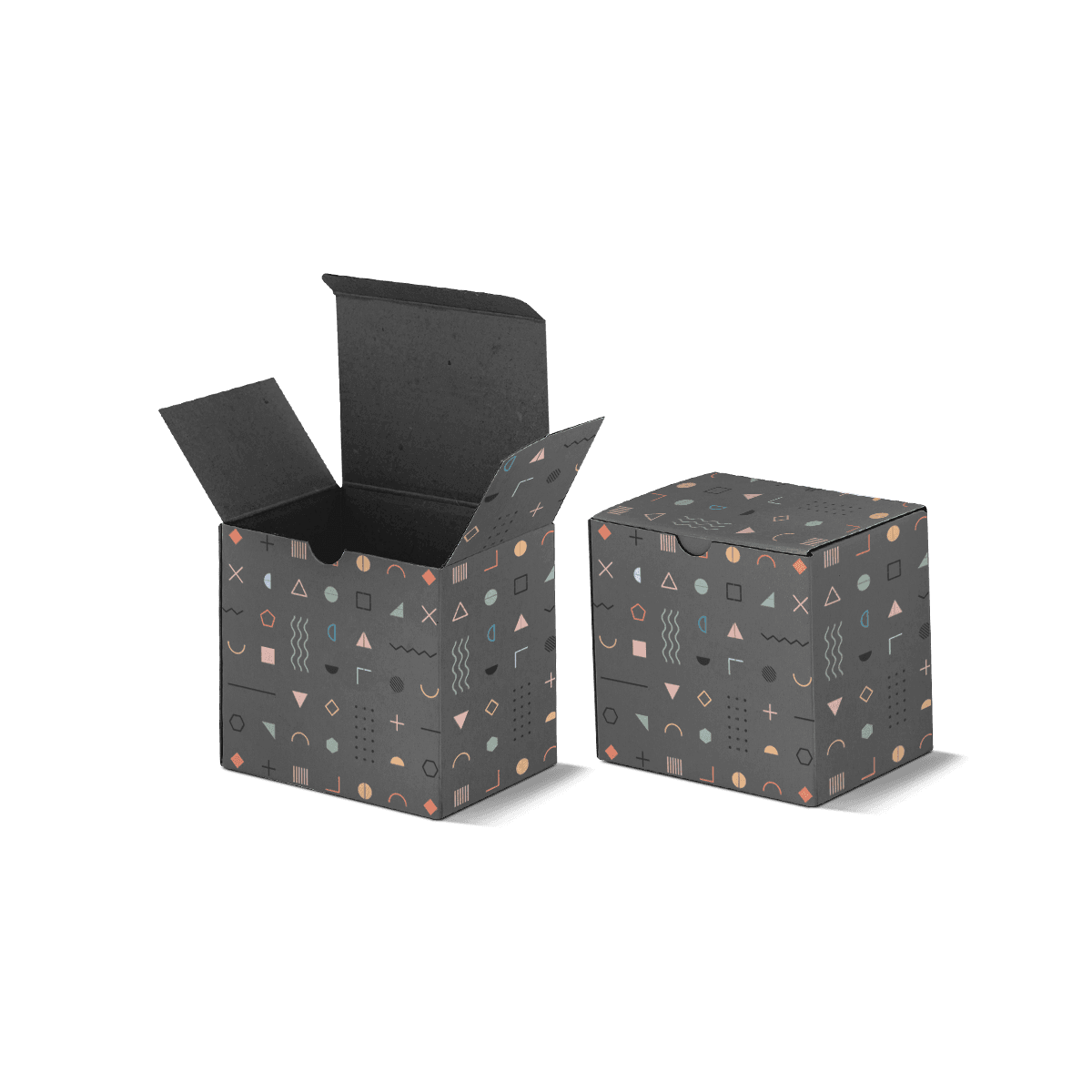
Custom Tuck-Style Folding Cartons are printed paperboard boxes with flaps that fold into the carton to close its openings. They are suited to lightweight retail products that need straightforward packing and convenient access without a permanently glued end.

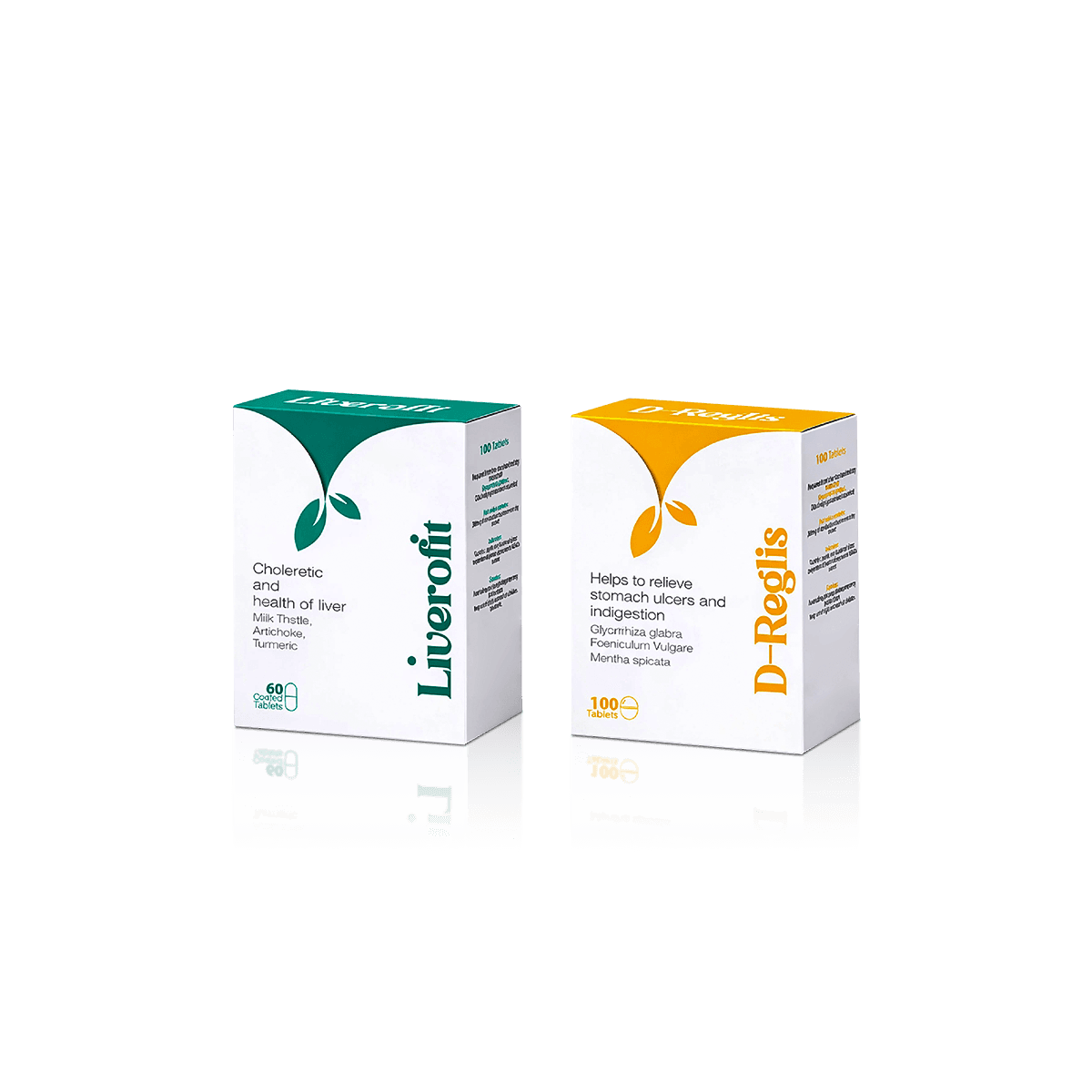
The structure is especially practical for products that remain in their boxes after purchase, such as stationery refills, small accessories, individually packed items and compact wellness products.

The carton should accommodate the product's complete journey: insertion, retail handling, first opening and any intended subsequent use.

Clearance at the Opening

The internal dimensions must accommodate more than the product's widest and tallest points.

A folded leaflet, projecting cap, sealed wrapper or internal fitment can affect how the contents pass through the opening.

For example, a narrow carton holding a stack of individually wrapped items may have enough internal depth but insufficient clearance at the top. The wrappers can catch against the dust flaps as the customer removes them.

The opening should permit the intended access without requiring excessive bending, squeezing or shaking.

Room to Grip

A closely fitted product can be difficult to retrieve if it sits entirely beneath the carton opening.

A small amount of access space may be necessary for the customer to grip the product.

For a single compact item, a suitable paperboard support can sometimes position it closer to the opening.

For a stack of consumable items, the arrangement must remain accessible as the contents are gradually removed.

The correct approach depends on the product. Making the entire carton larger may introduce unnecessary movement when a more considered internal arrangement would resolve the problem.
Establish the Intended Opening

Not every tuck-style carton is used in the same way.

Some are opened once, after which the product is removed permanently. Others remain in use until the final item has been taken out.

That distinction affects the opening location, closure geometry and internal arrangement.

Single-Use Retail Cartons

A compact carton containing one product may serve primarily as its retail presentation.

Once the customer removes the item, the outer packaging may no longer be needed.

A conventional tuck closure is often sufficient when the product is lightweight and no separate security or reinforced-base requirement applies.

The opening should allow the contents to leave the carton without damage.

An unnecessarily complicated closure has little practical benefit in this situation.

Cartons Used Repeatedly

A box of pen refills, individually wrapped tea bags or small accessories may remain in use for weeks.

Its opening must remain accessible as the contents are removed.

The carton should also retain enough stiffness for ordinary handling after the first opening.

A top flap that folds neatly when new may become inconvenient if it catches against the remaining contents or loses its intended shape.

For these products, reclosure and access deserve attention before the external appearance is finalized.

Choose the Tuck Arrangement

Tuck-style folding cartons describe a general closure approach rather than one fixed dieline.

The exact construction must establish which panels carry the main flaps and how the carton is opened and filled.

The distinction matters because a printed design or packing sequence developed for one arrangement cannot automatically be transferred to another.

Straight Tuck Construction

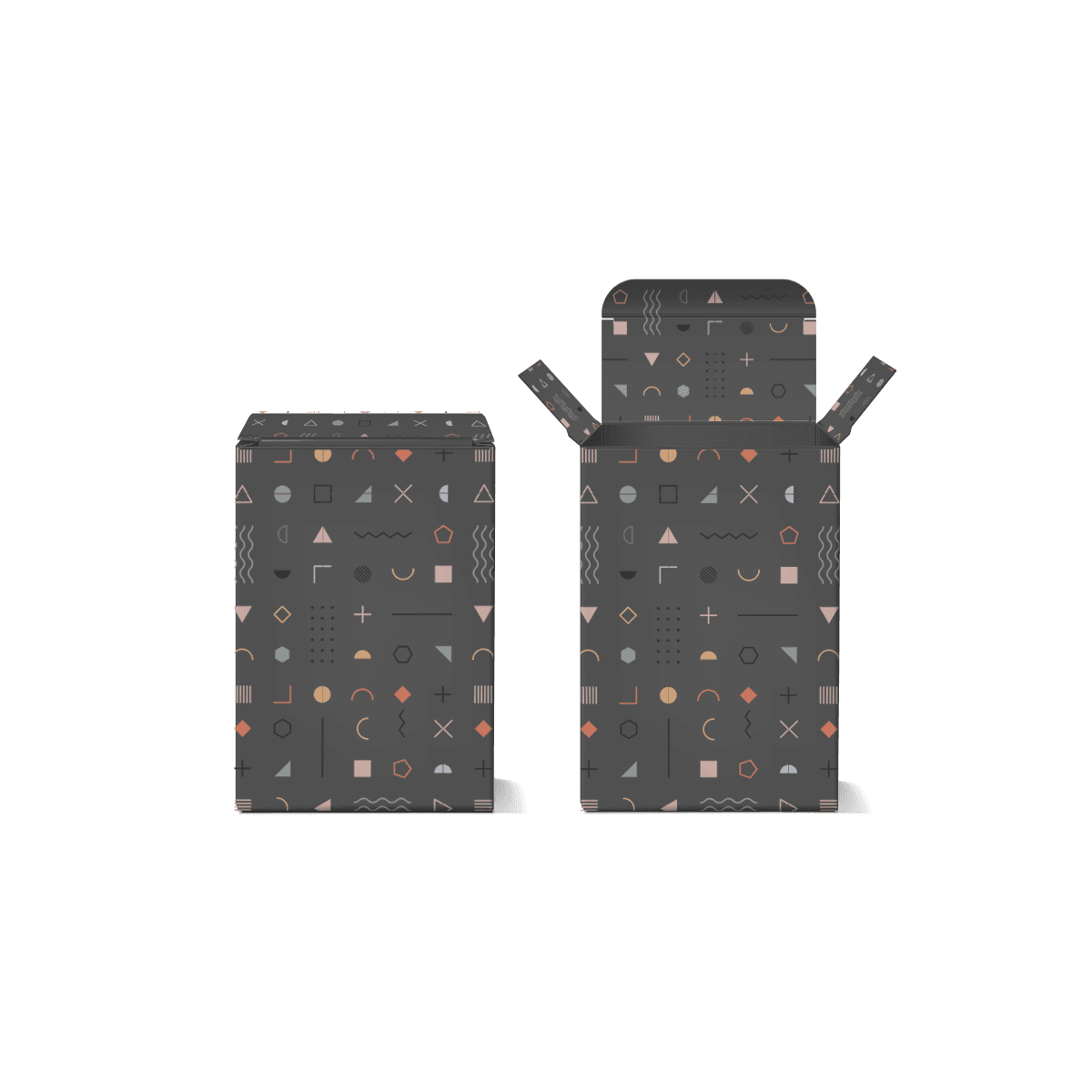
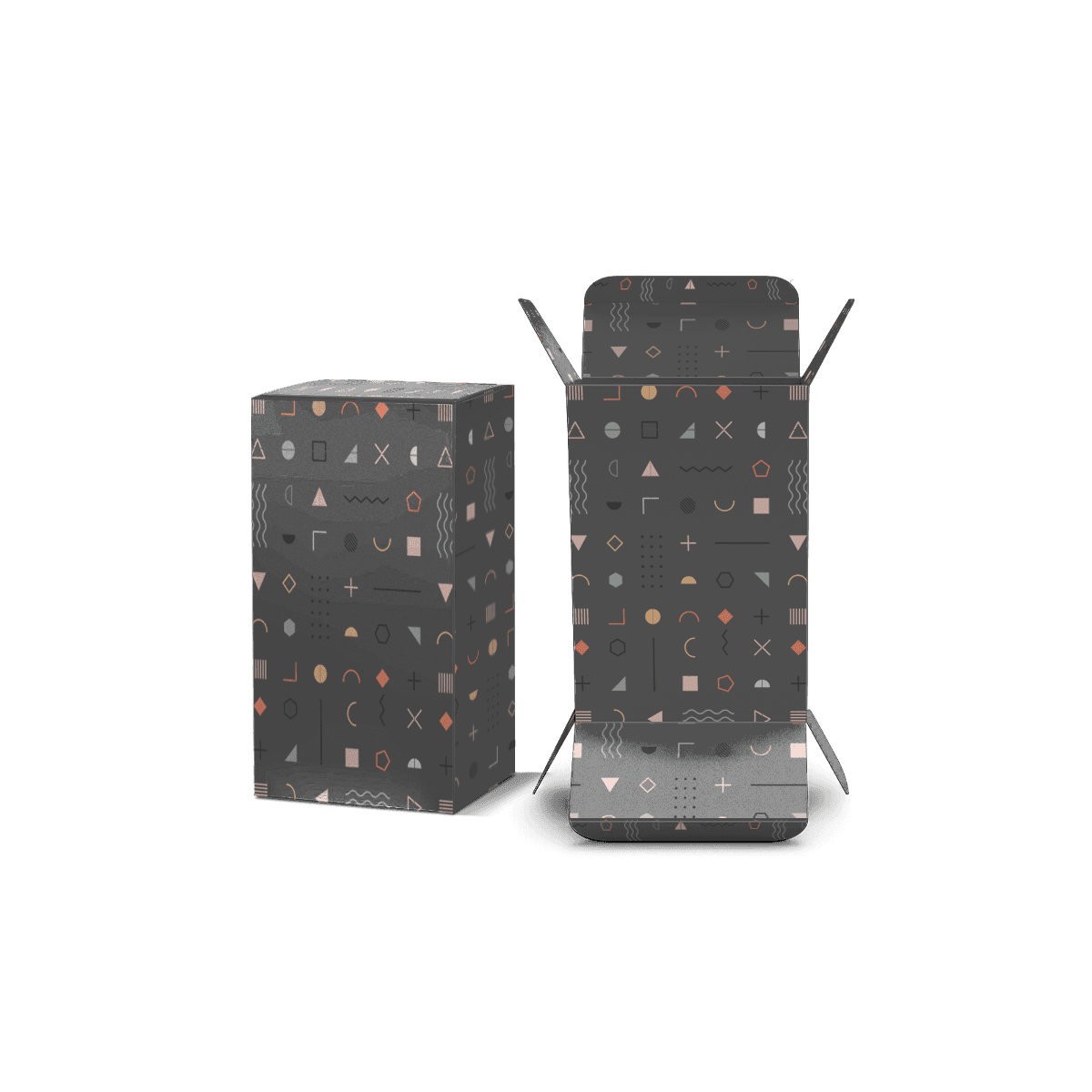
Straight tuck-end cartons have top and bottom main flaps attached to the same body panel.

This arrangement may suit products whose artwork or packing orientation benefits from that flap relationship.

The final dieline determines the exact panel positions and closure geometry.

Reverse Tuck Construction

Reverse tuck-end cartons have main flaps attached to opposite body panels.

Their different flat layout can influence printing-sheet utilization and the intended assembly sequence.

Neither arrangement is automatically the right choice for every lightweight product.

The decision should follow the carton dimensions, intended retail presentation and packing method.

For either construction, the tuck tongue must enter the carton correctly and retain the closure during the intended use.

Make Reclosure Feel Natural

A tuck closure should be easy to understand and operate.

The customer should be able to return the flap to its intended position without forcing the paperboard or disturbing the contents.

This depends on the relationship between the main tuck tongue, dust flaps and available internal space.

Tongue Engagement

The tuck tongue must have enough engagement to retain the flap without extending unnecessarily into the product cavity.

An undersized tongue may disengage during handling.

An oversized tongue can catch against the contents or become difficult to insert.

The appropriate geometry depends on the actual carton dimensions and the selected board.

A tighter fit is not automatically a better closure. Excessive friction can deform the flap or make repeated opening unpleasant.

Dust Flap Clearance

Dust flaps help close the spaces at the sides of the opening.

They must fold into place without obstructing the main tuck flap.

If their geometry is incorrect, the end of the carton may become difficult to close neatly.

A folded instruction leaflet or a product that sits too close to the opening can create a similar problem.

The closure should be checked with the actual packed contents, not just an empty box.

Crease Recovery

Paperboard can lose its intended folding behavior when repeatedly bent beyond its designed crease.

The main flap should open along the established fold without requiring the customer to bend an unrelated panel.

An appropriate board and crease specification help the carton retain its intended shape.

A reclosable carton should not depend on the customer forcing the flap into position after every use.

Pack Single Items and Stacks

The internal arrangement changes according to whether the carton contains one item, several identical units or a mixture of components.

A box containing one small accessory can often be sized closely around it.

A stack of individual packs creates a different problem because its occupied volume changes as the customer removes the contents.

Individually Wrapped Products

Sealed wrappers often have stiff edges that affect their packed dimensions.

A stack of wrappers may also occupy more space than expected because folds and seals do not lie perfectly flat.

The carton should accommodate the complete intended quantity without excessive compression.

If the wrappers need to be removed individually, their orientation should make the first and final units reasonably accessible.

Products With Instructions

A folded leaflet can consume internal space or interfere with the opening.

Its finished folded dimensions should be included in the packing specification.

For a single item, the leaflet may sit beside the product where the space permits.

For a multi-item carton, another position may be necessary to prevent it from obstructing repeated access.

The arrangement should reflect any applicable product requirements.

Compact Accessories

Small accessories can move inside an oversized carton.

A simple paperboard retainer may help position an item so that it remains visible and accessible when the box is opened.

The retainer should not create a difficult removal process.

For lightweight products, accurate carton sizing may eliminate the need for an additional internal component.

Custom Packly's structural guidance can help establish the fit before the finished dimensions are approved.

Print for the Assembled Carton

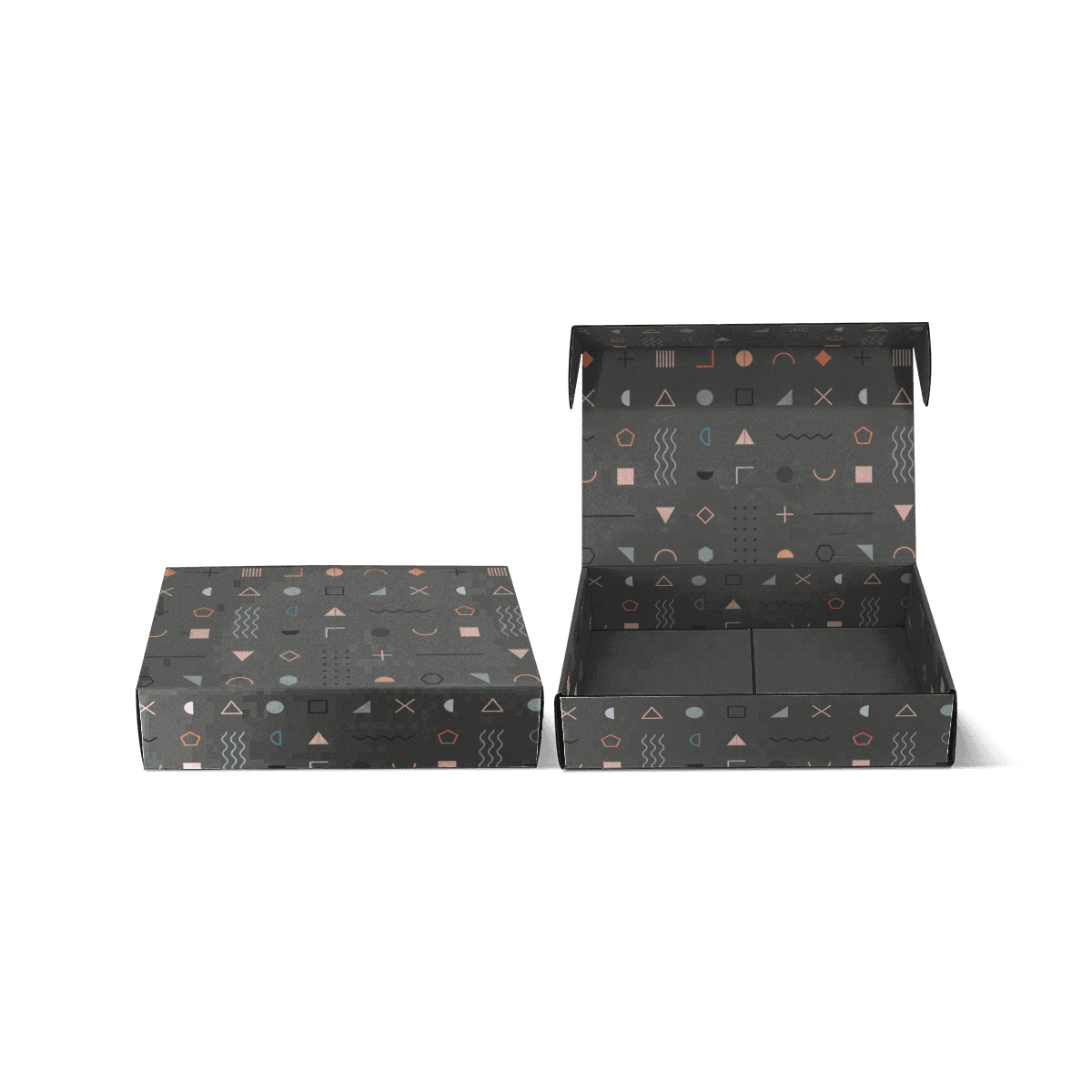
A tuck-style folding carton has several printable surfaces, but their positions must be established using the correct production dieline.

The flat artwork should correspond to the carton that will actually be assembled.

This is particularly important when product identification, instructions and barcodes occupy different panels.

Front-Panel Presentation

The front panel should establish a clear product identity.

The space can accommodate branding, product photography or illustrations and the approved information appropriate to the product.

Important text should remain away from cut edges and crease lines.

The closure arrangement may influence where artwork can continue across adjacent panels.

A finished 3D mockup can help confirm that the main artwork appears in the intended orientation.

Information Near Openings

Instructions or product identifiers placed near an opening should remain readable after the carton has been assembled.

A tuck flap may cover part of an adjacent panel when closed.

A removable security label may introduce another obstruction.

The final layout should account for these physical features rather than treating each flat panel as an independent printing surface.

For products subject to labeling requirements, the brand must supply and approve the applicable content.

Inside-Panel Printing

Inside printing can be useful when the carton remains in use after purchase.

A short instruction or appropriate brand message may appear on a surface that becomes visible when the flap is opened.

However, printing on an internal panel should have a clear purpose.

It must not interfere with glue areas, functional folds or the intended handling of the product.

Custom Packly supports premium offset printing, free design assistance and prepress review to help prepare the approved artwork for production.

Paperboard That Folds Reliably

A carton intended for repeated opening needs paperboard that supports both its structure and its closure.

Material selection should account for the finished dimensions, product weight, print requirements and expected handling.

An excessively stiff board may make a small tuck flap difficult to operate. A board with insufficient stiffness may allow larger panels to bow.

White SBS Stock

SBS paperboard has a smooth white surface suitable for detailed artwork and fine typography.

It can be appropriate for cosmetics, wellness products, stationery and other lightweight retail applications.

The chosen caliper should support the product and the finished carton dimensions without making the closure unnecessarily difficult to fold.

Kraft and Recycled Board

Kraft stock can create a natural brown-paper appearance.

Its underlying color affects printed artwork, particularly pale colors and low-contrast text.

Recycled paperboard may suit certain material objectives, subject to the intended structural and printing requirements.

Custom Packly supports eco-friendly packaging options and recyclable materials where appropriate.

The recyclability of the finished carton depends on its actual materials, coatings and other components.

Finishes at Fold Lines

Matte and gloss coatings can be used to establish the desired printed appearance.

Foil, embossing, debossing and spot UV may also be appropriate for selected design elements.

Specialty finishing should not interfere with the functional crease or tuck tongue.

A finish that looks attractive on a flat printed sheet can behave differently after repeated folding.

Where the selected combination creates uncertainty, the finished converted carton should be assessed rather than relying solely on a digital proof.

Product Visibility Without Loose Fit

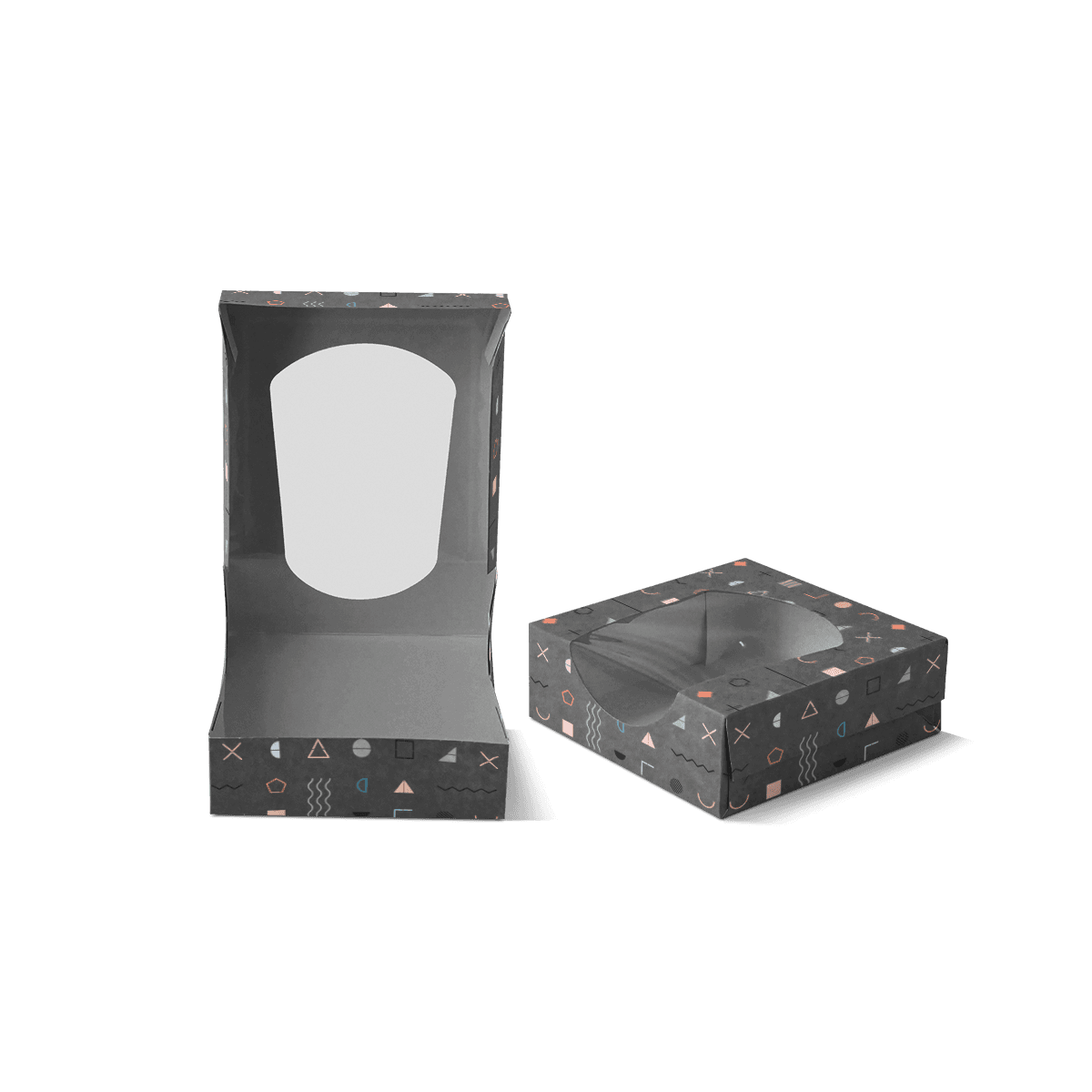
A tuck-style carton can incorporate a die-cut opening when visibility contributes to the product's retail presentation.

The decision is most effective when the customer gains meaningful information from seeing the product.

A visible color, material or physical component may communicate something that printed photography cannot.

Windows for Single Products

A window should expose the intended part of the product.

If the item can rotate or move inside the carton, the visible result may change during handling.

Accurate dimensions or a suitable retainer can help maintain its position.

Windowed folding cartons allow a product-view cutout to be considered alongside the carton structure and printed design.

The opening must not weaken the carton unnecessarily.

Visibility for Consumables

A window may be less effective for a carton containing individual packs that are gradually removed.

The visible arrangement changes as the carton empties.

For these products, the main printed panels may have a more consistent presentation.

If a transparent patch is required, its material must be appropriate for the intended application.

A viewing window does not automatically have moisture protection or establish food-contact suitability.

Flat Supply and Hand Assembly

Tuck-style cartons are commonly supplied flat, with the side seam glued and the end closures left for assembly.

This can reduce the storage volume required before packing.

However, a compact flat carton is only operationally useful when the team can erect, fill and close it without unnecessary difficulty.

Erecting the Carton

The flat carton opens into its intended rectangular form.

Its crease lines and glued side seam must permit the body to square correctly.

The bottom flaps are then folded into their specified positions.

If the board resists erection or the panels do not align, the assembly process becomes less predictable.

Those issues may reflect the material, crease specification or structural design.

Filling by Hand

For a manually packed product, the carton should remain stable enough to receive the contents.

A lightweight accessory or individual product can often be inserted without specialist equipment.

Where the contents include several small items, the intended arrangement should be established before packing begins.

The operator should not need to force the final item into place or hold the carton under pressure while closing it.

A practical structure supports consistent assembly without introducing unnecessary packing motions.

Recognize the Weight Limit

A simple tuck-bottom carton is appropriate for many lightweight retail products.

It is not automatically suitable for a heavier jar, dense bottle or other product that places substantial force on the base.

The finished product weight, carton dimensions and intended handling conditions determine whether the construction is appropriate.

Load on the Bottom

A heavier product can place sustained pressure on a conventional tuck closure.

The board, flap engagement and internal fit must work together to support the intended load.

Increasing the board thickness alone may not resolve an unsuitable bottom construction.

Where the product requires additional base support, auto-lock bottom boxes may be appropriate.

Their pre-glued base also changes the assembly process.

Retail Versus Shipping

A tuck-style paperboard carton may protect a lightweight item during ordinary retail handling.

It should not automatically be treated as a standalone parcel shipper.

For ecommerce fulfillment, the retail carton may need a separate corrugated shipping package.

The external packaging should address the expected transit loads and product protection requirements without relying on the tuck flap to perform the work of a shipping closure.

Ordinary Reclosure Versus Security

A conventional tuck flap allows a carton to open and close without permanently damaging the paperboard.

That convenience is useful for products that remain in their original packaging.

It does not establish tamper evidence or child resistance.

A customer may be able to open and reclose a standard tuck carton without leaving an identifiable first-opening mark.

Where visible first-opening evidence is required, the packaging specification must include an appropriate feature.

For products intended to remain closed until a designated packing or opening operation, seal end boxes may suit a different closure requirement.

A glued end is not automatically a compliant tamper-evident feature.

Any required security performance must be established for the complete packaging system.

Match Cost to Actual Use

The cost of a tuck-style carton depends on its dimensions, board, printing, finishes and quantity.

Additional components such as windows and inserts can change the production specification.

The carton should also be considered in terms of the work it creates during packing.

For a small retail program, a straightforward hand-assembled tuck carton may be entirely practical.

For a high-volume operation, repeated bottom folding or a difficult loading sequence can create additional labor costs.

The correct decision depends on the total packing process rather than the manufactured carton price alone.

Custom Packly's USA MOQ starts from 100 boxes. Instant pricing is supported for suitable specifications.

The intended contents, internal dimensions, board, print requirements, quantity and selected construction establish the basis for custom tuck carton pricing.

Free design and dieline support can help resolve the structural specification. Free 3D mockups and examples of previous packaging work can also support the selection process.

A fully custom physical sample may be arranged as a paid sample when the exact fit or closure needs closer assessment.

Custom Packly supports US production and free shipping, with a standard 4–6 day turnaround after final artwork and specifications are approved. Complex structures or specialty finishes may require additional time.

Retain the Carton's Everyday Function

A tuck-style folding carton earns its place when the product benefits from an outer box that is easy to fill, open and use.

For a product removed immediately after purchase, the construction can remain simple. The carton may only need to protect the retail presentation, carry approved information and allow clean removal.

For individually packed consumables or small accessories, the carton may remain useful throughout the product's consumption or storage period.

Its opening, internal arrangement and paperboard must support that intended use.

The final construction should not be made larger, heavier or more complicated than the product requires.

When the contents are lightweight and ordinary reclosure is appropriate, a well-fitted tuck-style carton can balance printing, presentation, flat storage and everyday access.

FAQs

They make the most sense for light retail products that benefit from simple hand assembly and a carton that can be opened without damaging the structure.

This style is often a good fit because tuck closures allow easier reopening than permanently sealed formats.

Tuck-Style Folding Cartons are better when easy access and simpler hand packing matter more. Seal-End Cartons are usually the stronger option for filled-and-sealed workflows where the carton is meant to stay more fixed after packing.

Yes. Tuck-style cartons can carry foil accents, embossing, spot UV, matte coatings, gloss coatings, and other branded finish treatments depending on the board and artwork.

Yes. A basic paperboard insert, divider, or product retainer can be added when the item needs better positioning inside the pack.

Process

How it works

Your Packaging Journey, From Idea to Production and Delivery

01

Tell Us Your Specs

Custom packaging boxes

Tell Us Your Specs

Provide size, quantity, printing, and finishes.

02

Get a Fast Quote

Custom packaging boxes

Get a Fast Quote

Instant transparent pricing, no hidden fees.

03

Design and Approval

Custom packaging boxes

Design and Approval

Artwork checks, revisions, and final sign-off.

04

Produce

Custom packaging boxes

Produce

Expert manufacturing to meet deadlines.

05

Ship to Your Door

Custom packaging boxes

Ship to Your Door

Hassle-free, flexible delivery options.

Get Your Quote for Custom Tuck-Style Folding Cartons

Share your product details, size, quantity and artwork needs. We’ll help choose the right packaging style and send a clear quote.