Skip to content
Details

Custom Herbal Product Boxes

Custom printed packaging for herbal teas, botanical extracts, tinctures, powders and topical products, with practical container fit, clear ingredient identification and natural-looking retail presentation.

Identify the Botanical Form

Ginger root powder, ginger extract and dried ginger pieces may come from the same plant, but they are different products with different packaging requirements.

The distinction matters because herbal products are sold in numerous physical forms. Loose leaves need a suitable sealed container, liquid extracts need compatible bottles and closures, and topical preparations may require jars or tubes.

Custom Herbal Product Boxes give these products a suitable secondary carton while allowing the brand to present its botanical identity consistently.

The carton should communicate what the customer is purchasing without making different preparations appear interchangeable.

For a botanical business selling teas, tinctures and powdered extracts, that means establishing the product identity and primary packaging requirements before deciding how the finished cartons should look together.

Plant Name and Preparation

The botanical name alone may not sufficiently distinguish one herbal product from another.

Where applicable to the approved product labeling, the plant part and preparation can help identify the contents. Leaves, roots, flowers, seeds and concentrated extracts are not necessarily interchangeable.

A product containing dried peppermint leaves is physically different from one containing a peppermint extract.

Their cartons may share a visual identity, but the product descriptions must accurately distinguish the preparations.

For extracts, any declared concentration, extract ratio or standardized constituent must come from the brand's approved product specifications.

Single Herbs and Blends

Single-herb products and botanical blends require different identification approaches.

A single-herb carton may emphasize one ingredient and its approved preparation. A blended product needs a clear product identity without concealing its composition behind a decorative name.

The complete ingredient declaration should occupy an appropriate printed surface according to the product's applicable labeling requirements.

For multi-ingredient products, the artwork must accommodate the final approved formulation rather than assume that every blend needs the same amount of printed space.
Herbal Tea Carton Construction

Herbal tea packaging must accommodate the intended selling unit. Individually wrapped tea bags, unwrapped tea bags and sealed loose-leaf pouches need different internal arrangements.

The outer carton supports structure, identification and convenient handling. The primary packaging must perform any required moisture, aroma or contamination protection.

For individually wrapped tea bags, the carton can serve as a compact retail container that also supports everyday dispensing.

Wrapped Tea Bags

Individually wrapped tea bags can be arranged in a folding carton according to their actual dimensions and intended count.

Their wrappers may contain folded edges or seals that add thickness to the stack.

A carton sized only around the flat face of one wrapper may become too tight when several units are packed together.

The finished arrangement should account for wrapper thickness, quantity and the direction in which the units will be inserted.

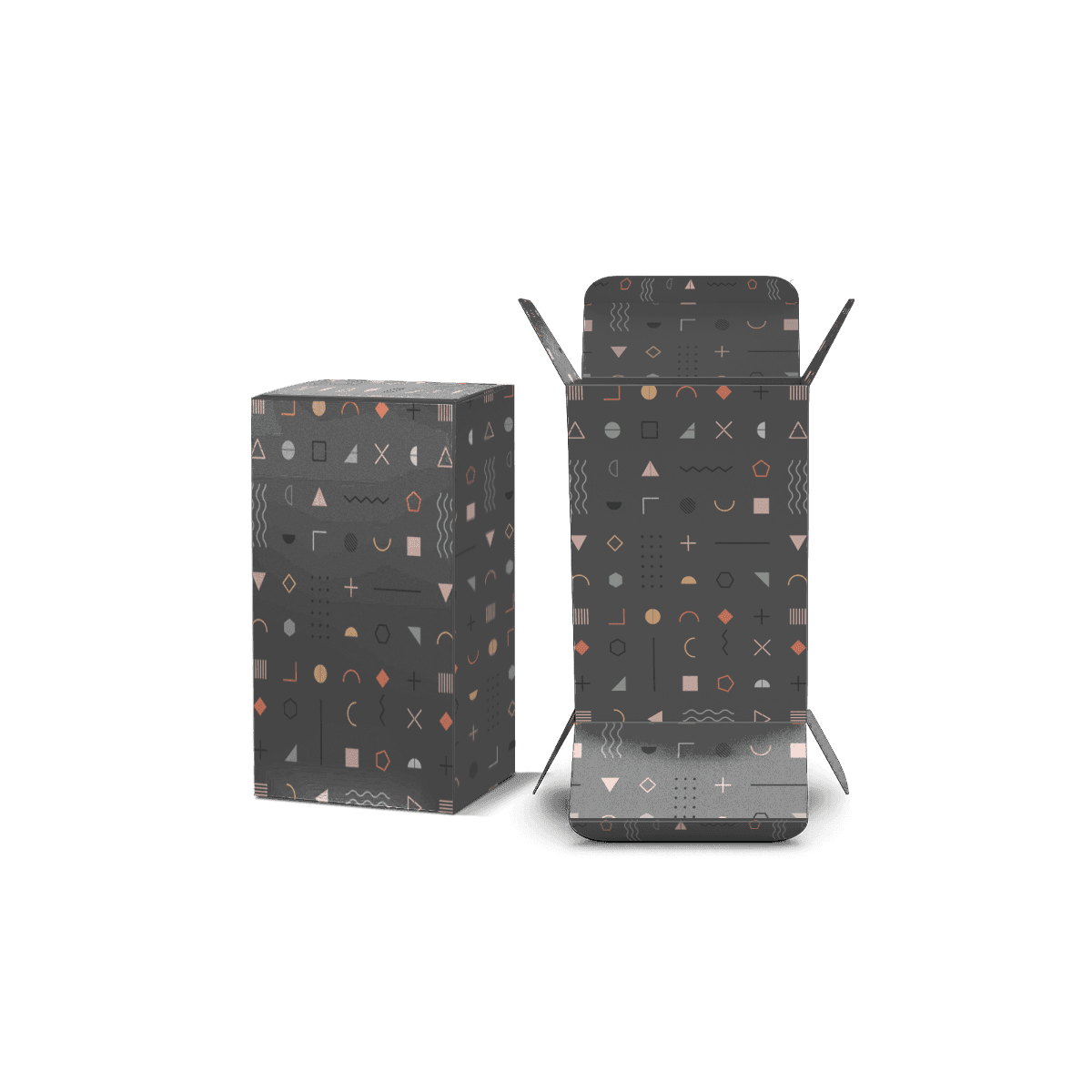
A standard tuck-end construction may be sufficient for a lightweight carton containing a modest number of wrapped tea bags.

Loose-Leaf Inner Packs

Loose-leaf teas are often packed in a sealed pouch or another suitable primary container before being placed inside a printed box.

That inner package determines the outer carton's practical dimensions.

A flexible pouch changes shape according to its fill quantity, seal positions and how the leaves settle. Its maximum filled dimensions are more suitable for carton development than its nominal empty measurements.

If the inner pouch is considerably smaller than the carton, it may collapse into the space or produce an untidy retail presentation.

A correctly proportioned carton can limit unnecessary movement without compressing the inner pack.

For loose blends sold directly in flexible packaging, flexible pouches may eliminate the need for a separate paperboard carton.

Dispensing and Reclosure

A tea carton may remain in use until its contents are finished.

Its opening should therefore suit the intended access method.

A conventional tuck flap can allow customers to remove individual wrapped tea bags and close the carton again.

The opening must be large enough to retrieve the contents without tearing their wrappers or deforming the box.

For single-use retail cartons, repeated reclosure may be less important than efficient assembly and compact storage.

Tincture Bottles Need Stable Support

Glass tincture bottles introduce concentrated weight, a narrow body and a closure that may extend beyond the bottle shoulder.

Those characteristics require different structural decisions from lightweight tea cartons.

A tightly fitted outer box can reduce unnecessary bottle movement, but the carton must not transfer excessive force to the dropper assembly.

For tinctures containing botanical extracts, the primary bottle and its closure remain responsible for containing the liquid.

Dropper and Cap Clearance

Measure the complete bottle, including its cap, dropper assembly, label and any external sealing component.

The closure may establish the maximum width or height of the packed product.

A carton that fits the glass body but presses against the dropper cap is incorrectly proportioned.

The internal height should allow the bottle to enter and the top flap to close without placing an unintended load on the closure.

Custom Packly's custom sizing and structural guidance can help establish the required internal dimensions before the final artwork is prepared.

Bottle Body Retention

A narrow bottle inside a rectangular carton may have enough clearance to tilt or strike the sidewalls.

A paperboard fitment can support the bottle body where the carton itself does not provide sufficient restraint.

The support should avoid applying unnecessary pressure to the dropper or other delicate components.

The bottle's filled weight also affects the required bottom construction.

For a heavier glass container, the board and closure should be assessed together rather than assuming that a standard lightweight tuck bottom is suitable.

An exact physical sample may be appropriate where the bottle's weight or shape creates uncertainty about its fit.

Oil and Closure Compatibility

Botanical tinctures and oils may contain ingredients that require particular bottle, liner, adhesive or dispensing components.

Those requirements must be established for the actual formulation.

An outer paperboard carton cannot compensate for an incompatible dropper or a leaking primary-container closure.

The finished bottle should be assessed for its intended storage and distribution conditions before its outer packaging specification is finalized.

Primary Packaging Preserves the Botanicals

An attractive paperboard carton is not a substitute for the barrier properties required by the herbal product.

Dried herbs, extracts, powders and liquid preparations can have different stability requirements. Moisture, oxygen, light and temperature sensitivity must be established for the actual formulation.

The primary container is responsible for the barrier performance specified by the manufacturer.

The secondary carton can contribute to handling, presentation and protection from ordinary external contact, but it should not be described as preserving freshness unless that performance has been established for the complete packaging system.

Moisture and Aroma

A sealed pouch may be appropriate for dried botanical products that need protection from environmental moisture or aroma loss.

The required film construction depends on the product and its validated storage requirements.

A standard paperboard carton should not be treated as a moisture barrier simply because it has a coating.

Similarly, a decorative laminate does not establish a particular oxygen transmission rate or shelf life.

The primary packaging must be specified independently of the exterior design.

Light-Sensitive Preparations

Some botanical preparations may require protection from light.

The actual requirement depends on the formulation and its established stability characteristics.

An appropriate primary container may perform the necessary protection. An opaque outer carton can also reduce incidental light exposure while the product remains boxed.

For a light-sensitive product, large transparent windows or other openings should be considered carefully.

A carton should not introduce unnecessary exposure merely to make the contents visible.

Visibility for Dried Botanicals

Dried flowers, leaves and botanical blends can have a distinctive appearance that contributes to their retail presentation.

A window may help customers recognize the physical product, particularly when visual characteristics matter to the purchasing decision.

However, product visibility should be weighed against the primary packaging, light requirements and the printed surface.

Sealed Product Windows

A die-cut window can reveal a sealed inner pack or another suitable primary container.

The position should show the intended product without weakening the carton unnecessarily.

For a dried herbal blend, the visible area should remain consistent with how the contents settle inside the inner pack.

A large opening may expose an unattractive empty area if the product collects at the bottom.

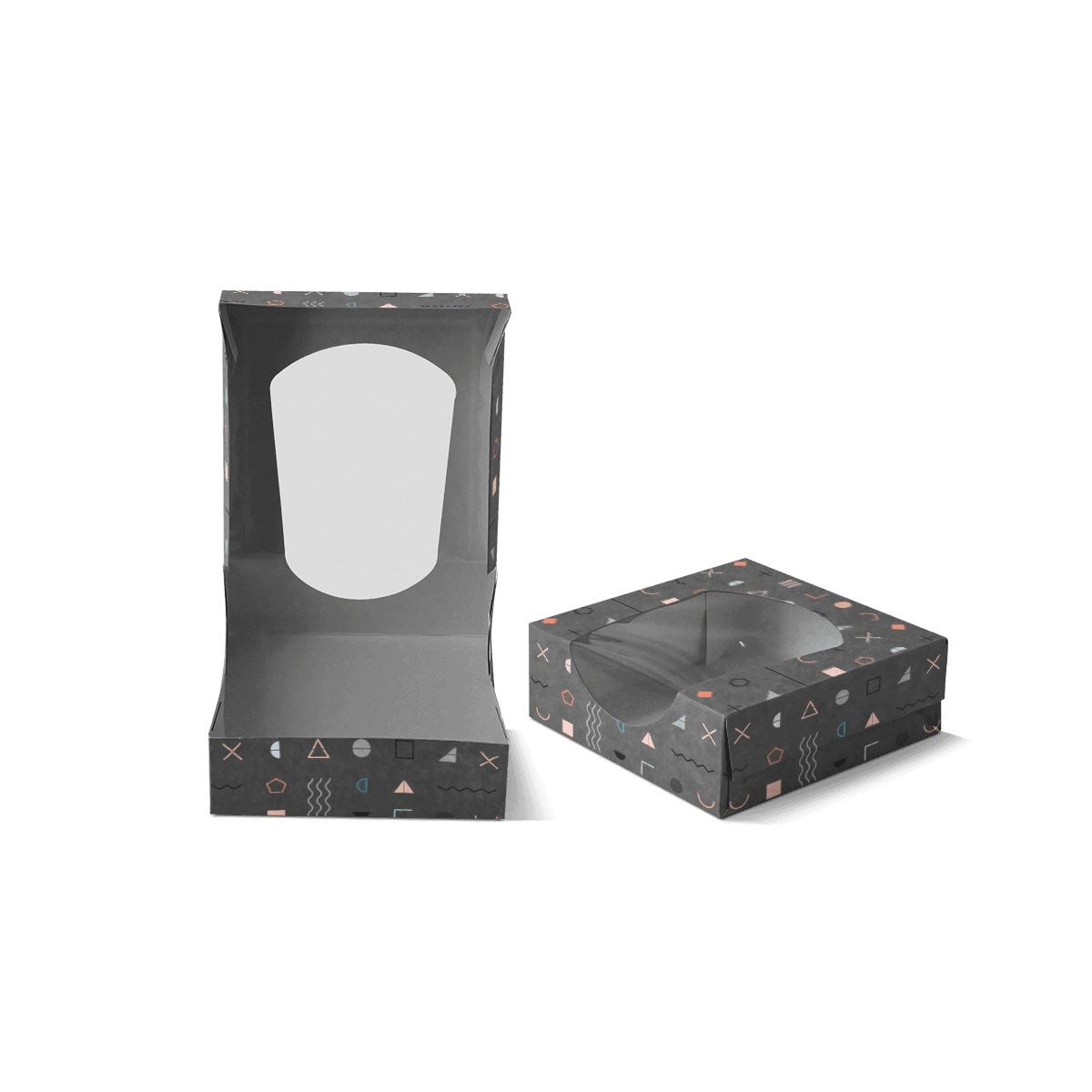
Windowed folding cartons can accommodate different cutout shapes and transparent patching where the intended construction supports them.

Any transparent material must be assessed according to its actual function. A viewing patch does not automatically establish food-contact suitability or the required barrier performance.

Opaque Retail Presentation

A fully printed carton may be more appropriate when product visibility offers little practical benefit.

Botanical powders, opaque containers and light-sensitive preparations may not gain anything from a window.

The uninterrupted printed surface can accommodate botanical illustrations, approved ingredient information and clear product identification.

The decision should follow the product's characteristics rather than a preference for one decorative style.

Botanical Claims and Labeling

Herbal products do not all fall under the same US labeling requirements.

An herbal tea marketed as a conventional beverage may be subject to different requirements from a botanical dietary supplement. A topical preparation may be regulated differently again, depending on its intended use and claims.

FDA states that herbs and other botanicals can qualify as dietary ingredients, but a product must meet the applicable dietary supplement definition and labeling requirements to be marketed as a dietary supplement.

The brand must establish the correct regulatory classification and supply approved labeling before carton artwork is finalized.

Botanical Supplement Information

A botanical dietary supplement generally requires the applicable Supplement Facts panel and other mandatory labeling statements, subject to relevant exemptions.

These may include the statement of identity, net quantity, ingredient information and the responsible business's name and place of business.

The product's approved labeling determines the exact content and presentation requirements.

An herbal supplement should not automatically use the same printed layout as a conventional herbal tea or a topical balm.

The carton dimensions must accommodate the applicable information without compromising required formatting.

Claims and Disclaimers

Botanical imagery and natural-looking packaging do not establish that a product has a particular health benefit.

Health claims, nutrient content claims and structure/function claims are subject to different FDA requirements.

For dietary supplements, applicable structure/function claims require substantiation, FDA notification and the prescribed disclaimer.

The brand is responsible for approving its product claims and ensuring that the finished labeling meets the applicable requirements.

Custom Packly's free artwork and prepress review can help identify printing and layout issues. It does not constitute regulatory approval.

Organic and Natural Wording

Kraft paperboard and botanical illustrations may create a natural-looking presentation, but they do not establish the product's ingredients, cultivation methods or certification status.

An organic claim must be supported under the applicable USDA National Organic Program requirements.

The packaging should distinguish the brand's visual identity from its verified product attributes.

Unsupported claims about ingredient origin, purity, sustainability or certification should not be introduced through decorative copy.

Natural-Looking Stock With Readable Print

Kraft paperboard and white SBS stock can produce very different results for herbal packaging.

The material should support the approved artwork, the product's weight and the intended retail environment.

A natural appearance may suit the brand, but it should not come at the expense of readable text or suitable carton stiffness.

Kraft Paperboard

Kraft stock offers a brown paper appearance that can complement botanical illustrations and restrained printing.

Its underlying color affects the appearance of printed inks.

Fine text and low-contrast graphics may be harder to reproduce effectively than on a bright white surface.

For a carton carrying extensive ingredient information, assess the actual contrast before approving the artwork.

Kraft should be selected for its material properties and intended appearance, not as proof that the finished packaging is automatically sustainable.

White SBS Stock

SBS paperboard has a smooth, bright surface suitable for fine typography, detailed illustrations and consistent color reproduction.

It can be particularly appropriate for botanical products with extensive labeling or several carefully differentiated variants.

Premium offset printing can reproduce detailed artwork on suitable paperboard.

A coordinated herbal line may use the same botanical illustration style across its products while retaining distinct product names and identifying characteristics.

Finishing and Material Choices

Matte coatings can complement a restrained botanical appearance. Gloss finishes may suit brands using brighter artwork or more prominent product photography.

Foil, embossing and debossing can emphasize selected design elements where the commercial presentation warrants them.

Decorative treatments should not interfere with required text, barcode readability or variable coding areas.

Custom Packly supports eco-friendly packaging options and recyclable materials where suitable for the intended construction.

The recyclability of a finished carton depends on its actual materials, coatings, adhesives and local recycling arrangements.

Packing Herbal Powders and Balms

Powdered botanical products and topical balms need different secondary packaging arrangements even when both are presented as part of one herbal brand.

Powders may arrive in sealed sachets, bags or jars. Balms commonly use jars, tins or tubes.

The primary container determines the packing method and the structural requirements of the outer box.

Sealed Powder Packs

A carton containing powdered herbs should be developed around the sealed primary pack.

Its internal dimensions must account for the filled shape and any projecting heat-sealed edges.

A flexible pack that fits easily when empty may occupy substantially more space after filling.

The carton should permit insertion without excessively compressing the contents or interfering with the seal.

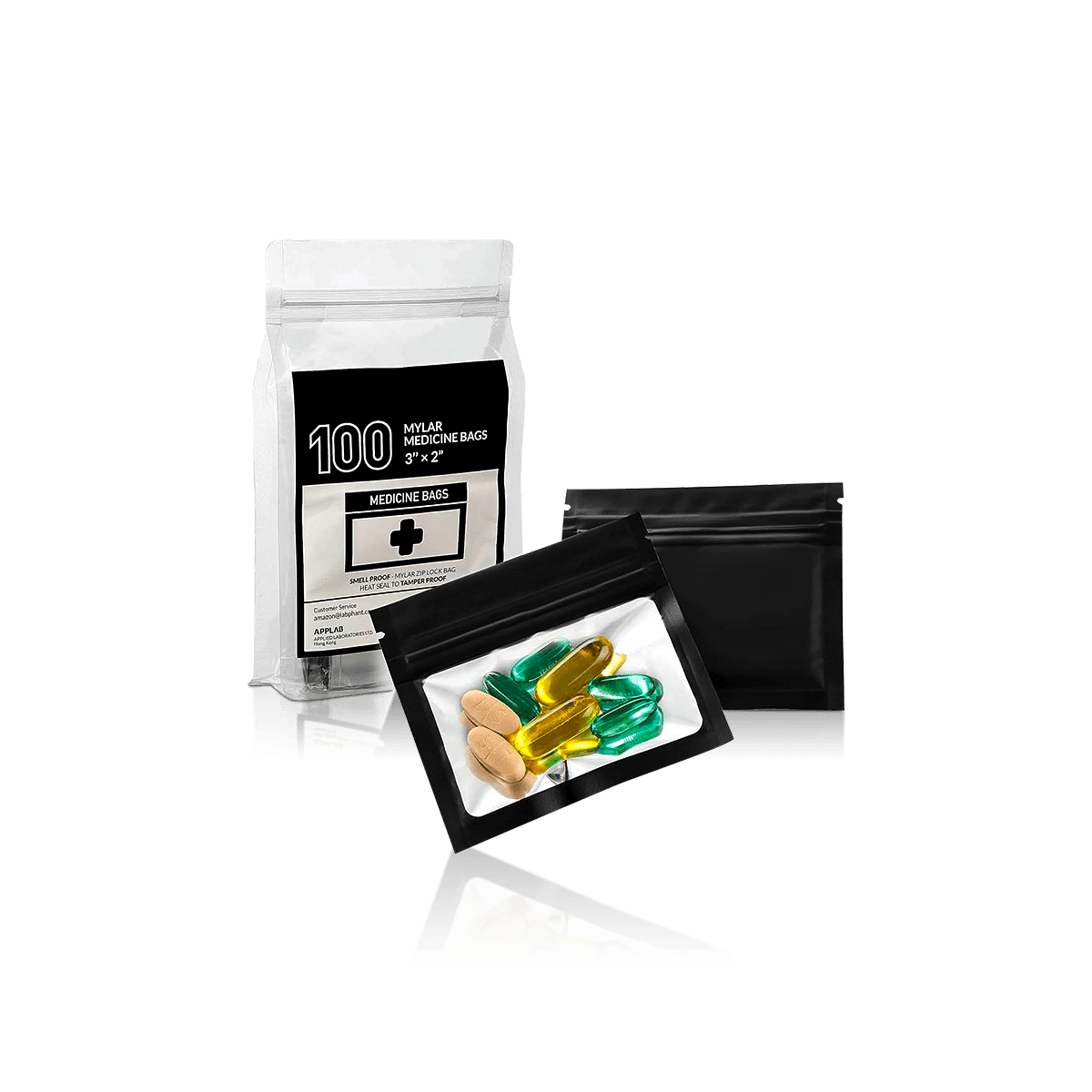
Where the primary pack is a pouch, supplement Mylar bags may be appropriate for botanical products marketed as dietary supplements, provided the selected construction meets the actual product requirements.

Balm Jars and Tins

A balm jar has a different load distribution from a flexible pouch.

Its cap or lid may establish the maximum dimensions, while the base determines how the weight rests inside the carton.

A compact folding carton may provide sufficient support for a lightweight container.

A heavier glass jar may require additional attention to the bottom construction.

The carton should allow the jar to be removed without forcing the customer to pull on a lid that may loosen during handling.

For topical herbal products, the primary container must be appropriate for the formulation and its intended use.

Retail Packing and Distribution

Herbal packaging should accommodate the way the finished products are assembled, stored and sold.

A tea carton containing individually wrapped sachets can be packed differently from a tincture carton holding a glass bottle.

Flat-packed cartons can reduce storage requirements before assembly, but their construction must suit the intended filling operation.

Manual Carton Assembly

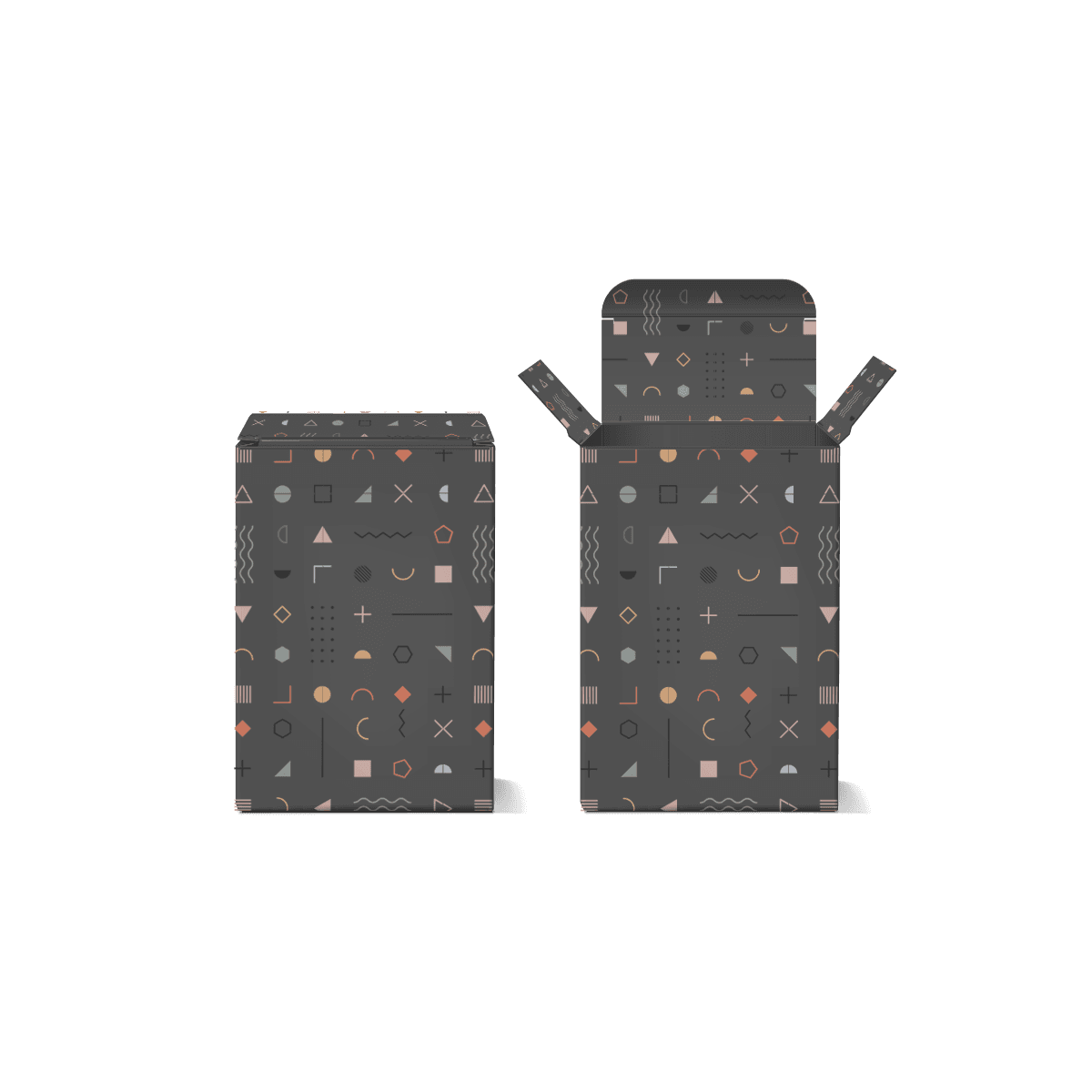
For smaller herbal product runs, a conventional tuck-end carton can support straightforward manual packing.

The operator erects the carton, inserts the sealed product and closes the flaps.

The opening should have sufficient clearance for the actual container without requiring excessive force.

Custom Packly's free design and dieline support can help establish a practical assembly arrangement.

For a new structure, a physical sample may be appropriate when the packing sequence cannot be assessed reliably from a digital proof.

Retail and Ecommerce

A carton that performs well on a retail shelf may need additional protection during parcel distribution.

Glass tincture bottles introduce different handling risks from lightweight tea sachets.

A separate mailer box may be suitable for certain direct-to-consumer shipments, depending on the product's weight, fragility and packed arrangement.

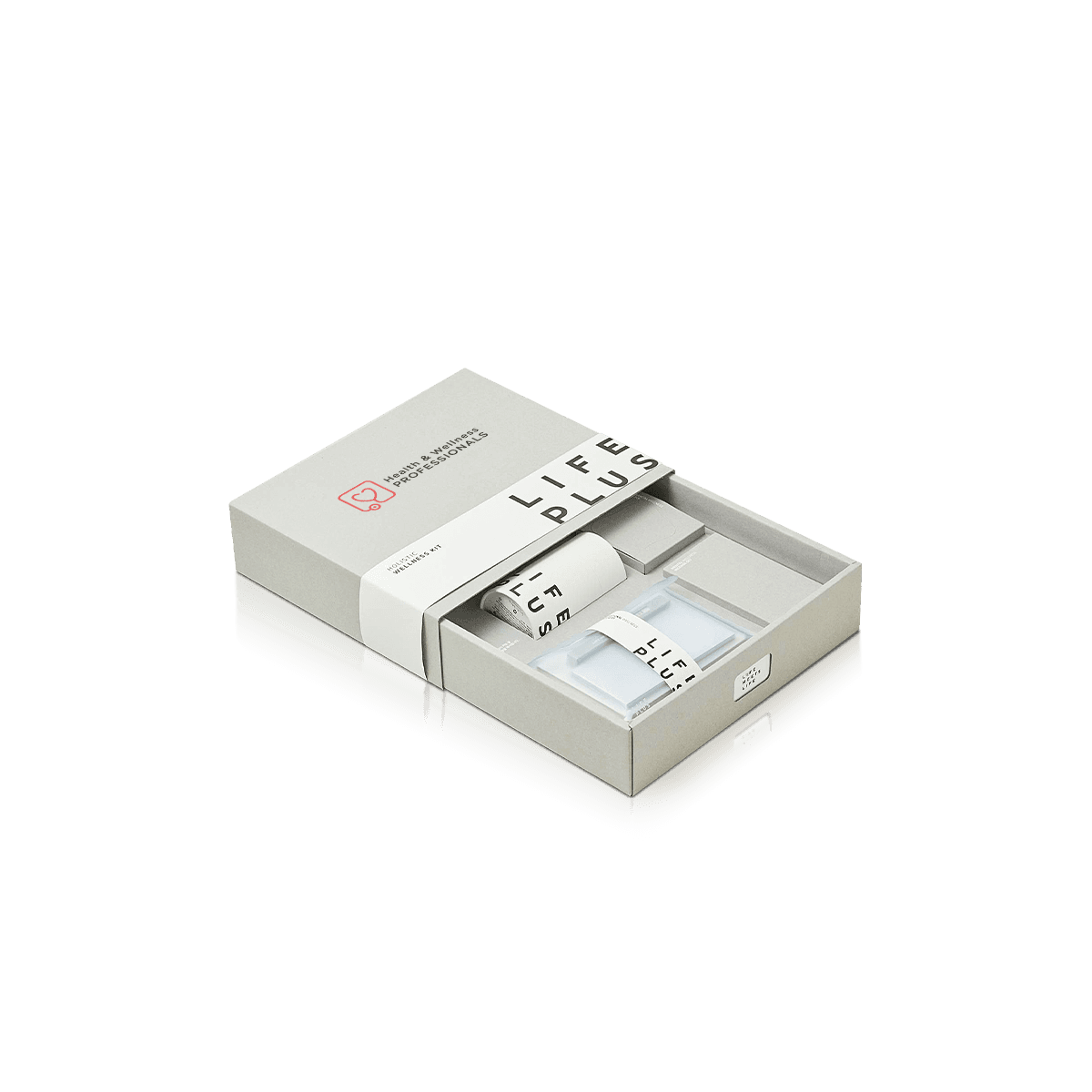
Where several herbal products are sold together, wellness kit boxes can organize the individual products in a coordinated presentation.

The selling arrangement should determine whether the business needs individual cartons, a combined kit or both.

Production for Herbal Product Lines

Herbal businesses often need different cartons for tea blends, bottled extracts and topical preparations.

Those products may share branding, but their physical packaging and approved artwork requirements can differ substantially.

The commercial decision should establish which cartons can share a construction and which require separate specifications.

Product-Specific Quantities

A shared botanical identity does not require every product to use the same box size.

A small dropper bottle and a larger tea pouch should not be forced into one oversized carton merely to simplify purchasing.

Where several products share the same primary-container dimensions, a common structural dieline may be appropriate.

Printed artwork can then distinguish the products according to their approved specifications.

Custom Packly's USA MOQ starts from 100 boxes. Instant pricing is supported, with custom specifications reviewed where necessary.

Herbal packaging pricing should account for the intended carton construction, primary container, print requirements and quantities for each design.

Artwork and Production

Botanical artwork may contain fine illustrations, muted colors and substantial product text.

A digital proof helps confirm the final layout, supplied wording, barcode placement, bleed and fold positions.

Free 3D mockups can also help assess the assembled presentation before production.

Custom Packly supports US production, premium offset printing and free shipping.

The standard turnaround is 4–6 days after final artwork and specifications are approved. Complex structures, specialty finishes or fully custom physical sampling may require additional time.

Free examples of previous packaging work can help assess material and print quality. An exact custom physical sample may be arranged as a paid sample.

Botanical Variants Across Harvests

Botanical products may change in ways that affect their approved labeling without changing the exterior dimensions of the carton.

A supplier change, revised formulation or different preparation may require the brand to review the product information before using existing packaging.

This is particularly important for products whose identity depends on a specific plant part, extract concentration or ingredient composition.

Ingredient and Blend Revisions

A botanical blend may retain its commercial name while its approved ingredient information changes.

An existing carton should not be reused automatically if its printed content no longer corresponds to the finished product.

The brand should establish which artwork version applies to each product.

Structural specifications can remain unchanged where the primary container and packing requirements are unaffected.

Variable Lot Information

Some herbal product programs require variable lot, batch or date markings.

Their position should be established before the finishing specification is approved.

The actual coding method must be compatible with the selected printed surface.

A heavily coated panel may behave differently from an uncoated coding area, so the intended marking process should be confirmed.

For larger repeat orders, Custom Packly's warehousing and scheduled delivery support can help coordinate carton supply with the brand's production requirements.

Let the Product Define the Presentation

The strongest herbal packaging choice depends on what the customer receives and how the product will be used.

A box of individually wrapped tea bags may remain on a kitchen shelf until the final serving is removed. Its opening, dispensing space and reclosure therefore matter.

A tincture carton may serve primarily as a retail presentation and protective outer pack before the bottle is removed.

A sealed botanical powder pouch may already perform its containment, labeling and handling functions without needing an additional box.

These products can share a recognizable visual identity without sharing the same physical construction.

The final carton should reflect the botanical preparation, its approved labeling, the primary container and the intended selling environment.

That produces a more coherent herbal product line than applying the same green artwork and box structure to every preparation.

FAQs

Products with glass bottles, detailed instructions, fragile components or several variant strengths often benefit the most. The carton gives them more structure, clearer communication space and better shelf separation.

No. A tincture bottle, a tea sachet set and a balm jar all place different demands on the pack. The right board choice depends on weight, insert needs, display goals and how the product moves through shipping or retail handling.

Boxes are usually the better fit when the product needs a more stable shelf face, more structured presentation or support around bottles and inserts. Mylar bags tend to work better for refillable powders, loose blends or lighter flexible formats where barrier performance and lower bulk matter more.

The cleanest systems use repeatable layout rules with controlled color changes, clear variant naming and consistent placement for size or potency details. That keeps the full line recognizable while reducing shelf confusion.

Not always. A window can help with teas, sachets or visually appealing dry blends, but some herbal items look better in a fully printed carton when light protection, cleaner branding or privacy matters more than product visibility.

Process

How it works

Your Packaging Journey, From Idea to Production and Delivery

01

Tell Us Your Specs

Custom packaging boxes

Tell Us Your Specs

Provide size, quantity, printing, and finishes.

02

Get a Fast Quote

Custom packaging boxes

Get a Fast Quote

Instant transparent pricing, no hidden fees.

03

Design and Approval

Custom packaging boxes

Design and Approval

Artwork checks, revisions, and final sign-off.

04

Produce

Custom packaging boxes

Produce

Expert manufacturing to meet deadlines.

05

Ship to Your Door

Custom packaging boxes

Ship to Your Door

Hassle-free, flexible delivery options.

Get Your Quote for Custom Herbal Product Boxes

Share your product details, size, quantity and artwork needs. We’ll help choose the right packaging style and send a clear quote.