Skip to content
Details

Custom Nutraceutical Boxes

Custom printed packaging for functional nutrition blends, powder tubs and single-serve products, with controlled pack counts, practical carton construction and space for approved labeling.

Map the Nutraceutical Selling Unit

A functional nutrition blend may be sold in a large powder tub, a carton containing 30 individual sachets or a compact trial pack. The formulation may be identical, but each selling unit creates a different packaging requirement.

Custom Nutraceutical Boxes give sealed nutrition products a structured outer pack for retail presentation, product identification and organized handling.

The important distinction is between the formulation, its primary container and the finished unit the customer purchases.

A powder tub generally needs a carton capable of accommodating its filled weight and closure. A daily sachet program requires a different construction because the carton must contain a defined number of flexible individual packs.

A trial product may need another arrangement that accommodates a smaller quantity without creating unnecessary empty space.

Custom Packly supports made-to-order dimensions, structural guidance and printed paperboard cartons that follow the actual product and its intended packing process.

Establish the Selling Unit

The selling unit determines the carton contents, dimensions and printed quantity statements.

For a single-container product, the retail unit may consist of one sealed tub or bottle inside a carton.

For a sachet product, it may consist of several individually sealed servings.

A multi-flavor assortment introduces another consideration: the carton must accommodate the intended quantity of each flavor without creating an arrangement that is difficult to pack consistently.

The approved serving size and number of servings should not be inferred from the number of individual packages. Those quantities must correspond to the actual product specification.

Separate Samples From Retail Packs

A trial pack has different priorities from a full-size nutraceutical product.

A small number of sachets may need a compact carton with enough printed space for the applicable labeling. An individually wrapped sample may not need an additional box at all.

The packaging decision should account for the actual sample contents, intended distribution method and applicable labeling requirements.

For an initial product launch, a straightforward structure can also reduce unnecessary assembly work before demand and the final assortment are established.
Classification Changes the Carton

Nutraceutical is a commercial term used for products associated with nutrition and wellness. It does not, by itself, establish a product's FDA regulatory classification.

In the United States, a nutraceutical product may be marketed as a dietary supplement, conventional food or another regulated product, depending on its characteristics and intended use. Its claims also affect the applicable regulatory requirements.

That decision has a direct effect on carton artwork.

For example, a powdered nutrition blend marketed as a dietary supplement may require a Supplement Facts panel, while a conventional food product may require Nutrition Facts labeling.

The product's regulatory classification should therefore be established before the carton artwork is finalized.

Dietary Supplement Products

Capsules, softgels, powders and other nutritional preparations may qualify as dietary supplements when they meet the applicable statutory definition.

Their packaging must accommodate the appropriate labeling, including required product identification, ingredient declarations and nutrition labeling, subject to applicable exemptions.

A compact capsule carton and a larger powder carton may have different space requirements even when both products are sold under the same brand.

The approved product information should determine the printed panel arrangement.

Conventional Functional Foods

A nutrition brand may also sell conventional food products containing ingredients associated with wellness.

The packaging must follow the regulatory requirements applicable to the actual product.

An outer carton developed for a dietary supplement should not automatically be reused for a conventional food product simply because the products share branding.

The brand must supply and approve the correct labeling for each product. Custom Packly's artwork and prepress support addresses print production and layout, not regulatory classification or approval.

Cartons for Single-Serve Powders

Individual powder sachets are convenient for products sold in premeasured portions, but their flexible construction affects how they occupy an outer carton.

A group of sachets does not behave like a rigid bottle. Sealed edges, fill distribution and orientation influence the actual packed dimensions.

For a nutraceutical product sold as individual servings, the carton should accommodate the complete intended count without forcing the contents into an unnecessarily tight space.

Sealed-Edge Clearance

A sachet's overall dimensions include its sealed perimeter.

The sealed edges may be stiffer than the filled body and can catch against carton flaps during insertion.

A stack should therefore be assessed using the finished sachets rather than measurements taken from an empty pouch.

The internal dimensions must accommodate the maximum packed thickness and leave sufficient clearance for the intended loading method.

A carton that requires excessive compression to accommodate its contents may place unnecessary pressure on the primary-pack seals.

Daily Serving Access

Some single-serve products are intended to remain in their cartons until the final sachet is removed.

The opening should accommodate that use.

A conventional tuck-end construction may be sufficient for products that are removed through the top. Where a dispensing opening is appropriate, its position must allow individual packs to be retrieved without damaging their seals.

The choice depends on how the sachets are arranged and the access method approved for the product.

An opening intended for convenient dispensing should not compromise any required security feature.

Powder Tubs and Larger Containers

Not every nutraceutical requires a compact carton.

Protein blends, powdered greens and other nutritional preparations may be sold in large tubs or canisters. Their filled weight can make the outer box substantially more demanding than a carton containing a small number of sachets.

The first question is whether the primary container needs an additional retail carton.

A large printed tub may already have sufficient surface area for its approved product information and intended retail presentation.

When an additional box performs a practical function, folding cartons can be specified around the container's finished dimensions and weight.

Bottom Load

A heavier tub places a concentrated load on the carton base.

The paperboard, bottom construction and internal dimensions should be assessed together.

A standard tuck bottom may be appropriate for some containers. Others may justify an auto-lock or another suitable reinforced construction.

The decision should follow the filled weight and intended handling conditions.

Increasing paperboard caliper without considering the bottom geometry does not automatically resolve a load-bearing problem.

Container Removal

A close-fitting tub may be difficult to remove if the carton has no practical clearance.

The container's shoulder, lid and external label can affect its maximum dimensions.

Custom sizing should accommodate the finished container while avoiding unnecessary empty space.

A physical fit check may be appropriate for a new construction, particularly where the container is heavy or has a projecting closure.

Separate Barrier From Presentation

Secondary paperboard packaging should not be relied upon to preserve the stability of a nutraceutical formulation.

The primary container must meet the actual product's barrier and storage requirements.

Those requirements may involve moisture, oxygen, light or temperature sensitivity, but the necessary performance depends on the formulation and its validated storage conditions.

An outer carton can support handling, identification and ordinary physical protection. Its contribution to product stability should not be assumed without appropriate evidence.

Sensitive Formulations

Some nutritional products contain ingredients with particular storage requirements.

For example, the manufacturer of a probiotic supplement may specify particular conditions for maintaining the product throughout its intended shelf life.

The relevant requirements must come from the manufacturer's validated formulation and packaging specifications.

The carton should accommodate any approved storage statements without suggesting that the printed paperboard itself controls temperature or humidity.

FDA dietary supplement manufacturing requirements also address appropriate holding conditions for products, packaging and labels.

Flexible Primary Packs

A sealed flexible pack may be preferable when the formulation requires barrier properties that an ordinary paperboard carton cannot provide.

The selected film, seals and closure must be appropriate for the product.

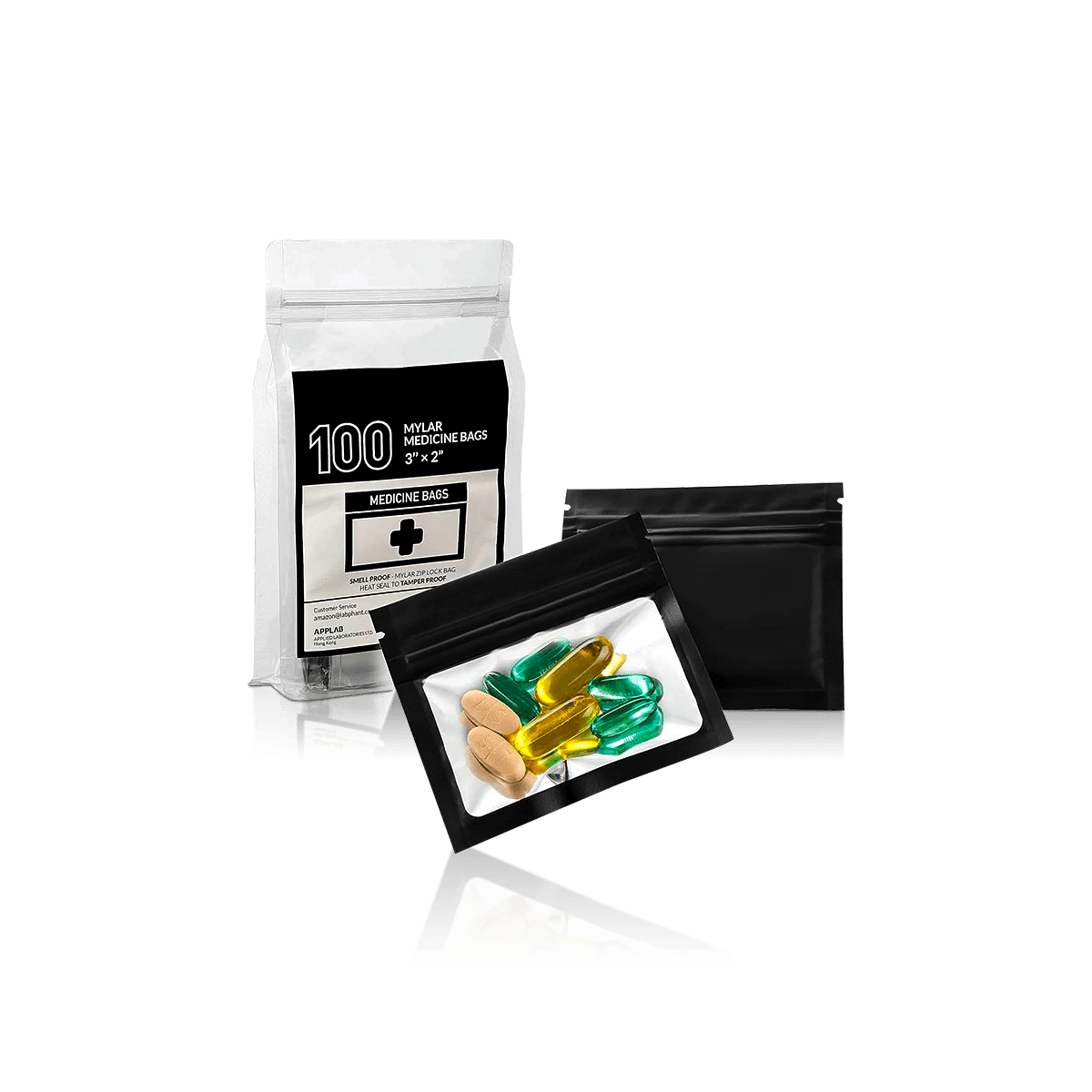
For suitable powder products, supplement Mylar bags may serve as the primary packaging, with an outer carton added only where it performs another necessary function.

The final arrangement should reflect the product's stability requirements and intended selling environment.

Print the Approved Product Identity

Nutraceutical artwork often needs to accommodate product identity, formulation information, serving statements and substantial ingredient text.

The exact content depends on the product's regulatory classification.

For dietary supplements, FDA labeling rules generally require a statement of identity, net quantity, nutrition labeling, ingredient declaration and identification of the responsible business, subject to applicable requirements and exemptions.

A nutraceutical carton should be developed around the approved text rather than reducing required information to accommodate the preferred graphic design.

Supplement Facts Space

A multi-ingredient dietary supplement may require more printed space than a straightforward single-ingredient product.

The Supplement Facts panel must follow the applicable FDA requirements.

The finished panel dimensions, formatting and surrounding information must be established using the actual approved labeling.

An outer carton can provide additional printed surfaces, but it should not be assumed that every small carton qualifies for reduced-size labeling provisions.

The brand remains responsible for confirming the applicable requirements.

Nutrition Facts Space

For products regulated as conventional foods, Nutrition Facts and other applicable food-labeling requirements must be addressed.

The correct panel should be established before the printer receives the final artwork.

The FDA identifies differences between Nutrition Facts and Supplement Facts, including the treatment of certain dietary ingredients and their declarations.

The two panels should not be treated as interchangeable graphic elements.

Claims and Disclaimers

Nutraceutical branding frequently emphasizes particular ingredients or nutritional characteristics.

Any product claim must be approved and substantiated according to the applicable requirements.

Health claims, nutrient content claims and structure/function claims are subject to different rules.

The carton artwork should preserve the correct placement of any required accompanying statement.

Custom Packly can review supplied artwork for print readiness, panel placement and reproduction quality. It does not independently validate the underlying health claims.

Organize the Packing Sequence

The physical packing operation can determine whether a nutraceutical carton is practical for repeated production.

A box containing flexible sachets may require a different loading method from one containing a large tub or a smaller bottle.

The intended assembly process should influence the selected structure.

Flat Carton Assembly

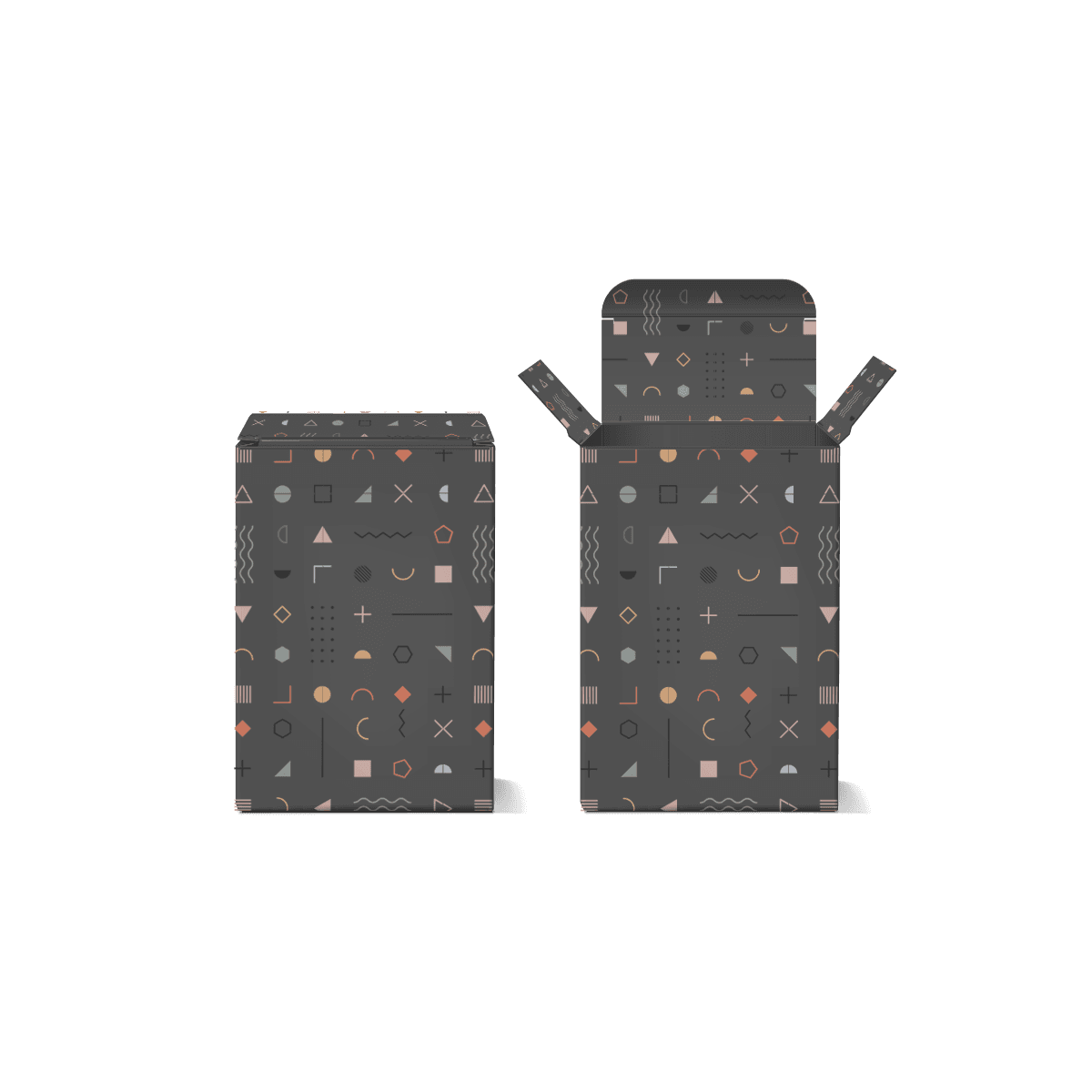
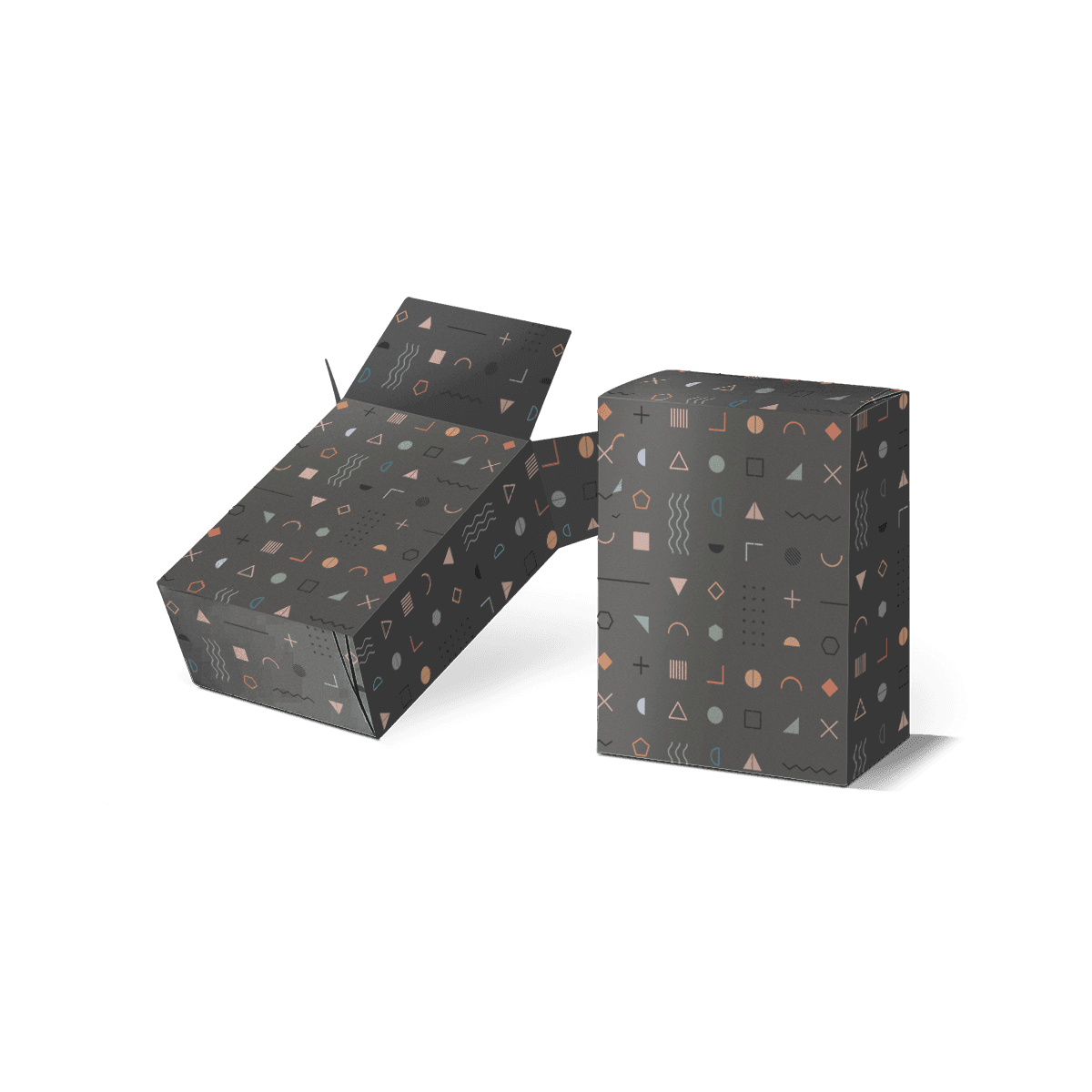
Folding cartons can arrive flat and be erected before filling.

For manual packing, a straightforward tuck-end construction may be sufficient.

The operator should be able to form the carton, insert the intended contents and close the flaps without repeatedly adjusting the product.

For a carton holding individual sachets, the opening must accommodate their intended orientation.

A tight opening can make an otherwise suitable carton inefficient to fill.

Automated Cartoning

Automated packing requires a more predictable arrangement.

The carton blank, loading direction and closure must be compatible with the actual equipment.

A sachet stack that can be adjusted during manual packing may need a more controlled presentation for machine insertion.

The contract packer should establish any equipment-specific requirements before the carton is finalized.

Custom Packly's free design and dieline support can help develop the appropriate paperboard construction around the supplied packing requirements.

Material Selection for Nutrition Cartons

Paperboard selection affects carton stiffness, print reproduction and converting behavior.

The appropriate material depends on the product's weight, carton dimensions and intended appearance.

White Paperboard

SBS paperboard offers a smooth white surface suited to detailed graphics and fine typography.

It can be particularly appropriate for nutraceutical cartons carrying substantial ingredient information or complex branded artwork.

Board caliper should be selected according to the finished construction and load rather than a universal thickness recommendation.

Kraft Paperboard

Kraft stock may suit brands seeking a natural-looking paper appearance.

Its underlying color affects printed inks, particularly lighter shades and low-contrast text.

The artwork should account for those differences rather than assuming that a design prepared for white paperboard will reproduce identically on kraft.

Custom Packly supports eco-friendly packaging options and recyclable materials where appropriate.

The recyclability of the finished carton depends on its actual material combination, coatings, adhesives and local recycling arrangements.

Distinguish Functional Nutrition Variants

Nutraceutical products may share a brand identity while differing in formulation, flavor, serving size or intended preparation.

Their packaging should make those differences recognizable without relying entirely on color.

A product sold in two flavors may use the same carton construction but require separate approved artwork.

A different formulation may also require changes to the ingredient declaration or nutrition labeling.

Formula Identification

The principal identifying surfaces should distinguish each finished product.

A customer should not need to inspect several small secondary panels to determine which formulation they are purchasing.

The brand may establish a consistent visual hierarchy while reserving clearly identifiable positions for product-specific information.

Strength, ingredient quantity and other declared characteristics must correspond to the approved product specification.

Count and Serving Differences

A product sold in several pack quantities needs accurate identification of each selling unit.

For example, a carton containing 15 sachets and one containing 30 sachets may use similar artwork.

However, their quantities and any applicable servings-per-container statements must correspond to the actual product.

The brand should confirm the approved serving information rather than assuming that one individual sachet always represents one serving.

Retail Packs and Combined Sets

A single-formula retail carton and a multi-product wellness set perform different packaging jobs.

The first contains one finished selling unit. The second organizes several products or components that are intended to be purchased together.

For a single nutraceutical product, the outer carton should be proportionate to its primary container and intended count.

For a set containing several distinct nutritional products, the internal arrangement becomes more important.

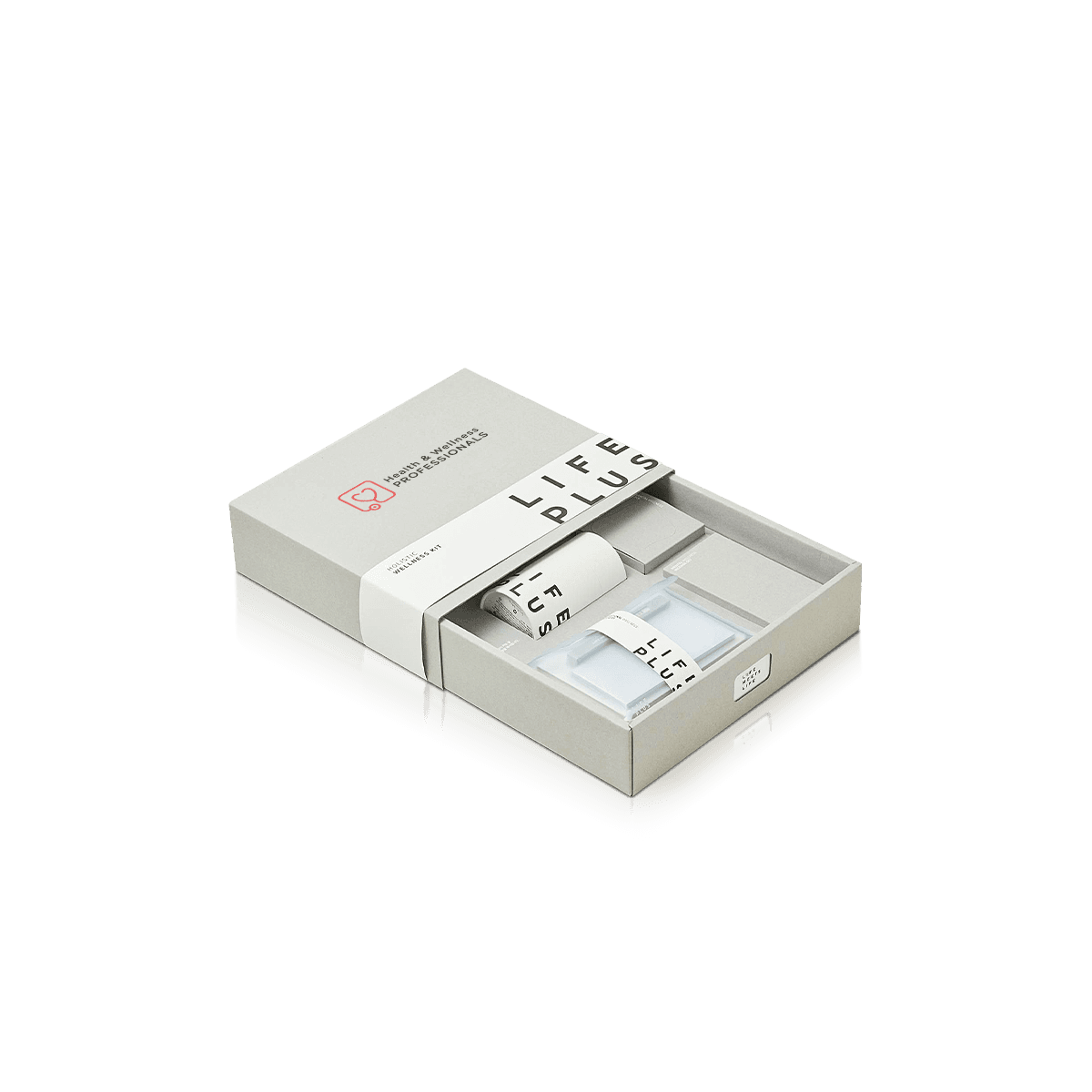
Wellness kit boxes can organize multiple products in one presentation where the combined selling unit requires separate cavities or fitments.

The decision should account for the actual contents.

Adding an insert to a single bottle carton may be unnecessary. Combining several differently sized products without internal restraint can create avoidable movement and handling difficulties.

Distribution Beyond the Retail Shelf

A nutraceutical carton may be sold individually, packed into wholesale cases or shipped directly to customers.

These routes create different handling conditions.

A paperboard retail carton can support product identification and ordinary shelf handling, but it is not automatically suitable as a standalone parcel shipper.

For direct-to-consumer orders, a suitable external shipping package may be necessary to protect the finished retail unit.

The shipping arrangement should reflect the actual product weight and fragility.

Glass bottles may require additional restraint or cushioning. A lightweight carton of sealed powder sachets may have different protection requirements.

For wholesale distribution, the number of retail units per case affects the case dimensions and packing arrangement.

The carton should remain identifiable and retain its intended shape throughout the applicable handling process.

Price the Complete Selling Unit

The cost of nutraceutical packaging should be assessed against the complete unit being sold.

A simple carton containing one bottle differs from a carton holding multiple individually sealed sachets.

The structural specification, board selection, printing and any internal components influence the manufacturing requirements.

A multi-product line may also require separate quantities for each artwork version.

Custom Packly's USA minimum order quantity starts from 100 boxes. Instant pricing is supported, with custom specifications reviewed where necessary.

The actual selling unit establishes the starting point for nutraceutical packaging pricing.

That establishes whether the project needs a single-container carton, a counted sachet pack or a more complex internal arrangement.

Custom Packly supports US production, free shipping and a standard 4–6 day turnaround after final artwork and specifications are approved. Complex structures and specialty finishes may require additional time.

Free 3D mockups can help assess the assembled presentation before production. Free examples of previous packaging work are also offered, while fully custom physical samples may be paid.

Coordinate Formula and Carton Releases

Nutraceutical brands may introduce new formulations, serving quantities or flavors without changing their overall visual identity.

Those changes can affect carton artwork, internal dimensions or both.

A new formulation may require revised labeling while retaining the existing carton construction.

A different number of sachets may require a new carton depth even if the printed brand design remains substantially unchanged.

The production specification should distinguish structural changes from artwork-only changes.

Artwork Revision Control

Each nutraceutical product should have the correct approved artwork associated with its intended selling unit.

A revised formulation must not be packed in a carton carrying obsolete ingredient information.

Where the physical carton remains suitable, only the printed design may need to change.

Custom Packly's artwork and prepress review can check the supplied production files. Approval of formulation-specific statements remains the brand's responsibility.

Packaging Supply

For larger recurring programs, producing every carton in a single release may create unnecessary storage demands.

Custom Packly's warehousing and scheduled deliveries can support suitable repeat orders.

This can help coordinate packaging supply with the intended production requirements without requiring the full order to enter the customer's facility at once.

The arrangement should distinguish each approved carton specification and artwork version.

Match the Carton to Consumption

A nutraceutical carton may remain in use throughout the product's consumption period or be discarded immediately after the primary container is removed.

That difference should influence the final construction.

For daily sachets, the opening may need to remain convenient throughout the intended use. A dispensing arrangement can be valuable when customers repeatedly remove individual packs.

For a large powder tub, the outer carton may serve primarily as retail presentation and initial handling protection.

A bottle-only product may not need an additional carton if its primary container already satisfies the applicable labeling, presentation and handling requirements.

The appropriate packaging is the arrangement that supports the actual product without adding unnecessary material or packing operations.

For a functional nutrition product sold in several quantities, the final carton should make the selling unit clear, accommodate its sealed contents and remain practical for the intended use.

FAQs

They work best for wellness products that need more structure or more communication space than the primary pack can provide on its own. That often includes bottles, blister cards, gummy jars, stick packs and small bundle formats.

The cleanest system uses a shared layout with controlled changes in color, count placement and formula naming. That keeps the range connected without making neighboring SKUs hard to tell apart.

Nutraceutical Boxes are usually the better fit when the line covers broader wellness categories such as gummies, powders, capsules, performance blends or mixed-format kits. Vitamin Boxes tend to be a tighter match for more traditional daily vitamin products and simpler retail ranges.

Yes. They can be planned for shelf visibility in retail and for steadier grouping in subscription shipments where multiple products or replenishment cycles need a neater presentation.

Add them when the pack includes glass bottles, sample combinations, educational material or multiple small components. Internal support helps keep the contents orderly and makes the carton easier to open and restock.

Process

How it works

Your Packaging Journey, From Idea to Production and Delivery

01

Tell Us Your Specs

Custom packaging boxes

Tell Us Your Specs

Provide size, quantity, printing, and finishes.

02

Get a Fast Quote

Custom packaging boxes

Get a Fast Quote

Instant transparent pricing, no hidden fees.

03

Design and Approval

Custom packaging boxes

Design and Approval

Artwork checks, revisions, and final sign-off.

04

Produce

Custom packaging boxes

Produce

Expert manufacturing to meet deadlines.

05

Ship to Your Door

Custom packaging boxes

Ship to Your Door

Hassle-free, flexible delivery options.

Get Your Quote for Custom Nutraceutical Boxes

Share your product details, size, quantity and artwork needs. We’ll help choose the right packaging style and send a clear quote.