Skip to content
Details

Custom Vitamin Boxes

Custom printed vitamin packaging for daily vitamins, multivitamins, tablets, capsules and gummies, with accurate container fit, clear strength identification and practical retail presentation.

Separate Strength From Bottle Count

A vitamin carton must make it easy to distinguish the product, its strength and the amount contained in the package. These are separate pieces of information, and confusing them can cause customers to select the wrong variant.

Consider a vitamin brand selling the same nutrient in several strengths and bottle counts. The cartons may have identical dimensions and nearly identical artwork, but their contents are not interchangeable.

Custom Vitamin Boxes help establish a consistent product identity while giving each vitamin its own recognizable retail presentation.

The strongest approach is to organize the information around how customers identify and select their vitamins, rather than giving the brand logo or decorative graphics all the attention.

Strength Versus Quantity

The amount of a vitamin per serving and the total number of tablets or capsules in the container serve different purposes.

A 60-tablet bottle does not necessarily represent a 60-day supply. That depends on the approved serving size and directions.

The front-panel hierarchy should distinguish the vitamin name, strength and package quantity without implying an unsupported duration of use.

For example, a vitamin brand selling different strengths of vitamin D needs the strength to remain clearly identifiable even when both products use the same bottle and carton.

The approved unit of measurement matters, too. Milligrams (mg) and micrograms (mcg) must not be treated as interchangeable.

Identify Each Vitamin

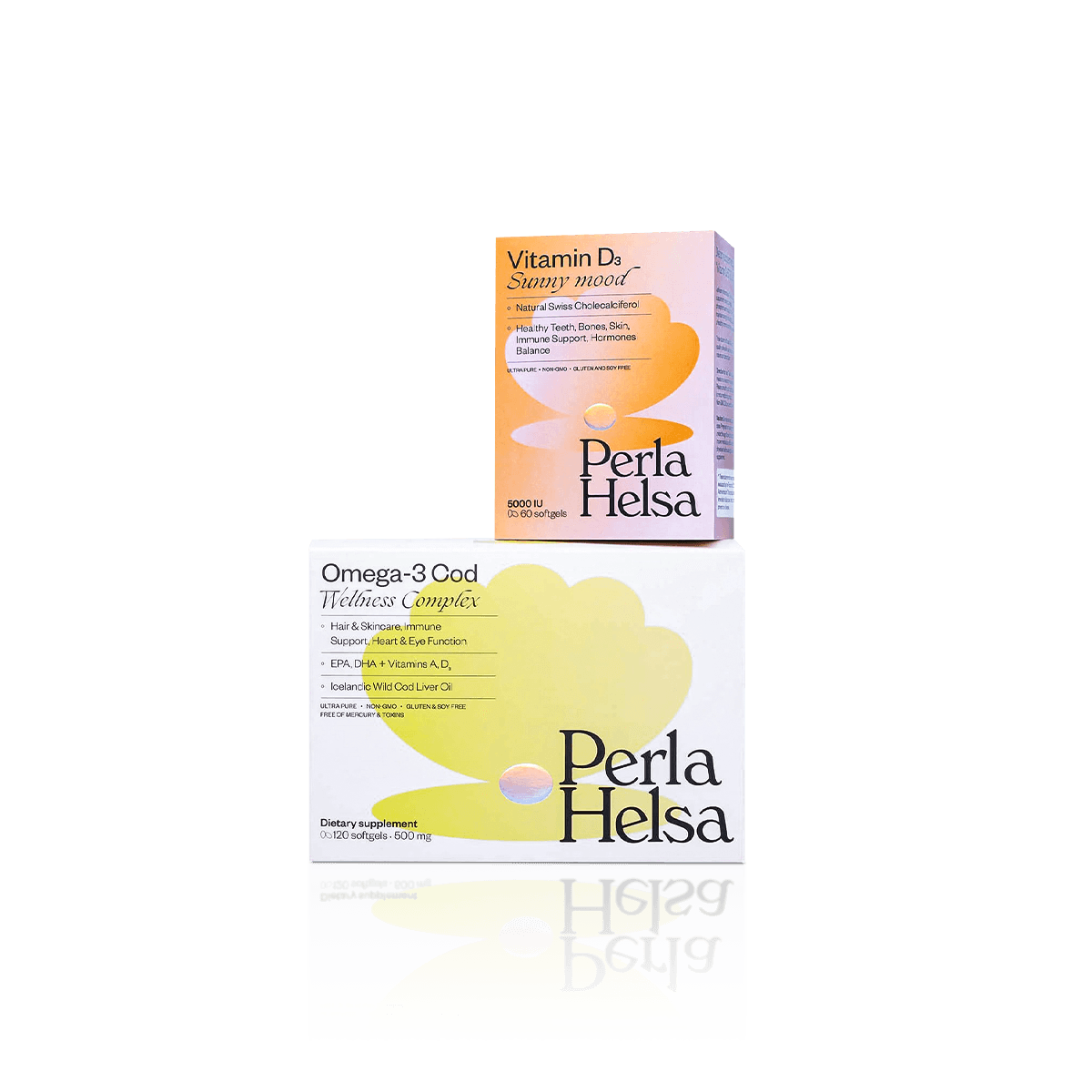
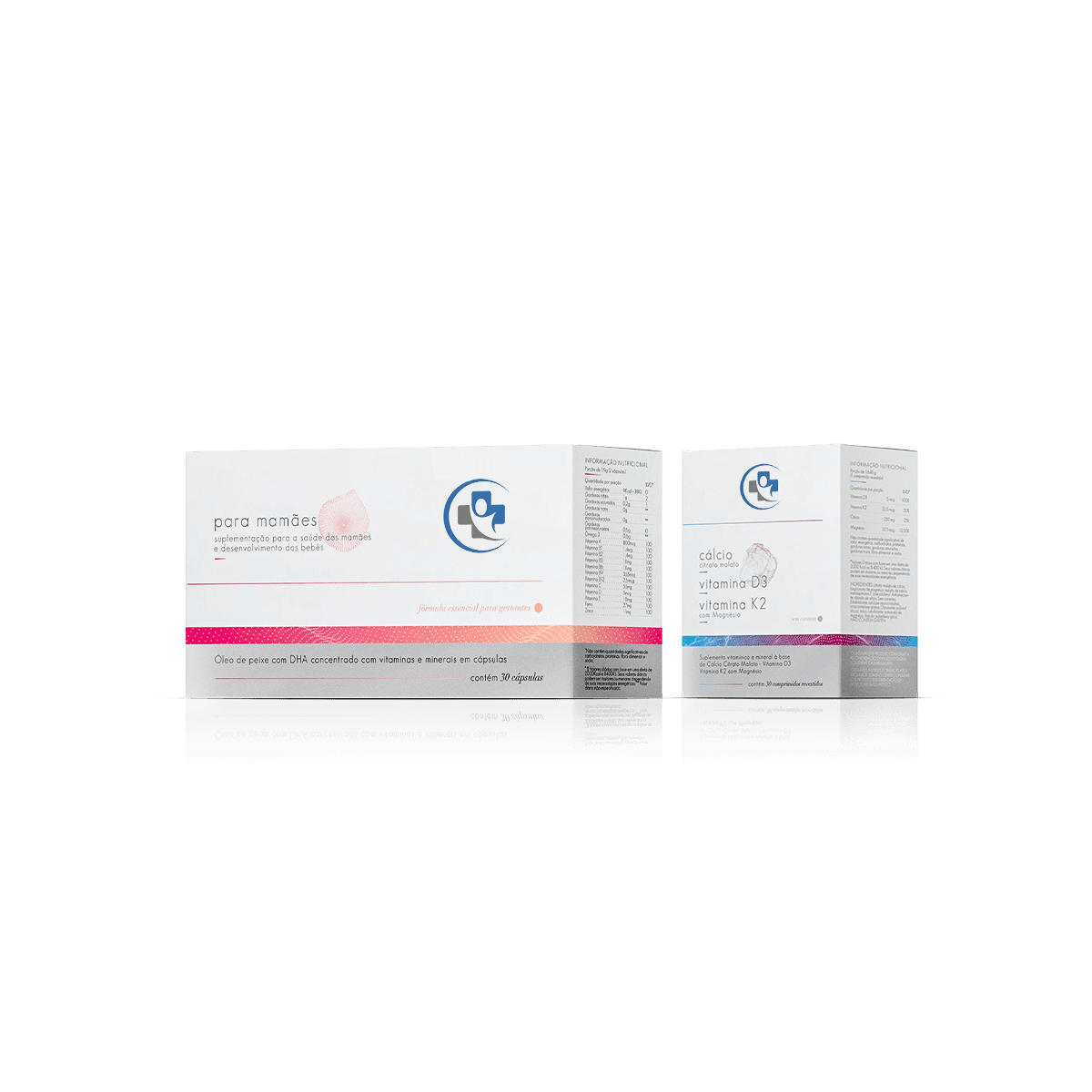
A coordinated vitamin line may include vitamin C, vitamin D, vitamin B12 and multivitamin products.

Using similar typography and carton construction can create a consistent brand identity, but every product still needs unmistakable identification.

Color is helpful as a secondary cue. The printed vitamin name and strength should remain readable independently of the color.

This becomes particularly important when products have similar names, different serving instructions or multiple strengths.
Bottle Geometry for Vitamin Cartons

The finished vitamin bottle determines the carton's internal dimensions. Its nominal capacity does not establish its actual height, diameter or closure profile.

Two bottles with the same tablet count can have different outside dimensions. A larger cap, thicker label or different bottle shoulder may affect how the container enters and sits inside the box.

Custom sizing allows the carton to fit the actual container without creating unnecessary empty space.

Cap and Shoulder Clearance

A bottle's widest point may be its cap rather than its body.

Measure the finished container with its label, closure and any external tamper band in place.

The carton must accommodate those components while leaving enough clearance for loading and removal.

An excessively close fit can cause the cap to catch against the carton walls or create friction against the bottle label. Too much space allows the container to move, making the finished pack feel poorly proportioned.

A small paperboard fitment can help retain a bottle when its shape makes a close rectangular fit impractical.

However, an insert is unnecessary when the carton itself already holds the container adequately.

Custom Packly's free structural guidance and right-sizing support can help establish a practical internal fit before the final dieline is approved.

Real Packing Clearance

A carton that accommodates a bottle on a dimensioned drawing may still be difficult to pack repeatedly.

Consider how the bottle enters the carton, particularly if the filling operation relies on manual packing.

The bottle should pass through the opening without catching on the top flaps. Once inserted, it must sit low enough for the closure to fold normally.

A physical fit check uses the finished, filled and labeled container, not an empty bottle without its final closure.

The correct clearance is sufficient for the intended packing process without allowing excessive movement.

For everyday bottle packaging, folding cartons can combine accurate sizing with efficient flat storage before assembly.

Carton Closures for Daily Vitamins

Daily vitamin packaging usually benefits from a straightforward opening that permits the intended access to the primary container.

The required construction depends on whether the carton is a retail outer pack, remains in use after purchase or is opened during the packing operation.

A conventional tuck-end carton suits many individually bottled vitamins because it is simple to assemble and does not require a complex opening mechanism.

Tuck-End Cartons

A lightweight plastic vitamin bottle will often work with a standard tuck-end construction.

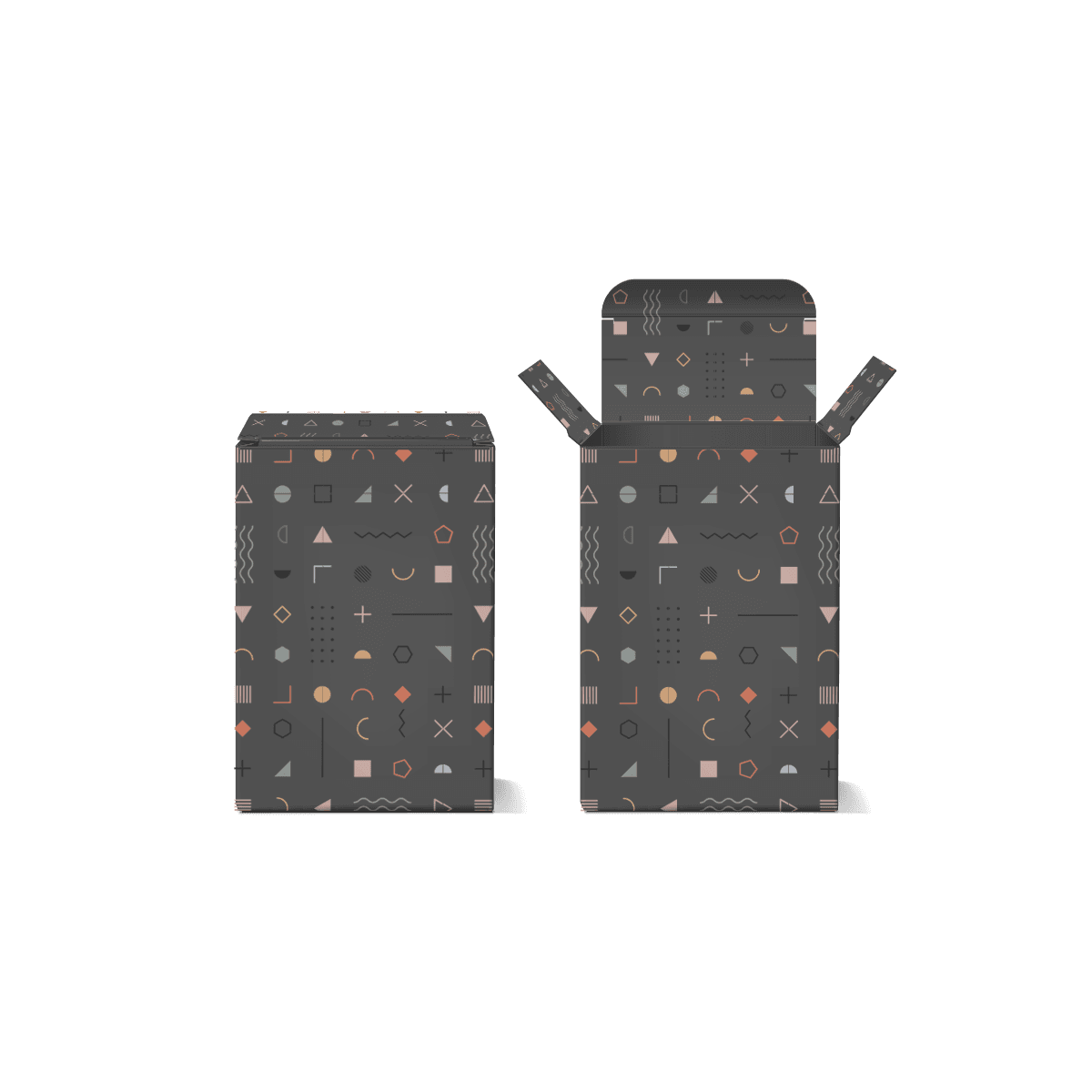
Straight tuck-end cartons use top and bottom flaps that fold in the same direction. Their construction can support a clean printed presentation and straightforward manual filling.

The final dieline should account for the bottle's orientation, the chosen opening end and the position of the glue seam.

If the carton is intended to remain in use after purchase, consider whether the consumer can open and reclose it without damaging the flaps.

Heavier Vitamin Containers

Glass vitamin jars and larger gummy containers can require additional base support.

The weight of the filled container, rather than the vitamin product name, determines whether a standard tuck bottom provides sufficient support.

A stronger board or pre-glued bottom may be appropriate for heavier retail units.

Physical fit and loaded-base checks should take place before approving a new construction.

The strongest carton is not automatically the most appropriate one. For lightweight products, a more complicated base may add assembly and production costs without improving the pack's practical performance.

Vitamin Labels and Approved Claims

Vitamin carton artwork must accommodate the exact product information approved for the finished product.

For vitamins marketed as dietary supplements in the United States, FDA labeling requirements generally include a statement of identity, net quantity, Supplement Facts, an ingredient declaration and the responsible business's name and place of business, subject to applicable requirements and exemptions.

These requirements should be considered before the carton dimensions and artwork are finalized.

Custom Packly supports the structural and printing aspects of vitamin packaging. The vitamin brand is responsible for supplying and approving its product labeling, claims and regulatory content.

Nutrient Amounts and Daily Values

The Supplement Facts panel must reflect the actual vitamin formulation and applicable labeling requirements.

Serving size, nutrient quantities and percentage Daily Values should come from approved product information.

An outer carton for a single-nutrient vitamin may have different text requirements from one containing a multivitamin formulation with numerous declared nutrients.

The final panel dimensions must accommodate the complete approved content and required formatting.

Do not reduce mandatory type or compress the panel simply to preserve a decorative design.

Product Claims

Vitamin packaging often includes nutrient content or structure/function claims.

Those claims must be approved by the brand and assessed against the applicable regulatory requirements before they are printed.

Certain supplement claims have specific conditions, including when an accompanying disclaimer is required.

Packaging artwork should preserve the correct relationship between approved claims and any required accompanying text.

A 3D mockup can help review visual hierarchy, but it cannot establish whether a claim is legally permissible.

Distinctive Vitamin Shelf Presentation

The most effective vitamin carton is recognizable as part of the brand while remaining easy to distinguish from neighboring products.

A consistent layout can achieve both goals.

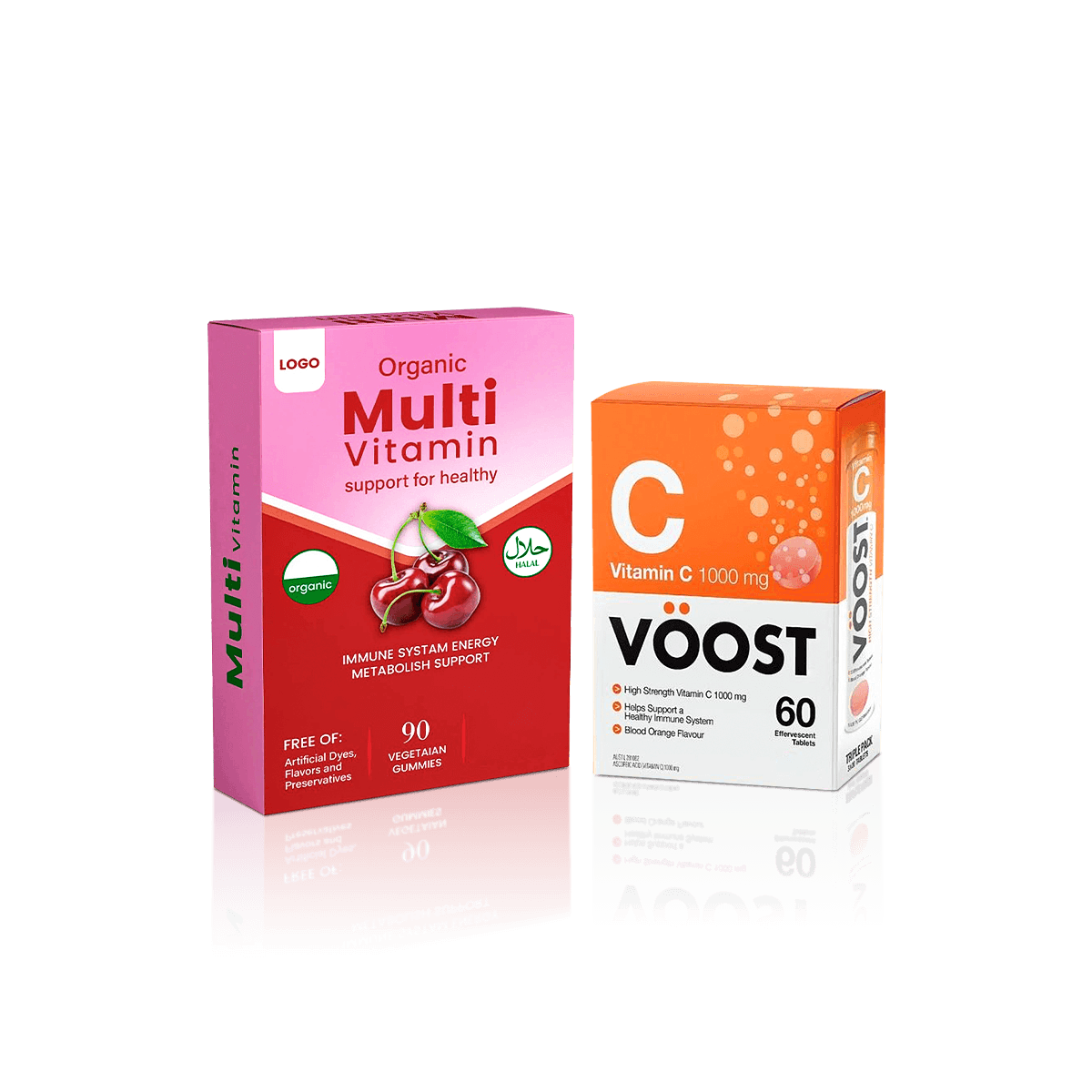
The brand mark, typography and overall graphic treatment may stay consistent while the individual vitamin name, approved strength and product quantity receive their own clearly identifiable positions.

Front-Panel Reading Order

The front panel should establish a clear visual sequence.

The brand may have an established visual identity, but the product name must remain prominent enough for customers to identify the vitamin.

Strength and count information should occupy predictable positions rather than moving around the carton with every new design.

Where required, the statement of identity and net quantity declaration must also meet applicable placement and presentation rules.

A smaller carton does not justify crowding these statements into an unreadable layout.

Side and Top Identification

Vitamin cartons are not always displayed with their front panels fully visible.

Pharmacy shelves, stockroom shelves and fulfillment bins may expose only the top or one side of the package.

Repeating a concise product identifier on an appropriate secondary surface can make the correct vitamin easier to locate.

This is especially helpful for similar-looking cartons containing different strengths.

A barcode should occupy a suitable flat surface, with sufficient contrast and the required quiet zones for reliable scanning.

If the printed carton will be scanned during fulfillment, confirm that the barcode remains accessible in the actual handling orientation.

Printing for Vitamin Packaging

Printing must reproduce the approved vitamin information clearly while maintaining consistency across the brand's different products.

SBS paperboard is a practical choice for many vitamin cartons because its smooth white surface supports fine typography, detailed graphics and clean color reproduction.

Kraft stock may suit a different visual direction, although its natural color can change the appearance of printed artwork.

The appropriate board also depends on the carton size, filled container weight and required stiffness.

Controlled Brand Colors

Premium offset printing can support consistent artwork across suitable production runs.

CMYK printing works for multicolor graphics, while Pantone spot colors may be appropriate when a particular brand color requires a more controlled specification.

For vitamin assortments, accurate color reproduction helps maintain a consistent appearance across different carton designs.

However, color should reinforce the printed product identity rather than replace it.

The final digital proof should be checked for the correct vitamin name, strength, count and barcode as well as graphic accuracy.

Custom Packly includes artwork and prepress review before production and supplies free 3D mockups to help assess the assembled presentation.

Readable Surface Finishes

Matte coatings can create a restrained appearance and help control surface glare. Gloss finishes may suit brighter, more saturated graphics.

Foil, embossing, debossing and spot UV can add visual emphasis to selected brand elements.

Those finishes should not compromise the readability of the Supplement Facts panel, product identification or required statements.

Special attention is needed where small print sits close to folds or where reflective treatments might affect scanning.

For a vitamin carton carrying extensive text, a simple finish with effective contrast may be more suitable than an elaborate decorative treatment.

Bottle Packs Versus Blister Packs

Vitamin bottles and blister packs require different internal carton arrangements.

A bottle typically occupies a three-dimensional cavity and is removed as a single container. A blister card is flatter and may need support against bending, excessive movement or pressure on its cavities.

The correct structure follows the actual primary package.

Bottled Vitamins

Plastic bottles containing tablets, capsules or softgels commonly work with compact folding cartons.

The carton should accommodate the closure and provide a suitable opening for loading and removal.

The bottle remains the primary container. Its closure, seal and any required barrier properties must be appropriate for the vitamin product.

The outer paperboard carton should not be relied upon to compensate for inadequate primary packaging.

Vitamin Blister Cards

A carton holding blister cards needs an internal arrangement that accounts for the full blister thickness, number of cards and their orientation.

Avoid a construction that compresses the formed cavities or forces the cards to bend during insertion.

A folded leaflet may also affect the required depth and packing sequence.

For products whose main requirement is retaining and presenting unit-dose cards, blister pack outer boxes are the more specific packaging choice.

The vitamin carton should be developed around its selling unit rather than treating blister packs and bottles as interchangeable contents.

Gummy Vitamin Packaging

Gummy vitamins often arrive in jars or bottles that differ from conventional tablet containers.

The container may have a larger diameter, a broad closure and a higher filled weight. Those features affect the size and construction of its retail carton.

A broad jar needs enough internal clearance for smooth insertion without creating excessive space around the body.

The bottom structure must also support the actual filled weight.

Jar Weight and Stability

A larger gummy jar can make a narrow carton less stable if its dimensions are poorly proportioned.

The carton should have a suitable base and sufficient board stiffness to remain square during shelf handling.

For a heavy jar, assess whether a reinforced bottom is necessary rather than relying on thicker paperboard alone.

The chosen closure should also remain secure when the packed carton is lifted.

Moisture and Heat Exposure

Gummy vitamins may have product-specific moisture and temperature requirements.

Those requirements must be addressed through the validated primary container and the manufacturer's approved storage conditions.

A decorative paperboard carton is not a substitute for an appropriate moisture barrier, bottle seal or closure system.

A printed coating may protect the carton surface from ordinary scuffing, but it should not be represented as preserving vitamin stability.

Custom Packly supports eco-friendly packaging options and suitable recyclable stock for the outer carton. The finished pack's recyclability depends on its actual material combination, coatings and local recycling arrangements.

Opening Security and Product Integrity

Standard vitamin cartons do not automatically provide tamper evidence or child resistance.

A tuck flap may close securely while allowing the carton to be opened and reclosed without leaving obvious evidence.

If visible first-opening evidence is required, the packaging specification must identify the component responsible for that function.

Tamper-evident boxes address carton-level opening evidence through an appropriate seal or structural feature.

That function should remain distinct from any tamper-evident feature on the primary vitamin bottle.

Child resistance is another separate requirement. A tightly fitted tuck flap does not become child-resistant simply because it is difficult to open.

The vitamin manufacturer must establish the applicable product requirements and confirm any necessary testing or certification for the complete packaging system.

The aim is to select an appropriate safety feature without making unsupported claims about the finished carton.

Control Vitamin Artwork Versions

A vitamin brand may use one carton structure across several products, but that does not mean the artwork is interchangeable.

Each strength, formulation and count can require different approved text, product identifiers and barcodes.

The most important repeat-production decision is establishing which elements are genuinely shared and which must be controlled separately.

Shared Carton Dimensions

A common dieline may be appropriate when multiple vitamins use containers with the same finished dimensions and packing requirements.

For example, products using the same bottle, cap and external label construction may be able to share an outer carton structure even if their contents differ.

That assumption should be checked whenever the container supplier, closure or bottle design changes.

A larger count does not necessarily mean a larger bottle, and an unchanged count does not guarantee that the container dimensions remain the same.

Reusing an unsuitable dieline can create avoidable fitting problems.

Separate Artwork Approval

Each vitamin variant needs its own approved print file.

The product name, strength, Supplement Facts, ingredients, directions and barcode must correspond to the correct finished product.

A change to the formulation or approved labeling may require a new artwork version without requiring a new carton structure.

The production file should identify the correct version so that an obsolete design is not reproduced during a repeat order.

Artwork review is especially important when two cartons share the same brand colors and differ mainly in strength or count.

Custom Packly's prepress process can check the supplied artwork against the intended printing requirements. The brand must approve the product-specific content.

Quantity Planning for Vitamin Lines

The commercial decision changes when a vitamin brand orders several designs rather than one carton.

A shared structure may simplify carton development, but each printed design still needs its own production quantity and approved artwork.

The total number of cartons does not establish how many of each vitamin are required.

A brand introducing several vitamins should therefore establish its intended quantity per product rather than submitting only a combined order total.

Custom Packly's USA minimum order quantity starts from 100 boxes, with instant pricing and support for larger production requirements.

US production, free shipping and a standard 4–6 day turnaround after final artwork and specifications are approved help with launch scheduling. More complex structures and specialty finishes may require additional time.

Pricing can be based on the actual bottle construction, carton size, number of printed designs and quantities required.

Free design and dieline support can help resolve structural questions before the production specification is finalized. Free sample examples of previous packaging work are also offered, while fully custom physical samples may be paid.

For established vitamin lines, warehousing and scheduled deliveries can help coordinate larger packaging orders with production and replenishment needs.

Coordinated Daily Vitamin Assortments

A vitamin assortment works best when customers can recognize the brand without confusing its individual products.

The carton design should establish a consistent visual system while allowing each vitamin to retain its own identity.

This matters for individual vitamins, multivitamins, different strengths and different package quantities.

Daily Vitamin Presentation

A coordinated daily vitamin line can retain the same basic typography, logo position and finishing treatment.

Individual products can then use controlled changes to their identifying elements.

The structural design should remain consistent only where the container dimensions and packing requirements support it.

If a larger jar or different closure requires another carton size, preserving that visual consistency is more useful than forcing an unsuitable physical fit.

Expanded Wellness Products

A business selling vitamins alongside powdered formulas, herbal products or other nutrition products may need additional carton constructions.

Supplement boxes can accommodate those different primary containers and product presentations.

The vitamin cartons can retain their established appearance while other products receive appropriate structures.

A mixed assortment should not sacrifice product identification merely to make every package look identical.

Does Every Vitamin Need a Box?

An additional carton is worthwhile when it performs a clear function that the primary vitamin container does not already fulfill.

That may include creating a flat retail presentation, accommodating approved labeling, organizing a product assortment or protecting the primary container from ordinary handling.

Some vitamin bottles already have suitable labels, secure closures and an established retail presentation. In those cases, an additional carton may create unnecessary material and packing work.

The final decision should account for the vitamin's primary container, intended selling environment and the practical function of the outer box.

A well-specified vitamin carton makes the correct product easier to identify, fits the container properly and supports the required retail or distribution process without unnecessary complexity.

FAQs

Because the outer pack can carry more selling and sorting work. It gives front-facing space for clearer product identity, helps organize line extensions and makes shelf sets look more consistent across multiple counts or strengths.

They are a strong fit for tablet bottles, capsule bottles, gummy packs, stick-pack assortments, blister-backed vitamin programs and some tube-style formats that need a more visible outer pack.

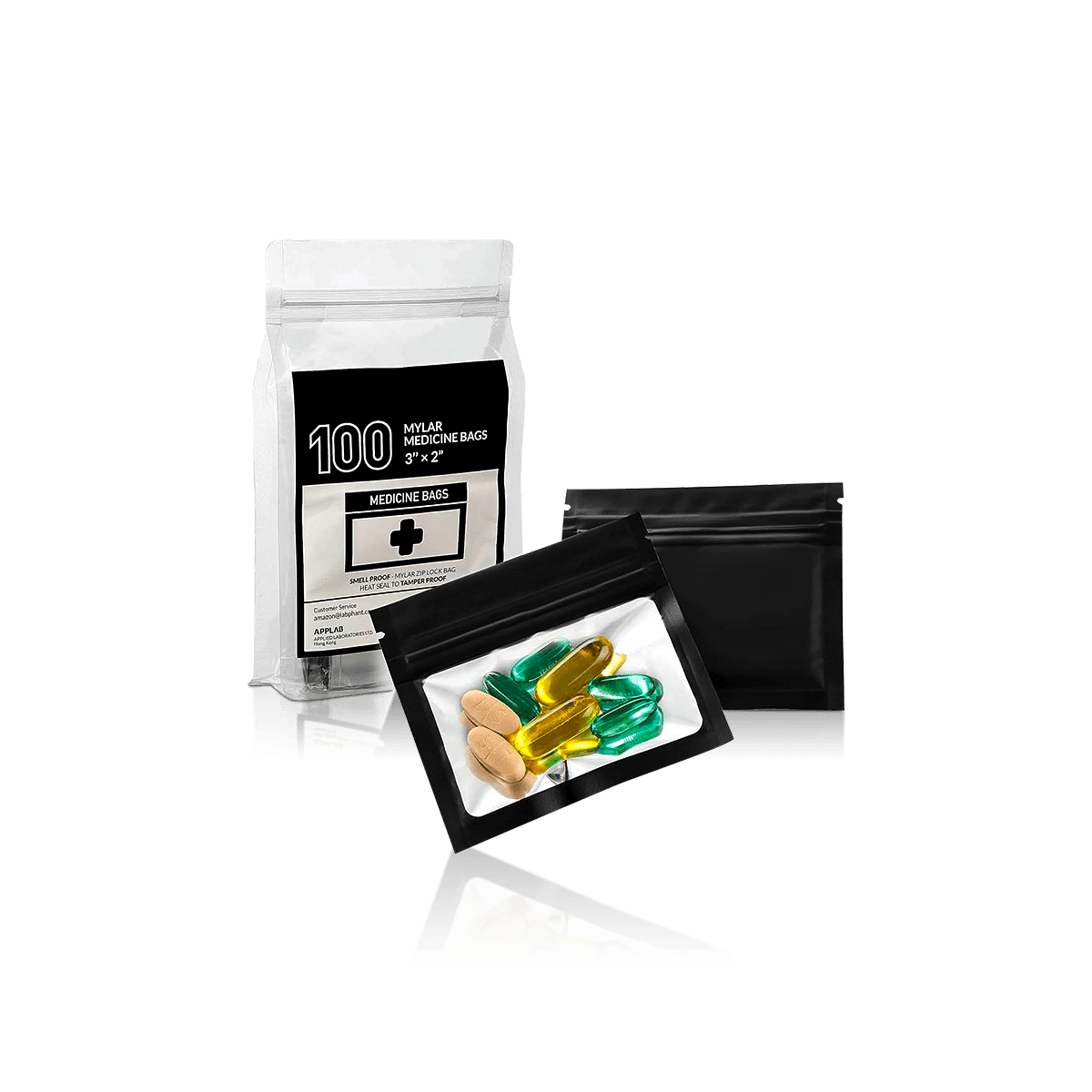
Vitamin Boxes are the better choice when shelf comparison, carton stacking and stronger front-panel communication matter most. Health Supplement Mylar Bags usually make more sense for refill powders, travel formats or flexible packs where barrier performance and space savings lead the decision.

The structure may stay similar, but the communication system should change. Distinct color families, size cues, count callouts and made-to-order panel hierarchy help buyers sort formulas faster and reduce shelf confusion.

Yes. Dietary supplements need a statement of identity on the principal display panel, and the Supplement Facts panel and certain other information must appear in the required labeling layout, so carton panel planning matters early in the design process.

Process

How it works

Your Packaging Journey, From Idea to Production and Delivery

01

Tell Us Your Specs

Custom packaging boxes

Tell Us Your Specs

Provide size, quantity, printing, and finishes.

02

Get a Fast Quote

Custom packaging boxes

Get a Fast Quote

Instant transparent pricing, no hidden fees.

03

Design and Approval

Custom packaging boxes

Design and Approval

Artwork checks, revisions, and final sign-off.

04

Produce

Custom packaging boxes

Produce

Expert manufacturing to meet deadlines.

05

Ship to Your Door

Custom packaging boxes

Ship to Your Door

Hassle-free, flexible delivery options.

Get Your Quote for Custom Vitamin Boxes

Share your product details, size, quantity and artwork needs. We’ll help choose the right packaging style and send a clear quote.