Skip to content
Details

Custom Tamper-Evident Boxes

Custom printed cartons with visible first-opening features, carefully positioned seals and practical constructions for pharmaceutical, wellness and consumer products.

Make First Opening Visible

A tamper-evident carton must show a recognizable change when its intended access point is opened. A closure that simply holds the box shut is not enough.

The evidence needs to remain visible after the package has been handled, displayed or transported. It should also be distinguishable from ordinary scuffs and minor handling marks.

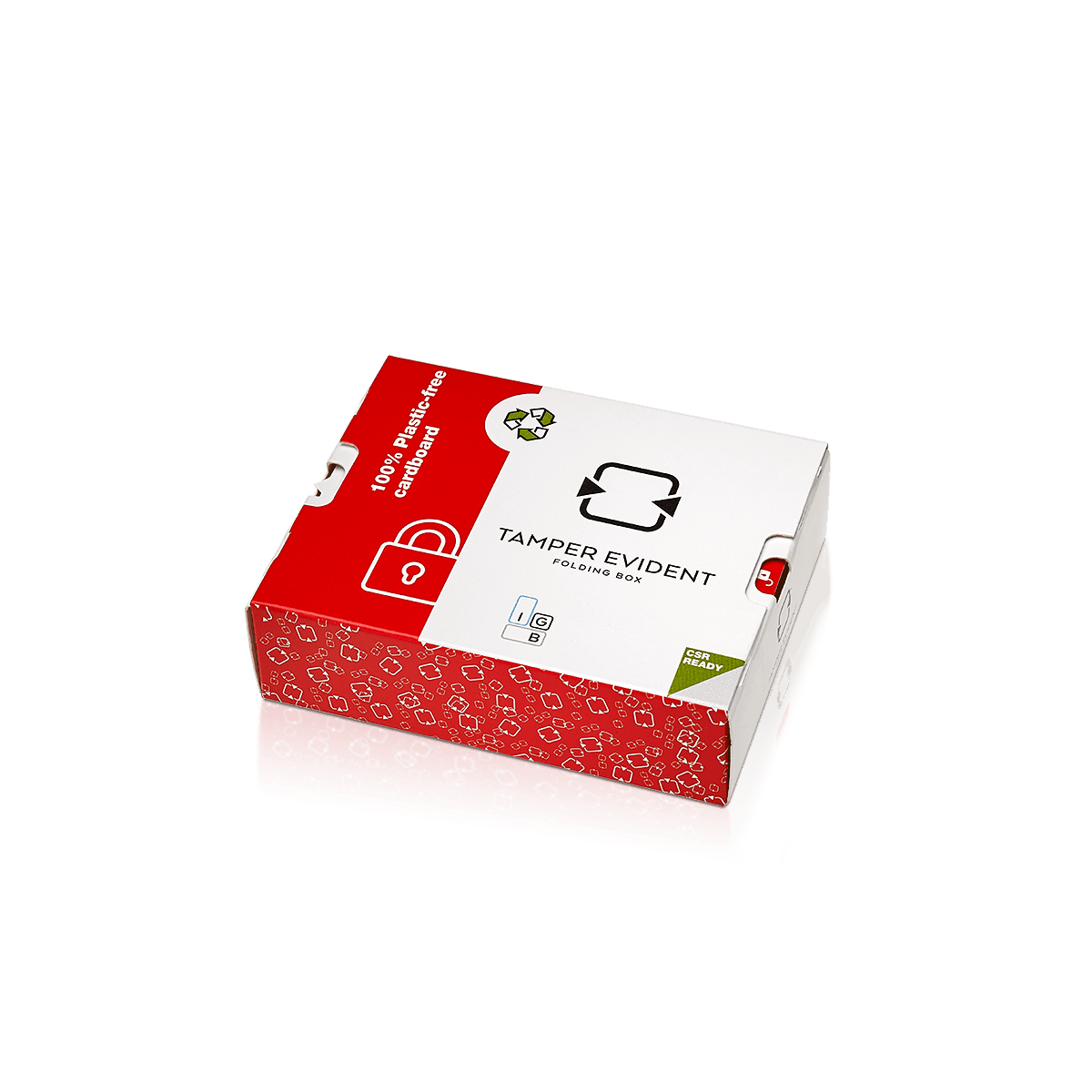
Custom Tamper-Evident Boxes use an appropriate first-opening feature to make interference with the carton apparent. Depending on the construction, this may involve a tear strip, a destructible seal label or another specifically developed opening feature.

The correct mechanism depends on the product, its primary container and the point at which the carton is sealed.

Custom Packly can help develop the carton structure, positioning and artwork around the required opening method. Any formal tamper-evident performance or regulatory requirement must be established for the actual packaging system.

Intact and Opened States

The customer should be able to distinguish between an unopened carton and one whose first-opening feature has been breached.

A tear strip may leave a visible gap. A destructible label may leave an irreversible indication of removal. A suitable paperboard construction may produce an identifiable break when opened.

The specific result depends on the materials and construction.

A seal that peels away cleanly and can be reapplied without an identifiable change may be unsuitable for a product requiring tamper evidence.

The finished feature should be evaluated in both its intact and opened states rather than judged only by how neatly it closes.

The Inspection Point

A first-opening feature is easier to understand when its location is obvious.

For a compact retail carton, the natural inspection point may be the top opening. For a different construction, the primary access point may be at an end panel or along another designated opening path.

The placement should make sense for the actual carton.

A decorative security label on an unrelated panel adds little practical value if the intended opening is elsewhere.
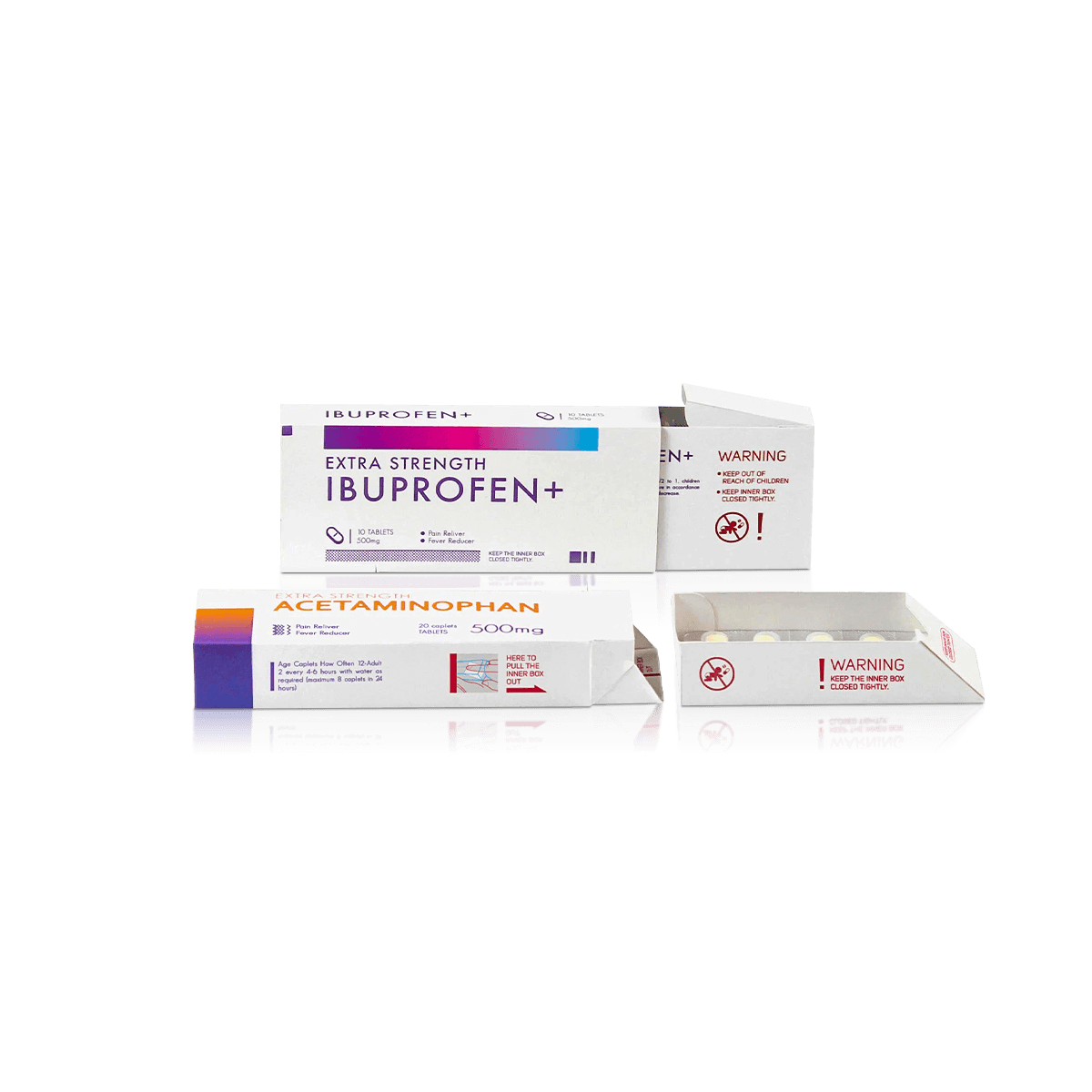
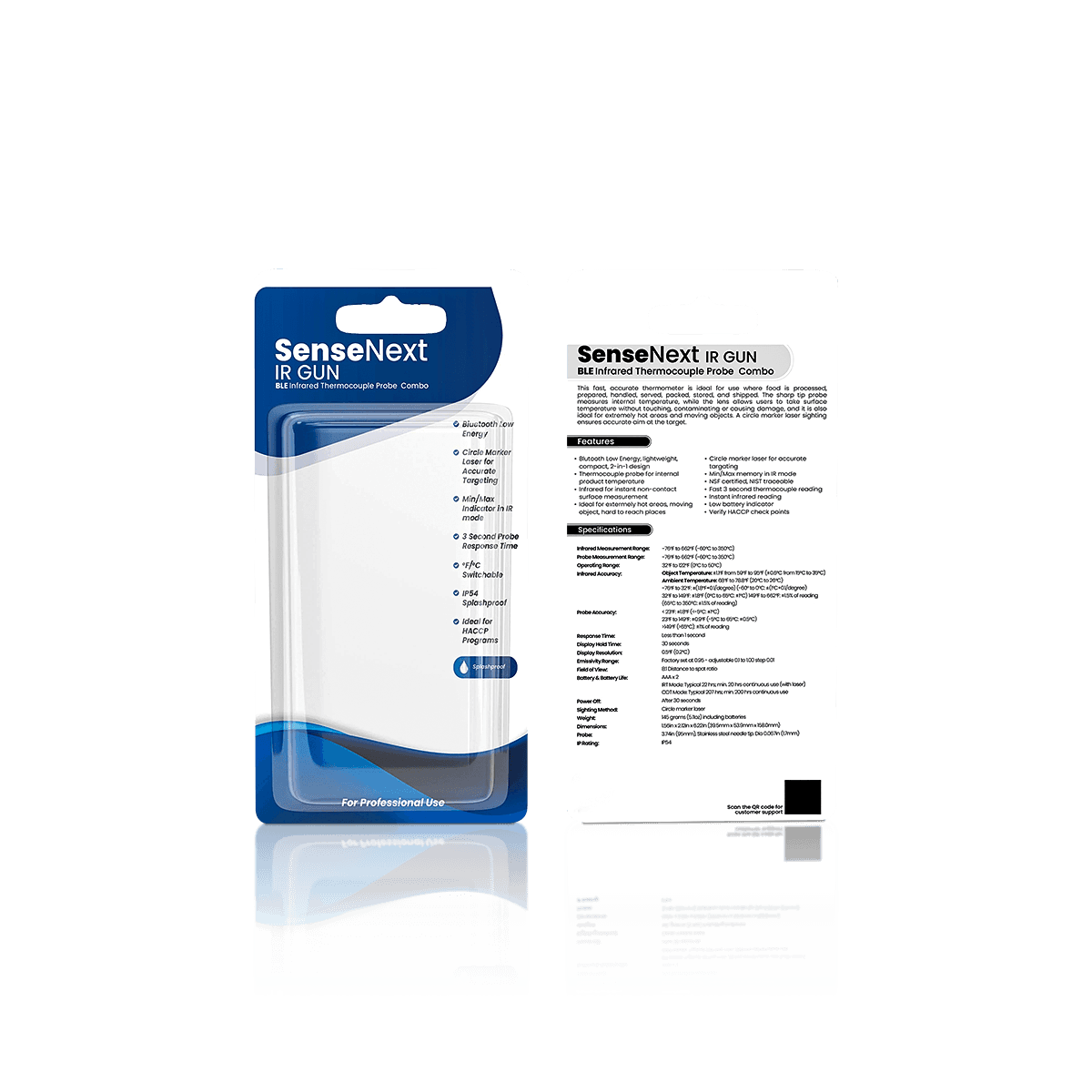
Identify Every Access Point

Tamper evidence must be considered across the complete packaging system, including any opening that could permit access to the product.

A carton may have a top tuck flap, bottom closure and separate side seam. Those features create different structural considerations.

Placing a seal across the most visible flap does not automatically establish that the complete package has an effective tamper-evident system.

The manufacturer must identify the relevant access paths and establish which component or combination of components performs the required function.

Carton Entry

A conventional tuck-end carton is convenient because its flaps can be opened and reclosed.

That same behavior makes it unsuitable to describe an unmodified tuck closure as tamper-evident.

A first-opening feature must produce the intended evidence when the protected access path is breached.

For a suitable paperboard construction, that may involve a destructive opening feature or a separately applied security seal.

The other closures must also be considered so that the chosen arrangement addresses the actual packaging requirement.

Primary Container Security

A bottle may have its own induction seal, shrink band or another primary-container feature.

These components can perform a different function from the outer carton.

For example, a bottle with a suitable tamper-evident seal may sit inside a conventional printed carton. The manufacturer may determine that the primary-container feature fulfills the applicable requirement without needing an additional destructive carton opening.

Conversely, some packaging systems require the outer carton to perform a defined first-opening function.

The correct decision depends on the product, applicable requirements and how the complete package is sold.

Select the Opening Mechanism

Tear strips, destructible labels and specially developed paperboard closures create different opening behaviors.

The choice affects carton construction, manufacturing, sealing operations and the customer's first interaction with the product.

These mechanisms should not be treated as interchangeable simply because they all involve breaking a seal.

Perforated Tear Strips

A perforated tear strip creates a designated path through the paperboard.

The customer pulls the strip to open the carton, leaving a visibly altered area.

Its performance depends on the board, perforation pattern, grain direction and the location of the opening feature.

A strip that requires excessive force can tear into an unintended panel. One that separates too easily may be damaged during routine packing or handling.

A properly developed strip needs to remain intact during normal distribution while separating in the intended manner when opened.

Destructible Seal Labels

A destructible label can bridge the intended opening and create an identifiable change when removal is attempted.

Its material may tear, fragment or leave a visible indication of removal.

Performance depends on the label material, adhesive and carton surface.

A conventional decorative sticker is not automatically a tamper-evident seal.

The proposed label must be assessed as part of the complete packaging arrangement, including its ability to remain attached during normal handling.

Controlled Paperboard Failure

Certain carton constructions may be developed to produce a controlled break during first opening.

This can involve a dedicated tear feature or another approved destructive mechanism integrated into the paperboard.

The failure must occur in the intended area without compromising the rest of the carton unnecessarily.

A standard glued flap should not be assumed to fulfill formal tamper-evident requirements without verifying the entire packaging system.

Seal-end boxes can serve as the underlying carton construction, but any required first-opening evidence must be established separately.

Integrate Sealing Into Packout

A tamper-evident feature changes the packing operation because the carton may need to remain open until the product and accompanying components have been inserted.

The closing sequence determines which mechanisms are practical.

A carton that is sealed prematurely can interfere with product loading. A design requiring several separate sealing operations may also be inefficient for a production line.

The intended packing method should influence the structural decision before manufacturing begins.

Manual Sealing

Manual packing permits an operator to erect the carton, insert the product and apply or activate the first-opening feature.

This can suit smaller orders and products requiring careful placement.

However, label positioning or adhesive application must remain consistent.

If a security label is applied across a carton opening, its intended position should be clear enough to support repeatable placement.

An application jig or another suitable positioning method may be worth considering when consistent placement is difficult to achieve manually.

Automated Cartoning

Automated packing introduces additional requirements.

The carton blank must work with the equipment responsible for erection, loading and closure. An applied seal may require a separate operation after the carton has been filled.

A perforated opening feature also needs to remain compatible with the carton feeder, folding operations and sealing equipment.

Before committing to production, the packer should confirm the intended machine sequence and any equipment-specific restrictions.

A construction that works during a hand-packed demonstration should not automatically be considered suitable for automated cartoning.

Position the Security Statement

For regulated products, the visible opening feature may need an accompanying statement that identifies the actual tamper-evident mechanism.

The statement must correspond to the finished packaging system.

Under FDA regulation 21 CFR 211.132, most OTC human drug products sold at retail must use tamper-evident packaging, subject to the regulation's scope and exceptions. The required labeling identifies the applicable tamper-evident features and must remain unaffected if those features are breached or missing.

These requirements do not mean that every wellness product needs the same security statement or carton construction.

The manufacturer must determine which regulations apply and approve the required labeling.

Identify the Actual Feature

The statement should identify the security feature that the customer is expected to inspect.

For a product whose approved protection depends on a particular seal, the statement needs to correspond to that seal rather than referring vaguely to secure packaging.

Where regulations require an identifying characteristic, the statement must account for that characteristic.

The packaging artwork should be developed using the manufacturer's approved wording.

Custom Packly's design and prepress support can help position supplied text correctly, but it does not replace regulatory review.

Survive the First Opening

A security statement should not disappear with the very component it describes when the applicable regulation requires it to remain intact.

This is particularly important for tear-strip cartons.

If the entire statement sits on a removable strip, it may be lost as soon as the customer opens the package.

The wording should occupy an appropriate retained surface, with enough clearance from the tear path and other structural features.

Artwork should also preserve the required product identity, directions, warnings and barcode placement.

Paperboard Behavior at the Tear

An integrated tear feature changes the way the carton needs to be manufactured.

Paperboard selection is no longer determined solely by printing quality, stiffness and product weight. The material also needs to perform predictably at the intended opening point.

Solid bleached sulfate (SBS) paperboard can support clean printing and precise converting, but its suitability depends on the actual carton construction and perforation requirements.

Other folding-carton stocks may be appropriate where their properties suit the intended mechanism.

Grain Direction

Paperboard grain can influence how a tear propagates.

A tear feature positioned without considering grain direction may behave differently from the same perforation placed in another orientation.

The die-cutting specification should account for the intended tear path, material and opening force.

The objective is a controlled opening that does not unnecessarily damage the carton body.

Coating Across Perforations

Lamination and coatings can affect how a perforated feature separates.

A laminated surface may resist tearing differently from an unlaminated paperboard surface.

A finish extending across the tear line may require a different converting specification or create unwanted resistance during opening.

The proposed combination should be assessed physically.

Custom Packly supplies free examples of previous packaging work. A fully custom physical sample may be arranged as a paid sample when the exact material and opening feature need to be evaluated before production.

The sample should use the intended board and finishing construction so that its opening behavior represents the proposed production pack.

Preserve the Retail Artwork

A tamper-evident feature occupies physical space that would otherwise be used for printing or ordinary carton construction.

The artwork must accommodate the security mechanism rather than treating it as a decorative element added after the design is finished.

This is particularly important for cartons carrying mandatory product text or variable production markings.

Print Around the Seal

A destructible label may cover part of the underlying printed carton.

That area should not contain important information that the customer needs to read while the package is sealed.

Similarly, a tear strip should not cut through a barcode, required warning or critical product identifier.

The finished printed design should be checked in both its unopened and opened states.

Artwork Across the Tear

A perforated feature may cross part of the carton artwork.

The printed design can be arranged so that the intended opening remains recognizable without interrupting essential text.

Premium offset printing supports detailed graphics and consistent reproduction on suitable paperboard.

Matte or gloss finishing may also be appropriate, provided the selected treatment is compatible with the security mechanism.

Custom Packly's free design and dieline support can help position the opening feature and artwork before production.

A free 3D mockup can show the assembled carton, while the digital proof supports review of the final layout, bleed, panel placement and supplied text.

Protect Seals During Distribution

Tamper-evident packaging must survive ordinary handling without producing unnecessary indications of interference.

A seal that routinely tears during case packing or distribution can create uncertainty even if the product itself remains untouched.

The intended handling conditions should therefore be considered during the design of the feature.

Case Packing

A carton may experience pressure from neighboring units when packed into a distribution case.

An exposed tear tab or poorly positioned seal can become vulnerable to contact during this process.

The outer dimensions and arrangement should account for projecting opening features where relevant.

A suitable folding carton construction can help maintain the required shape, but the first-opening mechanism still needs its own handling assessment.

Shelf Handling

Retail staff may repeatedly lift, rotate and restock products.

The security feature should remain intact during those ordinary movements.

A seal positioned on a frequently contacted corner may experience different handling conditions from one placed on a protected carton surface.

The final position should reflect the actual retail environment.

For products sold through pharmacies or other retail outlets, security features should remain recognizable without obscuring essential product identification.

Parcel Distribution

Direct-to-consumer orders introduce additional handling.

A printed retail carton may need to sit inside a separate mailer or corrugated shipping box.

The external shipping package should protect the retail unit without applying unnecessary pressure to its first-opening feature.

An intentionally destructive opening on an ecommerce mailer does not automatically establish tamper evidence for the retail product inside it.

Select the Right Product Application

The need for carton-level tamper evidence depends on the product and the role of its primary packaging.

A pharmaceutical carton, supplement bottle carton and consumer wellness pack may have similar outside dimensions but different requirements for first-opening evidence.

The exact application determines which part of the packaging system needs the security feature.

OTC Pharmaceutical Products

For OTC human drug products subject to FDA tamper-evident packaging requirements, the complete retail packaging system must meet the applicable regulation.

The requirements address the indicators or barriers to entry, their distinguishing characteristics and the associated labeling.

For covered two-piece hard gelatin capsule products, additional capsule-sealing requirements also apply.

The manufacturer must establish the required configuration and supporting verification.

A paperboard carton alone should not be represented as FDA-approved or compliant simply because it incorporates a tear strip.

Supplements and Wellness Products

Supplement packaging may use a tamper-evident primary-container seal, a carton-level feature or an appropriate combination.

The decision depends on the actual product and its applicable requirements.

A bottle with a suitable inner seal may not need an additional destructive carton opening for every commercial application.

Different products in wellness packaging need different primary-container and retail-carton specifications.

An additional feature should perform a defined function rather than being included solely for appearance.

Blister-Packed Products

A properly designed and sealed blister pack may provide visible evidence of access to its individual contents.

An outer carton can still perform a separate security function where the product specification requires it.

For products sold in blister pack outer boxes, the carton must also accommodate the formed cavities, card count and folded leaflet.

Adding a destructive opening should not interfere with the primary blister's integrity or the intended removal of the contents.

Tamper Evidence Versus Child Resistance

Tamper evidence and child resistance address different packaging requirements.

A tamper-evident mechanism creates an indication that a package has been opened or interfered with.

A child-resistant mechanism is intended to restrict access by children while remaining usable by adults under the applicable performance standard.

A carton with a tear strip may be easy to open once the strip is pulled. That does not make it child-resistant.

Similarly, a child-resistant closure may be opened and reclosed without creating the visible first-opening evidence required of a separate tamper-evident system.

Child-resistant boxes address controlled access through an appropriate opening mechanism.

Where a product requires both functions, the complete packaging specification must account for both without assuming that one feature satisfies the other.

The manufacturer should establish the applicable standards and required testing before selecting the final construction.

Establish the Seal Production Cost

The price of a tamper-evident carton depends partly on how its first-opening feature is created.

A carton with an integrated perforated strip may require different die-cutting and converting operations from one using a separately applied label.

The second construction may also introduce a sealing operation at the customer's packing facility.

These production differences should be considered alongside the carton unit price.

A lower-priced carton may not represent the lower-cost finished packaging system if it requires substantially more sealing labor.

Custom Packly's USA minimum order quantity starts from 100 boxes. The actual specification and production requirements determine the applicable pricing.

Free design and dieline support can help establish a manufacturable carton before the order is finalized.

Pricing should establish the intended first-opening mechanism, carton construction, filling process and required quantity. The feasibility of any specialist security feature should be confirmed before it is included in the final specification.

Custom Packly supports US production, free shipping and a standard 4–6 day turnaround after final artwork and specifications are approved. Specialist security constructions, custom sampling or additional production operations may require more time.

Instant pricing and 24/7 packaging expert support can help establish the commercial requirements while the structural options are assessed.

Inspect the Finished Security Feature

The final security decision concerns the manufactured and packed carton, not merely the appearance of the opening mechanism in the artwork.

A perforation may behave differently after coating. An applied label may interact differently with the final board surface. A closure may experience unexpected pressure during the actual packing operation.

The required verification should match the mechanism and its intended function.

Normal Handling

The first assessment is whether the security feature remains intact during the product's normal packing, storage and distribution conditions.

A mechanism that frequently breaks during ordinary handling may create unnecessary product holds or customer concerns.

The finished pack should be assessed using the actual product and intended handling conditions.

Intended First Opening

The next assessment concerns the opening behavior.

The feature should produce the intended visible change without requiring excessive force or causing unnecessary damage to other parts of the packaging.

The manufacturer must also establish that the complete packaging system meets any applicable regulatory or performance requirements.

A physical sample can support structural assessment, but a successful opening demonstration does not independently establish regulatory compliance.

After the First Seal Breaks

A tamper-evident carton may have another job after its first-opening feature has been destroyed.

Some products are removed from the carton immediately. Others remain in it throughout their intended use.

That distinction affects the appropriate opening construction.

For a single-use outer carton, a permanently destructive opening may be acceptable if the product and accompanying components can be removed as intended.

For a multi-dose product, the manufacturer may need the carton to remain usable after its initial seal has been broken.

Retained Carton Access

A tear strip can remove the first-opening barrier while leaving an ordinary tuck flap or another suitable closure for subsequent use.

The exact arrangement depends on the construction.

The remaining carton should permit the intended access without requiring the user to tear through additional structural panels unnecessarily.

A reclosable opening after the first breach does not eliminate the evidence that the original security feature has been broken.

Retained Product Information

The first-opening mechanism should not unnecessarily remove instructions, warnings or other product information that needs to remain with the carton.

Where the packaging is intended for repeated use, its retained panels should remain readable and structurally functional.

This final distinction determines whether a destructive opening is appropriate for the complete product experience.

The first seal needs to communicate the intended evidence of opening. The remaining carton needs to perform whatever function the product still requires.

FAQs

They solve different problems. Tamper-Evident Boxes show visible signs that a package was opened or disturbed, while Child-Resistant Boxes are designed to make access harder for children. Some healthcare products need both.

Most often, it appears at the top flap, end flap or another opening point where any breach will be immediately visible before normal use.

No. They are especially useful for OTC products, but brands also use them for supplements, wellness products, test kits and other packs where opening integrity needs to be easier to verify.

Yes, and that is one of its strengths. The carton can combine security-focused opening design with room for leaflets, dosage information, barcode zones and handling instructions.

Not necessarily. A well-engineered structure can make interference easy to spot while still keeping routine opening manageable for the intended user.

Process

How it works

Your Packaging Journey, From Idea to Production and Delivery

01

Tell Us Your Specs

Custom packaging boxes

Tell Us Your Specs

Provide size, quantity, printing, and finishes.

02

Get a Fast Quote

Custom packaging boxes

Get a Fast Quote

Instant transparent pricing, no hidden fees.

03

Design and Approval

Custom packaging boxes

Design and Approval

Artwork checks, revisions, and final sign-off.

04

Produce

Custom packaging boxes

Produce

Expert manufacturing to meet deadlines.

05

Ship to Your Door

Custom packaging boxes

Ship to Your Door

Hassle-free, flexible delivery options.

Get Your Quote for Custom Tamper-Evident Boxes

Share your product details, size, quantity and artwork needs. We’ll help choose the right packaging style and send a clear quote.