Skip to content
Details

Custom Tuck-Top Shipping Boxes

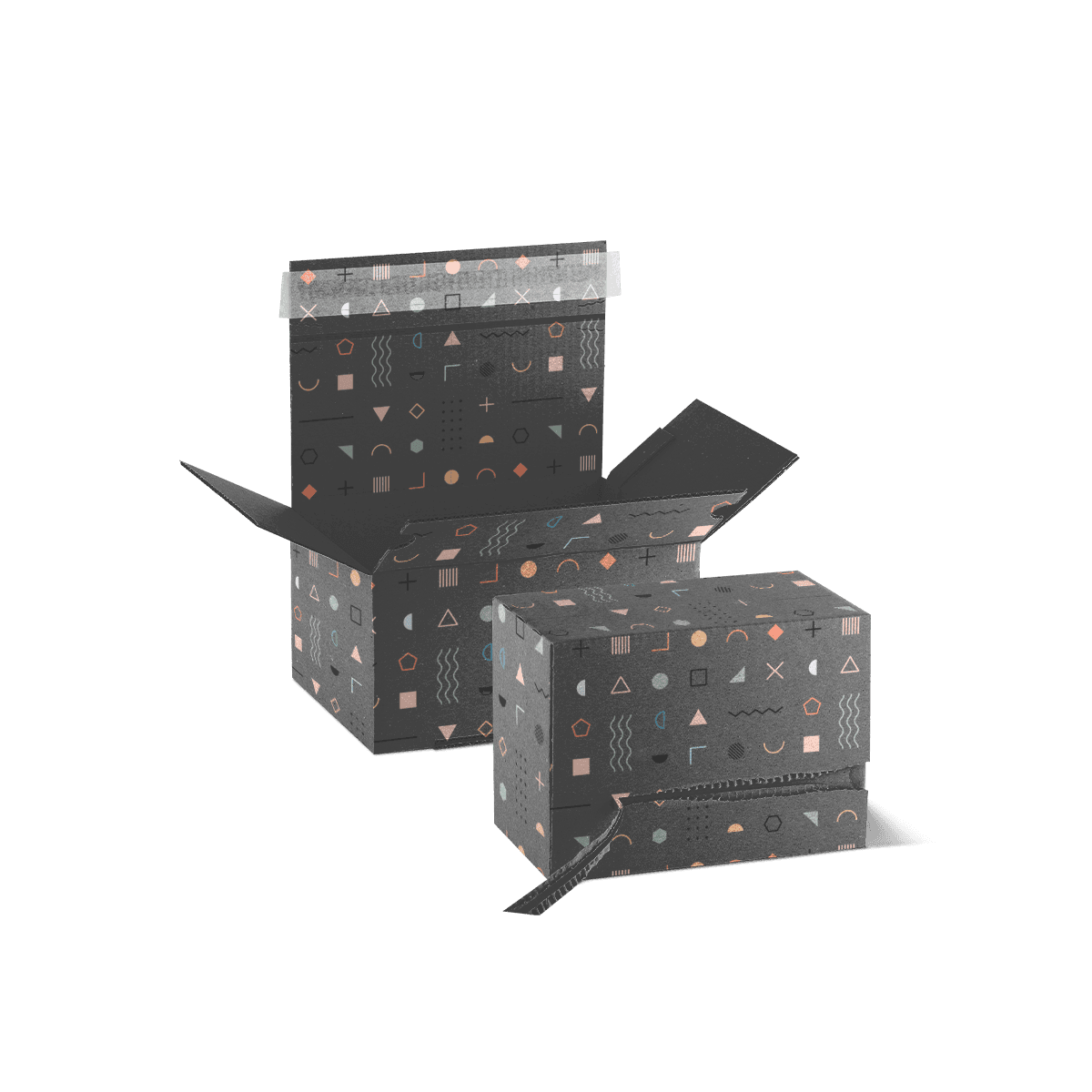
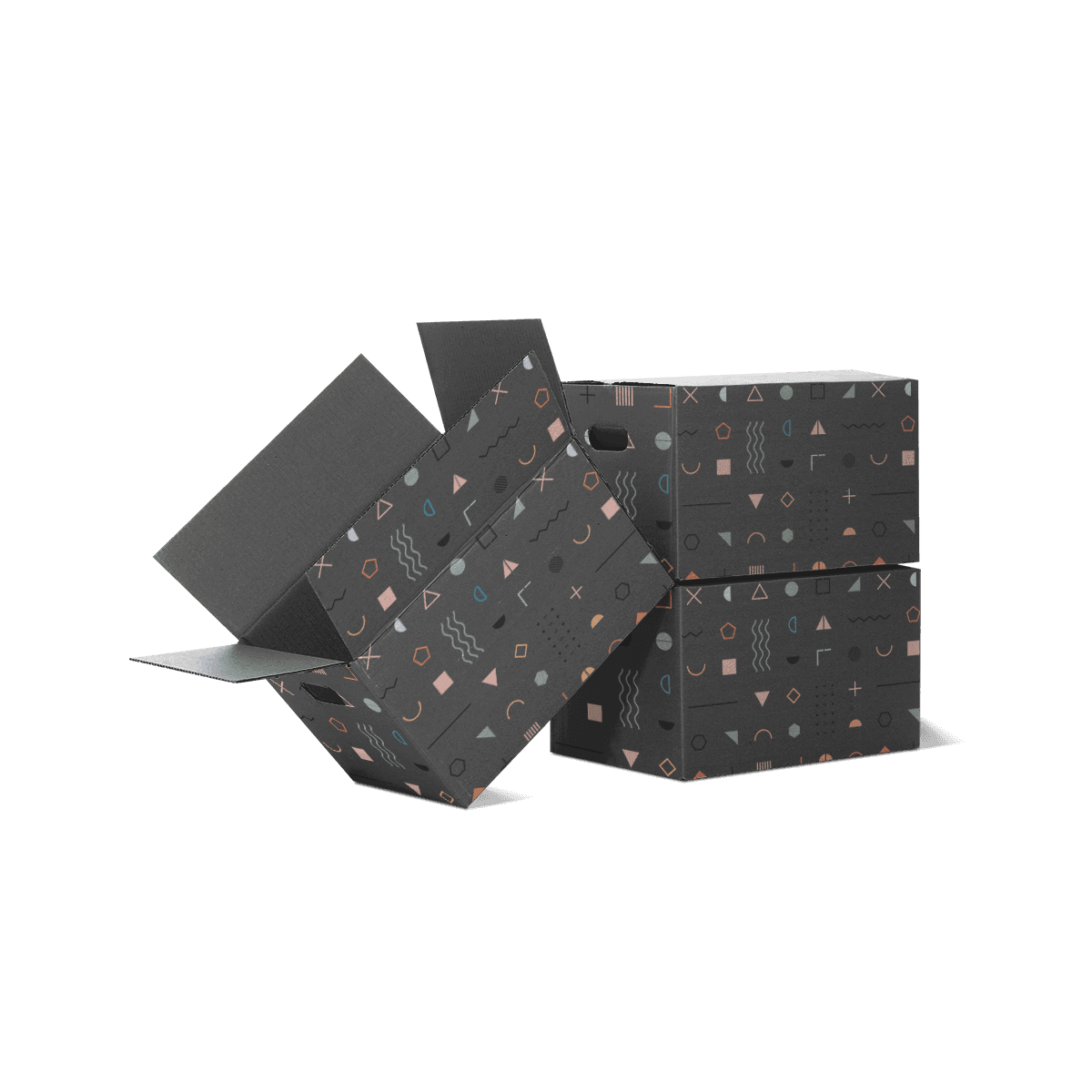
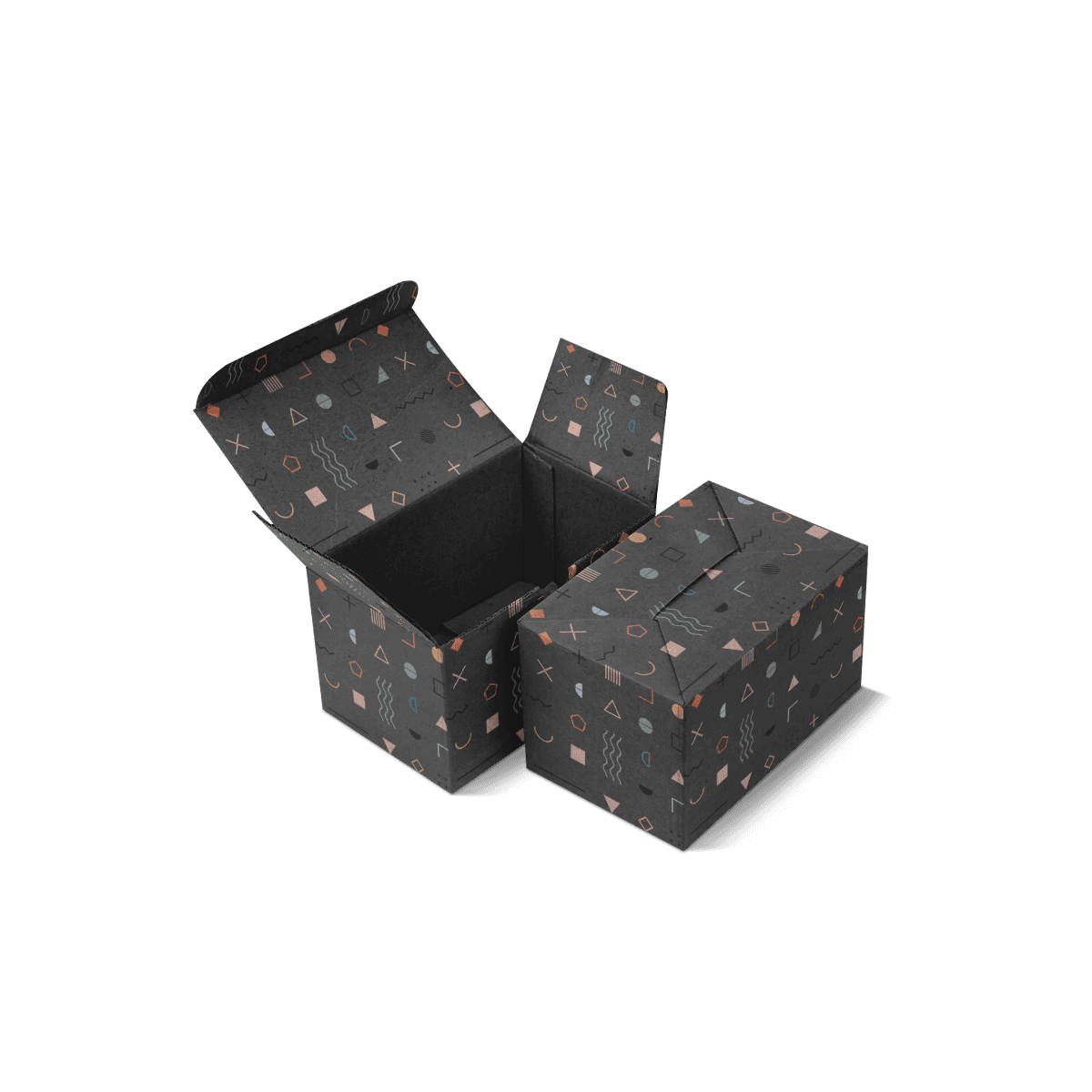
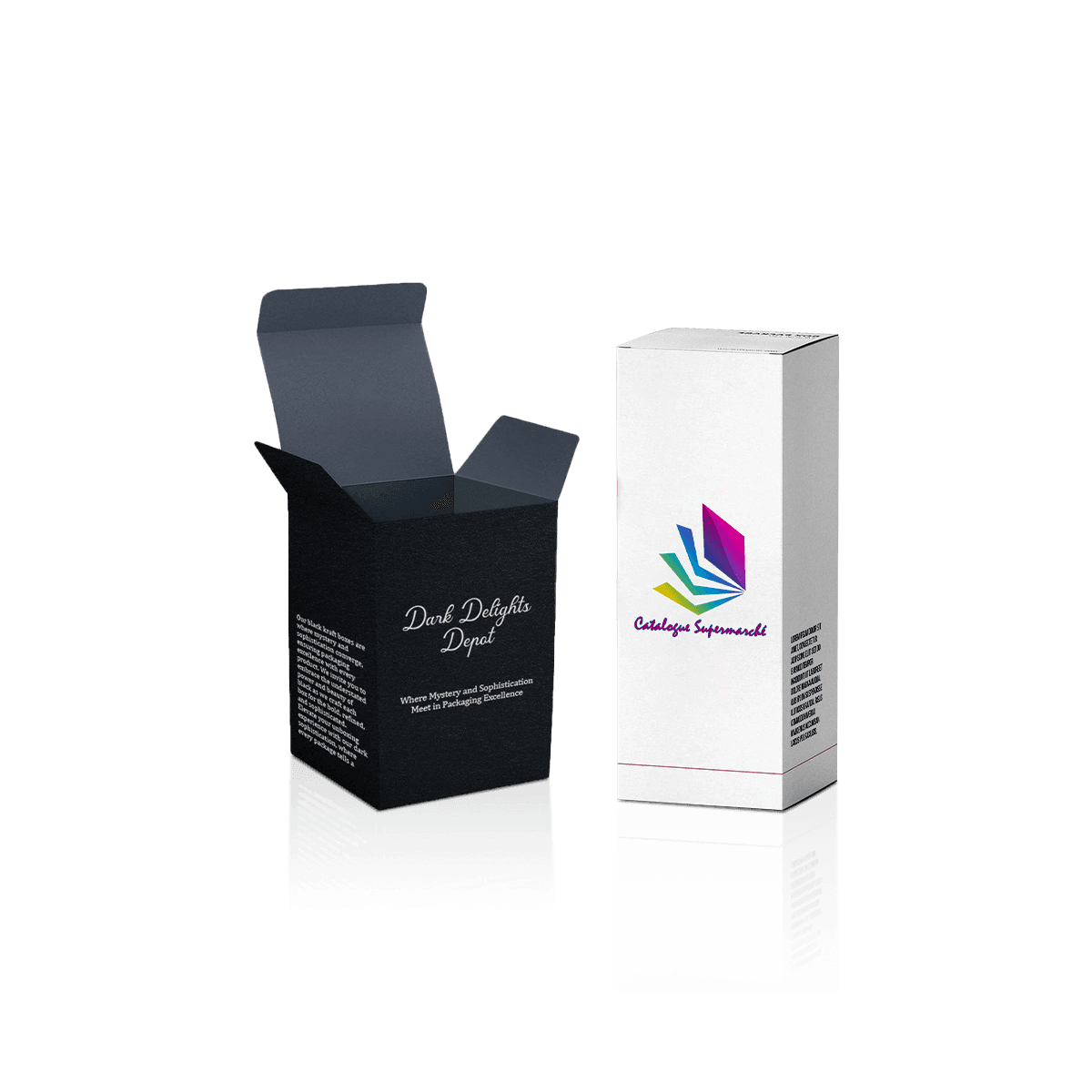
Top-opening corrugated shippers that make loading, insert placement and pack checks easier while keeping the closure simple.

Access Is the Main Advantage

Some shipping boxes are chosen primarily for stacking strength. Others are chosen because their geometry controls an unusual product. Custom Tuck-Top Shipping Boxes earn their place when the packing team needs clean access from above and a straightforward lid closure after the contents are arranged.

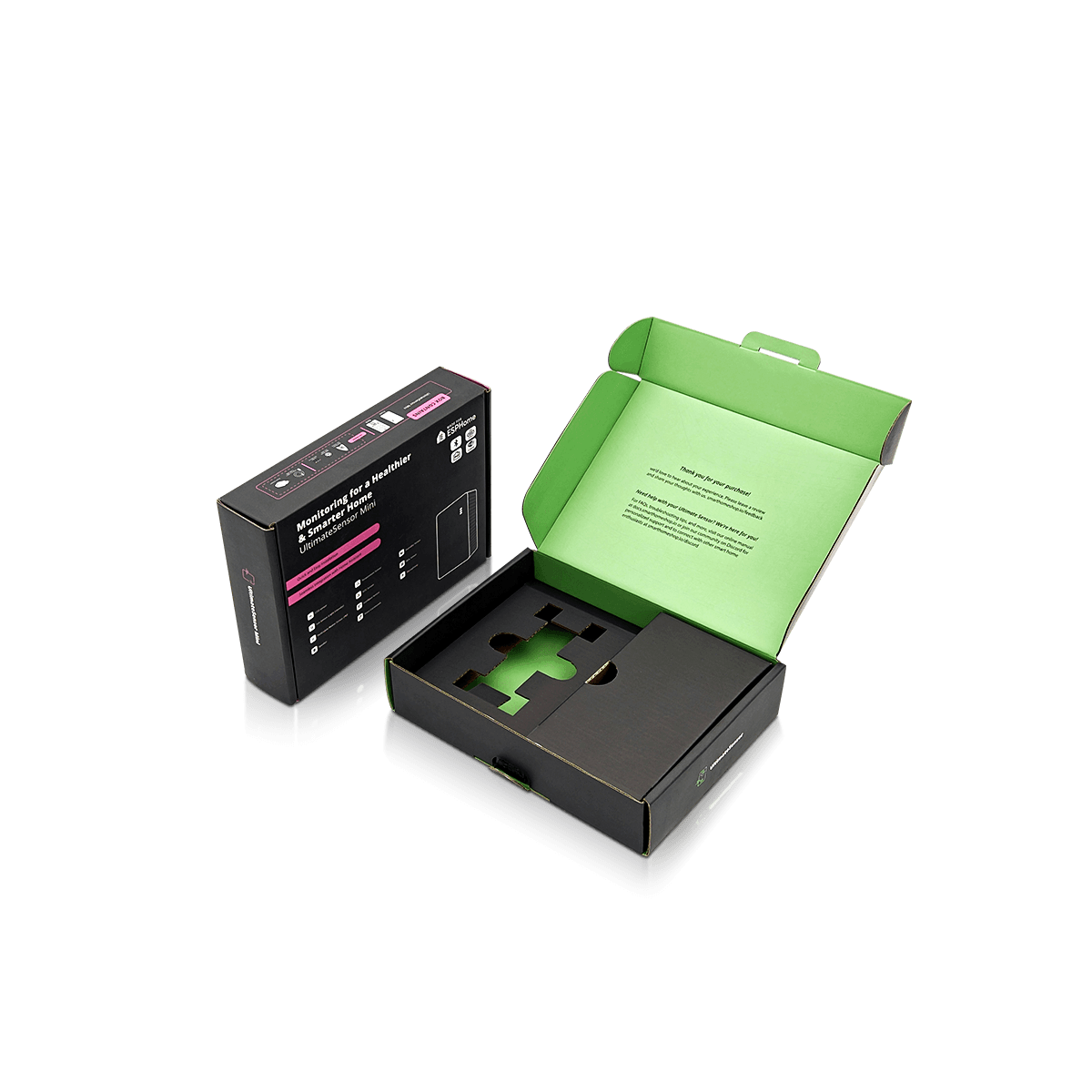
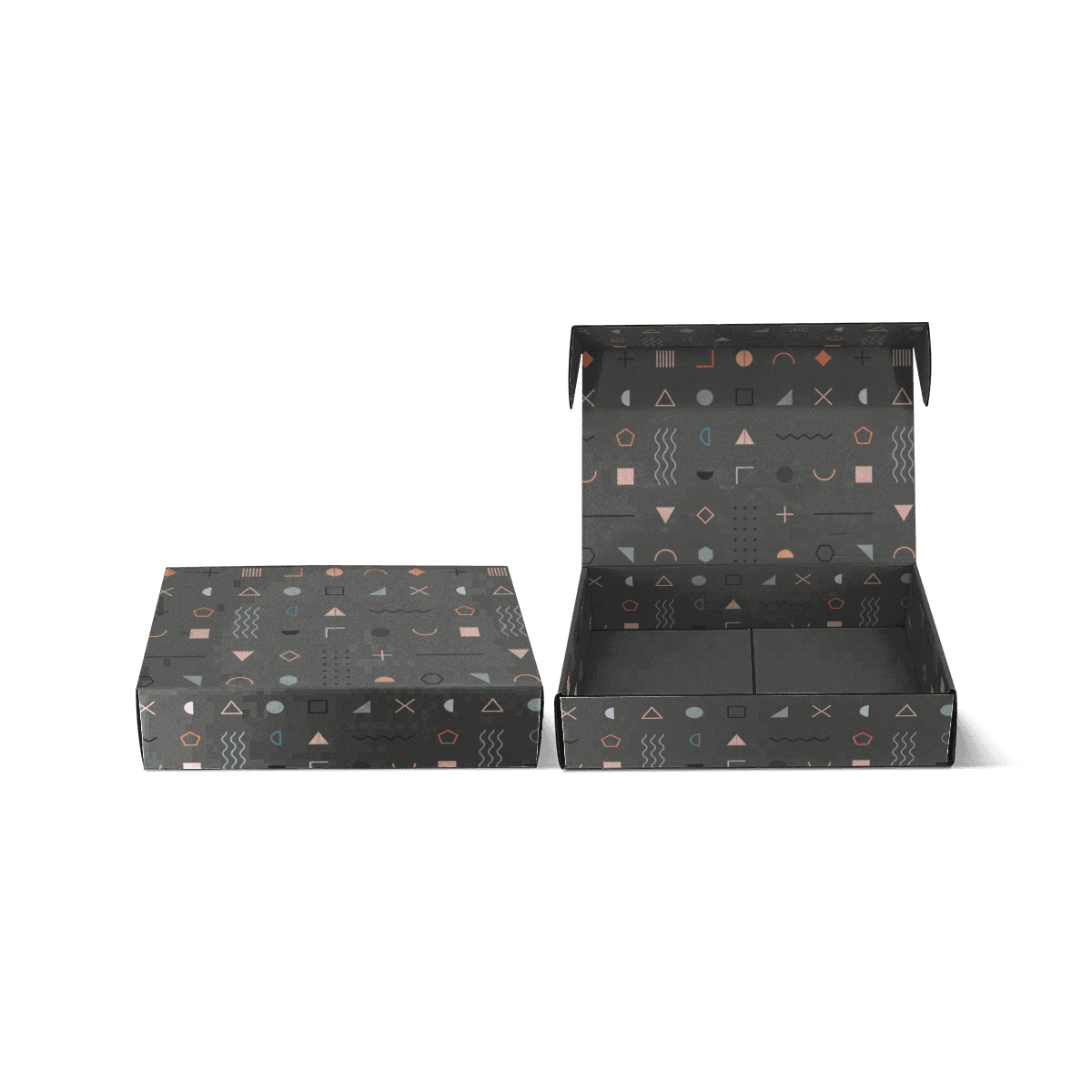
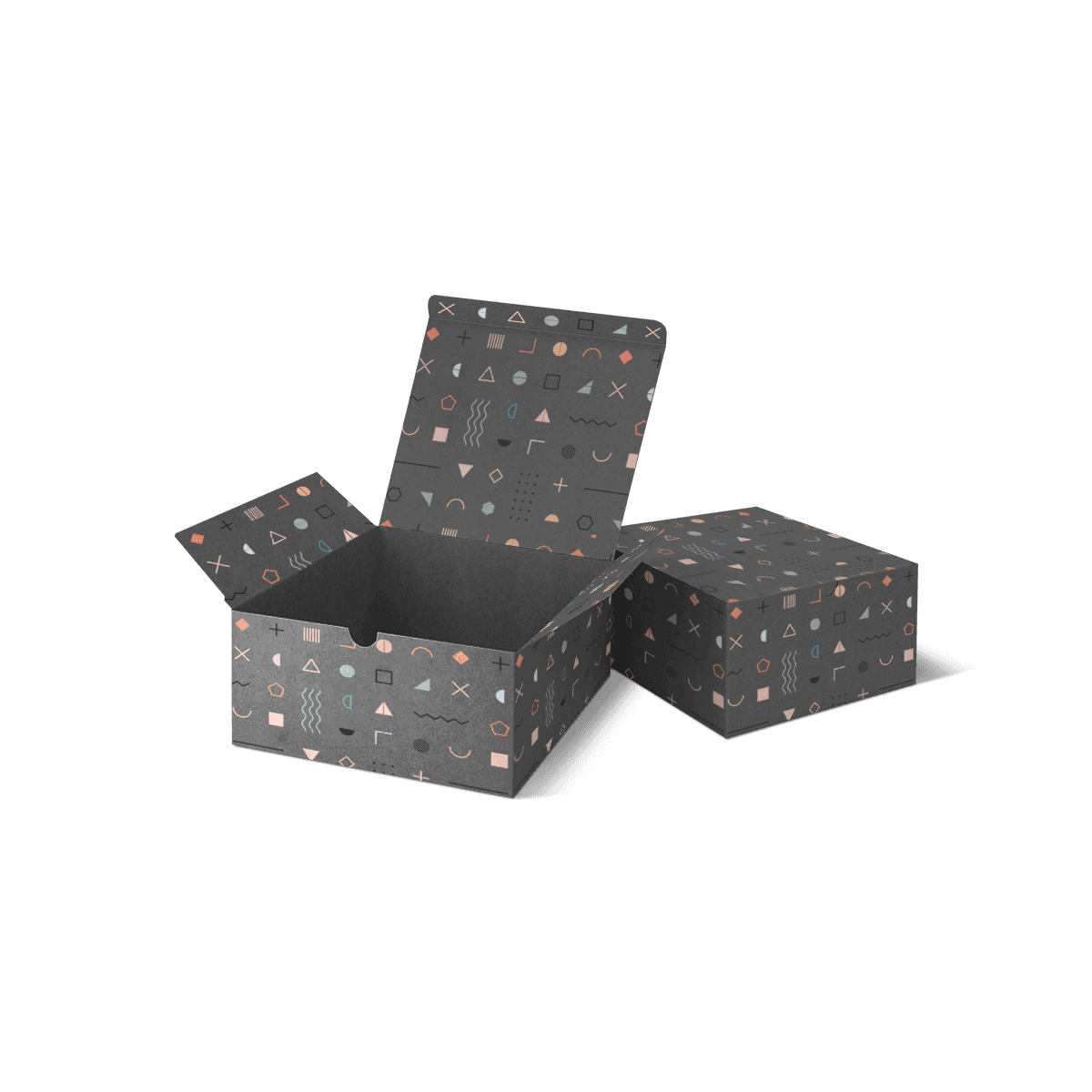
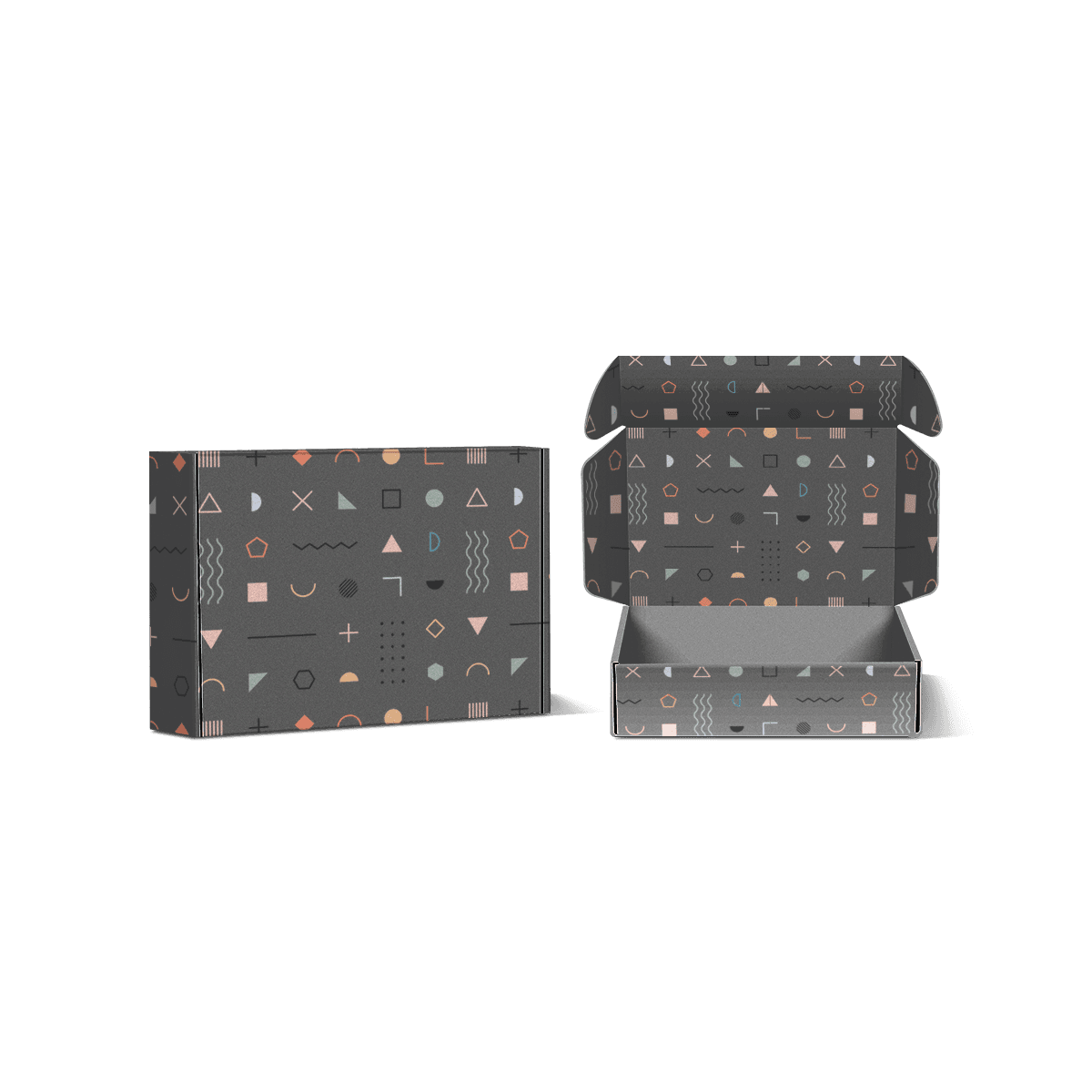
The top panel opens broadly, making it easier to load kits, place inserts, verify quantities and adjust product position before closing the shipment.

That gives this structure a different role from Die-Cut Shipping Boxes, where shaped geometry and specialized locking features carry more of the structural work.

A tuck-top shipper can still be die cut during manufacturing, but the buying decision centers on the top-opening flap and how well that closure works through packing, transit and opening.

Across Shipping Boxes, it suits orders that need more organized access than a conventional taped carton without turning the outer pack into an unnecessarily complicated structure.
Product Height Controls the Tuck

The closure only works properly when the contents leave enough room for the lid to reach its intended position.

An overfilled tuck-top box often shows the problem immediately. The upper panel crowns upward, the front flap meets resistance or the tuck fails to engage cleanly.

Adding pressure to force the lid closed does not correct the fit.

Allow Headroom for the Closure

Finished product height should include everything that sits inside the shipper:

  • retail cartons
  • insert platforms
  • instruction cards
  • tissue or paper wrap
  • product accessories
  • top pads
  • other protective layers

A small increase in one component can affect the closing motion even when the outer dimensions have not changed.

For a kit built around several components, the interior height should be determined after the final packing stack is arranged rather than from the tallest product alone.

Watch Soft Products Compress

Folded apparel, textiles and other compressible goods create another problem.

A pack may appear to fit because the contents can be pressed down while the tuck is inserted. Once that pressure is released, the product pushes back against the lid.

The box may bow or gradually loosen.

The correct depth should allow the closed structure to sit naturally without depending on continuous compression from the lid.

Tuck Depth Changes Closure Feel

A tuck flap has to enter far enough to hold its intended position without becoming difficult to open.

Too little engagement can make the closure feel loose. Too much depth can create friction, distort the front wall or make repeated opening awkward.

Board thickness affects that interaction.

Corrugated material does not behave like thin folding-carton stock. The flap has depth, the receiving area has depth and the score lines influence the angle at which the lid approaches the front panel.

A closure should therefore be evaluated after the final corrugated construction has been selected.

Corrugated Boxes place flute, liners, wall build and board behavior at the center of the material decision. Those factors still matter here, but only insofar as they help the tuck-top structure fold and hold correctly.

The objective is a lid that closes with a deliberate motion, sits flat and opens without tearing the front edge.

Side Flaps Control the Opening

The top flap gets most of the attention, but side and dust flaps can determine how complete the closure feels.

They can help restrict openings at the sides, guide the main lid into position and reduce the chance of smaller contents reaching the closure gap.

Their dimensions need to work with the packing sequence.

If the side flaps are too long, they can interfere with inserts or catch products during closure. If they are too short for the intended structure, the top may feel less contained than expected.

For loose accessories, sample sachets or small components, internal organization should do most of the retention work. A dust flap should not be expected to compensate for products moving freely throughout an oversized box.

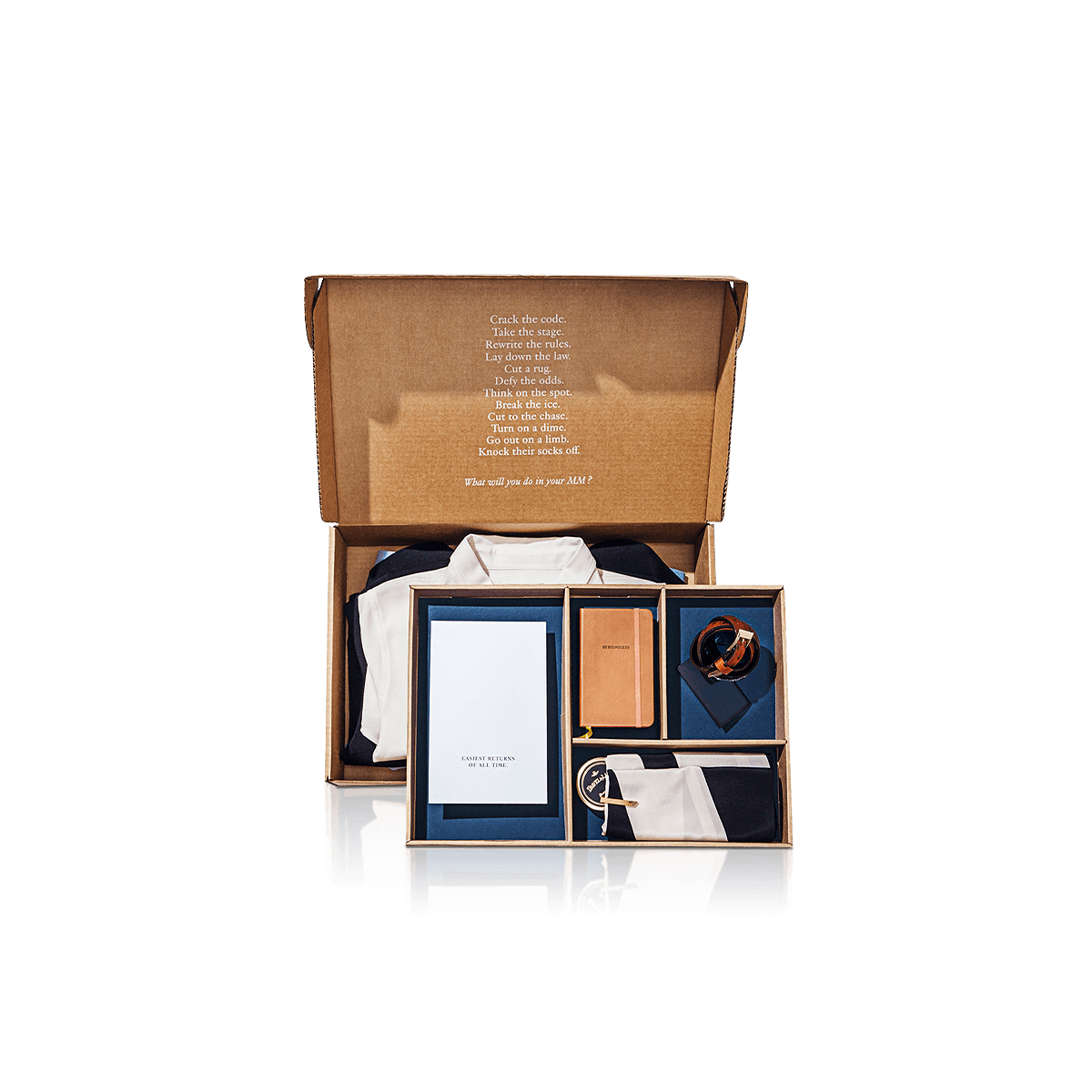
Packaging inserts can separate components before the lid is closed when the shipment contains several small items.

A well-planned tuck-top shipper makes the final closing motion simple because the interior has already controlled the contents.

Top Loading Helps Multi-Part Orders

The structure becomes especially practical when several items have to be arranged in a specific sequence.

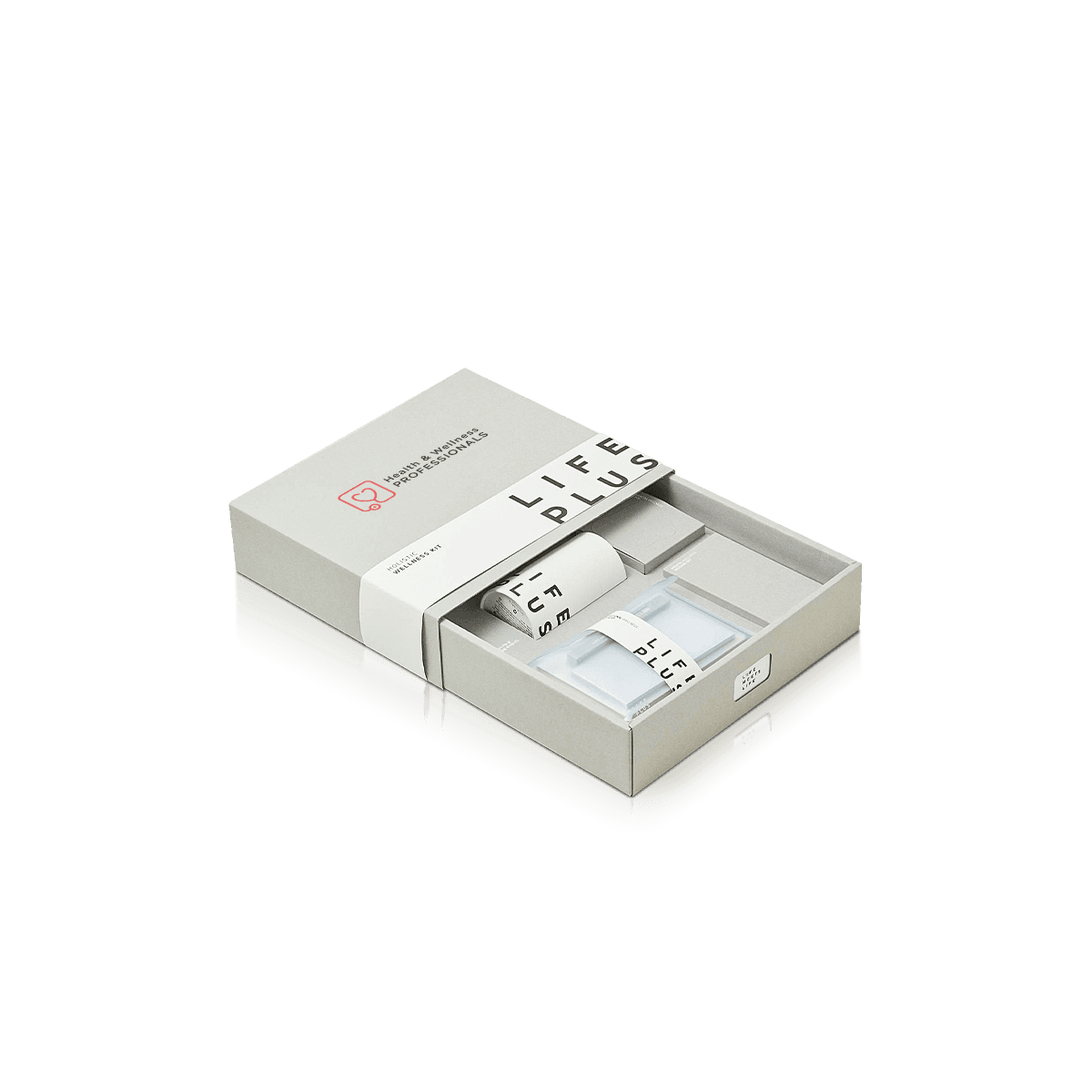
Imagine a wellness starter shipment containing two cartons, sample sachets, an instruction card and a small accessory.

A basic shipping carton can carry the same products, but the packer may need to reach around side flaps, reposition loose pieces or add filler before taping the box.

A tuck-top structure with a broad opening allows the main products to be placed first, smaller components to enter their assigned spaces and the printed card to sit last where it remains visible.

The operational gain comes from access.

That does not require an elaborate insert for every shipment. A simple divider, corrugated platform or paperboard fitment can be enough when the objective is merely to keep the components organized during packing and opening.

When the outer box itself needs complex shaped retention, another die-cut structure may be stronger. Tuck-top works best when the interior arrangement remains reasonably simple and the lid needs to close cleanly over it.

Pack Checks Happen Before Closure

Top access makes final verification easier because the contents remain visible until the last closing step.

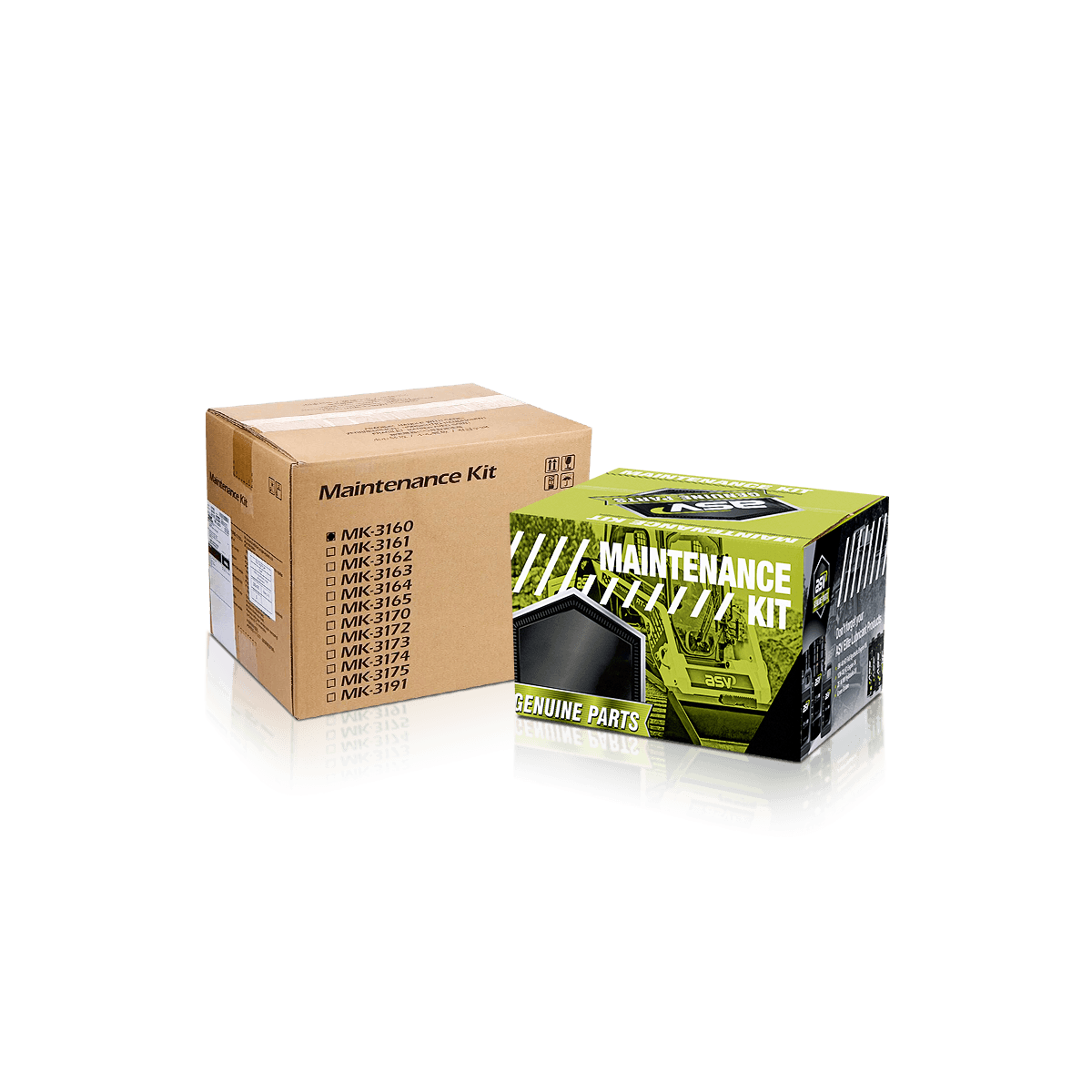
For kits, promotional packs, replacement-part orders and multi-item shipments, that can be useful when missing one small component creates a customer-service problem.

The box structure cannot prevent picking errors by itself. It can, however, make visual confirmation easier.

A packer can confirm that each insert cell is occupied, that the instruction card has been added or that the correct accessory sits beside the main product before the top panel comes down.

This is particularly helpful when the interior has a clear left-to-right or compartment-by-compartment layout.

The structure should support that process rather than hide products under unnecessary folds.

If a closing flap covers half the interior before the final check can occur, some of the top-access advantage has been lost.

Tuck Closure Is Not Tamper Evidence

A tuck flap creates a neat mechanical close. It should not automatically be treated as a tamper-evident shipping seal.

For some parcel routes, products or fulfillment systems, the box may still need a label, tape strip or another sealing method before dispatch.

That requirement should be decided early because the seal occupies real panel space.

If a security label crosses the front tuck, the artwork should leave room for it. If tape is required across the top, the graphics should anticipate that path rather than placing important text directly underneath it.

When adhesive closure is the main operational priority, Self-Sealing Shipping Boxes address a different packing problem.

Tuck-top is strongest when access and simple flap closure are the reasons for choosing the structure. It should not be forced to imitate every advantage of an adhesive shipper.

The Lid Needs a Flat Landing

A top panel looks simple, but its behavior depends on the walls underneath it.

If the box is out of square, the lid can approach the front panel at an angle. If the side walls bow outward because the contents are too tight, the tuck may miss its intended position. If an insert sits above its planned height, the lid can rock instead of landing flat.

This makes interior fit part of closure performance.

Reducing shipping damage through structure and fit also starts with controlling the contents rather than asking the outer box to absorb every problem.

A product that repeatedly pushes one side wall outward may need a dimension change or better internal support. Increasing tuck depth would treat the visible symptom rather than the packing problem.

For repeat orders, look at the closed lid as a quick diagnostic. Bulging, uneven corners and inconsistent flap engagement often indicate something deeper in the pack.

Shipping Box or Tuck-Top Mailer?

The names can sound similar, but the packaging job should decide which direction makes sense.

Tuck-Top Mailer Boxes emphasize compact D2C presentation, everyday loading and a mailer-style opening experience.

Tuck-Top Shipping Boxes should remain focused on the shipping-box job: corrugated transit protection, organized top loading and broader packed formats where the outer structure still carries meaningful distribution duty.

The distinction is not determined by one exact dimension.

A compact but dense product may require a stronger shipping specification. A larger lightweight apparel assortment may still work in a mailer construction depending on the board, route and product protection.

Ask what matters most:

If branded unboxing and compact mailer behavior dominate, start from the mailer.

If top access needs to sit inside a more shipping-led corrugated specification, start from the tuck-top shipper.

Keeping that distinction clear prevents two nearly identical boxes from being specified simply because their names differ.

Artwork Follows the Opening

The top panel is visually important because it becomes the moving part of the opening sequence.

That makes it attractive for logos and campaign graphics, but the tuck flap, score lines and any dispatch seal still limit where critical artwork belongs.

A main logo can sit on the lid if it remains readable after labels and tape are considered. Interior printing can carry instructions or messaging that appears only after the top opens.

For complex branded shipping graphics, Printed E-Commerce Shipping Boxes put print strategy, carrier labels and repeat color at the center of the specification.

On a tuck-top shipper, artwork should remain subordinate to closure mechanics.

Custom Packly supports premium offset printing where the structure and production route justify it, while other print processes can suit different quantities and artwork. Free 3D mockups help check which panels remain visible after folding and how the lid artwork sits in the assembled box.

A good graphic layout should make the opening feel deliberate without making the flap harder to manufacture or seal.

Dielines Need the Final Closure

Tuck flap length, lid depth, dust flaps and score positions all live on the dieline.

Changing the finished dimensions after artwork has been approved can move those relationships enough to require structural adjustment.

That is why the box should not be designed by stretching a generic template until the dimensions look approximately right.

The packaging dieline shows the cut lines, folds, tabs, flaps and artwork areas that must work together after the sheet is converted.

For supported box structures, the dieline generator can establish a dimension-based starting point before final structural and artwork checks.

Design and dieline support can then account for the intended corrugated board, product depth and closing behavior.

The most important structural approval is not whether the flat layout looks tidy. It is whether the assembled box closes naturally around the real packed contents.

Repeated Access Changes the Requirement

Some tuck-top shippers are closed once at fulfillment and opened once by the recipient. Others may be opened during packing checks, internal distribution or product handling before the final shipment leaves.

Repeated use can expose weaknesses that a single closure does not.

Watch the front edge where the tuck enters. Check whether the flap begins to fray, whether the score becomes overly soft or whether the opening starts to deform after several cycles.

That does not mean every shipping box needs to function as long-term storage.

It means the expected number of openings should match the structure.

A service-parts kit that may be opened several times before final use has a different requirement from a direct order that remains sealed until delivery.

If repeated opening is central, state that before the structure is finalized. A paid fully custom pre-production sample can be used when the exact tuck engagement and repeated-opening behavior need physical confirmation.

Buying Volume Should Follow Usage

Tuck-top shippers can be used for everyday e-commerce orders, campaign kits or specialist multi-item packs, and those programs may consume boxes at very different rates.

Custom Packly starts USA orders from 100 boxes, which can suit a launch or lower-volume kit without forcing every structural version into a large run.

A high-use shipping size can move into larger production quantities once the structure has proved stable. Bulk custom boxes can support recurring dimensions and artwork when demand becomes more predictable.

Warehousing and scheduled deliveries can also help when flat-packed inventory would otherwise occupy too much fulfillment space.

For pricing, define the product dimensions, packed weight, number of items per box, loading direction, insert or divider requirements, required top clearance, expected number of openings, any tape or security-label requirement, corrugated preference, printing, quantity, artwork versions and shipping ZIP code.

If a current box has a problem, describe the behavior. A lid that springs open, a tuck that catches, an insert that sits too high or a front wall that bows gives more useful direction than simply asking for thicker board.

Once the dimensions and closure requirement are defined, an instant custom packaging quote can reflect the actual structure with transparent pricing and no hidden charges.

The Packing Moment Decides

The strongest reason to use this structure appears just before the shipment is closed.

The products have been loaded from above. Inserts are visible. Small components can be checked. The top panel comes down and the tuck engages without force.

If that sequence makes fulfillment easier, the structure is doing useful work.

If staff still need to wrestle with the lid, compress the contents, add several corrective pieces of tape or manipulate a complicated set of tabs, the box has lost the simplicity that justified a tuck-top design.

The final specification should preserve that simple motion.

Use enough corrugated strength for the shipping job, enough internal control to keep the contents below the closure and enough tuck engagement to create a clean close. Then let the opening mechanism remain what it should be: straightforward.

FAQs

Because it is easier to load from above. That helps when the order includes inserts, multiple components, or printed pieces that need a cleaner arrangement.

It makes the most sense when presentation, pack accuracy, or product layout matters more than using a plain taped carton. Sample kits, promo packs, and structured multi-item orders are common examples.

Choose Tuck-Top Shipping Boxes when you need a sturdier corrugated shipper for broader shipping demands or larger packed formats. Tuck-Top Mailer Boxes are usually the better fit for lighter direct-to-consumer packs and more compact mailer applications.

Yes. This style works well with inside printing, instruction cards, partitions, and branded fitments when the shipment needs a more guided opening experience.

Yes. They are often used for launch kits, event packs, onboarding shipments, and limited-run bundles where both access and presentation matter.

Process

How it works

Your Packaging Journey, From Idea to Production and Delivery

01

Tell Us Your Specs

Custom packaging boxes

Tell Us Your Specs

Provide size, quantity, printing, and finishes.

02

Get a Fast Quote

Custom packaging boxes

Get a Fast Quote

Instant transparent pricing, no hidden fees.

03

Design and Approval

Custom packaging boxes

Design and Approval

Artwork checks, revisions, and final sign-off.

04

Produce

Custom packaging boxes

Produce

Expert manufacturing to meet deadlines.

05

Ship to Your Door

Custom packaging boxes

Ship to Your Door

Hassle-free, flexible delivery options.

Get Your Quote for Custom Tuck-Top Shipping Boxes

Share your product details, size, quantity and artwork needs. We’ll help choose the right packaging style and send a clear quote.