Skip to content
Details

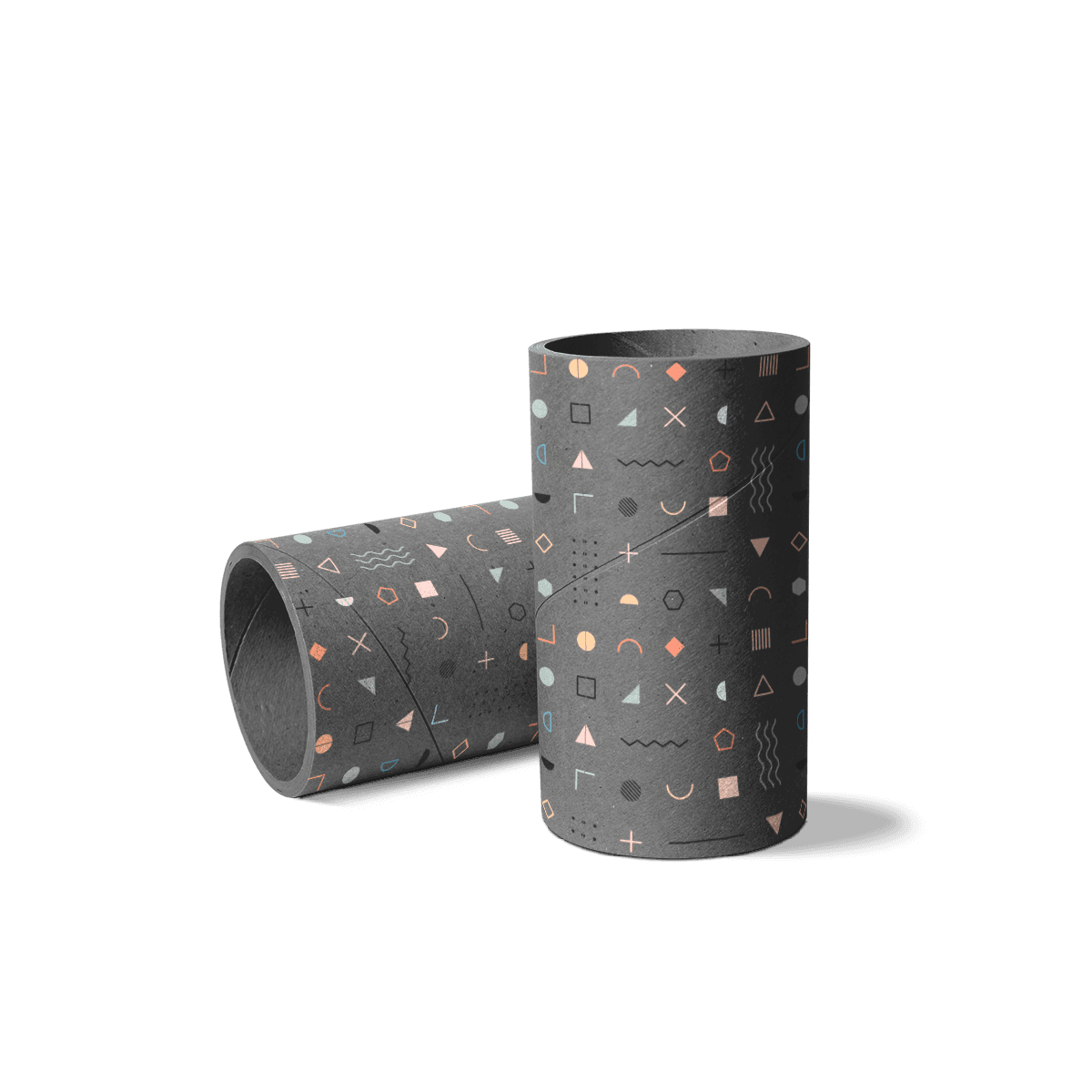
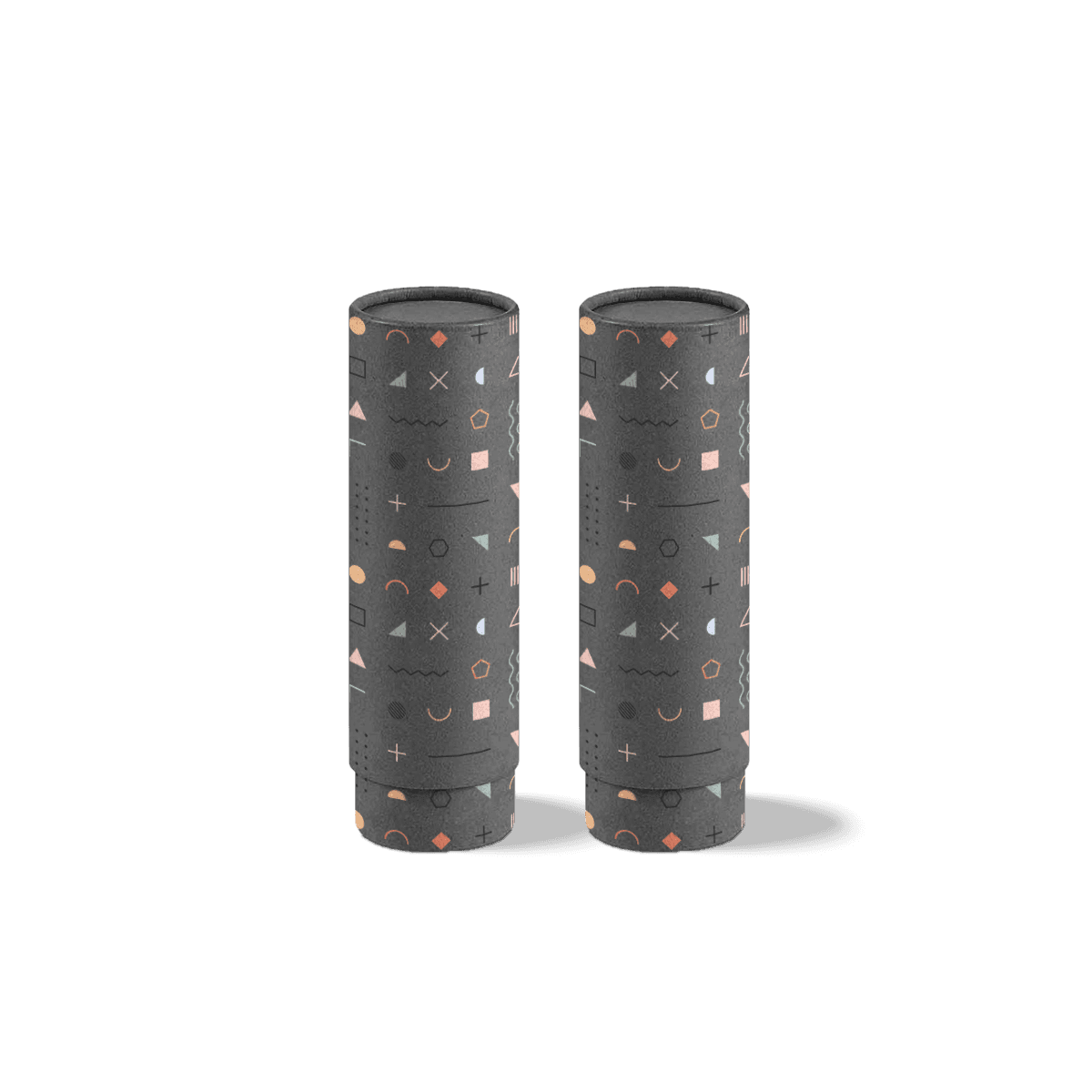
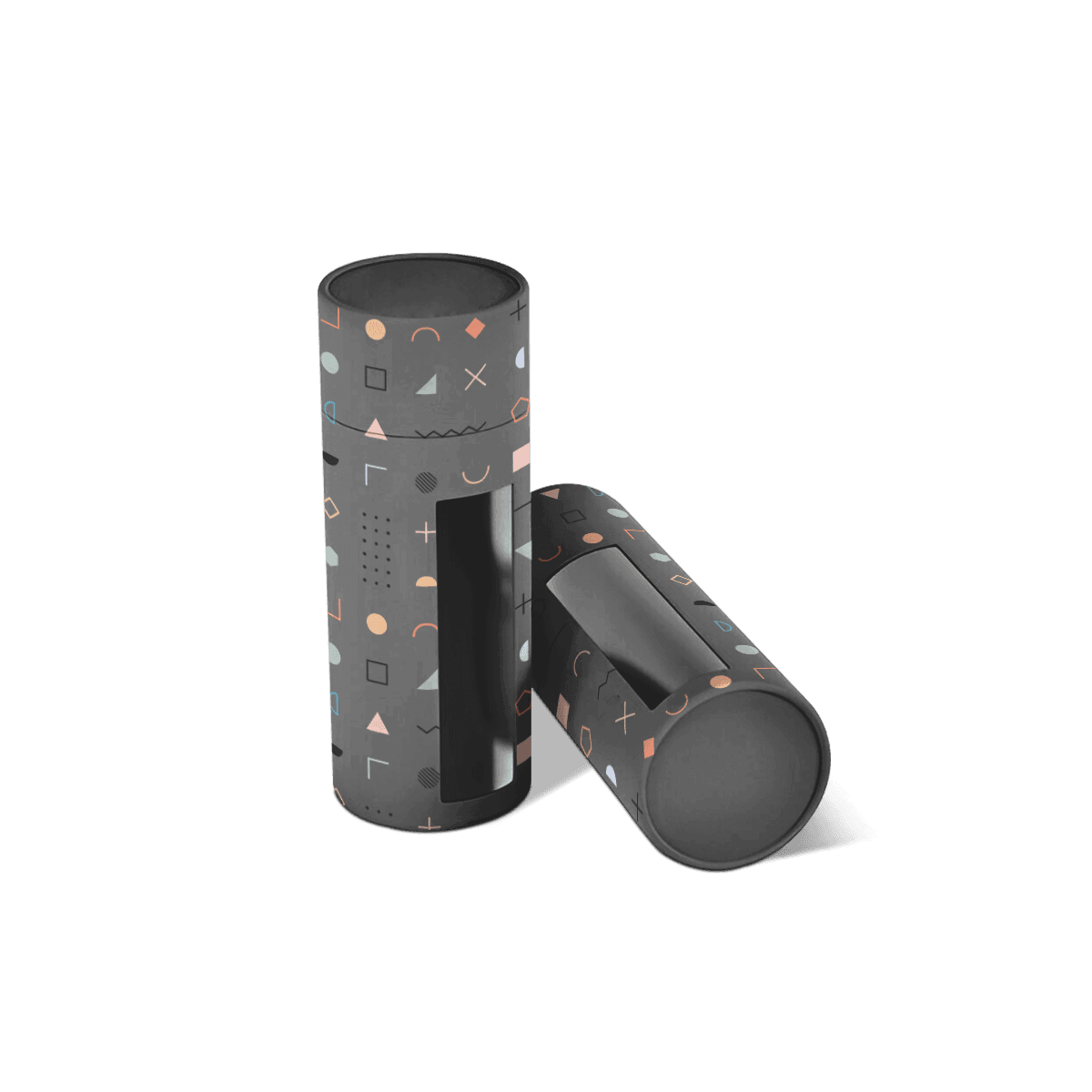
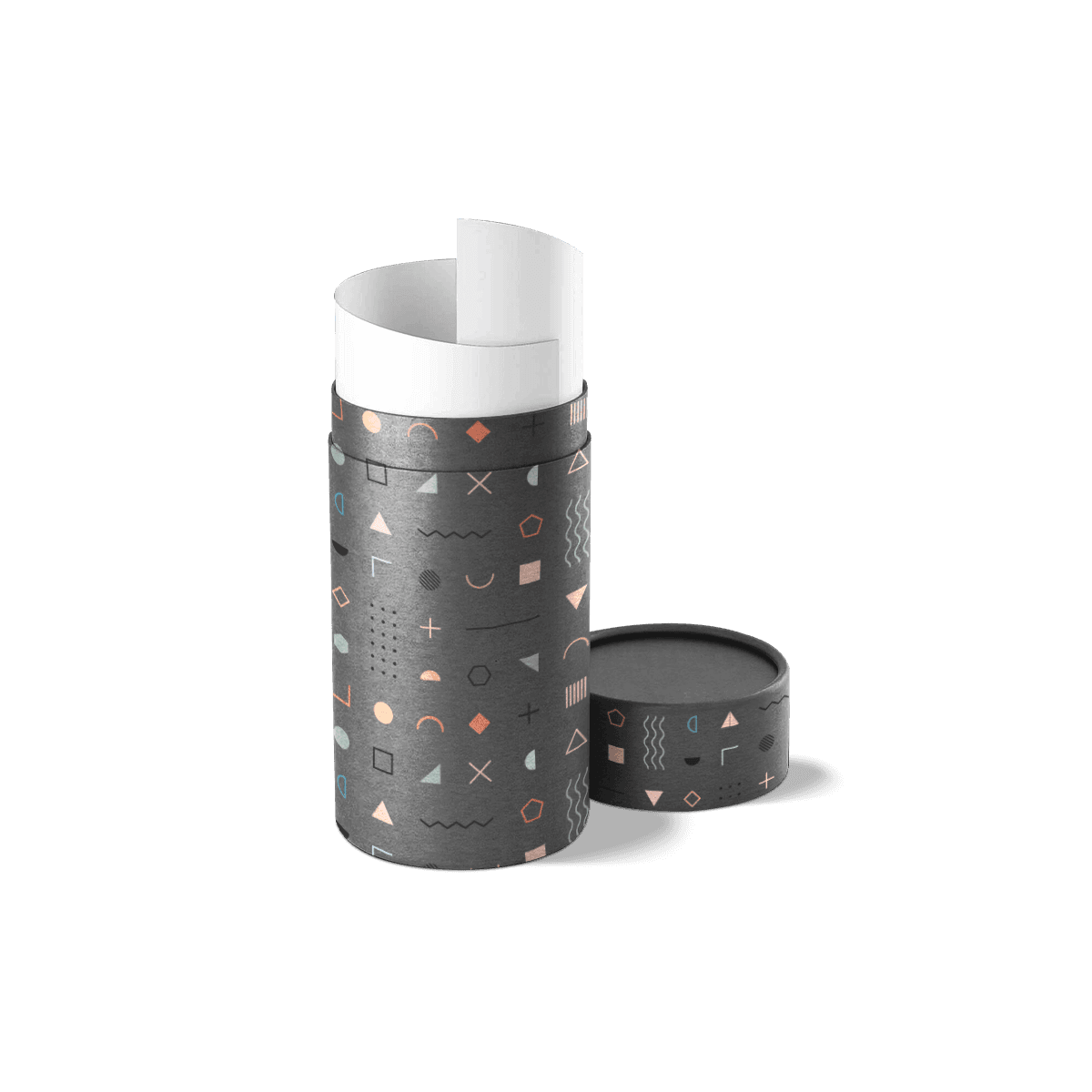
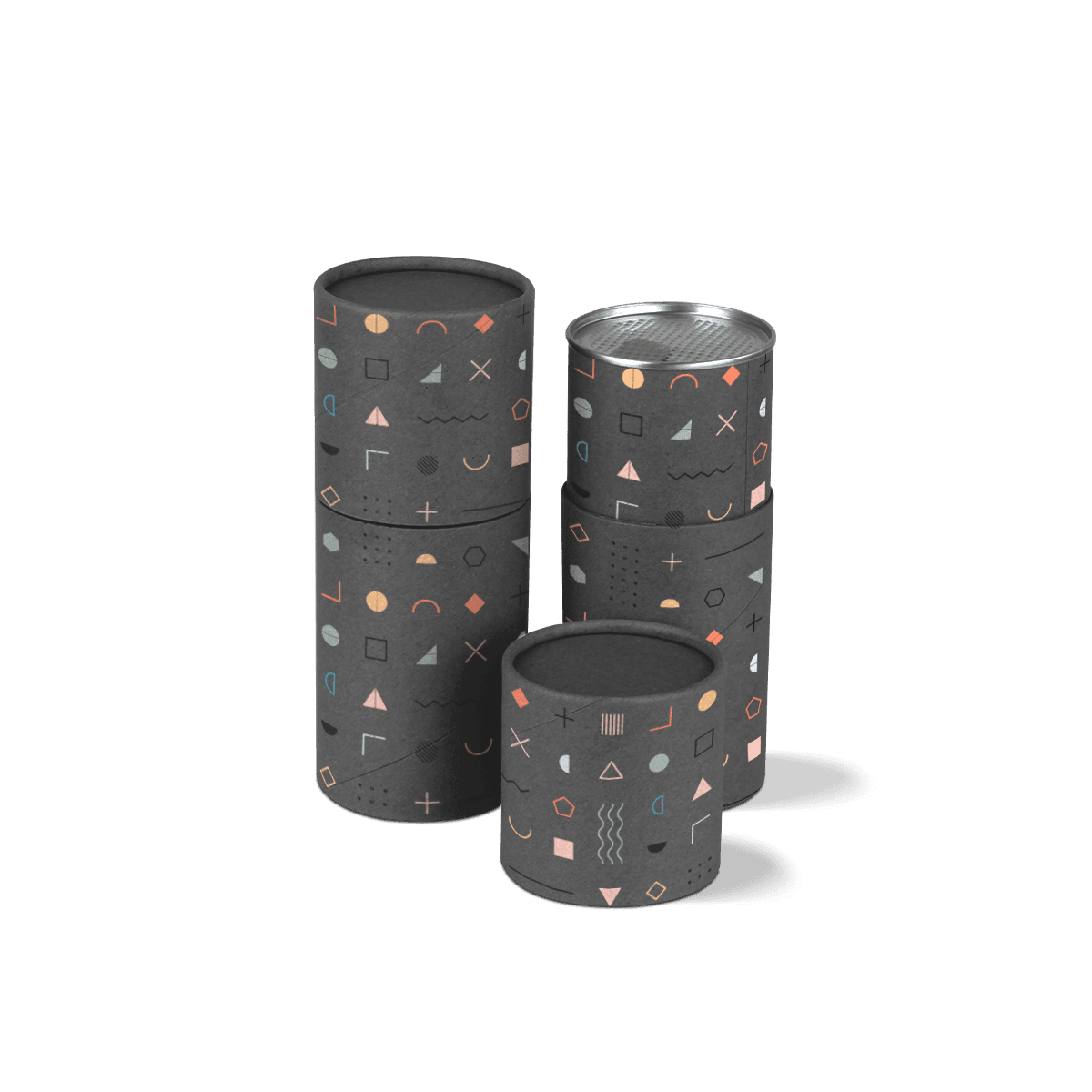
Custom Travel Jewelry Tubes

Compact cylindrical jewelry packaging that controls chains, separates small pieces and stays practical to open, pack and carry.

Round Space Needs an Interior Plan

A travel jewelry tube earns its shape only when the inside uses the cylinder well. Rings, earrings and chains do not naturally fill a round cavity, and loose jewelry can slide around the perimeter, collect at the base or tangle during movement.

The interior therefore matters more than the tube silhouette.

Travel tubes sit between compact storage and branded presentation in jewelry and accessories packaging. They work best when a small number of pieces need a portable, protective pack without the footprint of a conventional jewelry box.

A tube can hold one featured piece, a small coordinated set or several individually separated items. The insert architecture should be decided from that use before diameter, depth or decoration is finalized.

One Open Cavity Is Rarely Enough

A plain tube with soft filler may be acceptable for one robust accessory, but it becomes less predictable as soon as several delicate pieces share the cavity.

Chains can settle underneath rings. Earring posts can press against another item. Pendants can slide against the wall.

The tube may feel compact from the outside while the jewelry inside behaves like loose contents in a canister.

Internal control is what turns the cylinder into jewelry packaging.

The Center Can Do More Work

Circular packs have a central zone that rectangular jewelry boxes do not use in the same way.

A raised center support can hold a ring or bracelet while the perimeter handles another item. A circular presentation card can use slots around its edge for earrings. A removable platform can create a second level beneath the first.

That geometry is one of the strongest reasons to choose a tube rather than copying a square-box interior inside a round shell.
Separate Pieces Before Adding Cushioning

Travel movement creates repeated small motions rather than one dramatic impact. Jewelry that is free to rub against itself can become a bigger problem than jewelry moving slightly against a soft liner.

Separation should therefore come before padding.

Chains Need a Fixed Path

A necklace or fine chain should have an intentional route through the insert.

The pendant can sit on the presentation face while the remaining chain passes through slots, wraps behind a card or enters a protected lower cavity. Leaving the chain loose around the tube wall makes tangling more likely when the package changes orientation inside luggage.

Packaging inserts can use paperboard or softer materials depending on how much retention and cushioning the jewelry needs.

For delicate chains, the key question is not simply which insert feels premium. It is whether the insert keeps the chain from crossing itself.

Earrings Need Pair Control

Studs can use paired piercing points in a circular card. Hoops may need slots or shallow cavities that keep one piece from dropping beneath the other.

Long drop earrings need more vertical clearance. Their hooks should not be forced against the tube wall simply to keep the outside diameter small.

A tube intended for mixed earring styles should be sized around the largest insert requirement rather than the smallest pair in the line.

Rings Need Orientation

A ring placed flat at the bottom can move every time the tube is tilted.

A slotted pad, raised holder or central retention element can keep the ring upright and make it visible as soon as the lid comes off.

For single-ring gifting where travel is secondary, ring boxes can create a more conventional presentation. The tube becomes more relevant when compact portability or multi-piece organization is part of the brief.

Diameter Sets the Packing Logic

Tube diameter does more than determine whether the jewelry fits. It determines how much usable presentation area exists, how easily fingers can reach the contents and how many separate retention zones can be created.

An oversized diameter creates dead space around small pieces. An overly narrow tube can make the jewelry difficult to remove even when everything technically fits.

Measure the Insert, Not Only the Jewelry

The finished internal diameter has to accommodate the jewelry plus the complete retention system.

A pendant card, foam ring pad or folded paper support consumes space around the product. If the tube is sized around the bare jewelry first, the insert may later make the fit too tight.

The same applies vertically. Lid overlap, base construction and any raised platform reduce the internal height that can actually be used.

The principles behind sizing a cardboard tube become especially important when several concentric parts need to fit without binding.

Finger Access Is Part of Fit

A jewelry piece can fit perfectly and still be frustrating to remove.

Small tubes can create this problem because the customer may have no room to get fingers around a presentation pad or insert. Shaking valuable jewelry out defeats the point of secure retention.

A lift tab, ribbon pull, removable tray or accessible edge can make a close-fitting interior practical.

This is a different fit question from preventing movement. The pack needs enough retention during travel and enough release when the customer intentionally opens it.

Lid Grip Must Survive Movement

A travel pack may spend more time on its side than standing upright. That puts more importance on lid retention than a tube used only for countertop gifting.

A loose cover that feels fine during a controlled unboxing can work itself upward inside a handbag or suitcase.

A lid that grips too aggressively creates the opposite problem. Customers may twist, pull or shake the tube hard enough to disturb the jewelry inside.

Telescopic Overlap Adds Security

A deeper lid overlap creates more contact between the upper and lower parts of the pack.

Telescopic tubes suit jewelry packs that need a longer lid engagement and a slower two-piece opening.

The tolerance should still allow the lid to release without excessive force.

Paper wraps, board thickness and manufacturing tolerances all affect that fit, so the finished construction matters more than a nominal diameter alone.

Short Covers Favor Quick Access

A simpler removable cover can work for small jewelry tubes used for retail gifting or hotel-room storage where the pack is not expected to endure much movement while loose.

The shorter opening can also reduce the height needed to separate lid and base.

The closure decision should follow the travel duty rather than a preferred appearance.

Height Changes What Can Tangle

A tall tube seems attractive when several jewelry pieces need to fit, but vertical space can create its own problem.

If several items share one continuous cavity, a longer tube simply gives them more room to move from end to end.

The extra height should therefore correspond to an insert function.

Stacked Levels Can Divide a Set

A shallow upper insert can hold earrings while a lower level stores a bracelet or pendant. Another approach is a removable tray above a separate compartment.

This arrangement can make cylindrical space efficient without requiring one large mixed cavity.

It also changes the opening sequence. The first item becomes the presentation layer while the second appears after the customer removes the tray.

Long Chains Need Managed Length

A necklace does not need a tube as tall as the chain itself.

The chain can be routed behind an insert or around controlled retention points, allowing the overall pack to remain compact.

Adding height merely to accommodate the chain in a loose vertical drop wastes space and makes tangling harder to control.

Travel Duty Is Different From Gift Duty

A jewelry tube can look gift-ready and still be poorly suited to travel.

Gift packaging may spend most of its life upright on a shelf, inside another bag or opened once at a presentation moment. Travel packaging changes orientation repeatedly and may be packed beside toiletries, electronics, clothing and harder objects.

That environment shifts the structural priorities.

Outer Walls Resist Crushing, Not Scratching

A firm paper tube helps resist light compression and protects the internal geometry, but it cannot prevent two unsecured jewelry pieces from touching each other.

Protection starts with the insert.

For tube structure itself, custom cardboard tubes can use firm cylindrical walls, fitted lids, printed wraps and internal supports.

A jewelry travel tube still needs a suitable outer shipping pack when it enters parcel distribution. The presentation tube should not be treated automatically as a standalone courier container.

For US packaging orders, Custom Packly includes free shipping.

Hotel and Trip Kits Need Different Organization

A tube holding jewelry alone should keep the interior dedicated to jewelry.

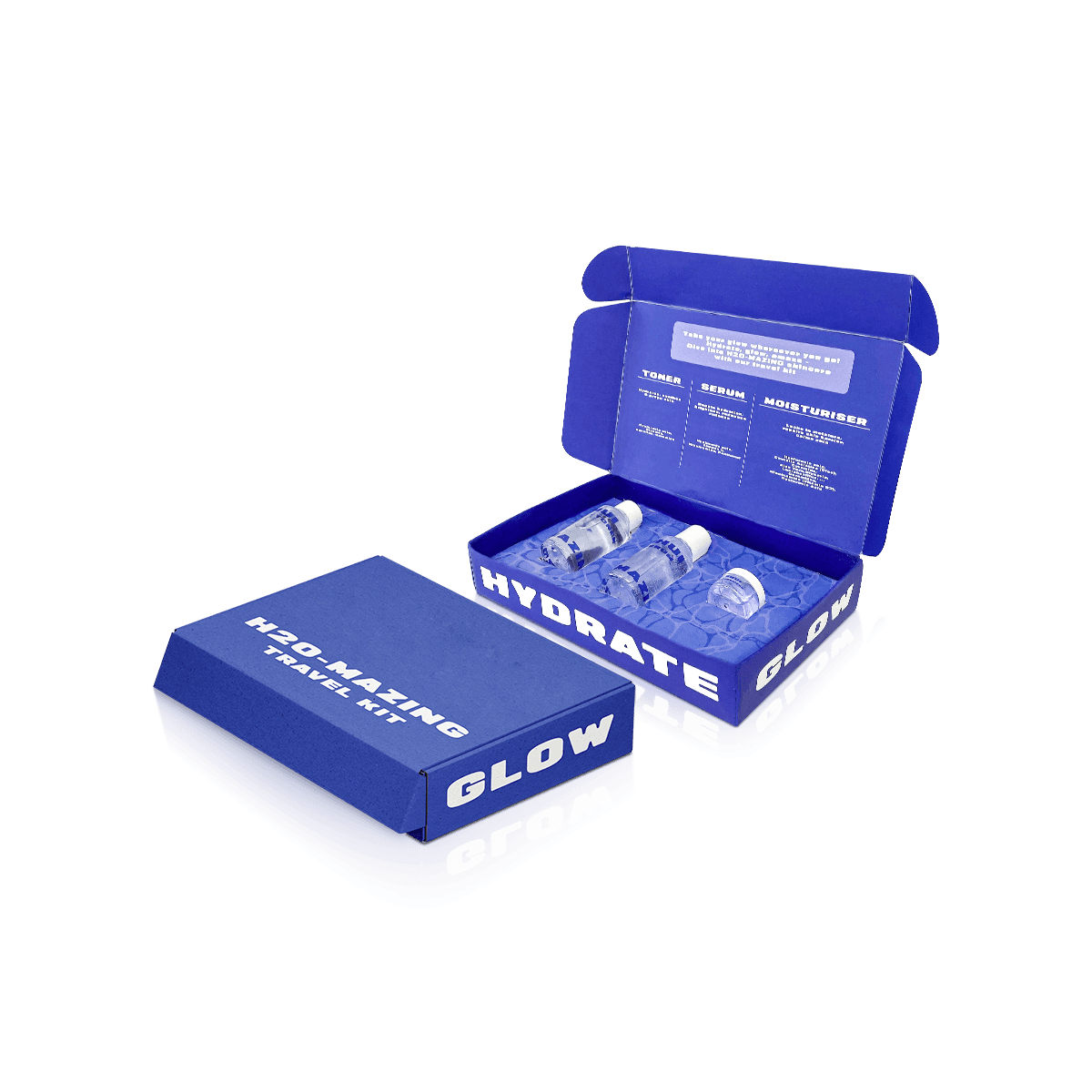
A mixed travel pack that combines toiletries, sleep accessories and several personal items has a different job. Travel Kit Boxes suit multi-item essentials that need separate compartments in a rectangular pack.

The distinction keeps Travel Jewelry Tubes focused on compact jewelry storage rather than turning the tube into a general travel organizer.

Curved Artwork Has No True Front

A cylinder does not present artwork like a rectangular lid.

Only part of the wrap is visible from one viewing angle. If the logo, product name and supporting graphics are spread too far around the circumference, the customer has to rotate the tube to understand the design.

A clear primary viewing zone is therefore useful even though the artwork continues around the package.

Keep Key Marks Away From the Seam

The outer wrap normally has a joining area. Critical typography, tiny details and precise geometric graphics should not depend on that seam disappearing completely.

The artwork can use the seam as a controlled boundary or keep it in a less prominent viewing position.

The Lid Creates a Second Canvas

The top face is small but visually important.

A centered mark, monogram, pattern or restrained finish can make the tube recognizable from above when several packs are placed together.

Premium offset printing can handle detailed brand artwork while foil, embossing, debossing, matte or gloss treatments can be applied selectively according to the chosen surface.

Tube packaging versus box packaging becomes a practical decision when the brand is still weighing cylindrical shelf presence against rectangular stacking and storage.

A Tube Should Pack Like a Travel Product

The packing sequence deserves attention because small tubes can become slow to assemble if every jewelry piece requires several manual adjustments.

Consider a branded travel tube holding a pendant and a pair of studs. The first concept uses shredded filler under a loose jewelry card. Staff place the earrings, drop the chain into the base, add filler and then try to position the pendant before closing the lid.

The finished tube looks attractive, but every pack differs slightly. The chain can disappear beneath the filler and the pendant may rotate during transport.

A better interior gives each item one defined position. The studs sit in paired holes on a removable circular card. The pendant is centered on that card while excess chain routes behind it. The completed insert drops into the tube as one controlled unit.

The adjustment improves both travel behavior and packout consistency without requiring a larger outer package.

Physical sampling is particularly useful here because finger access, insert friction and lid resistance are difficult to judge from artwork alone.

Custom Packly can supply free sample examples of previous work where relevant. A fully custom pre-production sample can also be arranged as a paid sample when the exact insert and tube interaction needs physical evaluation.

Price the Interior With the Tube

Travel jewelry tube cost depends on more than diameter and wrap printing.

The insert, lining, lid construction, number of interior levels, hand assembly and finishes can materially change the production job. A simple single-ring tube and a two-level travel set may share the same outer cylinder but have very different internal work.

MOQ starts from 100 tubes for US orders.

Once diameter, height, jewelry mix, insert concept, quantity and print direction are settled, an instant custom packaging quote can reflect the actual construction.

Custom Packly supports transparent pricing with no hidden charges and US production. standard turnaround is 4–6 days after final artwork and specifications are approved. Complex structures, specialty materials or advanced finishes may require additional time.

Use the Tube Only Where Round Helps

Cylindrical packaging is visually distinctive, but unusual shape alone is not enough reason to use it.

Travel Jewelry Tubes make the most sense when a compact round footprint, controlled multi-level interior or portable storage function contributes something a standard jewelry box does not.

For flat necklaces, large bracelets or broad statement earrings, a rectangular box may use space more efficiently.

For very lightweight pieces where crush resistance and rigid presentation are unnecessary, a soft pack can make more sense.

That is especially important because custom tube packaging occupies more circular case space than a flat rectangular pack of similar internal volume.

Diameter Can Become Wasted Shipping Space

Round packs leave gaps when arranged inside rectangular master cartons.

For low-volume premium products, that may be a reasonable trade-off for presentation. At larger quantities, the master-carton layout should be considered before making the tube wider than necessary.

Compact diameter improves more than hand feel. It can influence warehouse storage, case counts and secondary shipping volume.

Warehousing and scheduled deliveries can support larger jewelry programs when several launches or retail locations need stock released at different times.

One Tube Does Not Need to Fit Every Piece

Trying to package rings, earrings, necklaces and bracelets inside one universal cylinder can lead to an oversized pack for most of the line.

A better program may use one compact diameter with different insert layouts for compatible products, then another size for pieces that genuinely need more room.

This gives the line visual consistency without forcing identical internal geometry.

Design the Opening Around the Trip

The final check is not how the tube looks closed. It is what happens after it has spent time moving.

Open the pack in the orientation a traveler is likely to use. The lid should come away without pulling the insert upward unexpectedly. Jewelry should remain in its intended positions. A removable tray should be easy to grip without turning the tube upside down. Chains should stay routed when the pack has been carried horizontally.

These details define the product more clearly than adding another decorative finish.

Custom Packly is an experienced US custom packaging company with extensive customization, design support and 24/7 packaging expert support. Travel Jewelry Tubes work when the cylinder becomes part of the organization system: compact on the outside, controlled inside and straightforward to reopen wherever the jewelry is being used.

FAQs

A tube is often the better answer when width is the real constraint. Its upright shape fits corners, side pockets and narrow shelving more naturally than many flat presentation boxes.

Choose Travel Jewelry Tubes when the pack is centered on one small jewelry item or a slim accessory set that benefits from a narrow reusable holder. Travel Kit Boxes make more sense when the package also needs room for toiletries, printed inserts or several travel components.

Not when the inside is designed for retention. Paperboard cards, soft wraps, pouch liners and end pads keep pieces lifted, reduce slide and make the contents easier to remove in one motion.

Printed wraps, soft touch lamination and subtle foil accents can elevate the format quickly without making it bulky. That balance works well for travel shops where the package needs to feel presentable and practical at the same time.

Most brands use a wrap label, printed shell or belly band for care details, barcodes and collection messaging. The curved surface still gives usable print space when the layout is planned early in the artwork stage.

Process

How it works

Your Packaging Journey, From Idea to Production and Delivery

01

Tell Us Your Specs

Custom packaging boxes

Tell Us Your Specs

Provide size, quantity, printing, and finishes.

02

Get a Fast Quote

Custom packaging boxes

Get a Fast Quote

Instant transparent pricing, no hidden fees.

03

Design and Approval

Custom packaging boxes

Design and Approval

Artwork checks, revisions, and final sign-off.

04

Produce

Custom packaging boxes

Produce

Expert manufacturing to meet deadlines.

05

Ship to Your Door

Custom packaging boxes

Ship to Your Door

Hassle-free, flexible delivery options.

Get Your Quote for Custom Travel Jewelry Tubes

Share your product details, size, quantity and artwork needs. We’ll help choose the right packaging style and send a clear quote.