The Window Has a Viewing Angle
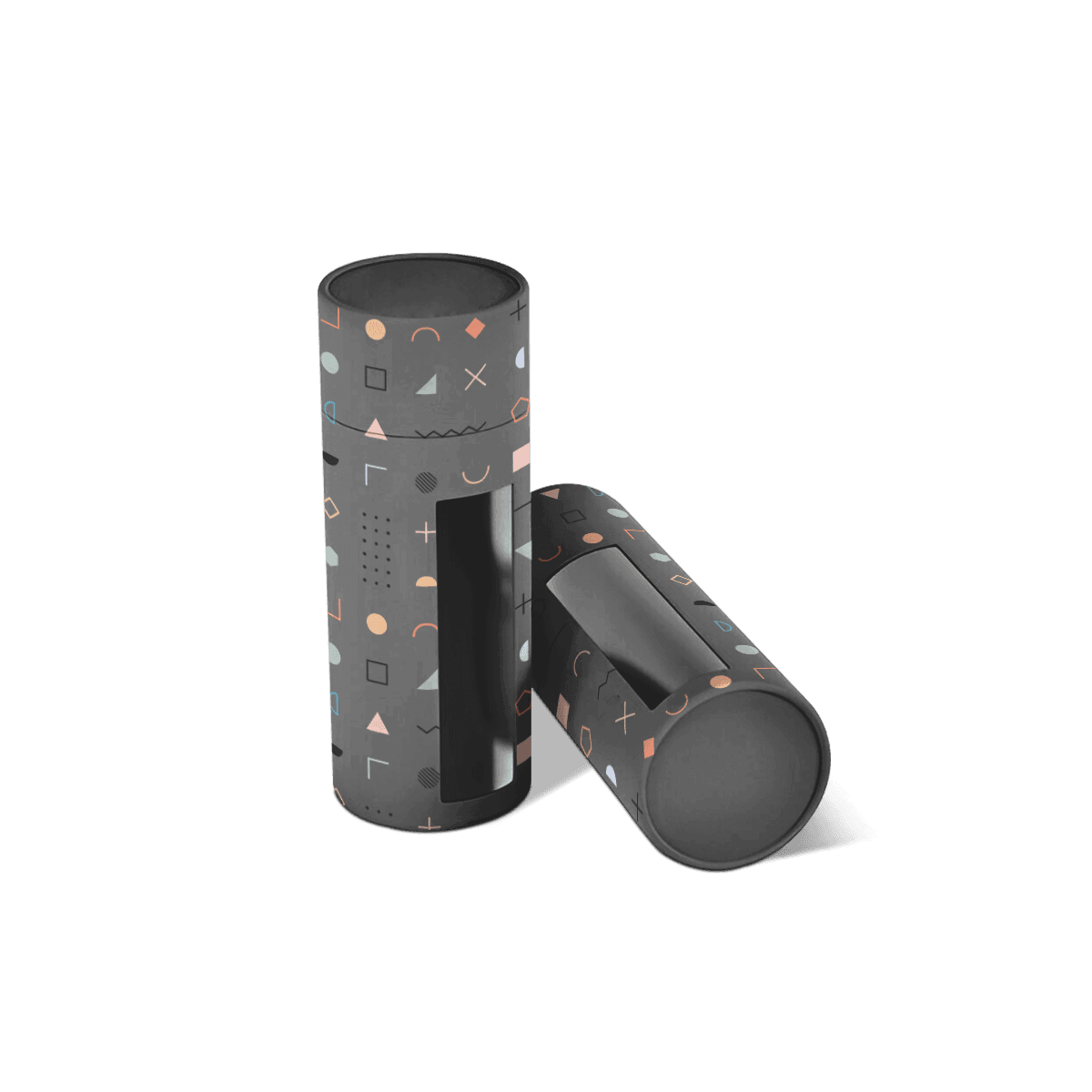
On a cylindrical package, the product is visible only when the cutout faces the customer. Turn the tube, and the paperboard wall conceals it again.
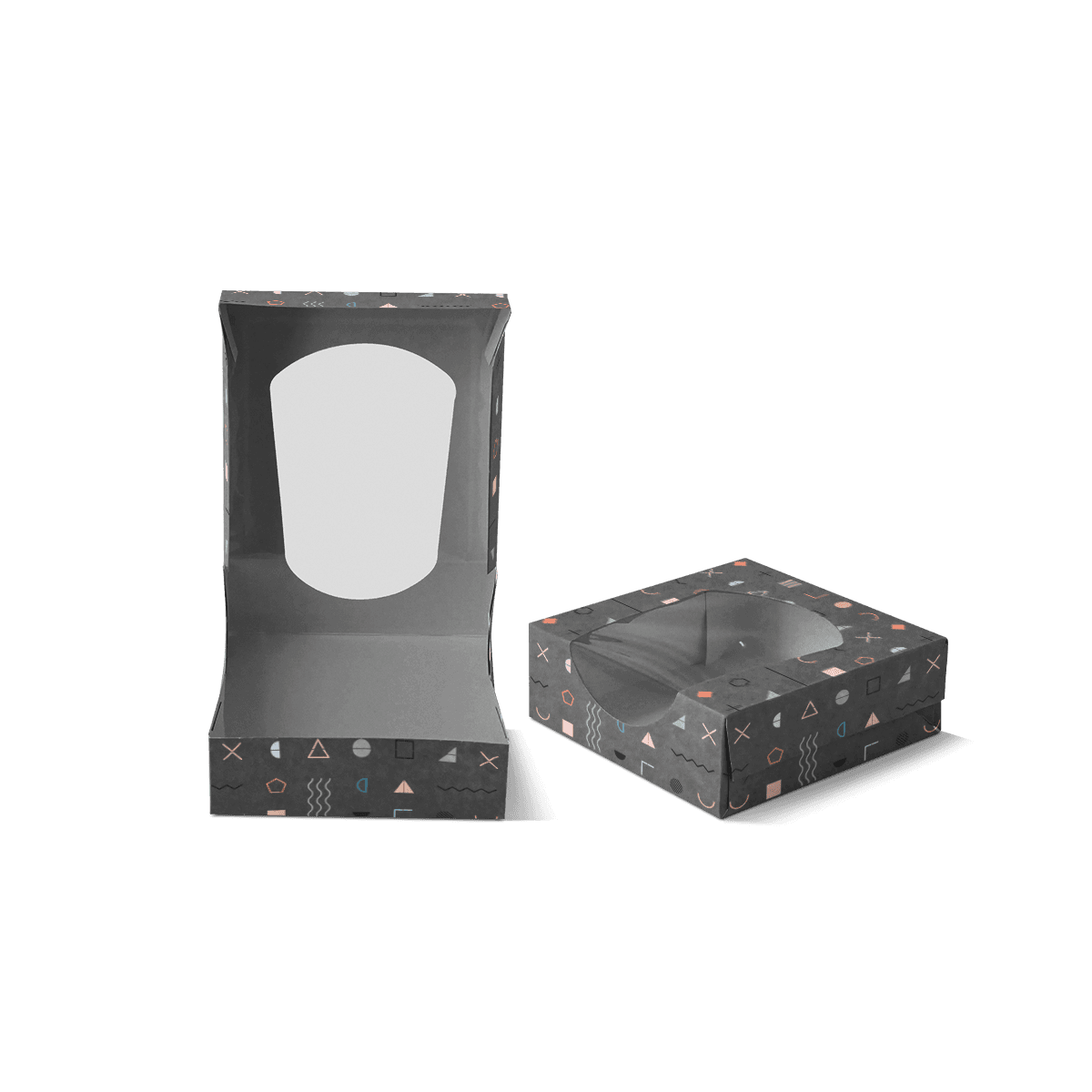
That makes window placement particularly important for custom windowed tubes. The opening must reveal something customers genuinely want to inspect while leaving enough of the cylindrical body intact to support the product.
A clear window can show the color of a cosmetic item, the texture of a specialty product or the arrangement of a small gift. Its effectiveness depends on what customers see through the opening, not simply how large the cutout appears.
The window also occupies space that would otherwise carry printed artwork.
A practical design balances the product view, remaining paperboard and the information customers need before purchasing.
The Primary Viewing Position
A window intended for retail display should face the customer when the finished tube occupies its normal shelf position.
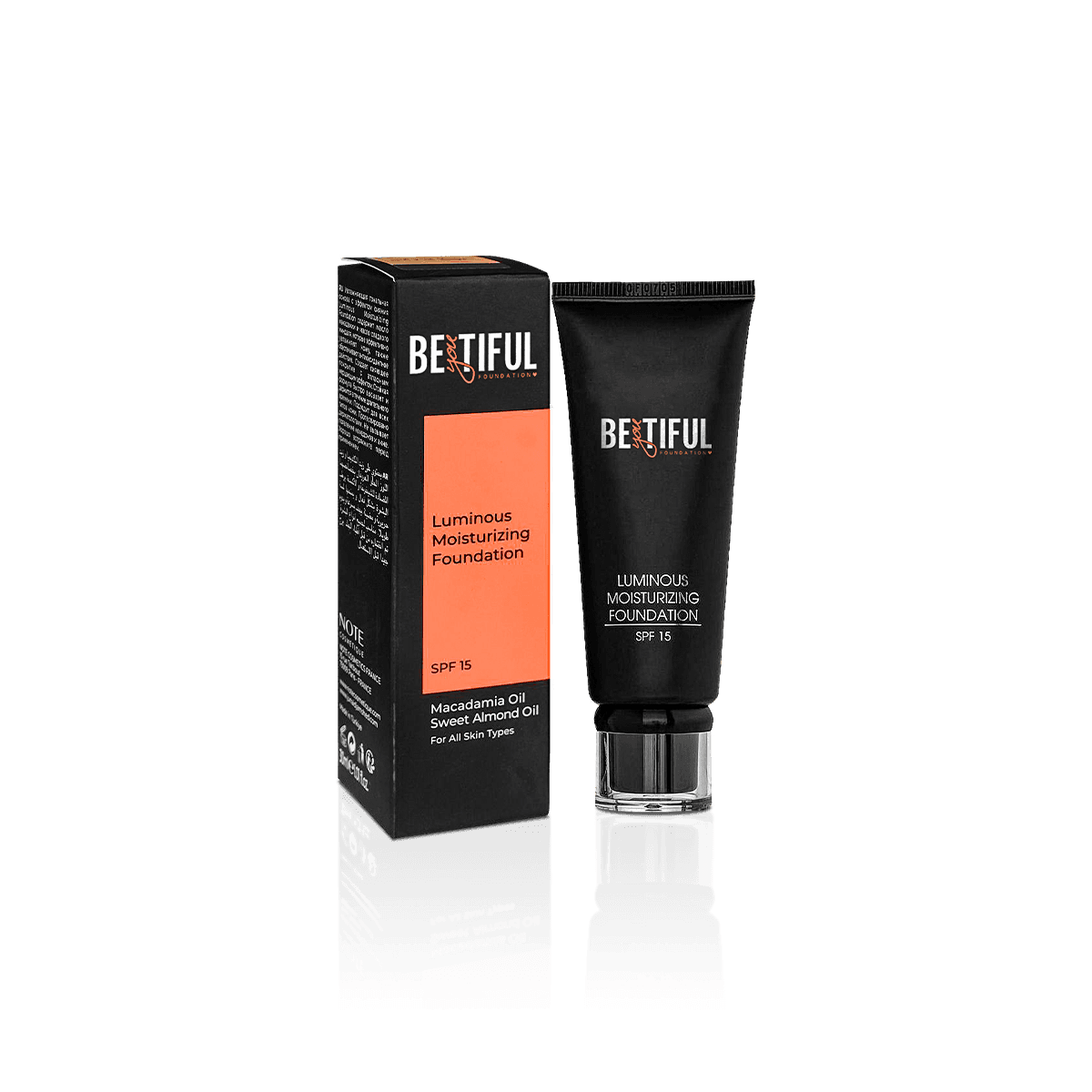
For a cylindrical skincare product, a narrow vertical opening may reveal part of the container while leaving room for the brand and product name.
A shorter window may be sufficient when the customer only needs to see a specific color or decorative feature.
The chosen position should account for the product's actual location inside the tube.
If the item sits below the opening, customers may see an empty cavity rather than the intended product.
The Curved Viewing Area
A flat window drawing does not communicate everything about its finished appearance.
Once the printed material is wrapped around the tube, the edges of the opening curve away from the viewer.
A broad rectangular window may therefore reveal less of the product from a straight-on viewing position than expected.
The actual viewing area depends on the tube diameter, cutout width and distance between the window and product.
A narrower opening can work well when it is positioned directly in front of the product's distinguishing feature.